


shutterstock

Top 5 Italian Cuttlefish Dishes

Last updated on July 15, 2026
01

Seppie in umido

3.9 ·

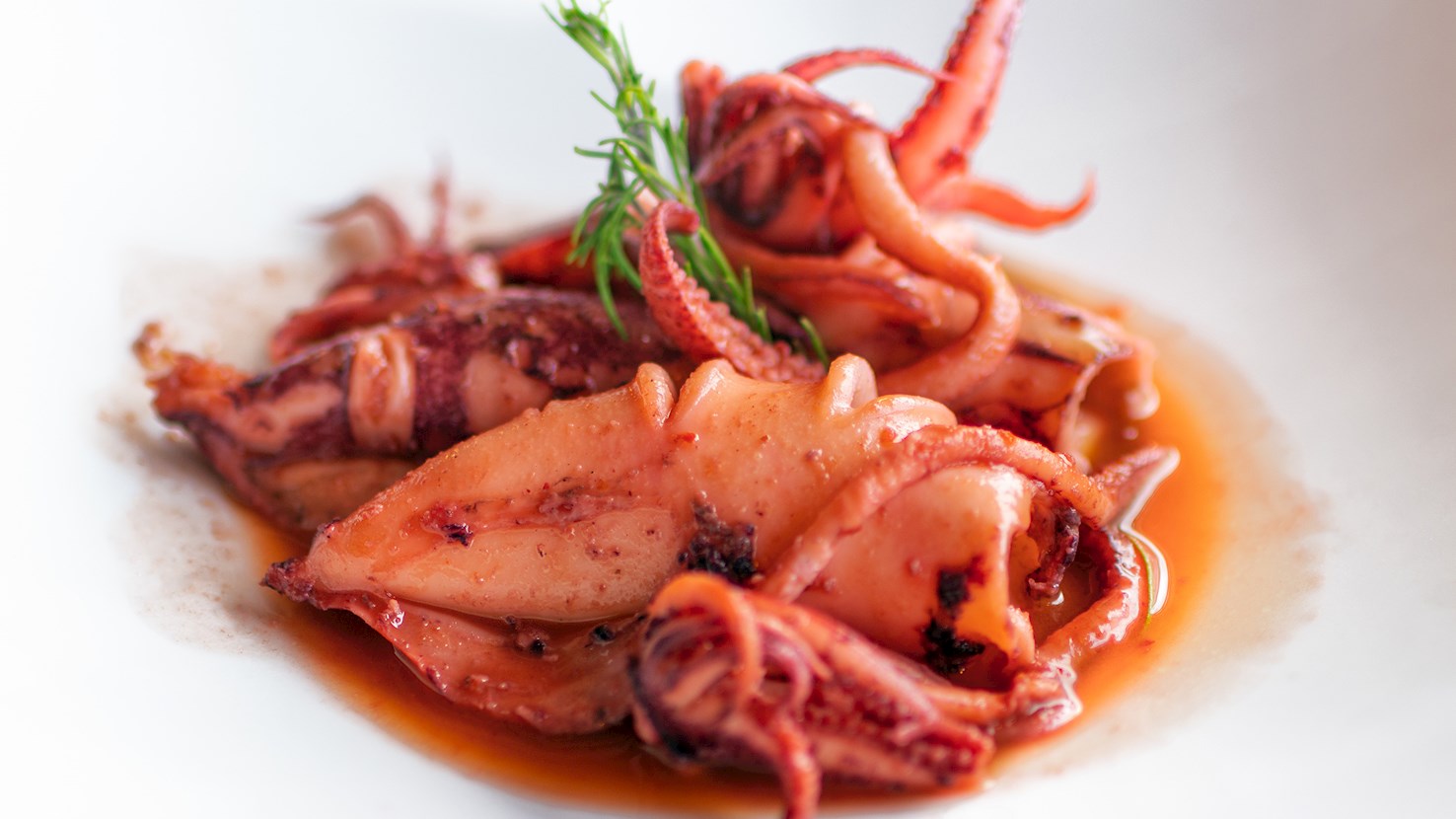
Seppie in umido is a traditional dish originating from Venice. The dish is usually made with a combination of sliced cuttlefish, onions, garlic, tomatoes, tomato paste, cinnamon, ginger, nutmeg, rosemary, oil, salt, and black pepper. The onions and garlic are sautéed in oil until soft, and then mixed with the rosemary and cuttlefish. The mixture is covered with water and simmered for more than half an hour, and the tomatoes, tomato paste, spices, salt, and pepper are then added to the pan. The dish is slowly cooked until the sauce becomes thick and the cuttlefish is tender. Seppie in umido is typically served over polenta.

02

Seppie ripiene

3.4 ·

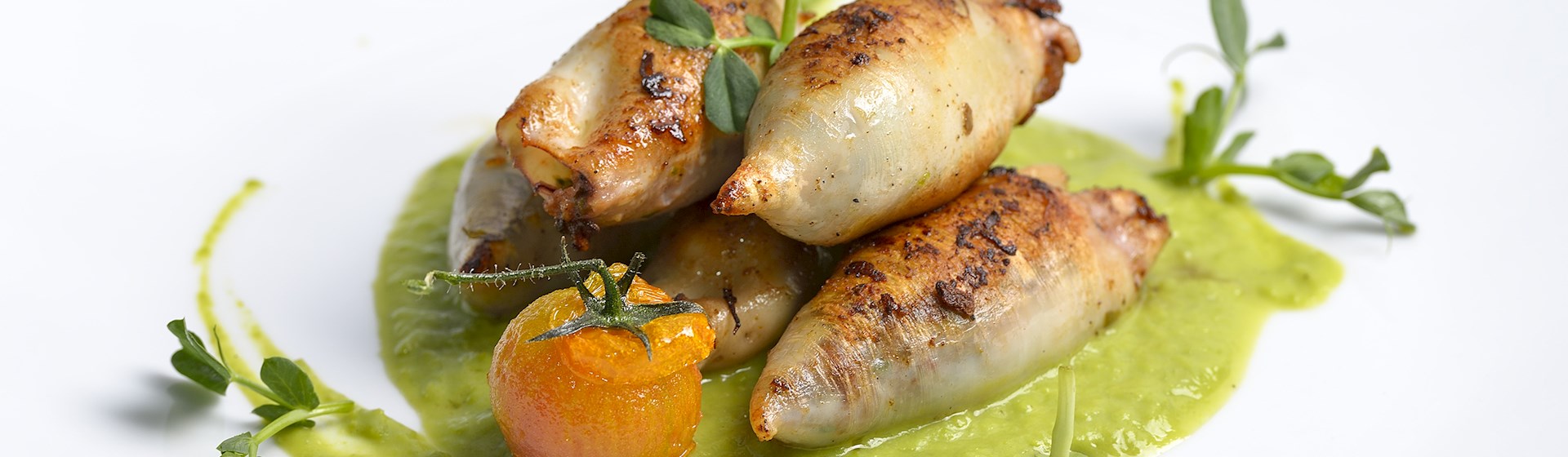
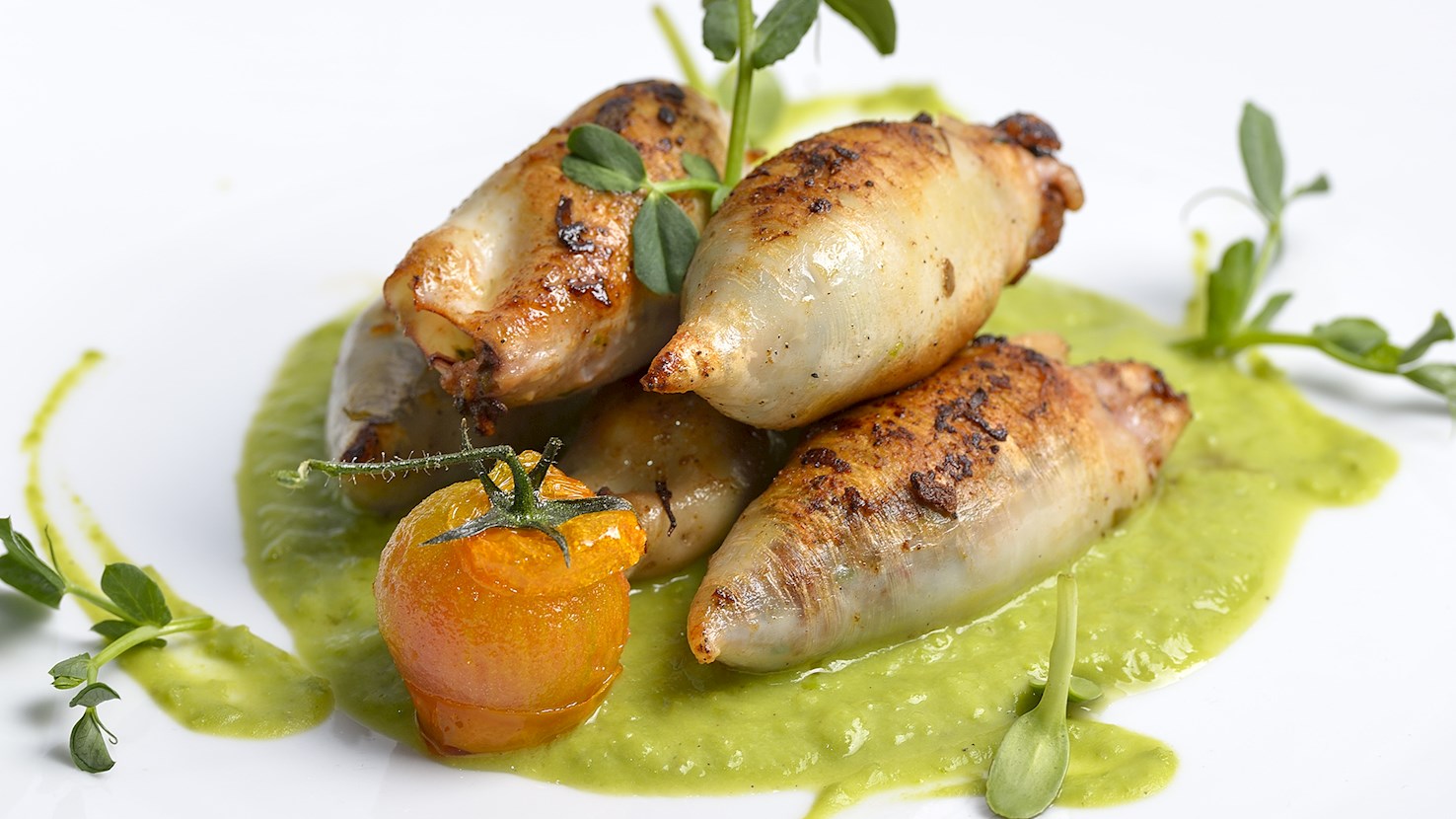
Stuffed cuttlefish, often replaced with the smaller and more available squid, is a traditional dish whose origins are claimed by many Italian regions, including Liguria, Campania, Apulia, and Sicily. Following this, many regional recipes have been created that use a different combination of ingredients to create various flavorful fillings. However, all of them employ Italian and Mediterranean classics such as various herbs, garlic, prosciutto, capers, pine nuts, and ricotta, parmesan, or pecorino cheese. When filled, the cuttlefish is usually pan-fried, grilled, or baked and finished off with the addition of white wine. The first written recipe for this classic is found in the De re coquinaria, an ancient collection of Roman recipes that was collected around the 4th and 5th century.

03

Seppie con i piselli

3.3 ·

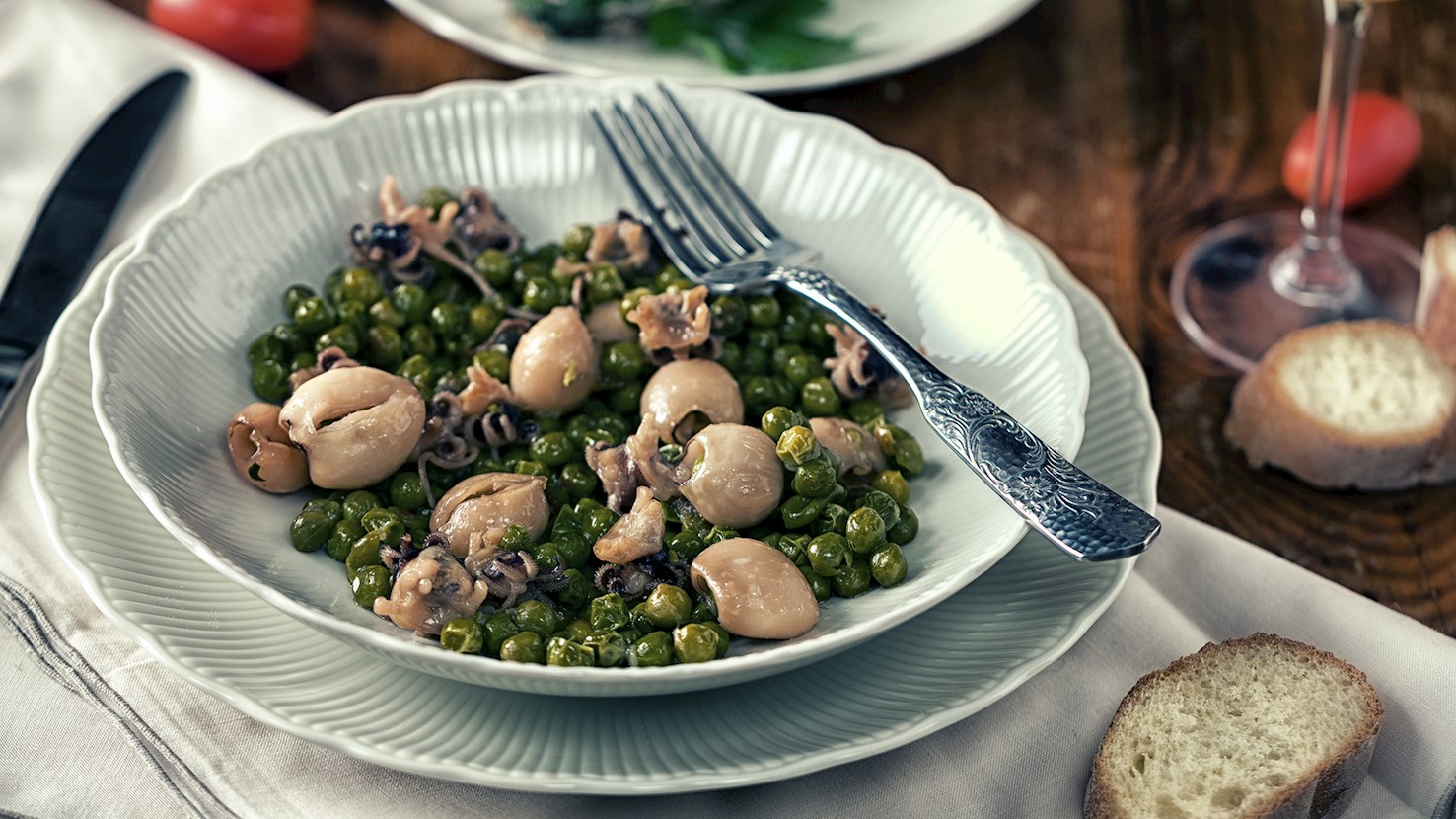
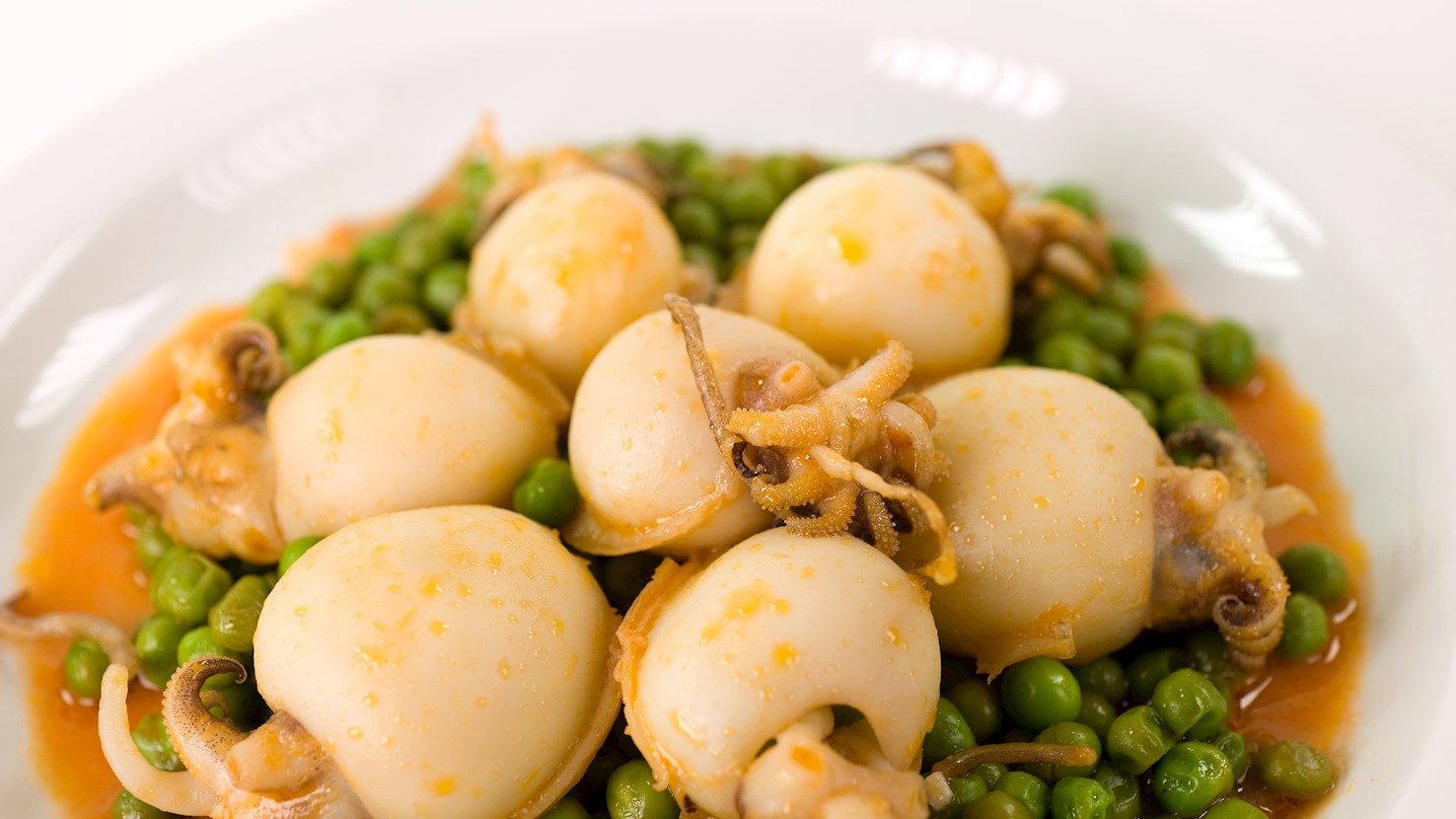
Seppie con i piselli is a traditional dish with unknown origins – some say it comes from Liguria, some from Marche, Romagna, or Lazio. The dish is made with cuttlefish, onions, tomatoes (which are omitted in some versions), peas, white wine, and olive oil. The onions are sautéed in olive oil, and the cuttlefish pieces are then added along with white wine. When the wine evaporates, the tomatoes are added and the dish is slowly simmered until the cuttlefish is tender. The peas are added near the end of cooking, and seppie con i piselli are usually served with crusty bread on the side for mopping up the flavorful juices.

04

Seppioline con piselli (Cuttlefish with Peas)

n/a ·

Seppioline con piselli is a traditional dish consisting of cuttlefish and peas as the main ingredients. Other ingredients typically include onions, garlic, basil, olive oil, parsley, tomato sauce, white wine, salt, and pepper. The cuttlefish is cleaned and cut lengthwise, while hte onions and garlic are finely chopped. The onions are sautéed in olive oil with the cuttlefish and garlic. White wine is added to the pan and the dish is simmered until the liquid evaporates. The tomato, peas, parsley, and basil are added to the dish and it's cooked until the cuttlefish is tender. Before serving, seppioline con piselli are seasoned with salt and pepper to taste.

05

Risotto con le seppie

n/a ·

Risotto con le seppie is a traditional risotto made with cuttlefish. Other ingredients usually include fish stock, tomato paste, olive oil, black pepper, garlic, parsley, anchovies, and risotto rice such as Carnaroli or Arborio. The cuttlefish is washed, chopped into small strips and pieces, and set aside. The garlic, parsley, and anchovies are sautéed in olive oil over medium heat until the anchovies dissolve, and the cuttlefish is then added to the mixture along with freshly ground black pepper. The fish stock, tomato paste, and rice are added to the pan, and the risotto is simmered over medium heat until done. Risotto con le seppie is served immediately, while still hot.

Read more
View all
View map
About this ranking

TasteAtlas food rankings are based on the ratings of the TasteAtlas audience, with a series of mechanisms that recognize real users and that ignore bot, nationalist or local patriotic ratings, and give additional value to the ratings of users that the system recognizes as knowledgeable. For the “Top 5 Italian Cuttlefish Dishes” list until July 15, 2026, 42 ratings were recorded, of which 33 were recognized by the system as legitimate. TasteAtlas Rankings should not be seen as the final global conclusion about food. Their purpose is to promote excellent local foods, instill pride in traditional dishes, and arouse curiosity about dishes you haven’t tried.

Similar lists