



shutterstock

6 Daifuku Varieties
Ranked From the Best To the Worst

Last updated on August 17, 2026
01

Ichigo daifuku

4.0 ·

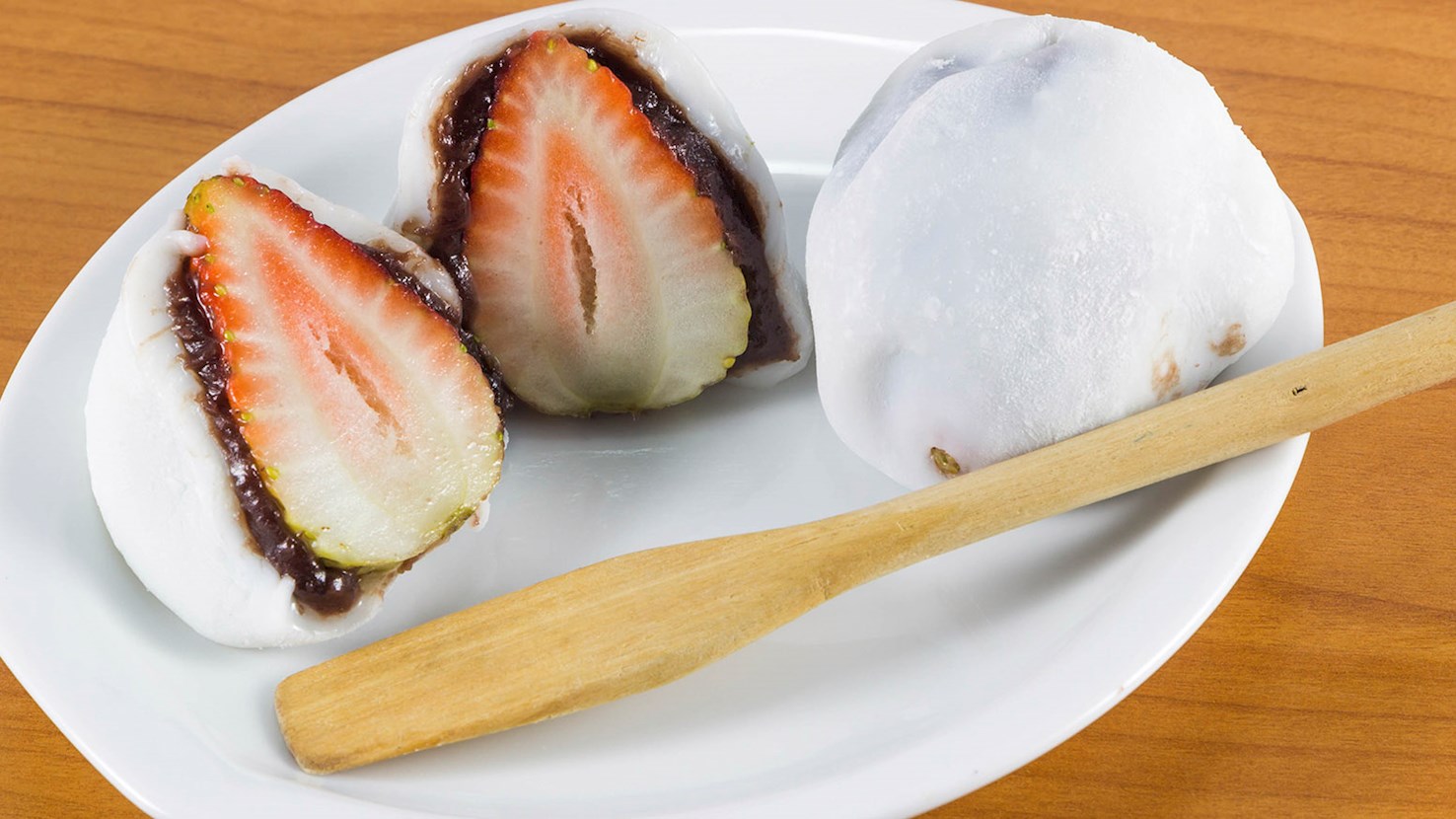
Ichigo daifuku is one of the most interesting versions of the traditional Japanese daifuku sweets. All daifuku varieties consist of a chewy mochi shell, made with pounded glutinous rice and various fillings which are hidden inside the shell. Ichigo stands out as one of the unique types since it uses whole strawberries as fillings. In the most traditional type, the strawberry is first wrapped in a thin layer of sweet red bean paste, referred to as anko in Japanese, and then in a layer of soft white mochi. Modern variations occasionally switch anko with white bean paste, and the mochi shell is sometimes colored pale red to signify the color of the strawberry. Ichigo daifuku is a seasonal confectionery, usually consumed in the spring when strawberries are in season. When cut, this sweet treat showcases a beautiful and visually appealing combination of red berries, dark anko paste, and a pale white layer of mochi. Although it is a staple dessert in Japan, ichigo daifuku first appeared in the 1980s. Many famous confectionery shops claim that they created the first ichigo, but the real history is unknown. Just like other daifuku varieties, ichigo is always enjoyed freshly prepared.

02

Mame daifuku

3.5 ·

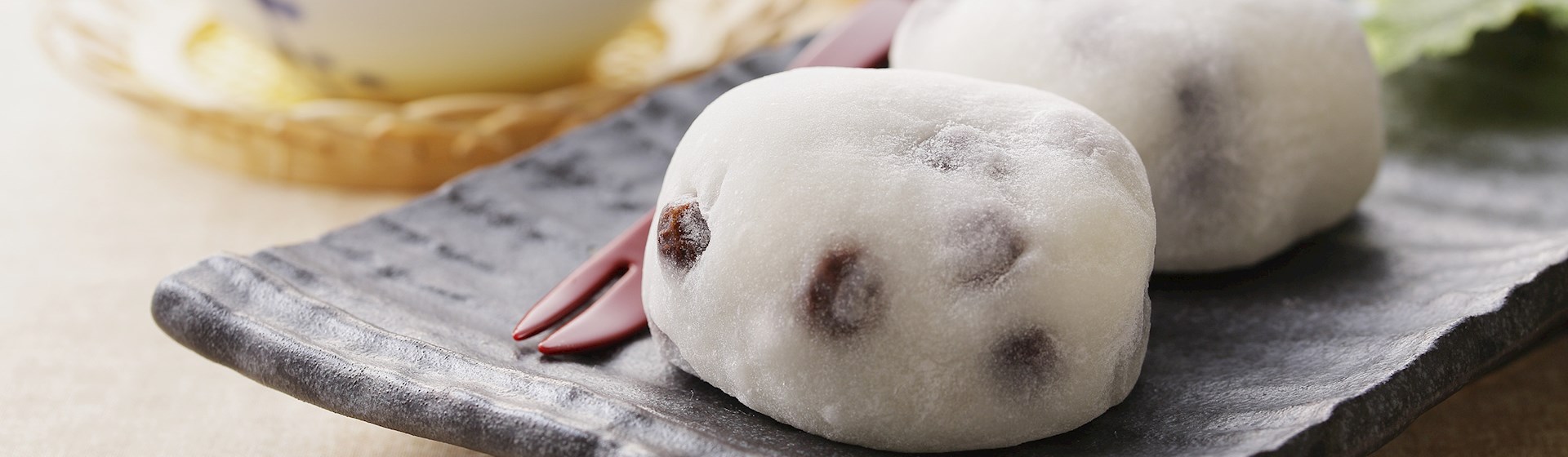
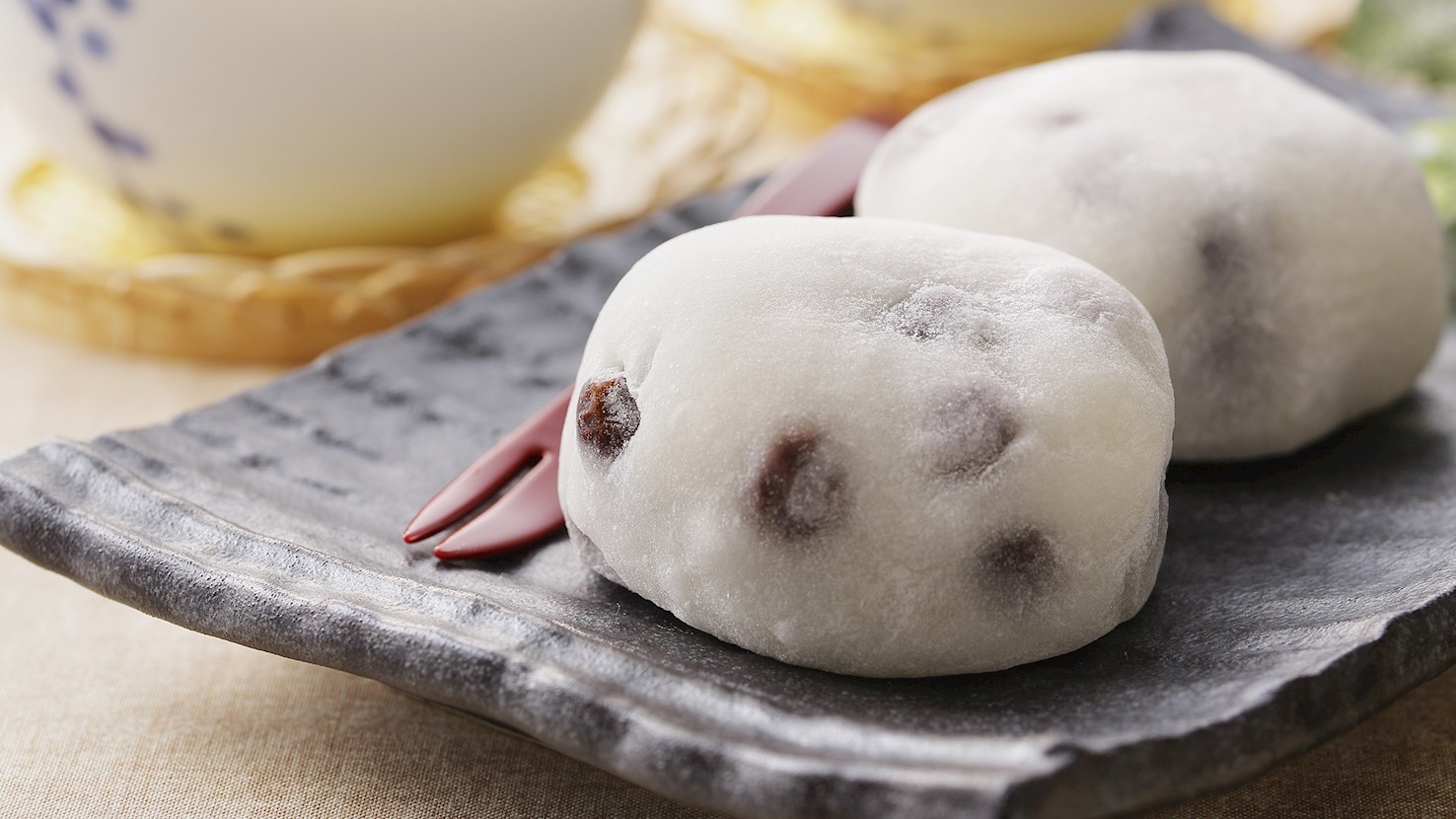
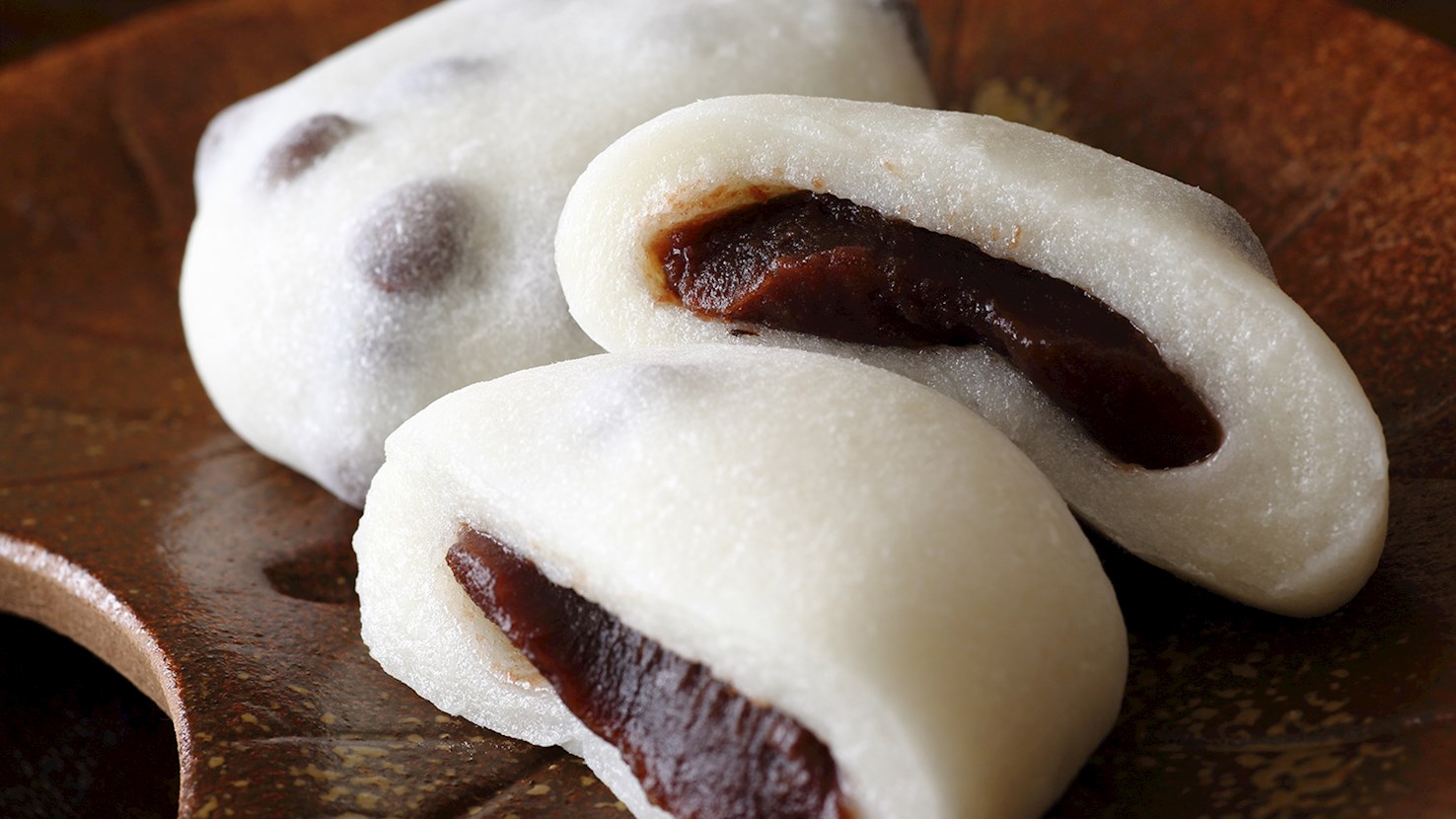
Mame daifuku is a beloved Japanese sweet dating back to the Edo period. The sweet consists of a rice cake filled with anko, soybeans, or azuki beans. Mame daifuku is commonly served at Japanese tea ceremonies, although it can also be served alongside coffee. Many believe that it is a morning snack and should be consumed on the same day that it was produced.

03

Shio daifuku

2.7 ·

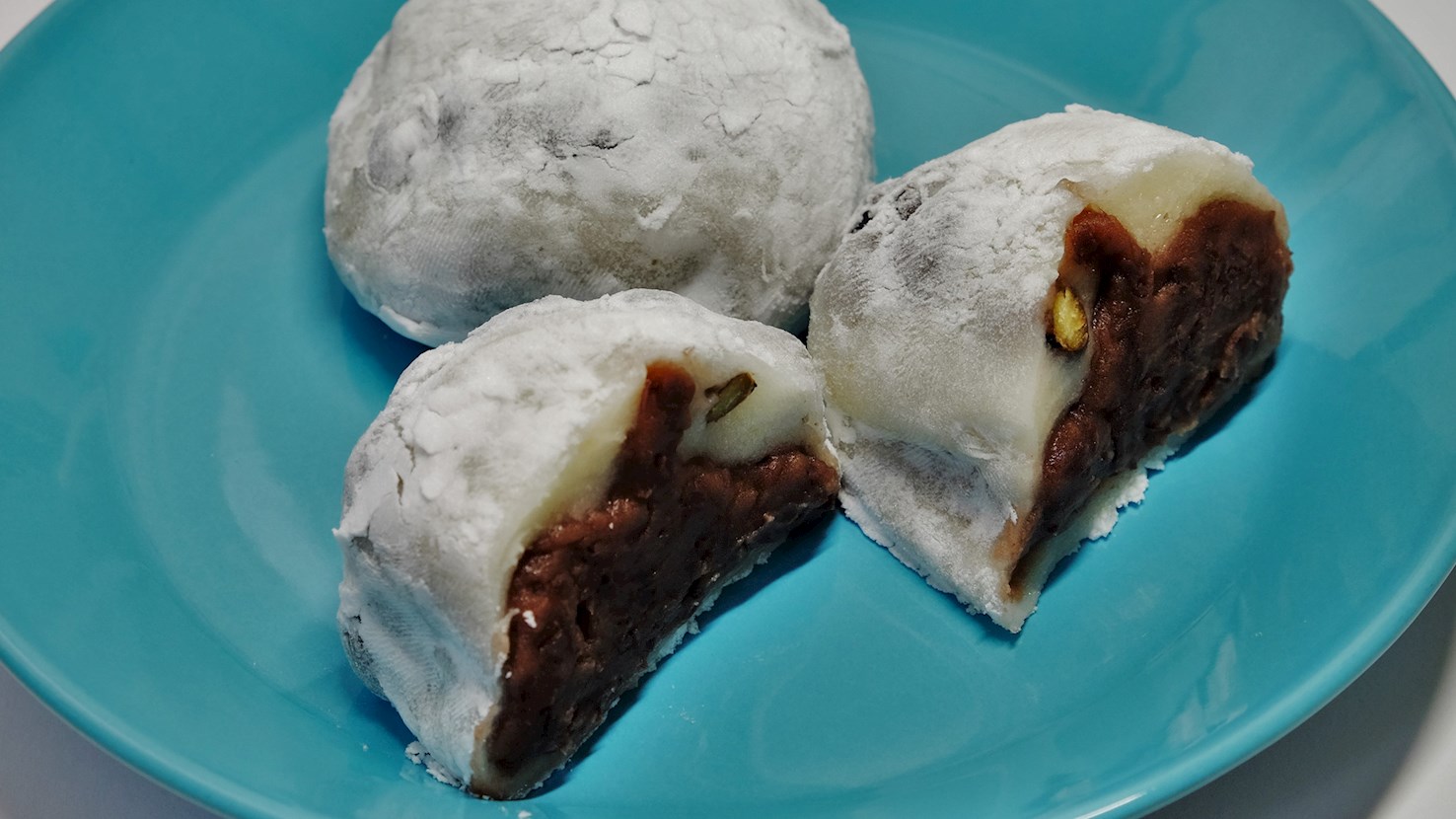
Shio daifuku is a traditional confectionery which consists of chewy mochi shells filled with creamy or coarse anko red bean paste. Unlike other daifuku varieties, the red bean paste in shio daifuku is lightly salted, which results in an unusual combination of sweet and savory flavors. They are usually round, and occasionally whole black beans are incorporated in the mochi wrapper. These soft cakes are a staple at many specialized daifuku shops, but they can also be commonly found in many stores and supermarkets throughout the country.

Best restaurants
04

Coffee daifuku

n/a ·

This daifuku variety consists of a chewy outer layer made with mochi and a creamy coffee-flavored bean paste. The dessert comes in different variations that are available in Japanese pastry shops. Usually, each coffee dafiku will include a filling made with fresh cream, while some will also combine mochi with coffee, which provides additional coffee element and gives the cake a distinctive brown color.

05

Purin daifuku

n/a ·

Purin is a modern daifuku variation. In this take on a traditional Japanese daifuku, the filling consists of a creamy custard, which is placed inside a chewy outer layer that is made with mochi. The custard is supposed to mimic the iconic crème caramel, and it typically includes some amount of caramel. Some variations also include red bean paste (anko) or come served drizzled with caramel sauce.

06

Ume daifuku

n/a ·

This daifuku variety is made with chewy mochi shell that is wrapped around ume—Japanese fruit that is often called a plum, but which is more related to apricots. The plums are first coated with anko (red bean paste), and the whole combination is then wrapped in mochi. Because ume plums are slightly tart, they provide a good balance with the sweetness of mochi cakes and the red bean paste. Ume daifuku is regarded as a seasonal treat that is mostly enjoyed in late winter or early spring.

About this Ranking

TasteAtlas food rankings are based on the ratings of the TasteAtlas audience, with a series of mechanisms that recognize real users and that ignore bot, nationalist or local patriotic ratings, and give additional value to the ratings of users that the system recognizes as knowledgeable. For the “6 Daifuku Varieties Ranked From the Best To the Worst” list until August 17, 2026, 796,144 ratings were recorded, of which 520,250 were recognized by the system as legitimate.

TasteAtlas Rankings should not be seen as the final global conclusion about food. Their purpose is to promote excellent local foods, instill pride in traditional dishes, and arouse curiosity about dishes you haven’t tried.

What People Say

Similar Lists