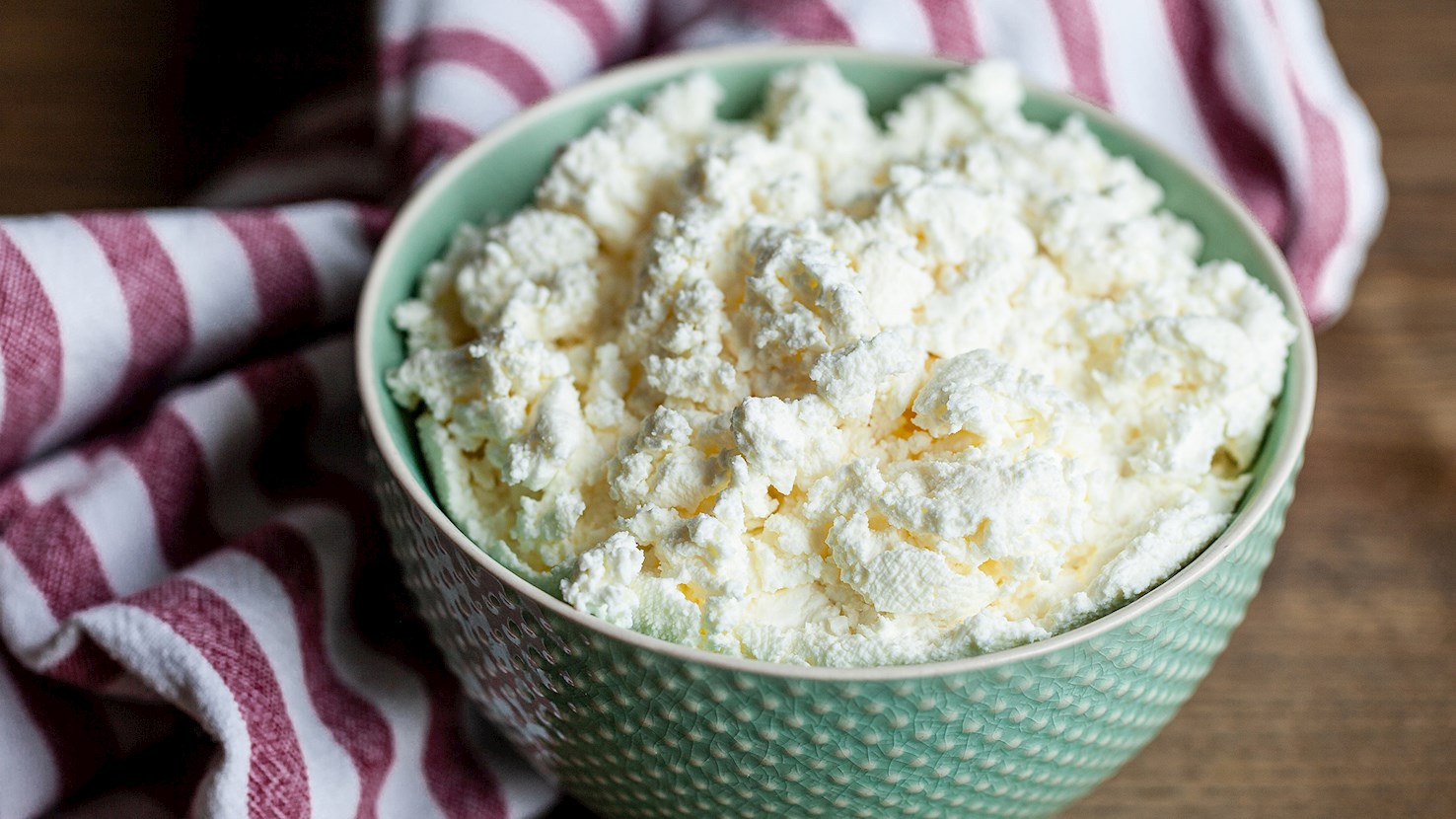
Tvorog is a traditional white fermented milk product in Eastern, Northern, and Central Europe. It's crafted by fermenting milk and then removing the whey, yielding a thick, creamy consistency similar to cottage cheese but with a notably tangier taste. This dairy product is often classified based on its fat content into categories such as fat-free, low-fat, classic, and fatty. Moreover, the methods of producing tvorog are distinguished into simple, soft, and grained types, with grained tvorog typically being a low-fat variant known for its textured consistency. In the former USSR, it is traditionally enjoyed fresh or sweetened, whereas in other Eastern and Central European countries, it may be consumed fresh or with a slight saltiness. The traditional method of making tvorog involves fermenting milk and letting it naturally curdle before the liquid whey is extracted through free-hanging bags, resulting in a firm and dense texture. Nutritionally, tvorog is highly regarded for its rich protein content, vital minerals such as calcium and phosphorus, and a good supply of vitamins, including vitamin A and various B vitamins. It's particularly low in lactose, which makes it a favorable option for those with lactose sensitivities.
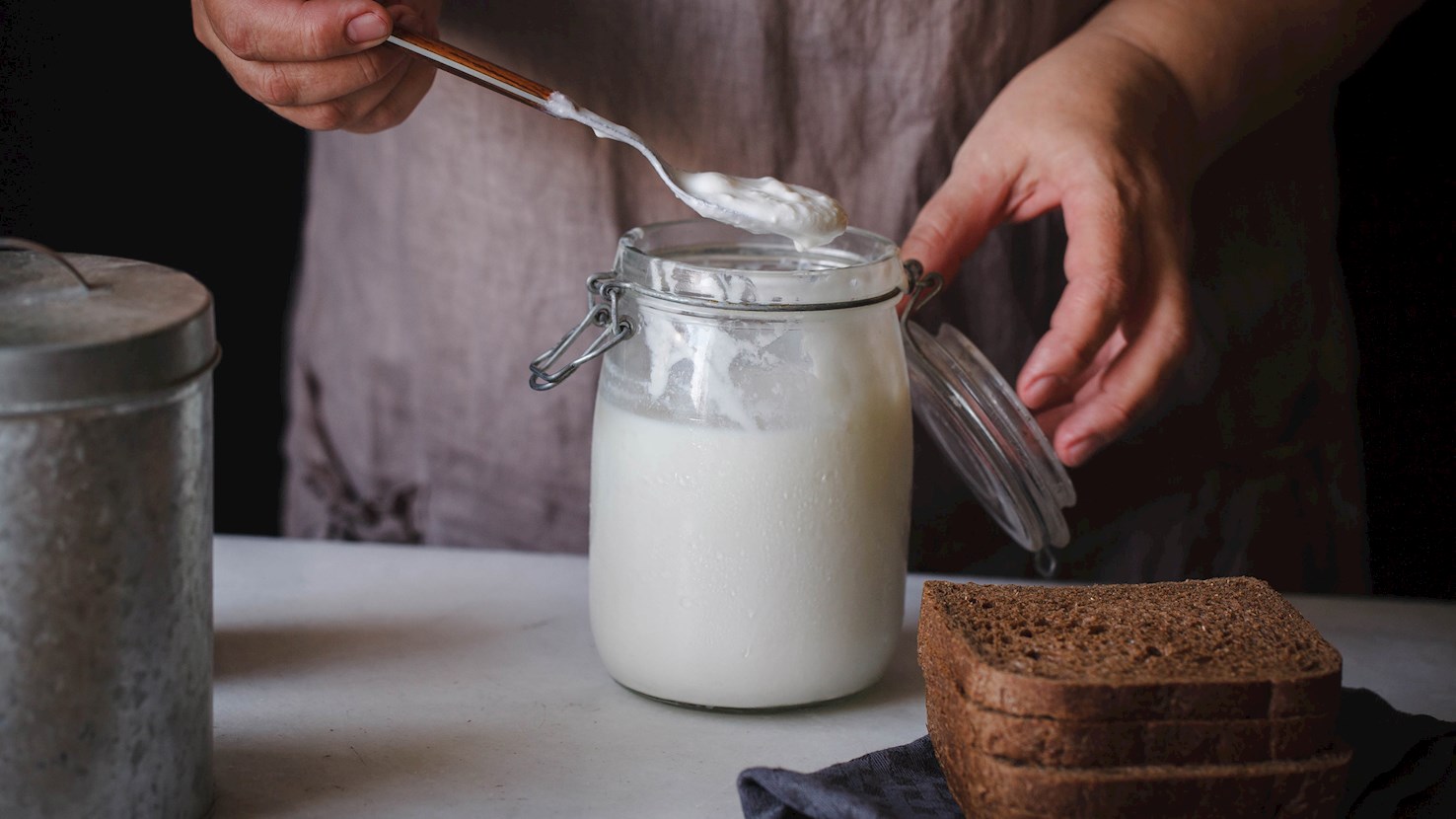
Kefir is a tangy probiotic drink made with milk that is fermented with kefir grains—small clusters containing a mixture of bacteria and yeasts. It is a slightly effervescent beverage with a consistency of a thin yogurt and a mildly acidic flavor. The preparation is simple and involves soaking the grains with milk and leaving the combination at room temperature. The bacteria ferment the lactose and turn it into lactic acid. The liquid is strained, the kefir grains are removed, and are then ready to be used in the next batch. Kefir can be produced with ewe's, goat's, or buffalo's milk, but cow's milk is the most common option nowadays. Although it is not known when and where kefir first appeared, it is mostly thought to have originated in the Caucasus Mountains at the border of Europe and Asia. It has a centuries-old tradition in the Caucasus, Eastern Europe, and the Balkans. The consumption of kefir has often been related to a variety of health properties. It is believed that it boosts the immune system, and that is especially beneficial for digestion. Commercially produced kefir and kefir-based products are now internationally available. Although it is mostly enjoyed as a drink, kefir can also be used in cooking and baking, typically as a replacement for milk, yogurt, or buttermilk.
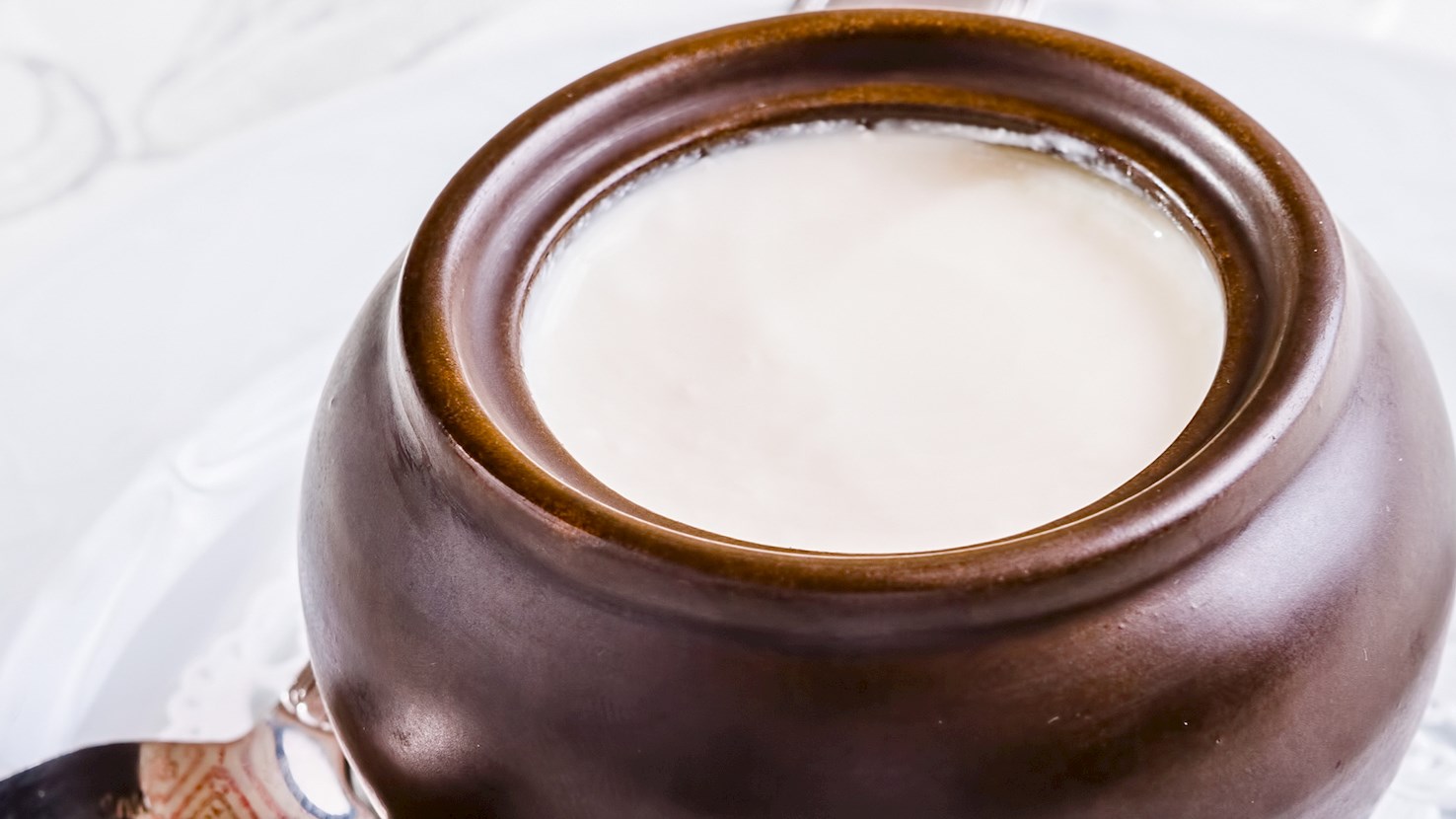
Matzoon or matsuni is a type of traditional Armenian and Georgian fermented dairy product that consists of milk and a starter culture or previously made matzoon. It is typically made with boiled cow’s milk combined with yogurt, and the mixture is then allowed to sit in a warm place until it becomes homogenous. Sometimes the milk of goat, sheep, or buffalo is used instead of cow’s milk. Semi-firm and with a distinctive, tangy flavor, matzoon is featured in numerous traditional Armenian dishes and beverages, both sweet and savory, such as the refreshing beverages known as matsnabrdosh and tahn, various sauces for dishes made with local greens, and soups.
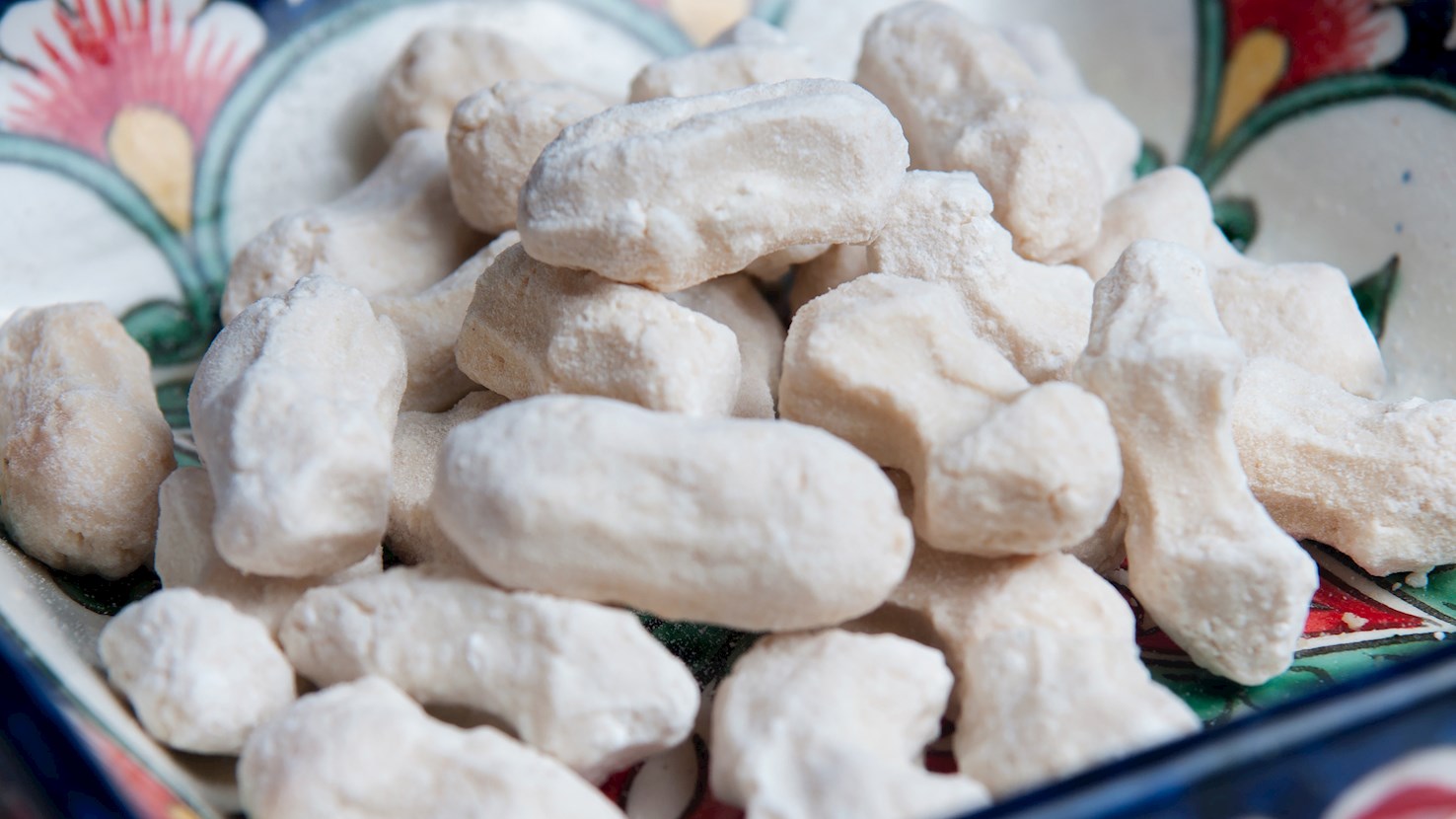
Kashk is a fermented dairy product used across Iran and parts of the Caucasus and Central Asia, known for its tangy, savory character and creamy consistency when reconstituted. In Iranian cooking, it serves as both an ingredient and a garnish, lending richness and depth to stews, soups, and vegetable dishes. The word kashk is Persian, and its preparation is part of a broader tradition of preserving milk in regions where refrigeration was historically limited. References to kashk stretch back many centuries, with early Persian texts describing it as a way to extend the shelf life of yogurt or buttermilk. Nomadic herders in Iran and neighboring lands relied on kashk as a portable, nutrient-dense food that could be stored for months in dried form. Over time, it evolved from a simple sustenance to an essential culinary component in dishes like ash reshteh and kashk-e bademjan. The preparation begins by straining yogurt, whey, or buttermilk to remove excess liquid, concentrating the solids into a thick paste. This mixture is then lightly salted and fermented to develop its distinct sour flavor. Once properly thickened, it can be dried into small balls or thin sheets and kept for later use. To prepare it for cooking, the dried kashk is soaked in warm water and blended until smooth, forming a creamy sauce that can be spooned into food or drizzled on top. Fresh kashk is also produced commercially and sold in jars with a consistency similar to sour cream. It is often heated gently and mixed into hearty stews such as khoresh kadoo, or combined with fried onions, garlic, and mint to finish dishes like ash-e jo. In kashk-e bademjan, it balances the richness of fried eggplant and adds a slight tang that complements the dish’s spices. Some cooks prefer to sprinkle crushed dried kashk over breads or flatbreads before baking to impart a savory edge. Today, kashk remains a staple in Iranian kitchens and is commonly found in grocery shops and bazaars in both dried and liquid forms. It is also used in Caucasus, Central Asia, and Kurdish regions under various local names.
TasteAtlas food rankings are based on the ratings of the TasteAtlas audience, with a series of mechanisms that recognize real users and that ignore bot,
nationalist or local patriotic ratings, and give additional value to the ratings of users that the system recognizes as knowledgeable.
TasteAtlas Rankings should not be seen as the final global conclusion about food. Their purpose is to promote excellent local foods,
instill pride in traditional dishes, and arouse curiosity about dishes you haven’t tried.



What People Say