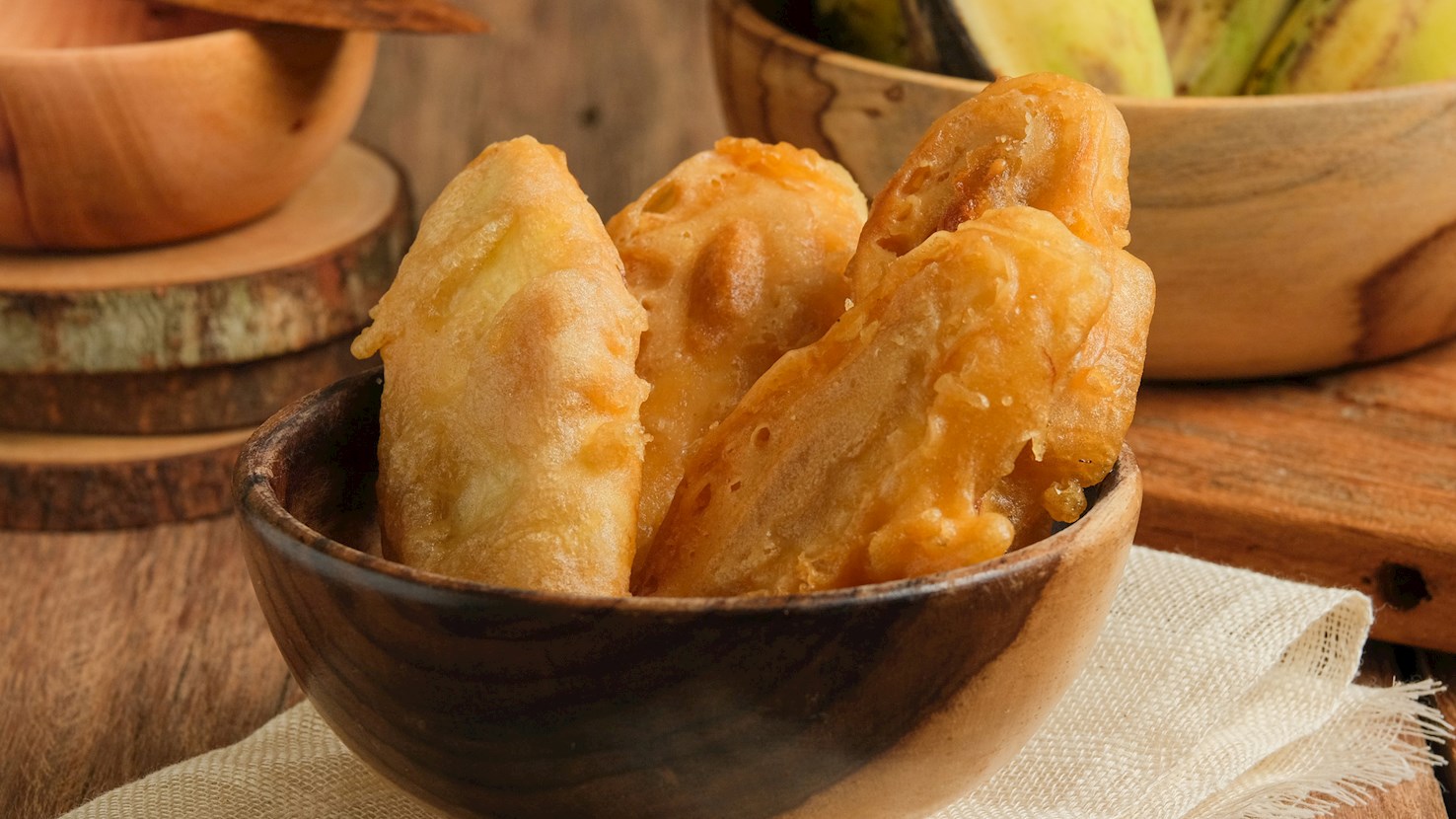
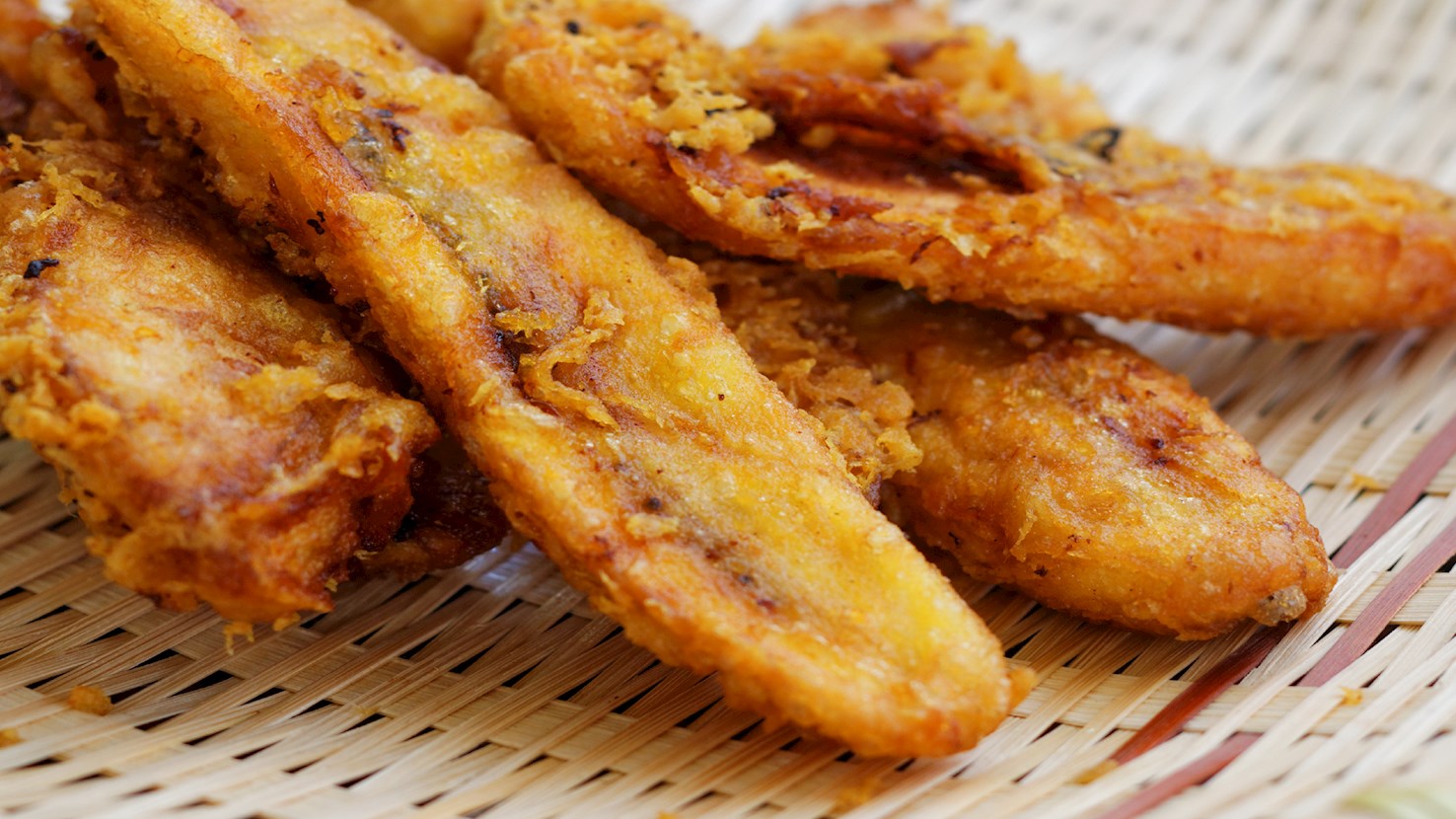
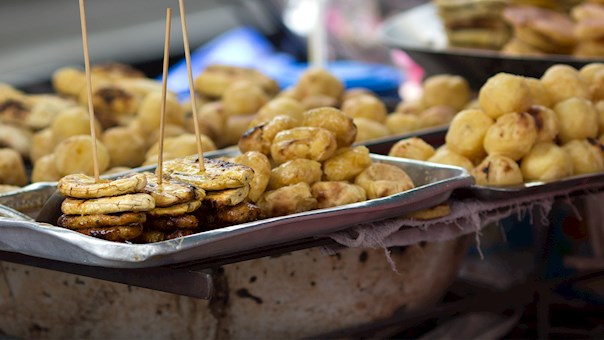
Fried bananas or plantains are a common everyday snack eaten throughout Indonesia. They come in numerous versions in which the fruit is simply fried in shallow oil, but more often sliced banana pieces are coated in batter before they are fried until golden. Besides numerous other varieties, fried bananas also appear under different names such as godoh biu on Bali or gedhang gorèng on Java. They are traditionally sold at street stalls and carts and belong to a group of gorengan dishes—Indonesian deep-fried snacks. The more elaborate version of pisang goreng are served dusted with powdered sugar and cinnamon, drizzled with chocolate, or accompanied by jams or ice cream. Similar banana-based dishes are found in other Southeast Asian regions and countries such as Singapore, the Philippines (maruya) and Malaysia (kuih kodok).
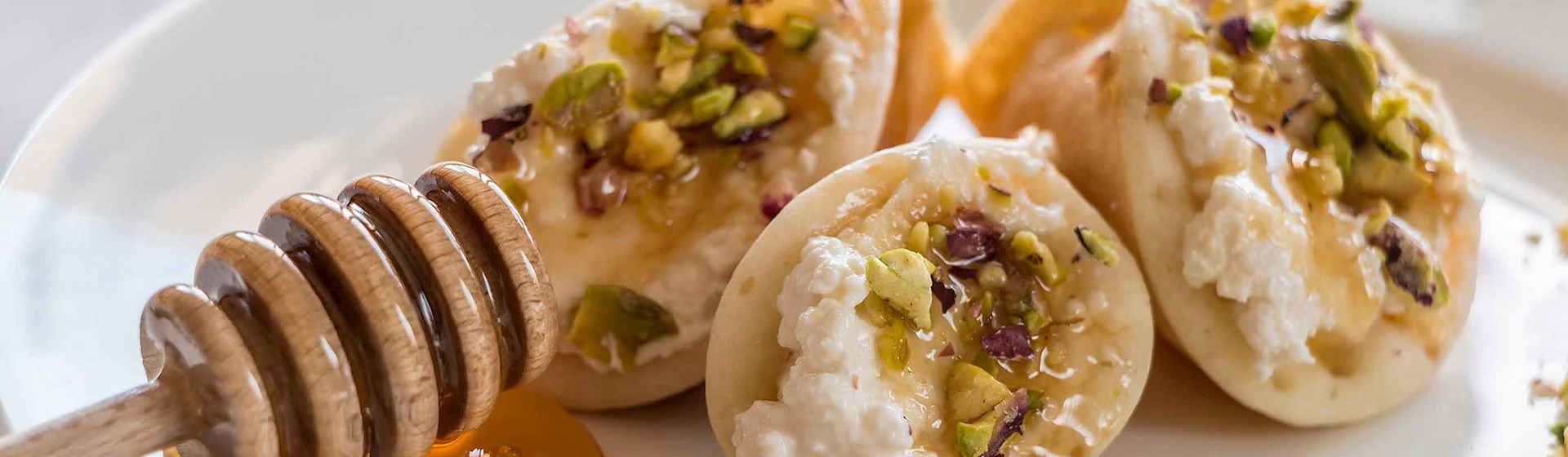
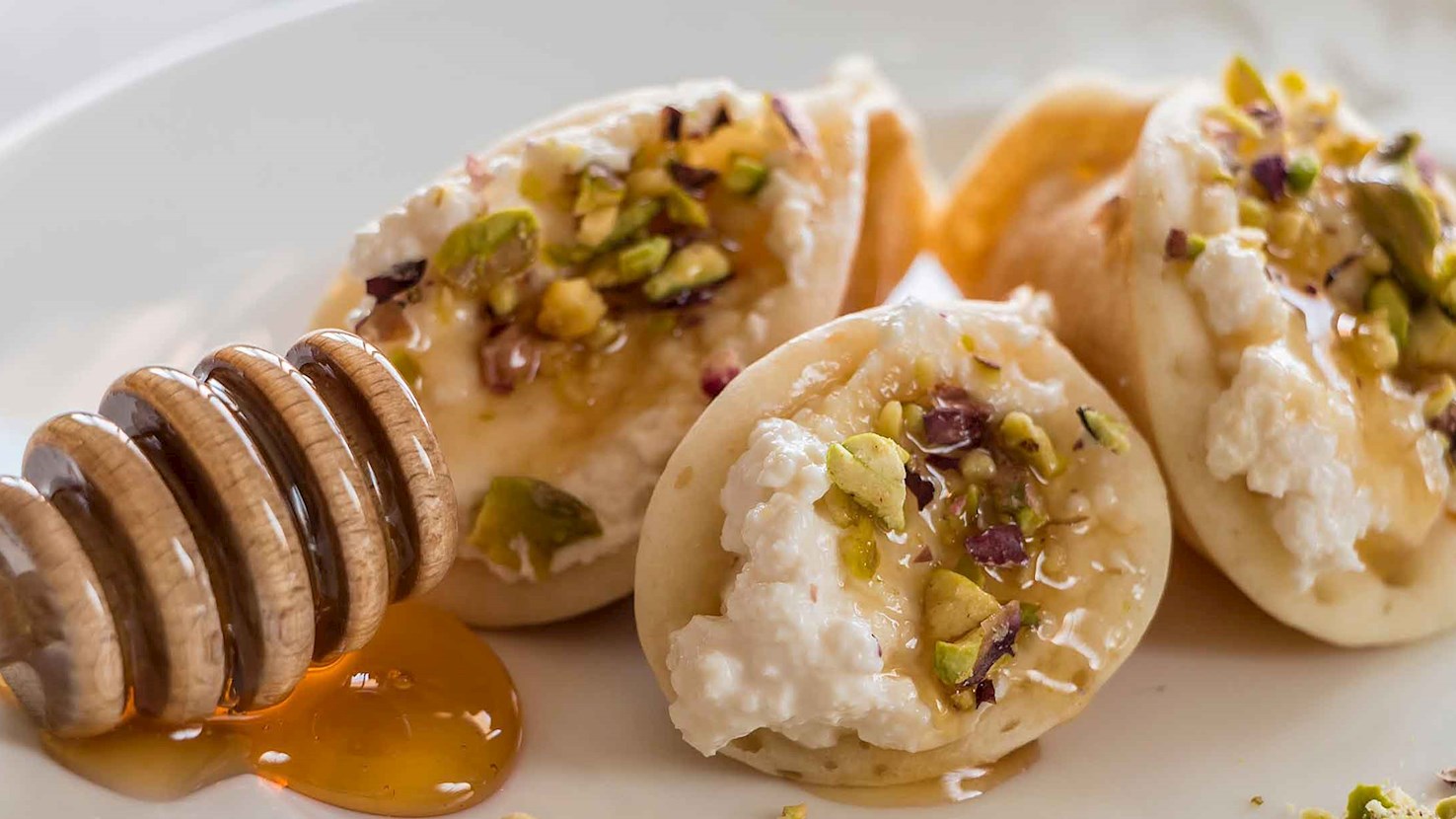
Qatayef is an Arabian dessert and a staple of the Ramadan holiday feast. It is a sweet pancake that is usually filled with cheese or nuts such as walnuts, almonds, pistachios, or hazelnuts. Qatayef can also be consumed plain, topped with clotted cream, or drizzled with sugar syrup. It is believed that nothing is better after the Ramadan fasting than a few nights of socializing and feasting on qatayef, which is either prepared throughout the streets in food stalls or brought over to friends as a sweet gift. Although the dish has Fatimid origins, today it is very popular throughout Levant and Egypt as well, where it is baked in numerous households. The biggest qatayef was made in the city of Bethlehem, currently holding a record with a weight of 104 kilograms and 3 meters in diameter. Apart from the sweet version, qatayef can also come as a savory snack filled with cheese or served plain as a side dish.
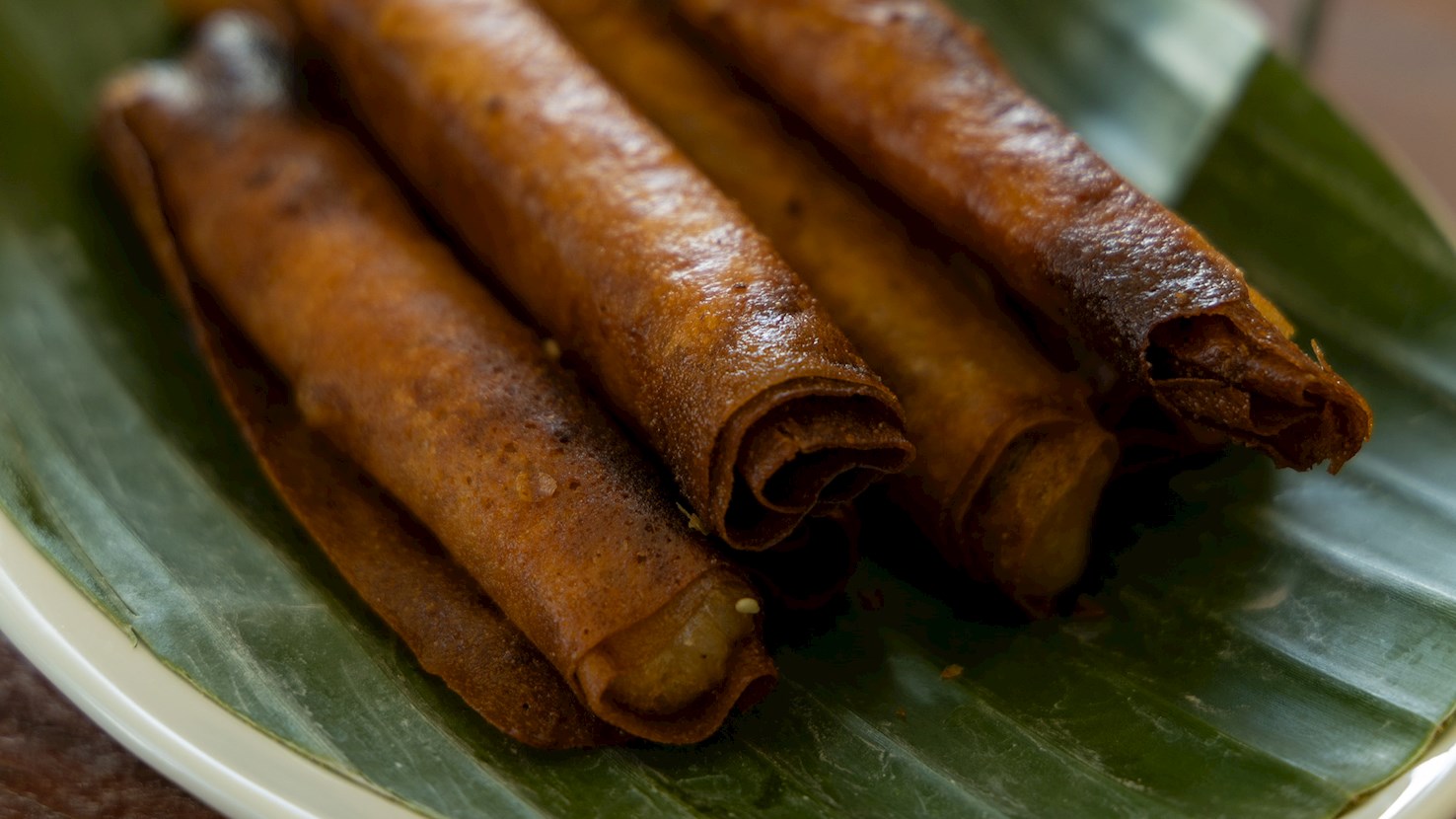
Falling in the group of popular lumpia snacks, turon is the famous Filipino treat made with saba plantains and jackfruit. The fruit is sliced lengthwise, dusted in brown sugar, enclosed in thin wheat wrappers, then fried until golden and crispy. Like other lumpia varieties, turon was also developed from the Chinese spring rolls and represents one of the most common sweet versions of the dish. Before it is served, it is commonly drizzled with caramel or sprinkled with roasted sesame seeds. It is usually sold by Filipino street vendors and enjoyed as a sweet snack or a satisfying dessert.
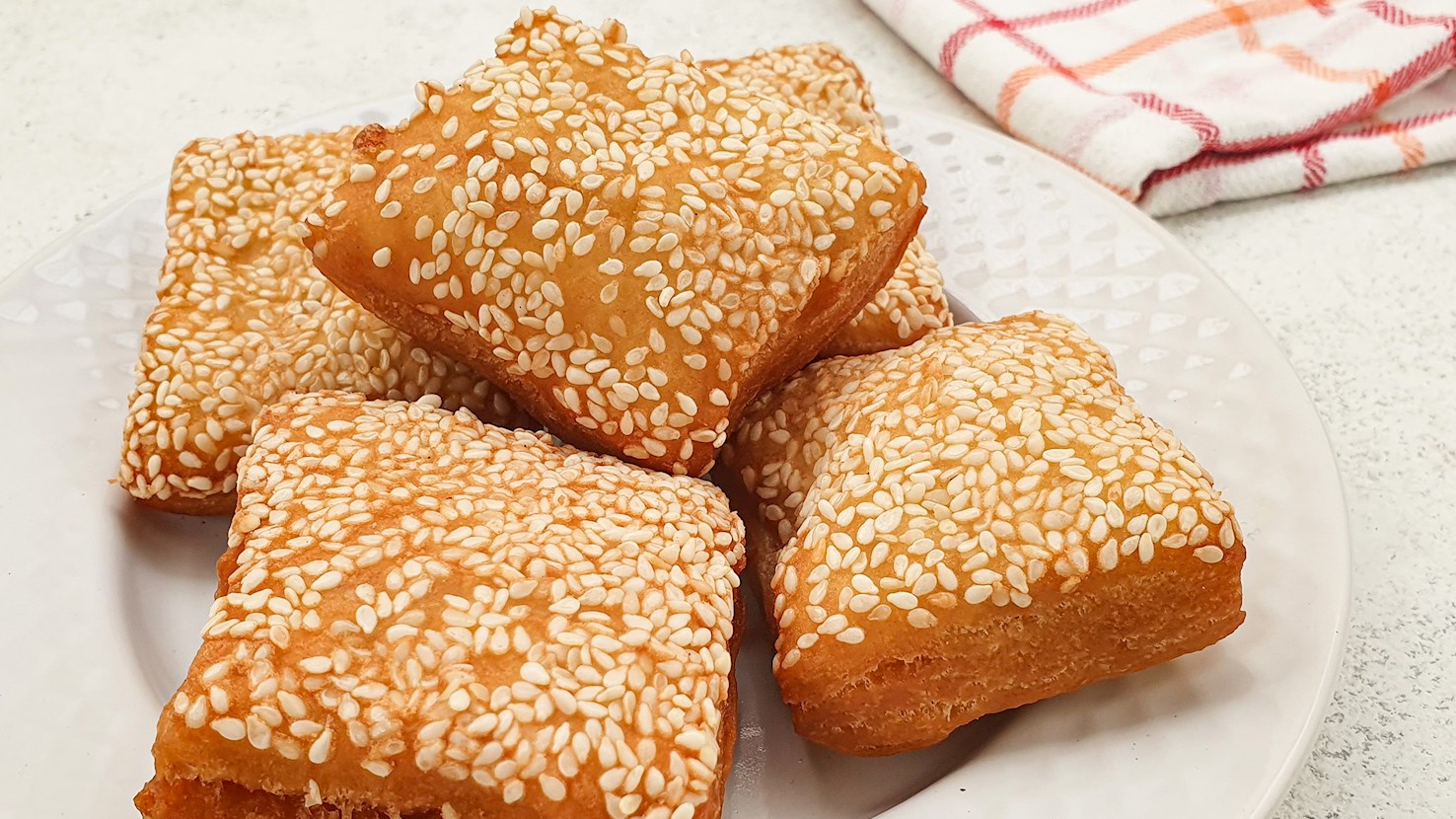
Odading is a sweet fried dough snack from Bandung, the capital of West Java. It is made by preparing a yeast-based dough enriched with sugar, milk, and sometimes eggs, then shaping it into flattened squares or rectangles before deep-frying until golden brown and puffed. The texture of odading is light and airy on the inside with a slightly chewy crust that becomes crisp as it cools. The name is believed to have originated during the colonial period, when Dutch and local influences merged in urban markets and home kitchens, leading to recipes that combined European-style enriched dough with local cooking techniques. The preparation of odading begins by mixing all-purpose flour with yeast, sugar, salt, and milk, then kneading until a smooth dough forms. The dough is left to rise until doubled in volume, then rolled out and cut into uniform pieces. Each piece is rested briefly to develop air pockets that create the characteristic fluffiness when fried. Once shaped, the dough is fried in moderately hot oil so it cooks through evenly without burning on the outside. Finished odading is sometimes sprinkled with additional sugar or brushed with a thin sugar syrup for extra sweetness. Odading is commonly eaten as a snack or breakfast item and is often sold by street vendors and small shops in Bandung, where it has long been a familiar part of everyday food culture. It is usually served warm, either plain or accompanied by coffee or tea. The snack gained renewed popularity in Indonesia after a viral video humorously promoted odading as “bread of an iron man,” which sparked national interest and boosted sales for many local vendors.
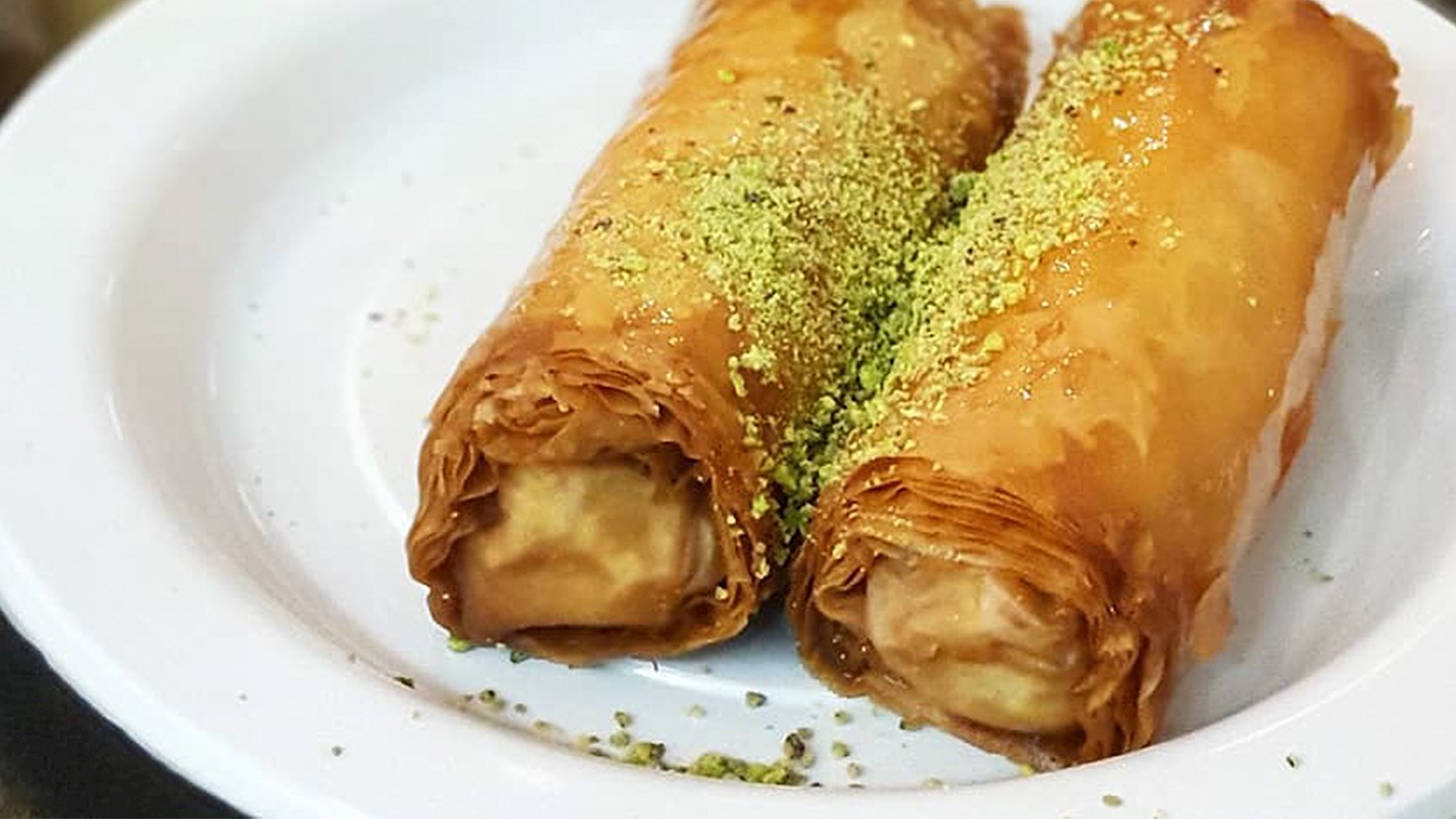
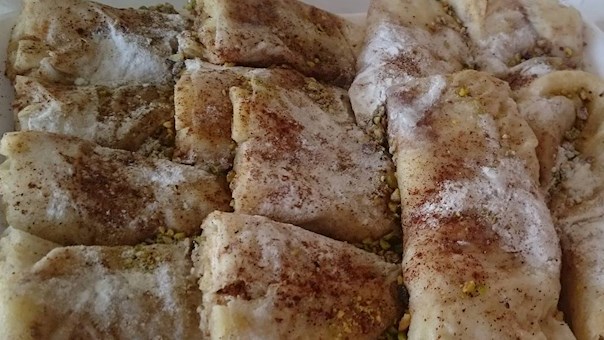
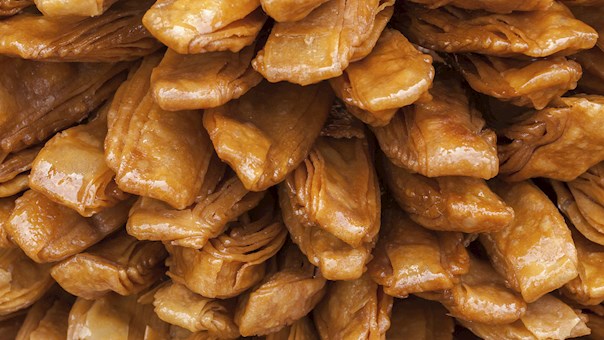
This traditional Middle Eastern dessert is often enjoyed on Iftar (a fast-breaking meal) during the holy month of Ramadan. The dish is made with thin sheets of phyllo dough that are wrapped into small elongated rolls while the center is filled with ashta—Levantine version of clotted cream. The rolls are then fried and doused in a thick sugar syrup that is often flavored with orange blossom and rose water. These crispy rolls are best served freshly prepared and are usually sprinkled with ground pistachios. Znoud el sit, with slightly different names, can be found in numerous countries, including Lebanon, Syria, and Iraq, while its name translates as lady’s upper arms—supposedly because the round, elongated shape of the pastry resembles lady’s arms.
Maruya are the famous Filipino banana fritters which consist of sliced or mashed bananas that are dusted with flour, battered, then fried until crispy. The fritters are usually made with Filipino saba bananas and can come in various forms which are often served lightly dusted with sugar. They are most commonly eaten as a light snack, sweet breakfast, or a filling afternoon dessert. These fritters are a favorite among children and can often be found at street stalls throughout the country.
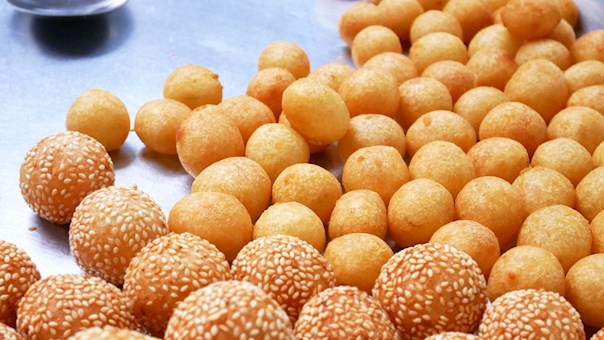
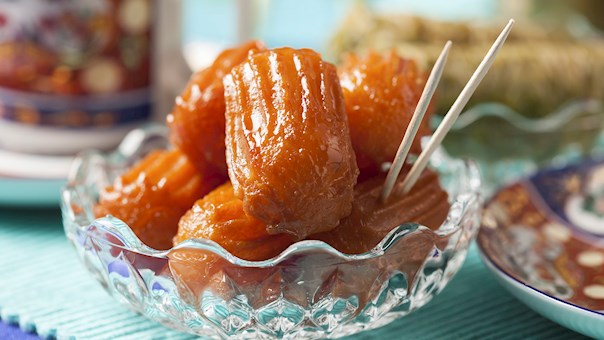
This internationally known, decadent, and sugar-packed dessert is usually made with a mixture of flour, sugar, yeast, and salt, which is deep-fried and then bathed in syrup or honey. The origin of lokma fritters is ancient but often debated. It is presumed that they first appeared in Greece or Turkey, though some suggest Arabic origin. The dish is considered to be one of the oldest recorded desserts in Greek history. It is said that the pastries were even given to winning Olympians as a treat and were called honey tokens. Loukoumades, or loukmades in Cyprus, can be found throughout the streets of Greece, in shops selling nothing else but this caloric dessert. Alternatively, loukoumades can be topped with Greek cheese, chocolate, sesame seeds, or walnuts. In Turkey, lokma fritters are best enjoyed while still warm. They are drizzled with honey or syrup and can occasionally be sprinkled with either ground cinnamon, walnuts, or pistachios. The name probably stems from from Arabic luqma, meaning bite or mouthful, and it is said that lokmas were first prepared in Turkey by the sultans' cooks in palaces of the Ottoman Empire, though the oldest documentation of a similar dish was even found in the tomb of Ramses IV. In some Middle Eastern and Levant countries, this dessert is known as luqaimat or luqmat al-qadi, which roughly translates as judge's mouthful. The deep-fried balls are usually covered with date syrup, honey, or flavored syrups, while some prefer them sprinkled with various seeds. They are also often flavored with saffron or cardamom. The dessert is traditionally made in the month of Ramadan, and consumed after iftar, or breaking the fast. The dish is also found in some African countries, where it appears under various names.
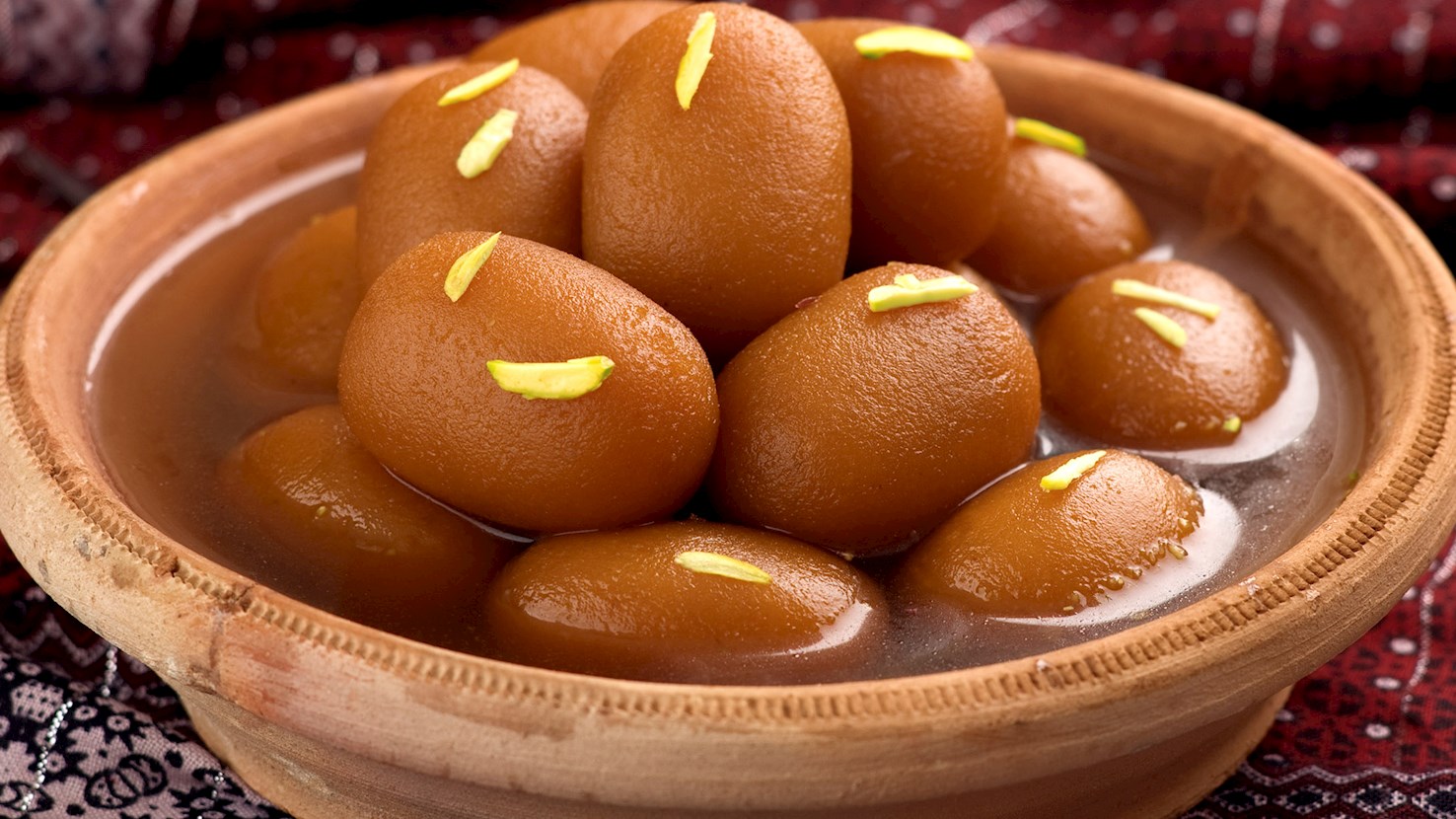
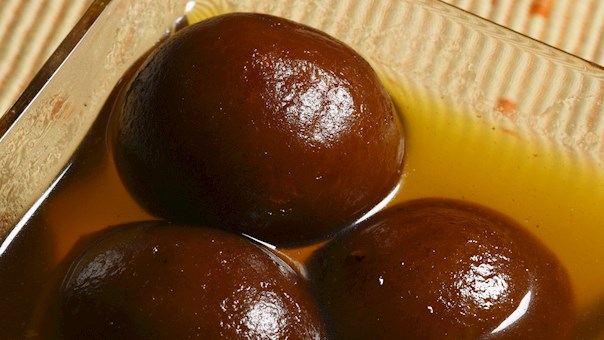
Gulab jamun is a dessert based on milk solids that are kneaded into a dough, shaped into balls, and deep-fried in ghee. The balls then get soaked in a sugary concoction flavored with saffron, green cardamom, and rose water. When served, gulab jamun is often garnished with dried nuts to further enhance its flavors. The name of the dish is derived from two words: gulab, meaning rose, and jamun, referring to the purple-colored jamun berry fruit. It is believed that the dessert originated from an Arabic dessert called luqmat al-qadi, which became popular during the Mughal era, when Indian cooks at the palace kitchens adapted their cuisine by combining the newly arrived Persian ingredients with their own Hindu flavors. Nowadays, gulab jamun is often prepared for weddings and during the Diwali festival, both in India and in Trinidad and Tobago, where gulab jamun is also quite popular.
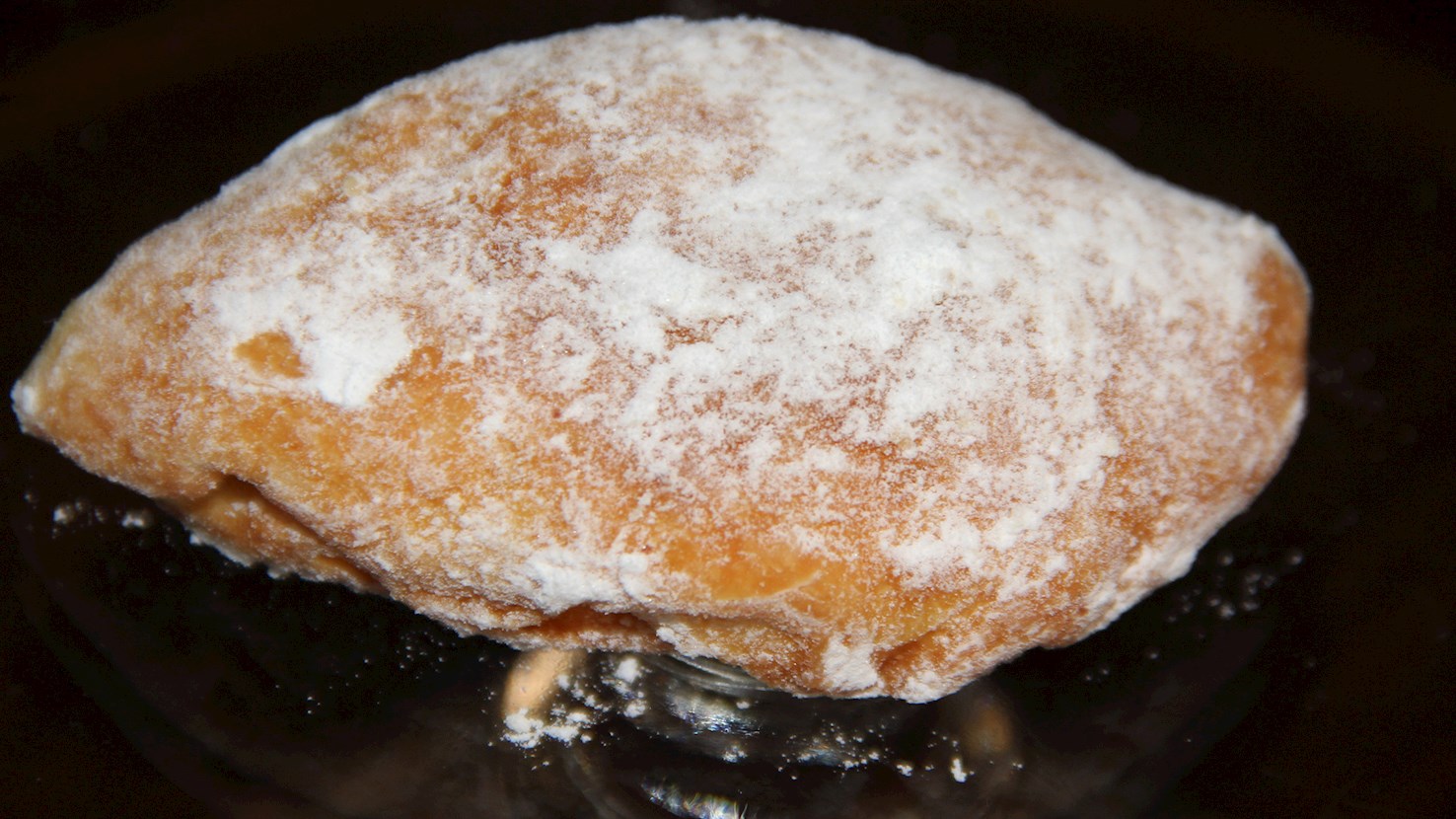
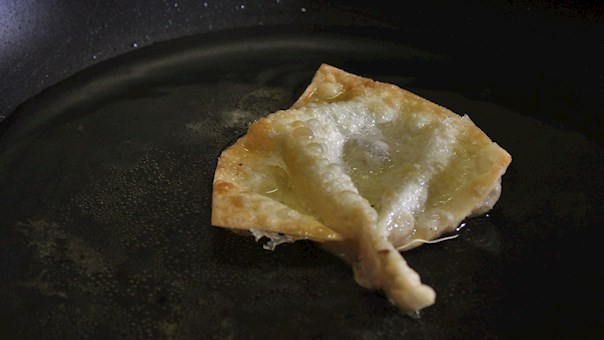
Qottab is a delicate filled pastry from Yazd, a historic city in central Iran known for its confectionery and unique architectural heritage. This sweet is made from a thin dough encasing a mixture of ground almonds or walnuts, sugar, and cardamom, then shaped into crescents or ovals and deep-fried until golden before being dusted with powdered sugar. Qottab is closely associated with Yazdi celebrations and is often prepared for Nowruz and weddings. The history of qottab is rooted in the broader Persian tradition of creating fine pastries with nuts and fragrant spices. Over centuries, confectioners in Yazd refined these techniques to produce sweets that were both flavorful and had a long shelf life, which suited the arid climate of the region. Early records suggest that qottab evolved from older stuffed pastries that were first developed in Persia and spread along trade routes linking Iran to Central Asia and India. Yazd’s position along caravan routes helped establish it as a center for baking and sweet-making, with qottab eventually gaining reputation across the country. The preparation begins by mixing flour, yogurt or milk, and a small amount of fat, usually clarified butter or oil, to form a smooth, pliable dough. The filling is made by combining finely ground nuts, sugar, and ground cardamom into a coarse paste. Small portions of dough are rolled out into thin circles, a spoonful of filling is placed in the center, and the edges are folded over and sealed, often using a patterned crimper. Each piece is fried gently in oil until lightly crisped, then drained and generously coated with powdered sugar. The contrast between the crisp shell and the soft, aromatic filling is part of what defines qottab’s appeal. These pastries are often prepared in large batches, particularly around Nowruz, when they are shared with guests or given as gifts. In Yazd, many families have their preferred recipes, and local confectionery shops produce qottab year-round for domestic use and export to Iranian communities abroad. Qottab is usually served as an accompaniment to tea, set out on plates alongside other sweets like baklava and sohan as part of festive spreads. It is enjoyed at home, during gatherings, and in cafés that specialize in Yazdi confections.
Boondi are small deep-fried round balls made from besan (gram flour). They come in a sweet or savor version. The process of making boondi starts with a thick besan batter that is poured through a sieve and dropped directly into sizzling oil, creating small deep-fried droplets. If enjoyed as a dessert, these tiny, crispy balls are usually coated in sugary syrups or incorporated into popular boondi laddu balls. Savory versions are typically enjoyed as a snack and are often combined with yogurt-based raitas, curries, or sprinkled over salads. Besan, which is prepared with a variety of ground chickpeas, is an essential ingredient in traditional Indian cuisine.
TasteAtlas food rankings are based on the ratings of the TasteAtlas audience, with a series of mechanisms that recognize real users and that ignore bot,
nationalist or local patriotic ratings, and give additional value to the ratings of users that the system recognizes as knowledgeable.
For the “Top 42 Asian Deep-fried Desserts” list until September 15, 2026, 4,975 ratings were recorded, of which 1,835 were recognized by the system as legitimate.
TasteAtlas Rankings should not be seen as the final global conclusion about food. Their purpose is to promote excellent local foods,
instill pride in traditional dishes, and arouse curiosity about dishes you haven’t tried.










What People Say