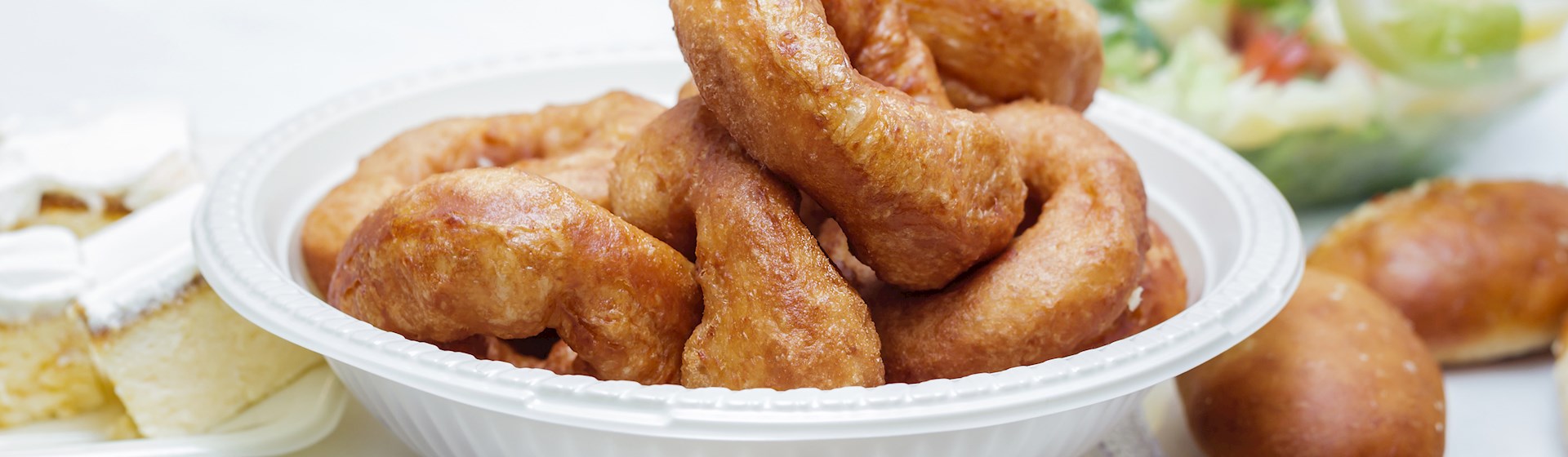
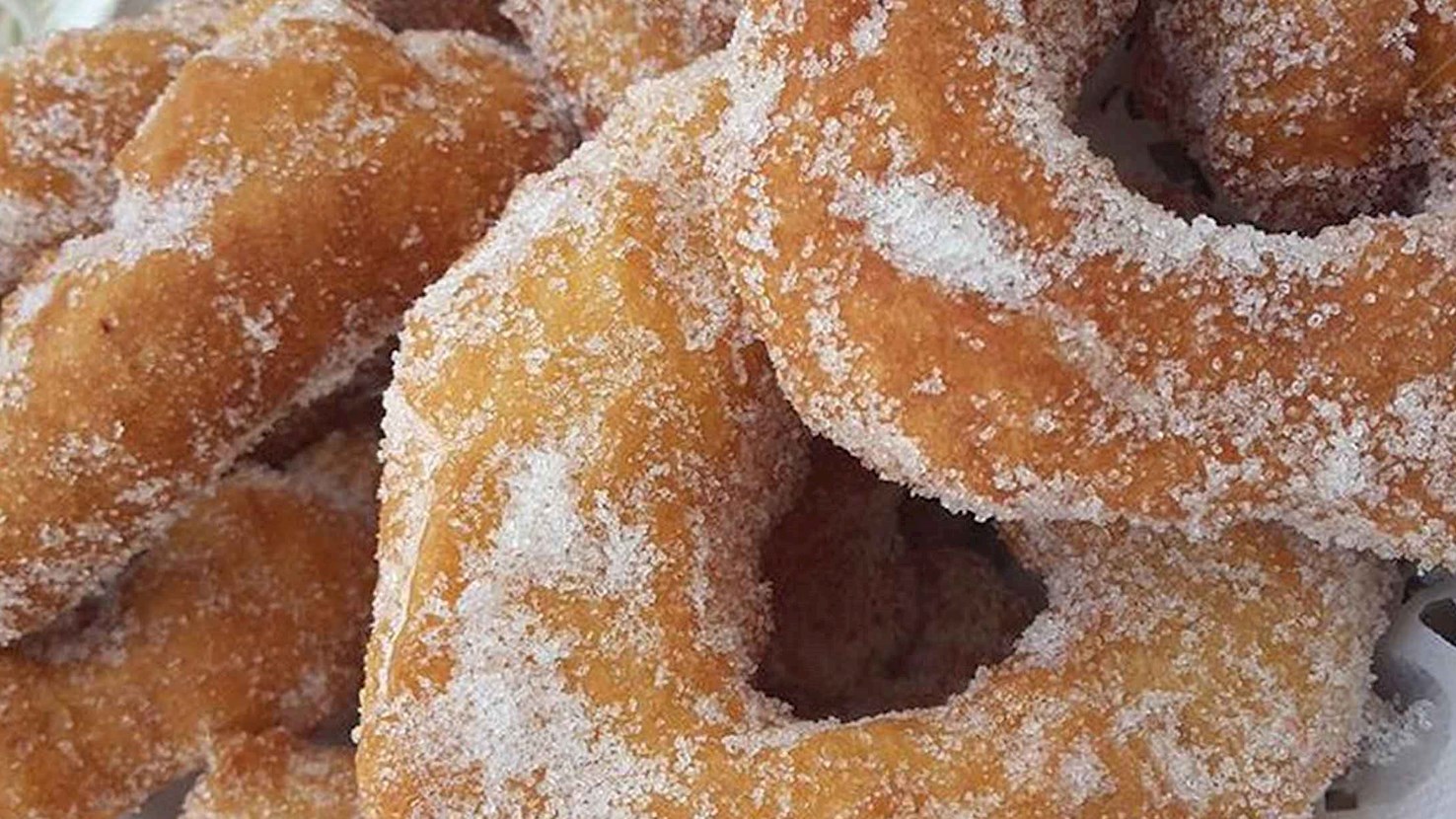
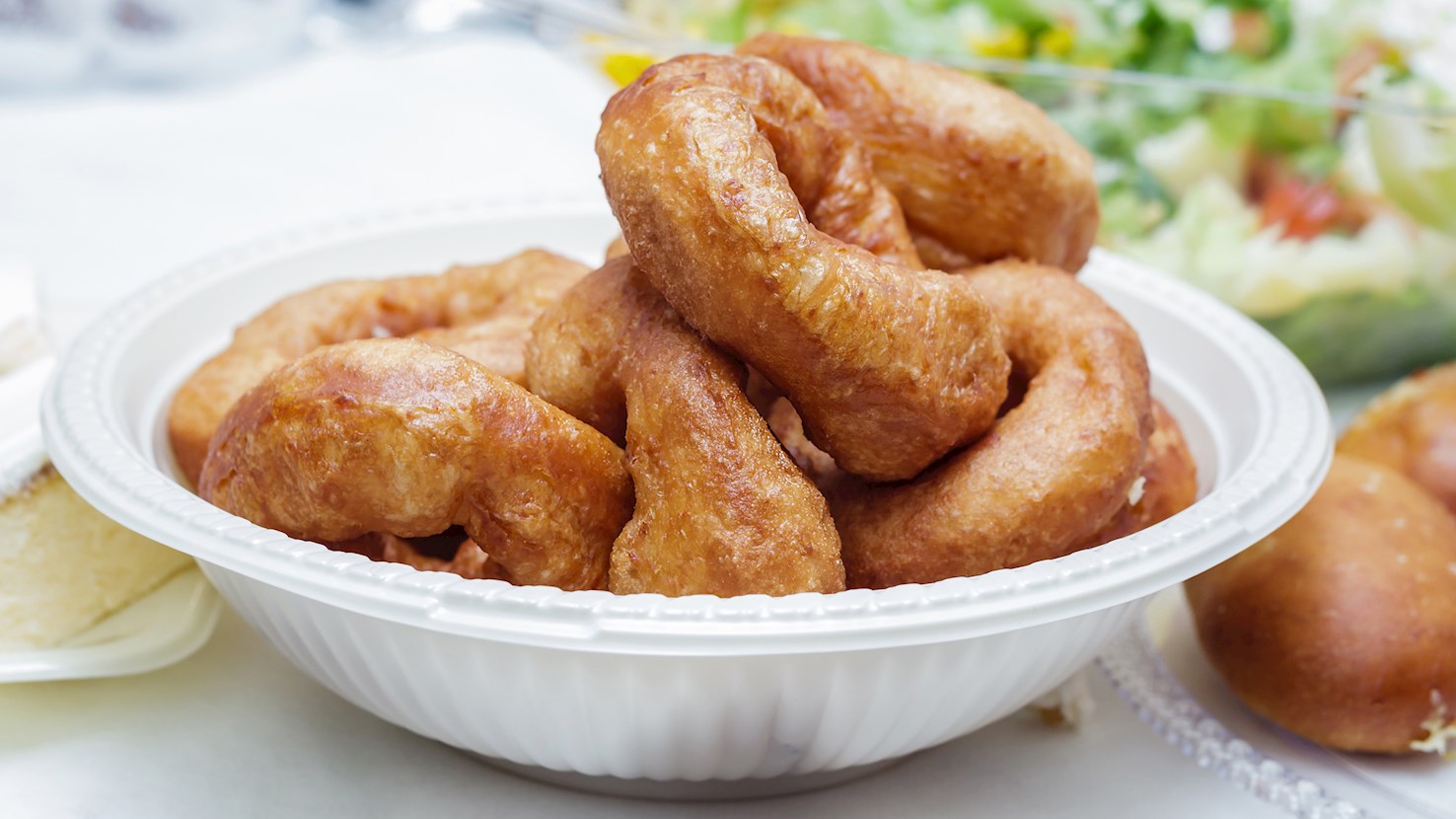
Bambalouni are traditional Tunisian doughnuts that are especially popular in the village of Sidi Bou Said. They are made with flour, hot water, yeast, and salt. After the dough has been prepared, it is fried in hot oil until golden brown, and the doughnuts are then sprinkled with sugar on top. It is recommended to serve bambalouni with coffee, either for breakfast or as a snack eaten at the end of the day.
Sfenj are popular Moroccan and Algerian doughnut-like fritters made from sticky unleavened batter, similar to Libyan sfinz and Tunisian bambalouni. The dough is traditionally shaped into rings and deep-fried until it develops a golden, crispy exterior. The interior should be fluffy, tender, and chewy. These fritters are usually served hot when sold by street vendors, and they can be consumed plain or dusted with icing sugar.
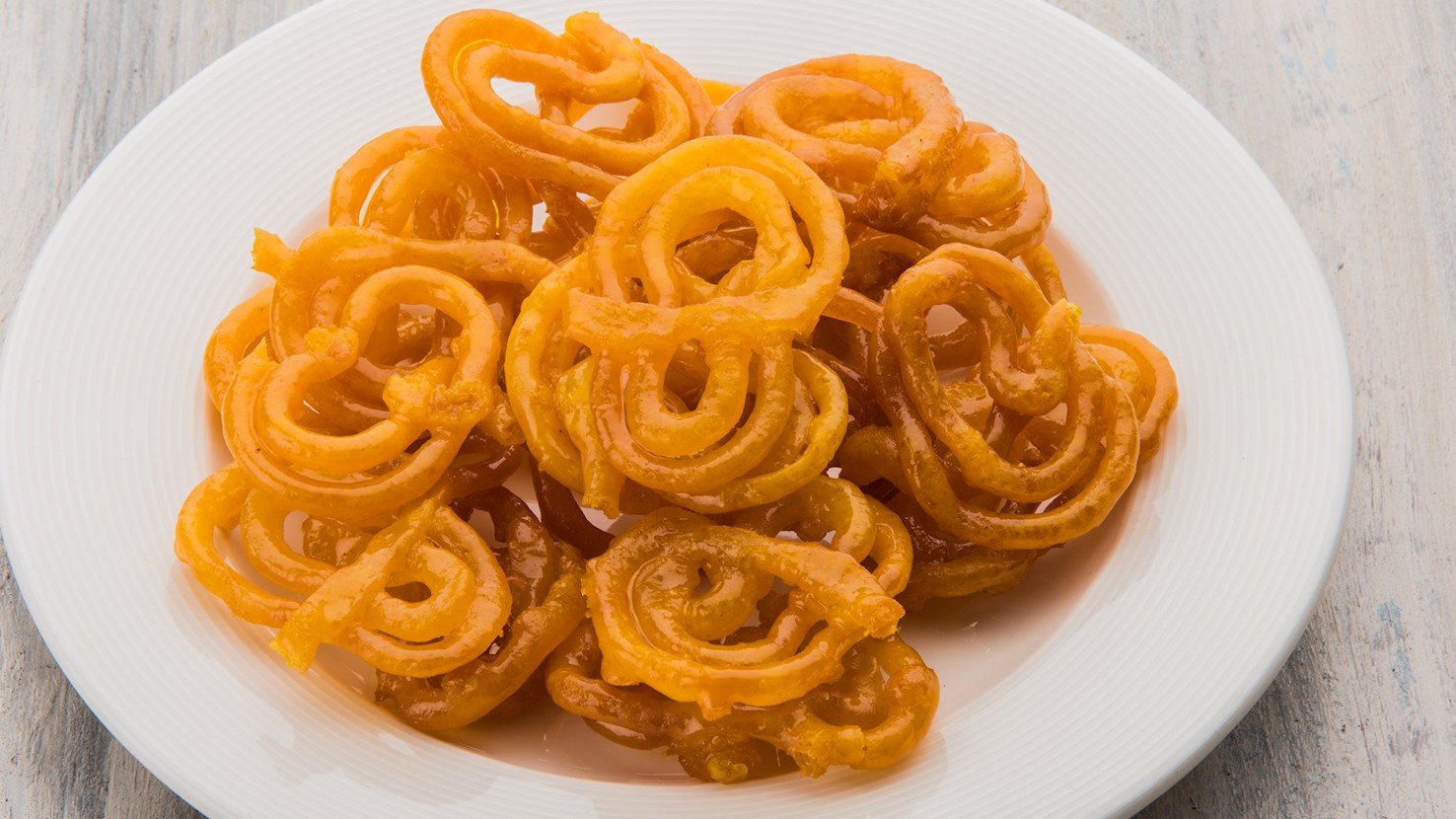
Zulbia is a sweet confection prepared by deep-frying thin coils of fermented batter and then soaking them in a fragrant sugar syrup. Although it is believed to have its origins in Persia, zulbia or jalebi is an international dessert with variations that spread throughout the Middle East, India, and Asia. Its golden color and delicate crispness have made it a favorite accompaniment to tea in both homes and pastry shops. To make zulbia, a batter is prepared by mixing refined flour with yogurt or fermented starter, a little cornstarch, baking soda, and sometimes a splash of rosewater. The batter is rested to develop a slight tang and a smooth consistency. Using a special funnel or piping bag, it is poured into hot oil in looping, spiral patterns that expand and puff as they fry. The pieces are turned until evenly golden and crisp, then immediately immersed in warm syrup made with sugar, water, saffron, rosewater, and sometimes a dash of lemon juice to prevent crystallization. After a short soak, they are removed and set to drain on racks, leaving them saturated but not soggy. The flavor is sweet and floral, with a hint of acidity from the syrup balancing the richness of the fried dough. Because it holds up well over time, zulbia is often prepared in large batches to be served over several days or packaged as a gift. Historical records suggest that variations of zulbia were made across Persia and the Indian subcontinent as early as the medieval period, with recipes spreading along trade routes and adapting to local tastes.
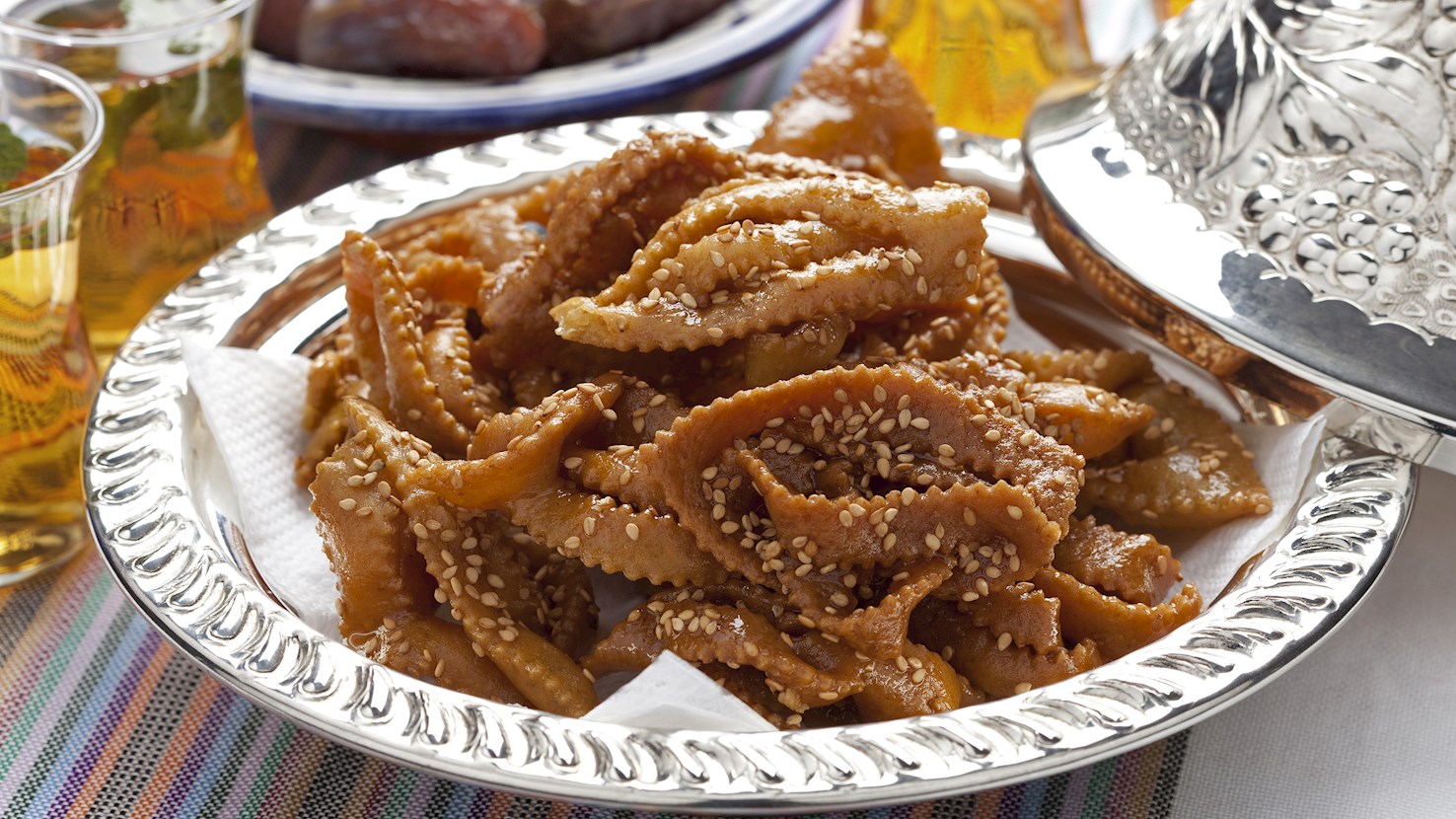
Chebakia is a chewy, crunchy, and fragrant Moroccan pastry made by arranging strips of dough into a flower shape. It is then fried, coated in honey, and sprinkled with sesame seeds. This sweet treat is traditionally prepared during the month of Ramadan, and is typically served alongside harira. It takes a lot of time and effort to prepare chebakia, so Moroccan women often ask sisters, mothers, or friends to help them in making large quantities of these cookies.
TasteAtlas food rankings are based on the ratings of the TasteAtlas audience, with a series of mechanisms that recognize real users and that ignore bot,
nationalist or local patriotic ratings, and give additional value to the ratings of users that the system recognizes as knowledgeable.
For the “Top 4 Maghrebi Deep-fried Desserts” list until June 15, 2026, 1,124 ratings were recorded, of which 344 were recognized by the system as legitimate.
TasteAtlas Rankings should not be seen as the final global conclusion about food. Their purpose is to promote excellent local foods,
instill pride in traditional dishes, and arouse curiosity about dishes you haven’t tried.