



Top 3 Maldivian Deep-fried Dishes

Last updated on June 15, 2026
01

Kavaabu

n/a ·

Kavaabu is a traditional snack originating from the Maldives. These fish fritters are usually made with a combination of smoked tuna, onions, ginger, grated coconut, hot peppers, lime juice, rice, curry leaves, flour, turmeric, oil, and salt. The mixture of these ingredients is bound with a bit of flour and it's shaped into balls. The balls are deep-fried in hot oil until dark golden brown. They're drained and can be served hot or cold. It's recommended to enjoy kavaabu with a cup of tea on the side.

02

Gulha

n/a ·

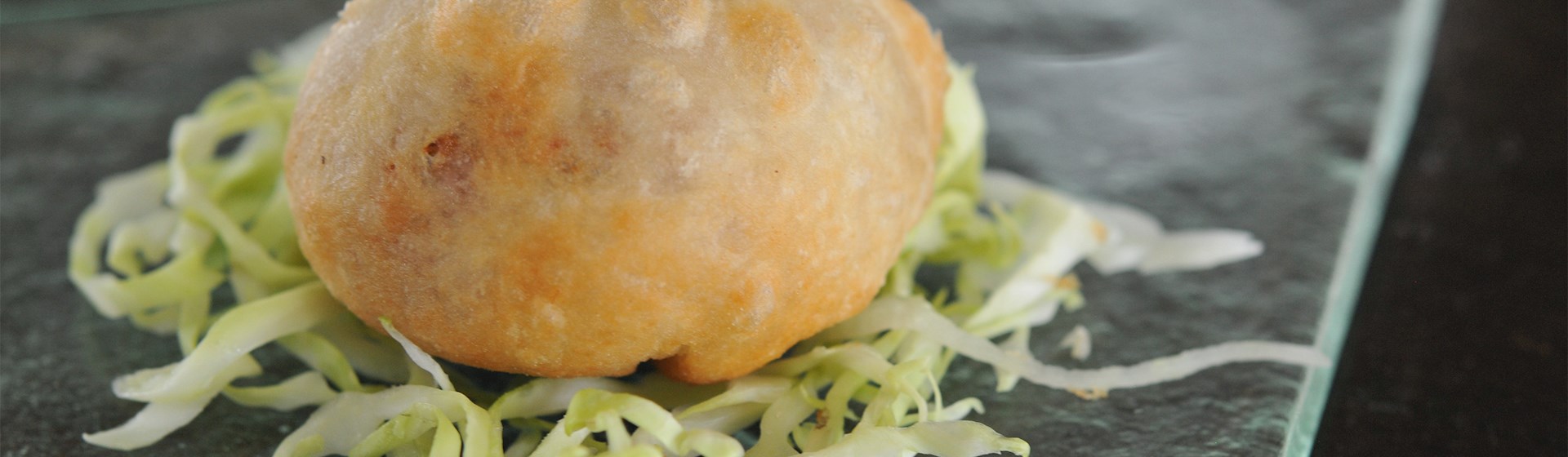
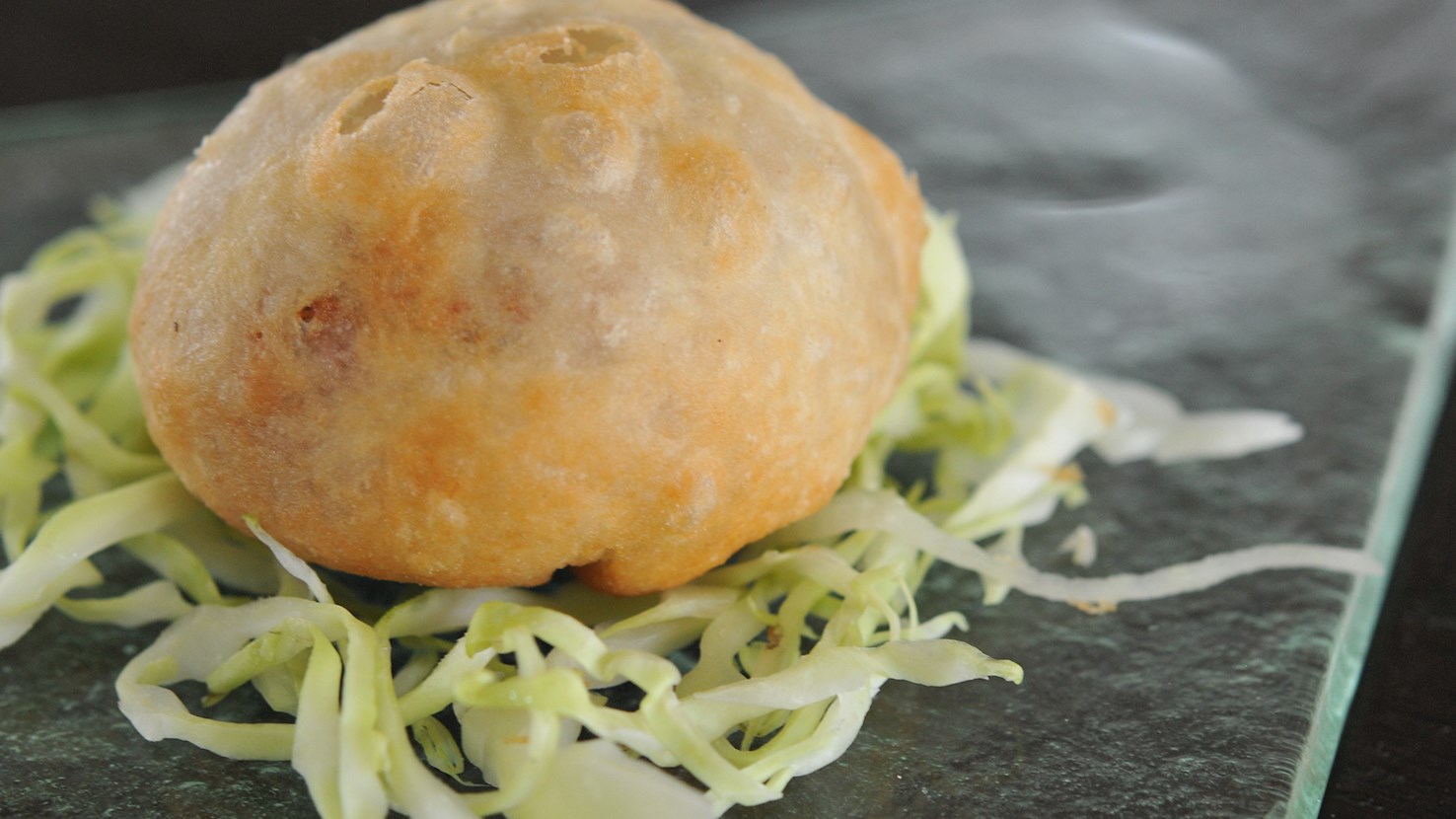
Gulha is the national dish of Maldives, a deep-fried pastry ball filled with smoked fish such as Maldive fish or tuna, along with desiccated coconut and onions. The snacks are usually sold at small cafés known as hotaa, or in shops scattered throughout the island. It is recommended to pair gulha with a cup of hot sweetened tea.

03

Fuhjehi kavaabu

n/a ·

Fuhjehi kavaabu are traditional fritters originating from the Maldives. The two main components of these fritters are the batter and the tuna mixture. The batter is made with flour, eggs, salt, baking powder, turmeric, and water, while the tuna mixture is made with canned tuna, Scoth Bonnet peppers, curry leaves, potatoes, ginger, pepper, salt, onions, and lemon juice. The tuna mixture is shaped into small balls and placed into the batter. The balls are scooped from the batter and fried in heated oil until golden brown. These fritters are especially popular during Ramadan.

Read more
View all
View map
About this ranking

TasteAtlas food rankings are based on the ratings of the TasteAtlas audience, with a series of mechanisms that recognize real users and that ignore bot, nationalist or local patriotic ratings, and give additional value to the ratings of users that the system recognizes as knowledgeable. For the “Top 3 Maldivian Deep-fried Dishes” list until June 15, 2026, 11 ratings were recorded, of which 8 were recognized by the system as legitimate. TasteAtlas Rankings should not be seen as the final global conclusion about food. Their purpose is to promote excellent local foods, instill pride in traditional dishes, and arouse curiosity about dishes you haven’t tried.

Similar lists