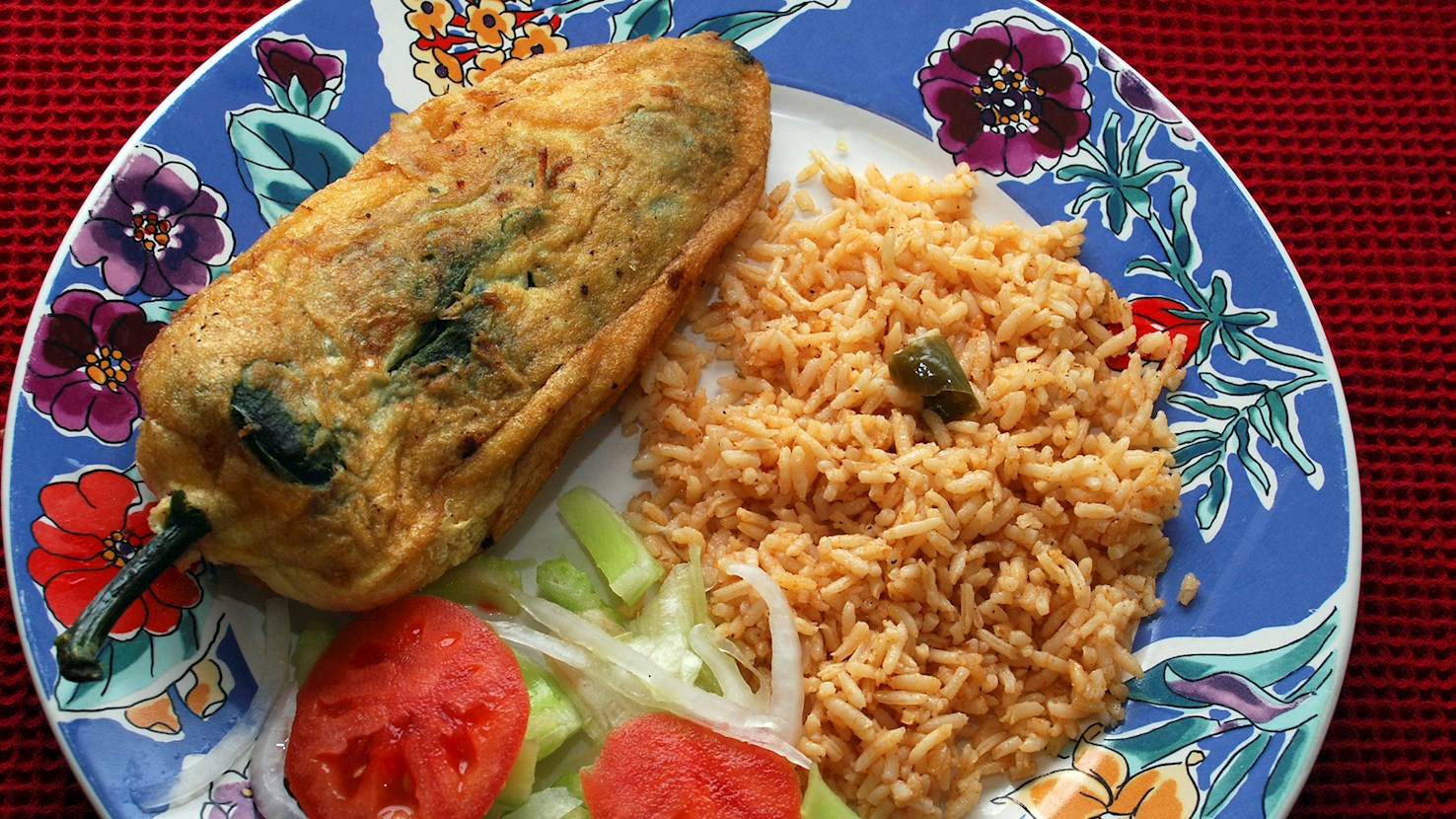
Chile relleno is a large, mild roasted pepper completely hollowed out, heavily stuffed with melting cheese or spiced meat, coated in a fluffy egg batter, and deep-fried until golden. The recipe starts with blistering a fresh poblano pepper over an open flame until the outer skin turns completely black and charred. The pepper is placed inside a sealed bag to steam, allowing the burnt skin to peel away effortlessly. A small slit is sliced down the side to extract all the seeds and membranes, leaving an empty cavity ready for the filling. Large blocks of stringy, white, melting cheese or a dense mixture of ground beef, raisins, and almonds are packed tightly into the hollow space. The opening is pinned shut with wooden toothpicks. The coating requires separating raw eggs, vigorously whipping the whites until stiff peaks form, and gently folding the yolks back in to create an airy, cloud-like foam. The stuffed pepper is lightly dusted with wheat flour, submerged entirely in the foamy egg mixture, and immediately dropped into hot oil. It fries rapidly until a soft, spongy golden-brown crust forms on the outside. Upon leaving the hot oil, the battered pepper is transferred directly to a shallow bowl and consumed immediately while the interior cheese remains molten. A thin, savory tomato broth, heavily flavored with oregano and garlic, known as caldillo, is poured generously over the fried crust just seconds before eating. A side of warm tortillas, seasoned rice, and mashed pinto beans constantly accompanies the plate, absorbing the remaining red sauce and stray bits of batter. The genesis of this stuffed vegetable dates back to the city of Puebla in the mid-16th century, arising from the fusion of indigenous ingredients and imported European livestock. Nuns in local convents used native poblano peppers as a vehicle for newly introduced dairy products and pork. Over time, numerous distinct iterations branched off from the original cheese-filled version. Some coastal regions swap meat and dairy for shredded fish and shrimp, while arid northern territories rely heavily on long, slender Anaheim or Hatch green chiles rather than the wider poblanos. A highly elaborate iteration known as chiles en nogada bypasses the frying phase entirely, featuring a sweet-and-savory, fruit-laced meat filling and a topping of chilled walnut cream sauce scattered with bright red pomegranate seeds. Another adaptation skips the egg batter and hot oil altogether, instead wrapping the stuffed pepper in flaky pastry dough before baking it in a hot oven. The dish is traditionally served as a snack or an appetizer, most commonly in late August and early September, since it is associated with Mexican Independence Day and the Day of San Agustín.
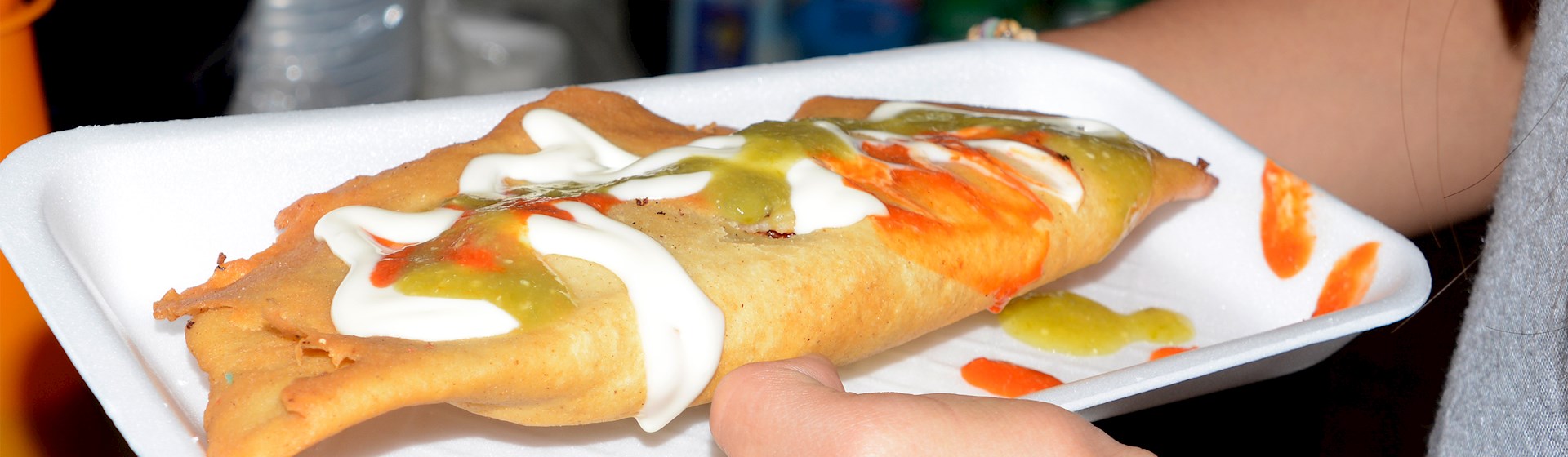
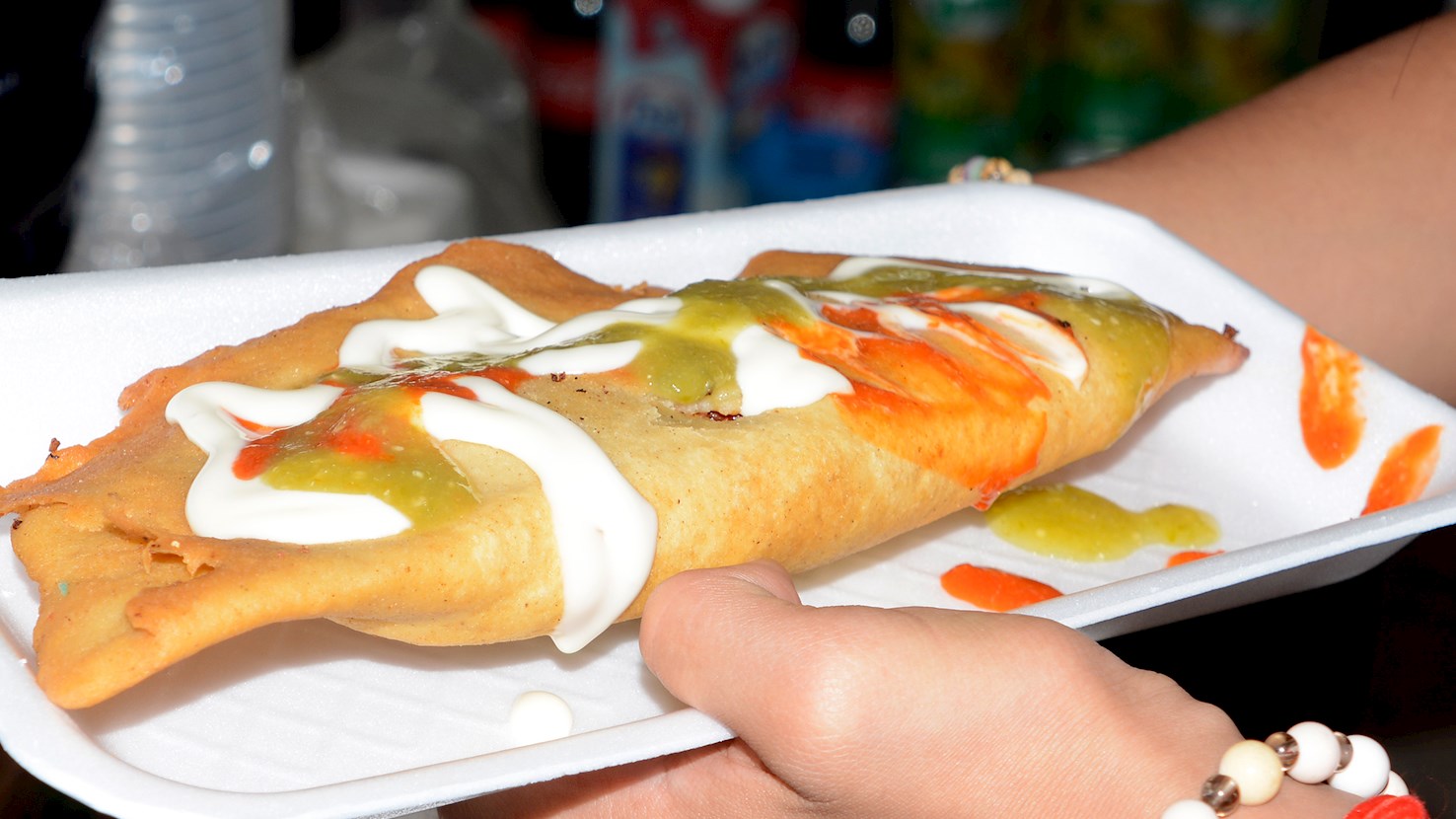
Molotes are deep-fried, oval-shaped corn tortillas filled with various ingredients such as quesillo, mushrooms, and different types of meat. The dish is often topped with green or red salsa and sour cream. Molotes are mostly sold as street food in the late hours of the evening, satiating the appetites of numerous hungry customers.
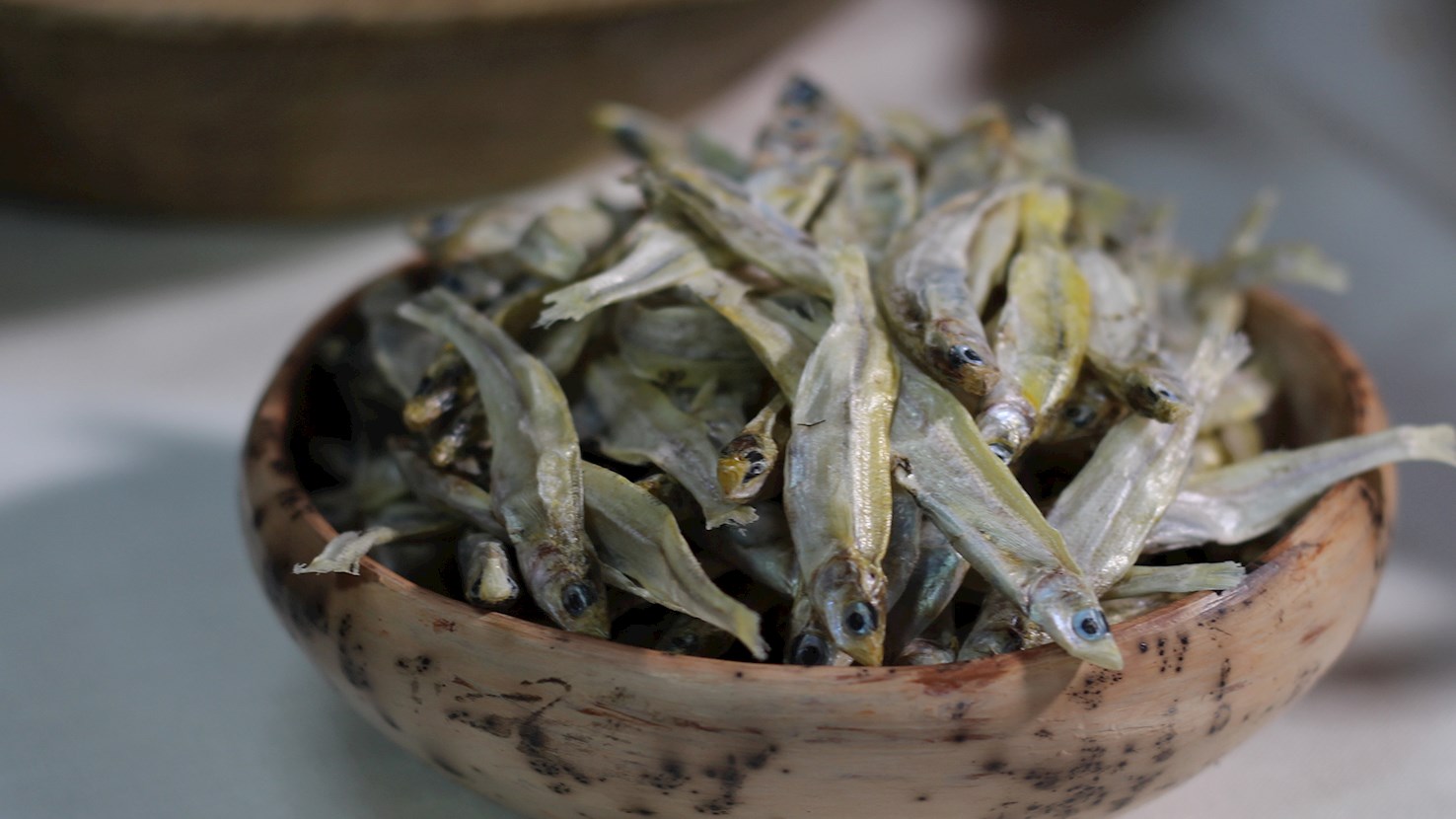
Charales are tiny, slender freshwater fish that are heavily salted, dried in the sun, and rapidly deep-fried whole until they achieve a completely brittle, crunchy texture. These silver minnows originate exclusively from the large inland lakes of central North America, specifically thriving within Lake Chapala and Lake Pátzcuaro. Indigenous groups inhabiting these shorelines relied heavily on these abundant catches centuries before European contact, utilizing intense sunlight to draw out all moisture and permanently preserve the harvest for long-term storage. The entire fish remains intact—including the head, eyes, fragile bones, and fins. After a rigorous coating in coarse salt, the minnows sit on flat mats in direct sunlight for several days until they are entirely dehydrated. Once cured and hardened, handfuls of the stiff fish plunge into vats of boiling vegetable oil for just a few moments. The sudden, extreme heat instantly crisps the microscopic bones and further dehydrates the flesh, resulting in a shatteringly crisp bite. When served strictly as a fast street food, vendors scoop the golden minnows into small paper cones or thin bags. Customers stand by the carts and immediately squeeze fresh lime wedges directly over the pile, aggressively shaking the container to distribute the acidic juice alongside heavy dashes of liquid chili sauce and salt. The sharp citrus briefly softens the outermost skin, while the core remains completely rigid, allowing individuals to consume the entire seasoned animal in one quick, highly textured mouthful. Some regional markets toss the unseasoned crispy fish directly into a hot pan with pureed tomatillos, cilantro, and fiery serrano chilies, letting the brittle bodies simmer and soften slightly as they absorb the bright green sauce. Another distinct variation involves whisking the whole dried fish into a thick egg batter and pan-frying the mixture into wide, savory omelets, which then simmer slowly in a deep red, garlic-infused tomato broth alongside diced potatoes and carrots. There is also a dried version of charales that is especially popular during Lent, when the fish is cooked with nopales, green salsa, and wild herbs.
TasteAtlas food rankings are based on the ratings of the TasteAtlas audience, with a series of mechanisms that recognize real users and that ignore bot,
nationalist or local patriotic ratings, and give additional value to the ratings of users that the system recognizes as knowledgeable.
TasteAtlas Rankings should not be seen as the final global conclusion about food. Their purpose is to promote excellent local foods,
instill pride in traditional dishes, and arouse curiosity about dishes you haven’t tried.



What People Say