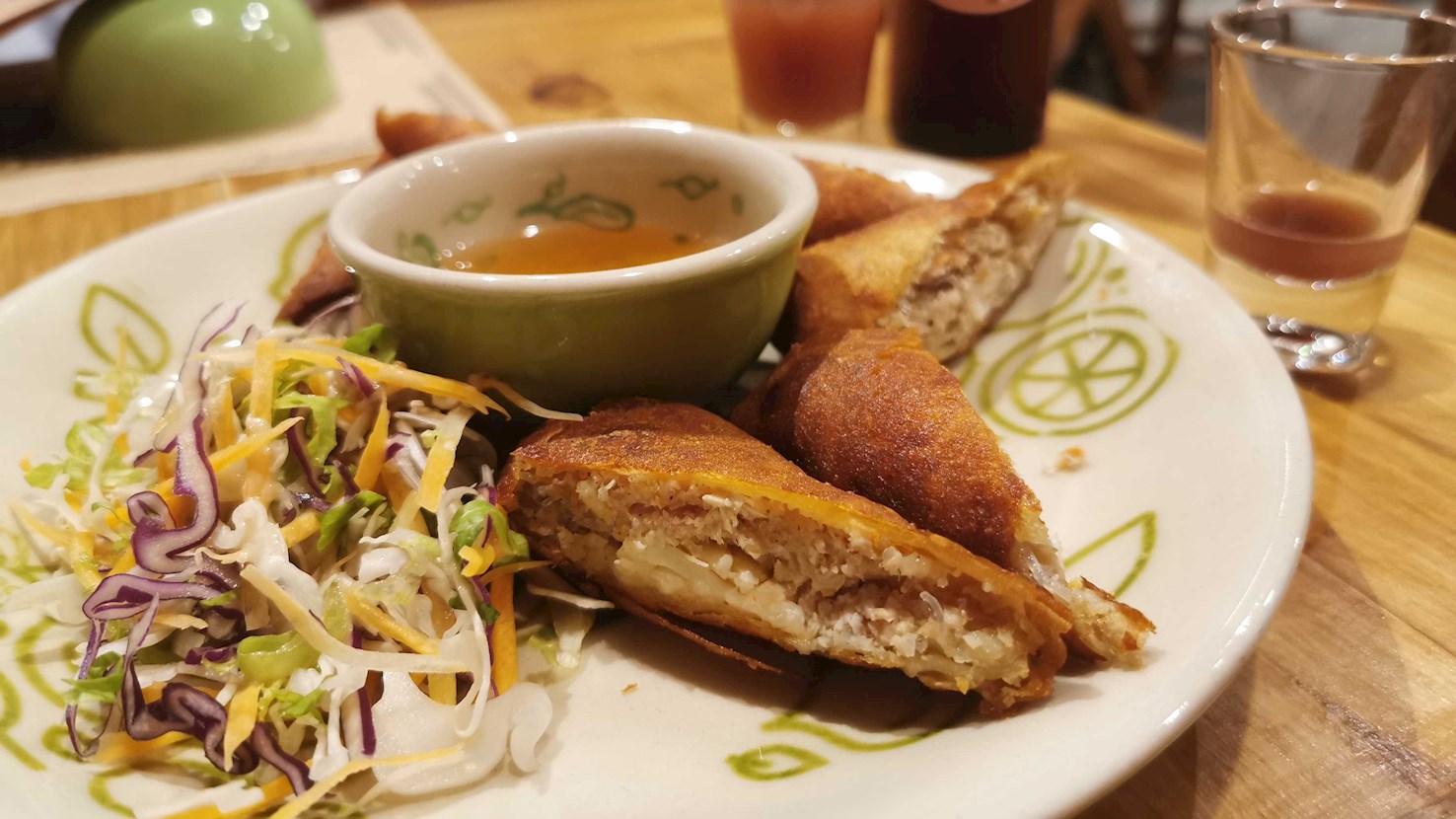
Called chả giò in the south, and nem rán in northern Vietnam, both names are used to refer to the same dish - fried spring rolls. The main characteristic of these tasty rolls is the pork and shrimp filling, wrapped in delicate rice paper. Frequent additions to the stuffing include vegetables such as carrots, cabbage, or mushrooms, glass noodles, and bean sprouts. The rolls are shortly fried and result in a treat with an appetizing golden color, a thin, crispy, and light outer layer, and a delectable filling. They are believed to have developed under Chinese influence in Vietnam, but the rolls kept their distinct character and became one of the most common dishes eaten in the country. They are usually served as an appetizer, but can also constitute a satisfying main meal. The combination of ground pork and minced shrimp is the most common one, but other varieties are also possible and might even include crab meat or tofu. Whether they are served as an appetizer or the main meal, chả giò are usually accompanied by lettuce, fresh cucumbers, and a serving of fish sauce or sweet and sour sauce. Besides Vietnam, these tasty rolls are commonly served in many Vietnamese restaurants around the world.
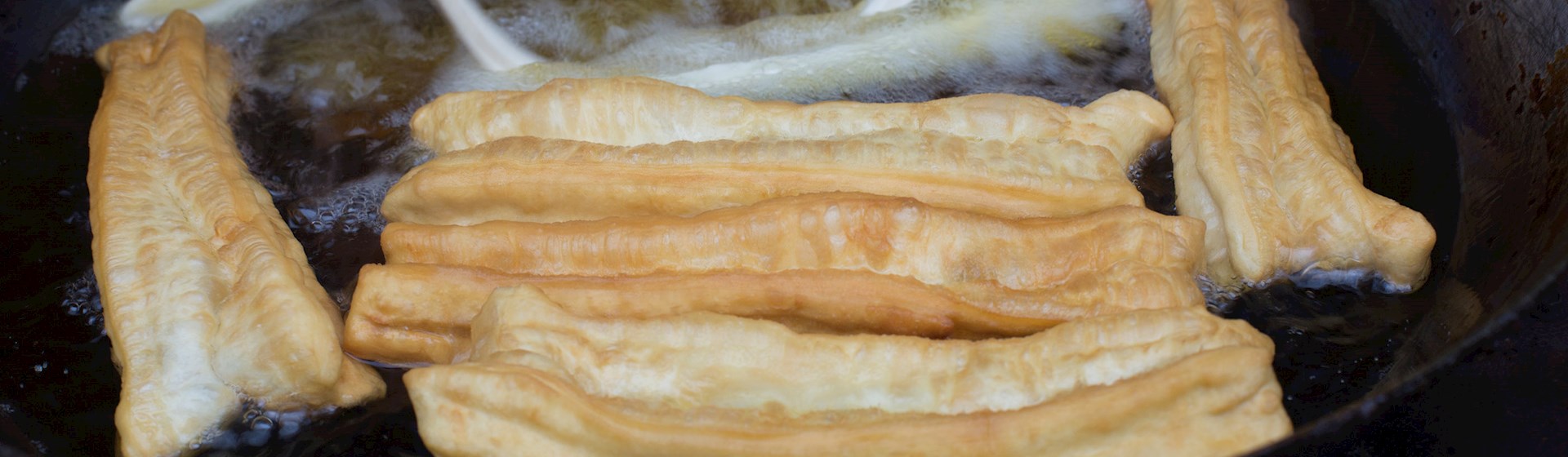
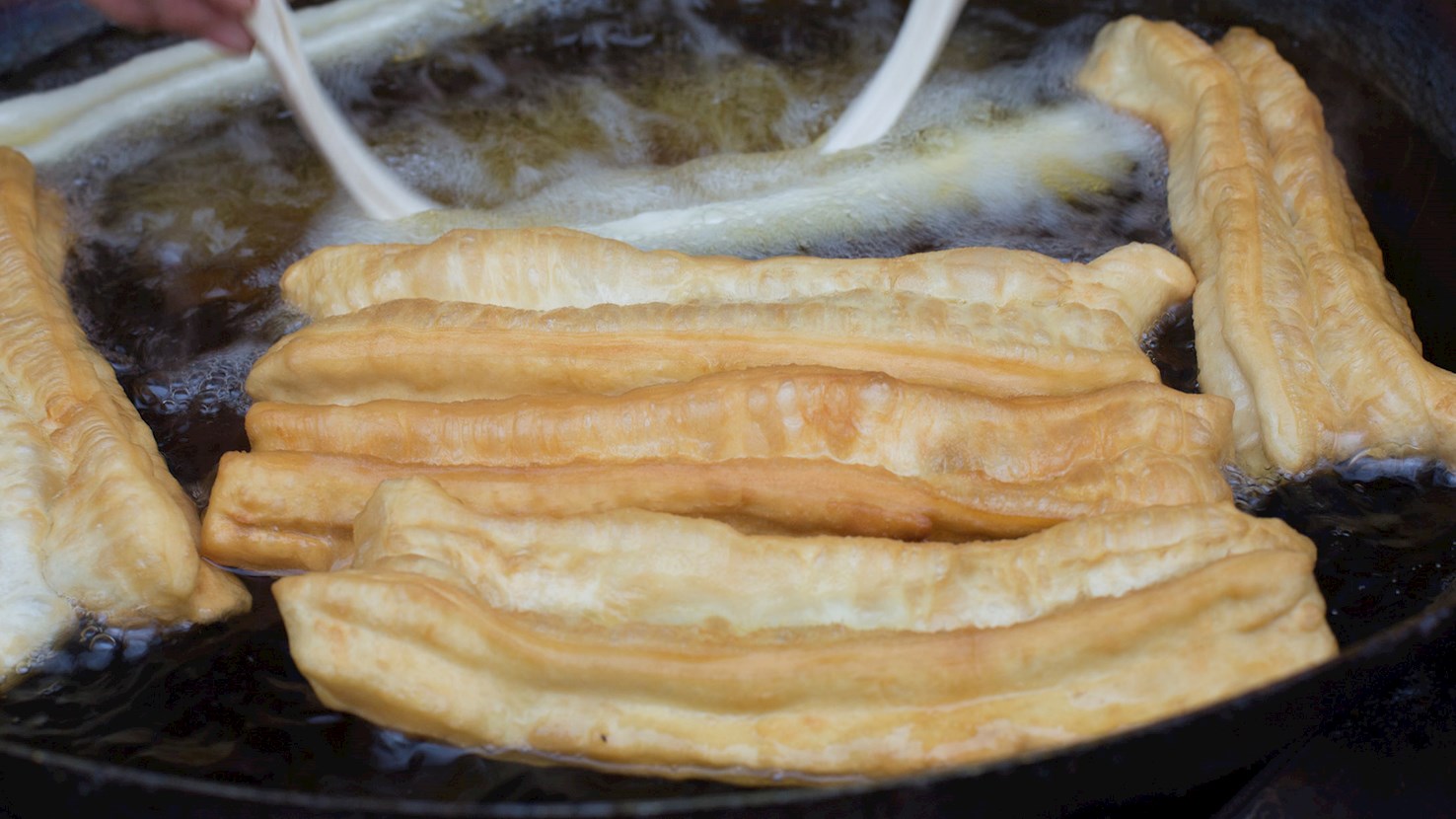
Vietnamese quẩy is a deep-fried snack which was inspired by youtiao, a popular Chinese delicacy. Although very similar in preparation and shape to its more popular cousin, quẩy is regarded as a national culinary treasure in Vietnam. Plain flour, leavening agents, salt, water, and sugar create the basic dough, which is left to rest for hours until ready. The snack is created by combining two pieces of dough which are shortly deep-fried until golden brown. The lengthy preparation procedure should result in a delicacy which puffs in contact with oil and slightly separates to resemble two individual sticks that are connected in the middle. Quẩy comes in all sizes, but a prerequisite for each serving is a crunchy exterior and a soft, slightly hollow center. In Vietnam, people enjoy it as a street food item, commonly combining it with rice porridge, pho, papaya dipping sauce, or noodles. It can be served whole and plain, but it is often cut into smaller pieces when served as an accompaniment to other dishes. Quẩy is regarded as cheap and satisfying comfort food, enjoyed by people of all ages, but it is especially popular among Vietnamese students. Because it is always freshly prepared and served hot, it is usually associated with the winter period, but can be found all year round. Similar youtiao variations are common in many Southeast Asian countries.
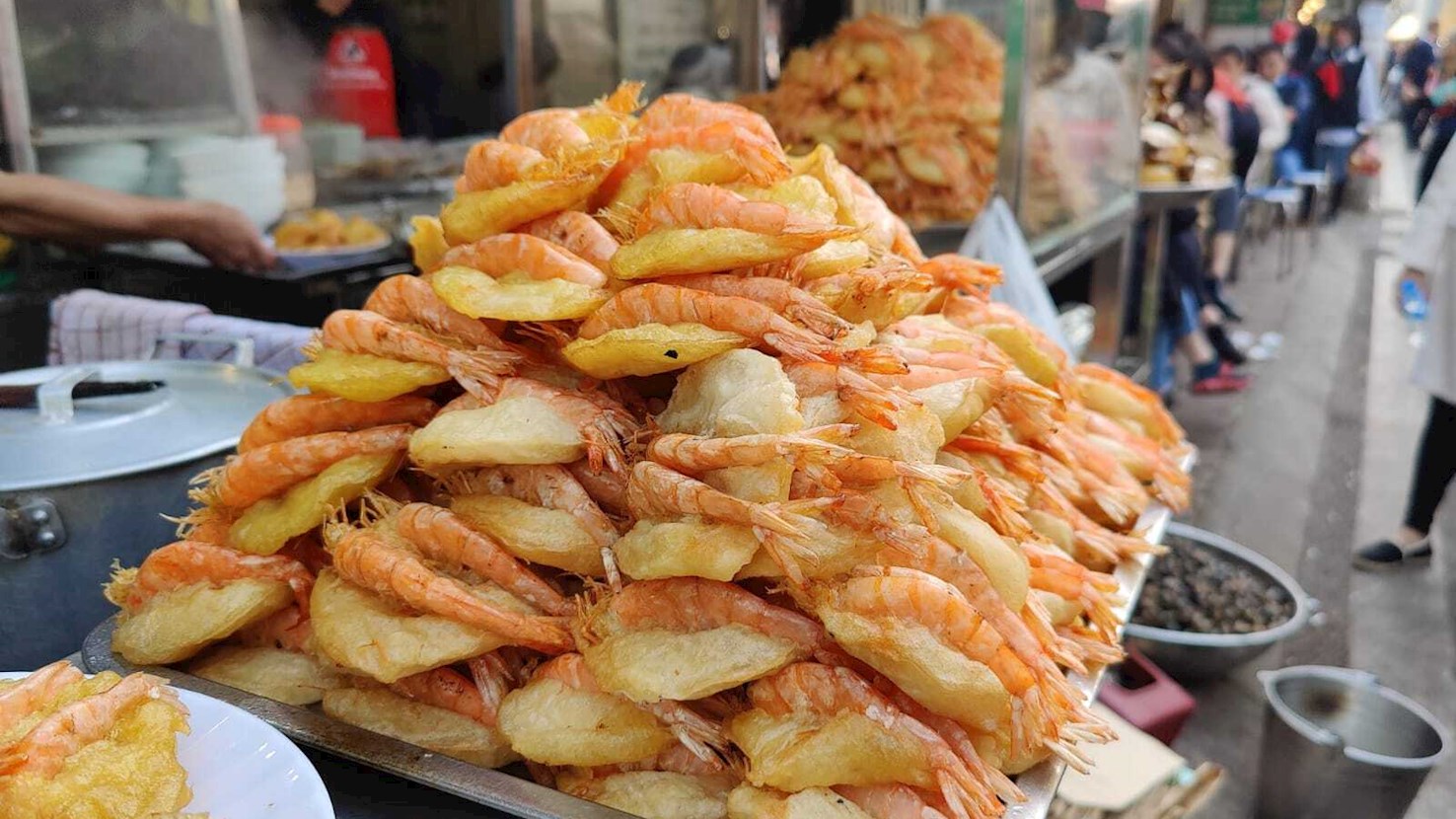
Bánh tôm is a seafood specialty hailing from Hanoi. The dish consists of julienned sweet potatoes that are divided into small portions and coated in batter. Each potato nest is then topped with a shrimp, and the combination is deep-fried until crispy. The dish is usually enjoyed as an appetizer or a snack, and it is typically accompanied by lettuce or herbs that are supposed to be used as wrappers. Pickled vegetables and nước chấm sauce are also commonly served on the side.
Bông bí or pumpkin flowers are a prized Vietnamese specialty originating from the cuisine of the Mekong Delta. They are characterized by a slightly sweet flavor and their versatility – the flowers can be used in soups and hot pots, sautéed with meat, or stuffed and deep-fried. The most common way of preparing the flowers is by deep-frying them (bông bí chiên giòn). A tempura-style batter is made with flour, cold water, salt, pepper, eggs, and a bit of yeast. They are dipped into the batter and fried in hot oil until golden brown and crispy. Once done, the pumpkin flowers are usually served as an appetizer with dipping sauces such as nuoc cham on the side, made with fish sauce, sugar, lime juice, and garlic.
Đùi gà bó xôi is a traditional poultry dish. It's made by wrapping chicken drumsticks in sticky rice, then deep-frying them in hot oil. Other ingredients include garlic, sugar, soy sauce, oyster sauce, five-spice powder, mint, and turmeric. The marinated drumsticks are wrapped in sticky rice, then deep-fried until golden brown and crispy. The dish is served with mint, tomato and cucumber slices, and scallion oil. It's usually prepared and served at celebrations and festivities such as weddings or engagements.
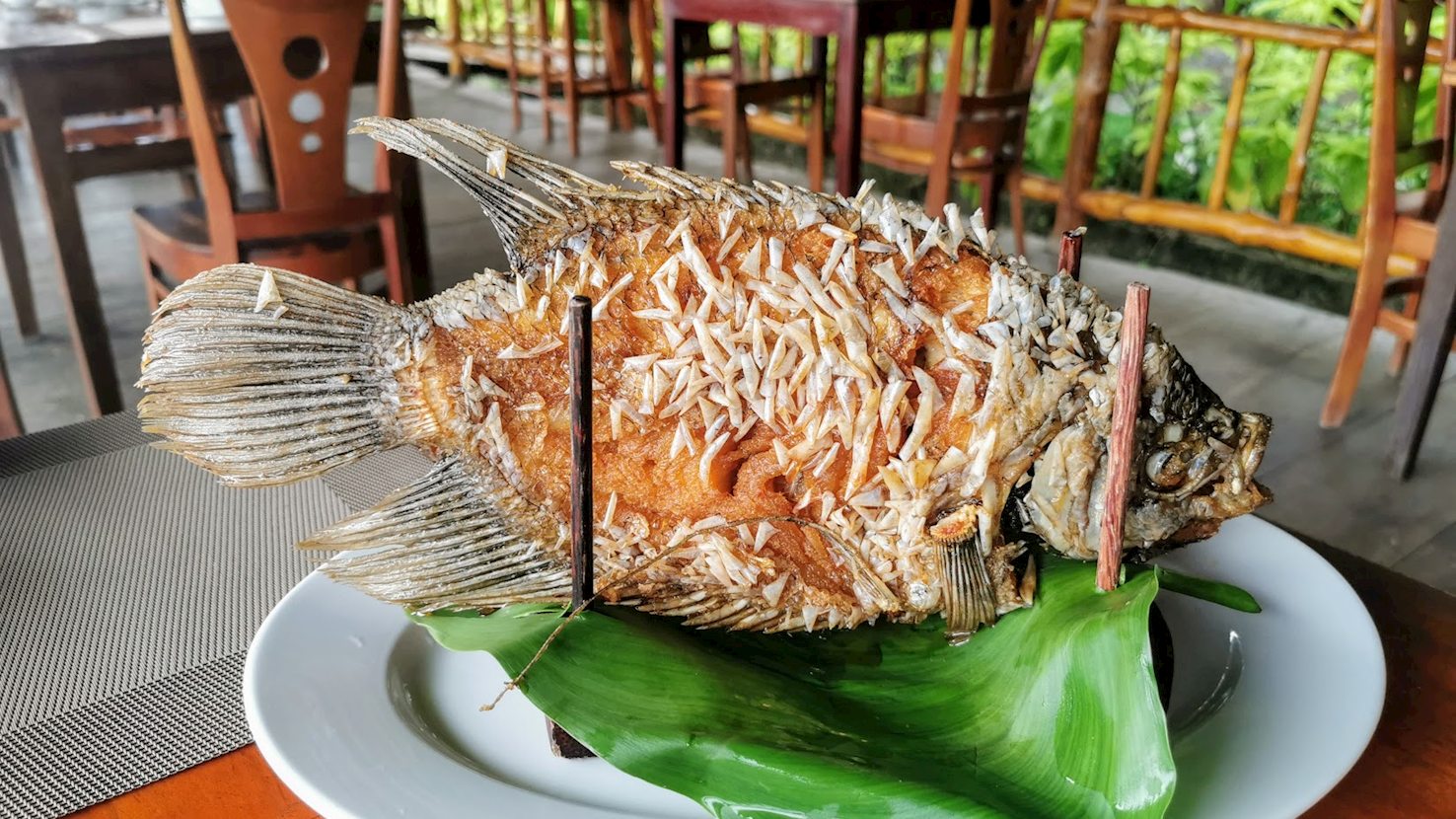
Cá tai tượng chiên xù is a traditional dish originating from the Mekong Delta area. This specialty is made by deep-frying elephant ear fish until it becomes crispy and fully cooked, and then it can be served as it is. The meaty and tender pieces of elephant ear fish are often mixed with cucumbers, pickles, and herbs, and the pieces are then wrapped in rice paper. The rolls are usually dipped in a special sweet and sour sauce that’s made from fish sauce, hot chili peppers, and garlic. Before serving, the fish is sometimes topped with roasted ground peanuts and it’s often served with lime wedges on the side.
TasteAtlas food rankings are based on the ratings of the TasteAtlas audience, with a series of mechanisms that recognize real users and that ignore bot,
nationalist or local patriotic ratings, and give additional value to the ratings of users that the system recognizes as knowledgeable.
For the “Top 6 Vietnamese Deep-fried Dishes” list until May 16, 2026, 401 ratings were recorded, of which 304 were recognized by the system as legitimate.
TasteAtlas Rankings should not be seen as the final global conclusion about food. Their purpose is to promote excellent local foods,
instill pride in traditional dishes, and arouse curiosity about dishes you haven’t tried.