


Top 5 North Aegean Dessert Wines

Last updated on June 15, 2026
01

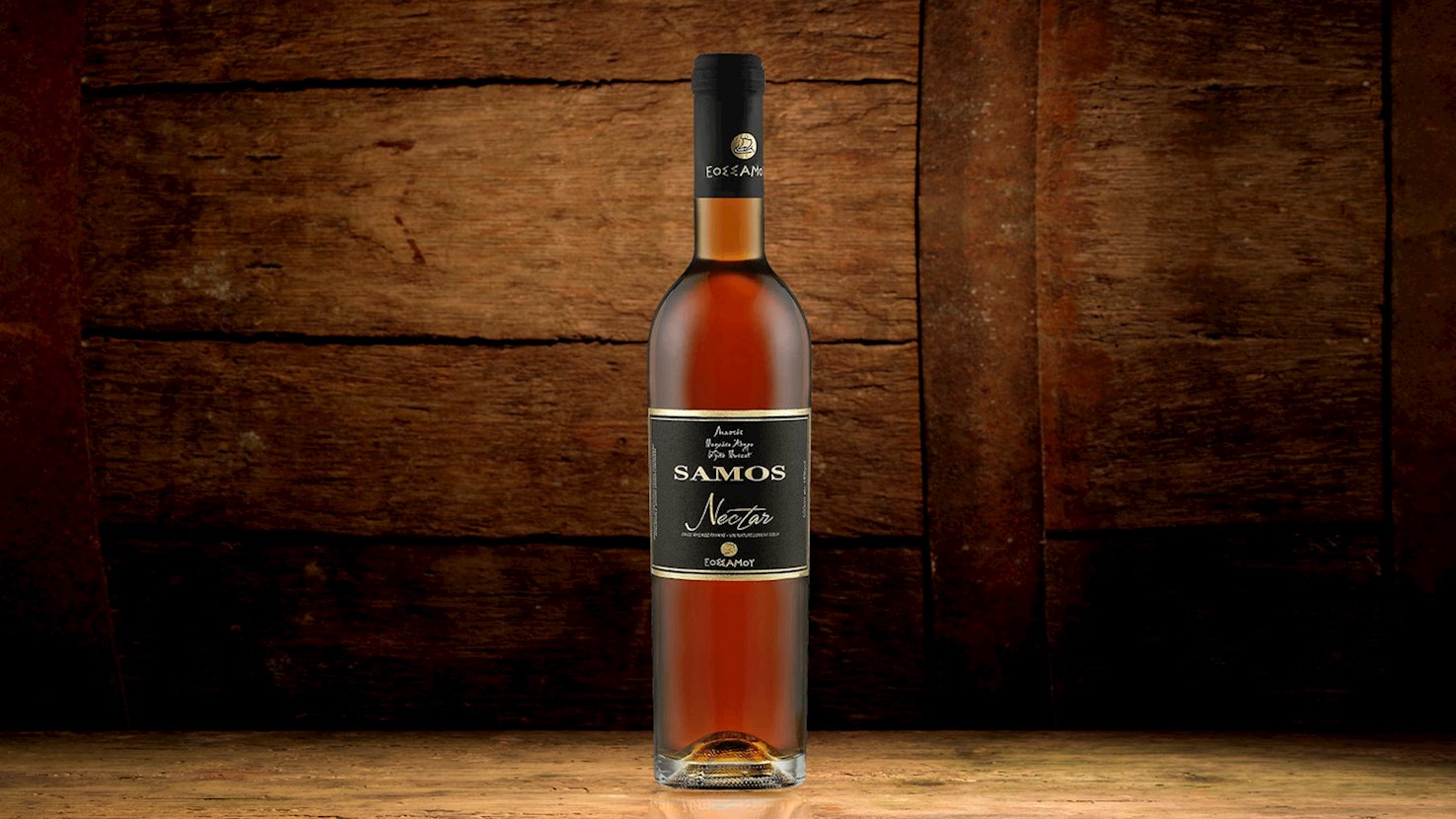
Samos Nectar

4 ·

Nectar is a wine style that hails from Samos. The wine is produced from Muscat Blanc à Petits Grains, which is locally known as Moschato Aspro. The style is made with late-harvested and sun-dried grapes, and the wines have to be oak-aged for at least three years. Nectar has an appealing light amber color. It is a complex and rich wine with an aroma reminiscent of honey, raisins, dried fruits, and nuts. On the palate, they display a good balance of acidity and sweetness, with typical dried fruit, toffee, spicy, and herbal notes. This wine is best paired with desserts, but it can also be a good pairing with savory dishes. It can also be served with pungent blue cheese.

02

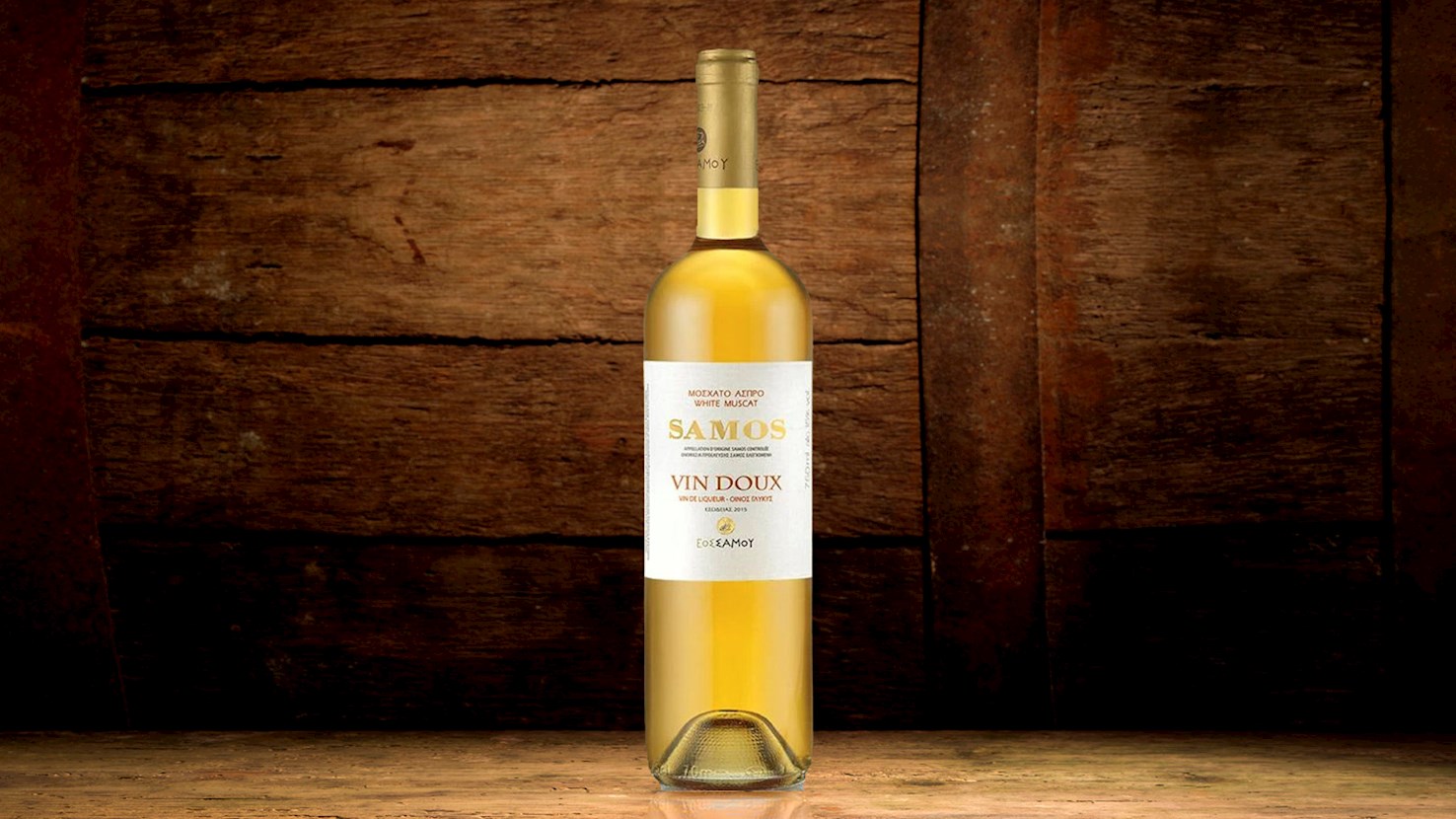
Samos Vin Doux

3.7 ·

Samos Vin Doux is the most popular wine from Samos. It is produced from Muscat Blanc à Petits Grains, which is locally known as Moschato Aspro. Apart from this style, the appellation also includes dry wines and the renowned Samos Nectar made from dried grapes. As it is evident from the name, this wine is produced as a vin doux style. This technique involves adding grape spirit before fermentation is completed. The result is a wine that retains its natural sweetness and typically has higher alcohol content. Samos Vin Doux is a soft, mellow, and aromatic wine, dominated by aromas of apricot jam and ripe melon. The flavor is rich and complex but well-balanced with freshness and acidity. This wine would pair well with desserts, especially regional pastries, tarts, and fruit-based desserts. It can also work well as an after-dinner drink.

03

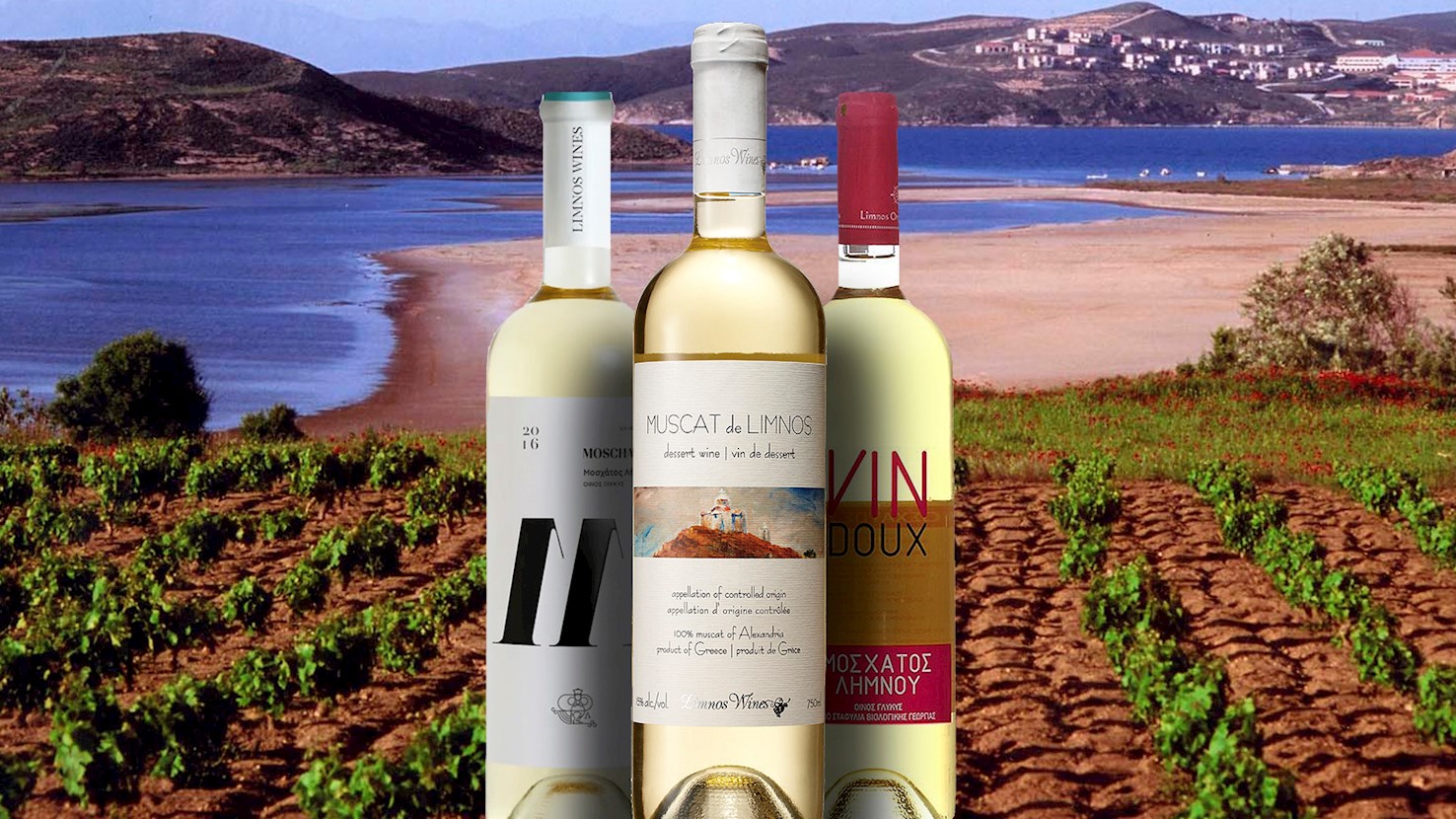
Muscat of Limnos

3.5 ·

Located on the eponymous Greek island, Muscat of Limnos is a Greek appellation that produces sweet dessert wines exclusively from white Muscat of Alexandria grapes. The wines can be fortified or naturally sweet—when they are classified as vin naturellement doux. Muscat of Limnos wines are aromatic, light, bright, and fresh, with a rich body and typical notes of apricots and mint. They usually have well-balanced acidity and a long finish. These wines should always be served well-chilled, and though they can be enjoyed on their own, they are also a good match to blue or aged cheese and desserts. If they are produced from selected vineyards, naturally sweet wines can carry the label grand cru.

04

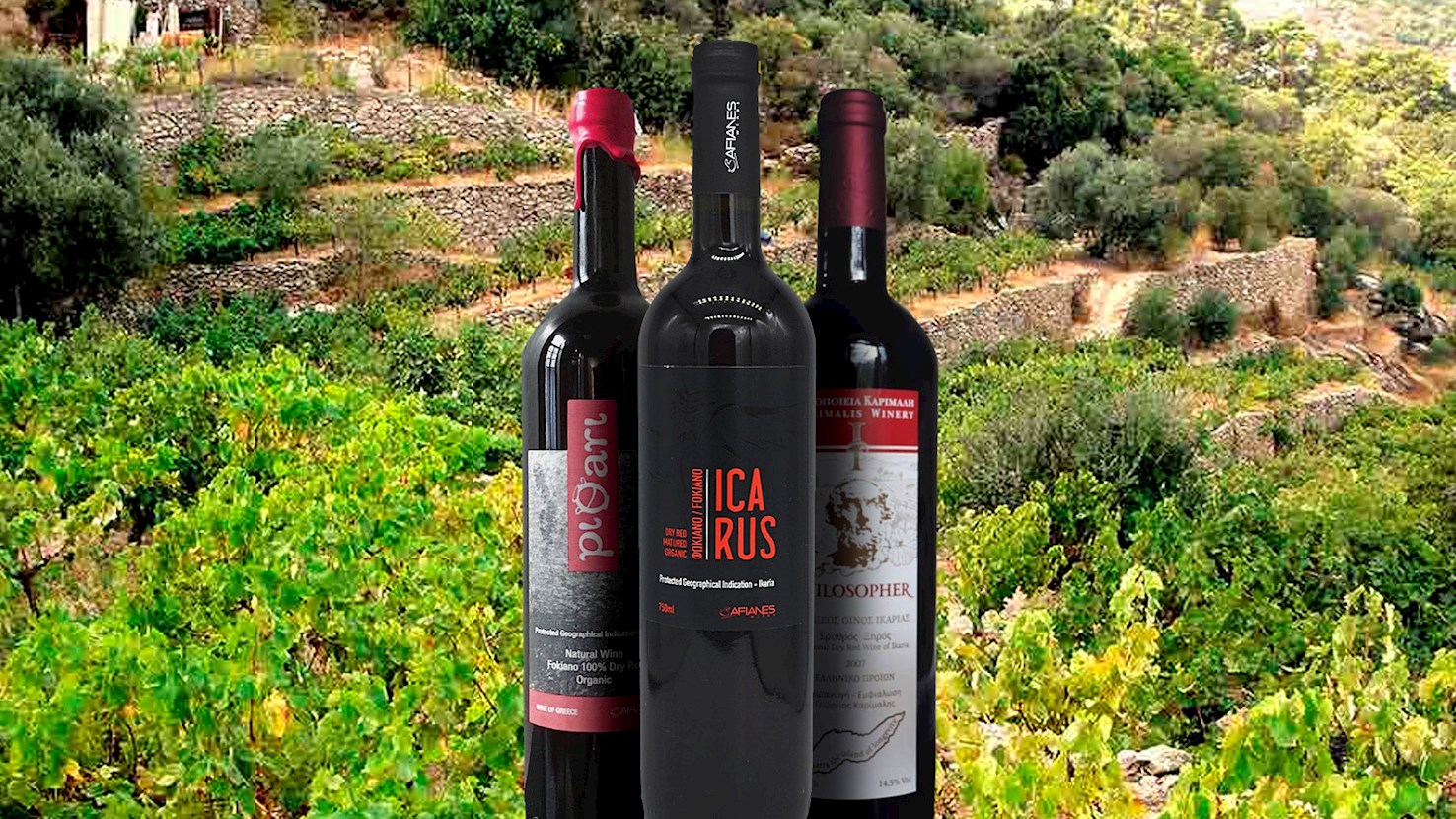
Fokiano Ikaria

n/a ·

Ikaria has been known for its wine production since the ancient times when the wine carried the name Pramnios Oinos—given after the mountain peak Pramnos. The wine was produced from sun-dried Fokiano grapes, and it was quite potent, with 18% ABV. In modern winemaking, the grape is still used in the production of dry and naturally sweet wines. Dry wines made from Fokiano are traditionally produced by pouring must into clay pots (pitharia) which are buried and covered with stones while the wine ferments. Modern techniques also include fermentation in steel vats. Red Ikarian wines produced from Fokiano typically have a fruity character, well-balanced acidity, and medium body. Young wines pair well with fish, poultry, and stuffed vegetables, while aged version may be a good accompaniment to meat dishes, especially local goat meat, and aged cheese. Sweet Fokiano would go well with honey, fruit, fruit salads, and nuts. These naturally sweet wines are produced from sun-dried grapes, and they can have an unusually high alcohol content that reaches 18% ABV. This is attributed to a specific type of fungi, which allows the wine to reach this concentration while it matures. On Ikaria, the locals often mix the wine with water.

05

Anthemis

n/a ·

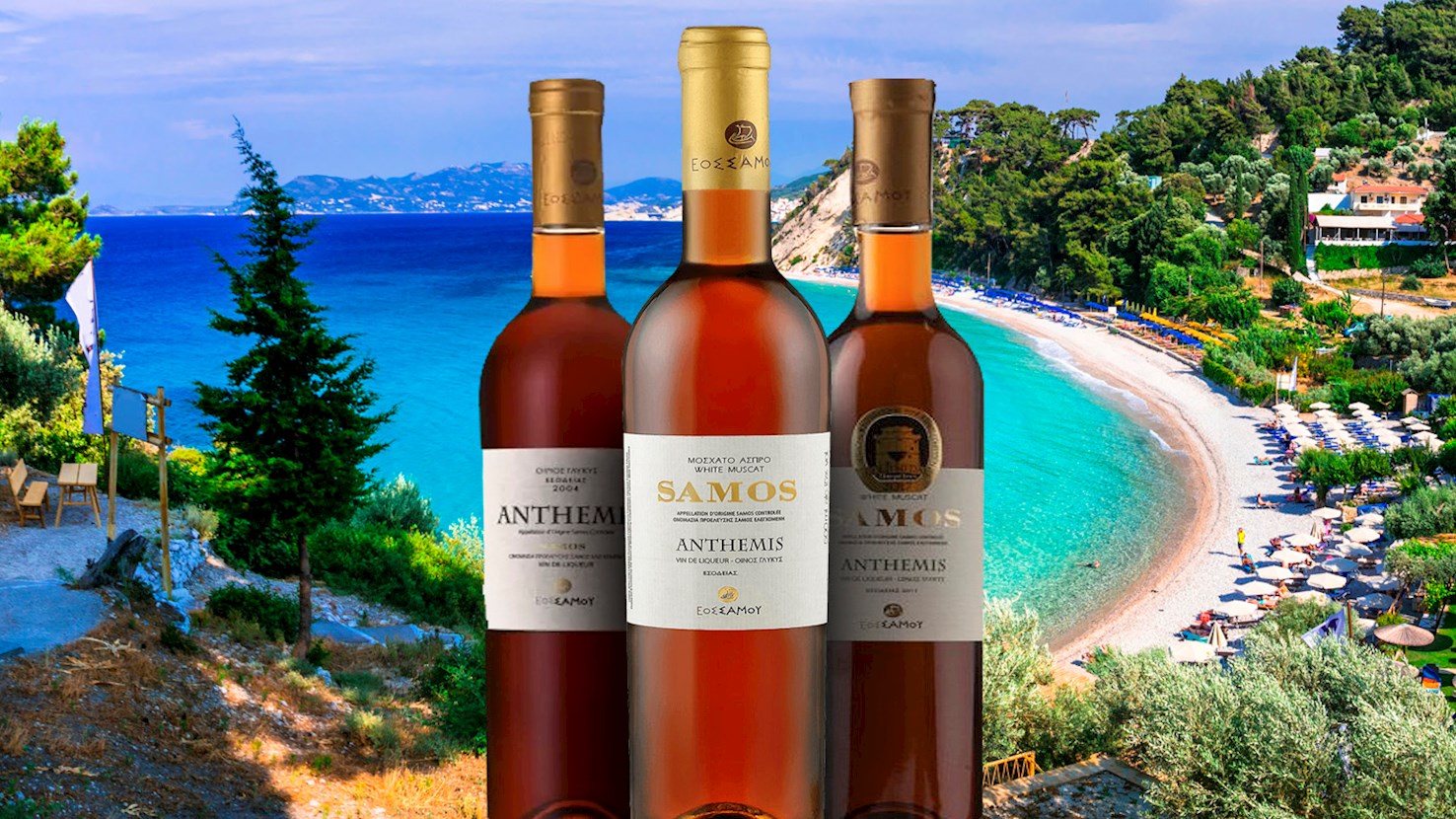
Anthemis is a style of wine that hails from Samos. It is made entirely from Muscat Blanc à Petits Grains, the island's signature grape known as Moschato Aspro. Essentially, Anthemis is the aged version of vin doux, the most popular style on the island in which grape spirit is added before the fermentation is completed. This helps the wine to retain natural sweetness. Anthemis is usually oak-aged for five years, and the final product is an amber-colored wine with an intense bouquet and flavor. The flavor and the aroma are rich and complex, reminiscent of dried fruits, caramelized nuts, honey, and butterscotch, along with some herbaceous notes. The finish is soft and long-lasting. This sweet wine would be a good pairing with Greek or Middle Eastern desserts and aged cheese.

Read more
View all
View map
About this ranking

TasteAtlas food rankings are based on the ratings of the TasteAtlas audience, with a series of mechanisms that recognize real users and that ignore bot, nationalist or local patriotic ratings, and give additional value to the ratings of users that the system recognizes as knowledgeable. For the “Top 5 North Aegean Dessert Wines” list until June 15, 2026, 139 ratings were recorded, of which 35 were recognized by the system as legitimate. TasteAtlas Rankings should not be seen as the final global conclusion about food. Their purpose is to promote excellent local foods, instill pride in traditional dishes, and arouse curiosity about dishes you haven’t tried.

Similar lists