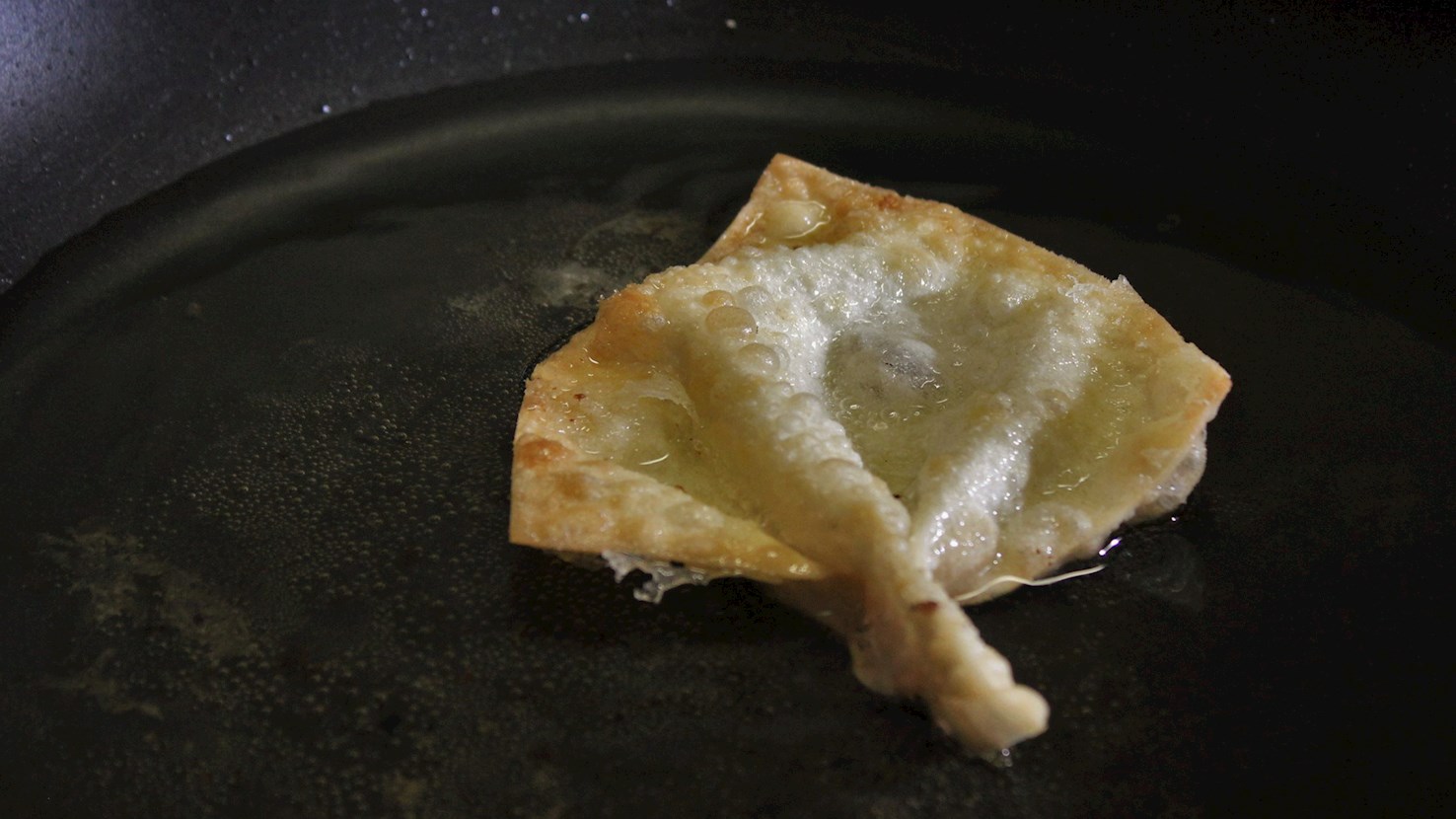
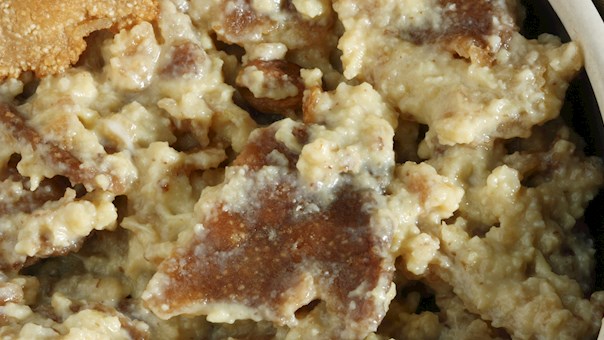
Gosh-e fil is a crisp, deep-fried pastry from Iran and Afghanistan. The name translates to “elephant ear” in Persian, referring to its broad, curved shape that resembles the ear of an elephant. This sweet is a staple during celebrations and is commonly enjoyed alongside a cup of tea, particularly during festive gatherings or in the evenings when families come together. To prepare gosh-e fil, dough is made by combining flour, eggs, yogurt, baking powder, butter, and a splash of rosewater to impart a delicate fragrance. The dough is rolled out thinly and cut into pieces that are then shaped by hand to form their characteristic curves. Each piece is deep-fried until golden and crisp, then drenched or dusted generously with powdered sugar and sometimes ground pistachios. The final touch is often a drizzle of cardamom-infused syrup or extra rosewater to enhance the aroma and sweetness. Although it may be prepared in homes, gosh-e fil is also sold fresh in pastry shops and bazaars, where its inviting aroma and distinctive shape draw in locals and visitors alike.
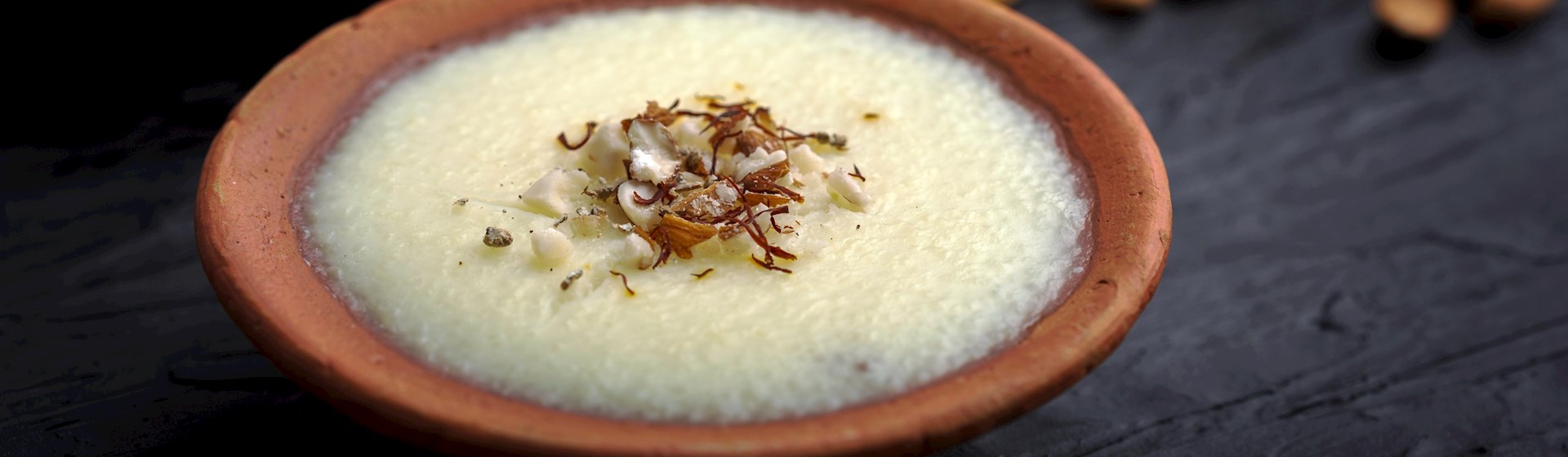
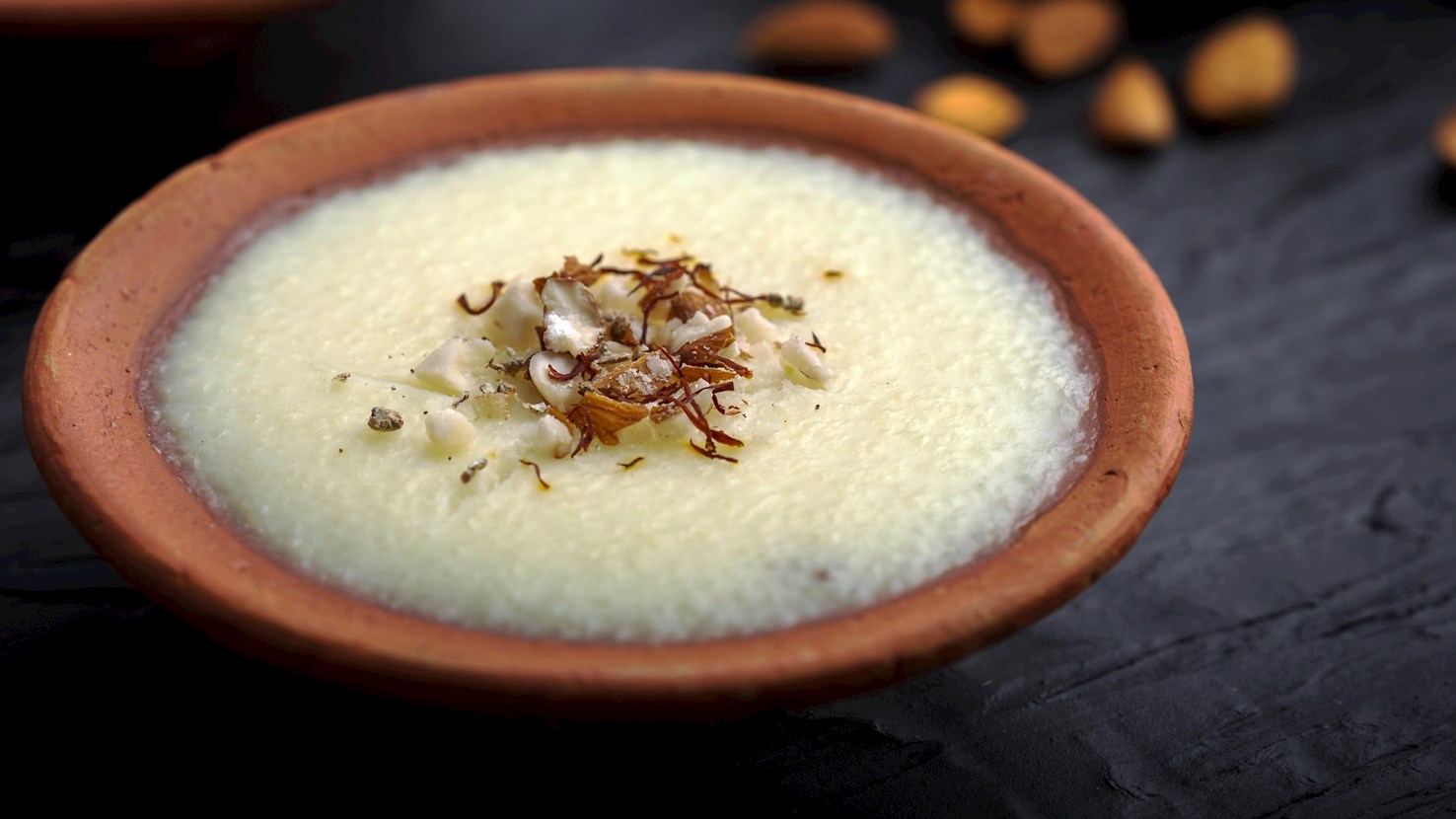
Firnee is a traditional dessert that is believed to have originated in India, where it is known as phirni. Afghan firnee is usually made with cornstarch (instead of ground rice in the Indian version) that is cooked in a mixture of milk and sugar, and just like Indian phirni, it is typically flavored with aromatic spices such as cardamom, saffron, and rose water. The traditional version calls for sprinkling the dessert with finely ground pistachios, but these days it is often enriched with pieces of seasonal fruit, dried fruit, or coconut flakes. Similarly to Indian phirni, Afghan firnee is also traditionally prepared for special events and festivities such as weddings and religious holidays like Ramadan and Eid. In Afghanistan, rose water-flavored and banana-flavored firnee are the two favorite versions of this sweet treat.
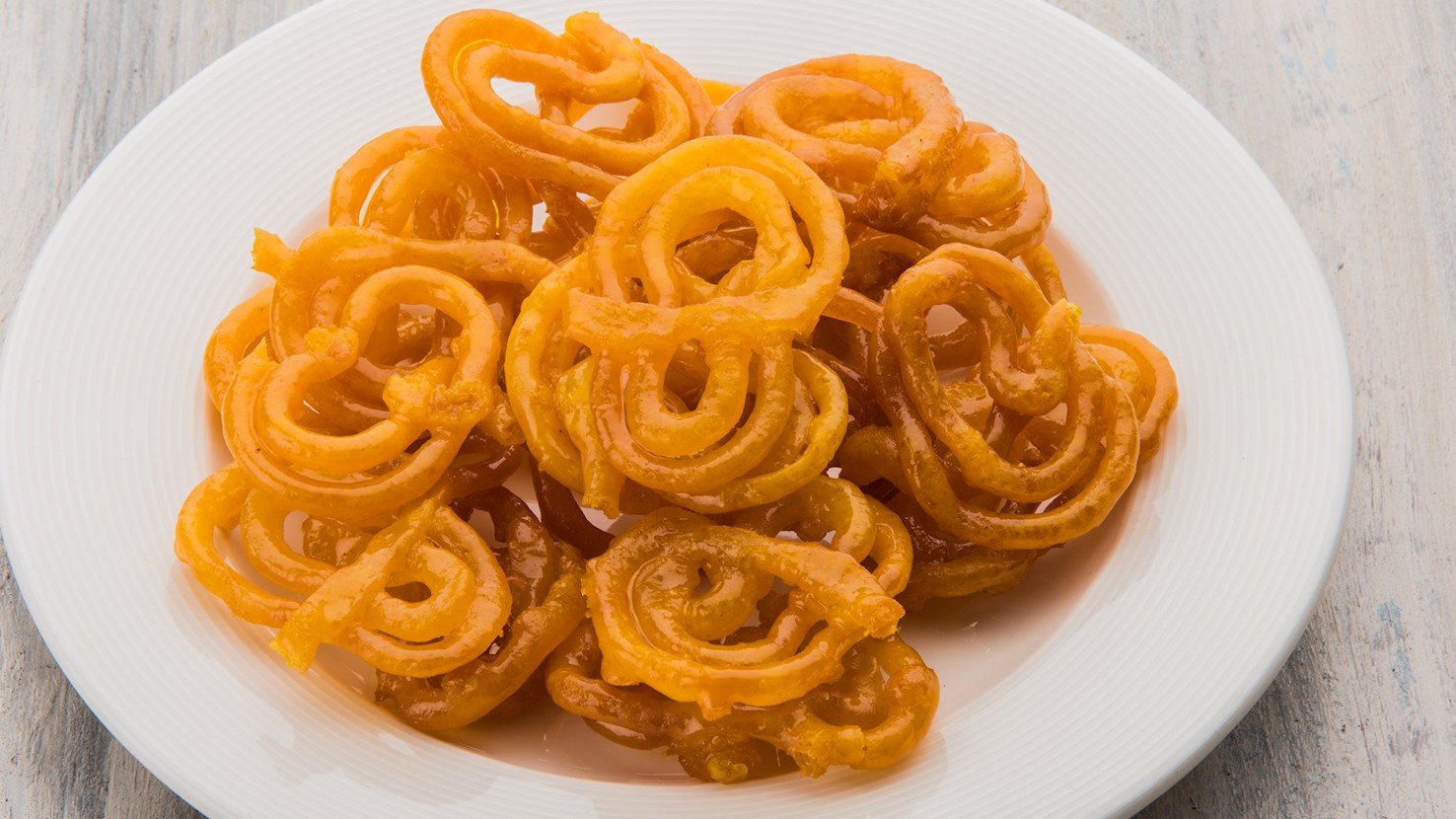
Zulbia is a sweet confection prepared by deep-frying thin coils of fermented batter and then soaking them in a fragrant sugar syrup. Although it is believed to have its origins in Persia, zulbia or jalebi is an international dessert with variations that spread throughout the Middle East, India, and Asia. Its golden color and delicate crispness have made it a favorite accompaniment to tea in both homes and pastry shops. To make zulbia, a batter is prepared by mixing refined flour with yogurt or fermented starter, a little cornstarch, baking soda, and sometimes a splash of rosewater. The batter is rested to develop a slight tang and a smooth consistency. Using a special funnel or piping bag, it is poured into hot oil in looping, spiral patterns that expand and puff as they fry. The pieces are turned until evenly golden and crisp, then immediately immersed in warm syrup made with sugar, water, saffron, rosewater, and sometimes a dash of lemon juice to prevent crystallization. After a short soak, they are removed and set to drain on racks, leaving them saturated but not soggy. The flavor is sweet and floral, with a hint of acidity from the syrup balancing the richness of the fried dough. Because it holds up well over time, zulbia is often prepared in large batches to be served over several days or packaged as a gift. Historical records suggest that variations of zulbia were made across Persia and the Indian subcontinent as early as the medieval period, with recipes spreading along trade routes and adapting to local tastes.
Sheer yakh, meaning frozen milk or cold milk in Dari, is a traditional dessert that uses the same ingredients as the Indian kulfi ice cream but is prepared differently. The ice cream ingredients such as milk, sugar, and flavorings are all added to a metal container, which is then placed inside another metal container filled with ice and salt. The person who makes the ice cream continuously rotates the vessel holding the ingredients manually within the stationary ice-filled container and occasionally stirs the creamy mixture until it becomes frozen. Typical flavorings include cardamom, rose water, and salep (wild orchid powder). A favorite summertime street food item, sheer yakh is usually served in small bowls and topped with chopped pistachios, almonds, and thick cream.
Sheer pira, meaning sweet milk in Dari, is a traditional dessert made with a mixture of full-cream milk powder, ground cardamom, rosewater, and ground or chopped nuts combined with hot sugar syrup. The creamy mixture is added to a lined or greased tray or a deep dish, smoothed out, and then sprinkled with additional chopped or powdered nuts. Typical nuts used for the dessert include walnuts, pistachios, cashews, hazelnuts, or almonds, which are often roasted for added flavor. Once the dessert hardens to a fudge-like consistency, it is cut into diamond-shaped slices or squares before serving. In Afghanistan, this sweet and fragrant milk candy is traditionally made for Eid festivities, various special occasions and celebrations such as weddings or parties.
This Afghan dried fruit and nut soup is traditionally prepared the evening before Naw Roz, the Afghan New Year celebrated on the first day of spring. Haft mewa literally translates to seven fruits and is made with green and red raisins, almonds, pistachios, walnuts, dried apricots, and oleaster berries, all soaked in either water or sweetened rosewater. In Afghanistan, to start off the New Year on a fresh and sweet note, the flavorful haft mewa is traditionally enjoyed for breakfast.
Khetayee are traditional cookies hailing from Afghanistan. The cookies are usually made with a combination of flour, powdered milk, baking powder, icing sugar, oil, and ground pistachios. The flour, powdered milk, baking powder, and icing sugar are mixed into a dough with the addition of oil. Once prepared, the dough should be soft but firm. It is rolled into smooth balls that are slightly flattened by hand and an indentation is made in the center of each cookies. Once baked, the indentations are filled with ground pistachios and the cookies are served once they have completely cooled. Khetayee are traditionally made during Eid festivities in Afghanistan.
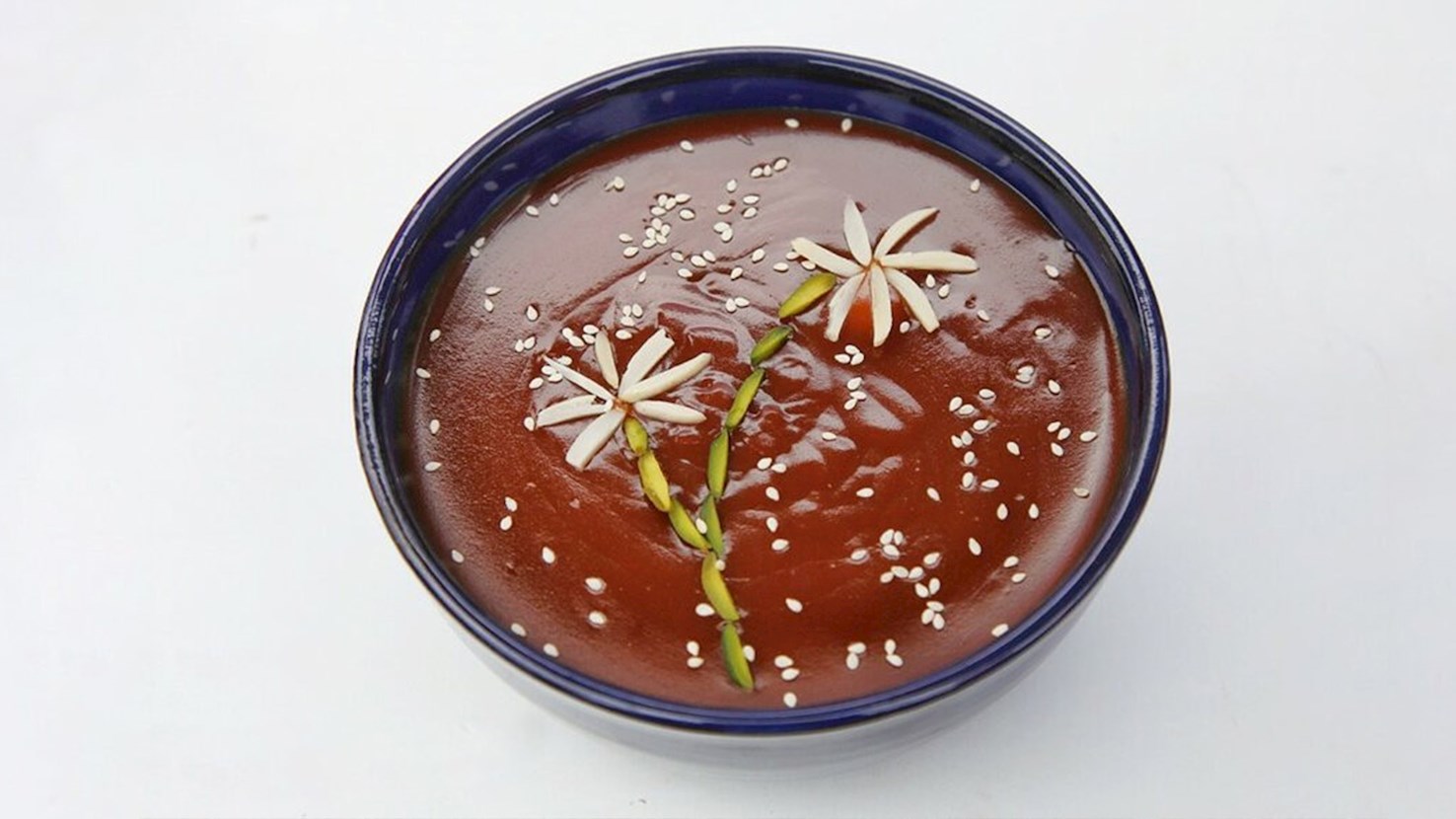
Samanu is a sweet dessert made from wheat germ, akin to pudding, commonly prepared in Iran, Afghanistan, and Central Asian countries, especially during Nowruz (Persian New Year). It symbolizes abundance, sweetness, and prosperity and is often shared among family and friends. The dish is made by sprouting wheat germ, grinding it, and cooking it slowly with water and wheat flour. The natural sugars from the sprouted wheat give samanu its sweet taste, requiring no additional sugar. It has a thick, pudding-like consistency and a rich, caramel-like flavor. The cooking process can take up to 24 hours and requires continuous stirring. Traditionally, women gather to prepare samanu together, singing songs and making wishes for good fortune. As a Nowruz tradition, samanu is one of the seven symbolic items on the Haft-Seen table, representing patience and strength. In countries like Iran, Tajikistan, and Uzbekistan, making samanu a group activity reinforces bonds of friendship and family. Some believe that the slow cooking process carries blessings and positive energy. It is widely enjoyed in Iran, Afghanistan, Tajikistan, Uzbekistan, Turkmenistan, and Kyrgyzstan, where it is often prepared in large communal gatherings before Nowruz. More than just a dish, samanu is a symbol of renewal, perseverance, and community spirit, deeply rooted in Persian and Central Asian traditions.
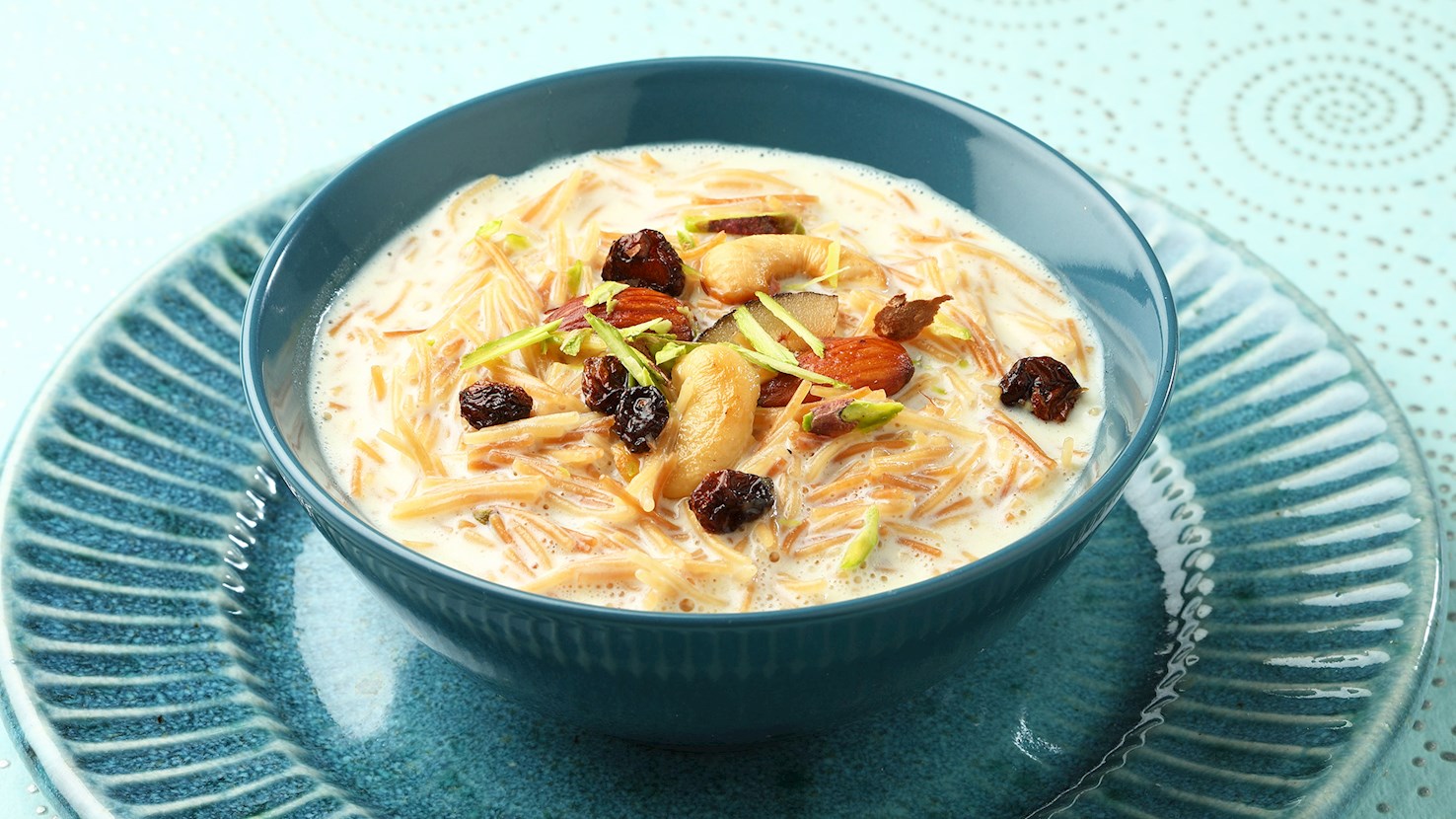
Sheer khurma is a sweet milk-based dessert originating from the Indian subcontinent, particularly popular in Pakistan, Afghanistan, and parts of Iran. The name comes from Persian, meaning “milk with dates,” and it refers to a rich preparation made by simmering vermicelli, dried fruits, and nuts in sweetened milk. Over centuries, this dish has become strongly associated with Eid celebrations, where it is often the first meal enjoyed after Ramadan fasting. Historically, sheer khurma is thought to have developed as a festive adaptation of kheer or other milk puddings, enriched with ingredients introduced through trade, such as dates and pistachios. The use of dates reflects influences from Persian and Central Asian cuisines, while the fine vermicelli points to local innovations in dessert making. In many regions, its preparation evolved into a symbol of generosity and celebration, with families preparing large pots to share with neighbors and guests during Eid. To prepare sheer khurma, fine roasted vermicelli is briefly sautéed in ghee until golden. Whole milk is then added and simmered gently, allowing the noodles to soften and thicken the liquid. Chopped dates, raisins, cashews, almonds, and pistachios are mixed in, imparting texture and fragrance. Sugar is added to sweeten, and the dessert is often perfumed with cardamom, rose water, or a few strands of saffron. It can be made richer with the addition of condensed milk or evaporated milk, depending on regional preferences and family recipes. Unlike many other South Asian desserts, sheer khurma is commonly eaten warm, though some prefer it chilled. It is almost always served in small bowls or cups during Eid al-Fitr breakfasts, accompanying other festive dishes. In Afghanistan and Iran, variations sometimes incorporate additional spices or thicker cuts of vermicelli. The dessert is valued not only for its flavor but also for its role in marking special occasions, where it signals the end of a month of fasting and the start of joyful gatherings with loved ones.
Kolcheh Nowrozi are traditional cookies originating from Afghanistan. They're made only for Nowroz celebrations (Iranian New Year), hence the name. The cookies are usually made with a combination of flour, rice flour, eggs, rosewater, butter, salt, and icing sugar. The butter and sugar are beaten until creamy, then mixed with the eggs, rosewater, both types of flour, and a pinch of salt. The sticky dough is kneaded, wrapped in plastic, and refrigerated until it firms up. Later on, the dough is rolled into smooth balls that are flattened into disks and pressed with a fork to create shallow grooves on top. The cookies are baked until pale gold and firm. If desired, sprinkle them with ground pistachios before serving.
TasteAtlas food rankings are based on the ratings of the TasteAtlas audience, with a series of mechanisms that recognize real users and that ignore bot,
nationalist or local patriotic ratings, and give additional value to the ratings of users that the system recognizes as knowledgeable.
For the “Top 11 Afghan Desserts” list until June 15, 2026, 567 ratings were recorded, of which 261 were recognized by the system as legitimate.
TasteAtlas Rankings should not be seen as the final global conclusion about food. Their purpose is to promote excellent local foods,
instill pride in traditional dishes, and arouse curiosity about dishes you haven’t tried.