shutterstock

Top 4 Alsatian Desserts

Last updated on June 15, 2026

Best Alsatian Desserts
01

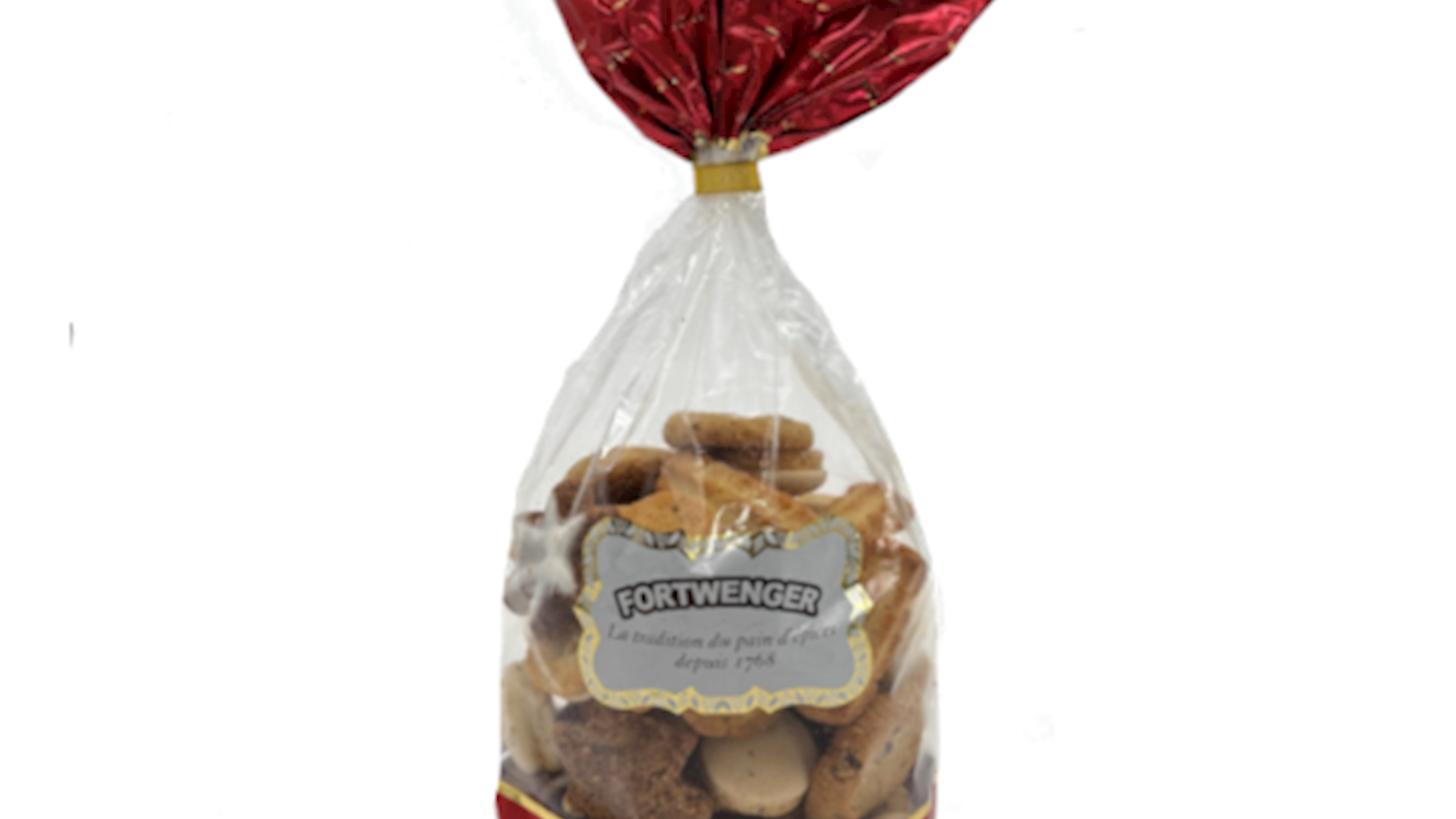
Fortwenger

4.5 ·
Fortwenger is one of the oldest and most established gingerbread producers in France, founded in 1768 in the village of Gertwiller in the Alsace region, historically known as the heart of pain d’épices production. Built on a long-standing artisanal tradition, the company has preserved its core identity through the use of honey, warm spices such as cinnamon, anise, and ginger, and techniques rooted in regional baking practices. While production has expanded over time, the brand continues to emphasize craftsmanship, including shaped and often decorated gingerbread that reflects Alsatian cultural motifs. Its portfolio extends beyond classic gingerbread to include biscuits, chocolate products, and seasonal specialties, frequently presented in decorative forms that position them as both confectionery items and regional souvenirs. Fortwenger has also developed an experiential dimension through its Palais du Pain d’Épices in Gertwiller, combining a museum, workshop, and retail space that showcases the history and production process. Today, with multiple boutiques across Alsace, including Strasbourg and Colmar, the brand maintains a strong connection between local heritage, tourism, and traditional confectionery.

Best Alsatian Desserts

01

Bredele

3.9 ·

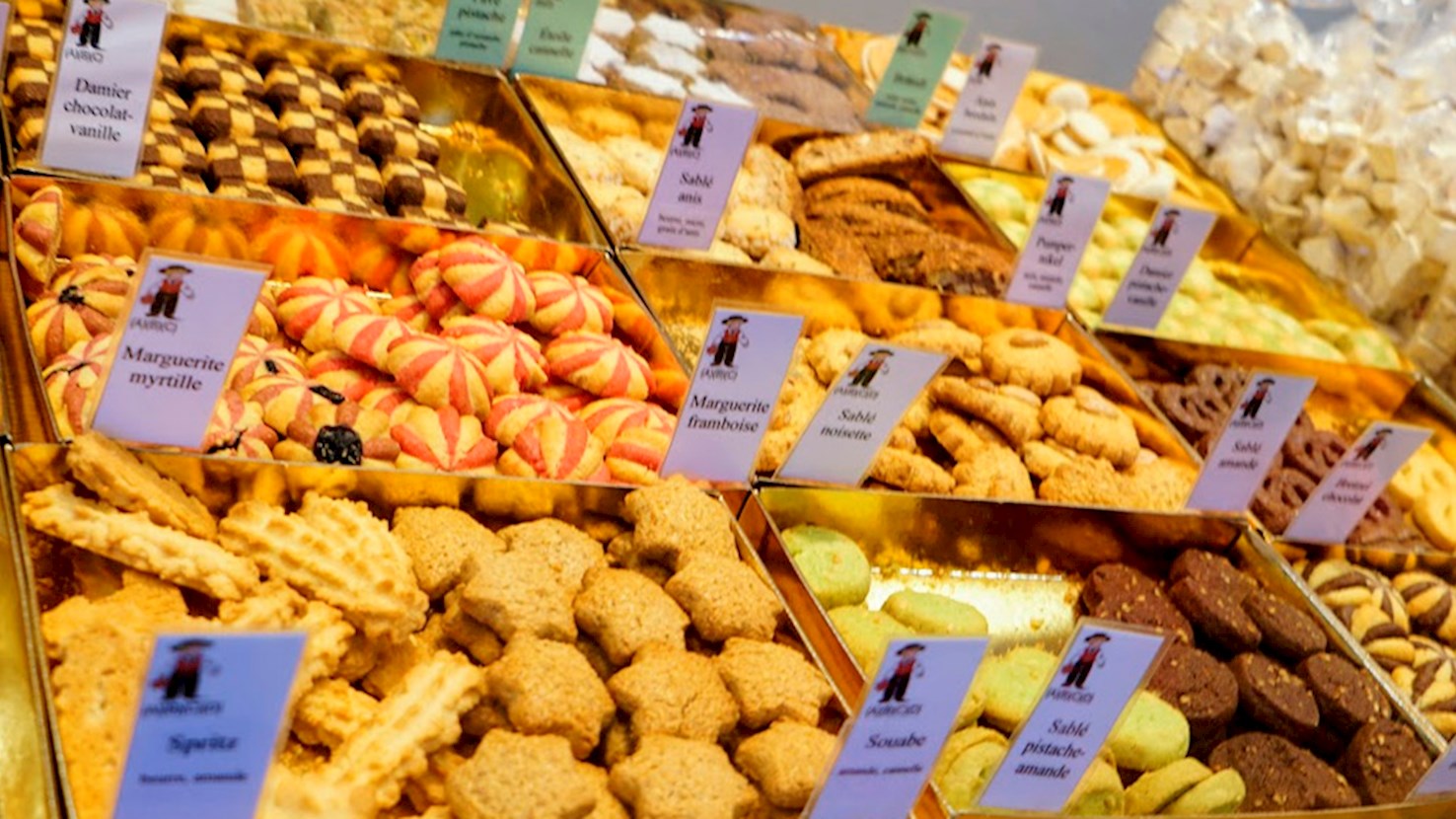
Bredele are small biscuits that are traditionally prepared during the festive Christmas season in the French region of Alsace. The biscuits come in many shapes and flavors such as lemon, honey, and almond. Although the first known recipes for bredele date back to the 14th century, they rose in popularity around the 18th and the early 19th century, when cookie-cutters were introduced to French kitchens. Today, the biscuits are often made at home and stored in tin boxes to keep them fresh until Christmas Eve, when they are usually served with tea, coffee, or Alsatian wines such as Muscat and Gewurztraminer.

02

Tarte à l'oignon

3.8 ·

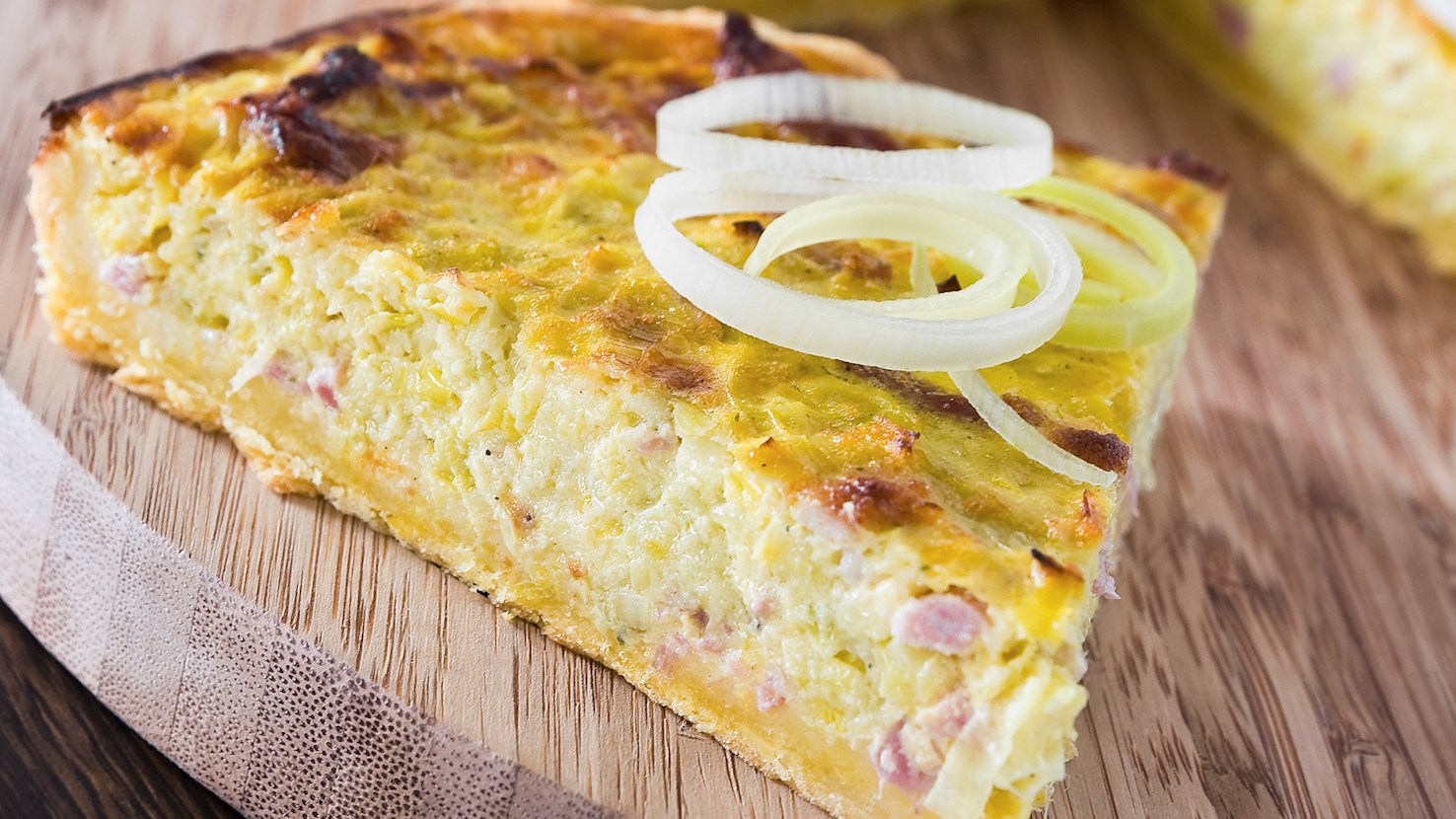
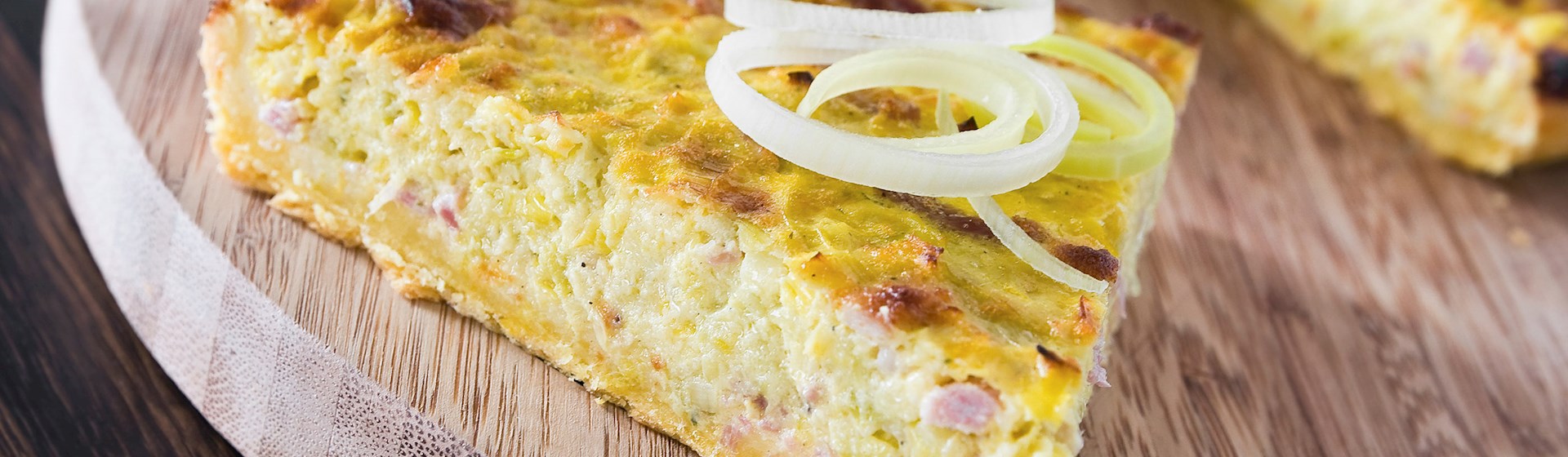
Tarte à l'oignon is a fragrant, savory onion tart from the Alsace region in France. Essentially, it is an open-face pie that is filled with a rich and flavorful custard of eggs, bacon, and onions. Although it is a cousin to the famous quiche Lorraine, it is not as deep as traditional quiches. The most popular story about the origin of the onion tart says that it was a baked good with which the bakers would test the heat of the ovens, depending on the time it took to bake it. If the tart was baked in a certain amount of time, that meant that the oven was hot enough for bread to be baked in it. Today, the tart is enjoyed throughout France, with the sweetness of the onions contrasting with the salty, smoky bacon. The whole dish is typically spiked with thyme, while anchovies are sometimes used in order to accentuate the flavors even more.

03

Beerawecka

n/a ·

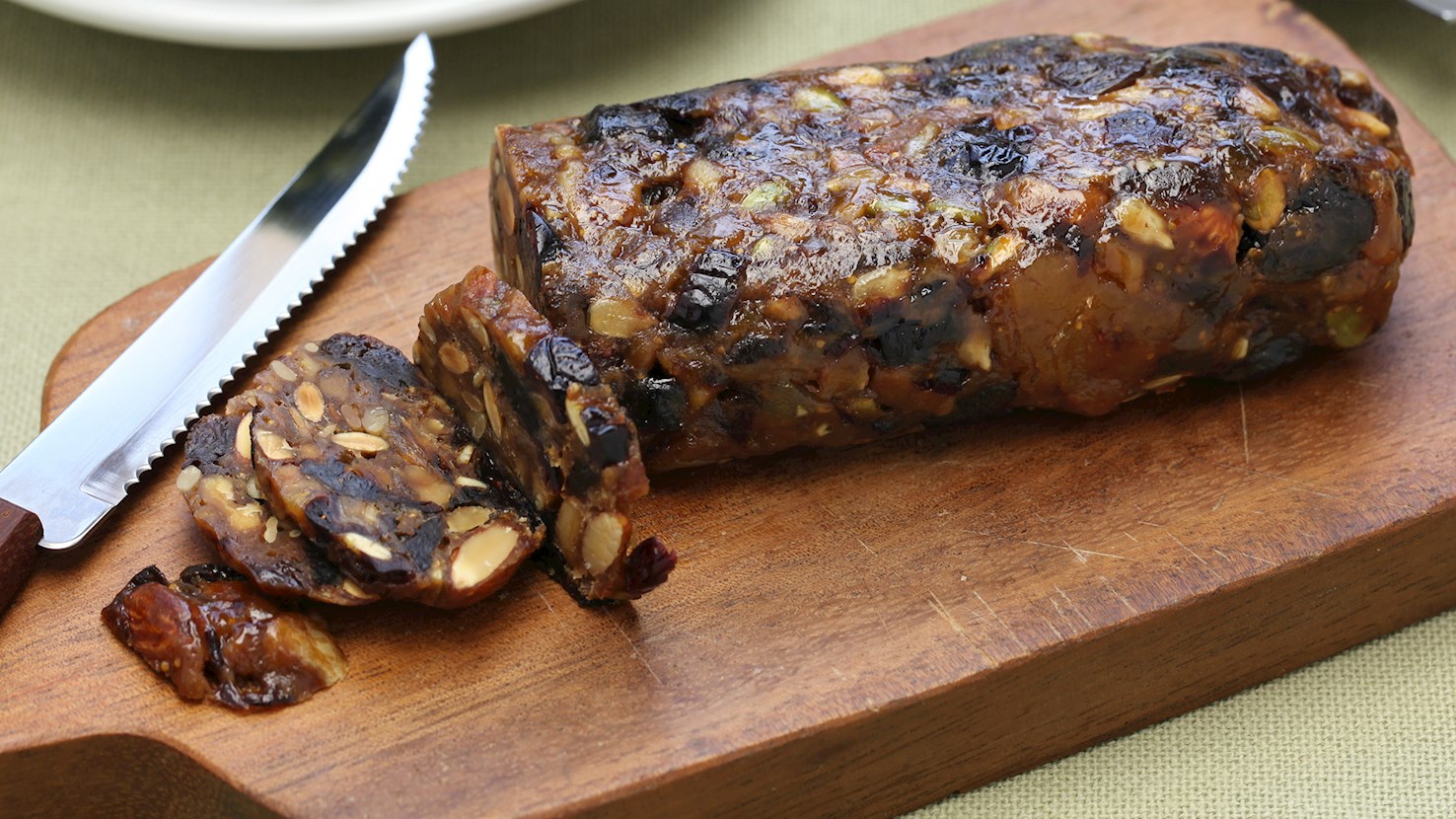
Beerawecka is a French dish that is traditionally served at Christmas in Bas-Rhin and Haut-Rhin. The dish is a cake made with dried fruits (pears, plums, raisins, figs, apricots), candied peel, and nuts such as walnuts, almonds, and hazelnuts. The ingredients are typically macerated in liqueur, then covered with a spiced cake mixture. The spices used in the cake are usually cinnamon, anise, cardamom, and mace. It is believed that the cake was invented by Alsace's Jewish community. Apart from France, beerawecka is also popular in Austria, Switzerland, Italy, and Germany.

04

Gâteau au vin blanc

n/a ·

Gâteau au vin blanc is a sponge cake from Alsace made as a loaf or a round cake that has white wine as its definiting ingredients, which is incorporated into a batter of wheat flour, sugar, eggs, vegetable oil, chemical leavening, and often raisins or citrus zest. Its origins lie in the wine-producing culture of Alsace, where local cooks adapted readily available white wine into household baking, creating a dessert suited to using regional ingredients and to being made in ordinary kitchen ovens for family meals and gatherings. Preparation begins by whipping sugar with whole eggs, vanilla, and leavening until the mixture lightens, then folding in sifted flour with a pinch of salt followed by oil, white wine from the Alsace vineyards, and optional raisins or spices such as cinnamon or four-spice when used; the smooth batter is poured into a greased cake pan and baked until the top is evenly colored and the interior is set without collapsing. Variations include the choice of raisins versus citrus zest, the use of spices such as cinnamon or four-spice according to preference, and the selection of specific Alsace white wines like edelzwicker, gewurztraminer, riesling, or sylvaner, while the defining element remains the integration of local white wine into the cake base rather than replacing it with water or milk. Gâteau au vin blanc is eaten at room temperature as a dessert or afternoon sweet, typically sliced directly from the pan, and it pairs with the same dry white wine used in the batter, with examples such as chasselas, muscat, pinot, or a sparkling crémant d’Alsace, complementing the wine-infused crumb and moderate sweetness.

Read more
View all
View map
About this ranking

TasteAtlas food rankings are based on the ratings of the TasteAtlas audience, with a series of mechanisms that recognize real users and that ignore bot, nationalist or local patriotic ratings, and give additional value to the ratings of users that the system recognizes as knowledgeable. For the “Top 4 Alsatian Desserts” list until June 15, 2026, 91 ratings were recorded, of which 73 were recognized by the system as legitimate. TasteAtlas Rankings should not be seen as the final global conclusion about food. Their purpose is to promote excellent local foods, instill pride in traditional dishes, and arouse curiosity about dishes you haven’t tried.

The initial list of top producers was compiled based on available reviews, awards, local recommendations, media and blog coverage, and consumer reviews. The list will be updated with ratings from TasteAtlas local ambassadors and TasteAtlas users.

Similar lists