shutterstock

Top 13 Australian Desserts

Last updated on June 15, 2026

Best Australian Desserts
01

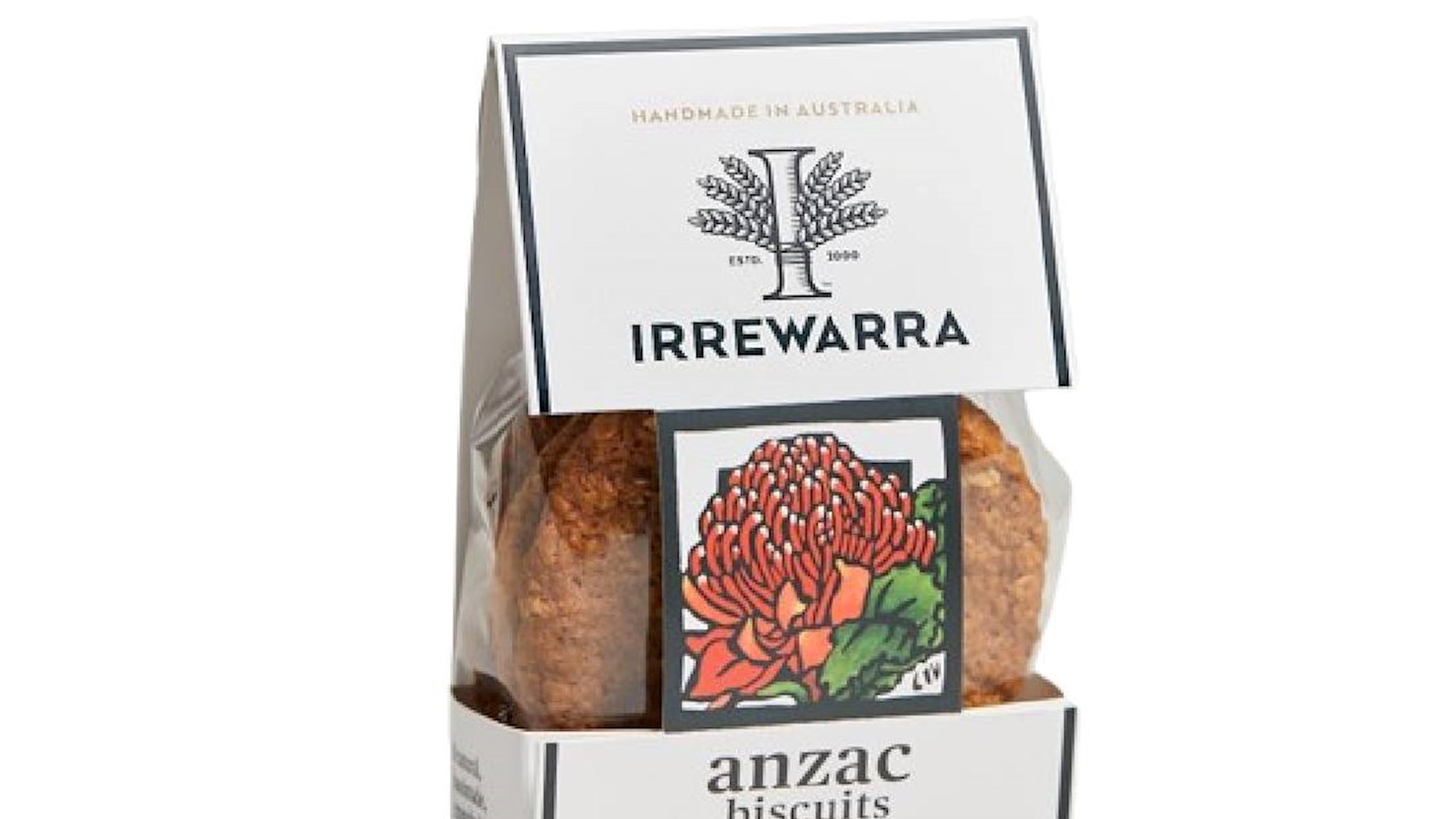
Irrewarra Sourdough Bakery

4.4 ·
Irrewarra is a family-run artisan bakery and food producer that brings together tradition, quality, and a deep connection to nature. Nestled among open fields and vineyards, Irrewarra crafts sourdough bread, granola, biscuits, and seasonal treats—all handmade with carefully selected ingredients and a strong commitment to authenticity. Their sourdough bread is slow-fermented and stone-baked, known for its crisp crust and full, complex flavor. The granola is rich and crunchy, made with Australian oats, honey, nuts, and dried fruit, while their biscuits and festive specialties are beloved across Australia for their simple, homemade charm. At Irrewarra, food is made with honesty—no additives, no shortcuts, just real ingredients and traditional methods. Every product tells a story of place, people, and values that endure. Whether it’s a loaf of bread or a gift hamper, Irrewarra offers more than flavor—it offers a taste of something truly meaningful.
02

BesoBite

4.3 ·
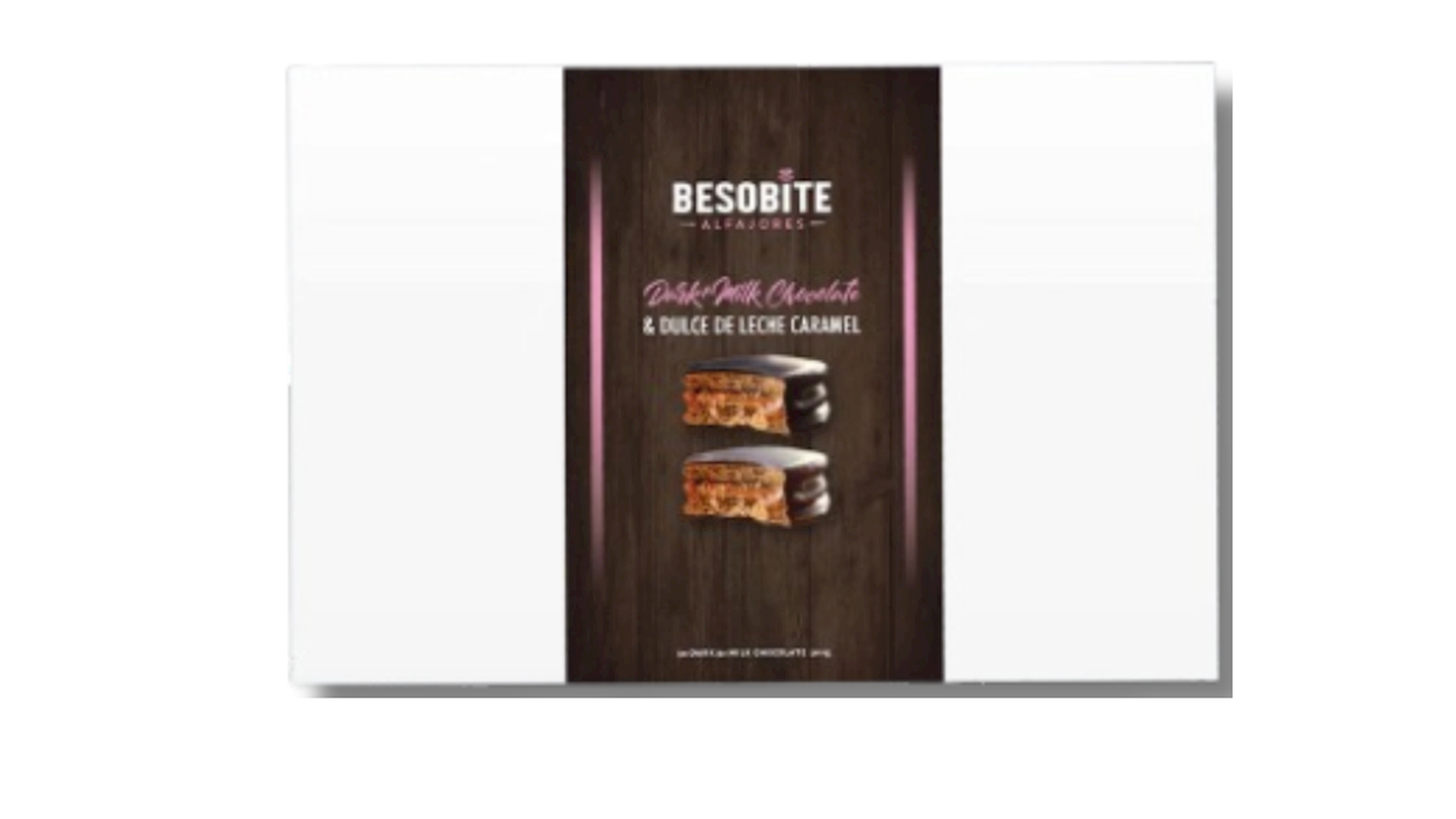
BesoBite is a Brisbane-based Australian confectionery brand specializing in handcrafted Argentine alfajores - authentic sandwich cookies that combine two soft, buttery biscuits filled with a rich layer of dulce de leche (creamy milk caramel). Each cookie is then carefully coated in high-quality chocolate, resulting in a perfect balance of sweetness, softness, and crispness. Their mission is to bring the traditional taste of Argentina to the Australian public by blending South American heritage with fresh, locally sourced ingredients. All products are handmade in small batches, allowing them to maintain the highest standards of quality and a truly artisanal character. BesoBite offers a variety of alfajores in different flavor combinations - dark, milk, or white chocolate coatings, with fillings such as dulce de leche, Nutella, peanut butter, and more.

Best Australian Desserts

01

Pavlova

3.9 ·

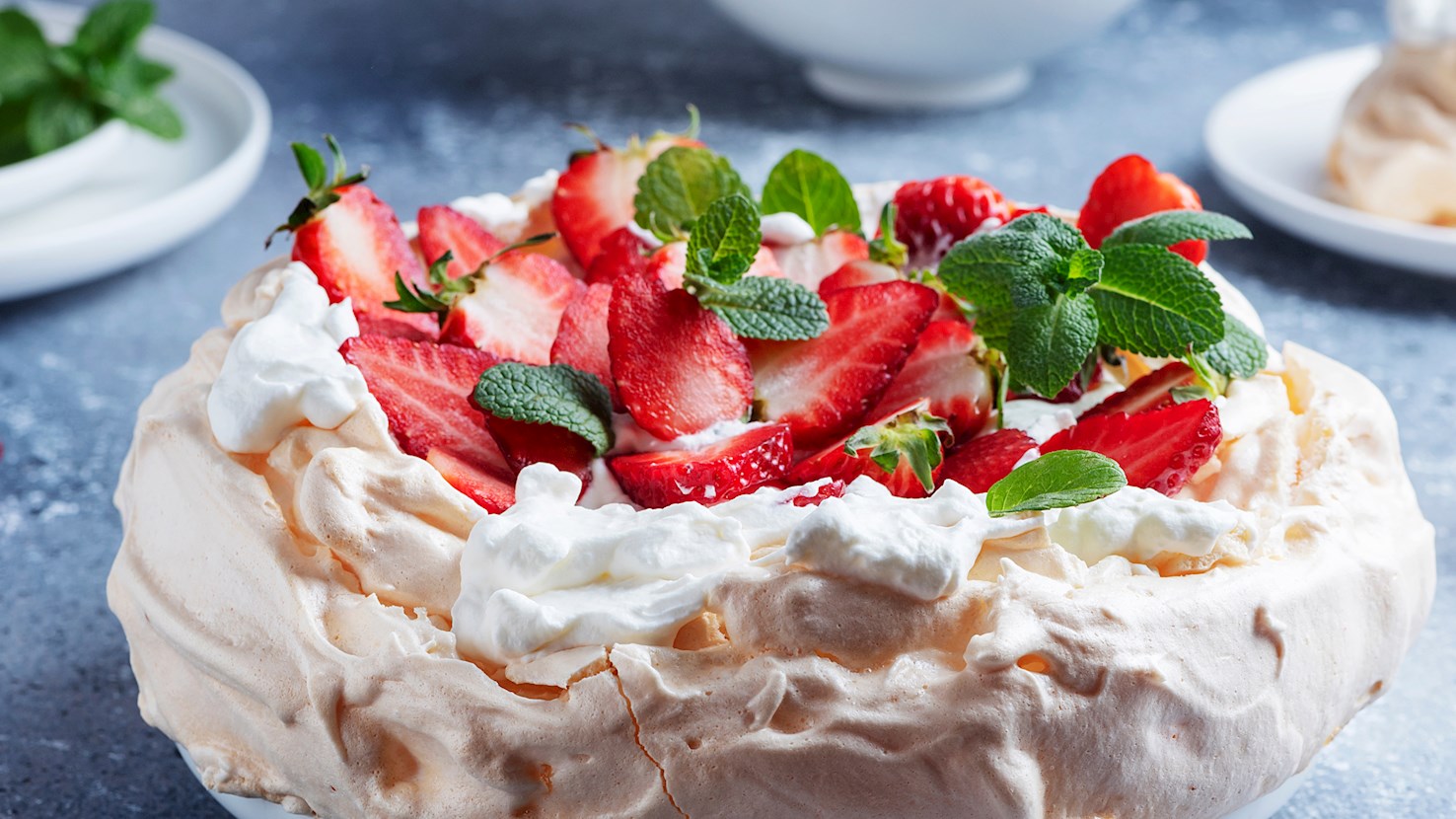
Delicate as the ballerina it was named after, Pavlova is the quintessential summer dessert. Whipped cream is typically dolloped on top of a snowy meringue, followed by a pop of color in the form of fruit, preferably the tart varieties which contrast the sweetness of the meringue. Research suggests Pavlova is a descendant of the German torte and was invented in the 1920s during Anna Pavlova's tour of Australia and New Zealand, although the exact inventor is still debated. The first recipe for Pavlova appeared in print in 1926, although it was not the dessert we know today, but was instead a multi-colored gelatine dish. The base of the cake is prepared almost identically as any meringue, by beating egg whites stiffly, then incorporating sugar, vinegar, and cornstarch. Traditional toppings include whipped cream or lemon curd, and the dessert is often prepared during Christmastime.

02

Lamington

3.9 ·

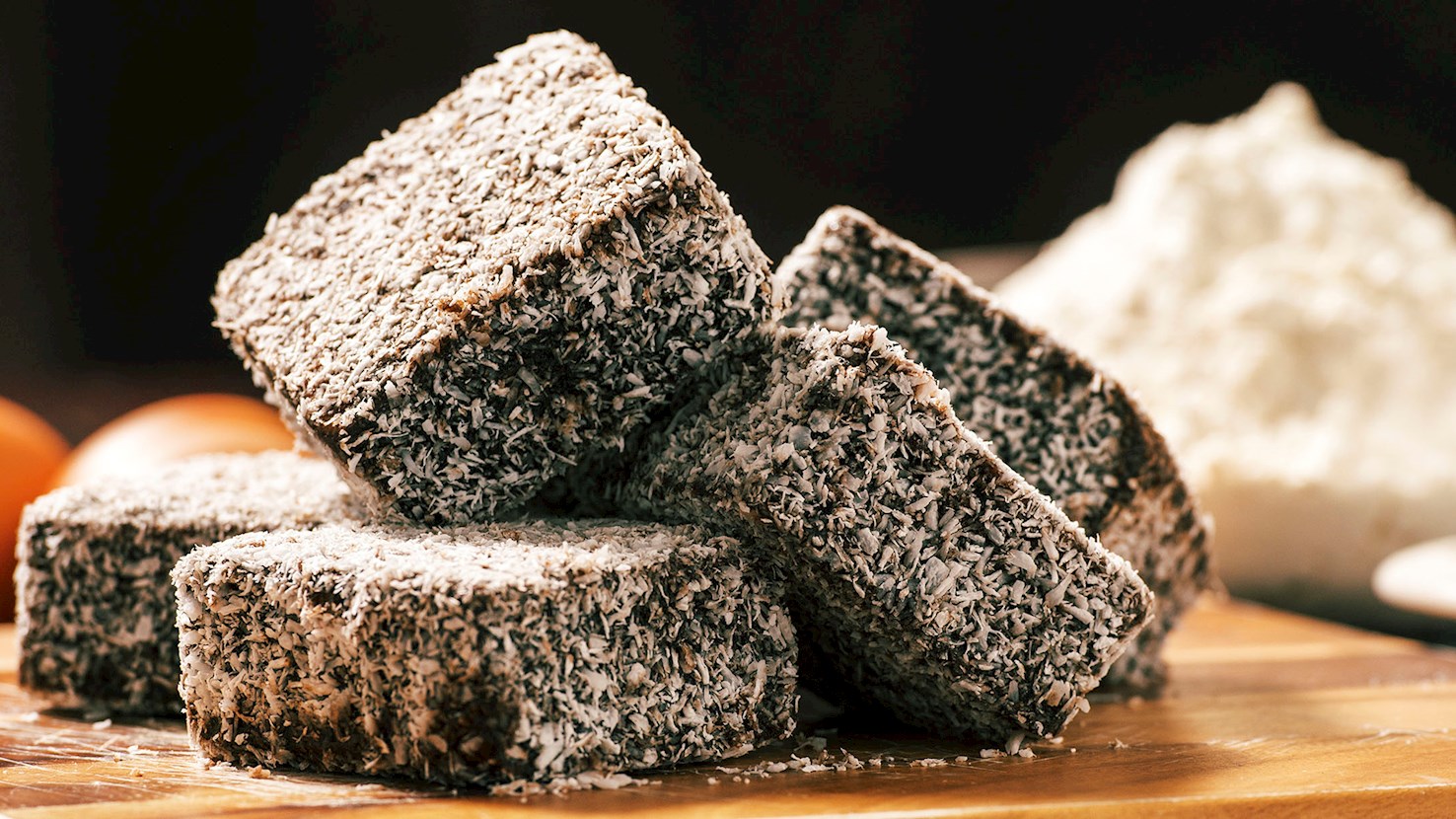
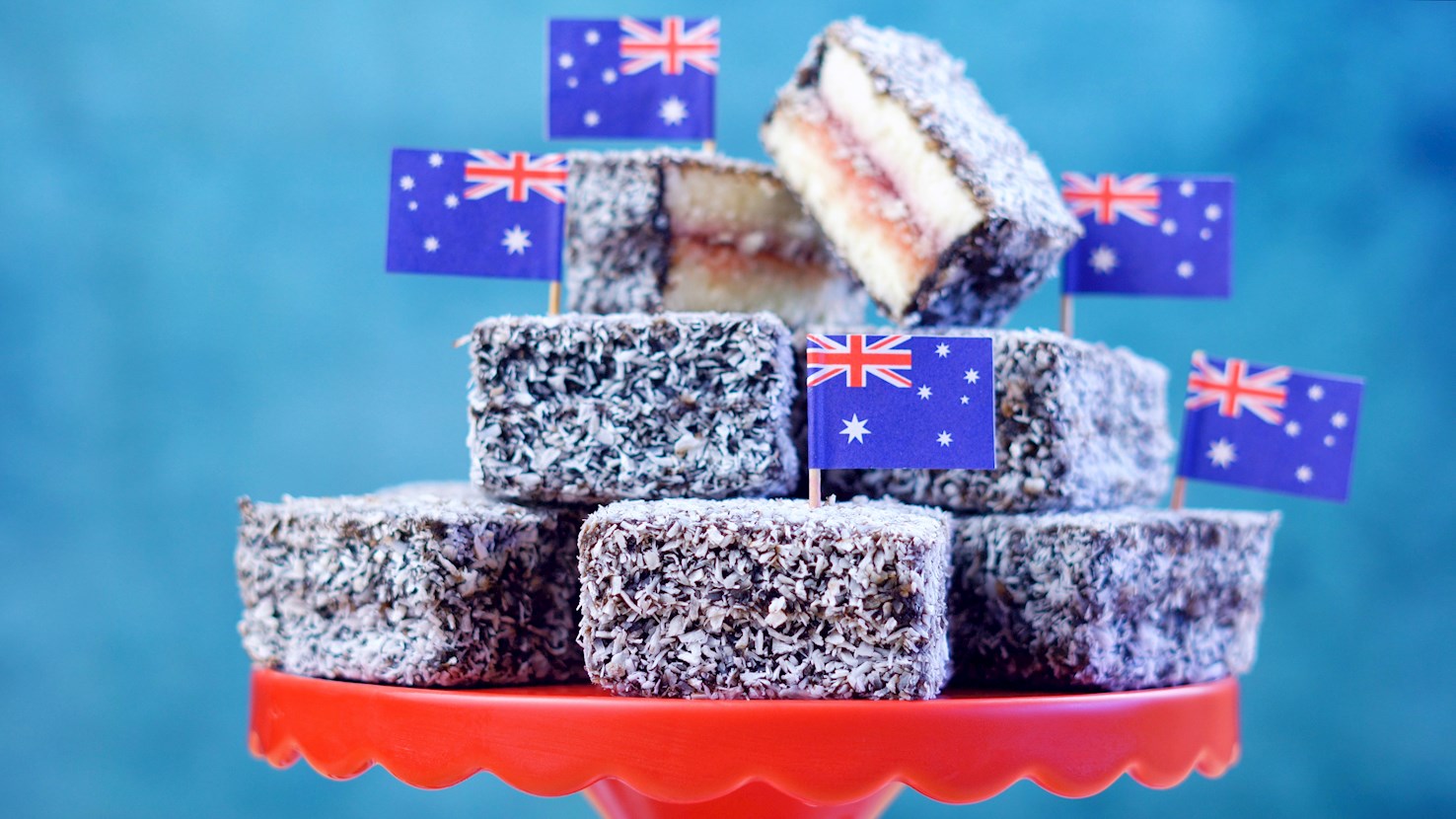
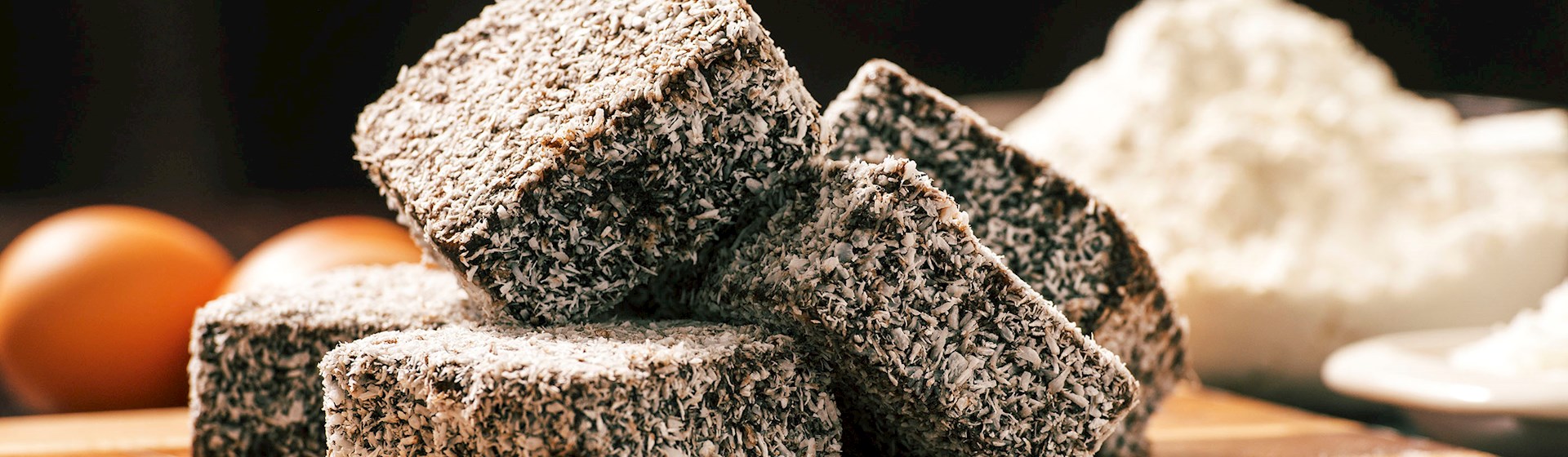
The world-famous Australian culinary icon Lamington consists of a sponge cake that is dipped in chocolate and sprinkled with finely desiccated coconut. The cake is believed to have been created by accident when Lord Lamington's maid accidentally dropped his favorite cake in melted chocolate. Lamington, the eighth Governor of Queensland, suggested that the cake should be sprinkled with coconut in order to avoid the mess while consuming it - and the erroneous cake was proclaimed a massive success by all. Today, the cake is extremely popular due to its climate suitability, as it lasts longer in the heat when it's cut in bite-sized squares and covered in coconut. It is also a staple of fundraising events due to the fact that it can be easily made in large quantities. The cake can also be found throughout Australia and New Zealand in numerous supermarkets, cafés, and bakeries. The cake is also popular in Balkan and Eastern Europe - in Croatia, the same cake (without any fruit jam whatsoever) is called čupavci, and it's a Christmas staple. In Slovakia, the cake is called kokosové ježe, in Poland it's known as kostka kokosowa, while the Hungarian name is kókuszkocka.

03

Anzac biscuits

3.8 ·

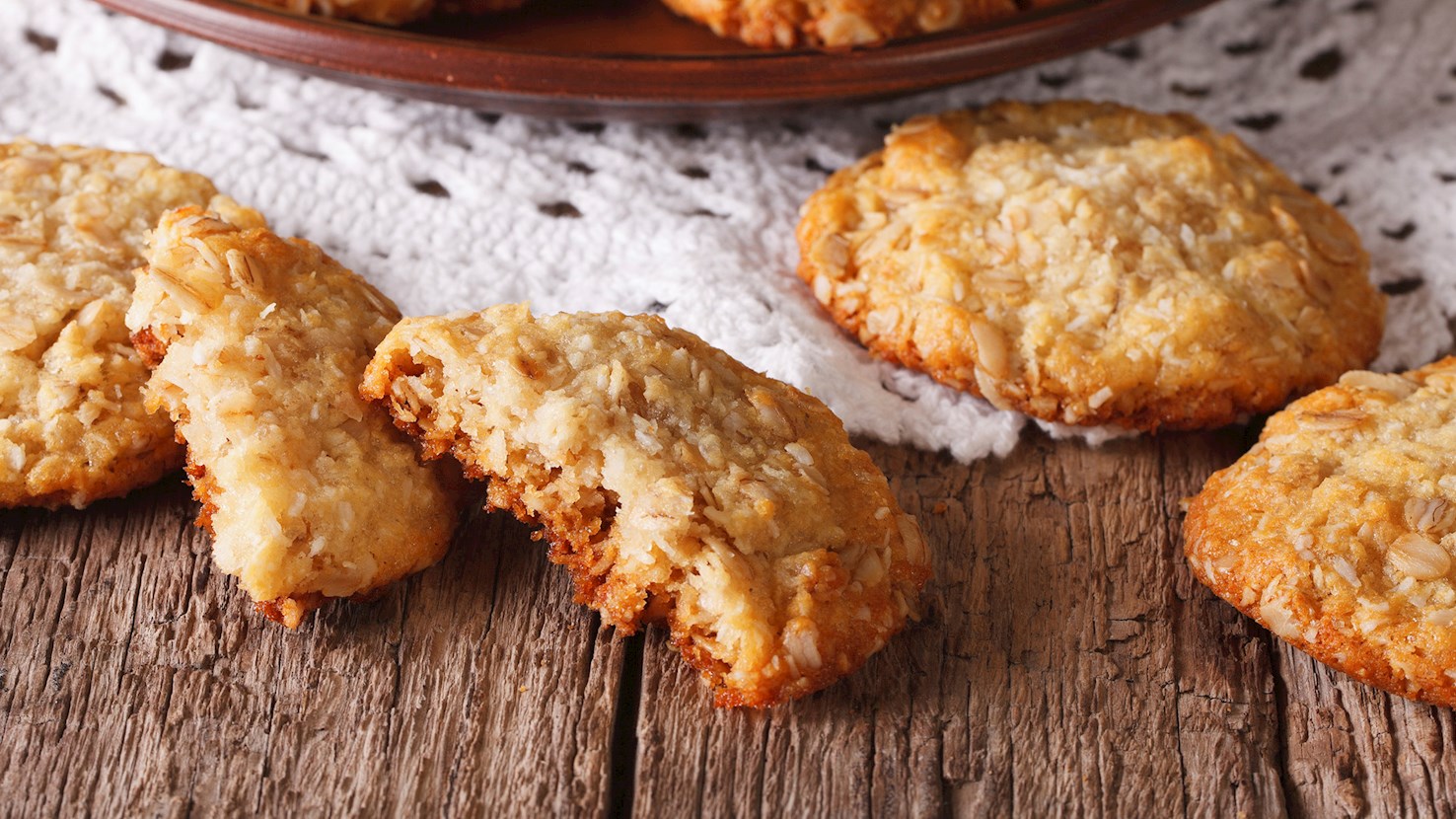
Anzac biscuits are sweet cookies made from a combination of flour, oats, golden syrup, butter, sugar, coconut, and soda bicarbonate. Although the origins of these cookies are not clear, both Australia and New Zealand claim to have invented Anzac biscuits that we know today. The first known recipe for the biscuits is completely different than modern Anzacs, although other similar recipes were found in the cookbooks of the early 1900s. The cookies are linked to Anzac Day, a day of remembrance of the Australian and New Zealand Army Corps (ANZAC) landing at Gallipoli, because some believe that the biscuits were sent to Anzac soldiers during the war. However, the oaty, buttery biscuits were more often prepared at home to sell them at fundraising events, so they got connected to the war, and it led to the use of the name Anzacs. Today, these simple biscuits are usually found in most supermarkets and cafés throughout Australia and New Zealand, ranging from crispy to chewy, making them ideal to dunk into a cup of hot coffee or tea.

04

Vanilla slice

3.8 ·

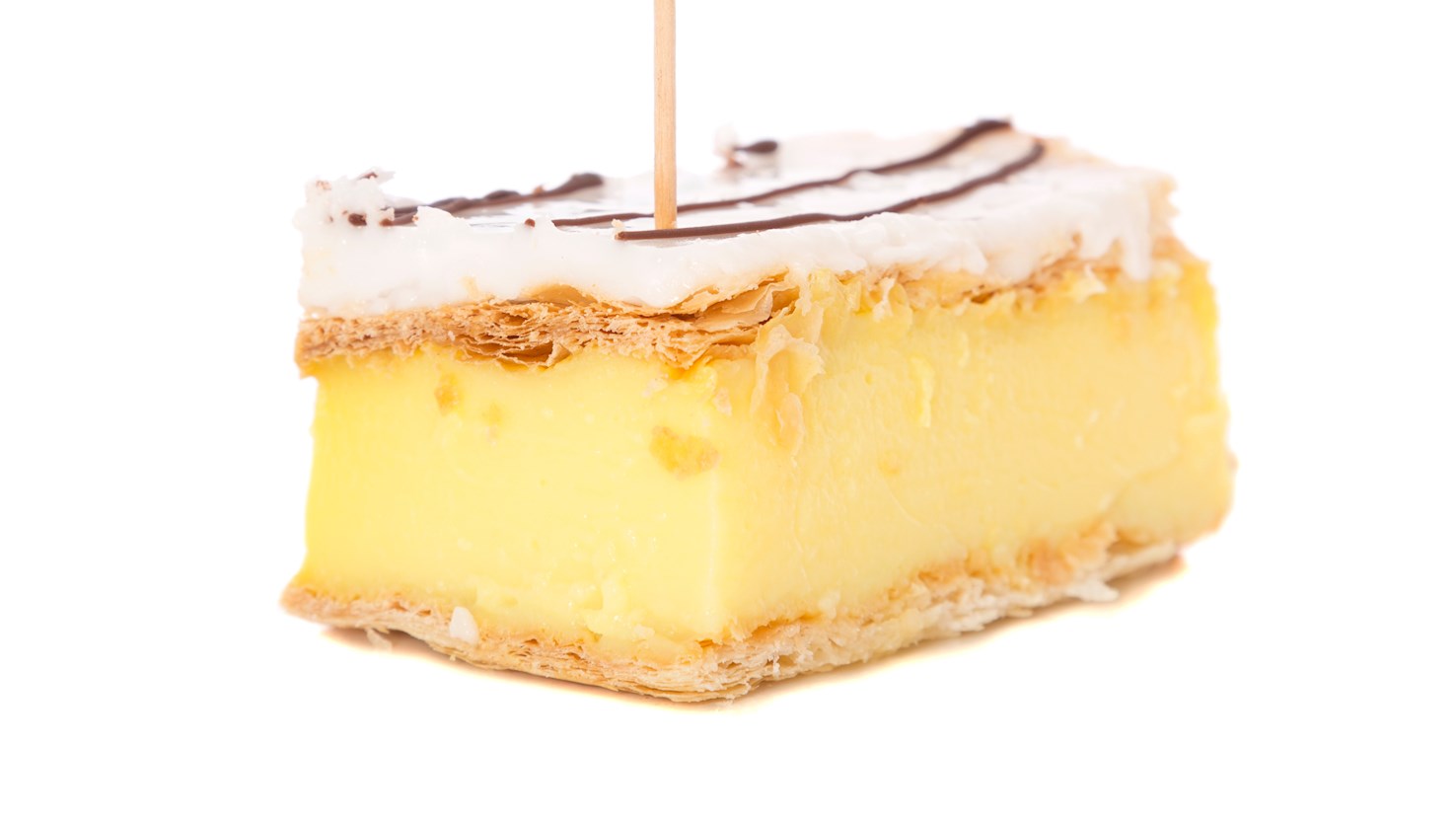
Vanilla slice is the Australian answer to mille-feuille - this dessert consists of a thick custard that’s flavored with vanilla, sandwiched between puff or phyllo pastry sheets, and topped with vanilla, raspberry, strawberry, chocolate, or passion fruit icing. Due to the fact that the texture of the custard is slightly wobbly, the vanilla slice is sometimes also called a snot block. Once prepared, the dessert is cut into slices before being served. This dessert is so popular that there is an annual competition for the best vanilla slice baker, called the Great Australian Vanilla Slice Triumph.

05

Hot jam donuts

3.8 ·

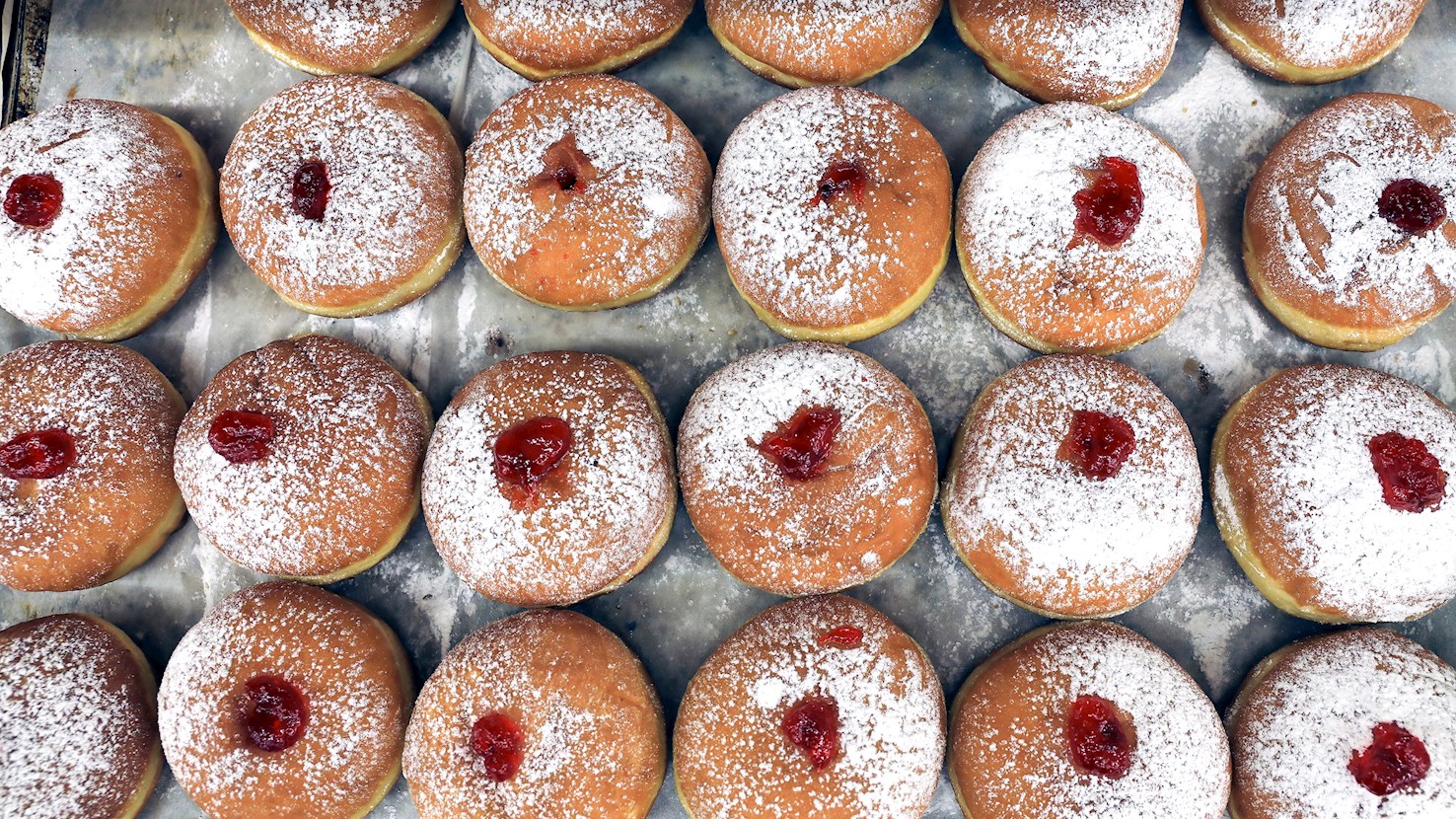
Hot jam donut is an Australian specialty hailing from Melbourne, which is why it's also affectionately known as the Melbourner. Unlike most other donuts, these ones are always served hot, usually from the window of a street food van at the Queen Vic Market. The donuts are made with yeasted dough that's proved twice and filled with red jam before it goes in the fryer. They're designed to be eaten fresh and hot, and once cooked, crispy on the outside and pillowy on the inside, the donuts are coated in sugar and served in white paper bags.

06

Fairy Bread

3.6 ·

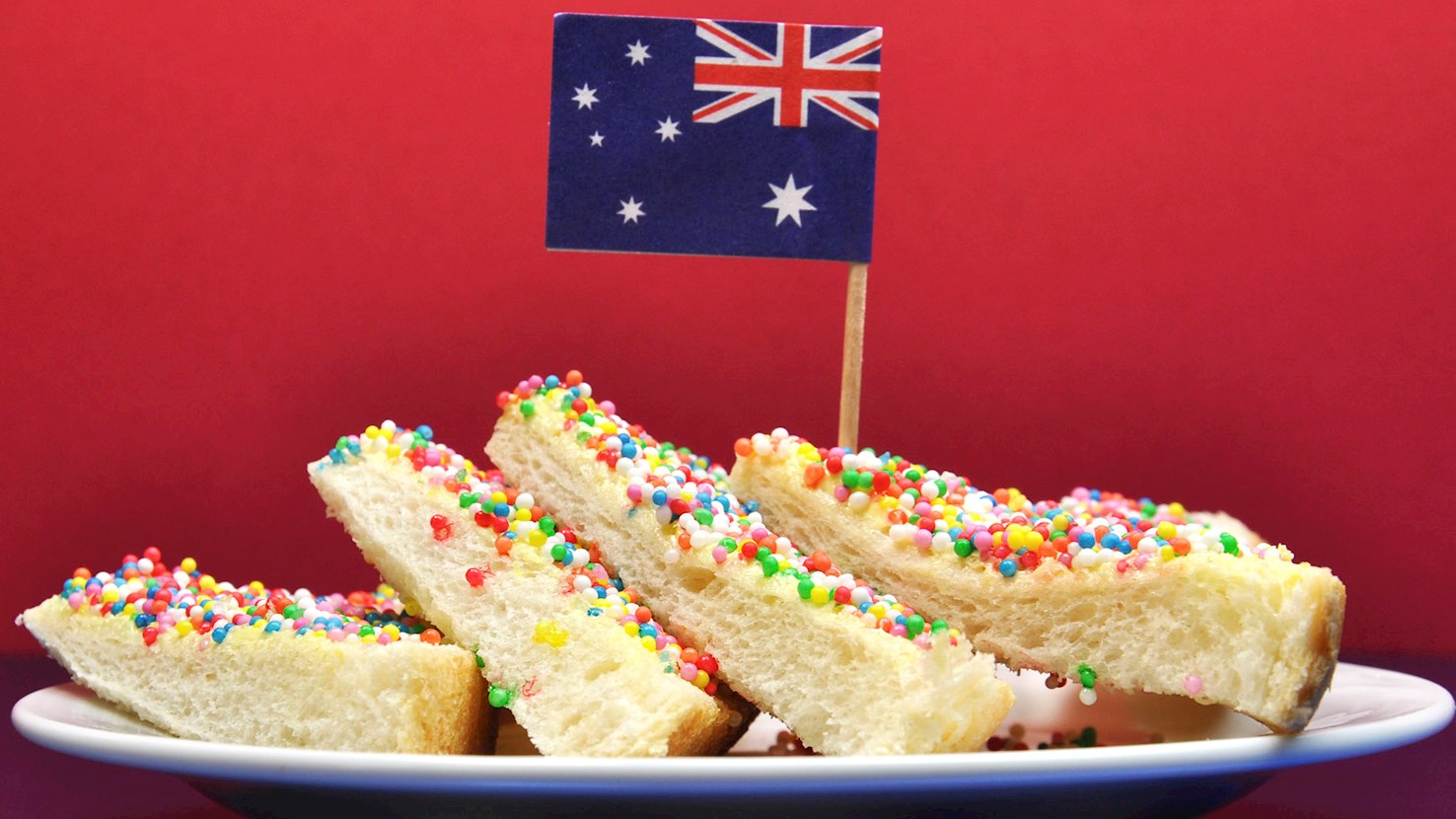
Synonymous with children's birthday parties in Australia, fairy bread is an unusual dessert consisting of triangle-shaped slices of white bread that are smeared with butter and topped with tiny, multi-colored balls of sugar called hundreds and thousands in Australia, also known as sprinkles in the rest of the world. No one really knows where fairy bread came from, but its closest relative is called hagelslag, a Dutch chocolate sprinkle topping for sandwiches. Some claim fairy bread was inspired by Robert Louis Stevenson's eponymous poem. The earliest written reference of the dish is found in a 1934 issue of the Sydney Morning Herald, in an article called Christmas Dinner with Toddlers. Easy to prepare, fun, and colorful, fairy bread remains a staple of birthday parties throughout Australia and New Zealand.

07

Jam and Cream Lamingtons

3.6 ·

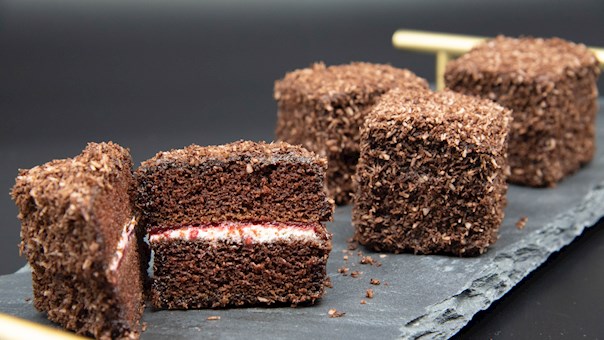
Lamingtons are simple sponge cakes coated in chocolate icing and sprinkled with desiccated coconut. This is a version of lamingtons made with jam and cream. The cake is usually made with flour, dark cocoa, eggs, sugar, butter, and vanilla extract, while the icing consists of dark cocoa and icing sugar. Once baked, the lamingtons are rolled in coconut, cooled, then cut horizontally and spread with fruit jam (usually strawberry or raspberry jam) and vanilla-flavored cream. The cake is topped with the remaining half of the lamington, and jam and cream lamingtons are then chilled until the cream sets. Just don't show this version to lamington purists because they usually loathe variations on the original.

08

Neenish Tart

3.4 ·

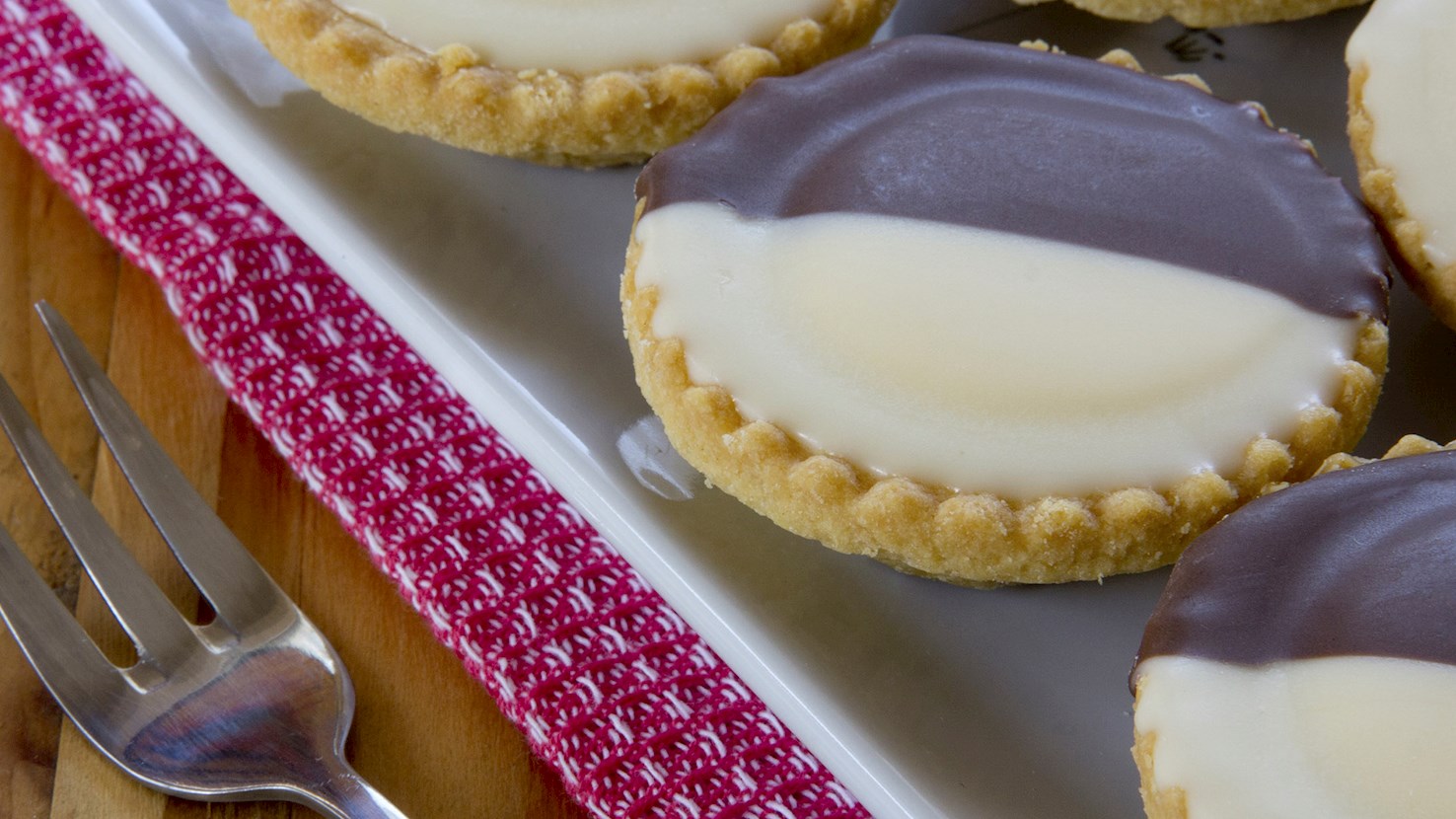
Neenish tart is an Australian and New Zealander delicacy, a sweet treat consisting of pastry shells with a custard-like filling, their tops decorated with a thin layer of icing, with each half colored differently. The usual color combinations are brown and white, pink and white, or brown and pink. The earliest written reference about the tart is found in an Australian newspaper called The Bunbury Herald from 1913, while the oldest recipes for the dish are written under the name Neinich tart, suggesting a possible European origin of the dessert. Today, there are numerous versions of the tart, such as the lemon-flavored version, most commonly found in New Zealand, or versions with an added layer of raspberry jam, found throughout Australia.

09

Yo-Yo Biscuits

3.2 ·

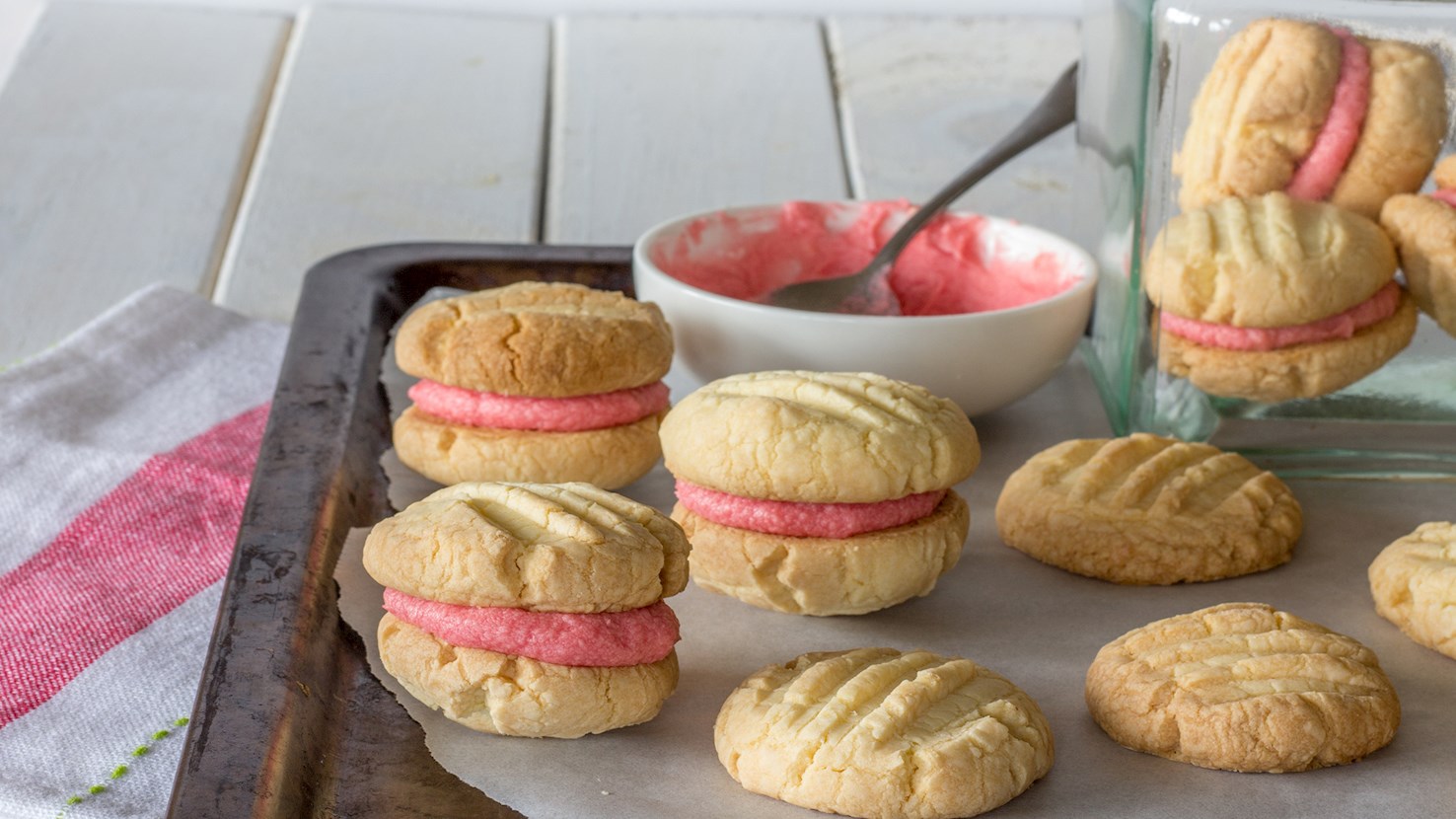
Yo-yo biscuits are South Australian shortbread cookies made with flour, butter, milk, eggs, and honey. They were originally invented by Menz Company, but today the biscuits are produced by a company named Arnott's. They have a crumbly texture and are often arranged as a sandwich with a dollop of buttercream in the middle.

10

Iced VoVo

3.2 ·

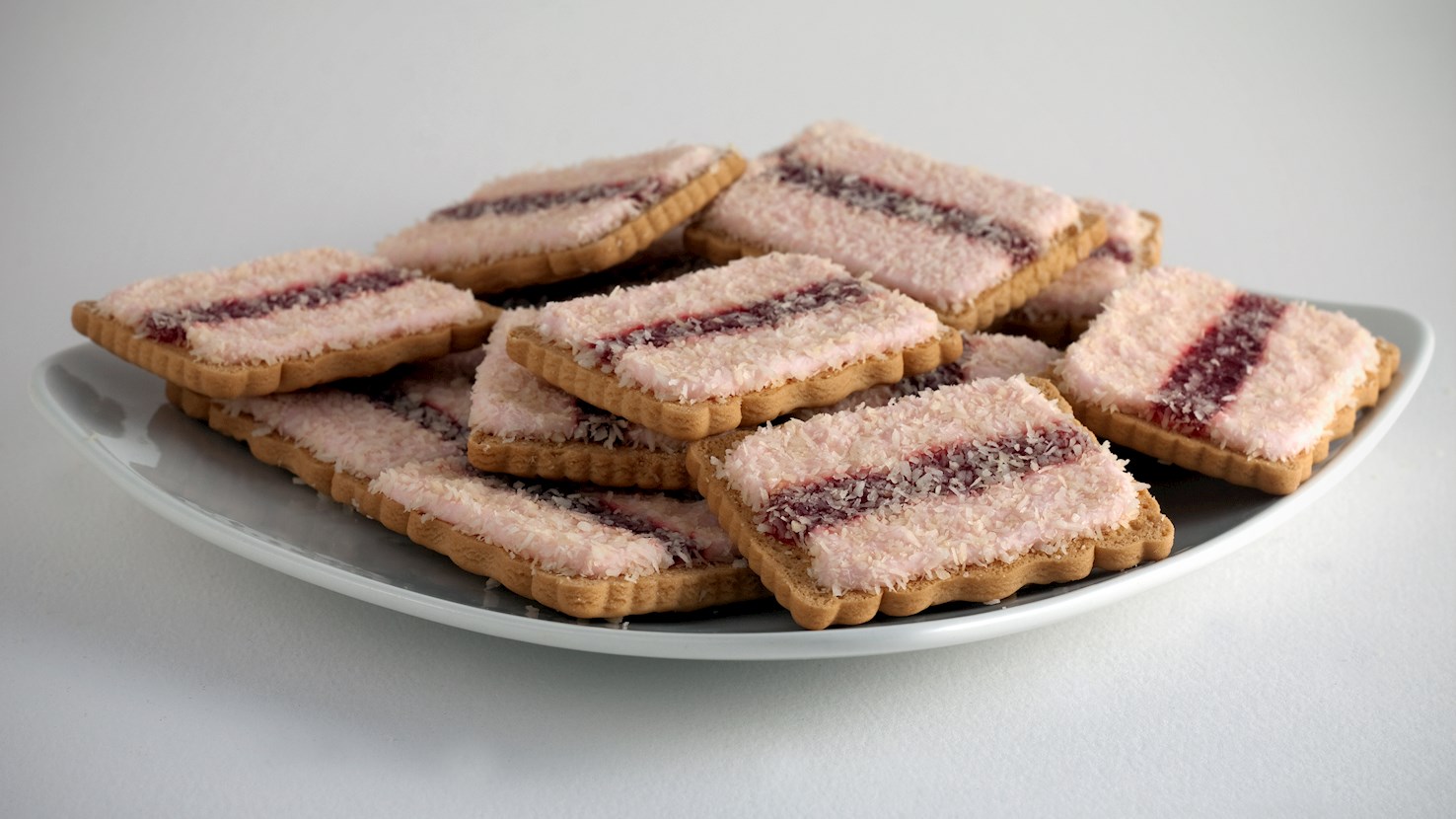
Iced VoVo is a classic Australian biscuit made from wheat flour and topped with a strip of raspberry jam and two strips of pink fondant. These cookies are sprinkled with coconut for the final touch. They have been trademarked by Arnott’s biscuit company since 1906. These iconic cookies can be found throughout the country and the sales of Iced VoVo skyrocketed in 2007, when Australian Prime Minister Kevin Rudd mentioned them in his victory speech. Iced VoVos are especially popular at children’s birthday parties and they’re usually enjoyed with a cup of tea on the side.

Read more
View all
View map
About this ranking

TasteAtlas food rankings are based on the ratings of the TasteAtlas audience, with a series of mechanisms that recognize real users and that ignore bot, nationalist or local patriotic ratings, and give additional value to the ratings of users that the system recognizes as knowledgeable. For the “Top 13 Australian Desserts” list until June 15, 2026, 896 ratings were recorded, of which 774 were recognized by the system as legitimate. TasteAtlas Rankings should not be seen as the final global conclusion about food. Their purpose is to promote excellent local foods, instill pride in traditional dishes, and arouse curiosity about dishes you haven’t tried.

The initial list of top producers was compiled based on available reviews, awards, local recommendations, media and blog coverage, and consumer reviews. The list will be updated with ratings from TasteAtlas local ambassadors and TasteAtlas users.

Similar lists