shutterstock

Top 45 Austrian Desserts

Last updated on June 15, 2026

Best Austrian Desserts
01

Kaiserschmarrn

4.3 ·

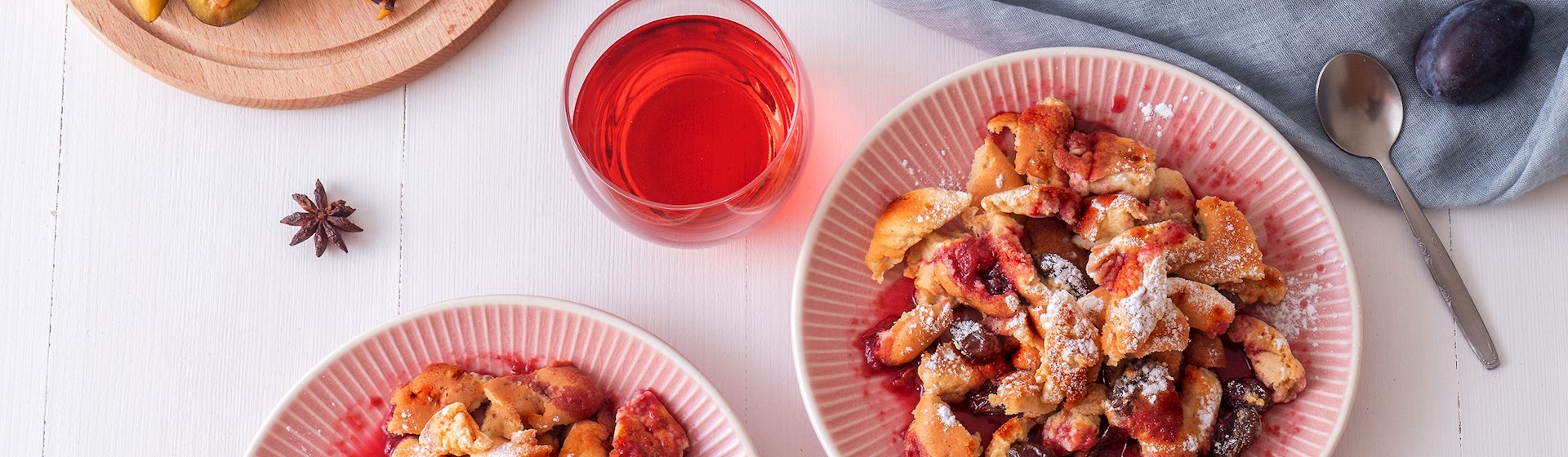
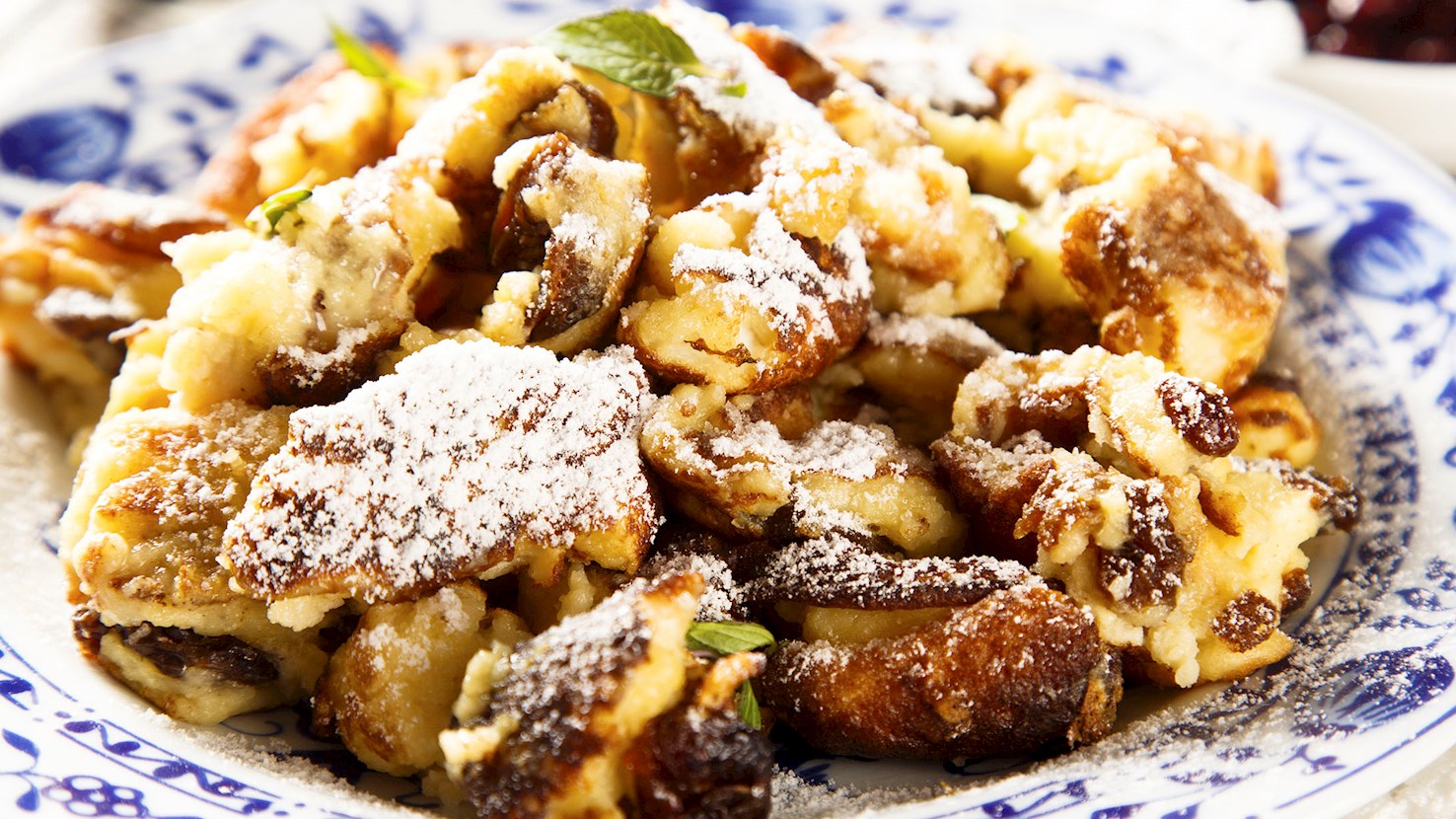
Also known as the Emperor's mess, this Austrian dessert can be described as a fluffy, lightly caramelized, scrambled pancake. Legend has it that kaiserschmarrn was the favorite dessert of Kaiser Franz Joseph I, after whom it was named. The dish is traditionally served either with zwetschkenröster (plum compote) or with a big spoonful of apple, pear, or berry preserve. Lavishly dusted with icing sugar, kaiserschmarrn is the perfect comfort food, indeed fit for an emperor and easily one of the best desserts Austria has to offer. Apart from the beloved, old-fashioned kaiserschmarrn, depending on the filling, some of the modern takes on this Austrian classic include apfelschmarrn (apples), kirschschmarrn (cherries), mirabellenschmarrn (mirabelle plums), nußschmarrn (walnuts, almonds, hazelnuts) and sauerrahmschmarrn (sour cream). Besides Austria, kaiserschmarrn is also a popular and common dessert in the German region of Bavaria. It can also be found in countries that were once part of the Austro-Hungarian Empire.

02

Apfelstrudel

4.2 ·

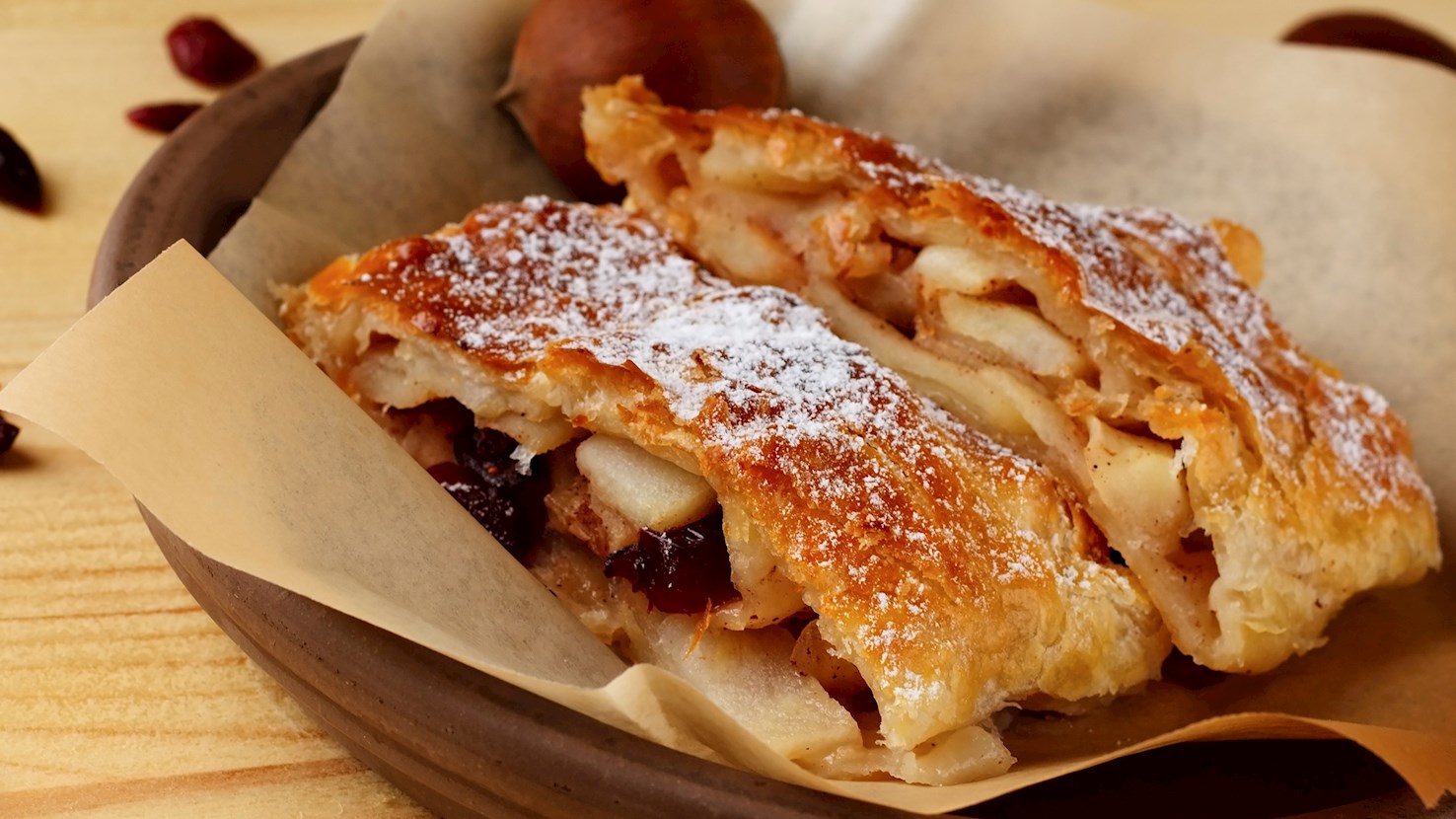
A traditional pastry dessert with a rich and vivid history, apfelstrudel (apple strudel) is one of Austria's most popular delicacies. This sweet treat consists of thin layers of dough filled with a flavorful apple filling. Its story starts with the invention of baklava, a filo pastry popular in the Balkans and the Middle East. Since baklava requires very thin dough, similar to strudel, the technique was likely perfected by either the Ottomans or the Greeks. It is believed that strudel arrived in Hungary first, then Austria, due to the fact that the Ottomans had constant interactions with the Habsburgs. The oldest known recipe for strudel dates back to 1696, while other varieties, such as the apple strudel recipe, date back to the 1800s. Some claim that the dish was invented in Vienna for the Emperor of Austria and the rest of high society. Depending on the recipe, the filling may additionally include raisins, cinnamon, rum, and nuts such as almonds or walnuts. It is recommended to serve the strudel warm, straight from the oven, accompanied by a scoop of vanilla ice cream, a dollop of whipped cream, or vanilla sauce.

03

Krapfen

4.1 ·

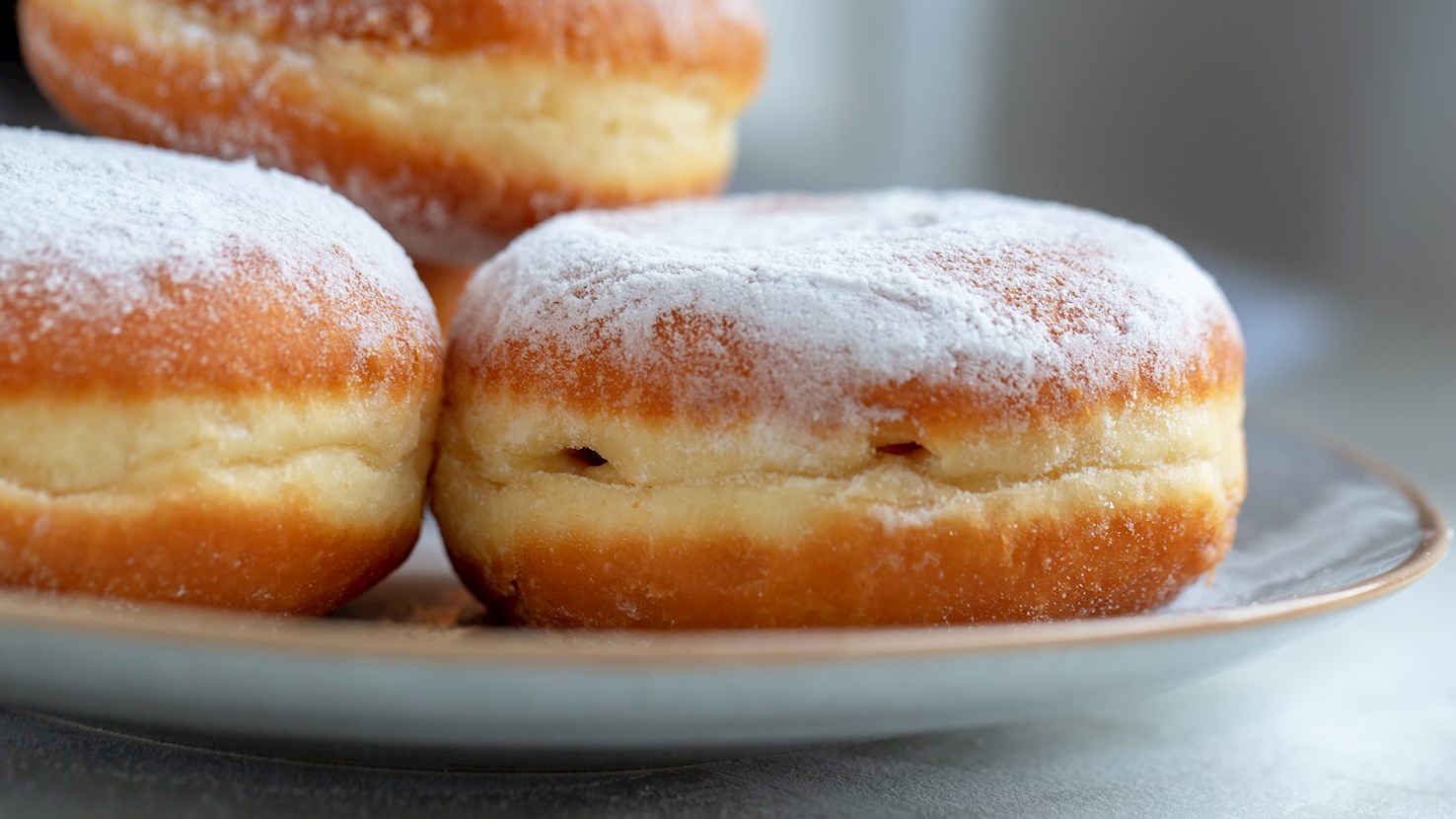
Krapfen was probably the first European-style doughnut to appear, followed by similar varieties in other countries. These pastries are traditionally prepared with leavened dough that is deep-fried until golden and crispy on the outside, while they remain soft, light, and airy on the inside. Though krapfen can be prepared plain, they are most often filled or topped with jams, and vanilla or chocolate custards, while the top is usually dusted with powdered sugar or drizzled with chocolate. The origin of the word krapfen dates back to 9th century, and the recipes in German can be found as early as the 14th century. The sweet versions of the pastry became predominant, and have remained closely associated with the Carnival, a festive period which precedes Christian Lent. Interestingly, during the Carnival, one krapfen in a batch filled with jam and fruit preserves might contain a filling of mustard as a prank. It is believed that doughnuts spread throughout many central European countries, which adopted the technique but used different regional names. Consequently, krapfen in Germany goes under Berliner, pfannkuchen, faschingskrapfen, krebbel, or kreppel. In Poland, they are known as pączki or krepel, Hungarians refer to them as fánk, Slovak as šišky, while the Czechs use the term koblihy. In Slovenia, they are better known as krofi, while the standard name throughout Croatia, Bosnia, and Serbia is krofne or krafne. In St. Petersburg, Russia, the doughnuts are known as pyshki (either ring-shaped or without a hole), and there is a local café that has been serving pyshki prepared from the original recipe since the 1960s.

04

Topfenstrudel

4.1 ·

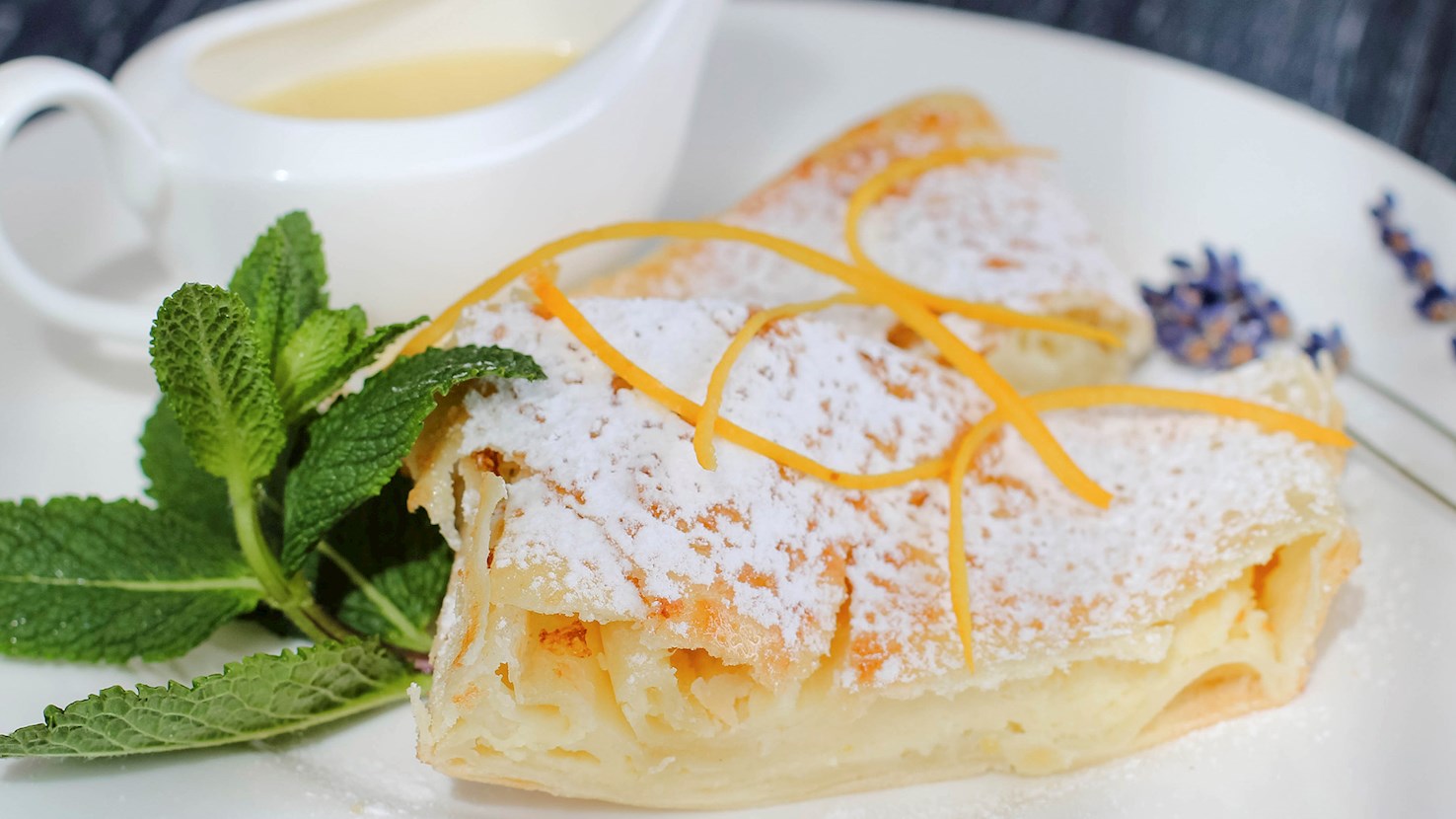
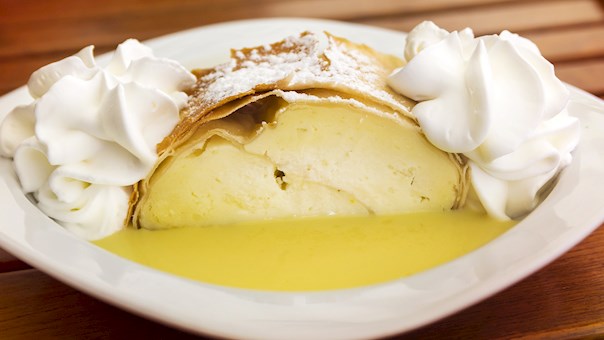
Austrian cuisine prides in their old traditional pastry desserts, and the delicate strudels are surely the most popular variety. Even though it is not as famous as the apple filled version, topfenstrudel is regarded as one of Austria’s favorites. Made with soft, mildly sweetened quark cheese which is folded with the elastic and almost see-through dough or puff pastry, the strudel is baked until a crispy golden crust is formed on top. Raisins, apricots, and peaches are occasionally added to the quark cheese mixture, which is gently spiced with vanilla or lemon. Even though they are most commonly associated with Austria, topfenstrudel, and all other strudel varieties, are eaten throughout the former Austro-Hungarian Empire. Their origins are believed to be in the Ottoman Empire, whose culinary influence spread across the Balkans, and Hungary, before finally reaching Vienna. The topfenstrudel can be found everywhere in Austria, served in both traditional and modern restaurants, as well as in classic Austrian patisseries. Commonly, a slice of warm topfenstrudel is paired with a sweet vanilla sauce or fresh fruit on the side.

05

Cremeschnitte

4.0 ·

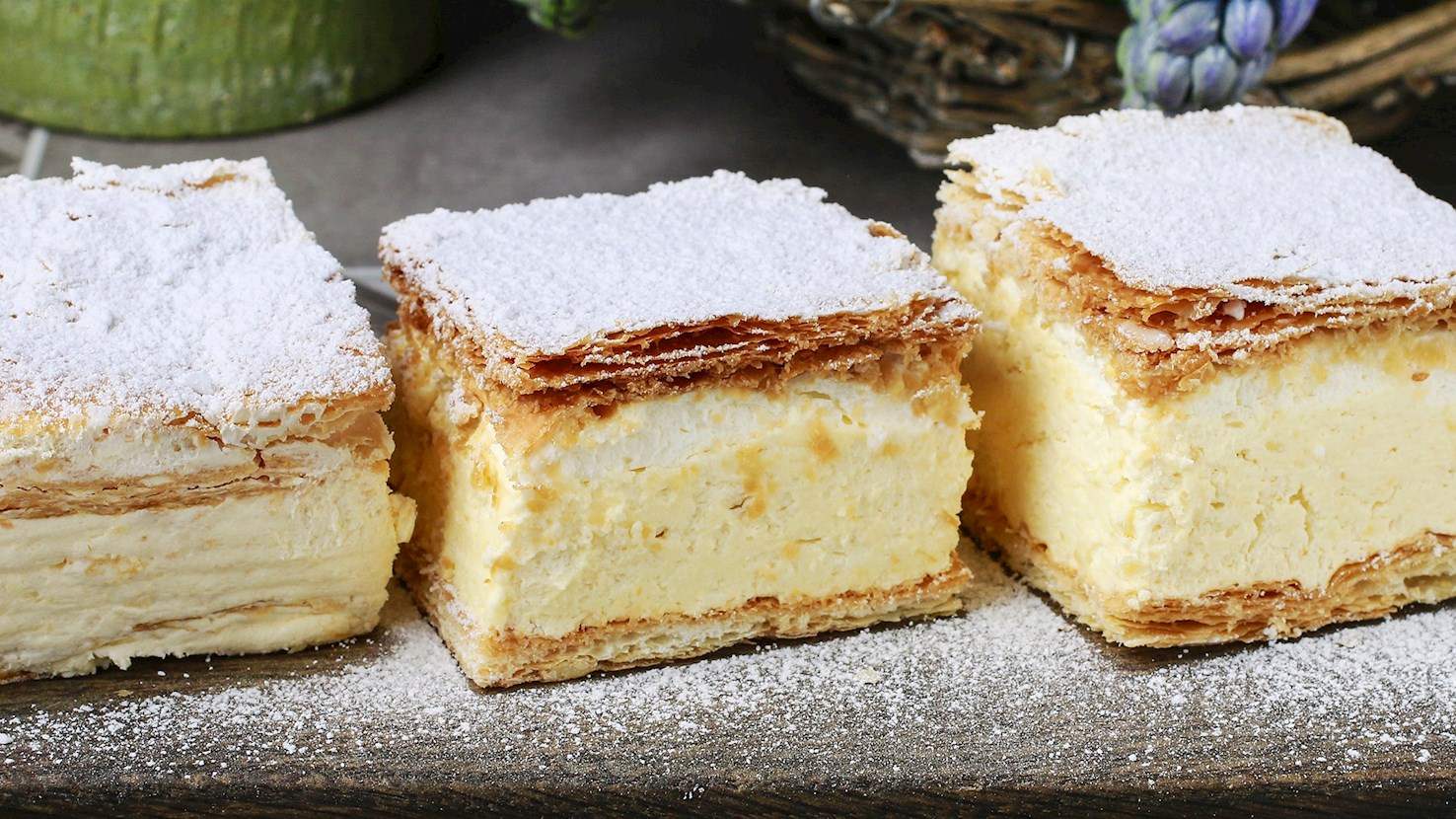
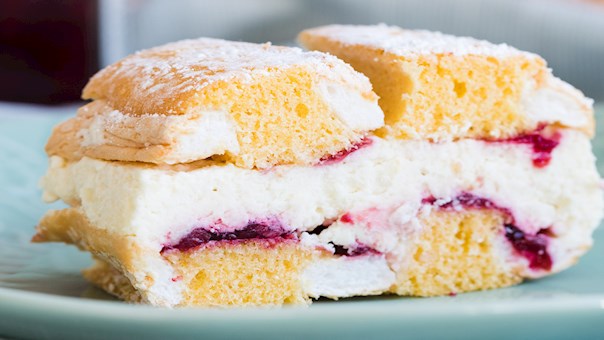
Cremeschnitte is a vanilla-flavored custard cream cake and an absolute classic among central and eastern European desserts. It is known by many names, most of which have stemmed from the German cremeschnitte, and literally translate to either cream slice or, in some cases, cream pie. According to Historical Sociolinguistics, it is believed that the origins of the cremeschnitte date back to the blend of two cuisines in the Austro-Hungarian empire. However, its Polish name Napoleonka indicates that this dessert might have possibly originated from the French mille-feuille, which is also known as the Napoleon - another pastry whose exact origin is unknown, even though its modern form was said to be influenced by improvements of Marie-Antoine Carême, the famous French chef-extraordinaire. Still, while the Napoleon is made up of three layers of puff pastry alternating with two layers of pastry cream, the typical cremeschnitte is made with only two layers of puff pastry held together by a hefty amount of vanilla-flavored pastry cream, which is sometimes topped with a thin layer of whipped cream. Cremeschnitte is most often simply sprinkled with icing sugar, but it can also be topped with a glossy and smooth glacé icing, and nicely decorated with a traditional chevron design. Two of the most popular cremeschnitte varieties include the aforesaid Polish Napoleonka or kremówka, which was known to be the favorite dessert of Pope John Paul II, and Slovenian kremna rezina, the signature dessert of Bled; a popular Alpine resort settled on the shores of the eponymous lake.

06

Apfelradln

4.0 ·

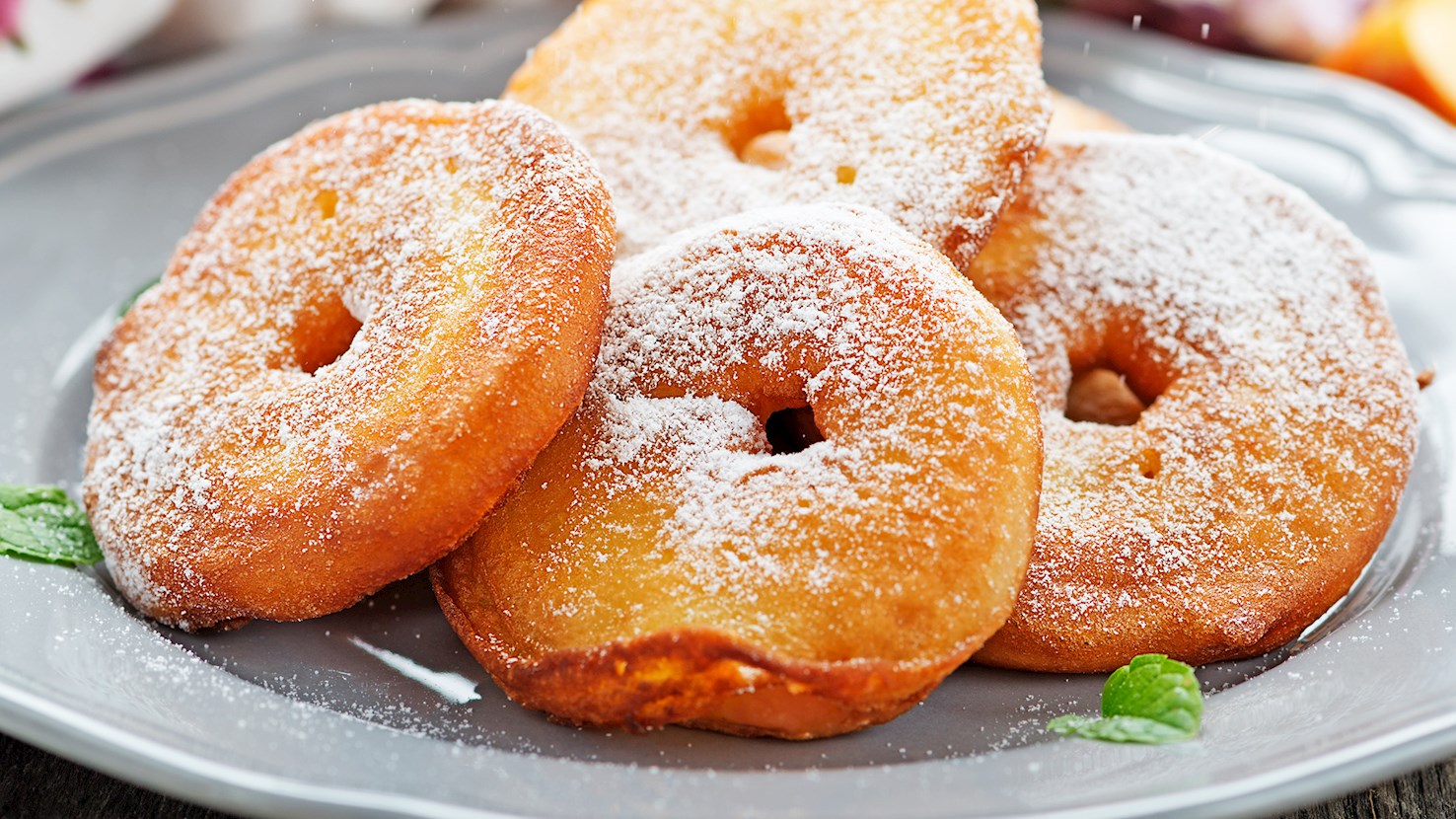
Apfelradln is a traditional dessert made by deep-frying apple rings. It is typically served for breakfast or eaten as an afternoon treat. This comforting dish is prepared by peeling, coring, and slicing the apples into rings, then dipping the rings into a simple batter made with eggs, flour, and milk. Some versions also include a small amount of various alcoholic drinks in the batter - beer, white wine, brandy, or rum. The battered apple rings are deep-fried until golden brown, then topped with powdered sugar and cinnamon. Apfelradln is a favorite dessert among children and has been a staple of Austrian cuisine for generations.

07

Sacher-Torte

4.0 ·

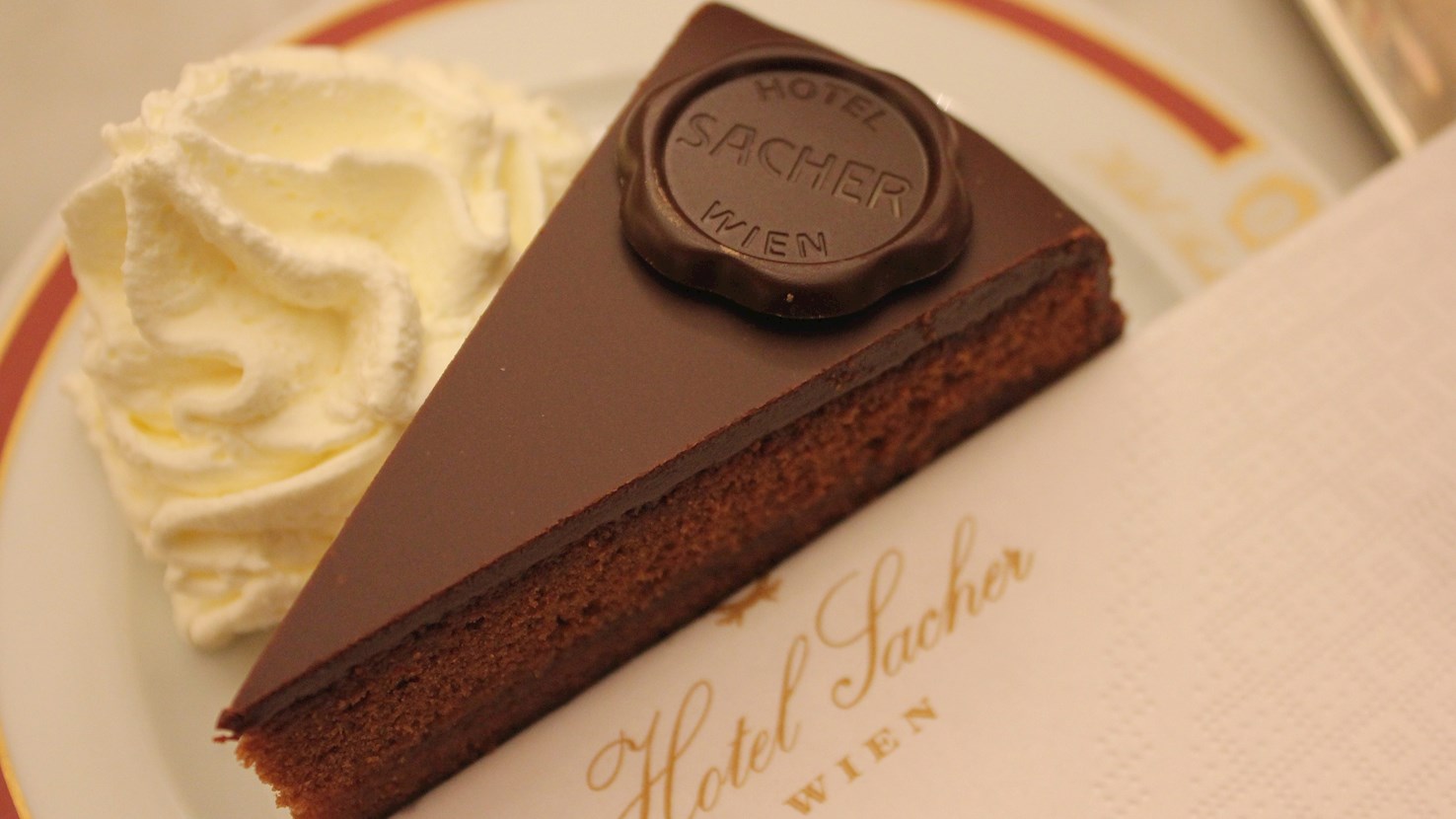
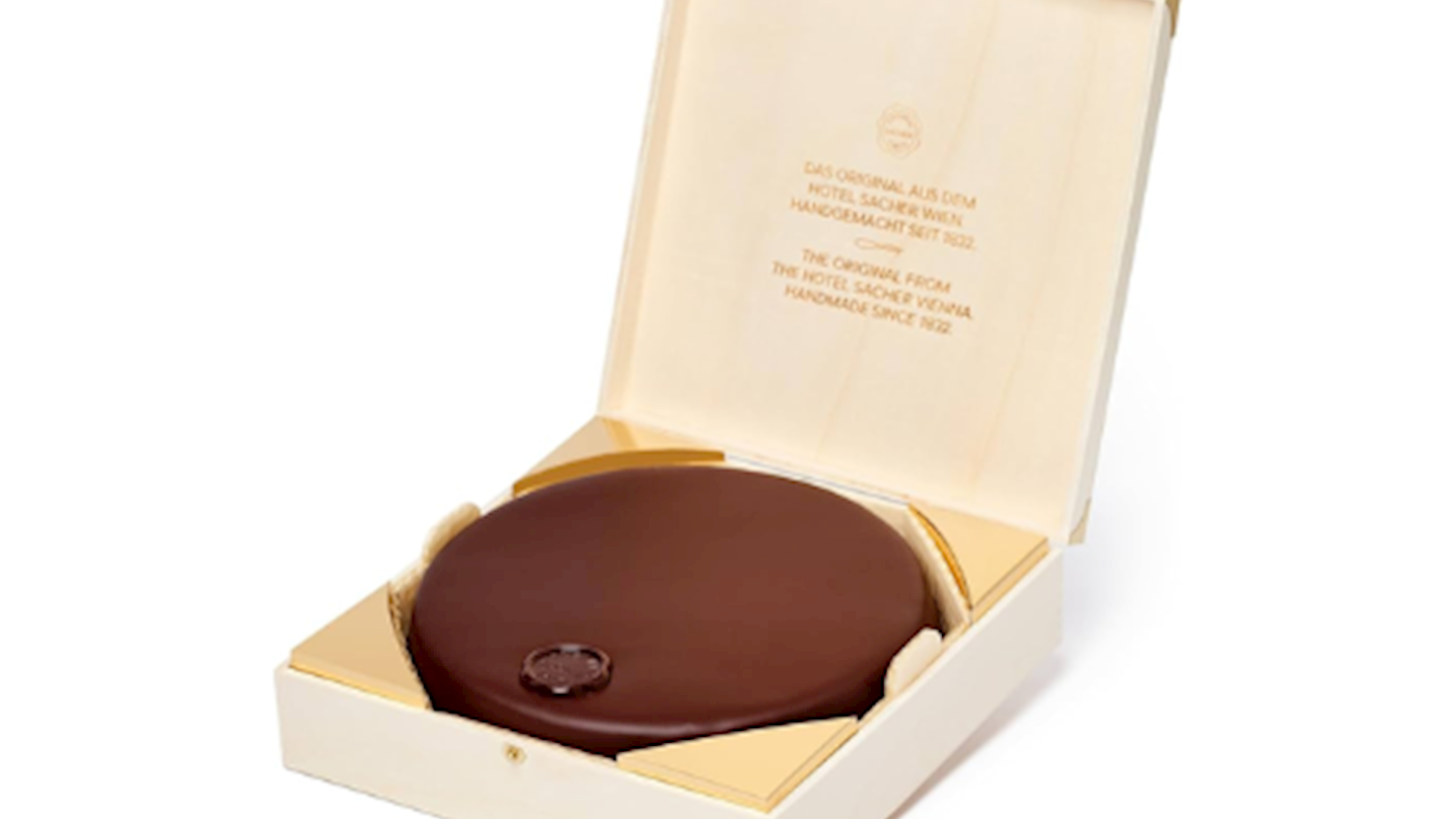
The original Sacher-Torte is the most famous Austrian cake. It is a classic, layered chocolate sponge cake that is thinly coated with high-quality apricot jam and topped with chocolate icing. Sacher-Torte is said to taste the best when accompanied by a small cloud of unsweetened whipped cream on the side. It was invented in 1832 by Franz Sacher, a pastry chef for Prince Clemens Lothar Wensel Metternich, the State Chancellor of Austria at the time. The prince wanted a new cake, and Sacher, 16 years old at the time, obliged him by creating something new from ingredients that were readily available in the kitchen. Suffice to say, the cake was a huge hit, and Franz's son Eduard opened a hotel called Sacher in 1876, serving the popular cake up to this day. Today, almost every coffee house in Vienna has its own version of the cake, but no two cakes are quite alike. In order to avoid confusion, it is recommended to look for the official Sacher chocolate seal on top of the cake, which can only be found on the Original Sacher, produced by Hotel Sacher in a quantity of approximately 360,000 cakes per year. Interestingly, from 1954 to 1963, Hotel Sacher went through a legal battle with their rival, Demel cafe, and the court proceedings focused on which one had the right to call its Sacher-Torte the original. The issues that were discussed included whether the cake should have an additional layer of apricot jam in the middle, and whether to use margarine or butter. Following a long seven-year dispute, the parties have reached an agreement—and the original Sacher-Torte is now only found at the Hotel Sacher. Nevertheless, Demel version, which does not have the additional layer of apricot jam in the middle, is almost equally popular.

08

Vanillekipferl

4.0 ·

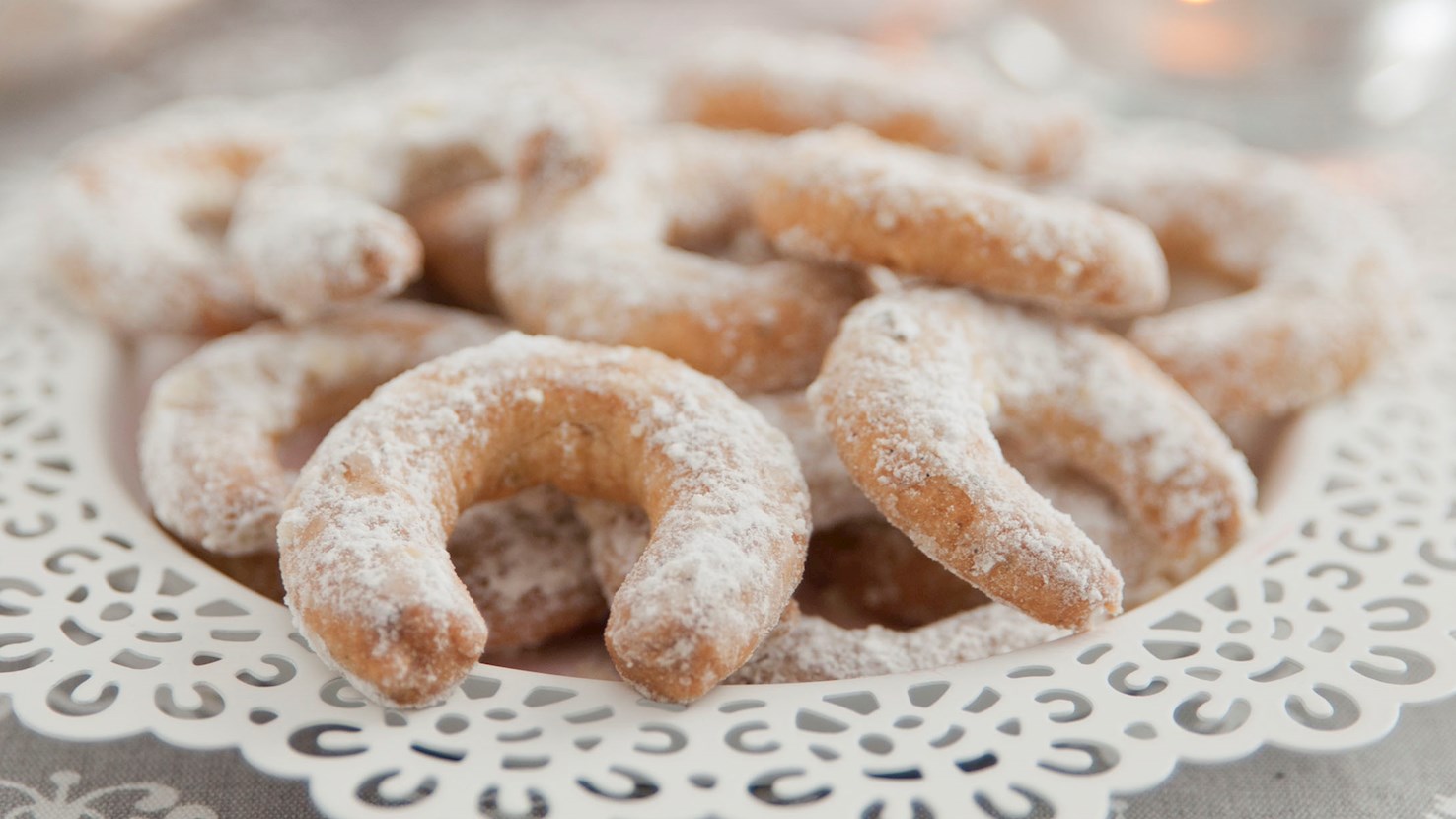
Commonly found throughout Austria, Hungary, and Germany, vanillekipferl are traditional, sweet, crescent-shaped cookies consisting of flour, sugar, butter, and vanilla. The cookies often contain ground nuts such as hazelnuts, almonds, or walnuts. According to a popular theory, the cookies were invented in the days of the Austro-Hungarian Empire. When the empire's army defeated the Turkish army at Vienna in 1683, the city's bakers celebrated the victory by shaping the kipferls into crescents - mimicking the characteristical shape found on the Turkish flag. Today, vanillekipferl are especially popular around Christmastime, when they are dusted with powdered sugar or dipped in chocolate.

09

Marillenfleck

4.0 ·

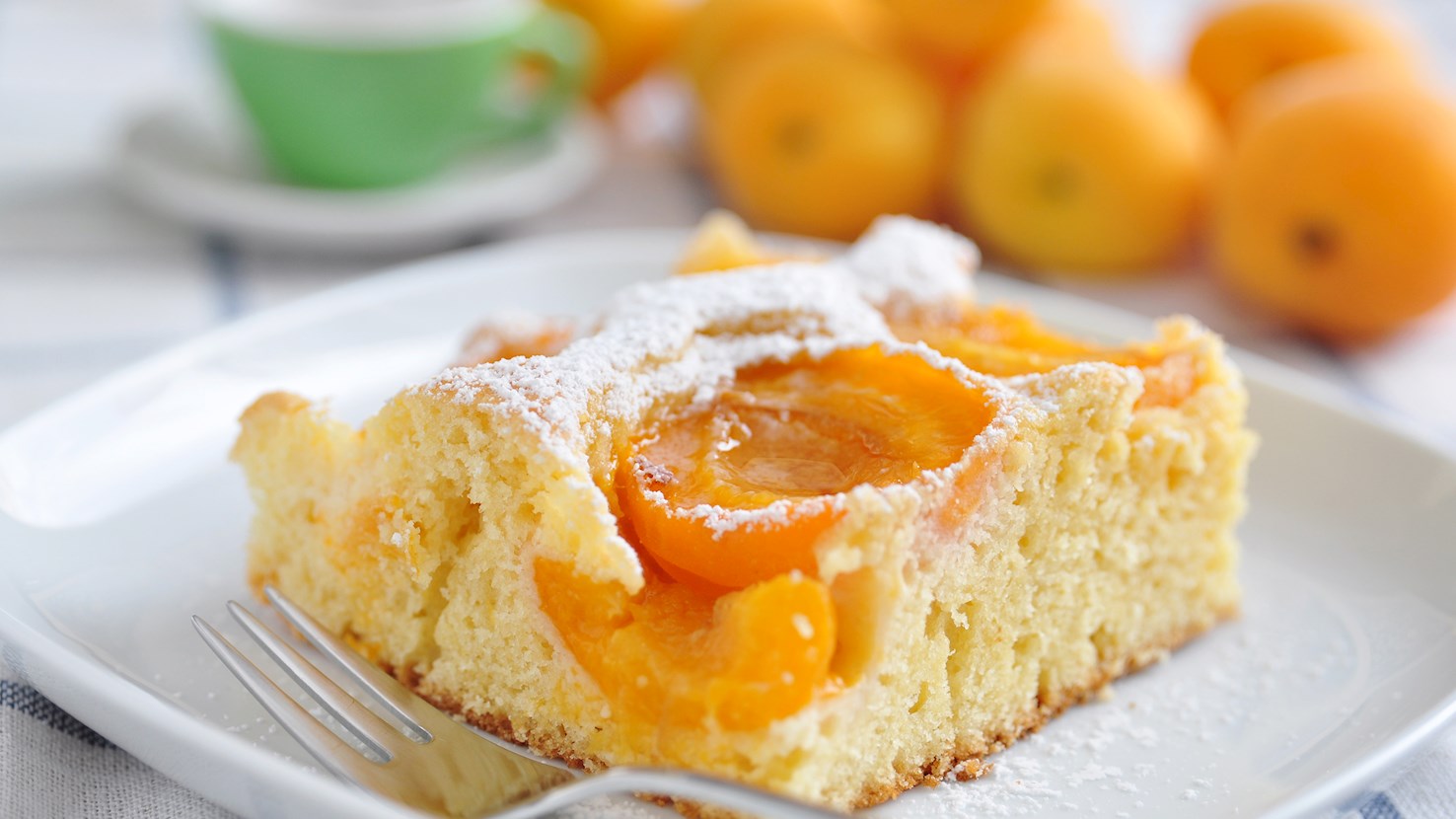
Marillenfleck is a traditional apricot cake originating from Austria, where it's a coffeehouse staple. Although there are slight variations, the cake is usually made with a combination of apricots, butter, sugar, eggs, flour, baking powder, lemon juice and zest, salt, and vanilla extract. The butter is beaten and mixed with sugar, eggs, vanilla, flour, baking powder, salt, and lemon juice and zest in order to make the batter. It is spread evenly in a buttered baking pan, and the apricots are arranged on top of the batter. The apricots are usually cut into quarters or halves for a uniform appearance. The cake is baked until golden brown, and it's then left to cool. Before serving, powdered sugar is sprinkled over the top and the cake is traditionally cut into squares.

10

Schneenockerln

3.9 ·

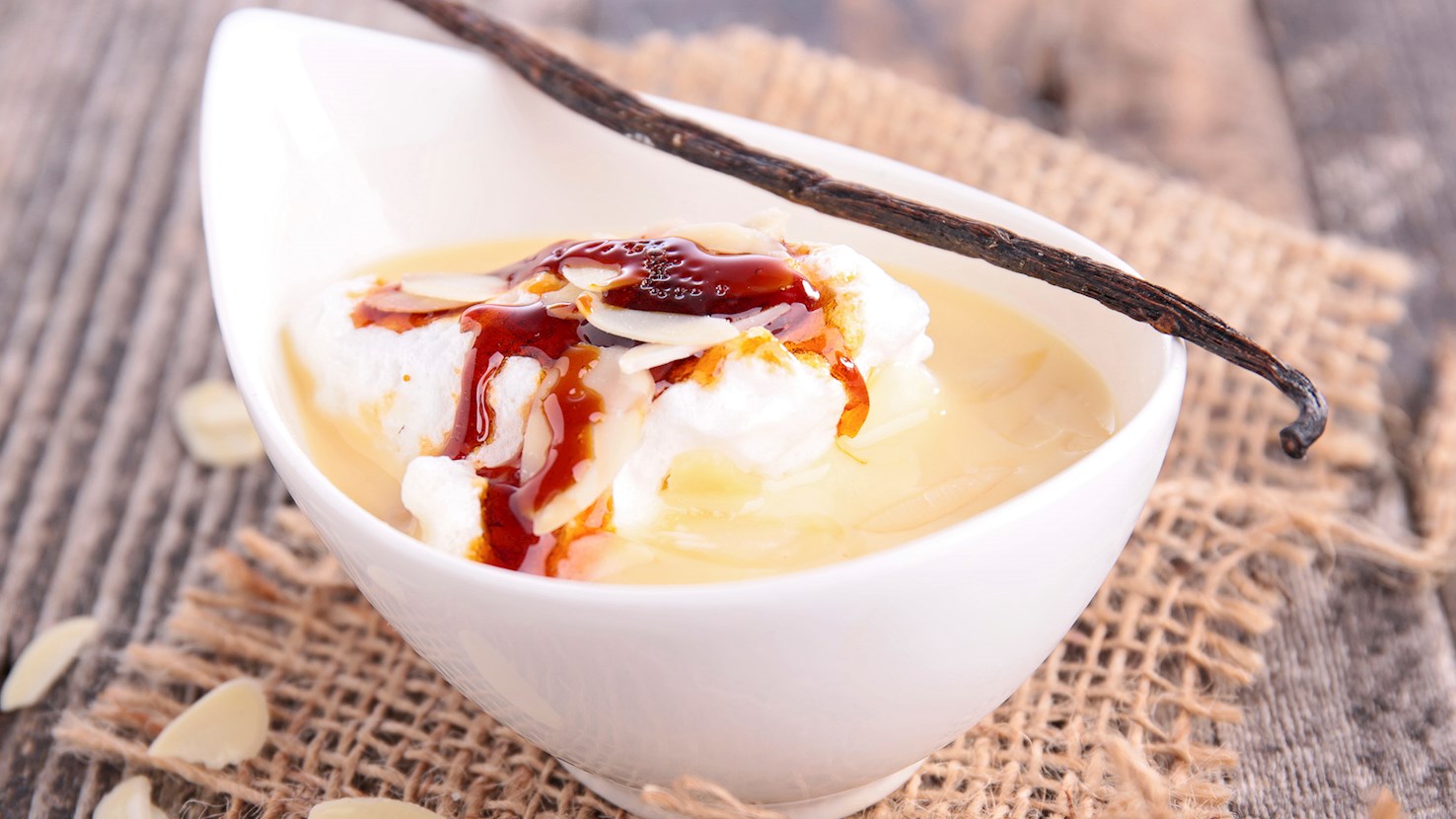
Île flottante or floating island is a popular dessert originating from France, consisting of meringues that are poached in vanilla custard and often topped with caramel sauce and toasted almonds. The meringues are usually made from whipped egg whites, sugar, and vanilla extract. This classic dessert is one of the staples of French comfort food, although it is popular internationally, sometimes with small tweaks and variations, in countries such as Austria (Schneenockerln), Hungary (Madártej), Croatia and Serbia (šnenokle), and Italy (uova di neve). In France, it is usually served in bistros, canteens, and hip restaurants. Although it is an extremely popular dessert, its inventor still remains unknown. Light, fluffy, and low in fat, floating island is believed to taste the best when served cold (or in some cases, at room temperature) after a big meal, although it can be consumed on its own, as a tasty mid-day treat.

Best Austrian Desserts
01

Sacher

4.0 ·
Sacher is one of Austria’s most iconic hospitality and confectionery brands, internationally synonymous with the Original Sacher-Torte and Vienna’s grand café culture. Its story began in 1832, when Franz Sacher created the now-famous chocolate cake for Prince Metternich’s court, establishing the foundation of a culinary legacy that would become a symbol of Austrian gastronomy. The Sacher name was further elevated in 1876 when Franz’s son, Eduard Sacher, opened the Hotel Sacher in Vienna, transforming the family name into a hallmark of luxury hospitality. Today, Sacher represents a blend of historic elegance, premium hospitality, and refined confectionery craftsmanship, operating the legendary Hotel Sacher Wien, Hotel Sacher Salzburg, cafés, and an internationally recognized gourmet retail business centered around the Original Sacher-Torte. The brand remains closely associated with Viennese sophistication, imperial heritage, and classic Austrian dessert culture. The Original Sacher-Torte continues to be handmade according to the historic recipe and remains one of Austria’s most famous culinary exports. Beyond the iconic cake, Sacher also offers chocolates, pralines, jams, pastries, and curated gourmet specialties that reflect the same premium positioning. More than a hotel or confectionery name, Sacher has become a cultural institution representing Austrian luxury, tradition, and gastronomic identity.
02

Aïda Cafe-Konditorei

3.2 ·
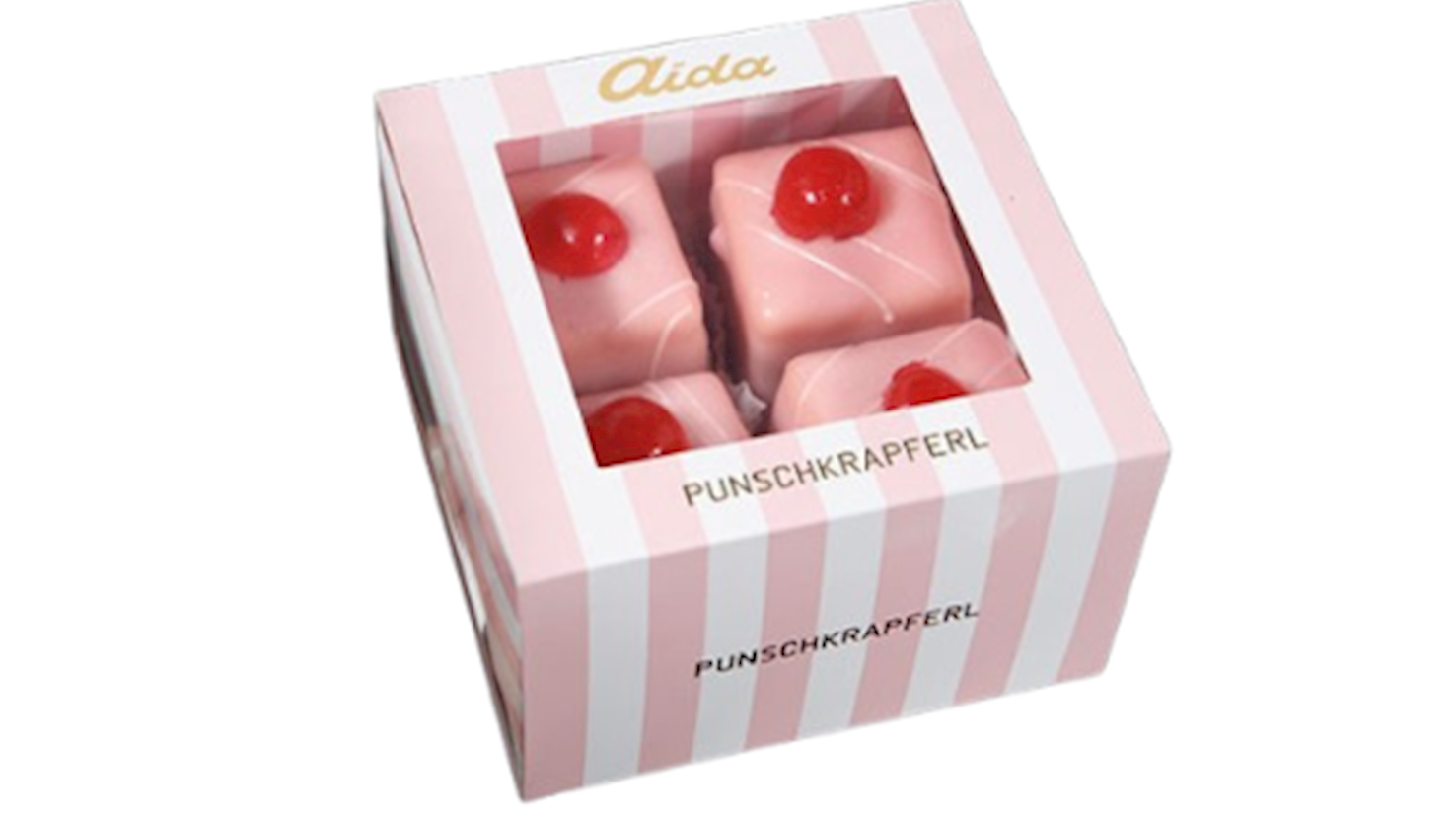
Aïda Café-Konditorei is one of Vienna’s most recognizable confectionery café chains, with a history dating back to 1913, when Josef Prousek and his wife Rosa took over the confectionery shop “Bonsaing & Söhne” in Vienna. The Aïda brand developed more distinctly from 1921, when production began in Porzellangasse and the business became “Chocolaterie & Grosskonditorei Aïda.” During the 1930s, the company expanded across Vienna, reaching 11 locations in the city by 1939. A significant milestone came in 1946, when the first espresso machine in Austria was introduced at Aïda’s Wollzeile location, helping establish its identity as a true café-confectionery. Today, Aïda is known for its distinctive pink visual identity, cakes, pastries, strudels, cream slices, doughnuts, ice cream, and coffee. Since 1974, production has been based in Schönthalergasse in Vienna’s 21st district, where traditional Viennese confectionery products are prepared daily. Unlike historic luxury establishments such as Demel or Sacher, Aïda represents a more accessible, everyday model of Viennese café-confectionery culture, deeply integrated into the city’s urban rhythm. The brand remains family-run by the Prousek family across multiple generations, preserving continuity in Viennese confectionery tradition.
Read more
View all
View map
About this ranking

TasteAtlas food rankings are based on the ratings of the TasteAtlas audience, with a series of mechanisms that recognize real users and that ignore bot, nationalist or local patriotic ratings, and give additional value to the ratings of users that the system recognizes as knowledgeable. For the “Top 45 Austrian Desserts” list until June 15, 2026, 4,106 ratings were recorded, of which 3,401 were recognized by the system as legitimate. TasteAtlas Rankings should not be seen as the final global conclusion about food. Their purpose is to promote excellent local foods, instill pride in traditional dishes, and arouse curiosity about dishes you haven’t tried.

The initial list of top producers was compiled based on available reviews, awards, local recommendations, media and blog coverage, and consumer reviews. The list will be updated with ratings from TasteAtlas local ambassadors and TasteAtlas users.

Similar lists