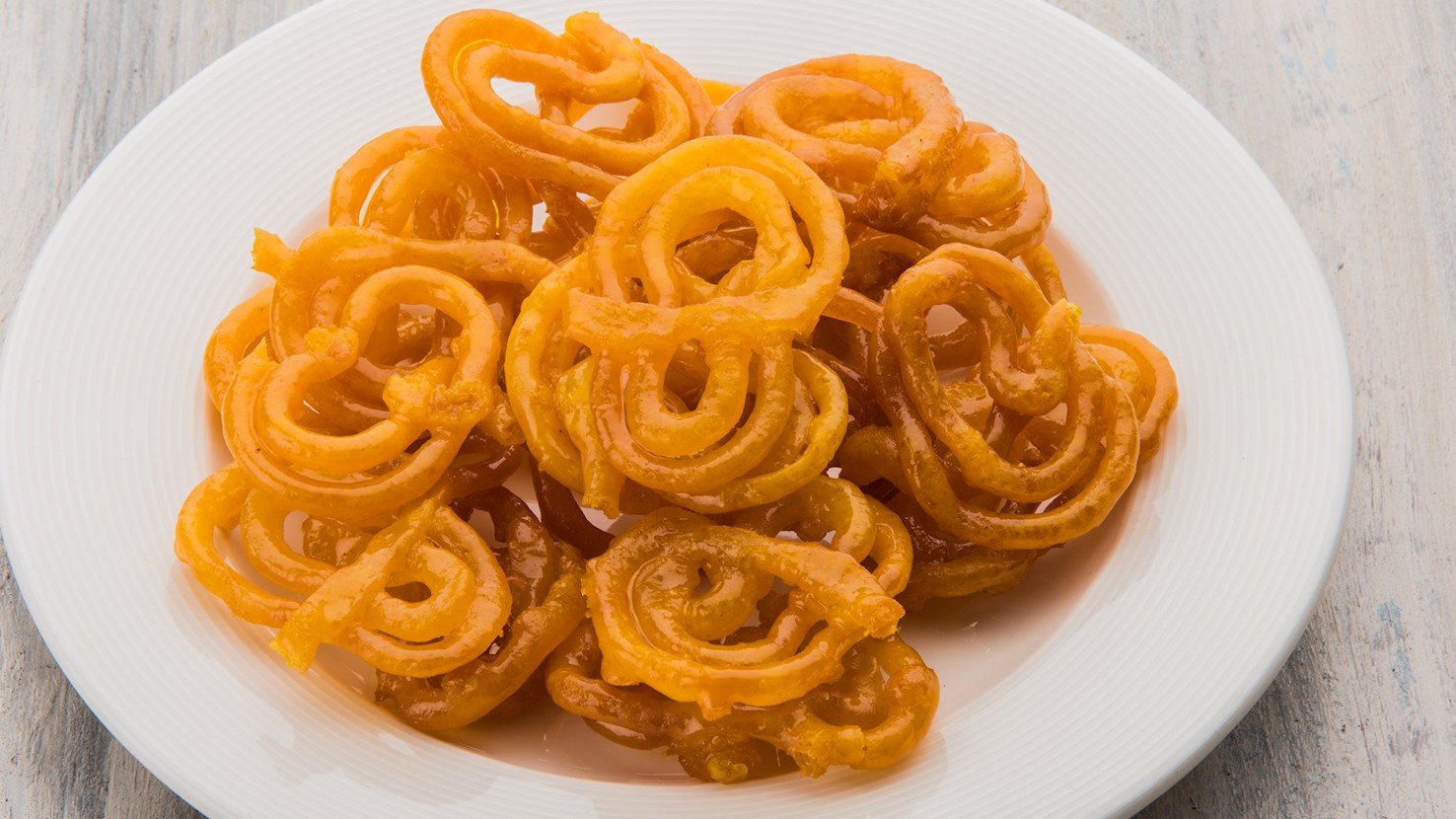
Zulbia is a sweet confection prepared by deep-frying thin coils of fermented batter and then soaking them in a fragrant sugar syrup. Although it is believed to have its origins in Persia, zulbia or jalebi is an international dessert with variations that spread throughout the Middle East, India, and Asia. Its golden color and delicate crispness have made it a favorite accompaniment to tea in both homes and pastry shops. To make zulbia, a batter is prepared by mixing refined flour with yogurt or fermented starter, a little cornstarch, baking soda, and sometimes a splash of rosewater. The batter is rested to develop a slight tang and a smooth consistency. Using a special funnel or piping bag, it is poured into hot oil in looping, spiral patterns that expand and puff as they fry. The pieces are turned until evenly golden and crisp, then immediately immersed in warm syrup made with sugar, water, saffron, rosewater, and sometimes a dash of lemon juice to prevent crystallization. After a short soak, they are removed and set to drain on racks, leaving them saturated but not soggy. The flavor is sweet and floral, with a hint of acidity from the syrup balancing the richness of the fried dough. Because it holds up well over time, zulbia is often prepared in large batches to be served over several days or packaged as a gift. Historical records suggest that variations of zulbia were made across Persia and the Indian subcontinent as early as the medieval period, with recipes spreading along trade routes and adapting to local tastes.
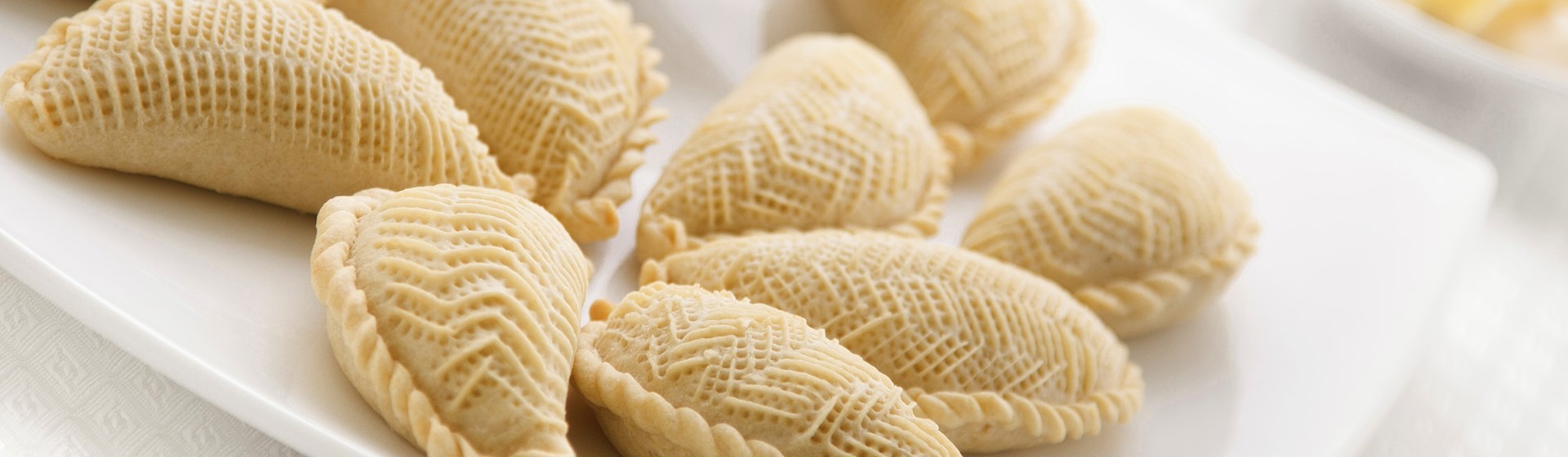
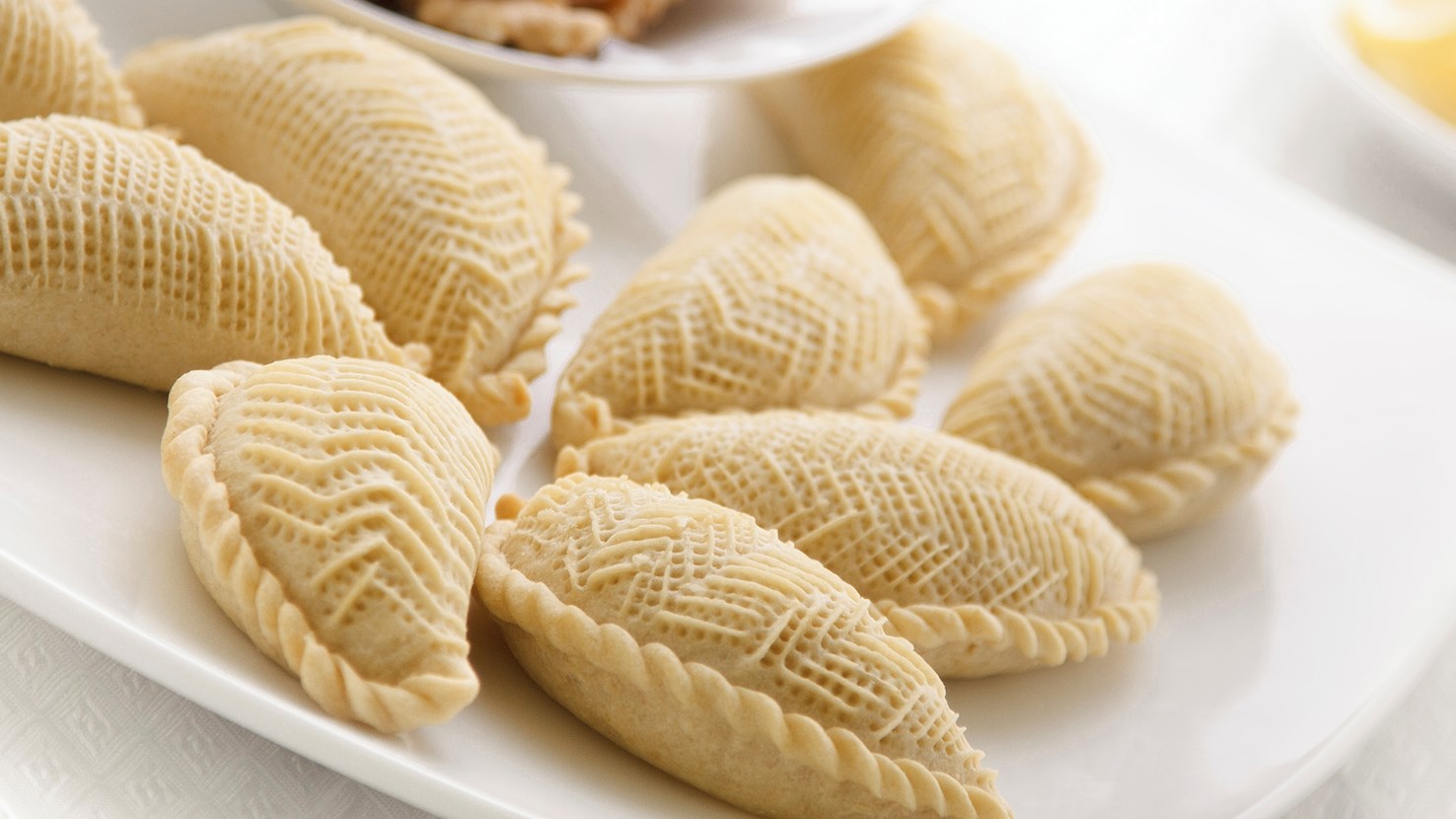
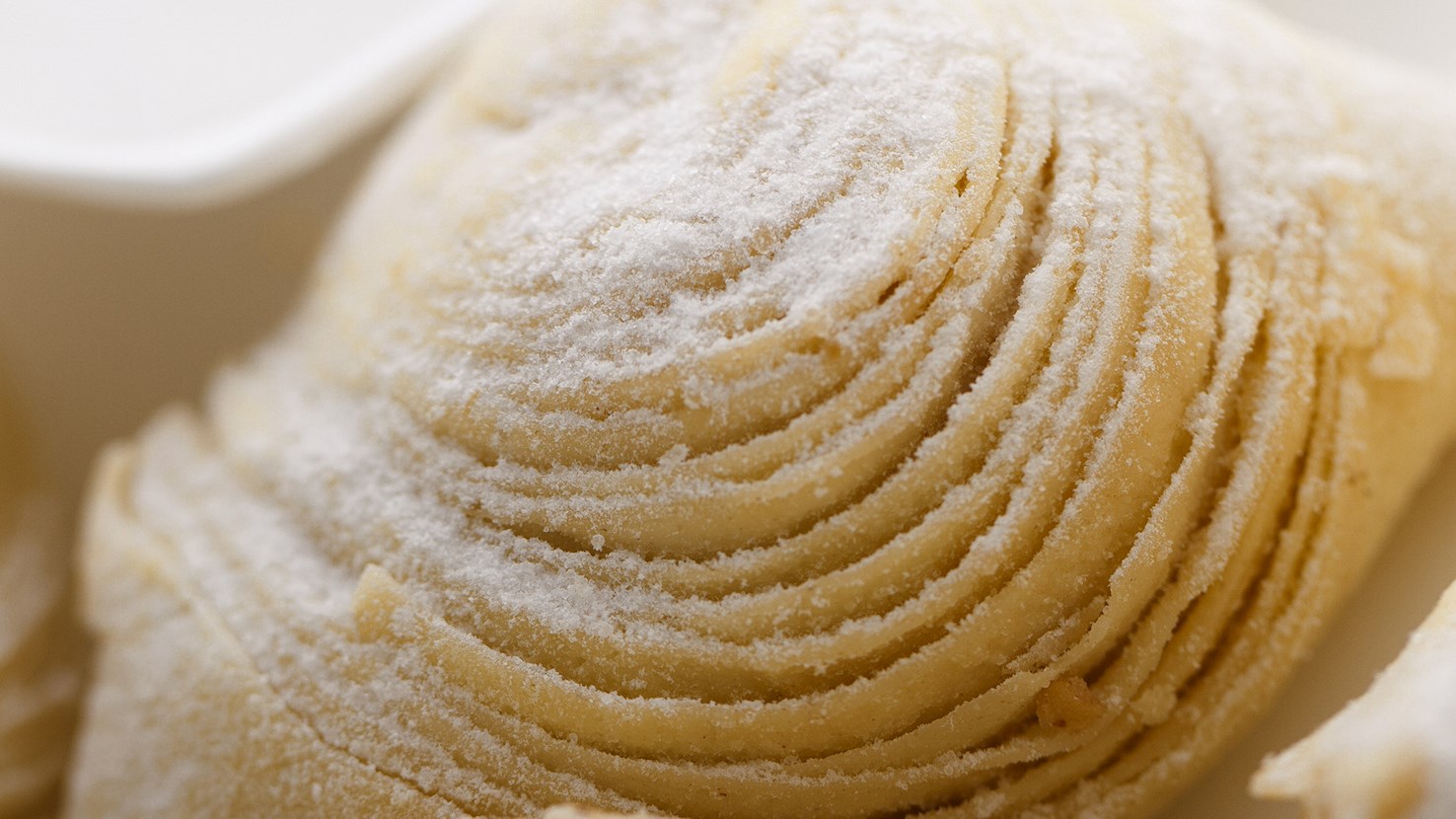
Shekerbura is a simple and delicate sweet pastry, enjoying the status of one of the most famous Azerbaijani desserts. The tender pastry shell is made with a simple butter-based dough, which is then filled with a sweet nut filling. Frequent nut varieties used in shekerbura are ground almonds, hazelnuts, or walnuts. The shell is intricately decorated with different geometrical shapes, transforming this sweet delicacy into a decorative dessert. Shekerbura pastries are always made in a crescent form, strongly resembling the moon, and are traditionally served during Novruz, an annual celebration welcoming spring and the renewal of nature. In cases where the pastry is not elaborately decorated, shekerbura is usually served dusted with powdered sugar. These traditional delicacies can be served freshly baked, warm, or cooled.
Badambura is a popular Azerbaijani pastry consisting of several layers of flaky dough filled with almonds, sugar, and ground cardamom. It is usually brushed with egg wash and baked until it develops a golden-brown color. This flavorful dessert is traditionally prepared for the spring holiday called Novruz, although it can be consumed throughout the year. The name of the dish is derived from the words badam, meaning almond, and bura, meaning pie.
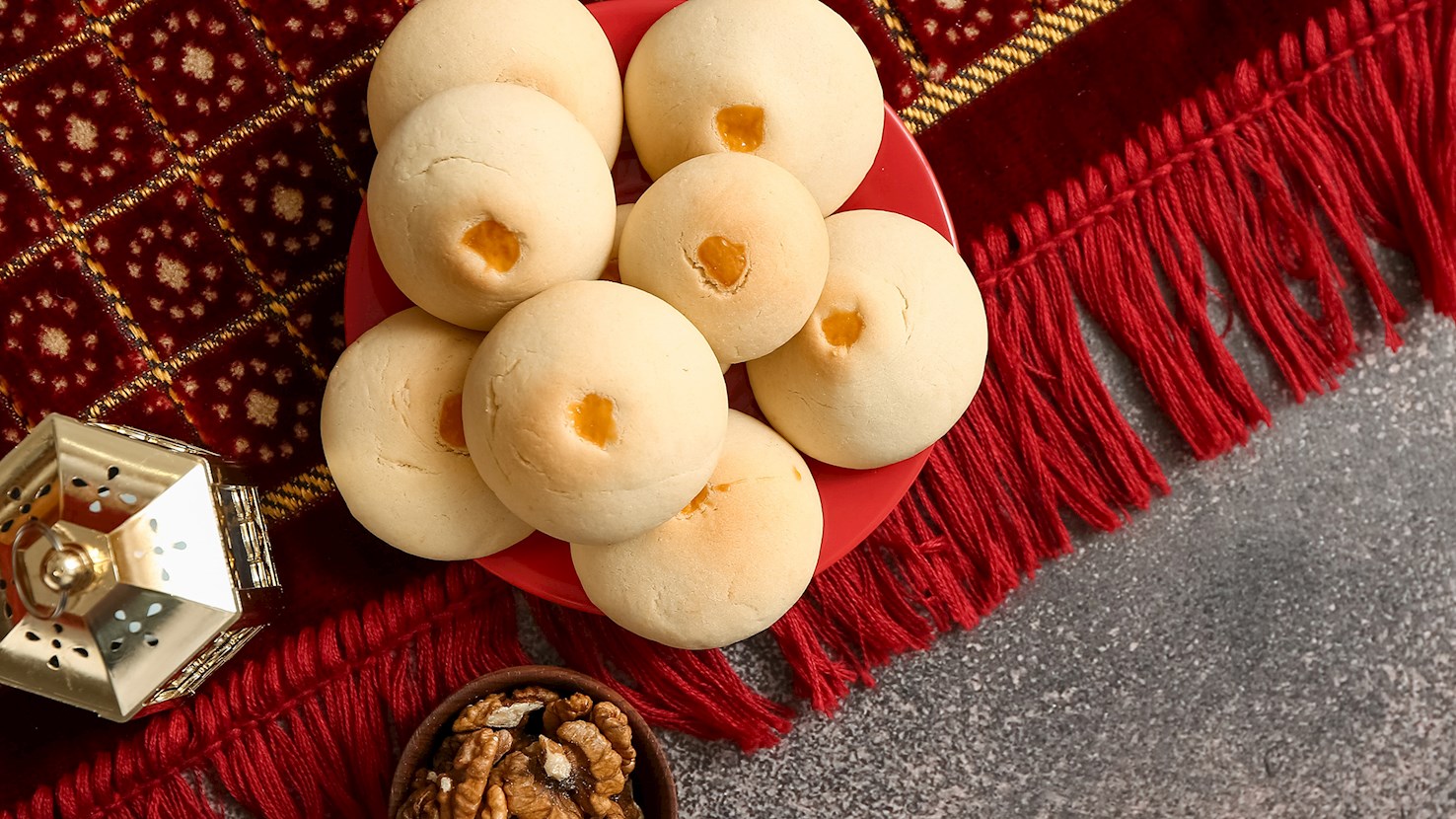
Shaker-churek is a traditional cookie originating from Azerbaijan. The cookies are usually made with a combination of flour, icing sugar, eggs, butter, and vanilla extract. The butter is mixed with icing sugar and then with vanilla, egg yolks and whites, and flour. The dough is left to chill in the fridge for about an hour. Once firm, it’s formed into small balls that are placed on a baking sheet. An indentation is made in each dough ball, and they’re brushed with egg yolks. The cookies are baked in the oven until golden brown, cooled, and then dusted with icing sugar before consumption. Shaker-churek cookies are traditionally baked during Nowruz; a feast held to celebrate the coming of spring.
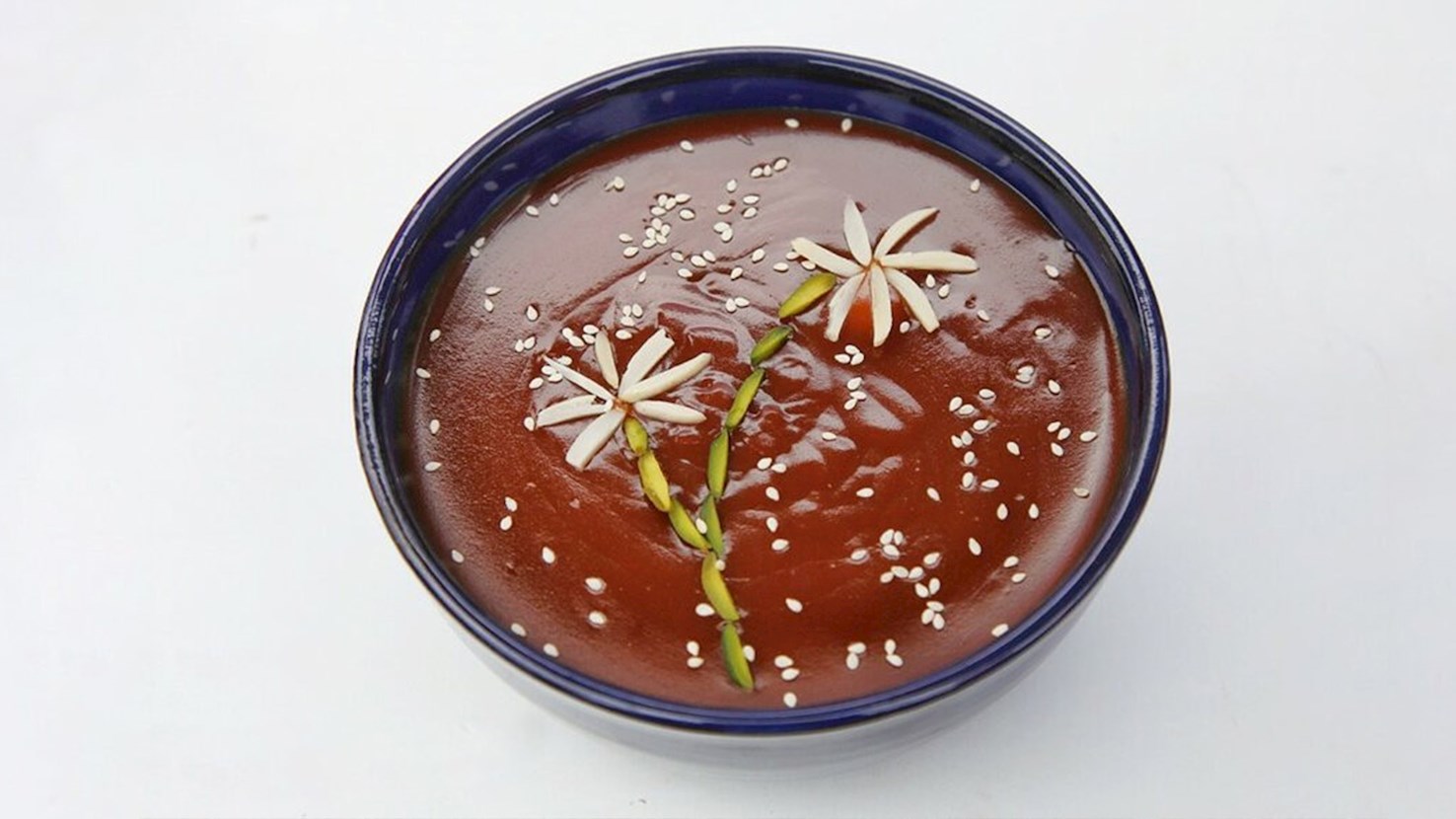
Samanu is a sweet dessert made from wheat germ, akin to pudding, commonly prepared in Iran, Afghanistan, and Central Asian countries, especially during Nowruz (Persian New Year). It symbolizes abundance, sweetness, and prosperity and is often shared among family and friends. The dish is made by sprouting wheat germ, grinding it, and cooking it slowly with water and wheat flour. The natural sugars from the sprouted wheat give samanu its sweet taste, requiring no additional sugar. It has a thick, pudding-like consistency and a rich, caramel-like flavor. The cooking process can take up to 24 hours and requires continuous stirring. Traditionally, women gather to prepare samanu together, singing songs and making wishes for good fortune. As a Nowruz tradition, samanu is one of the seven symbolic items on the Haft-Seen table, representing patience and strength. In countries like Iran, Tajikistan, and Uzbekistan, making samanu a group activity reinforces bonds of friendship and family. Some believe that the slow cooking process carries blessings and positive energy. It is widely enjoyed in Iran, Afghanistan, Tajikistan, Uzbekistan, Turkmenistan, and Kyrgyzstan, where it is often prepared in large communal gatherings before Nowruz. More than just a dish, samanu is a symbol of renewal, perseverance, and community spirit, deeply rooted in Persian and Central Asian traditions.
Yayma is a traditional rice pudding flavored with saffron, which gives it a beautiful color and aroma. The dish is made with rice, water, saffron, and milk. It is typically topped with pieces of butter, cinnamon, and honey. For those with a sweet tooth, sugar can also be added to the rice pudding during cooking.
Shirin chorek is a classic Azerbaijani sweet milk bread made with yeast, milk, flour, sugar, salt, eggs, butter, and turmeric powder. The turmeric gives it a rich yellow color and a subtle flavor that goes well with the sweetness of milk and sugar. The dough is traditionally shaped into a disk, then decorated with cross-hatching patterns and sprinkled with poppy seeds. In the past, shirin chorek used to be baked for holidays such as Ramadan and Novruz, but nowadays it is baked throughout the year. It is recommended to pair this sweet dessert bread with a cup of strong black tea on the side.
TasteAtlas food rankings are based on the ratings of the TasteAtlas audience, with a series of mechanisms that recognize real users and that ignore bot,
nationalist or local patriotic ratings, and give additional value to the ratings of users that the system recognizes as knowledgeable.
For the “Top 7 Azerbaijani Desserts” list until June 15, 2026, 644 ratings were recorded, of which 235 were recognized by the system as legitimate.
TasteAtlas Rankings should not be seen as the final global conclusion about food. Their purpose is to promote excellent local foods,
instill pride in traditional dishes, and arouse curiosity about dishes you haven’t tried.