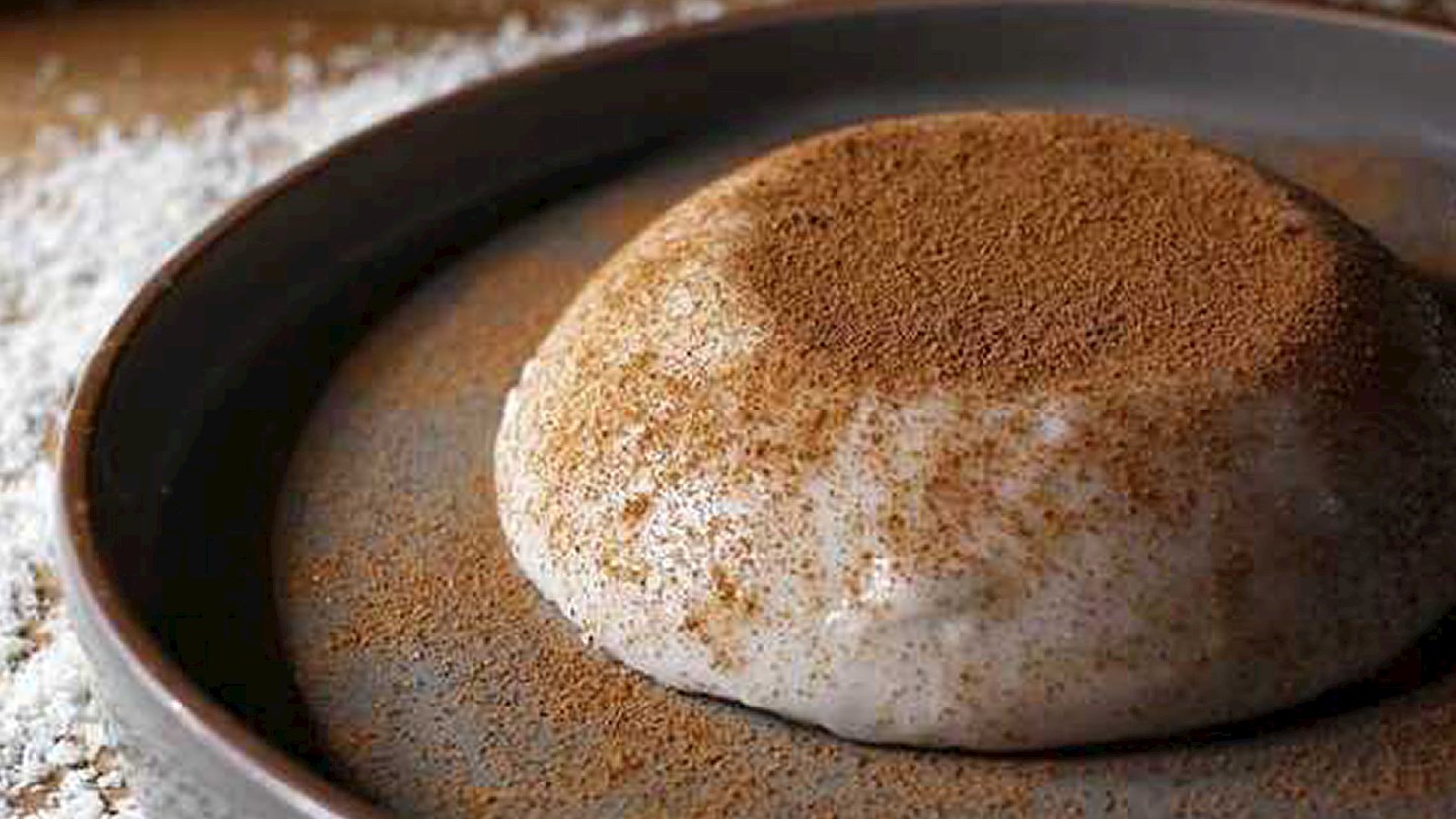
This creamy pudding is one of Puerto Rico’s specialties, made by cooking coconut milk with cornstarch and sugar, then topping the concoction with cinnamon. The end result is a slightly firm pudding with a smooth custard-like texture, and it is typically served cold. The name tembleque means wiggly, referring to a slight wiggle when the pudding is shaken. This rich dessert can also be flavored with vanilla, nutmeg, or rum, if desired. It is especially popular at birthday parties and similar festive occasions.
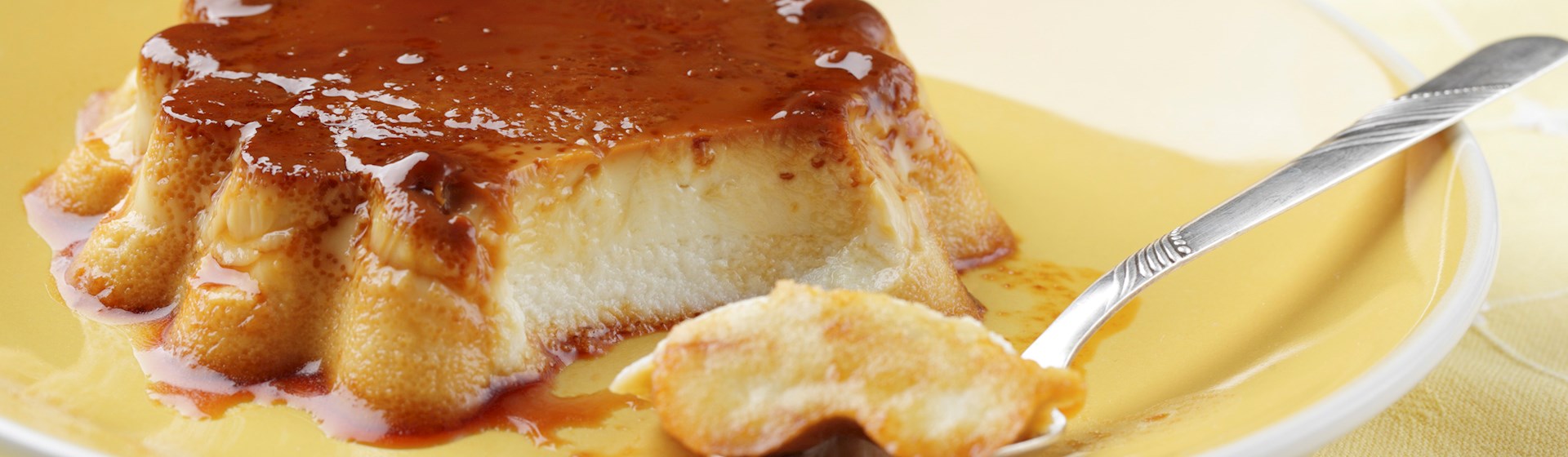
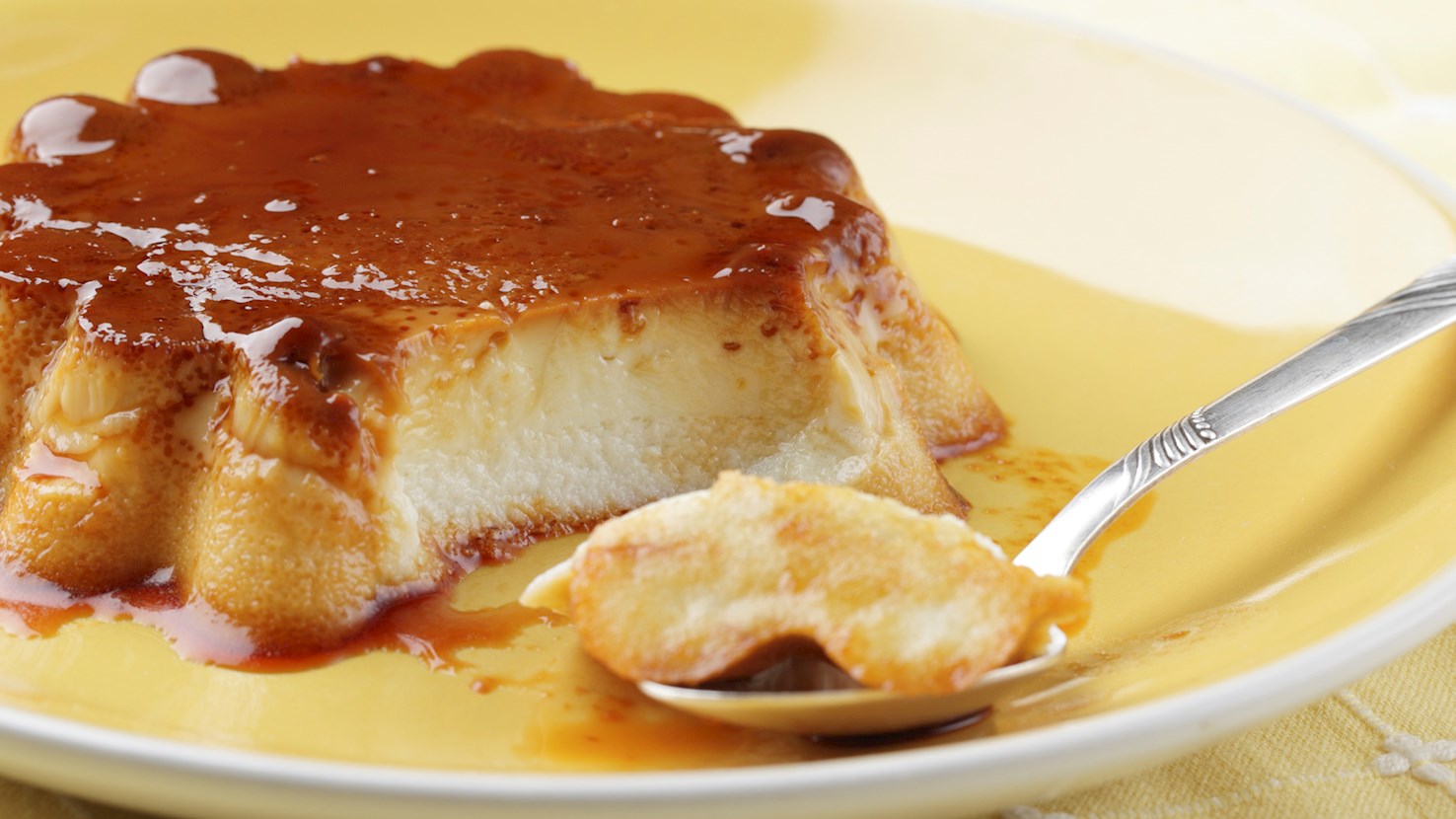
Flan de coco or coconut flan is a delicate dessert that is popular in Colombia, Costa Rica, and parts of the Caribbean. It is typically made with eggs, coconut milk, condensed milk, cream, vanilla extract, and flaked coconut. The dessert is usually baked in small ramekins with caramel on the inside, so when flan de coco is inverted, it has a nice caramel layer on top and on the sides. Before serving, the dessert is often topped with flaked coconut.
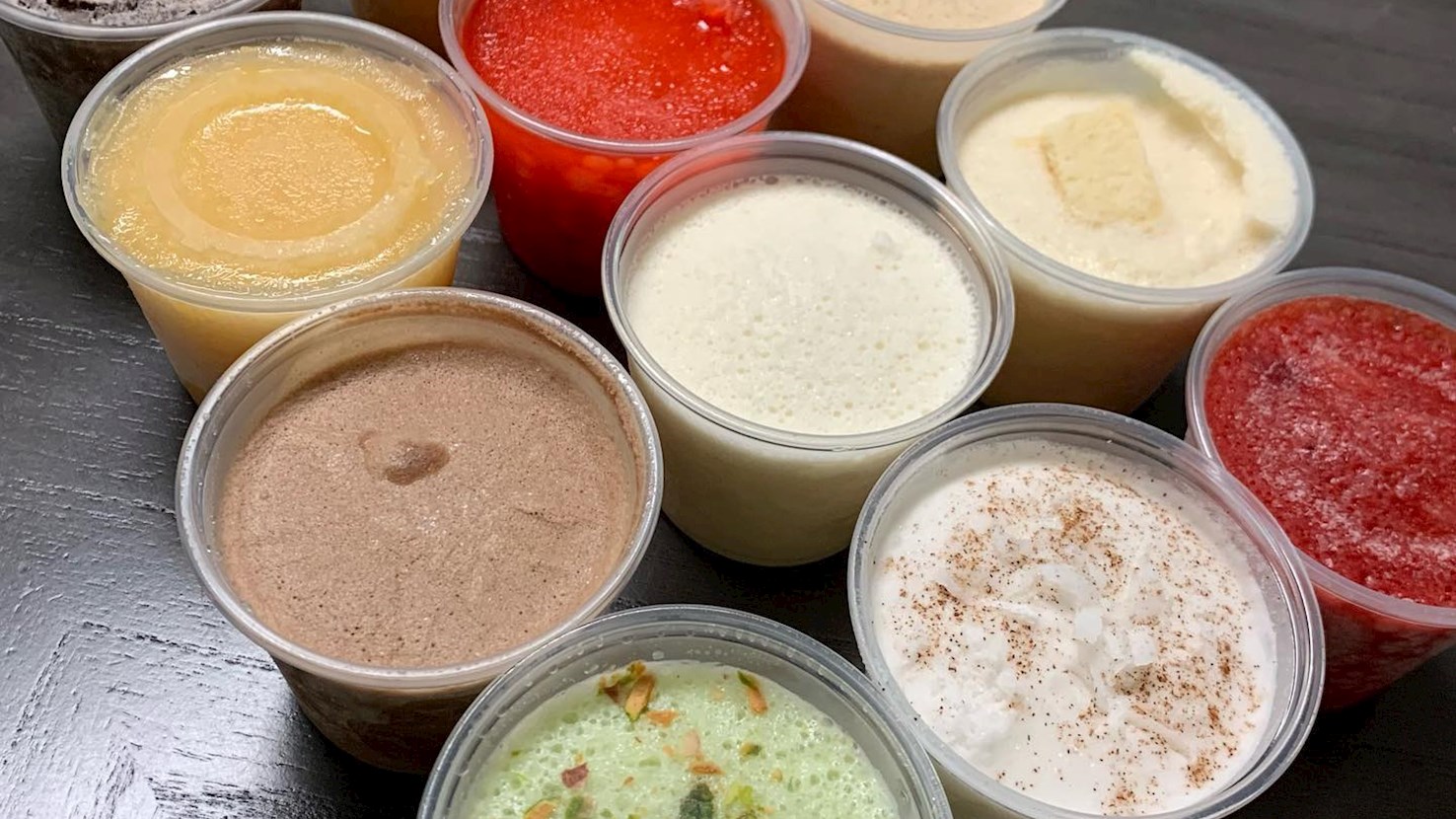
Limber is a Puerto Rican frozen treat consisting of coconut milk, pineapple juice, and sweeteners such as sugar. There are numerous variations, so it can also be prepared with mangos or raspberries. This dessert is named after Charles A. Lindbergh, who was the first pilot to fly across the Atlantic Ocean. When he flew to Puerto Rico, the locals offered him a frozen fruit juice, which he enjoyed, so the people named it Limber in his honor. Nowadays, Limber can be found at numerous roadside fruit stands and gas stations in Puerto Rico.
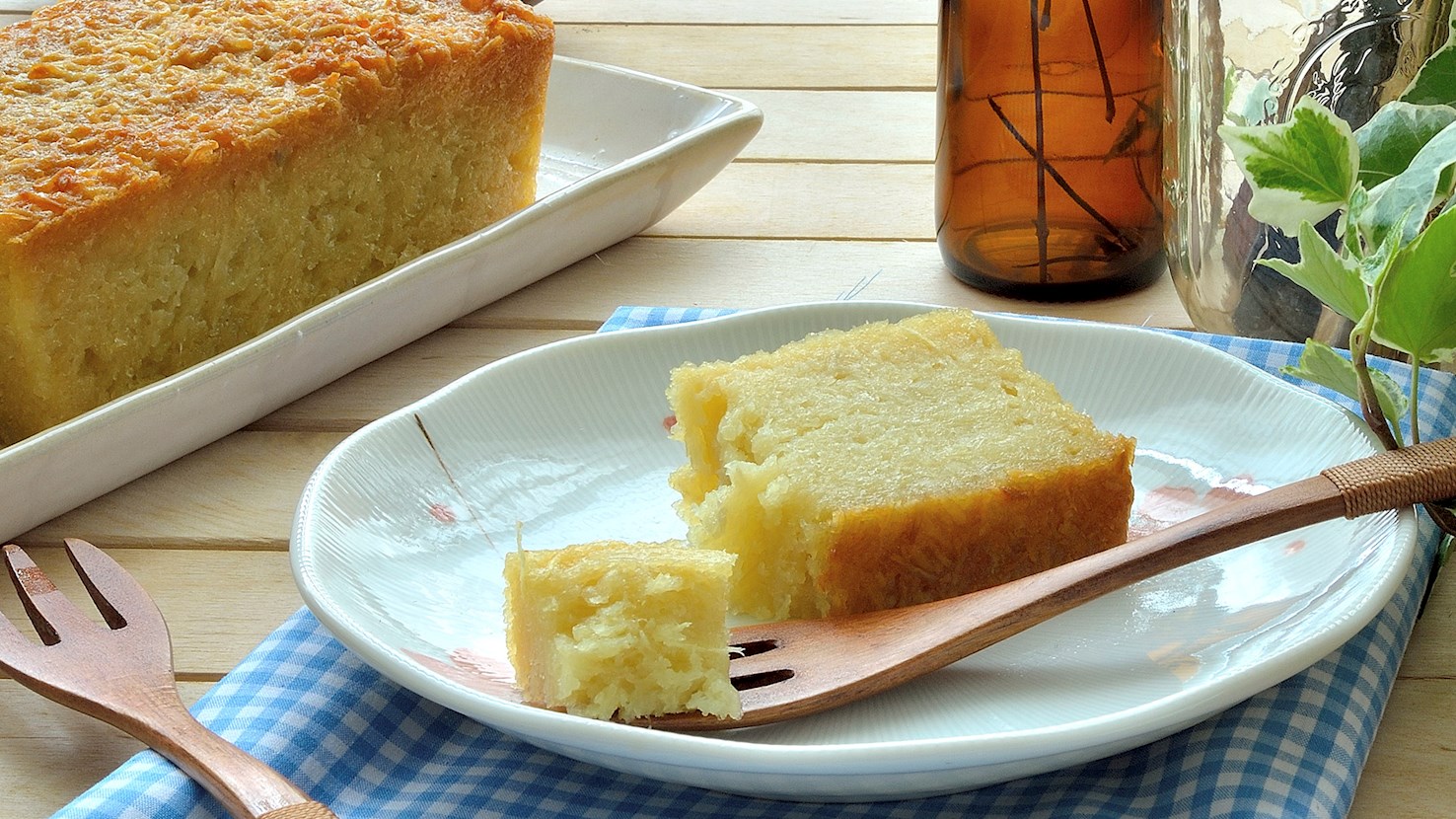
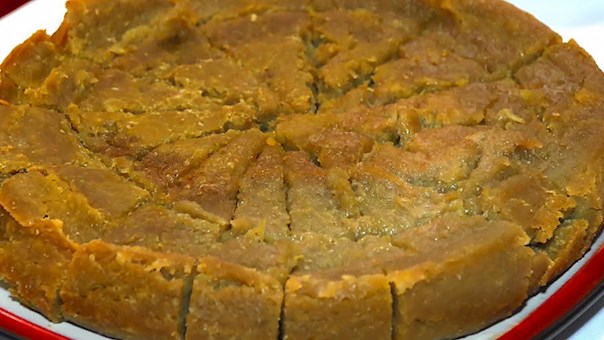
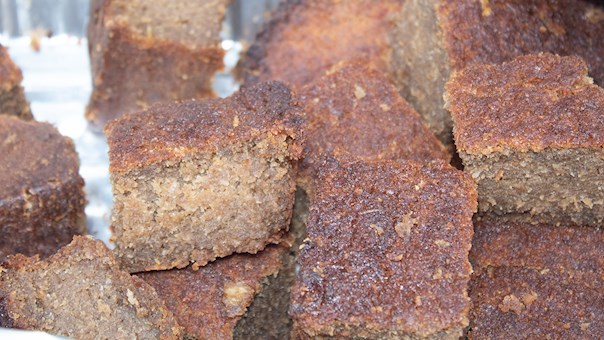
Cassava pone is a sweet, moist, and gummy dessert made from cassava root, pumpkin, sweet potatoes, coconut, sugar, nutmeg, butter, and milk. Not much is known about the origin of this dessert, but it's believed it first appeared somewhere on Barbados, Trinidad and Tobago or in Guyana, although most probably at all of these territories at the same time. Today, cassava pone is so popular that it is regularly the first dessert to sell out at bake sales, and it is said that if you ask any local about pone, you are almost guaranteed to be regaled with a cherished childhood memory.
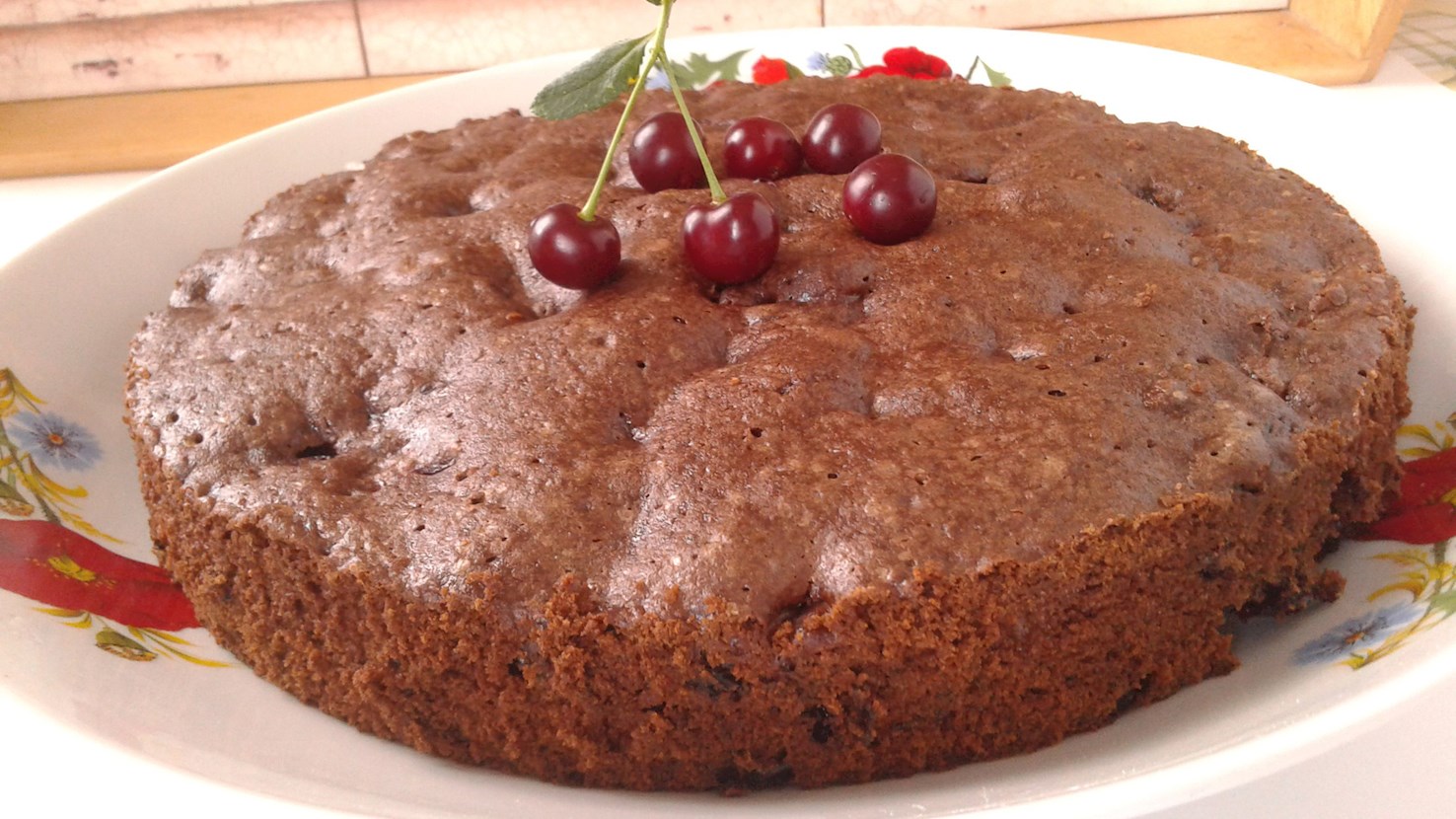
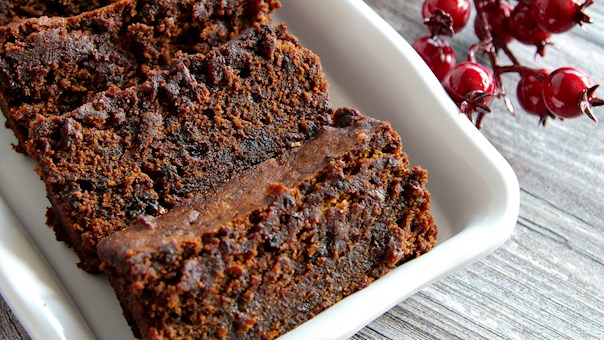
Jamaican rum cake is a dense, fruit-filled cake made with soaked dried fruits, browning, warm spices, and Jamaican rum, served throughout Jamaica especially during the Christmas season and at weddings, formal gatherings, and family celebrations. It is produced in homes, bakeries, and commercial kitchens and is closely associated with Jamaican festive cooking. The cake developed as cooks combined British-style fruitcake techniques with Caribbean ingredients such as overproof rum, local wine, pimento, and burnt sugar syrup used for coloring. In Jamaica, dried fruits were often preserved in rum for long periods, and this practice shaped the structure of the cake, which requires the fruit to be soaked in alcohol to create its characteristic texture and flavor. As rum production increased and baking methods evolved, the dish became a fixed part of holiday menus and large events. Preparation begins by soaking raisins, currants, prunes, and cherries in rum, red wine, or a mixture of both. The fruits may be soaked for weeks or months, and they are often blended before use to create a smoother texture. The cake batter is made from butter, sugar, eggs, flour, browning for color, and spices such as nutmeg, cinnamon, and pimento. The blended or chopped fruits are mixed into the batter along with additional rum or wine. The cake is baked slowly at a low temperature until firm and evenly set. After baking, some cooks pour extra rum onto the cake while it cools, which helps preserve it and deepen the flavor. One distinguishing feature of Jamaican rum cake is the use of browning, a cooked sugar syrup that darkens the cake without overwhelming the flavor, giving it its characteristic deep brown appearance. Jamaican rum cake is eaten across Jamaica and in Jamaican communities abroad during Christmas, New Year celebrations, weddings, and family gatherings. It is often served in thin slices due to its richness. Beverage pairings include sorrel drink, ginger beer, coffee, and fortified wines. Some people serve it with a small glass of rum or rum cream, while others enjoy it with tea. In many households, rum cake is prepared in advance of holiday seasons and stored so that the flavors continue to develop, making it a lasting part of Jamaican culinary celebrations.
Soursop ice cream is a Caribbean dessert that is especially popular in Trinidad and Tobago. It is made with ripe soursop, water, cornstarch, condensed milk, salt, and sometimes a few splashes of bitters. After the combination has been churned, it is then stored in the freezer until firm in texture. This unique ice cream variety is enjoyed throughout the year.
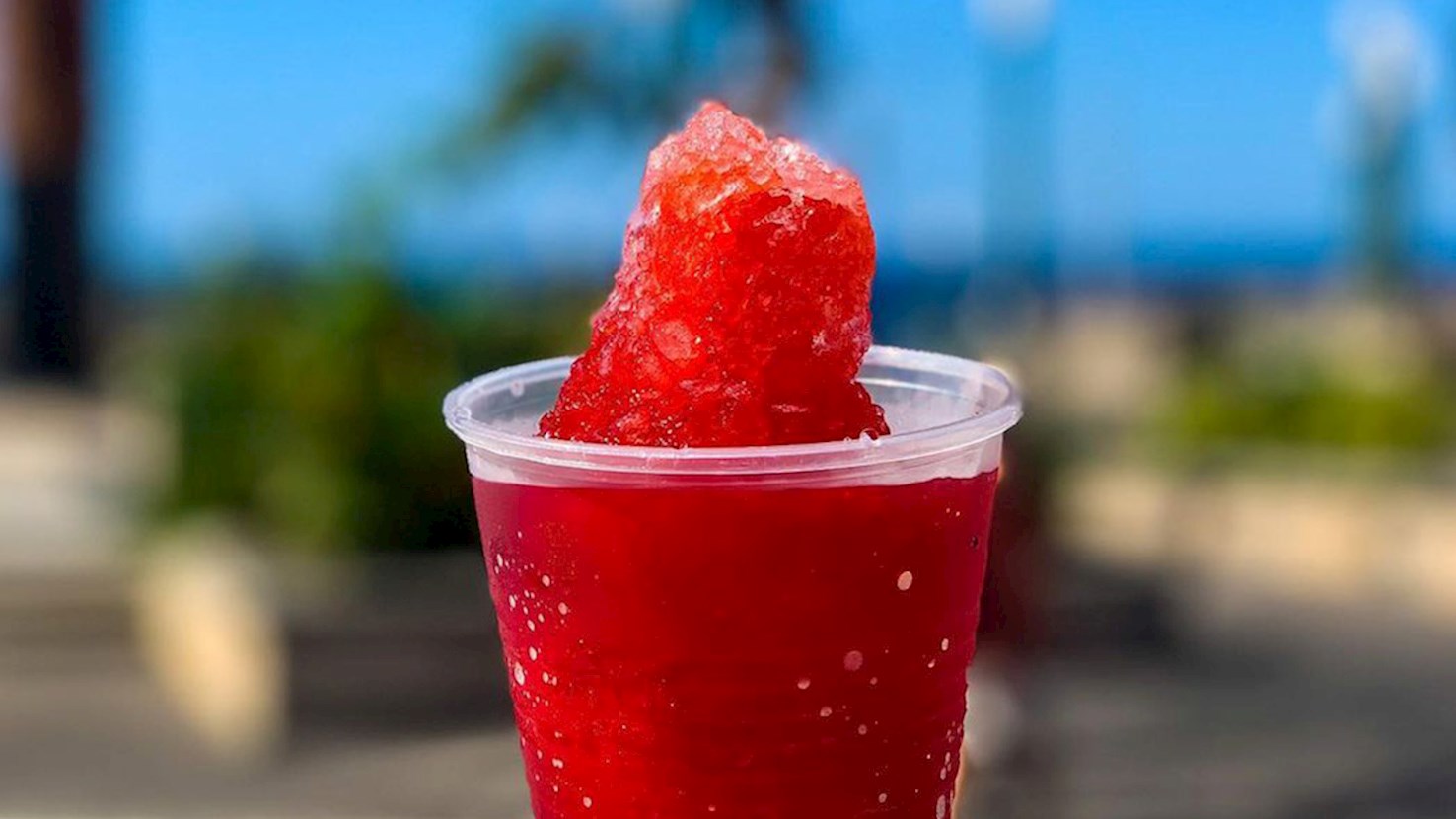
Piragua is a frozen dessert made from hand-shaved ice shaped into a pointed cone and covered generously with flavored syrup. Street vendors known as piragüeros traditionally sell it from small, brightly painted pushcarts carrying a large block of ice, bottles of syrup, and the tools needed to prepare each serving. Piraguas became firmly established in Puerto Rican street life in the early 20th century, although their exact date and place of origin are unknown. By the 1930s, the frozen treat was familiar enough to appear in records of Puerto Rican vocabulary, and the piragüero became a recognizable figure in town squares, neighborhoods, parks, and other busy public spaces. The name is commonly explained as a combination of the Spanish words pirámide, meaning pyramid, and agua, meaning water, referring to the distinctive pointed mound of ice. The word piragua, however, existed in Puerto Rican Spanish long before the dessert and had also been used for a type of canoe and other objects, so the precise development of the dessert's name is not completely certain. Traditionally, a piragüero keeps a solid block of ice inside the cart and shaves its surface by hand with a metal scraper. The resulting ice is finer than crushed ice but generally has more texture than very soft snow-like shaved ice. It is collected in a paper or plastic cup and shaped into the characteristic pointed mound that rises above the rim. Flavored syrup is then poured generously over the ice until it penetrates the shavings and collects toward the bottom of the cup. The syrups are generally made from water and sugar, flavored with fruit, extracts, or other flavorings rather than fresh fruit purée. Tamarind, coconut, passion fruit, guava, lemon, strawberry, and china, the Puerto Rican term for sweet orange, are among the flavors closely associated with piraguas. The syrups are usually brightly colored, though artificial coloring isn't essential to every traditional syrup. Piragua is eaten immediately, before the tropical heat melts the finely shaved ice. As it begins to melt, the syrup combines with the water at the bottom of the cup, producing a cold, sweet liquid that can be sipped through a straw or drunk directly from the cup. The piragüero and his cart are as much a part of the tradition as the dessert itself. Vendors traditionally push their carts through neighborhoods or set up near plazas, beaches, parks, schools, and festivals, shaving each piragua to order from the block of ice. Puerto Rican migration also carried the custom to cities in the mainland United States, especially New York, where piragüeros became a familiar summer presence in Puerto Rican neighborhoods during the 20th century.
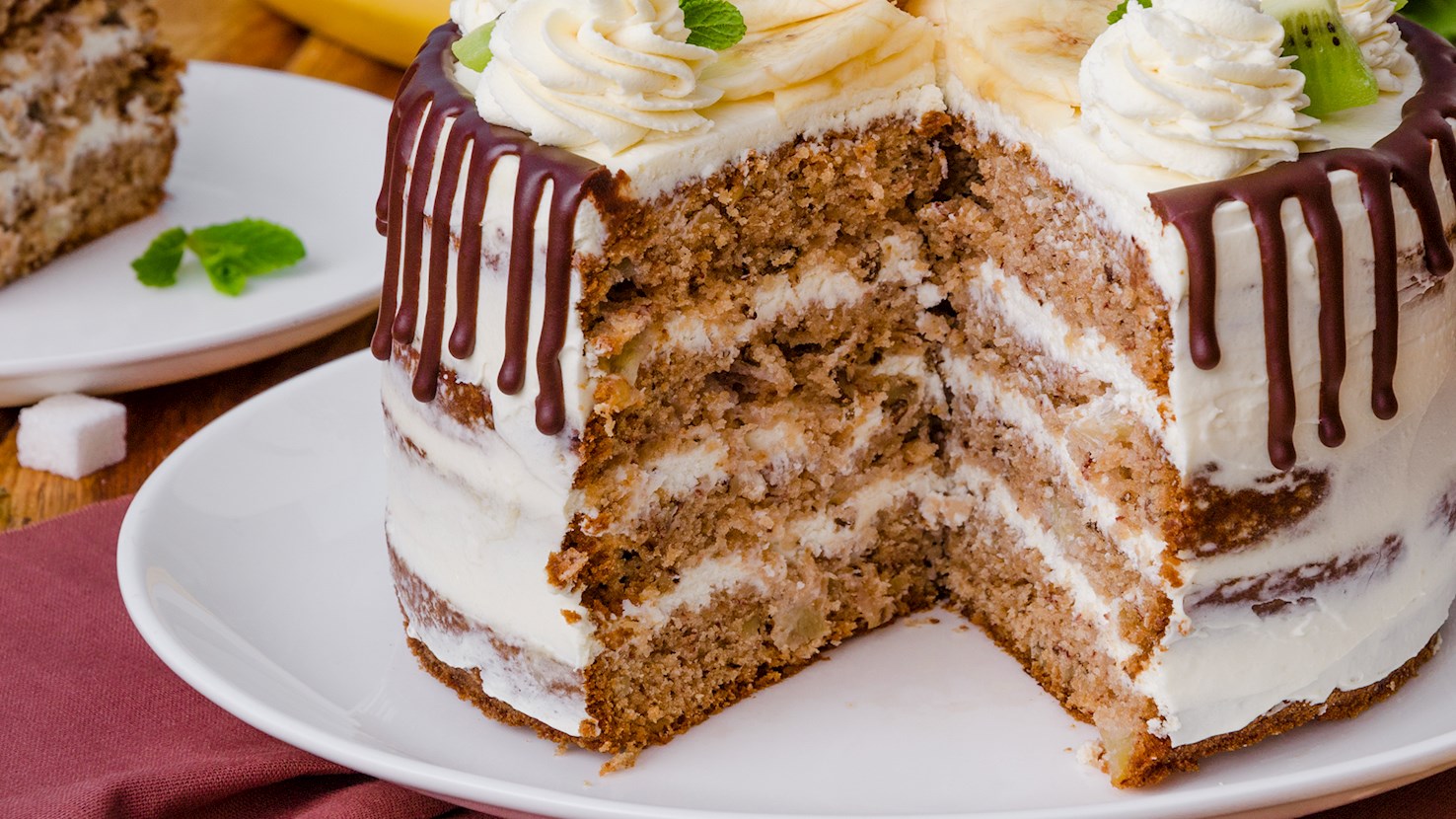
Hummingbird cake is a layered dessert made from mashed bananas, crushed pineapple, vegetable oil, sugar, eggs, and warm spices, commonly finished with cream cheese frosting and chopped pecans. It is widely associated with the American South but originated in Jamaica, where a similar banana–pineapple spice cake was developed using local fruit and pantry ingredients. The earliest version known from Jamaica was called the Doctor Bird cake, named after the island’s national hummingbird, and recipes circulated in community and tourism publications before the cake was adapted by home bakers in the United States. After its introduction to American food magazines in the late 1970s, the cake became established in Southern baking, where it fit easily into a repertoire of moist, fruit-forward cakes that relied on oil rather than butter. Preparation involves stirring together the mashed bananas, pineapple, oil, sugar, eggs, flour, baking soda, cinnamon, and vanilla without creaming or whipping, creating a dense, moist batter that stays tender for several days. The baked layers are cooled and coated with cream cheese frosting, often accompanied by pecans on top or between layers. Some versions use pecans in the batter as well, while others keep them as a garnish. The cake is served at celebrations, gatherings, and potlucks throughout the United States and continues to appear in cafes and bakeries that specialize in American desserts. It is typically eaten as a dessert or with coffee, tea, or iced drinks, and it pairs well with lightly sweet beverages such as sweet tea, cold brew coffee, or mild fruit punches that do not overpower its fruit-and-spice profile.
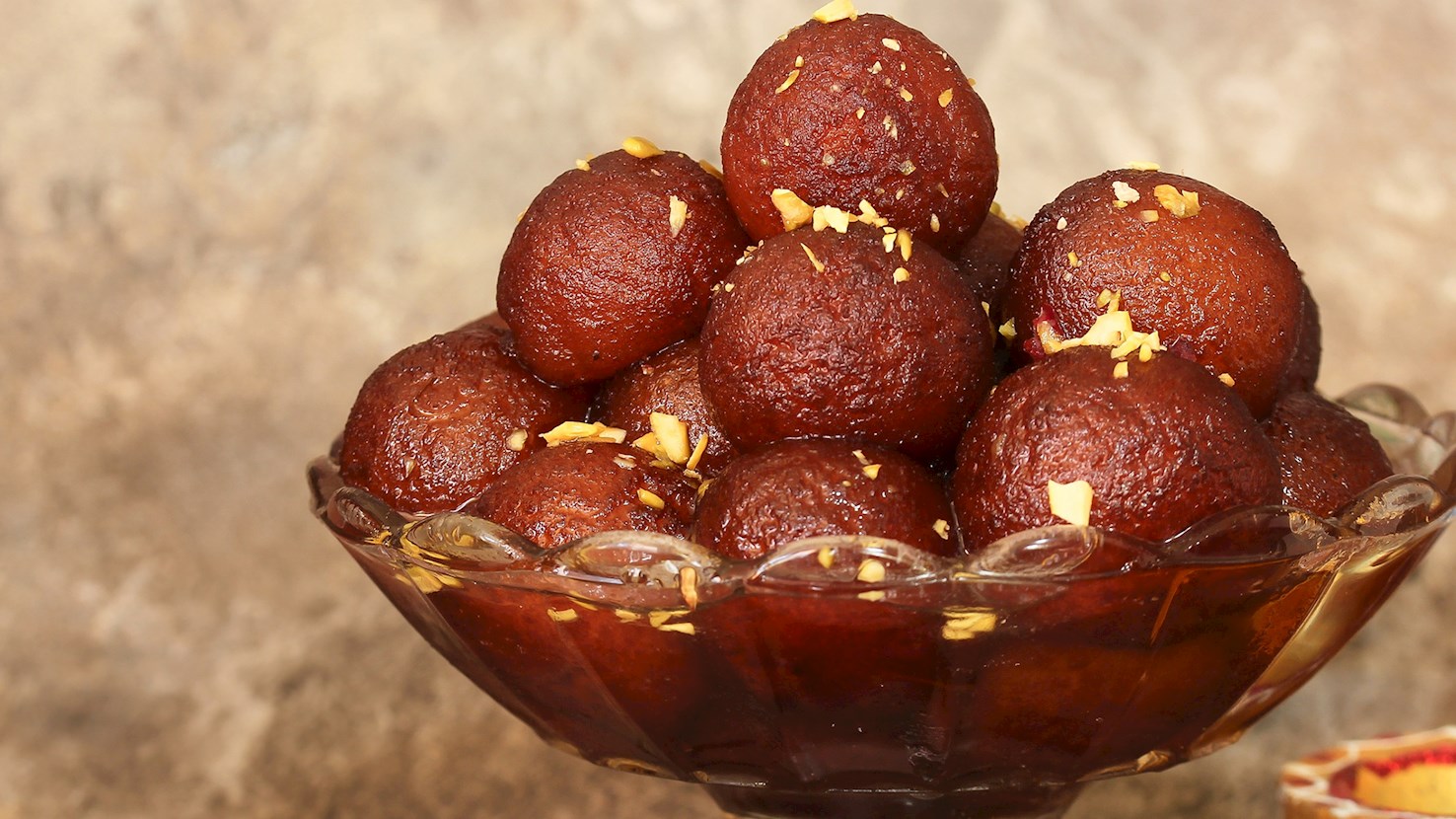
Goolab jamoon (also spelled gulab jamun) is a festive Trini treat that was developed under the influence of Indian cuisine. Milky and sweet, these fritters consist of milk, flour, ghee, water, and ground cardamom. Fried until golden brown and then drained, the fritters are glazed with a sweet syrup consisting of sugar, water, and ginger. Goolab jamoon is especially popular during Diwali, the Hindu festival of lights.
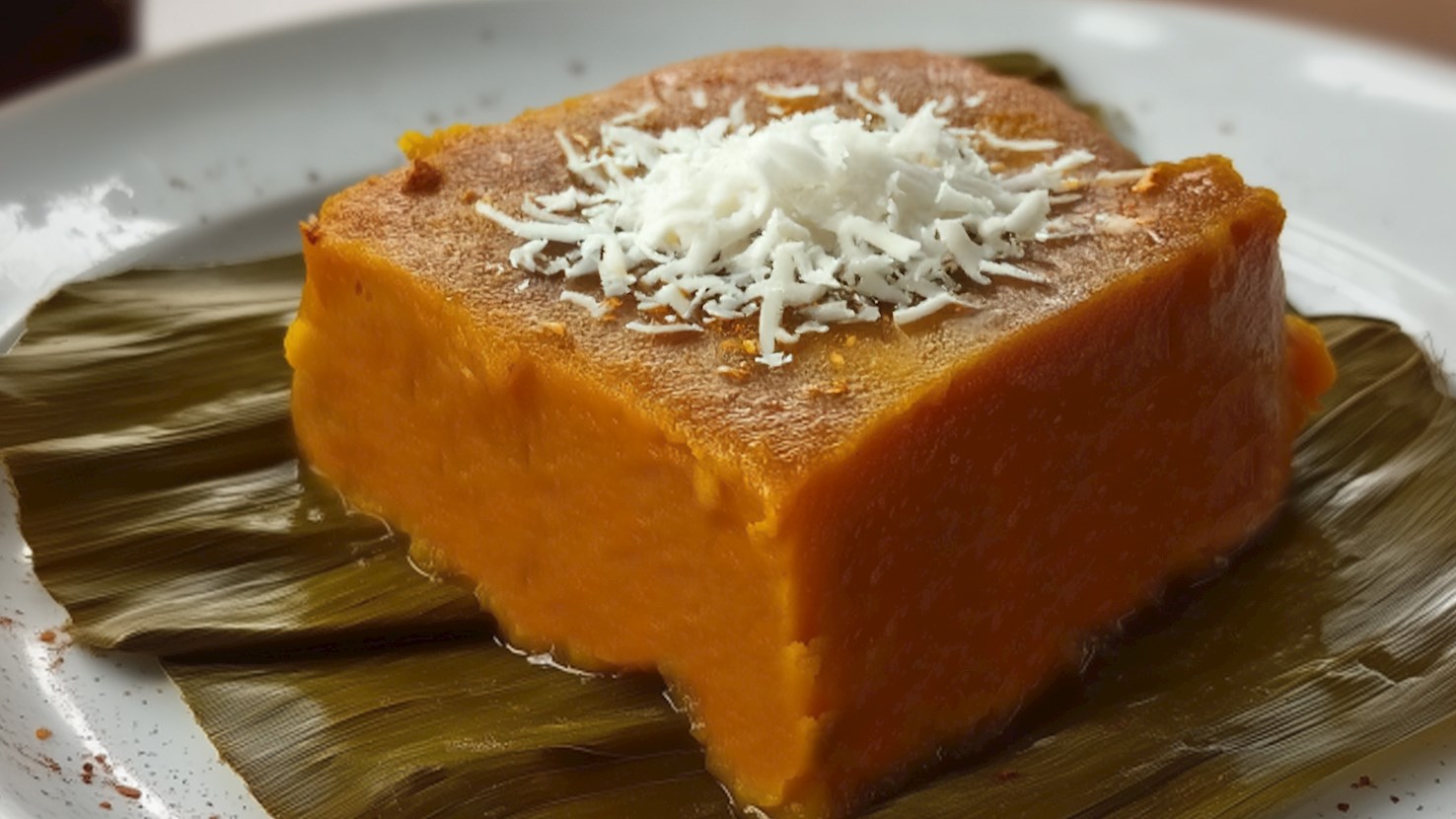
Cazuela is a traditional pie made with a combination of pumpkin, sweet potatoes, and coconut milk. The pie is usually made with full-fat coconut milk, and it is traditionally cooked in a banana leaf. Interestingly, it contains no top crust. In Puerto Rico, cazuela is usually prepared during the festive Christmas season.
TasteAtlas food rankings are based on the ratings of the TasteAtlas audience, with a series of mechanisms that recognize real users and that ignore bot,
nationalist or local patriotic ratings, and give additional value to the ratings of users that the system recognizes as knowledgeable.
TasteAtlas Rankings should not be seen as the final global conclusion about food. Their purpose is to promote excellent local foods,
instill pride in traditional dishes, and arouse curiosity about dishes you haven’t tried.






What People Say