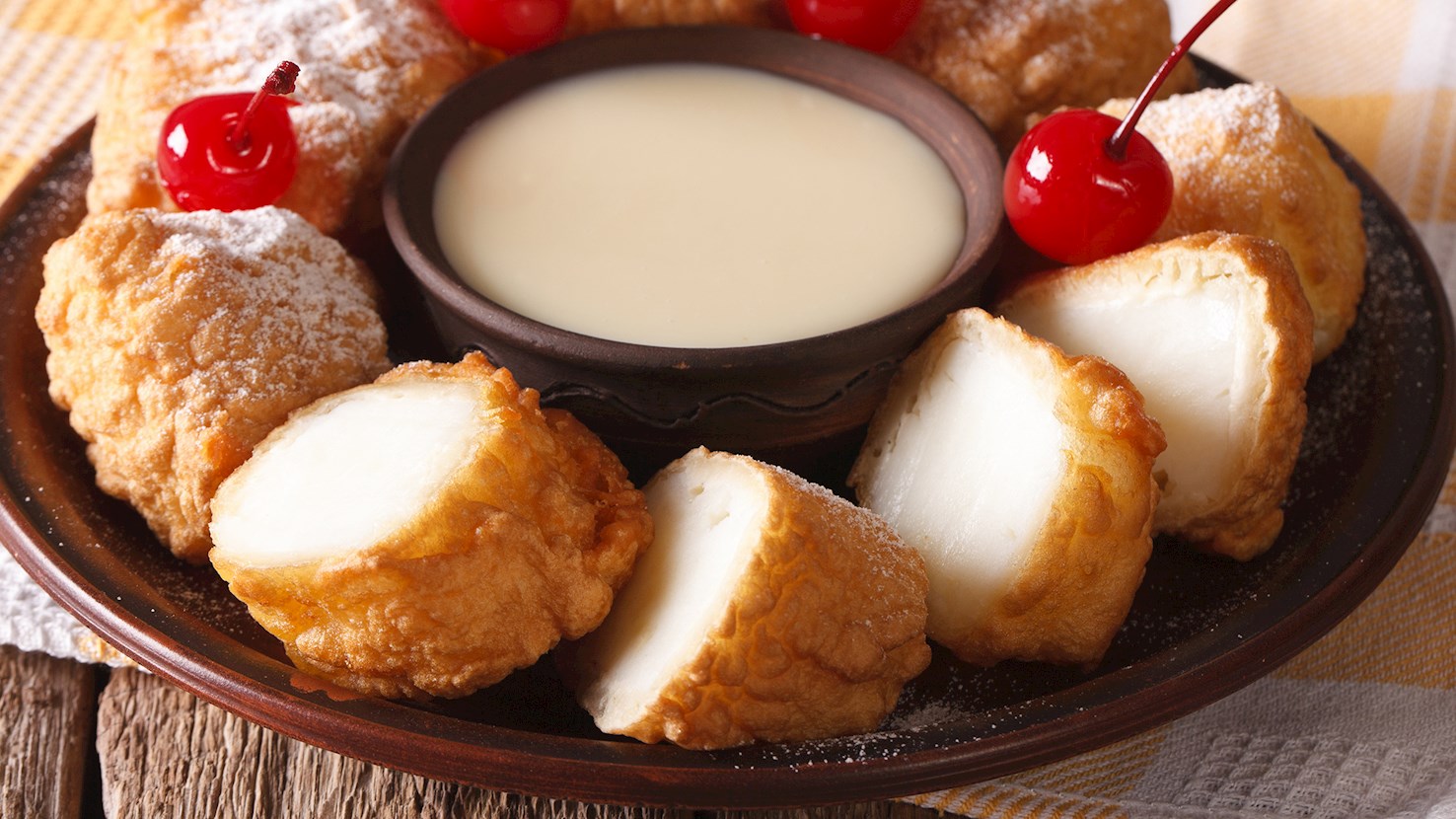
Leche frita is a delicious Spanish dessert consisting of a sweet, firm milk-pudding encased in a crunchy fried shell of eggs and flour. It is made with flour, cornstarch, sugar, milk, eggs, butter, and olive oil. The whole concoction is flavored with cinnamon. Leche frita, meaning fried milk, can be served cold, at room temperature, or hot, ideally with a scoop of ice cream on the side. Although this old dessert has murky origins, it is believed that the first versions were made by nuns who used to sell these treats to help maintain their convents. Nowadays, it is a popular street food item that can also be found in pastry shops and restaurants.
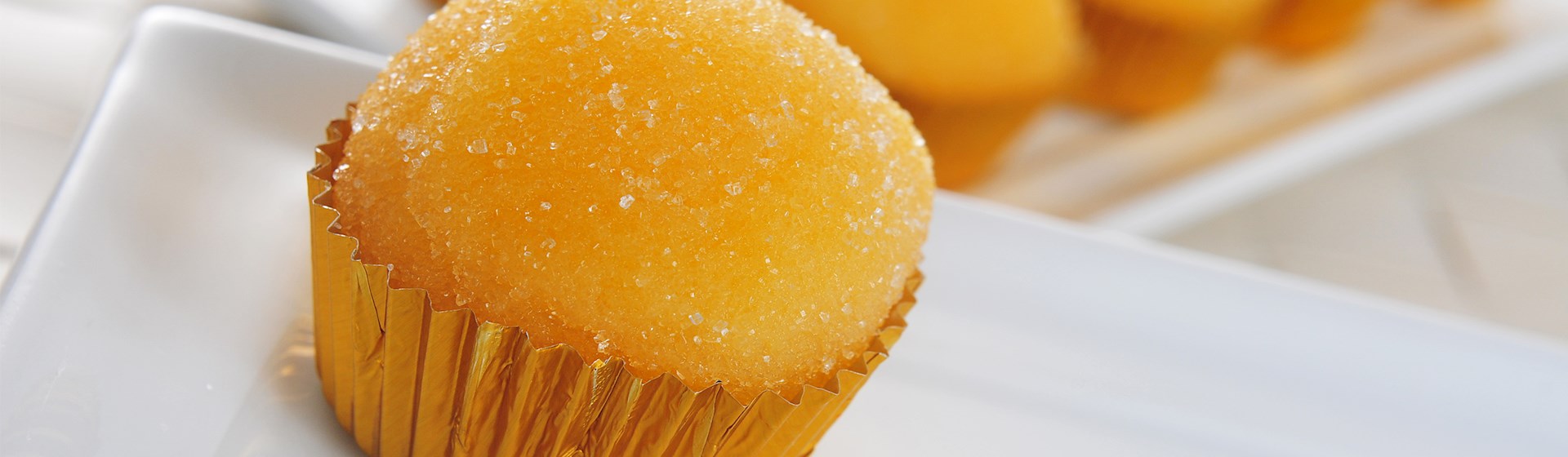
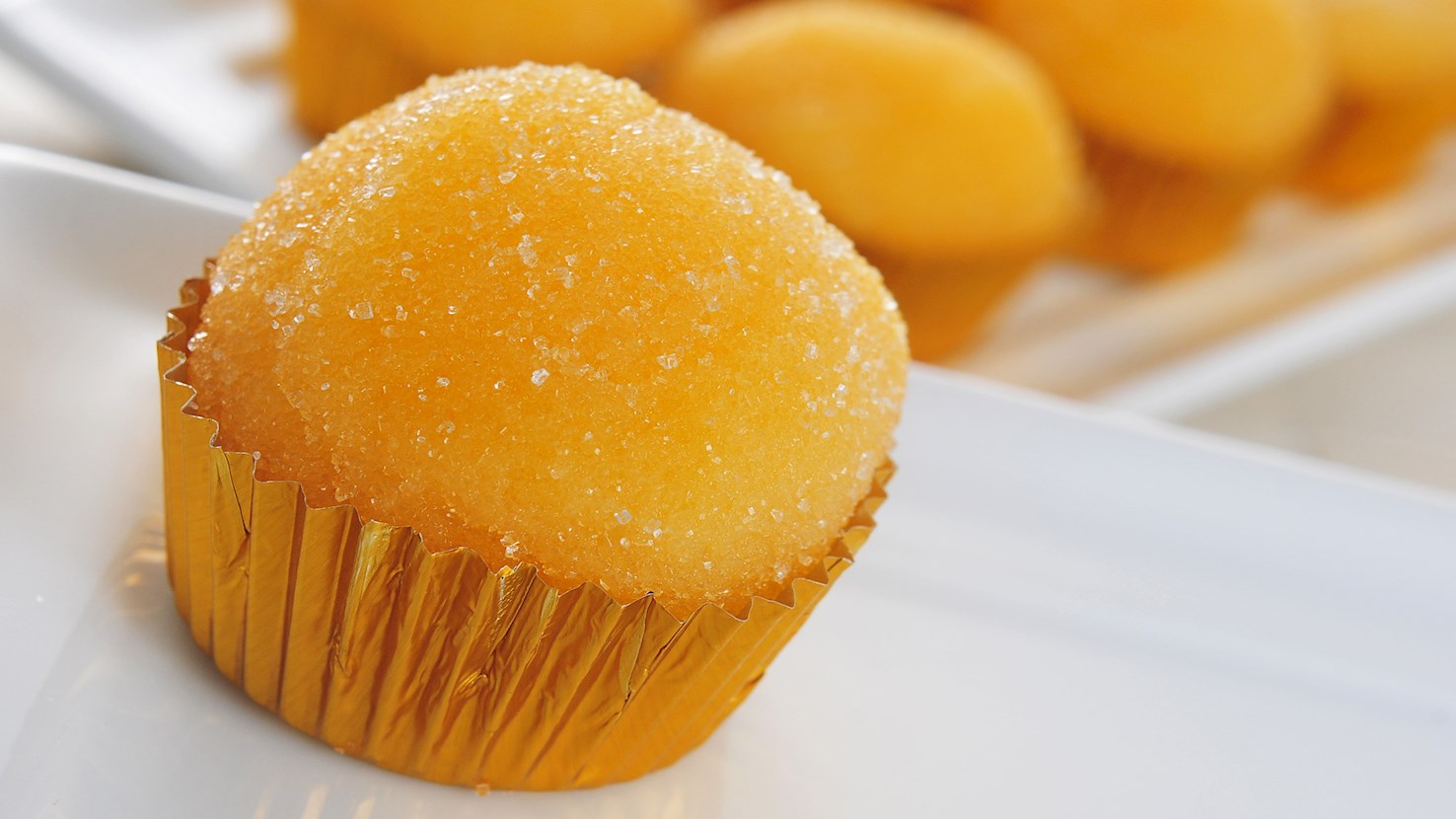
These small orange balls in white confectionery paper are made with egg yolks, sugar, and lemon zest. The rich and creamy dessert is a specialty of Ávila, where it’s traditionally prepared on October 15th, the feast day of St. Theresa, but yemas can also be bought any other day of the year as an edible souvenir.
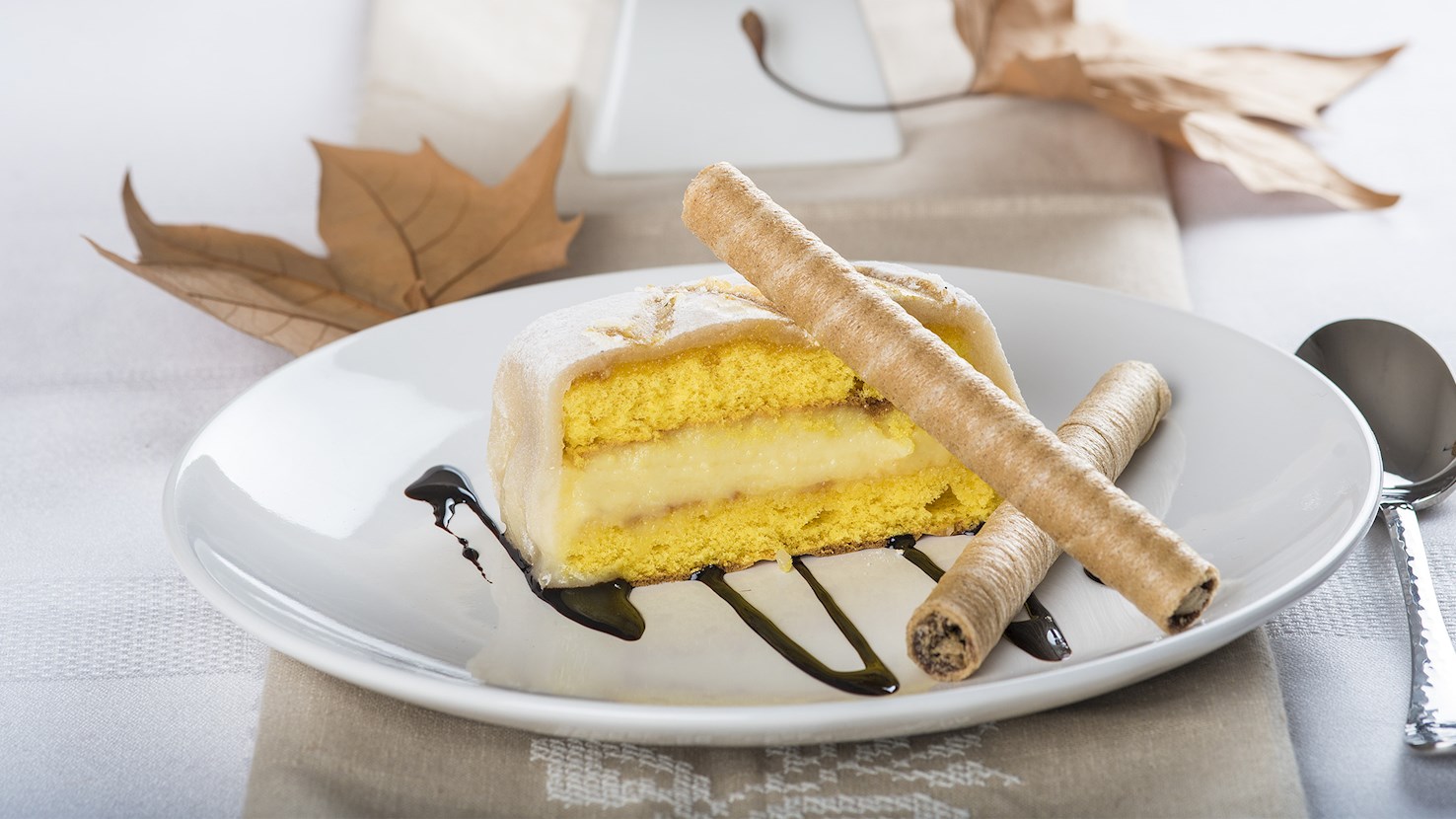
Ponche Segoviano is a traditional cake originating from Segovia. This layer cake looks like a big rectangle of custard and marzipan that are topped with caramelized sugar which is decorated with a criss-cross design. The recipe of the original cake is a patent-protected secret, but it's probably made with a combination of eggs, sugar, milk, flour, lemon peel, cinnamon, and almonds. The cake was invented in 1926 by a confectioner named Frutos García Martín at the El Alcázar cafe. It soon became popular in the town, and King Alfonso XIII (who loved the ponche) told the inventor to take the cake to the Universal Exhibition in Barcelona, where it won the gold medal in 1929.
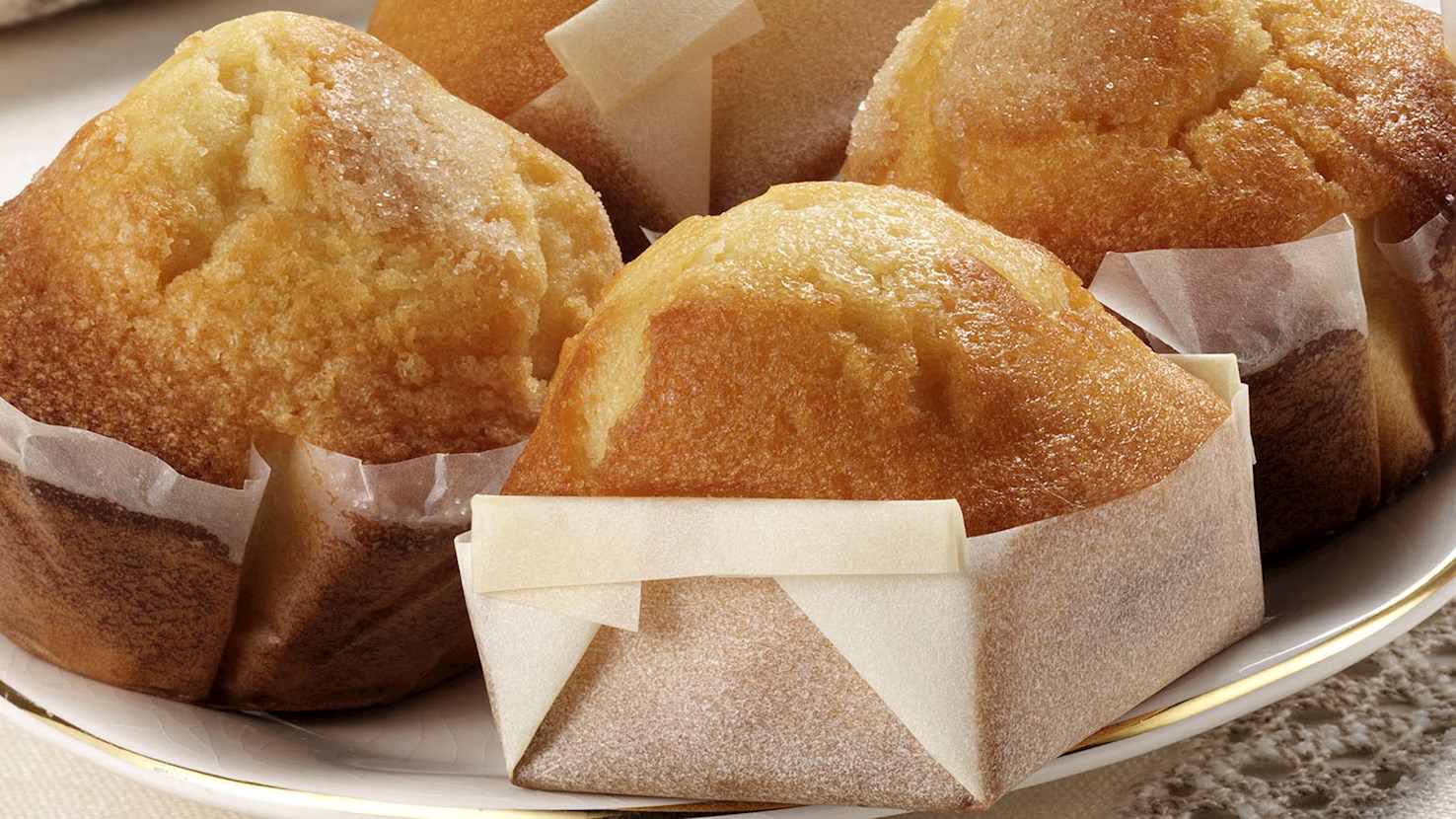
Mantecadas de Astorga is a cake traditionally made in the province of León. It was invented by the pastry chef Juan de la Mata in the 18th century. This sweet cake is made by whisking plain flour, eggs, butter, lard, and sugar, then baking the concoction in the square-shaped, kraft-type paper mold. Mantecadas de Astorga is very sweet and mild in flavor, dominated only by the aromas of butter and eggs. These small cakes usually weigh between 25 to 30 grams and are 5 cm long in diameter. This traditional recipe has been an inspiration for many modern versions, many of which use olive oil in place of butter and are enriched with subtle aromas of vanilla or spices.
Tarta San Marcos is a layered sponge cake from the city of León in northwestern Spain, known for its airy texture, rich cream filling, and distinctive caramelized egg yolk topping. It holds a special place in Spanish pastry-making and is frequently served at celebrations, family gatherings, and festive occasions. The cake’s story begins in the 12th century, when Infanta Sancha Raimúndez of León visited the convent of San Marcos, one of the city’s most remarkable architectural sites and an important stop for pilgrims traveling along the French Way to Santiago de Compostela. The convent, originally dedicated to caring for pilgrims known as the “poor of Christ,” benefited greatly from the Infanta’s patronage, and in gratitude, the resident monks created a special dessert in her honor. This confection evolved into what is now known as tarta San Marcos, a cake that not only celebrated her contributions but also symbolized the region’s hospitality toward travelers. Over the centuries, it became one of the most renowned cakes in Spanish pastry, maintaining its prestige and association with special occasions. The preparation of tarta San Marcos begins with a soft sponge cake made with eggs, sugar, and flour, which forms the base and is typically divided into layers once cooled. Each layer is brushed lightly with syrup, sometimes scented with liqueur, to keep the cake moist and fragrant. Between the layers, a whipped cream filling is added. Sometimes a portion of it will be flavored with cocoa, creating two layers of whipped cream. Once assembled, the uppermost layer of sponge cake is covered with a mixture of egg yolks and sugar cooked into a smooth custard, which is then caramelized to form a glossy, golden crust. The sides and top of the cake will be decorated with swirls of whipped cream, and sometimes sliced almonds will be added to the sides. Tarta San Marcos is typically served cold, cut into slices, and often serves as the centerpiece of celebrations such as birthdays, weddings, or holiday meals. It pairs well with sweet dessert wines like Moscatel or Pedro Ximénez, which enhance its richness, or with strong coffee to provide contrast.
TasteAtlas food rankings are based on the ratings of the TasteAtlas audience, with a series of mechanisms that recognize real users and that ignore bot,
nationalist or local patriotic ratings, and give additional value to the ratings of users that the system recognizes as knowledgeable.
For the “Top 5 Castilian-Leonese Desserts” list until May 15, 2026, 122 ratings were recorded, of which 92 were recognized by the system as legitimate.
TasteAtlas Rankings should not be seen as the final global conclusion about food. Their purpose is to promote excellent local foods,
instill pride in traditional dishes, and arouse curiosity about dishes you haven’t tried.