

shutterstock

Top 3 Chugoku Desserts

Last updated on May 15, 2026
01

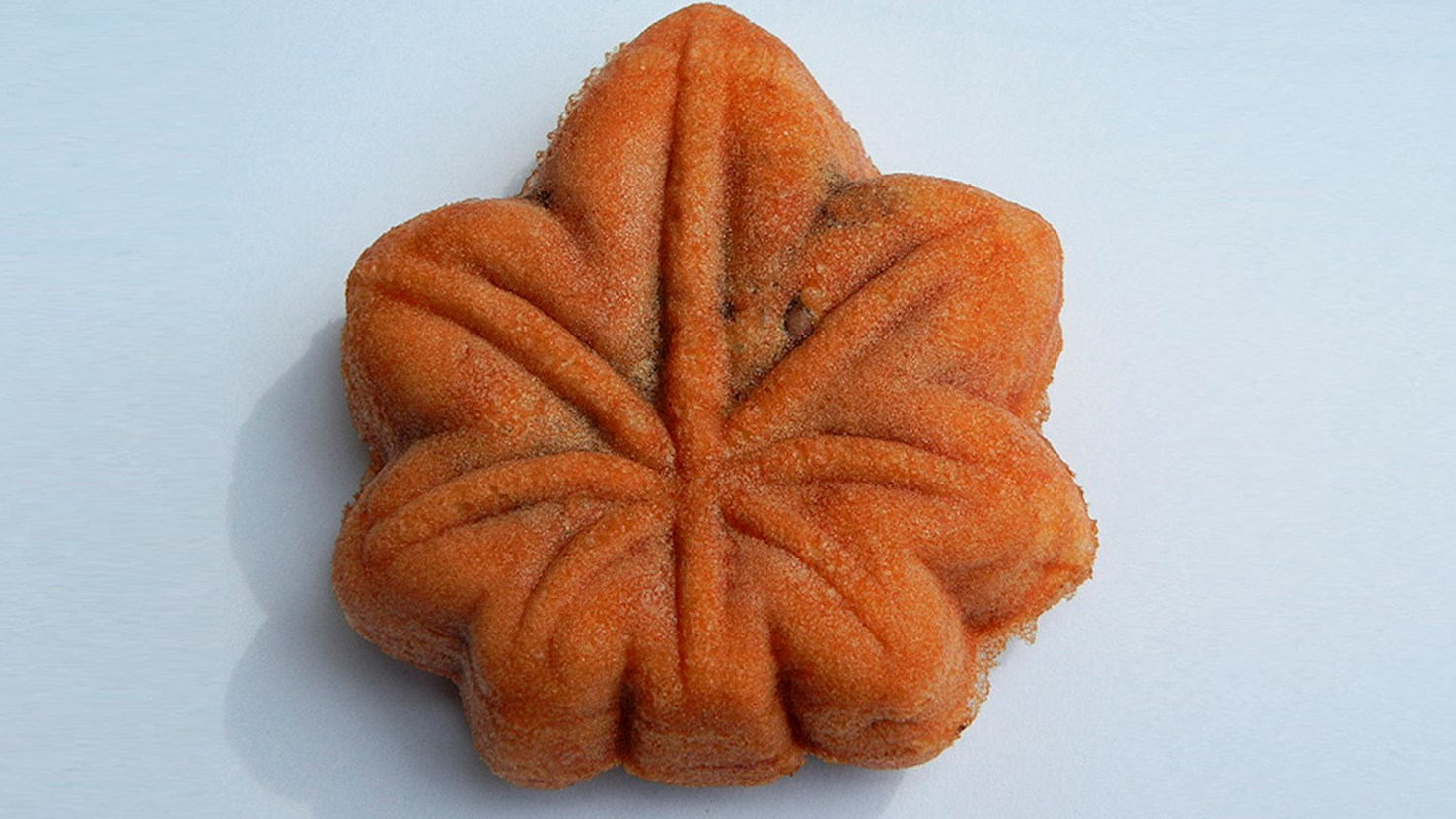
Momiji manjū

3.6 ·

Invented in Miyajima (Itsukushima) in the early 20th century, momiji manjū are Japanese sweet cakes filled with red bean paste. The dough is typically made with wheat, eggs, sugar, and honey. This manjū variety is characterized by its maple leaf shape, which represents Momijidani – a famous spot in Hiroshima for looking at maple leaves. Nowadays, this treat has many variations, so it can also be flavored and filled with custard cream, green tea, chocolate, or cream cheese, while some makers even batter the completed momiji, then deep-fry it.

02

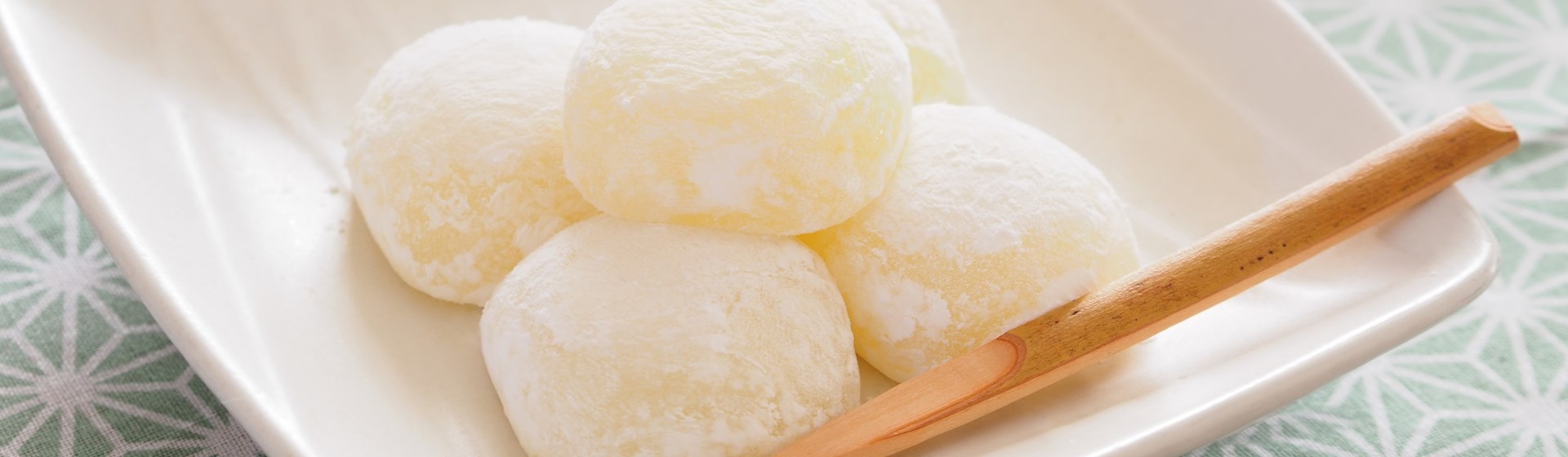
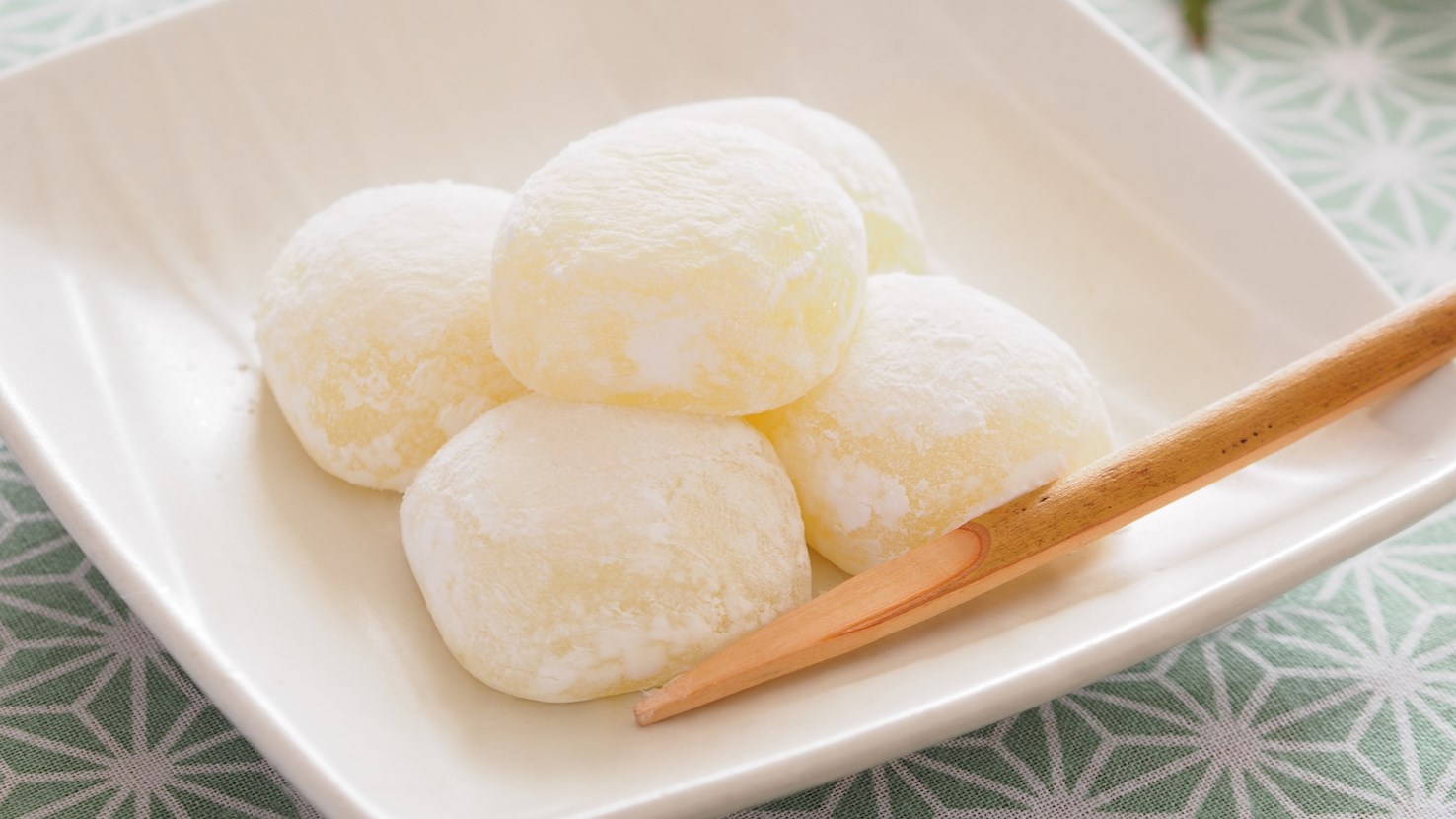
Kibi dango

3.3 ·

Kibi dango are simple Japanese sweets that are deeply rooted in Japanese culture. They consist of sticky dough that combines rice and millet flour, and the combination is then shaped into large round balls. Their history is intertwined with Okayama, where they were first offered as gifts at the Kibitsuhiko jinja shrine. A bit later, in the mid-19th century, local merchants started selling kibi dango as simple everyday sweets. In the late 19th century, when Okayama became an appealing tourist destination, the sweets were marketed as an authentic local souvenir. From their original form that included a square-shaped wrapper and a red bean filling, kibi dango were transformed into round balls that contained no fillings. In addition to that, the local merchant who invented the new kibi dango also connected them to the famous folk tale of Momotarō. According to the story, the hero Momotarō gave kibi dango to his companions, and the sweets gave them enough strength to defeat the demons. Since then, the confectionery has become the signature sweet of Okayama. Nowadays, they come in numerous flavors such as peach or wine, and are available at many specialized shops.

03

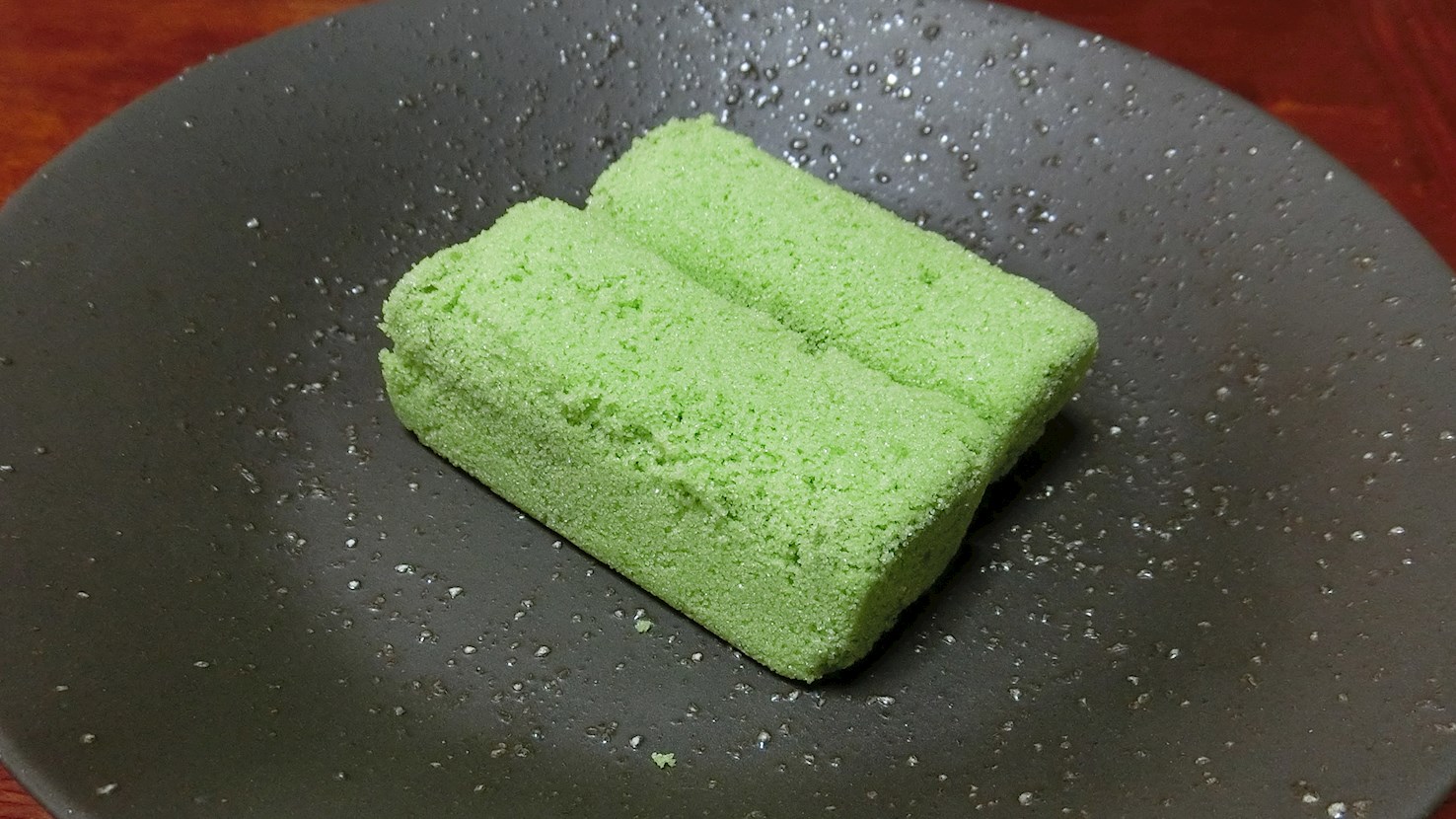
Wakakusa

n/a ·

This Japanese wagashi is produced in Matsue, and it consists of a rectangular rice cake that is dusted with a green-tinted combination of sugar and rice powder. The cakes are soft and light, and the rice used in its production is still milled the traditional way. Although it is said that wakakusa has an ancient origin, its modern revival happened in the 1890s. The treat is traditionally served as an accompaniment to green tea, and it is usually associated with springtime.

Read more
View all
View map
About this ranking

TasteAtlas food rankings are based on the ratings of the TasteAtlas audience, with a series of mechanisms that recognize real users and that ignore bot, nationalist or local patriotic ratings, and give additional value to the ratings of users that the system recognizes as knowledgeable. For the “Top 3 Chugoku Desserts” list until May 15, 2026, 40 ratings were recorded, of which 31 were recognized by the system as legitimate. TasteAtlas Rankings should not be seen as the final global conclusion about food. Their purpose is to promote excellent local foods, instill pride in traditional dishes, and arouse curiosity about dishes you haven’t tried.

Similar lists