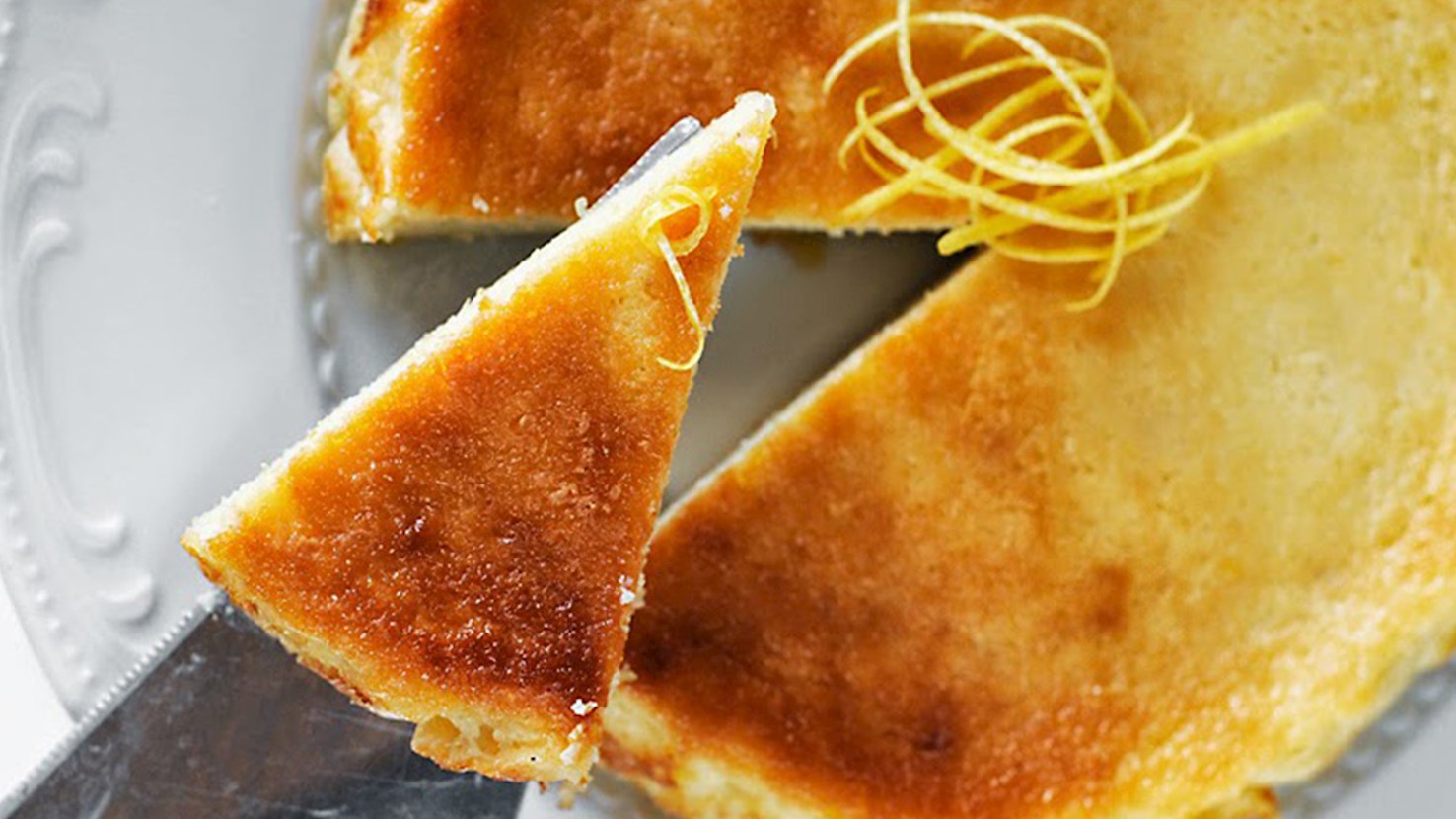
Often dubbed as the Corsican take on cheesecake, fiadone is a traditional dessert prepared with brocciu (fresh whey cheese made from goat's or ewe’s milk), eggs, sugar, lemon zest, and lemon juice. Occasionally, oranges are used instead of lemons, and the base can be enriched with local liqueurs. The cake was once a staple dish for various special occasions and a typical dessert prepared during the holiday seasons, but nowadays it is enjoyed throughout the year. It can be served on its own, drizzled with honey, or accompanied by fruit preserves or fresh fruit. The Corsican fiadone closely resembles similar Italian desserts which are predominantly made with ricotta.
Hailing from Corsica, these traditional shortbread cookies typically consist of flour, sugar, white wine, and flavorings such as anise or lemon zest. Canistrelli are double baked, and because of that they are incredibly crispy and have a long shelf life. The cookies are commonly enjoyed for breakfast, when they are usually paired with hot beverages, but canistrelli also make an excellent sweet snack when paired with white wine.
Falculelle are small, round sweet cakes made with fresh brocciu cheese, eggs, sugar, and optionally a bit of flour, often flavored with lemon zest and a splash of eau-de-vie. Their development stems from Corsican cooking where brocciu, a whey cheese made from sheep or goat milk, was used in many desserts, and in the town of Corte these cakes became especially associated with local markets and household kitchens long before widespread commercial baking. Preparation begins with well-drained brocciu that is crumbled or beaten until smooth, then mixed with sugar, whole eggs and sometimes flour to adjust firmness; lemon zest and a small amount of eau-de-vie are added to the mixture for aroma, and large spoonfuls of this batter are placed on sheets of dried chestnut leaves or parchment, then baked until set and pale golden in color. Variations include slight adjustments in the ratio of brocciu to eggs and sugar, the addition of more citrus zest, or a brushing of egg yolk and sugar for a glossier finish. Falculelle are eaten warm or at room temperature as a dessert or a sweet snack, typically served on their own or lightly dusted with powdered sugar, and they pair well with black coffee, mild herbal teas, or a glass of Muscat from Corsica.
Fritelli are small doughnuts or fritters from Corsica, France, made either from wheat flour or chestnut flour, that can be sweet or savory. They originated when chestnut flour became a staple resource on the island, especially after the nuts were dried slowly over green wood fires, then ground into flour for breads and fritters; over time fritelli became a common home-baked item for festive meals and village gatherings. The preparation begins by mixing flour (either wheat or chestnut), eggs, sugar, a little salt, and water or milk into a smooth dough, flavored with lemon or orange zest, often including alcohol like brandy, which is then shaped into small rounds and fried in hot oil until puffed and golden; some versions are filled or topped—such as fritelli di casgiu frescu made with fresh Corsican cheese (brocciu) or fritelli di salciccia containing sausage. Variations include using wheat flour for a lighter texture or chestnut flour for a richer, nutty flavour, adding raisins or candied citrus peel in the dough, or topping the fried rounds with coarse sugar. A distinctive feature of fritelli is that the chestnut-flour variety links directly to the island’s long-standing chestnut-based food culture and the use of humble ingredients turned into sweets for seasonal celebration. Fritelli are eaten warm or at room temperature during carnival, family meals and village fêtes, often served with coffee, sweet wine or a glass of local muscat, and they also work alongside tea or hot chocolate as a pleasant snack.
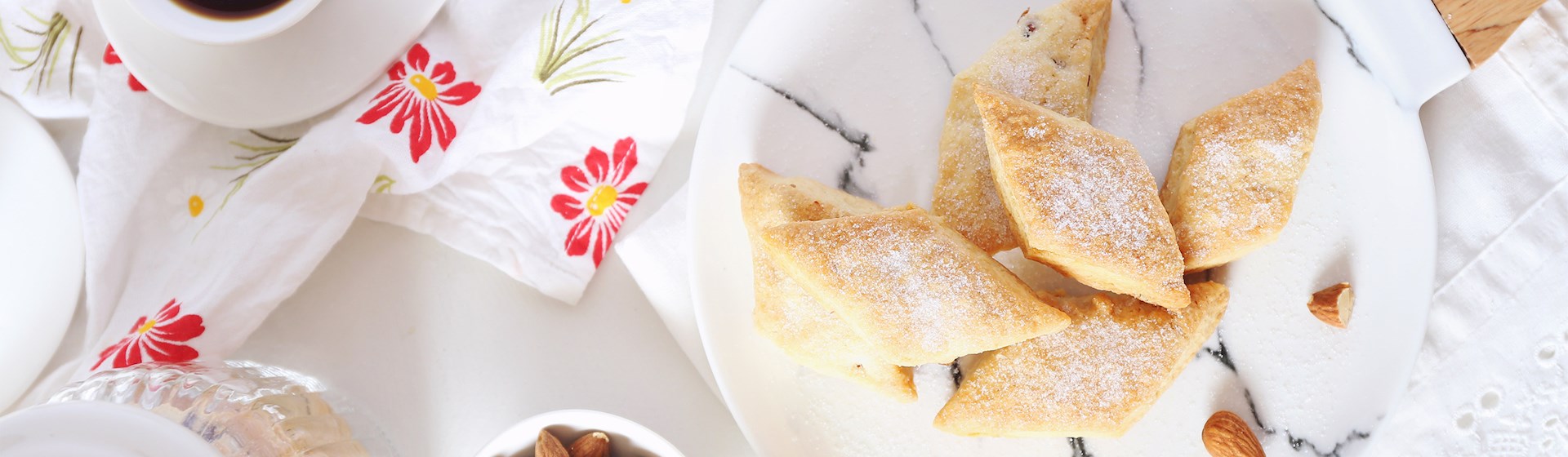
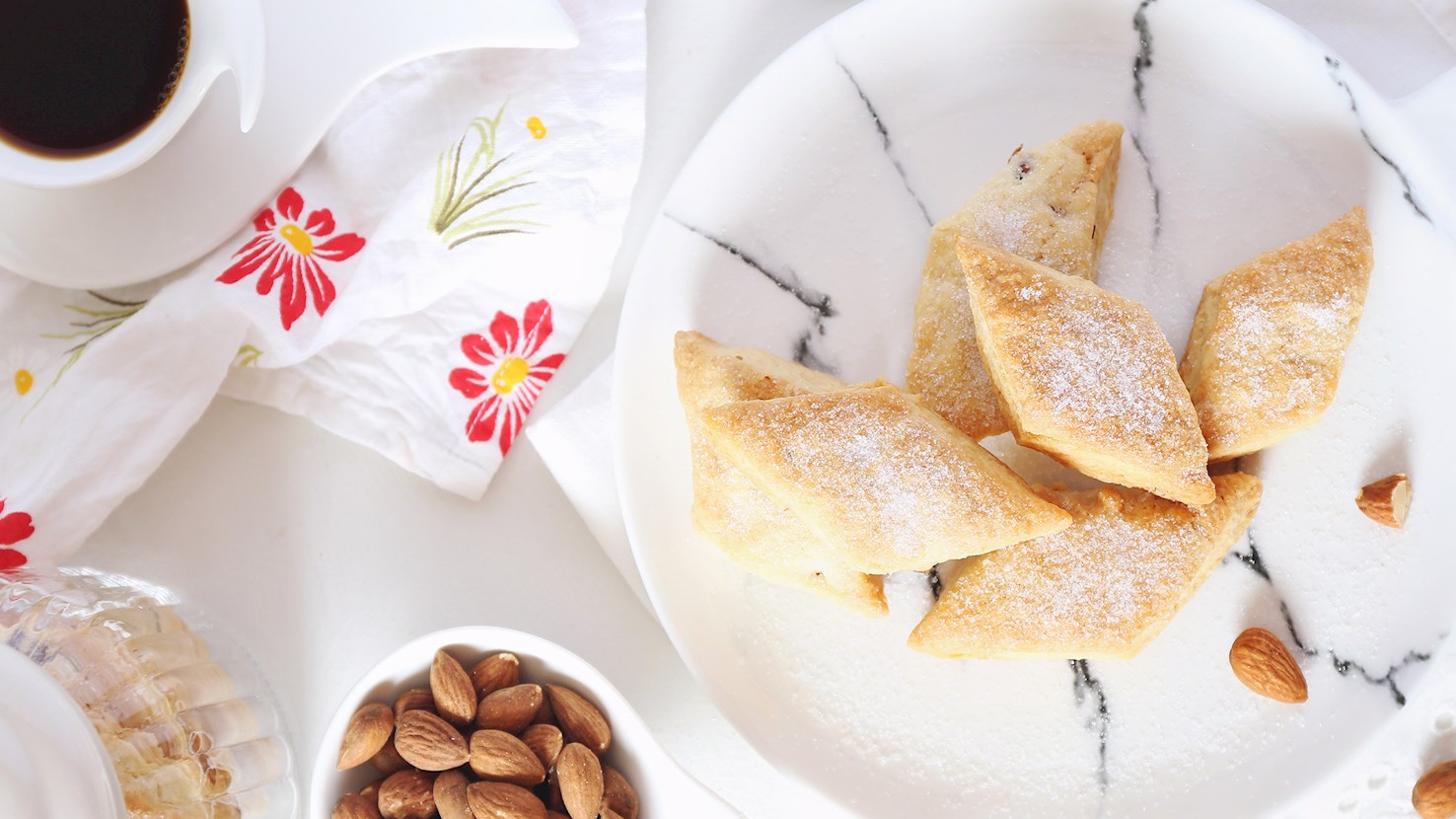
Cucciole are traditional biscuits originating from Corsica. They're made with a combination of flour, sugar, baking soda, olive oil, white wine, and brandy. The crumbly dough is cut into thick diamonds, and it's then sprinkled with powdered sugar and baked until golden brown and crunchy. It's recommended to let cucciole cool down once they're out of the oven. Later on, the cookies are typically served on their own or with a cup of hot coffee. If desired, cucciole can be stored in an airtight container so that they last longer.
TasteAtlas food rankings are based on the ratings of the TasteAtlas audience, with a series of mechanisms that recognize real users and that ignore bot,
nationalist or local patriotic ratings, and give additional value to the ratings of users that the system recognizes as knowledgeable.
For the “Top 5 Corsican Desserts” list until June 15, 2026, 41 ratings were recorded, of which 29 were recognized by the system as legitimate.
TasteAtlas Rankings should not be seen as the final global conclusion about food. Their purpose is to promote excellent local foods,
instill pride in traditional dishes, and arouse curiosity about dishes you haven’t tried.