shutterstock

Top 77 Croatian Desserts

Last updated on May 15, 2026

Best Croatian Desserts
01

Krafne

4.1 ·

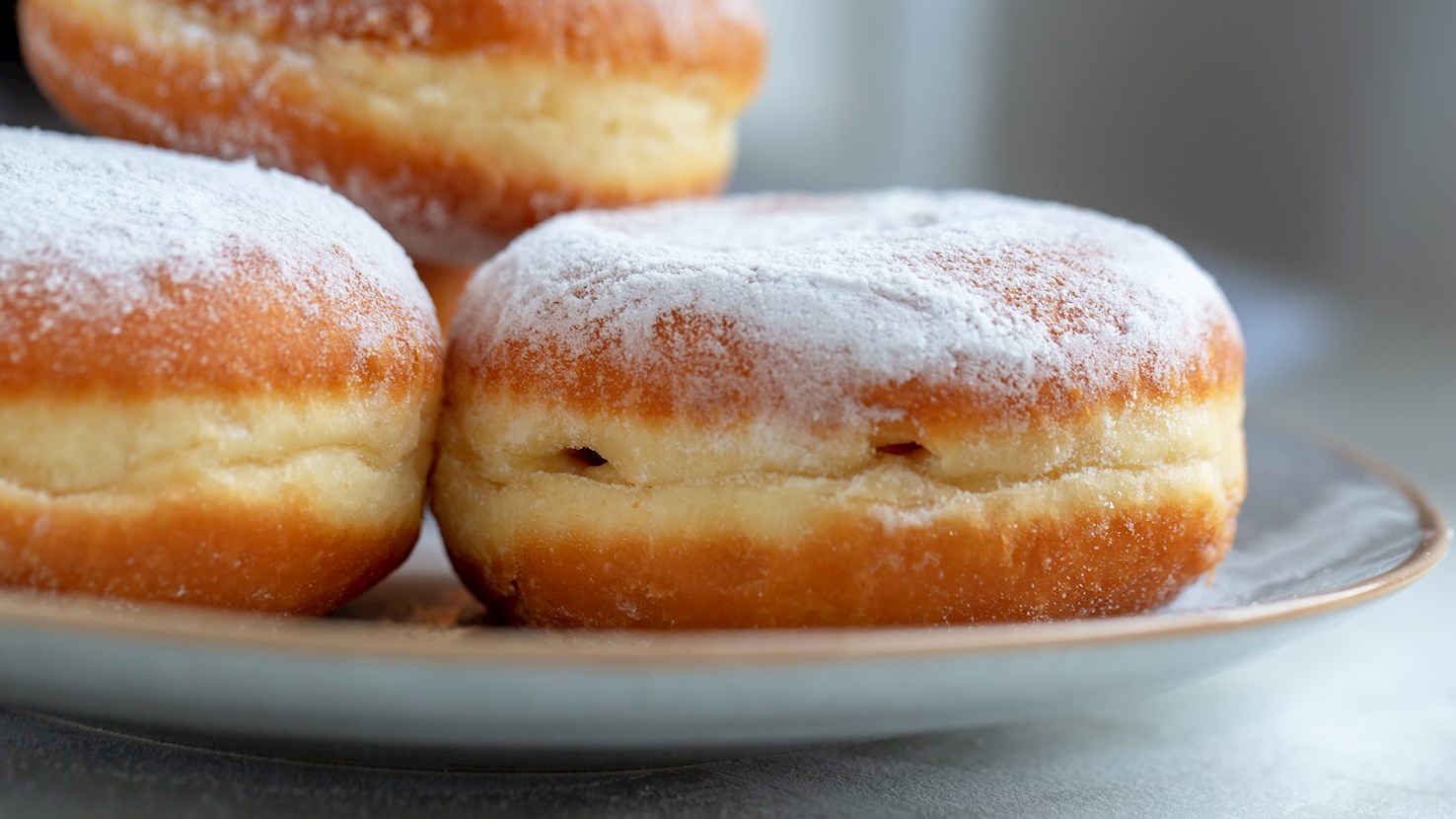
Krapfen was probably the first European-style doughnut to appear, followed by similar varieties in other countries. These pastries are traditionally prepared with leavened dough that is deep-fried until golden and crispy on the outside, while they remain soft, light, and airy on the inside. Though krapfen can be prepared plain, they are most often filled or topped with jams, and vanilla or chocolate custards, while the top is usually dusted with powdered sugar or drizzled with chocolate. The origin of the word krapfen dates back to 9th century, and the recipes in German can be found as early as the 14th century. The sweet versions of the pastry became predominant, and have remained closely associated with the Carnival, a festive period which precedes Christian Lent. Interestingly, during the Carnival, one krapfen in a batch filled with jam and fruit preserves might contain a filling of mustard as a prank. It is believed that doughnuts spread throughout many central European countries, which adopted the technique but used different regional names. Consequently, krapfen in Germany goes under Berliner, pfannkuchen, faschingskrapfen, krebbel, or kreppel. In Poland, they are known as pączki or krepel, Hungarians refer to them as fánk, Slovak as šišky, while the Czechs use the term koblihy. In Slovenia, they are better known as krofi, while the standard name throughout Croatia, Bosnia, and Serbia is krofne or krafne. In St. Petersburg, Russia, the doughnuts are known as pyshki (either ring-shaped or without a hole), and there is a local café that has been serving pyshki prepared from the original recipe since the 1960s.

Best restaurants
02

Ruske kape

4.1 ·

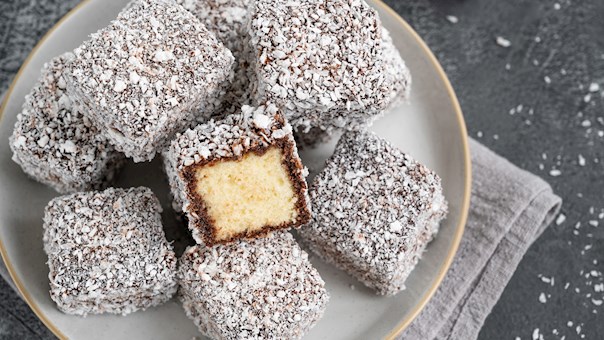
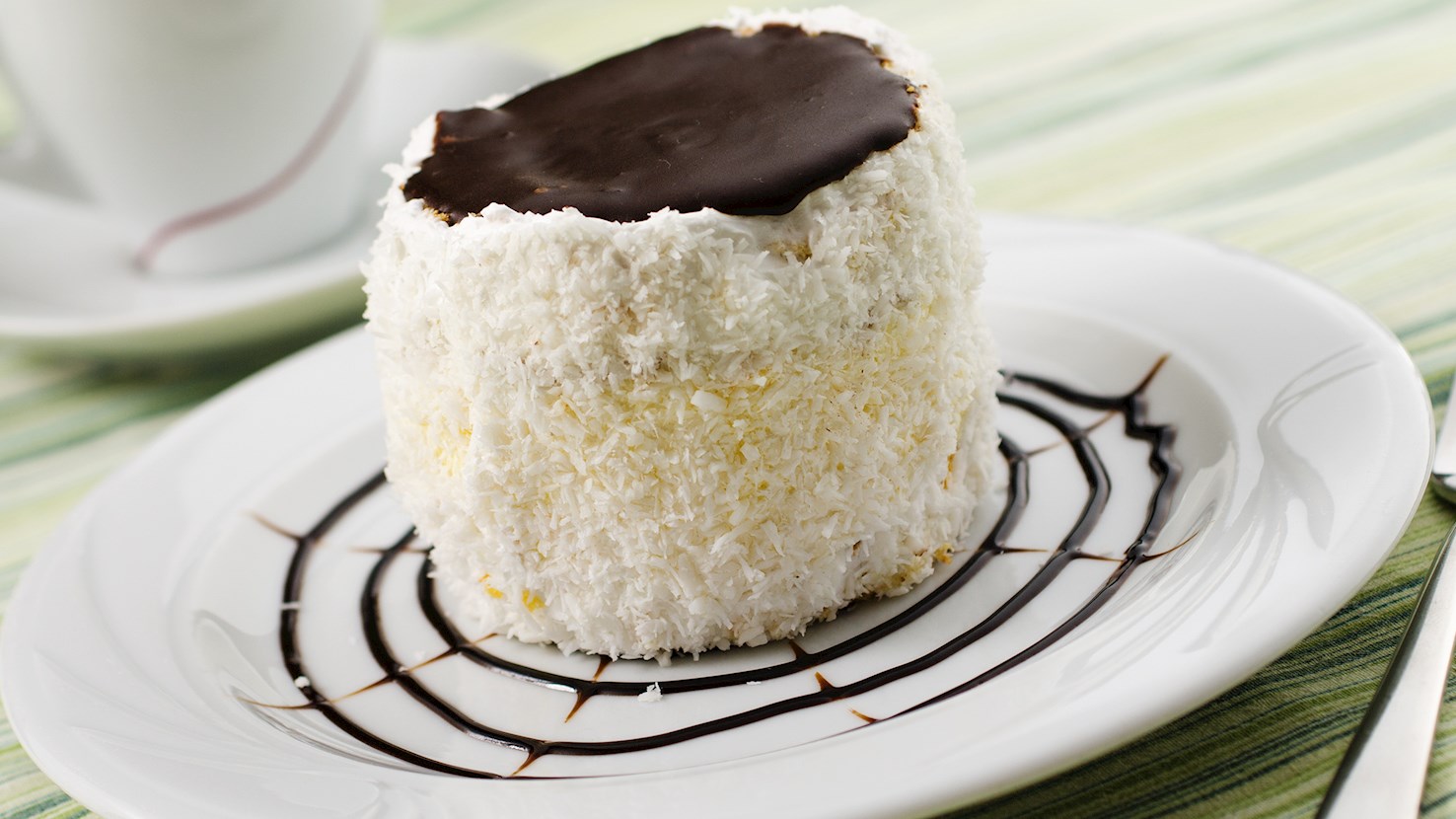
Ruske kape or šubarice is a dessert that is especially popular in Balkan countries such as Bosnia, Serbia, and Croatia. The base is made with eggs, sugar, flour, and baking powder. It is traditionally filled with vanilla custard, chocolate, or both. The outer edges are then covered with chocolate, and the whole concoction is rolled in desiccated coconut on the sides. It is recommended to serve ruske kape well-chilled.

03

Šnenokle

3.9 ·

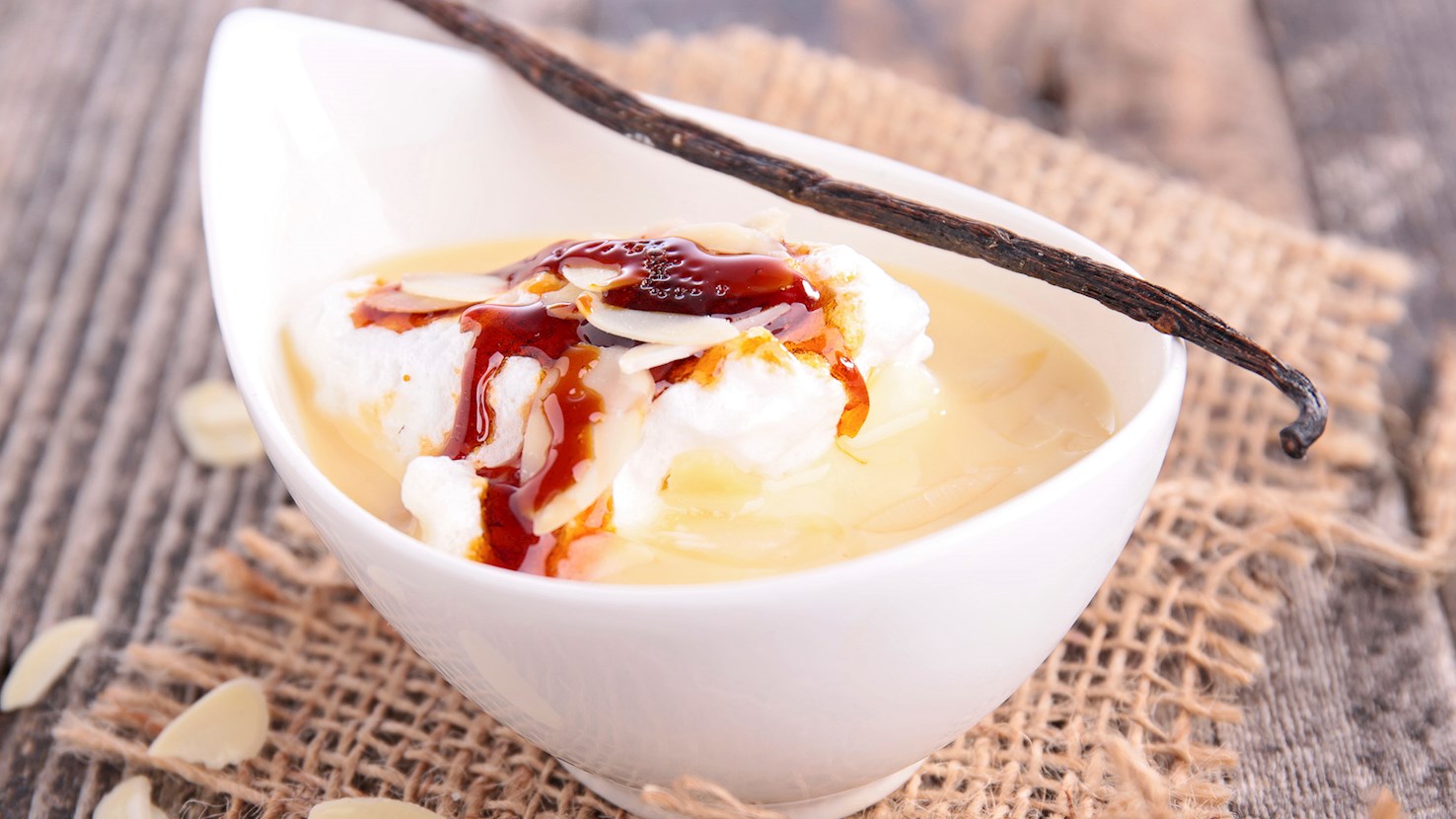
Île flottante or floating island is a popular dessert originating from France, consisting of meringues that are poached in vanilla custard and often topped with caramel sauce and toasted almonds. The meringues are usually made from whipped egg whites, sugar, and vanilla extract. This classic dessert is one of the staples of French comfort food, although it is popular internationally, sometimes with small tweaks and variations, in countries such as Austria (Schneenockerln), Hungary (Madártej), Croatia and Serbia (šnenokle), and Italy (uova di neve). In France, it is usually served in bistros, canteens, and hip restaurants. Although it is an extremely popular dessert, its inventor still remains unknown. Light, fluffy, and low in fat, floating island is believed to taste the best when served cold (or in some cases, at room temperature) after a big meal, although it can be consumed on its own, as a tasty mid-day treat.

04

Fritule

3.9 ·

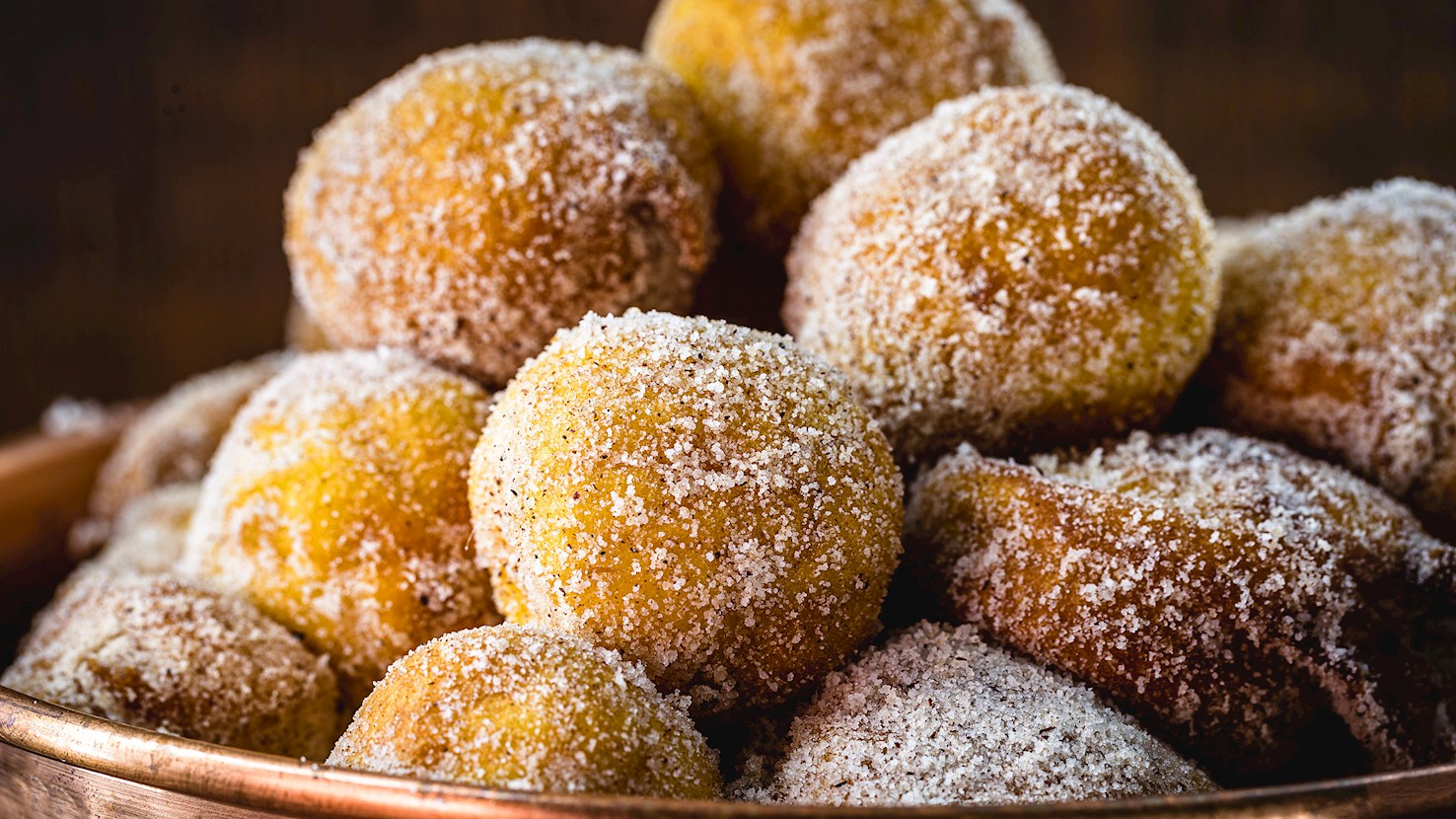
Fritule are traditional Croatian version of sweet, round fritters. They are prepared with a basic yeasted dough which incorporates eggs, flour, milk, butter, and sugar. Different varieties often employ raisins, grated apples, yogurt, and baking powder. The thick, buttery base is usually enriched with strong vanilla and citrus flavors, which give these small fritters a pleasant aroma and a distinctive flavor. The secret ingredient in the preparation of these miniature doughnuts is brandy. Rum, local fruit liquors, or strong spirits can all be incorporated into the velvety dough. They allow the fritters to stay crispy and light without absorbing too much oil from the deep-frying process. Traditionally, fritule are served dusted with powdered sugar, but modern versions often incorporate an array of different sugary toppings such as melted chocolate, whipped cream, or caramel. Fritule were invented as a festive treat, and they are usually consumed during the Christmas holidays and the carnival season. Although they originated in Dalmatia, today they are commonly found in many Croatian regions and enjoyed as a satisfying sweet snack or a nutritious dessert.

05

Međimurska gibanica

3.9 ·

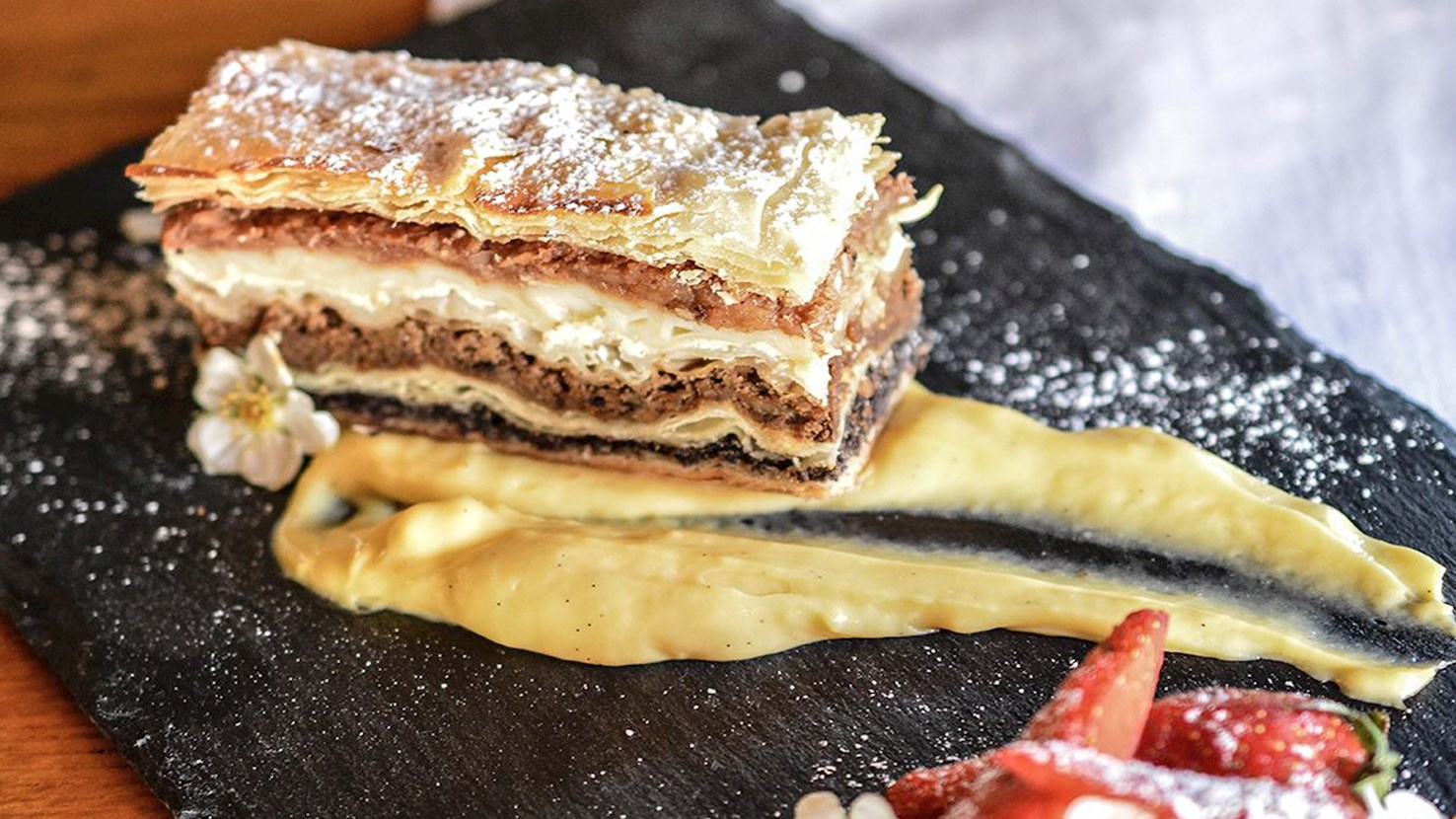
Međimurska gibanica is a traditional, highly caloric layered pastry originating from the Croatian region of Međimurje. It is usually served as a dessert after a big meal, but due to its nutritional value, it can also be consumed on its own. The pastry consists of several layers of phyllo dough filled with a combination of fresh cow's milk cheese, grated apples, ground walnuts, and ground poppy seeds, with the addition of raisins, cinnamon, rum, and sugar, according to personal preferences. The fillings are divided by alternating layers of thin dough. Međimurska gibanica is quite similar to the EU-protected Prekmurska gibanica, with some slight variations concerning the fillings and type of dough. The pastry is ready to be consumed after it has been baked in an oven and develops a golden-brown color of the exterior, and it is then typically cut into squares and served either warm or cold.

06

Mađarica

3.9 ·

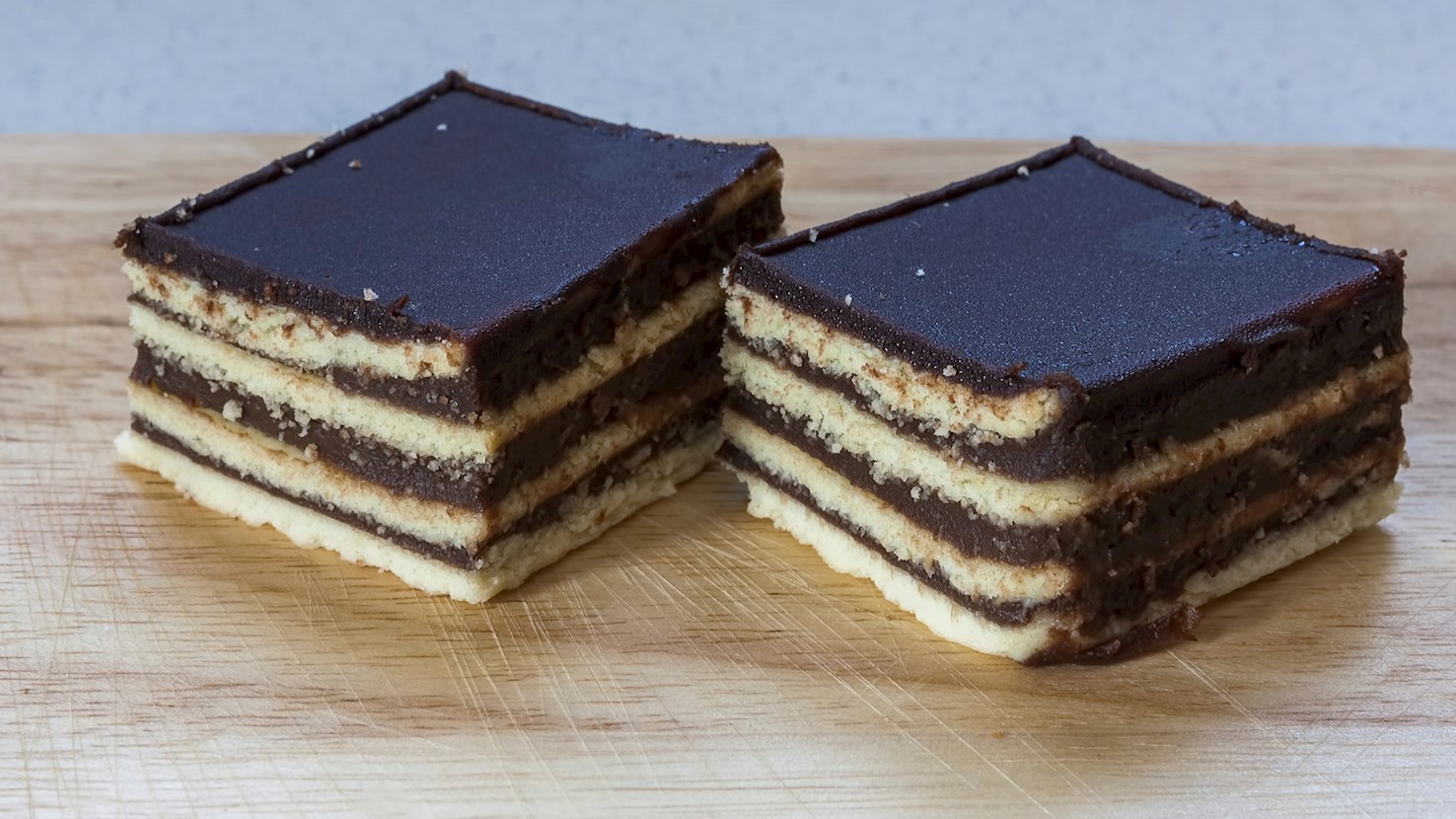
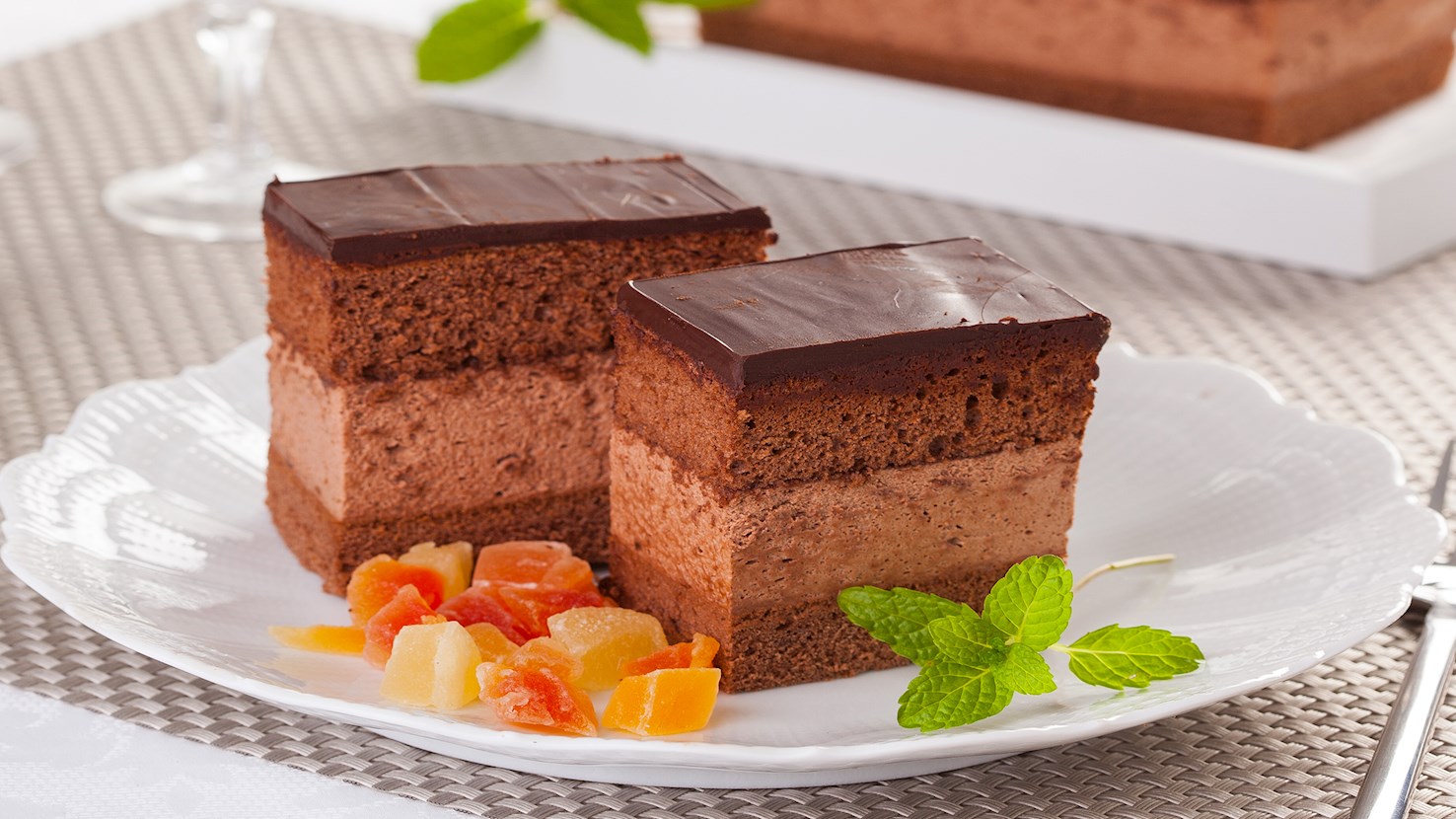
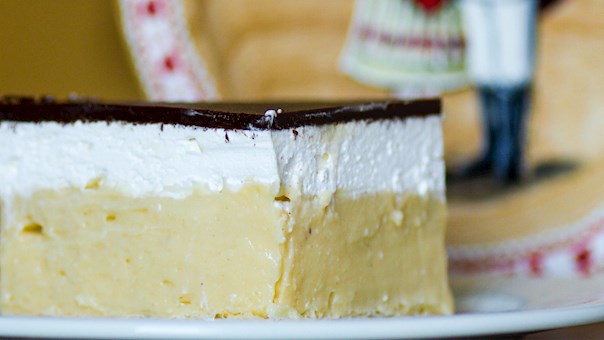
Mađarica, meaning Hungarian girl, is a traditional layered cake that is usually associated with festive occasions. The layers are coated in a velvety, chocolate-infused cream, and the whole cake is finished with a dark chocolate glaze. Although not much is known about its origin or etymology, mađarica is believed to be an original Croatian dessert that was modeled on traditional Hungarian layered cakes.

07

Griz (Semolina pudding)

3.9 ·

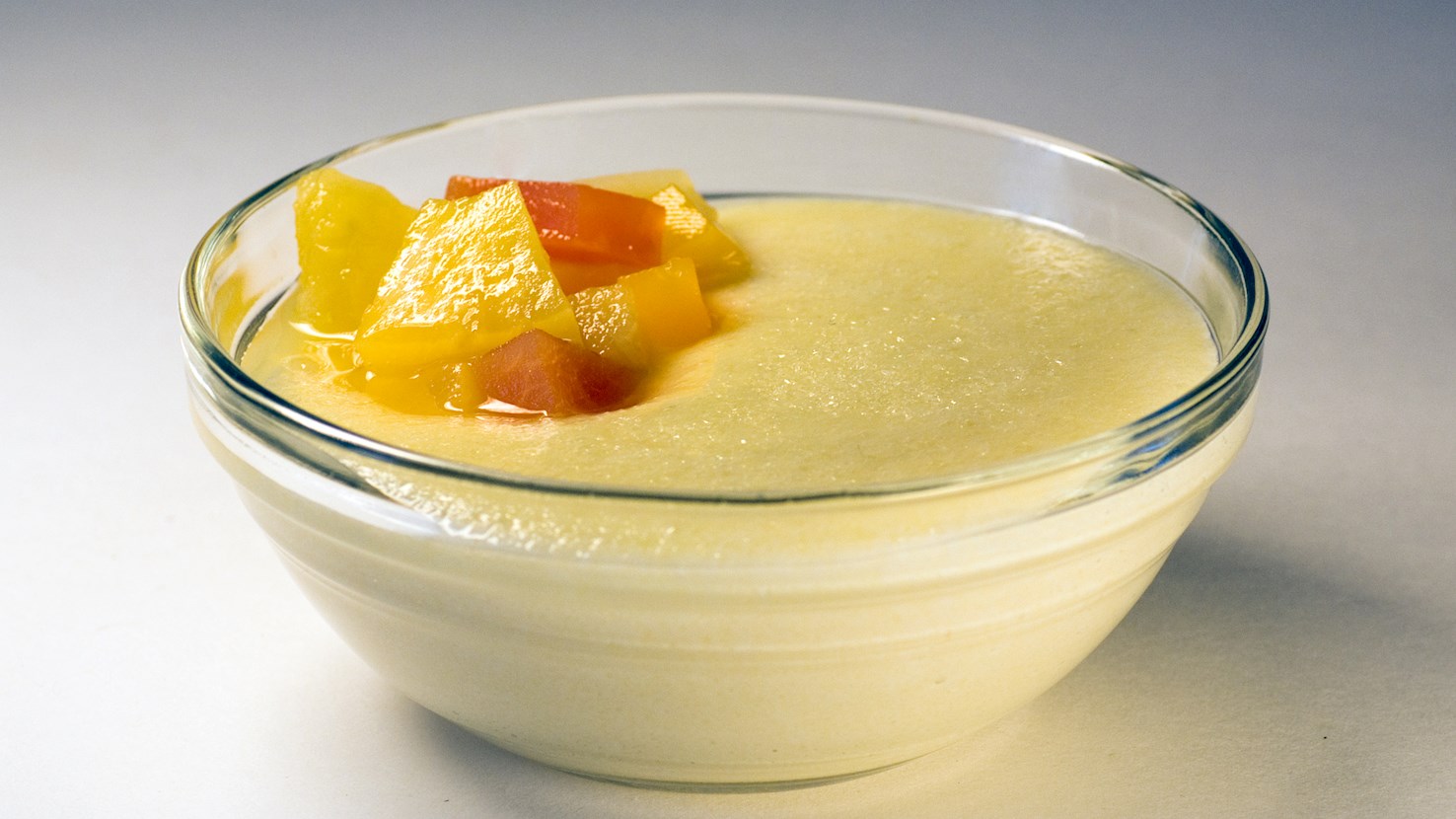
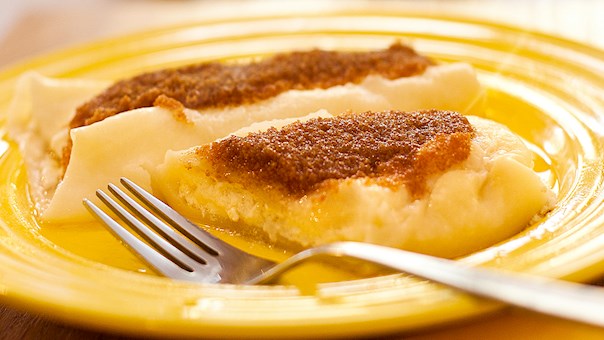
Grießbrei is a traditional Central European pudding based on semolina. The dish is made with milk, semolina, and sugar. It's often flavored with vanilla and cinnamon. The milk is heated, the semolina stirred in, and the mixture is then stirred until it becomes creamy and thick. Most people like to eat semolina pudding for breakfast, and the dish is sometimes enhanced with the addition of fruit such as cherries, strawberries, peaches, pears, or apples. It's recommended to serve it in a shallow bowl since there's more surface area to cover with the desired toppings. The dish is prepared in Germany, Austria, Hungary, Croatia, Slovakia, and the Czech Republic.

08

Rapska torta

3.8 ·

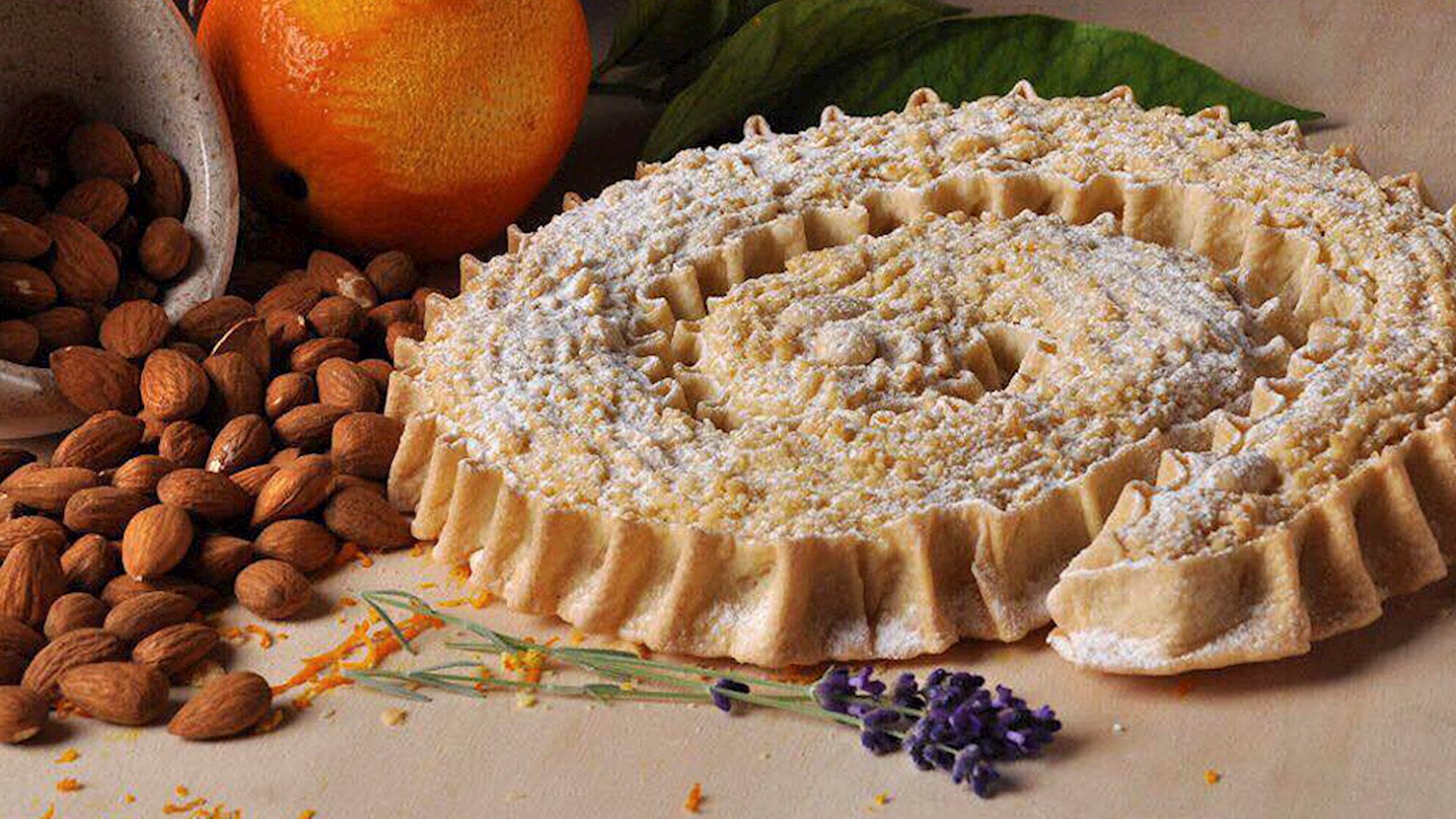
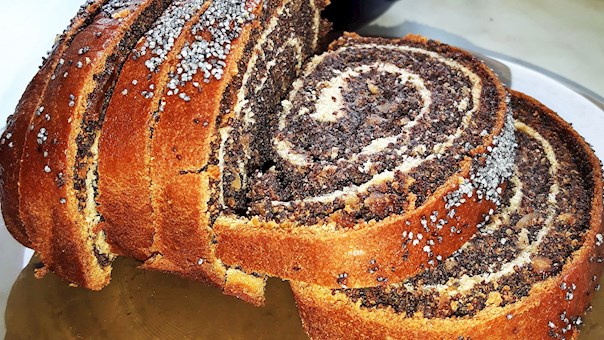
Rapska torta is a traditional cake originating from the Croatian island of Rab, where it was first served in 1177 to Pope Alexander III. This decadent cake is characterized by its signature spiral shape and ingredients such as almonds, lemon zest, orange zest, and Maraschino liqueur. Nowadays, the cake is a very popular souvenir that can be baked in various forms, while locals prepare it only for festive occasions such as baptisms and weddings.

09

Rigojanči

3.8 ·

This classic Hungarian dessert consists of two layers of chocolate sponge held together by a luscious, mousse-like cocoa cream filling which is sometimes flavored with a splash of dark rum, while the cake itself is typically covered in a rich dark chocolate ganache. Rigó Jancsi is said to have been invented at the turn of the 20th century and named after a famous Hungarian Gypsy violinist who seduced and eventually married Clara Ward, the daughter of an American millionaire named Eber Brock Ward and the wife of Belgian Prince de Caraman-Chimay. The two lovers met while Rigó performed with his orchestra in a posh Paris restaurant which was frequented by a number of Belgian aristocrats. Legend has it that Clara was instantly fascinated by Rigó’s music, but even more so mesmerized by his passionate black eyes. Shortly thereafter, due to the scandalous romance story of a Belgian princess debauching into the sin of adultery, running off with a Gypsy musician and leaving behind her husband and two children, the decadent dessert also known as Gypsy John gained popularity both in Hungary and abroad, and it is still considered to be one of the most famous Hungarian desserts. It's also popular in Rijeka, a city in Croatia, because Clara and Rigó visited Rijeka in 1896, and the locals loved the cake, which is still regularly served in the city.

Best restaurants
10

Samoborska kremšnita

3.7 ·

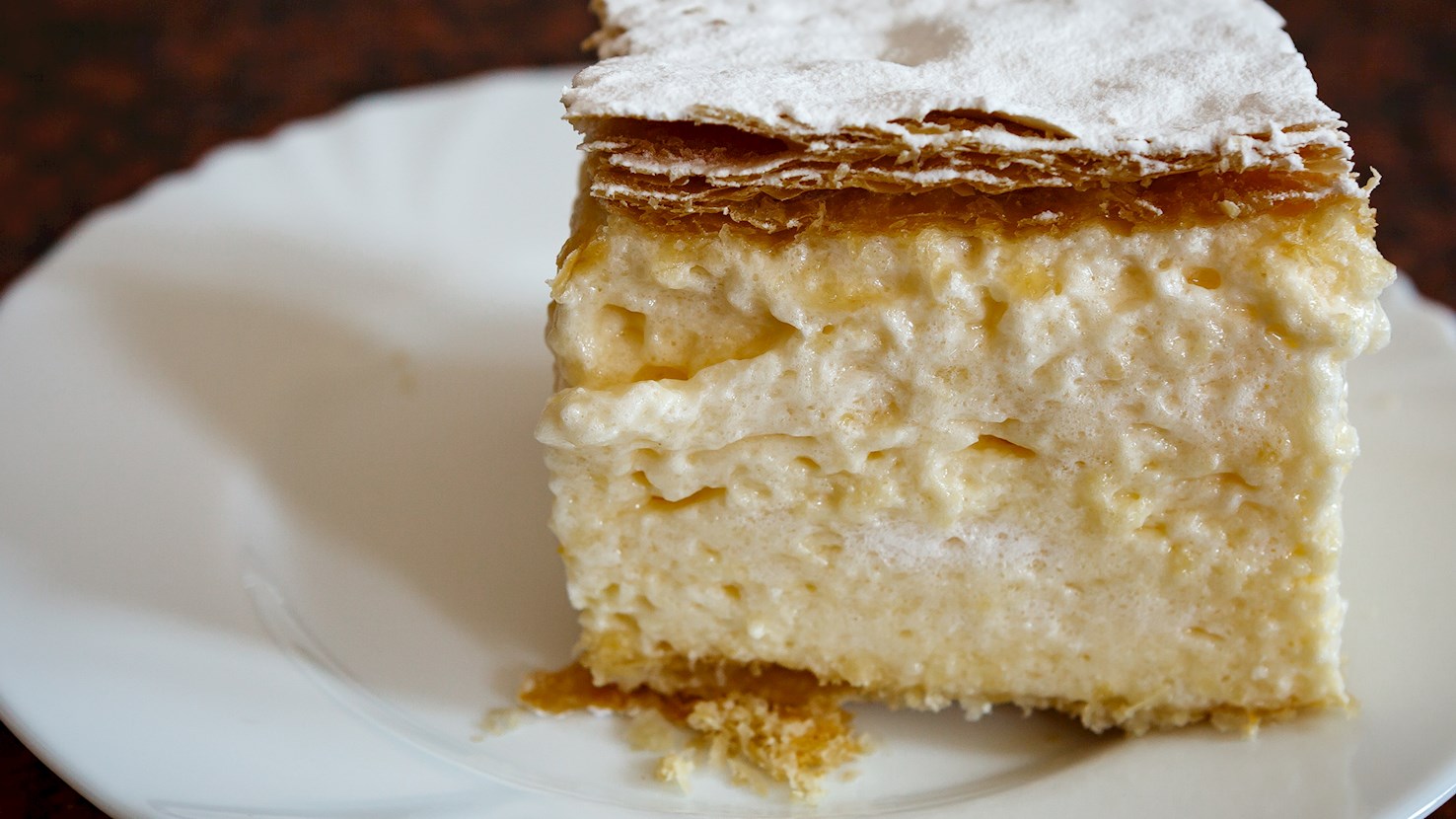
Samoborska kremšnita is a popular dessert originating from the Croatian town of Samobor. It consists of two layers of puff pastry that are filled with custard cream. A thin layer of whipped cream is sometimes placed on top of the custard. The whole cake is typically dusted with powdered sugar, and before serving, the cake is sliced into cubes. Kremšnita can be consumed warm or chilled. It is believed that this tasty dessert was invented by pastry chef Đuro Lukačić who had worked in Vienna and Budapest, and upon arriving in Samobor, he modified some of their recipes to create Samoborska kremšnita, which proved to be a huge hit up to this day.

Best Croatian Desserts
01

OPG Vrata Zagorja

4.4 ·
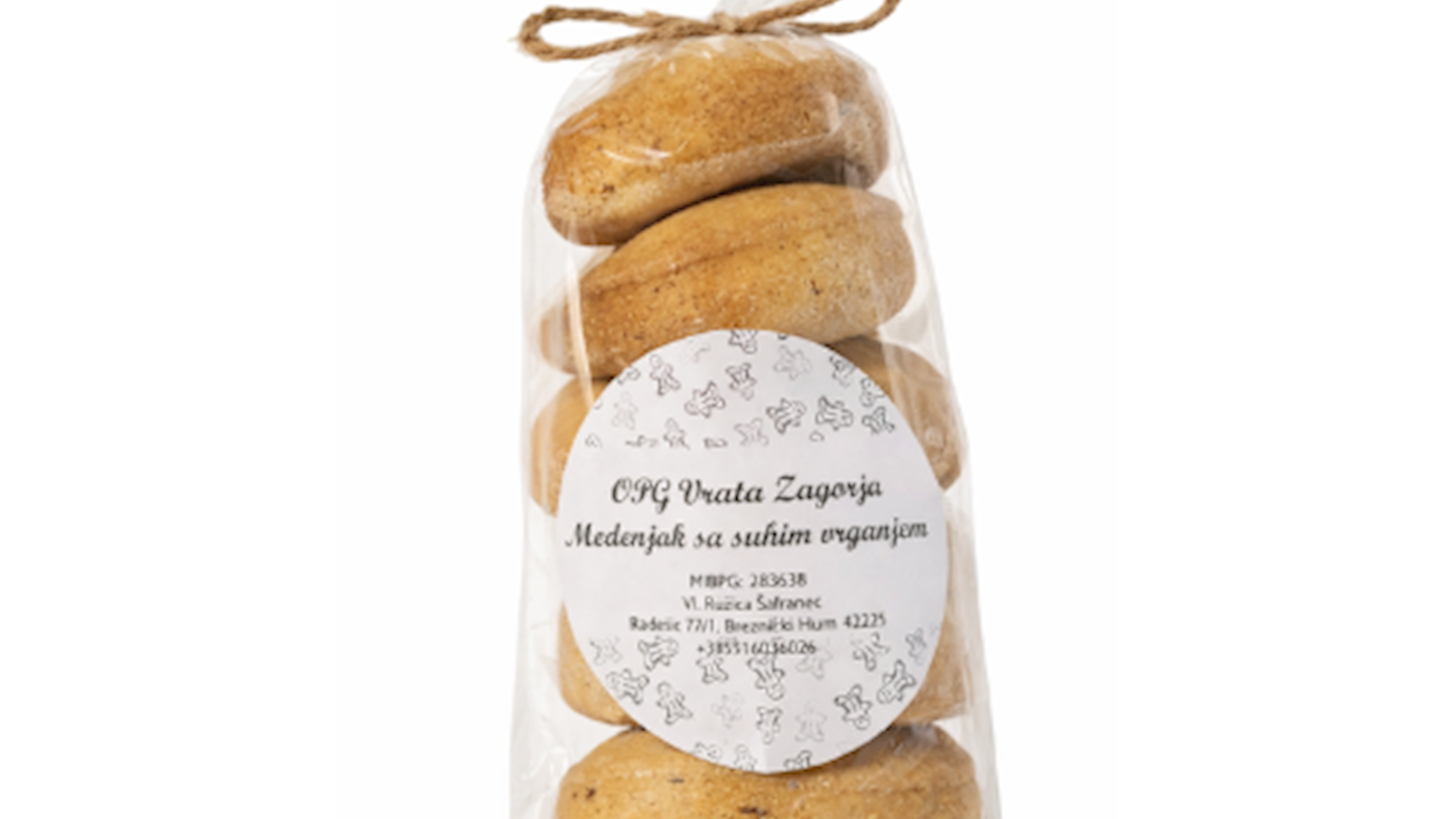
OPG Vrata Zagorja is a family-run agricultural estate based in Radešić near Breznički Hum in Croatia, with a clear focus on preserving and reinterpreting the culinary heritage of the Zagorje region. Managed by Ružica Kišur Šafranec and Josip Šafranec, the business centers its production on traditional products such as handmade štrukli and gingerbread, crafted using locally sourced ingredients and time-honored techniques. Their štrukli stand out for their hand-stretched dough and a wide range of fillings, from classic cottage cheese to more contemporary variations with pumpkin, mushrooms, or berries, reflecting both authenticity and innovation. The gingerbread is produced according to a proprietary recipe inspired by historical records, without artificial additives, emphasizing a natural and artisanal approach. Beyond food production, OPG Vrata Zagorja builds a broader narrative rooted in regional identity, incorporating elements of traditional costumes, customs, and storytelling into its brand. This approach extends through their “Štrukljec” concept, which brings their products closer to consumers in a more accessible and modern format, including their presence at the Gradska tržnica Varaždin. Their quality has been recognized through multiple awards at national and international culinary competitions, reinforcing their credibility in the premium artisanal segment. By combining craftsmanship, cultural preservation, and product innovation, OPG Vrata Zagorja positions itself as a contemporary rural brand that successfully translates local tradition into relevant, market-ready products.
Read more
View all
View map
About this ranking

TasteAtlas food rankings are based on the ratings of the TasteAtlas audience, with a series of mechanisms that recognize real users and that ignore bot, nationalist or local patriotic ratings, and give additional value to the ratings of users that the system recognizes as knowledgeable. For the “Top 77 Croatian Desserts” list until May 15, 2026, 2,959 ratings were recorded, of which 2,121 were recognized by the system as legitimate. TasteAtlas Rankings should not be seen as the final global conclusion about food. Their purpose is to promote excellent local foods, instill pride in traditional dishes, and arouse curiosity about dishes you haven’t tried.

The initial list of top producers was compiled based on available reviews, awards, local recommendations, media and blog coverage, and consumer reviews. The list will be updated with ratings from TasteAtlas local ambassadors and TasteAtlas users.

Similar lists