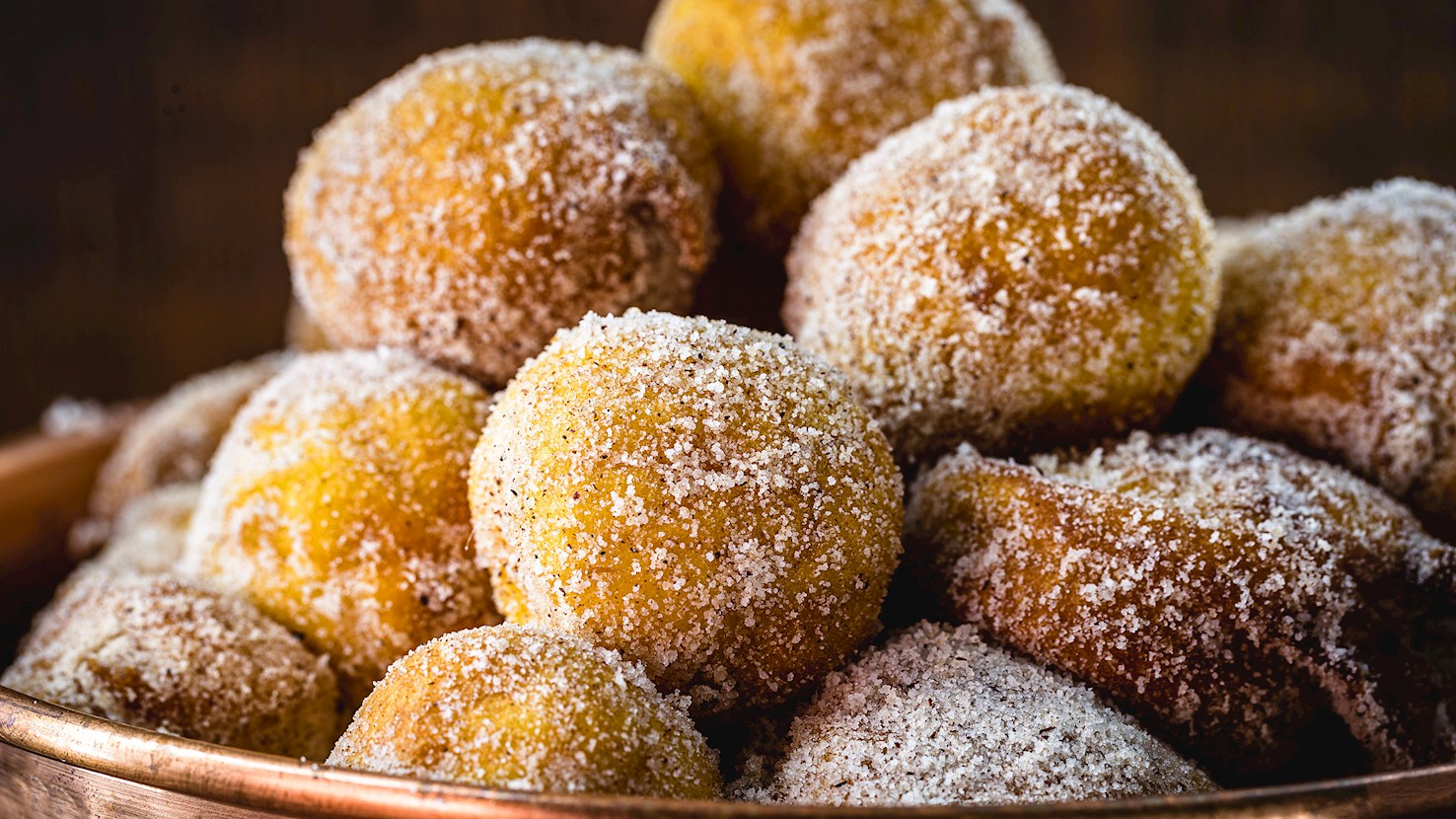
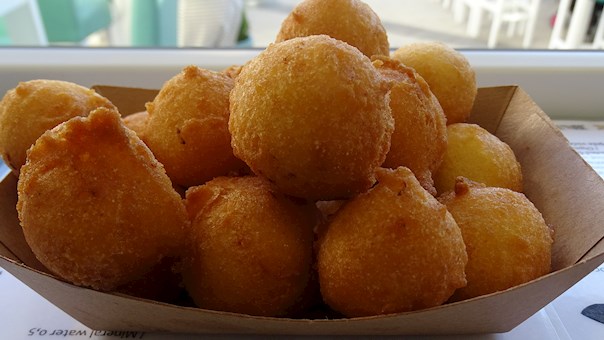
Fritule are traditional Croatian version of sweet, round fritters. They are prepared with a basic yeasted dough which incorporates eggs, flour, milk, butter, and sugar. Different varieties often employ raisins, grated apples, yogurt, and baking powder. The thick, buttery base is usually enriched with strong vanilla and citrus flavors, which give these small fritters a pleasant aroma and a distinctive flavor. The secret ingredient in the preparation of these miniature doughnuts is brandy. Rum, local fruit liquors, or strong spirits can all be incorporated into the velvety dough. They allow the fritters to stay crispy and light without absorbing too much oil from the deep-frying process. Traditionally, fritule are served dusted with powdered sugar, but modern versions often incorporate an array of different sugary toppings such as melted chocolate, whipped cream, or caramel. Fritule were invented as a festive treat, and they are usually consumed during the Christmas holidays and the carnival season. Although they originated in Dalmatia, today they are commonly found in many Croatian regions and enjoyed as a satisfying sweet snack or a nutritious dessert.
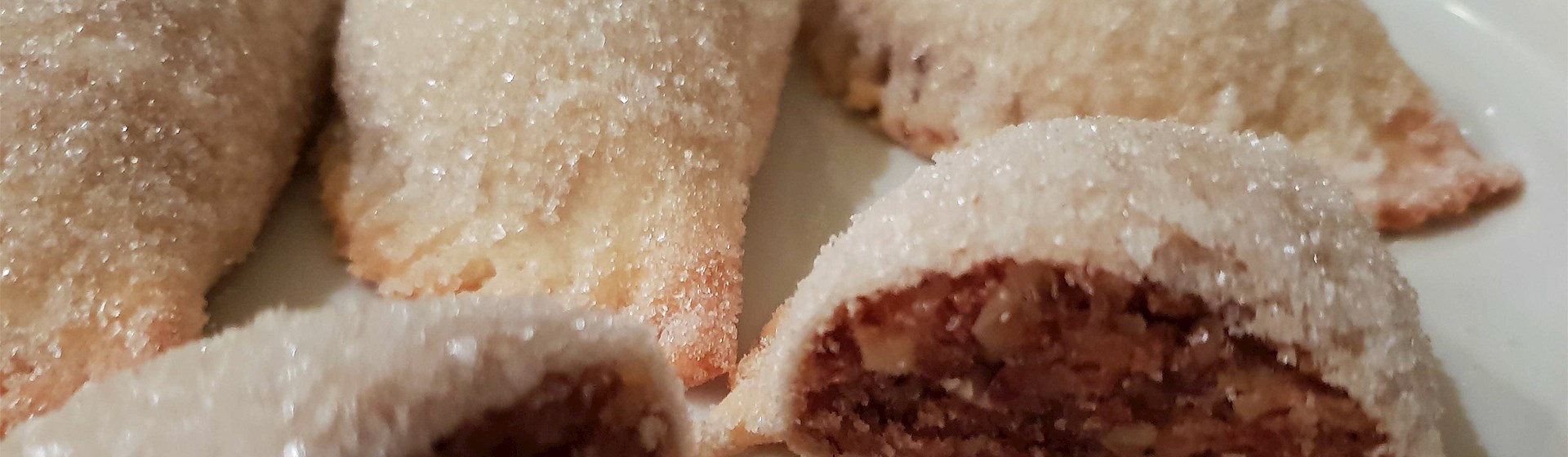
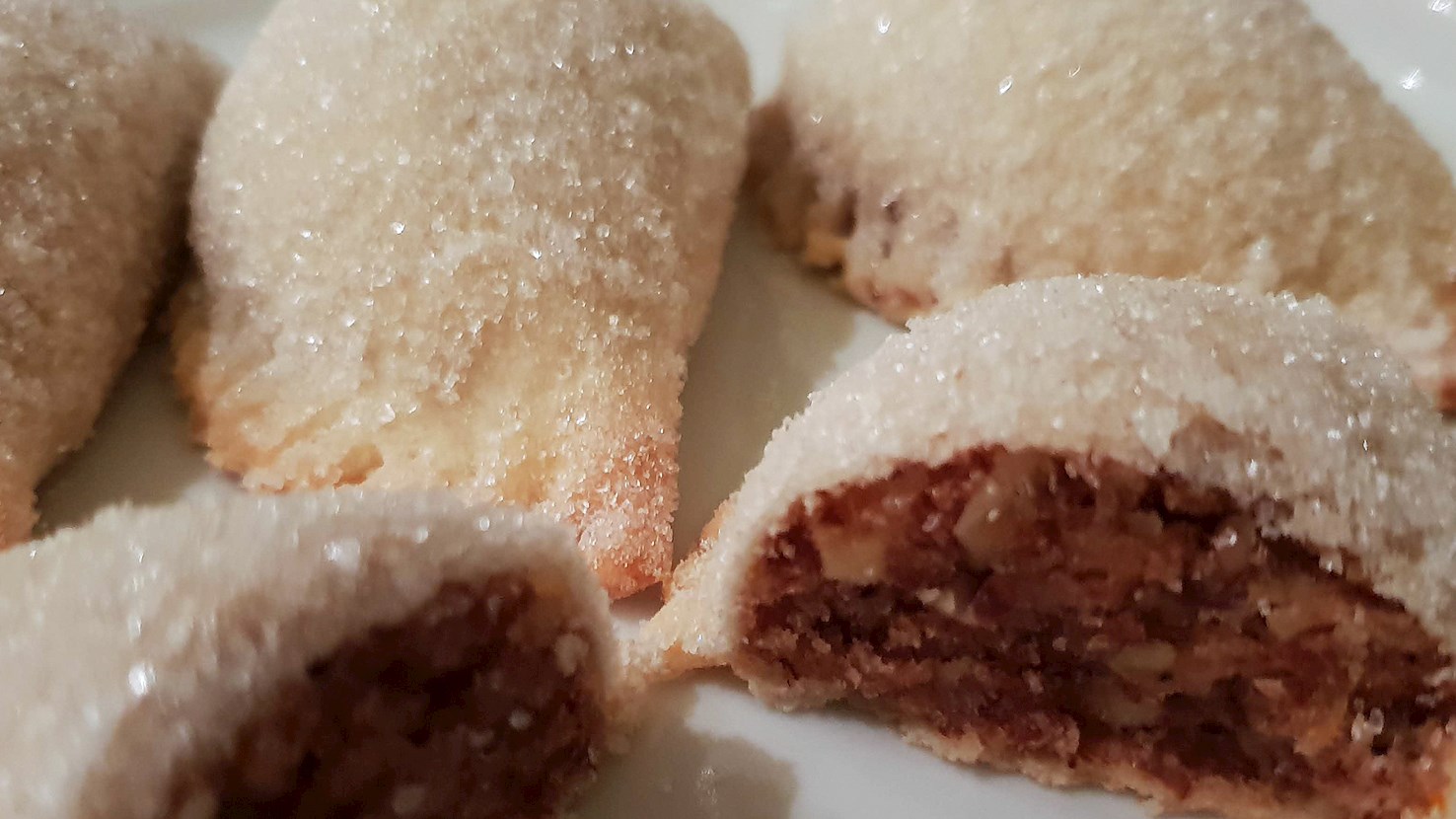
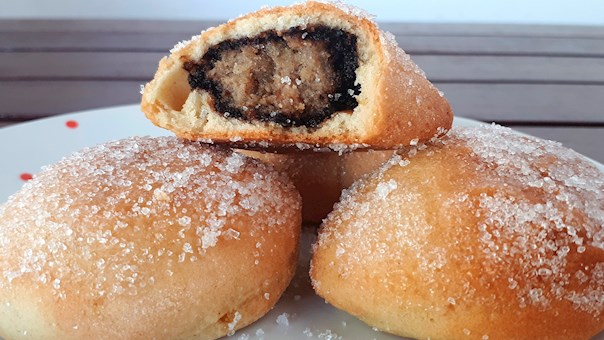
Rafioli are shortbread cookies with a flavorful almond filling, enjoyed in many cities throughout Dalmatia where they are a staple of every important life event, from baptisms and weddings to funerals. Although the exact origin of these sweet treats is unknown, there are many legends and stories explaining how this half-moon-shaped cookie came to be. Of course, every Dalmatian family has their own variation with recipes that are passed down from generation to generation. Along with almonds, modern versions of rafioli are often filled with chocolate and cream, while citrus zest and vanilla are used for extra flavor.
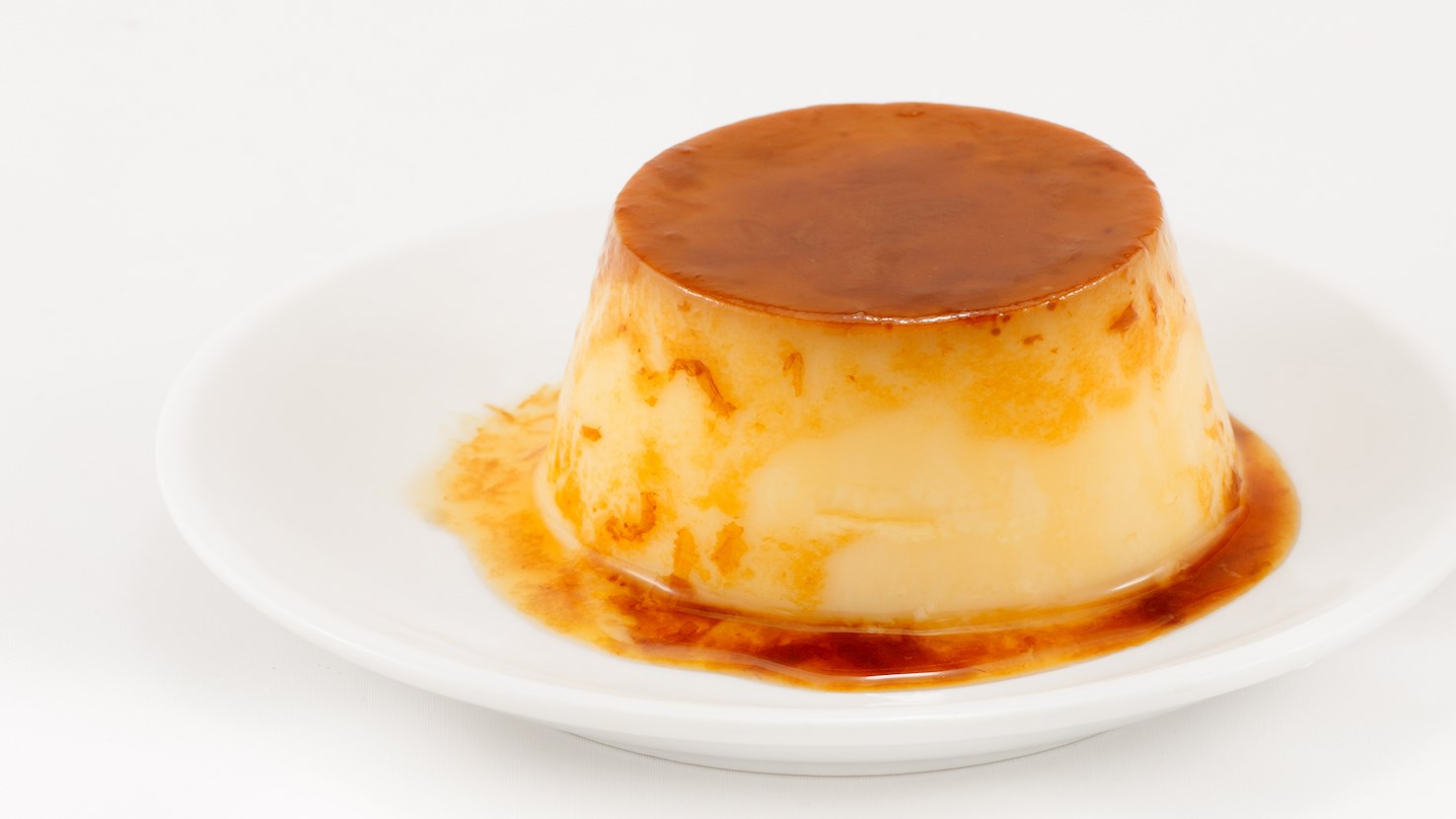
Rozata is a type of custard pudding made with a few basic ingredients — eggs, milk, and sugar, which are flavored with a local rose liqueur known as Rozalin. The creamy mixture is baked in caramel covered ramekins, and the process results in a custard that is generously covered with a sweet caramel topping. The dessert originates from the town of Dubrovnik where it has been prepared since the Middle Ages, but the simplicity of ingredients and the method of preparation is what helped in keeping this dessert unchanged for centuries. Due to the refreshing combination of lemon zest, rose liqueur, and caramel, rozata is a dessert that is best enjoyed on hot summer days.
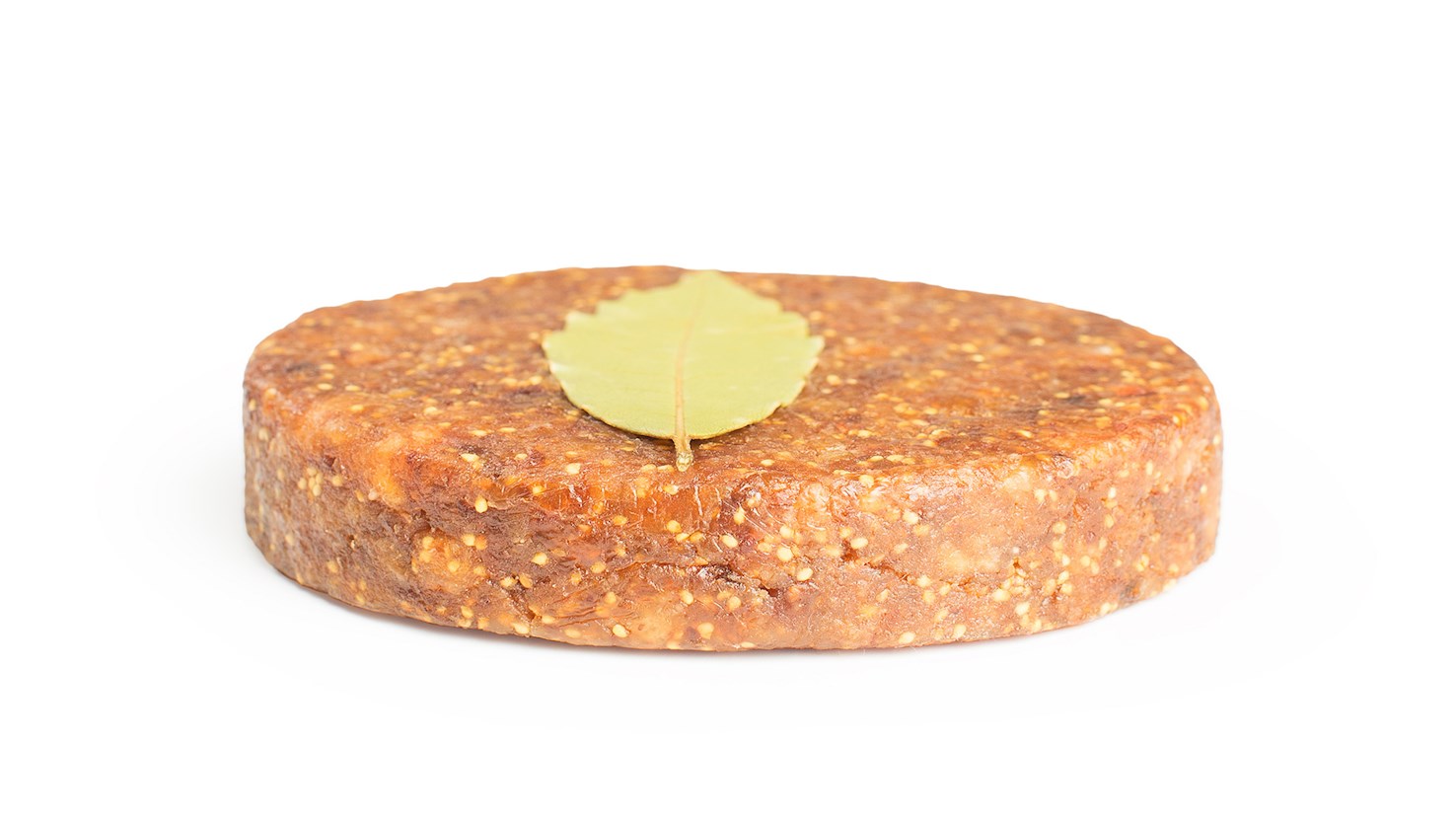
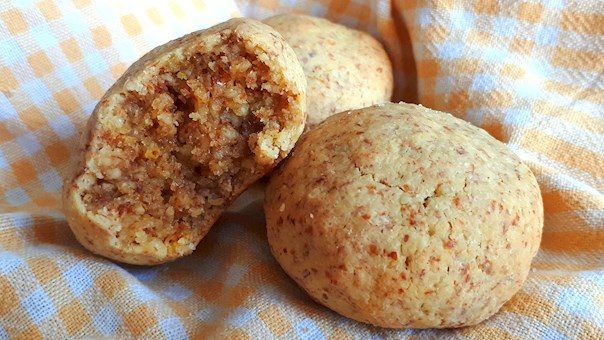
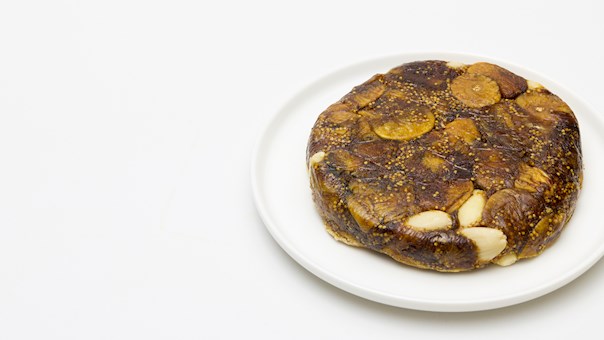
Smokvenjak is a rather simple, yet delicious dessert originating from the Croatian region of Dalmatia. Sometimes referred to as an "ancient energy bar", it consists of two basic ingredients: figs and grape liqueur known as lozovača. Depending on the location, other ingredients are often added to smokvenjak, such as almonds, walnuts, and fennel. The resulting mass is shaped into a variety of forms depending on the location, and smokvenjak is then left to dry until it is ready for consumption.
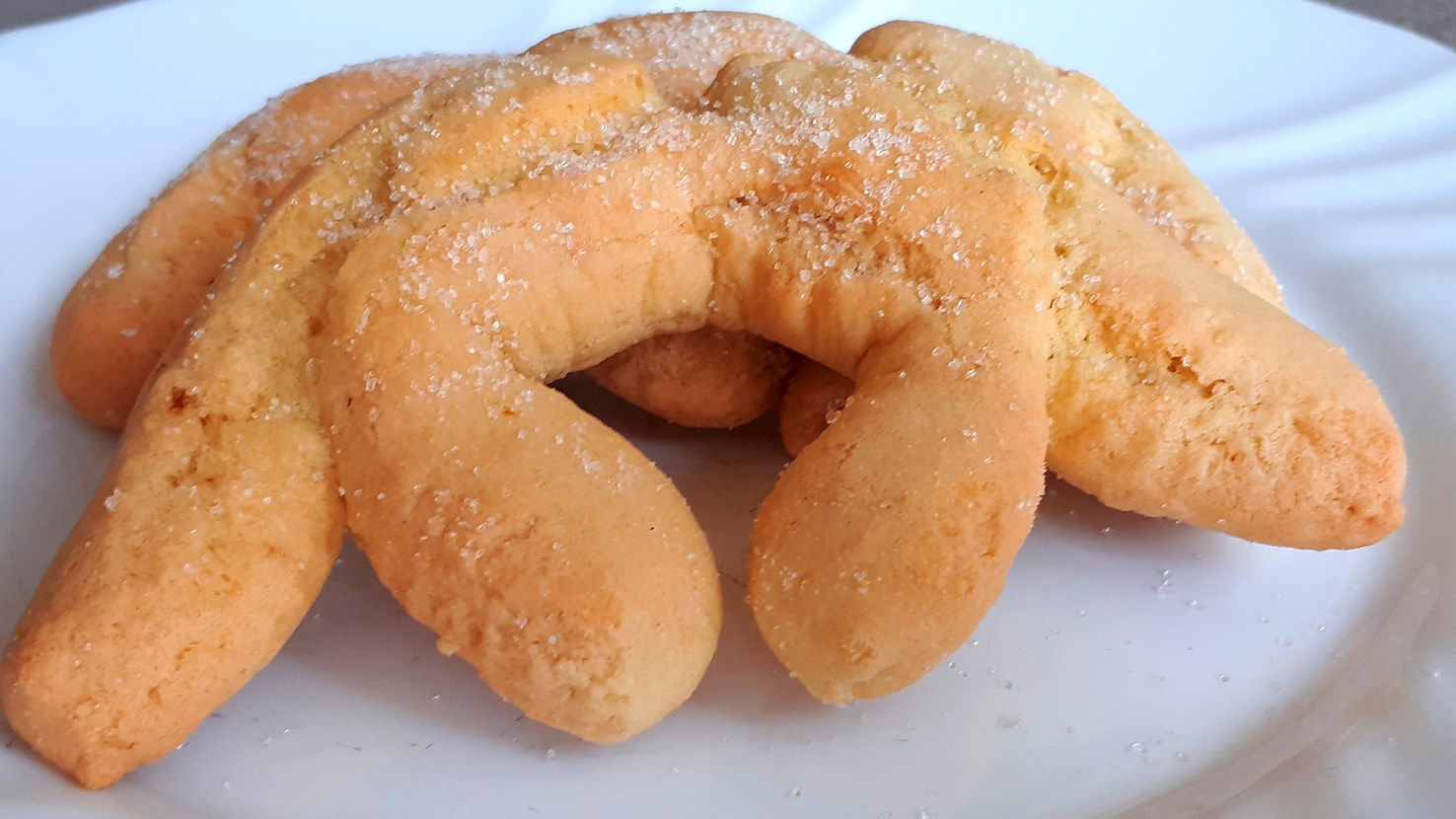
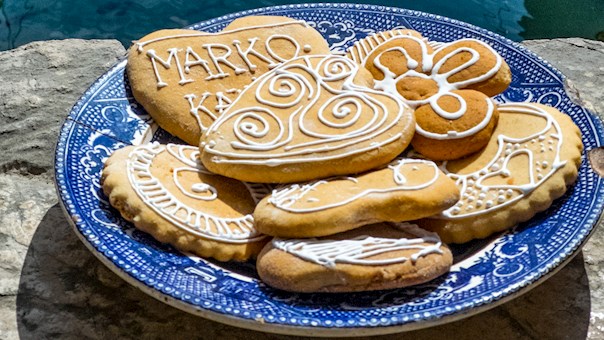
These crispy cookies are a part of the authentic sweet treats found on the island of Korčula. The cookies are characterized by their subtle citrus flavor, while the use of ammonium bicarbonate in the buttery base provides for an incredibly crumbly, tender texture. Their unusual appearance is said to be reminiscent of two serpents entangled in the shape of a heart, a tradition that is believed to stem from pagan times when serpents were used as a symbol of fortune. When baked, each cookie is dipped in a traditional rose liqueur, and then into coarse sugar. Cukarini are traditionally served accompanied by a glass of prošek, the sweet dessert wine that should not be confused with the Italian prosecco.
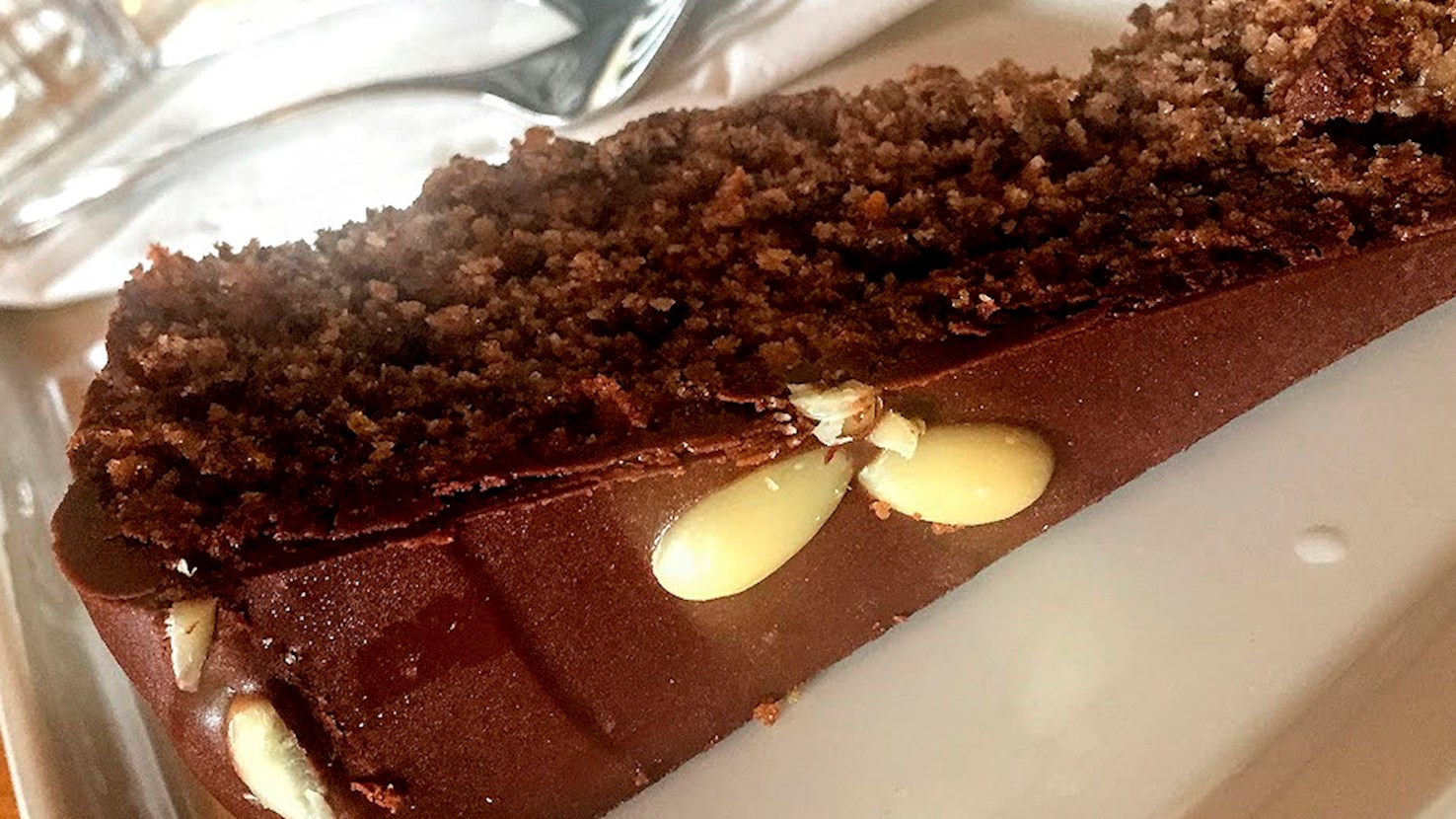
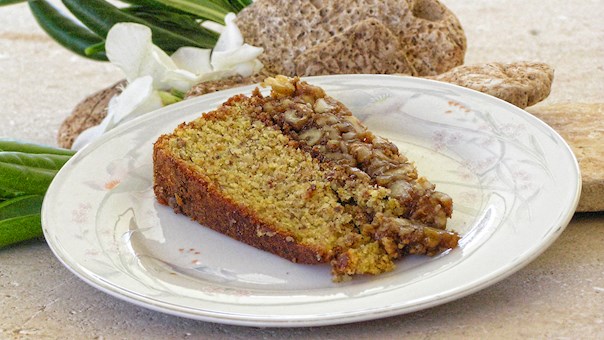
Skradinska torta is a unique Croatian cake originating from Skradin, hence the name. Although endless debates about certain ingredients (orange zest, lemon zest, Maraschino, mint, cinnamon) still exist, it is believed that only a few women from Skradin still have the original recipe. The base is made with eggs, sugar, rose liqueur, honey, and ground walnuts. After it has been baked, the cake is glazed with a combination of dark chocolate, milk, and butter, and it is then garnished with chopped and whole walnuts. In the 15th century, the cake was made by brides-to-be just before their first wedding night. If the cake is made for such festive occasions, it is recommended to additionally garnish it with geranium flowers and fresh green herbs such as mint.
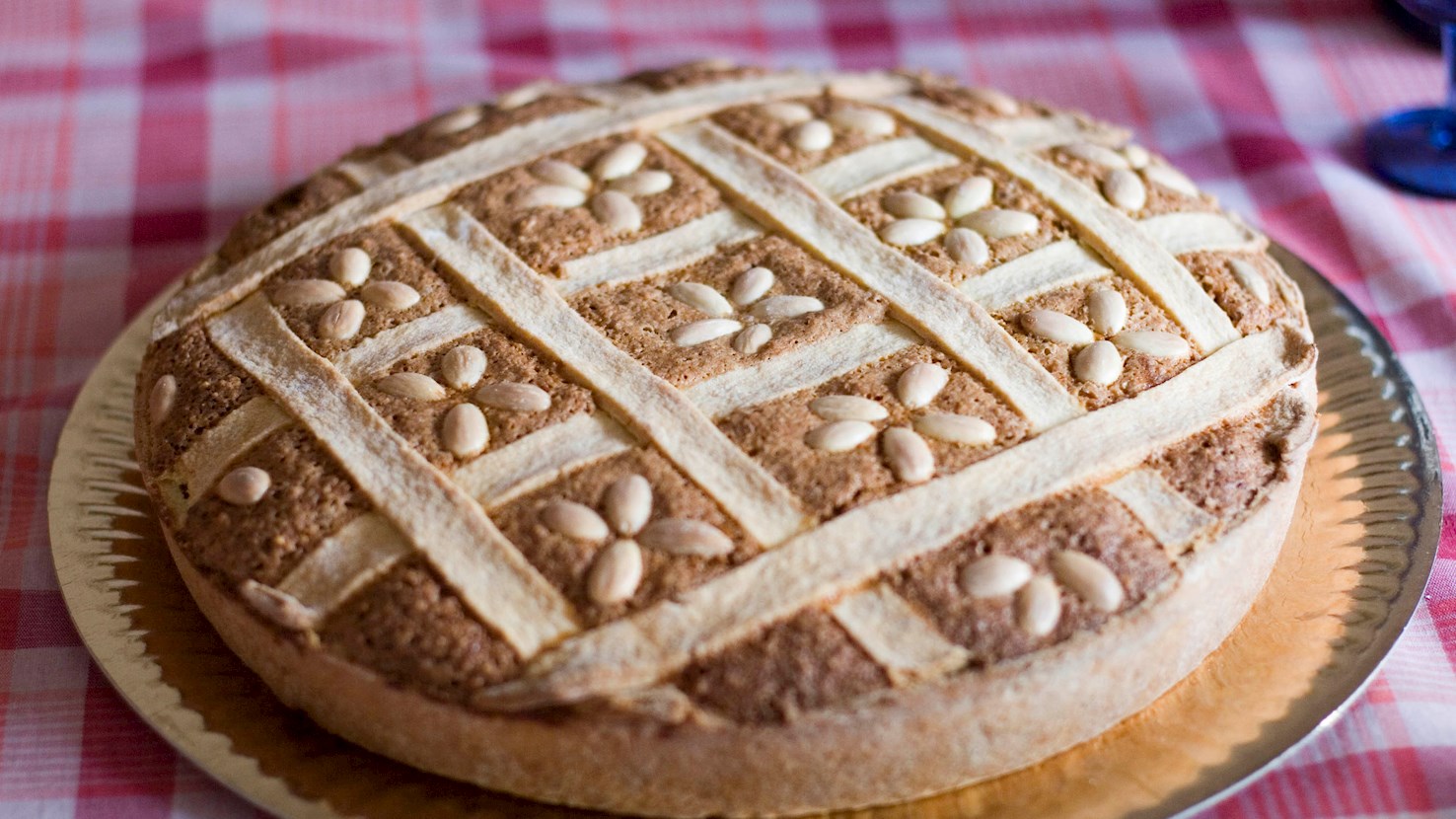
This tart with a long tradition originates from the town of Imotski, and consists of a shortcrust pastry base and a flavorful almond filling. Both are heavily seasoned with various spices and different types of alcohol, from prošek or white wine in the pastry to maraschino cherry liqueur used in the filling. Another important element of this cake is the elaborate woven lattice top which is typically studded with whole almonds.
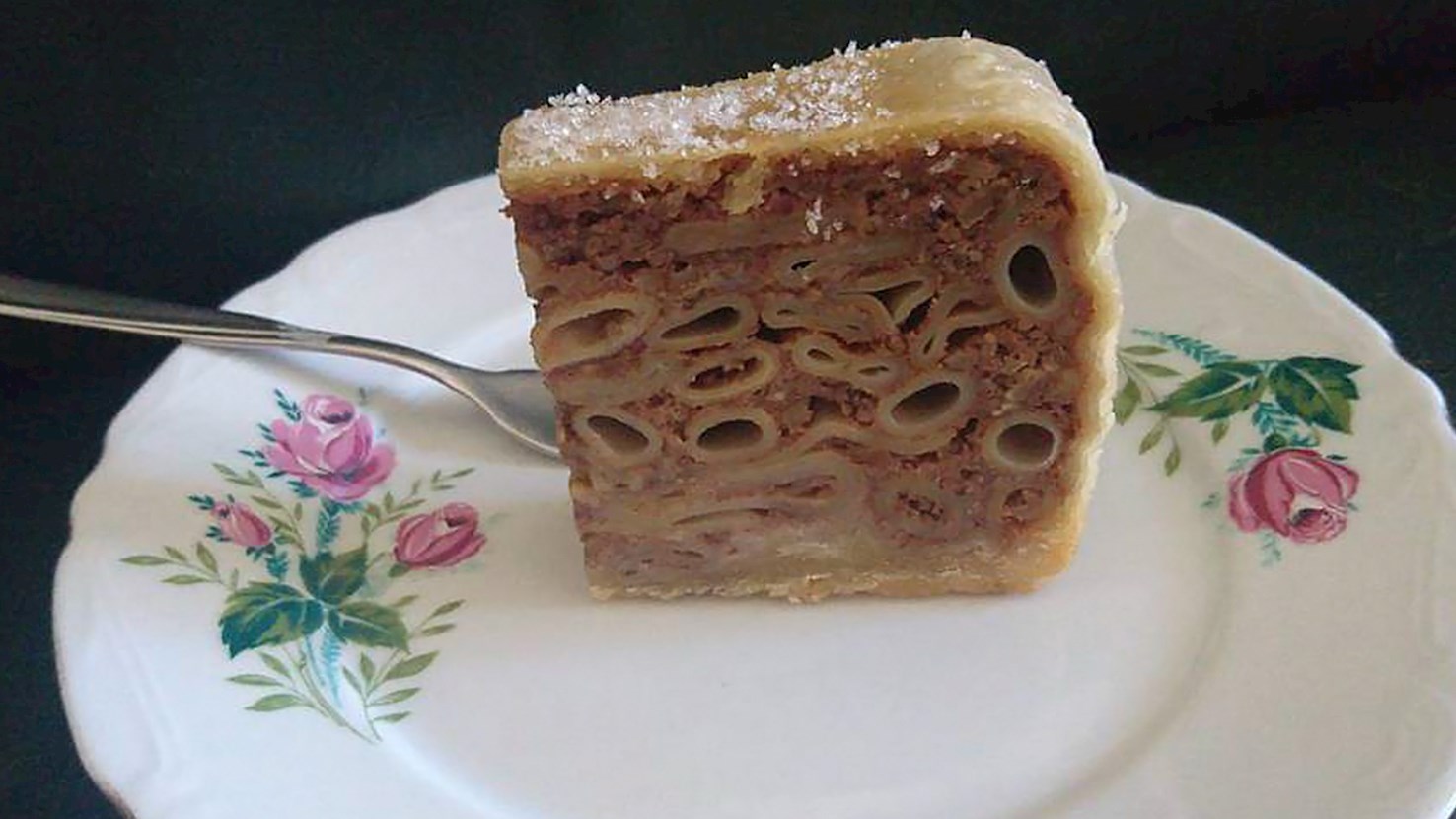
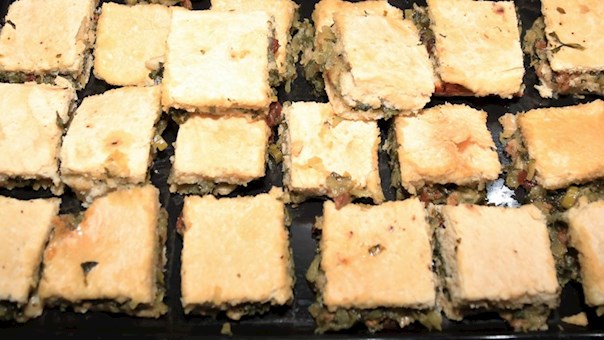
The star ingredient in this rich cake is a pasta variety called makaruli—in shape similar to penne or ziti. Traditionally prepared in round cake tins, a thin layer of dough is used as a base, while the cooked makaruli are then layered inside with a fragrant mixture of ground almonds or walnuts, grated chocolate, cinnamon, and lemon zest. The entire combination is doused in a blend of melted butter and eggs, and the cake is neatly wrapped with the dough. As the name suggests, this cake is the signature dessert of the city of Ston, but it is commonly prepared and enjoyed throughout the region. It is one of the traditional desserts that do not have an exact time of origin but represent an authentic delicacy that was created by employing only locally available ingredients. In the past, torta was mainly associated with special and festive occasions, but nowadays it is a common staple in many traditional restaurants in the city of Ston and the surrounding area.
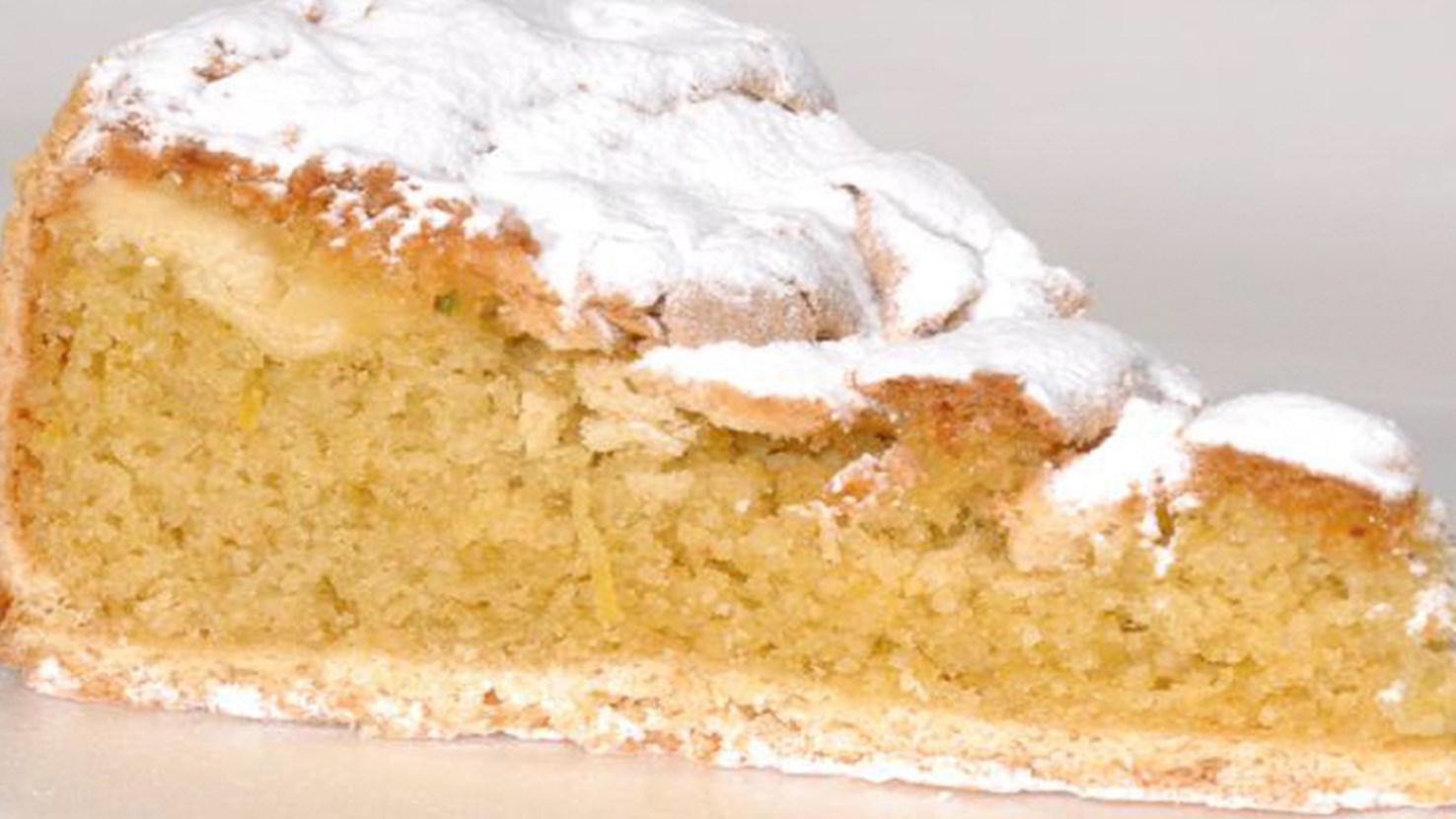
This rich Croatian cake was once considered to be a special delicacy that was only served on special occasions and was mainly reserved for nobility. It consists of a pastry base and a filling that combines ground almonds, eggs, sugar, and various flavorings such as citrus juice and zest, nutmeg, cinnamon, and maraschino or rose liqueur. The key is to ensure a perfect harmony, in which all the flavors remain subtle without being overpowering. It was named after the city of Makarska, and according to a legend, it was Frederick Augustus II who gave the cake its current name after he visited the city in 1838. Though it is still often enjoyed on festive occasions, it is commonly found in pastry shops and is often represented as a traditional souvenir of the city and the region. Makarana is usually decorated with pastry lattice and whole almonds, and it is traditionally served cut into diamond-shaped pieces.
Škanjate are a local specialty of the Croatian island of Brač. These hard biscuits consist of flour, oil, sugar, and yeast. When the dough has risen, it is baked until it develops a dark golden-brown color. After they have cooled down a bit, the biscuits are split in half and baked again for a short while at low temperatures. Škanjate are most often dipped in prošek, wine, or coffee as a tasty snack.
TasteAtlas food rankings are based on the ratings of the TasteAtlas audience, with a series of mechanisms that recognize real users and that ignore bot,
nationalist or local patriotic ratings, and give additional value to the ratings of users that the system recognizes as knowledgeable.
TasteAtlas Rankings should not be seen as the final global conclusion about food. Their purpose is to promote excellent local foods,
instill pride in traditional dishes, and arouse curiosity about dishes you haven’t tried.





What People Say