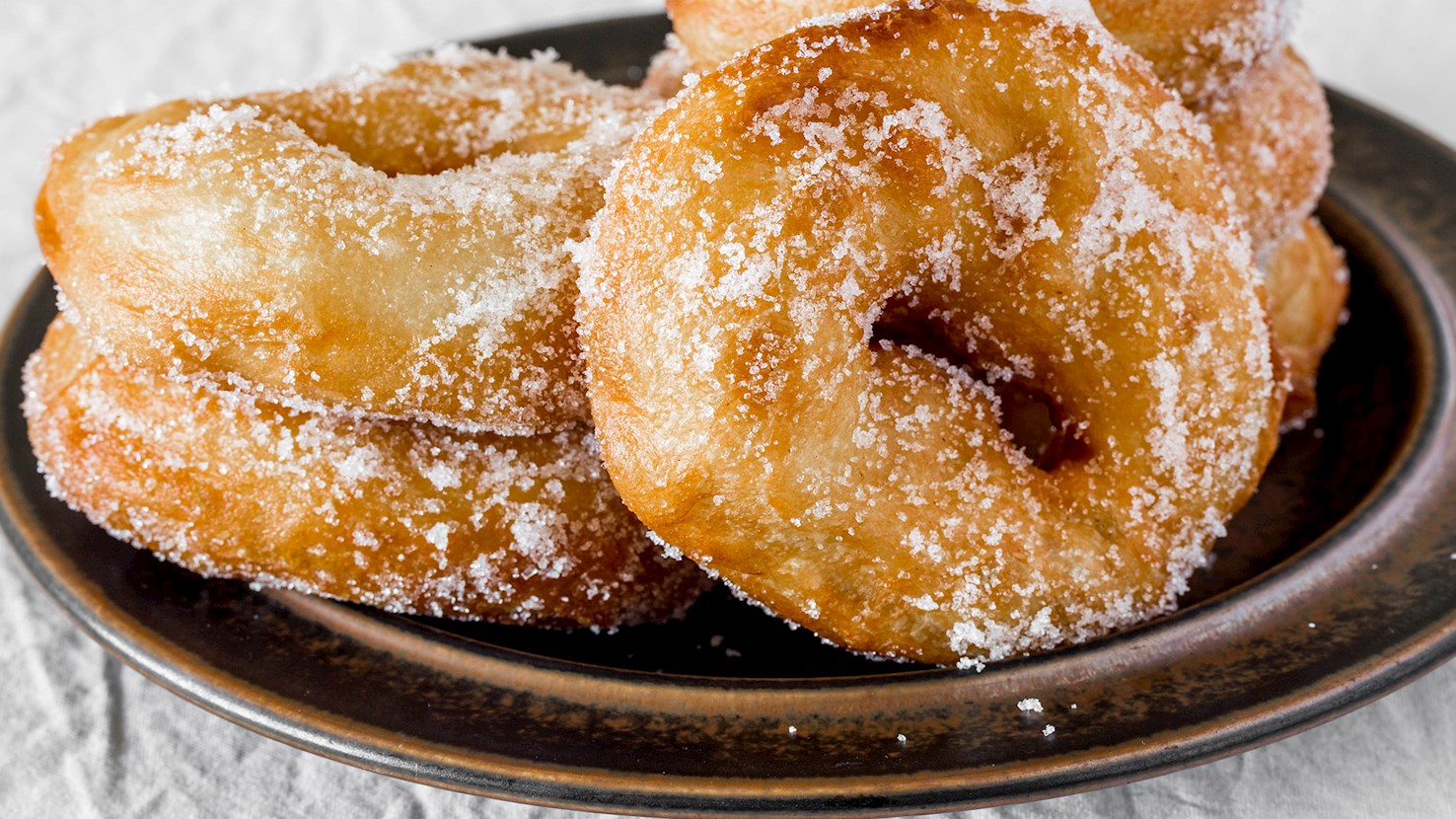
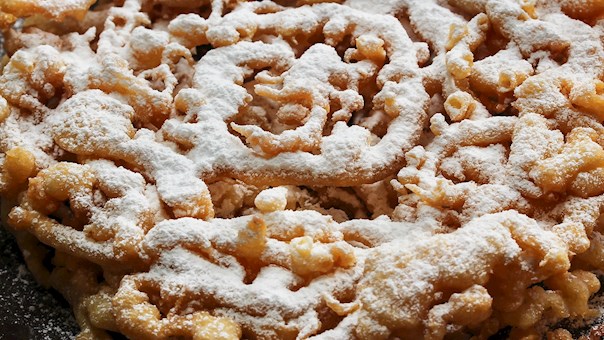
Munkki, translated as monks, are popular Finnish deep-fried doughnuts made with buttery, cardamom-flavored, leavened dough. They are usually shaped into round forms that are occasionally complemented with sweet and fruity fillings, or in the shape of thick rings rolled in fine sugar. Numerous theories surround the origin of their name, from the idea that the round shape resembles the traditional hairstyle or the brown attire of the monks, to the claim that the monks originally prepared these deep-fried delicacies during Lent. Today, munkki are traditionally associated with May Day; the national festivity celebrated on May 1st.
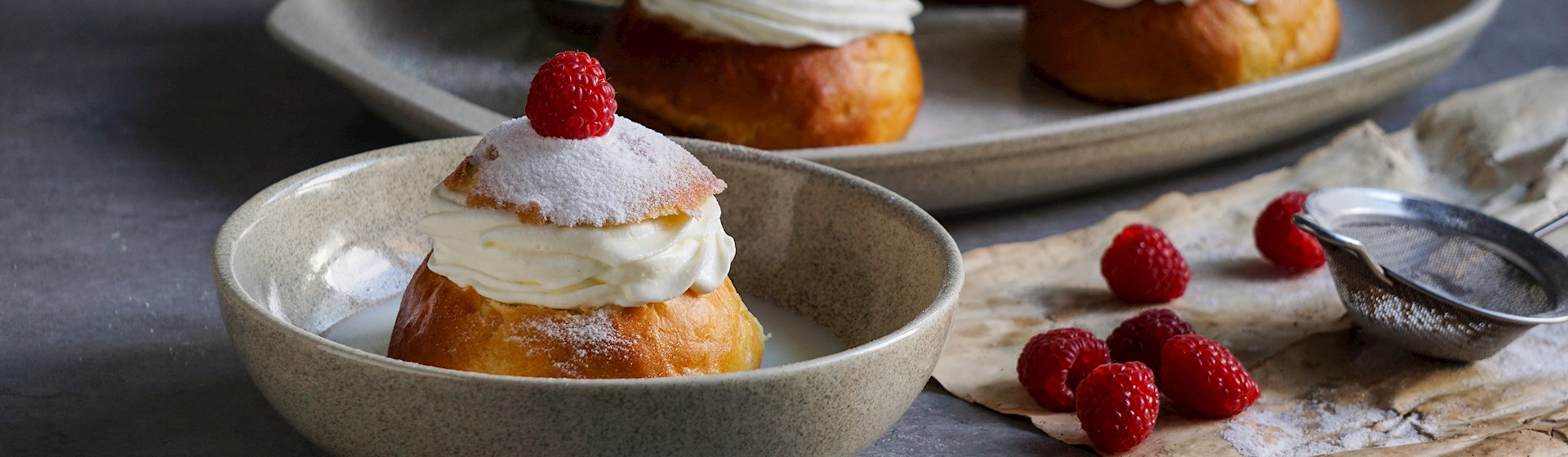
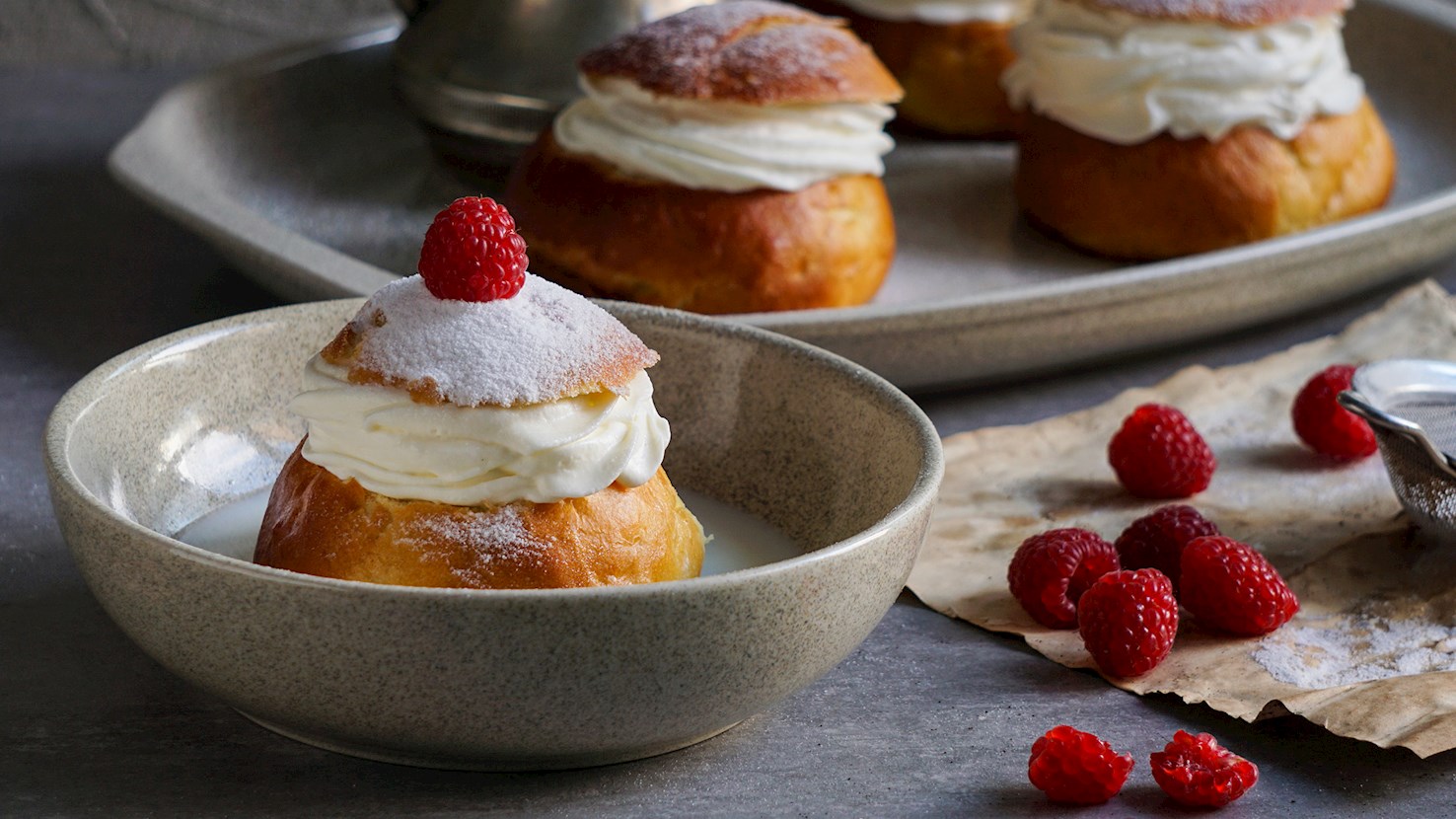
Closely resembling Swedish semla, this sweet Finnish pastry is prepared with yeasted, cardamom-spiced dough that is shaped into buns and baked until golden. Each bun is cut in half and filled with strawberry or raspberry jam and whipped cream. Following the Swedish tradition, fruit jams are occasionally replaced with a layer of creamy almond paste. Laskiaispulla is traditionally associated with Shrove Tuesday, but it is a popular mainstay throughout the winter season. It is usually served decorated with powdered or coarse sugar.
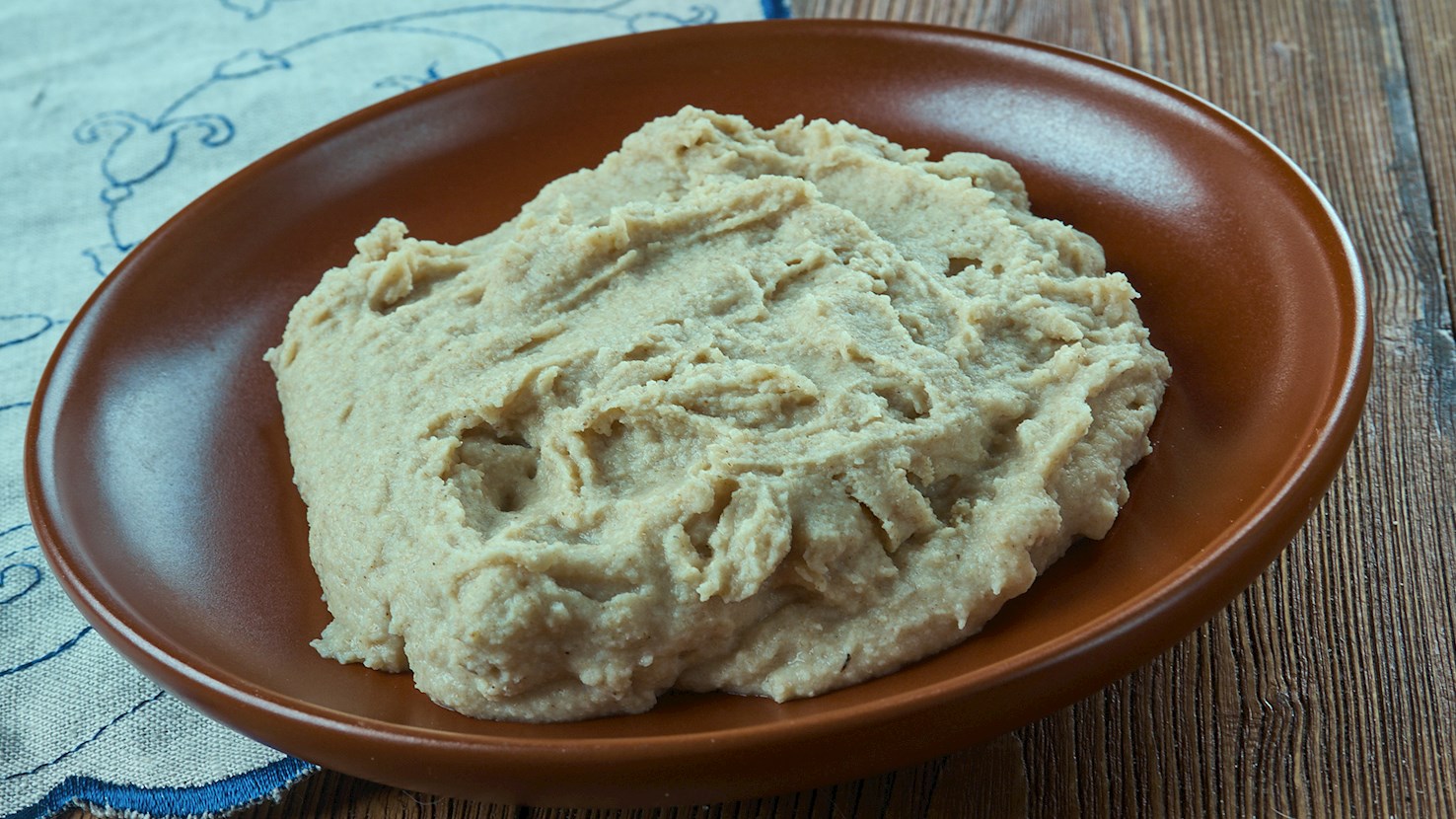
This Estonian and Finnish classic is prepared with a combination of roasted and finely milled flour types, usually oat, rye, barley, and pea flour. The mixture is then blended with dairy products such as buttermilk, kefir, or sour milk in order to create a creamy dish similar to porridge, or a thinner variation that is usually enjoyed as a drink. Kama or talkkuna is usually served as a nutritious breakfast or a healthy dessert that is often sweetened and complemented by fruits. Because the production of kama flour is labor-extensive and time-consuming, today it is mainly factory-produced and sold packed in boxes.
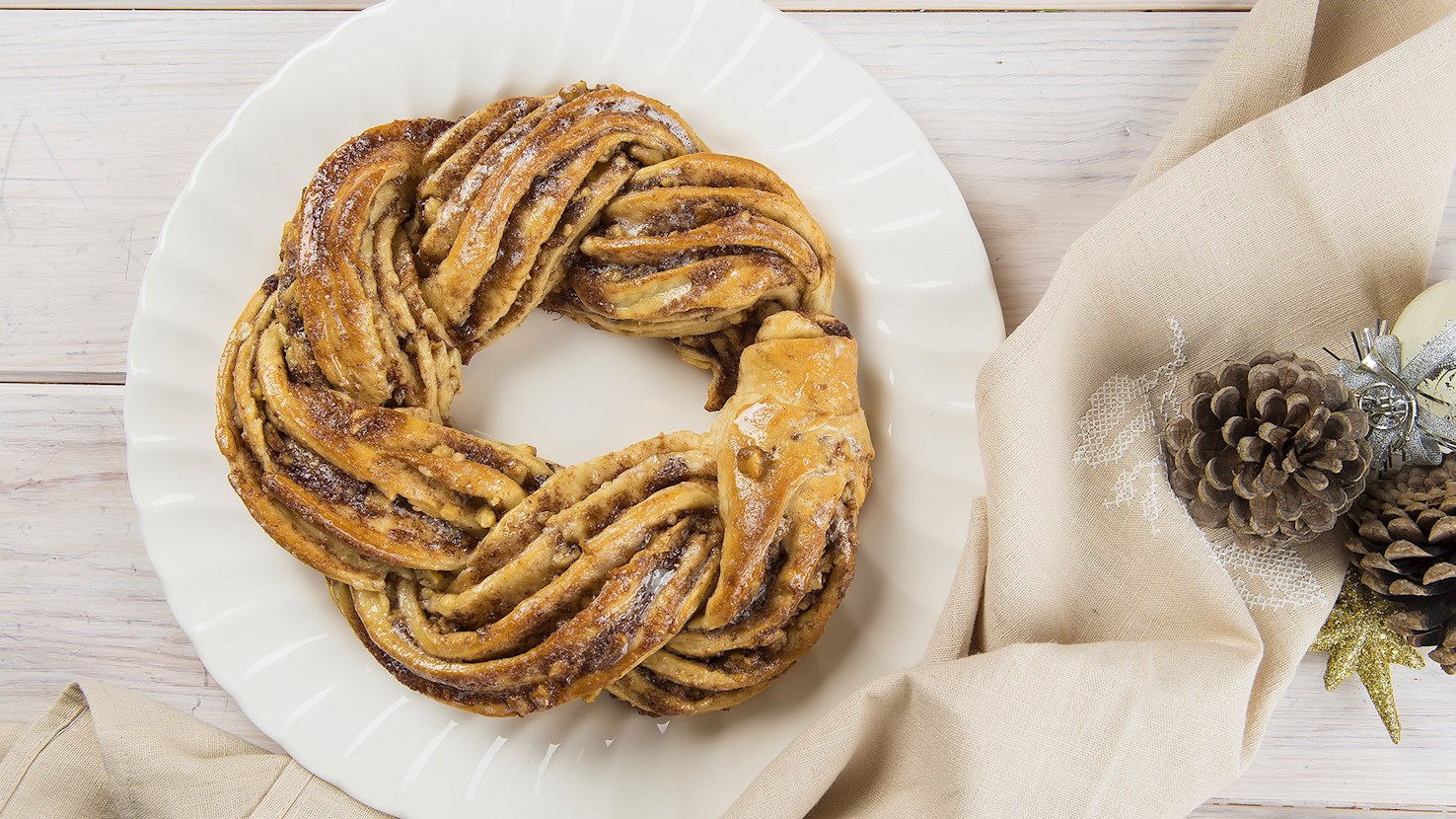
Originally a creation of Roman-Catholic monks, and now popular internationally, kringle is a delicious flaky pastry, usually shaped as a pretzel and filled with various ingredients. It was primarily introduced in Denmark, under the influence of Austrian bakers, and later it spread throughout Nordic countries and eventually to the United States, where it gained great success. Each region has created its distinct varieties, using local and seasonally available ingredients. In Denmark, kringle is usually made with either puff pastry or yeasted dough, filled with sweet concoctions that include butter and sugar, marzipan, and raisins. In the 19th century, Danish bakers introduced the tradition of preparing kringle to the United States, specifically Racine Wisconsin, where the pastry was slightly adapted to the now-famous oval shape. Kringle in Racine is always made with traditional Danish laminated dough, in which the pastry layers are generously spread with butter and filled with the lavish combination of fruits, nuts, or cream cheese. Both American and European kringle can be found in bakeries and grocery shops, but while the luscious American creations are usually enjoyed as desserts, the Danish prefer to eat their traditional pastry as an afternoon snack or a perfect accompaniment to coffee or tea.
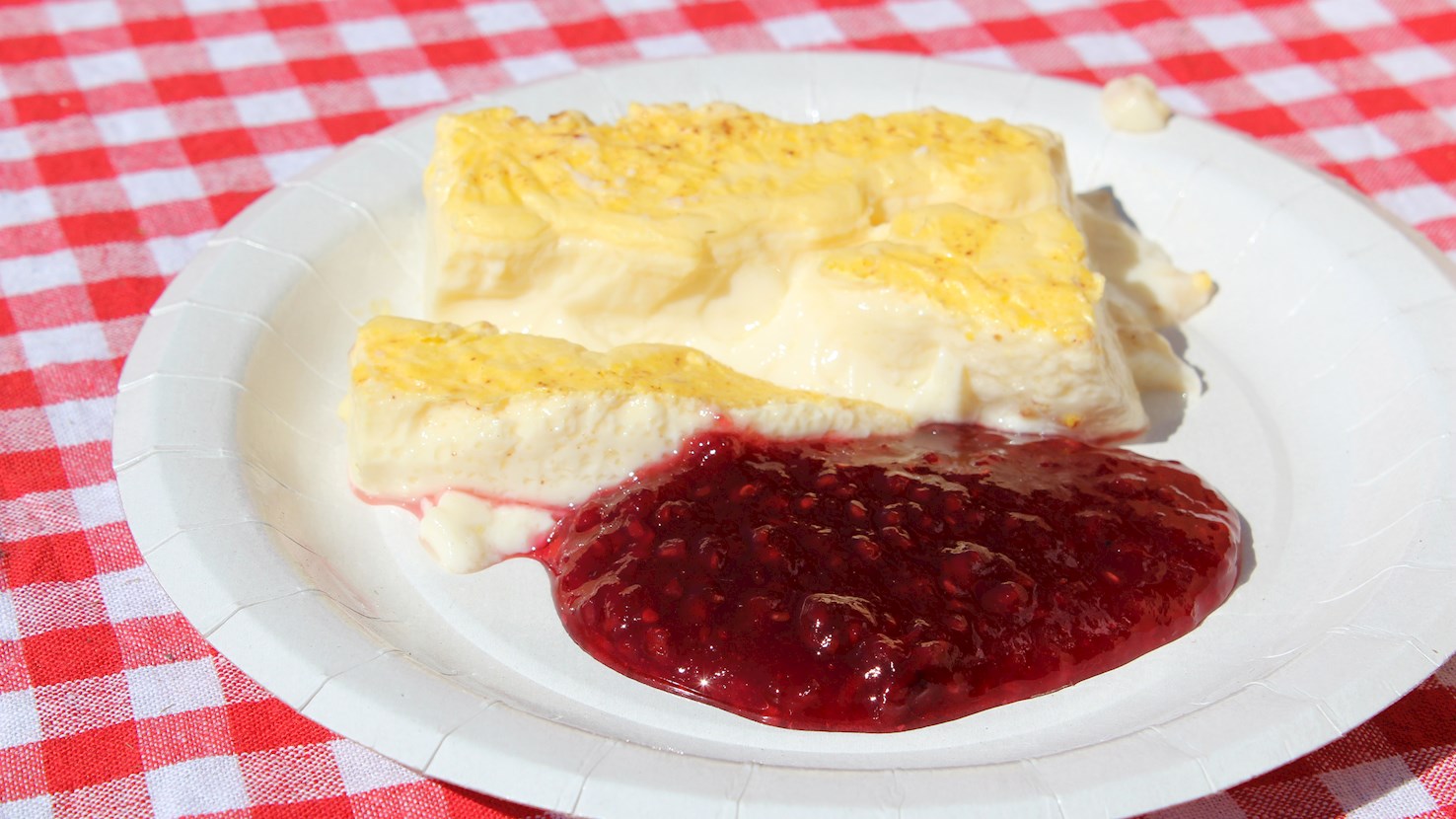
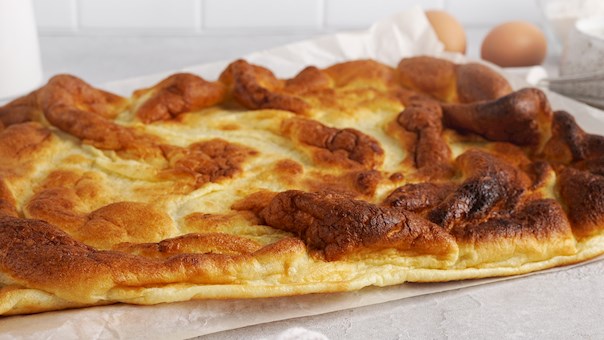
This traditional Scandinavian dish is prepared with a combination of cow’s milk and beestings or colostrum – a yellow, rich milk produced by the animal right after it gave birth to a calf. The mixture is baked in the oven and the product acts as a coagulant, eventually thickening the milk to create a thick, custard-like dish. Often compared to baked cheese, uunijuusto is traditionally enjoyed as a dessert that is often sweetened, spiced with cinnamon, and complemented by fresh berries.
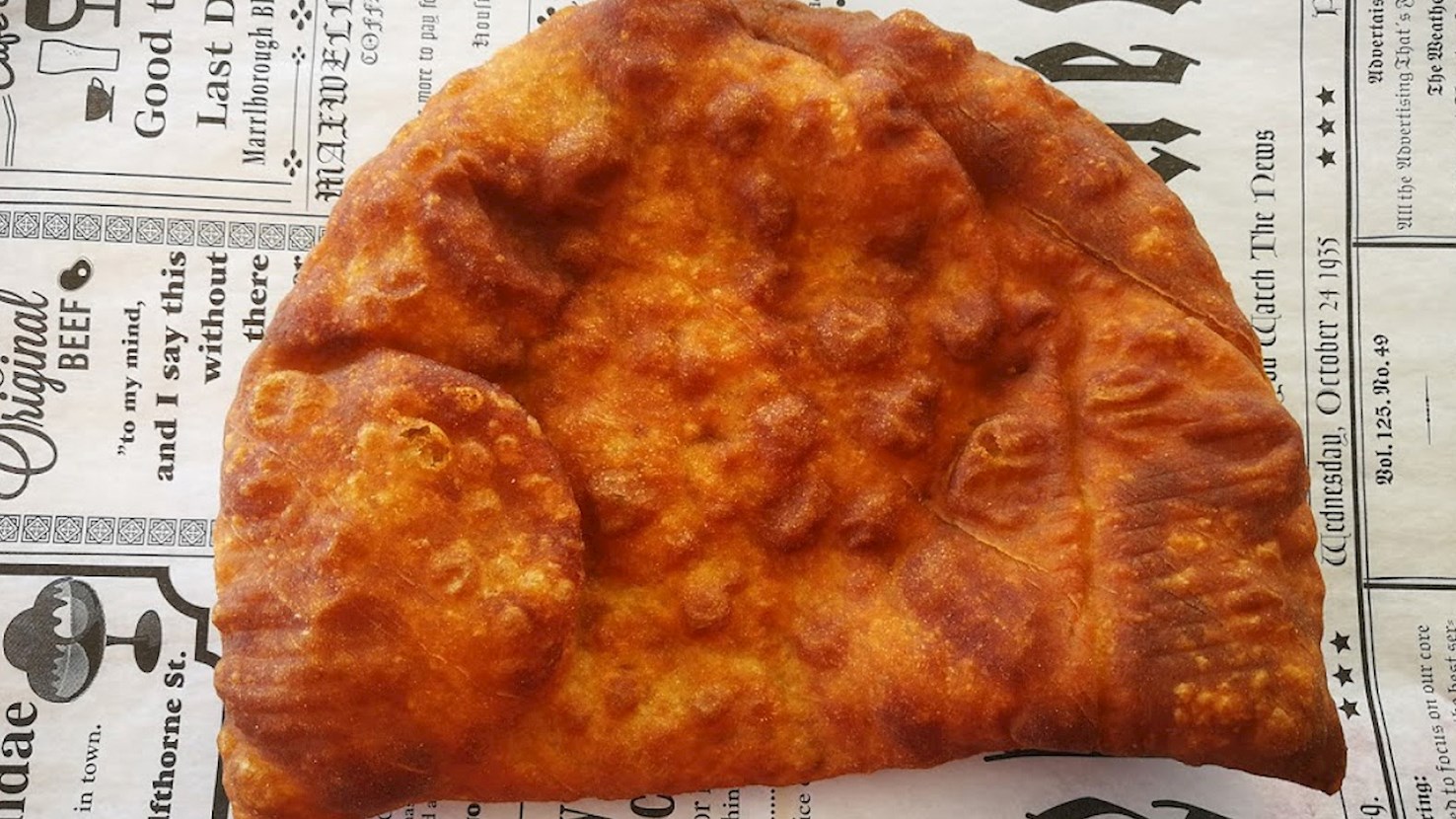
This large, half-moon shaped Finnish pastry is a specialty of the Savonia region, where it is commonly sold at the local markets. Lörtsy is usually deep-fried and comes in a variety of sweet and savory fillings such as minced meat or various jams. It is best enjoyed freshly prepared as a savory snack or a sugar-coated dessert.
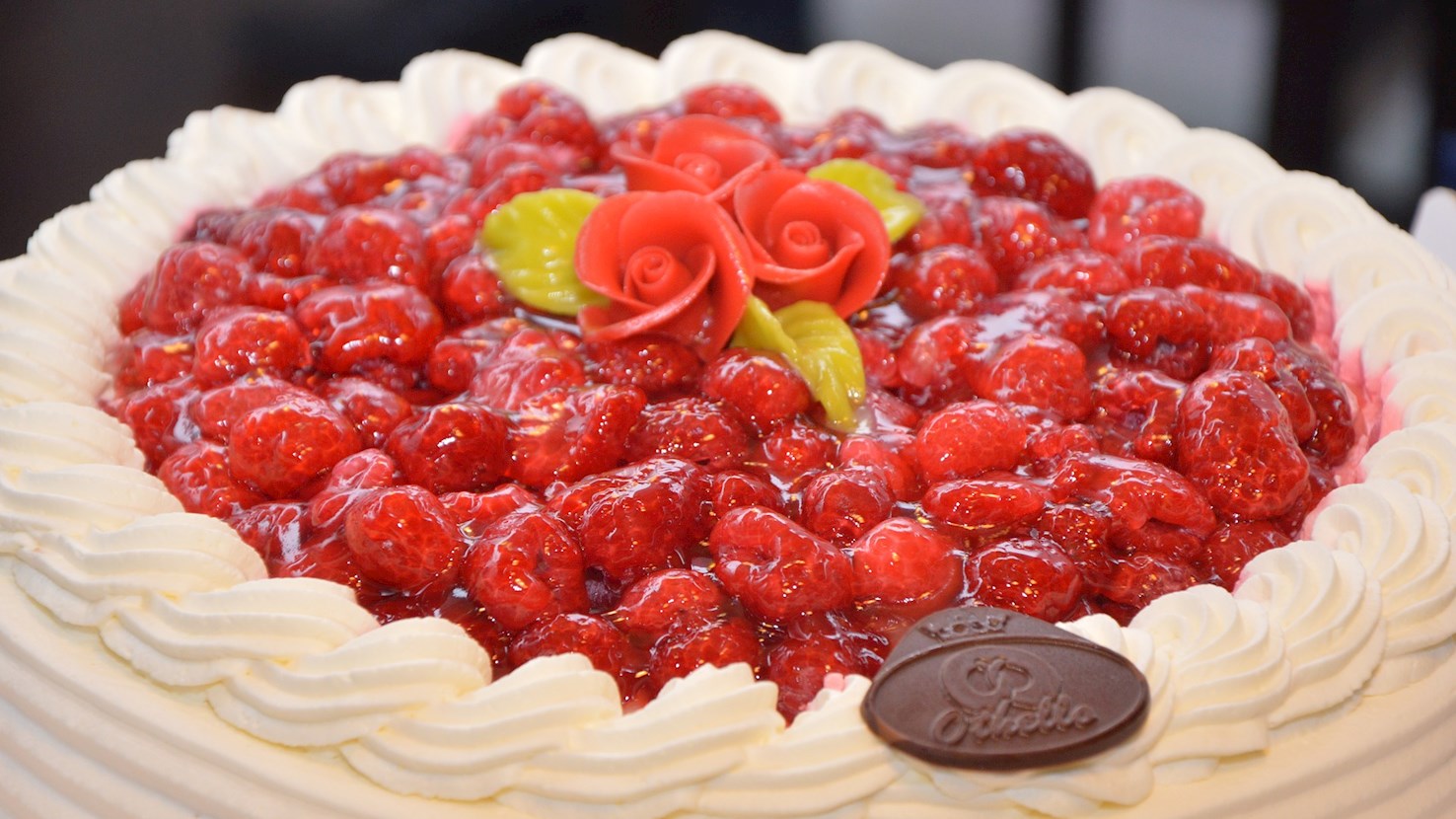
Mansikkakakku is a traditional cake originating from Finland. The cake is usually made with a combination of strawberries, almonds, sugar, egg whites, salt, heavy cream, and vanilla. The egg whites are beaten with salt and sugar until stiff peaks form. The almonds are ground and mixed with sugar, and the mixture is folded into the meringue. The meringue is baked and dried, then topped with whipped cream and strawberries. The process is repeated again with the same layers, and the cake is then chilled before serving.
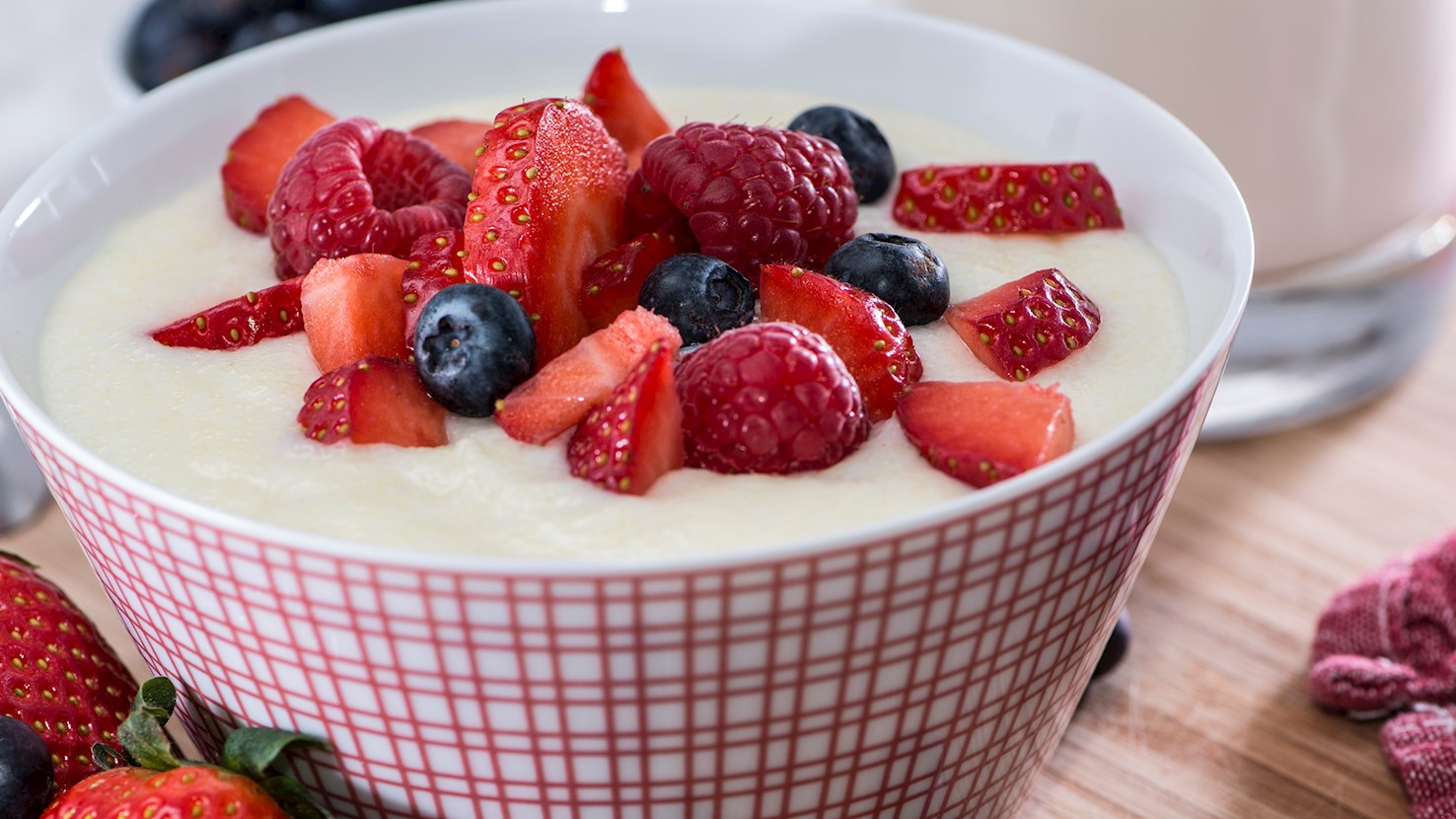
This creamy semolina porridge is a traditional dish that is usually consumed as a nutritious breakfast, a light snack, or a simple dessert. Prepared with semolina, milk, and just a pinch of salt, the key is to cook it slowly until it achieves the desired consistency. Usually enjoyed warm, the bowl of this warm porridge is lightly sweetened and traditionally served drizzled with butter. It is recommended to garnish it with fresh fruit or various preserves.
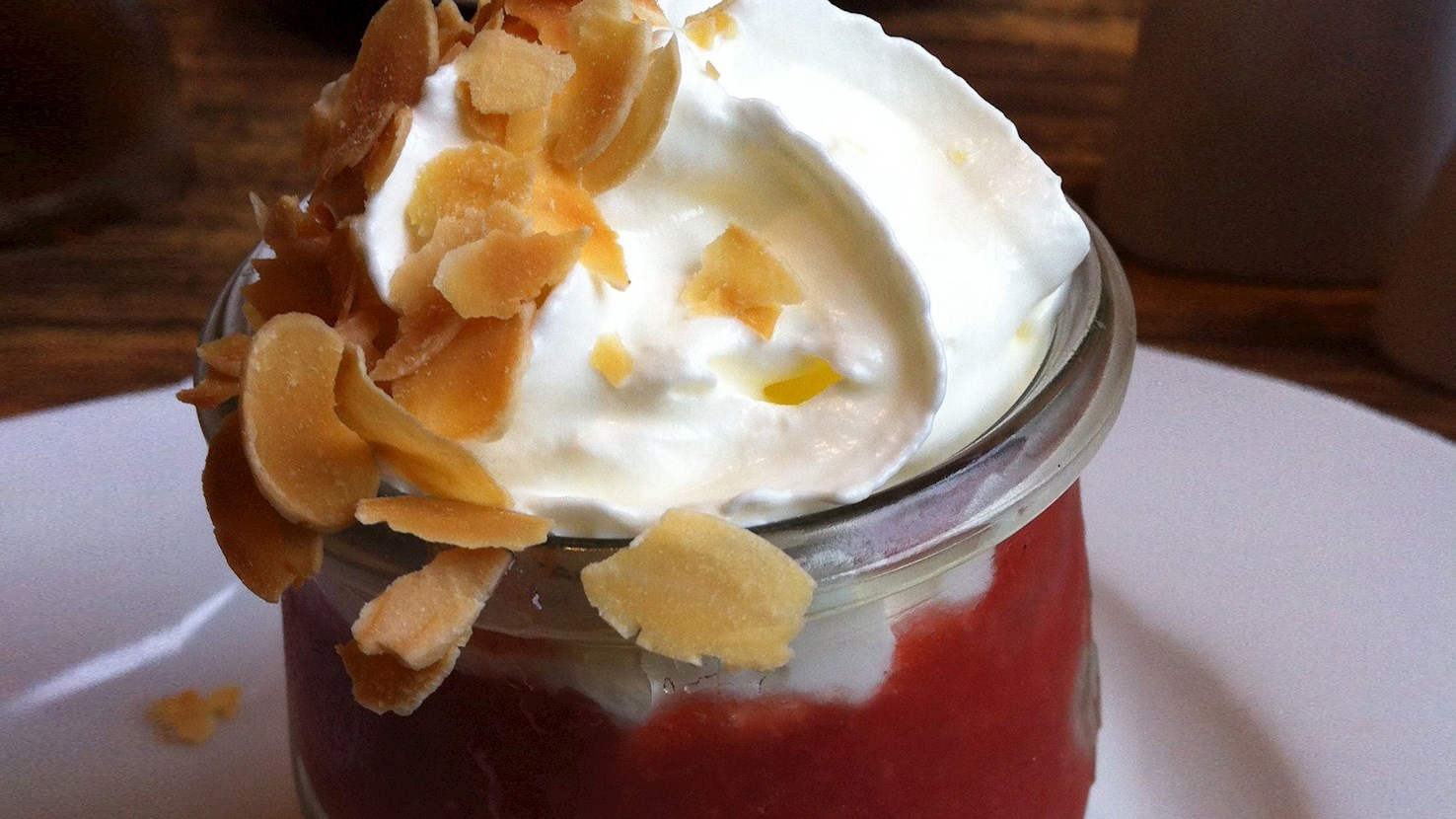
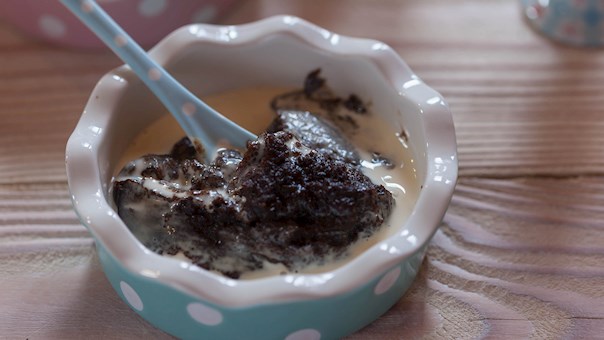
Tilslørte bondepiker is a traditional Scandinavian dessert that's popular in Norway, Sweden, Finland and Denmark. It's made with three simple ingredients that are staples of most Norwegian kitchens – breadcrumbs (often mixed with cinnamon), whipped cream, and apples (or other fruit such as plums). The mashed fruit is placed on the bottom of this layered dessert, followed by whipped cream, toasted breadcrumbs, then another layer of whipped cream and breadcrumbs. If desired, the dessert can be garnished with almonds or chocolate on top, and it's usually served in a glass bowl. The name of the dessert means veiled farmer's daughters. It's especially popular during the colder months of the year.
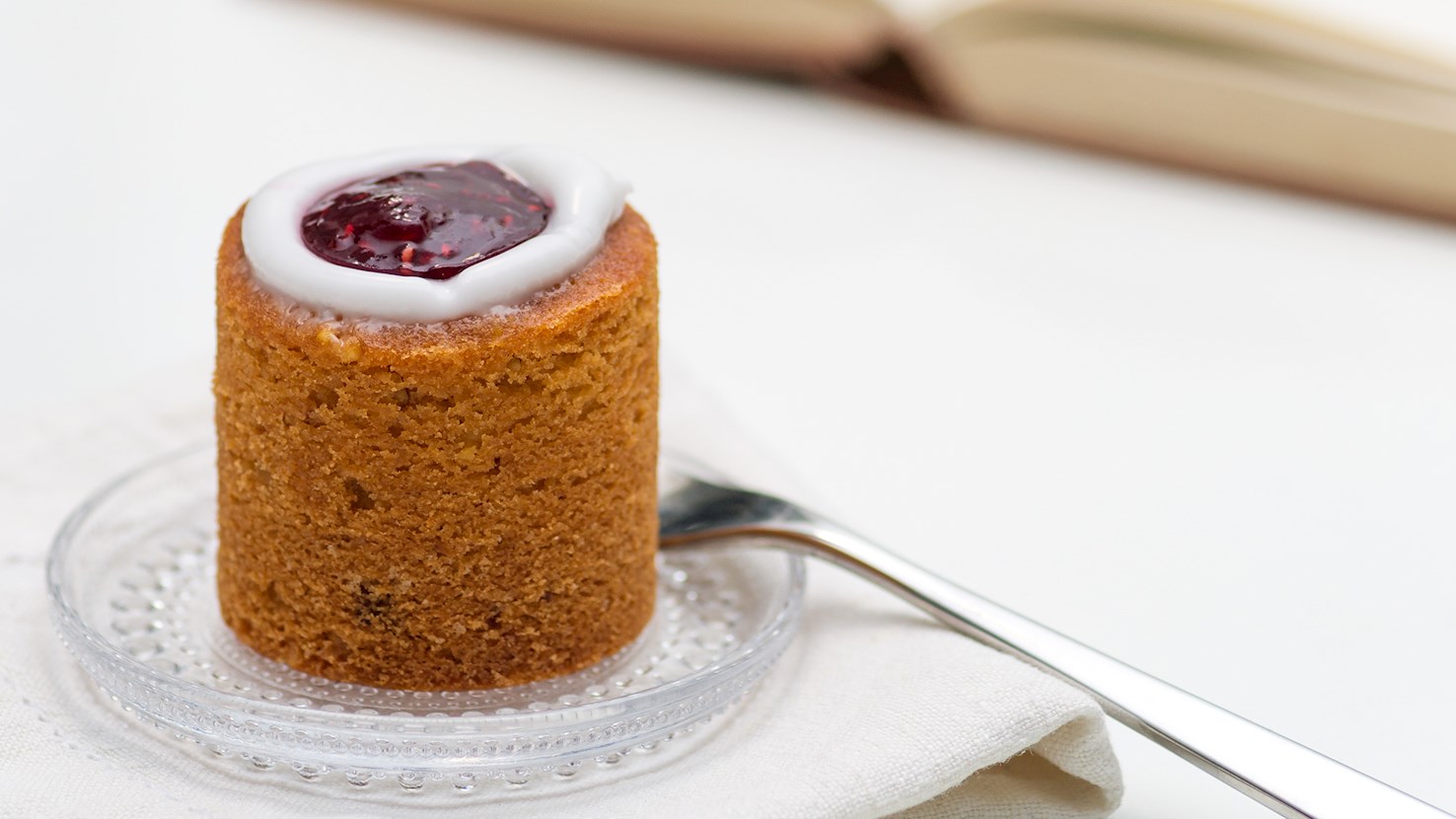
Named after the acclaimed Finnish poet, the Runeberg cake is a small, cylinder-shaped delicacy prepared with a combination of wheat and almond flour. The cake is characterized by strong ginger and cardamom flavors, and a tender, dense texture. This dessert comes in various shapes, and the essential addition to each cake is a dollop of raspberry jam, enclosed by a layer of plain white icing. Believed to have been invented by the poet’s wife, this flavor-packed national treat is usually enjoyed throughout January leading up to Runeberg’s birthday, celebrated on the 5th of February.
TasteAtlas food rankings are based on the ratings of the TasteAtlas audience, with a series of mechanisms that recognize real users and that ignore bot,
nationalist or local patriotic ratings, and give additional value to the ratings of users that the system recognizes as knowledgeable.
TasteAtlas Rankings should not be seen as the final global conclusion about food. Their purpose is to promote excellent local foods,
instill pride in traditional dishes, and arouse curiosity about dishes you haven’t tried.




What People Say