Matija Babić

Top 13 Magnoriental Desserts

Last updated on May 15, 2026

Best Magnoriental Desserts
01

Fortwenger

4.5 ·
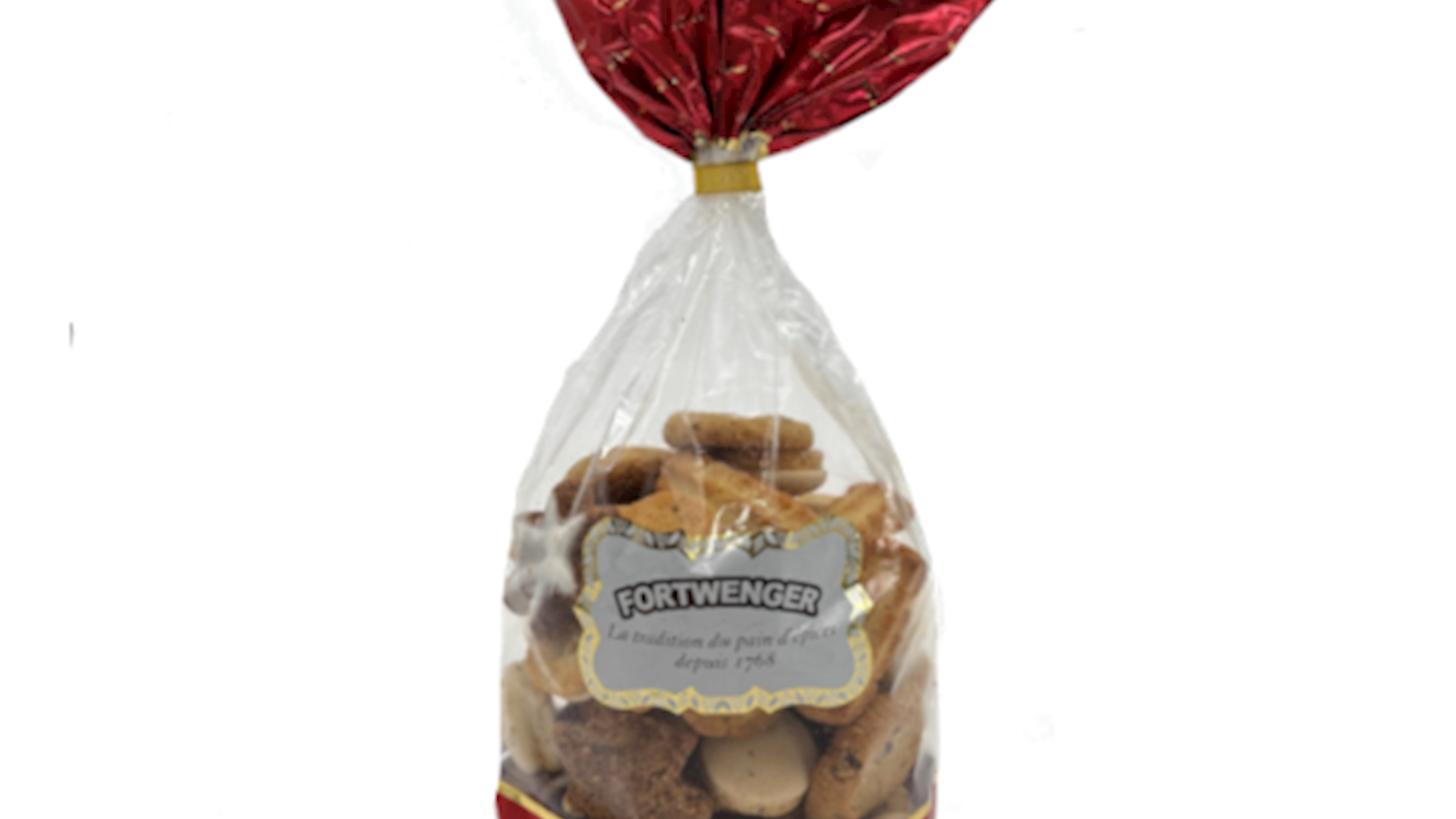
Fortwenger is one of the oldest and most established gingerbread producers in France, founded in 1768 in the village of Gertwiller in the Alsace region, historically known as the heart of pain d’épices production. Built on a long-standing artisanal tradition, the company has preserved its core identity through the use of honey, warm spices such as cinnamon, anise, and ginger, and techniques rooted in regional baking practices. While production has expanded over time, the brand continues to emphasize craftsmanship, including shaped and often decorated gingerbread that reflects Alsatian cultural motifs. Its portfolio extends beyond classic gingerbread to include biscuits, chocolate products, and seasonal specialties, frequently presented in decorative forms that position them as both confectionery items and regional souvenirs. Fortwenger has also developed an experiential dimension through its Palais du Pain d’Épices in Gertwiller, combining a museum, workshop, and retail space that showcases the history and production process. Today, with multiple boutiques across Alsace, including Strasbourg and Colmar, the brand maintains a strong connection between local heritage, tourism, and traditional confectionery.

Best Magnoriental Desserts

01

Tarte aux mirabelles

4.1 ·

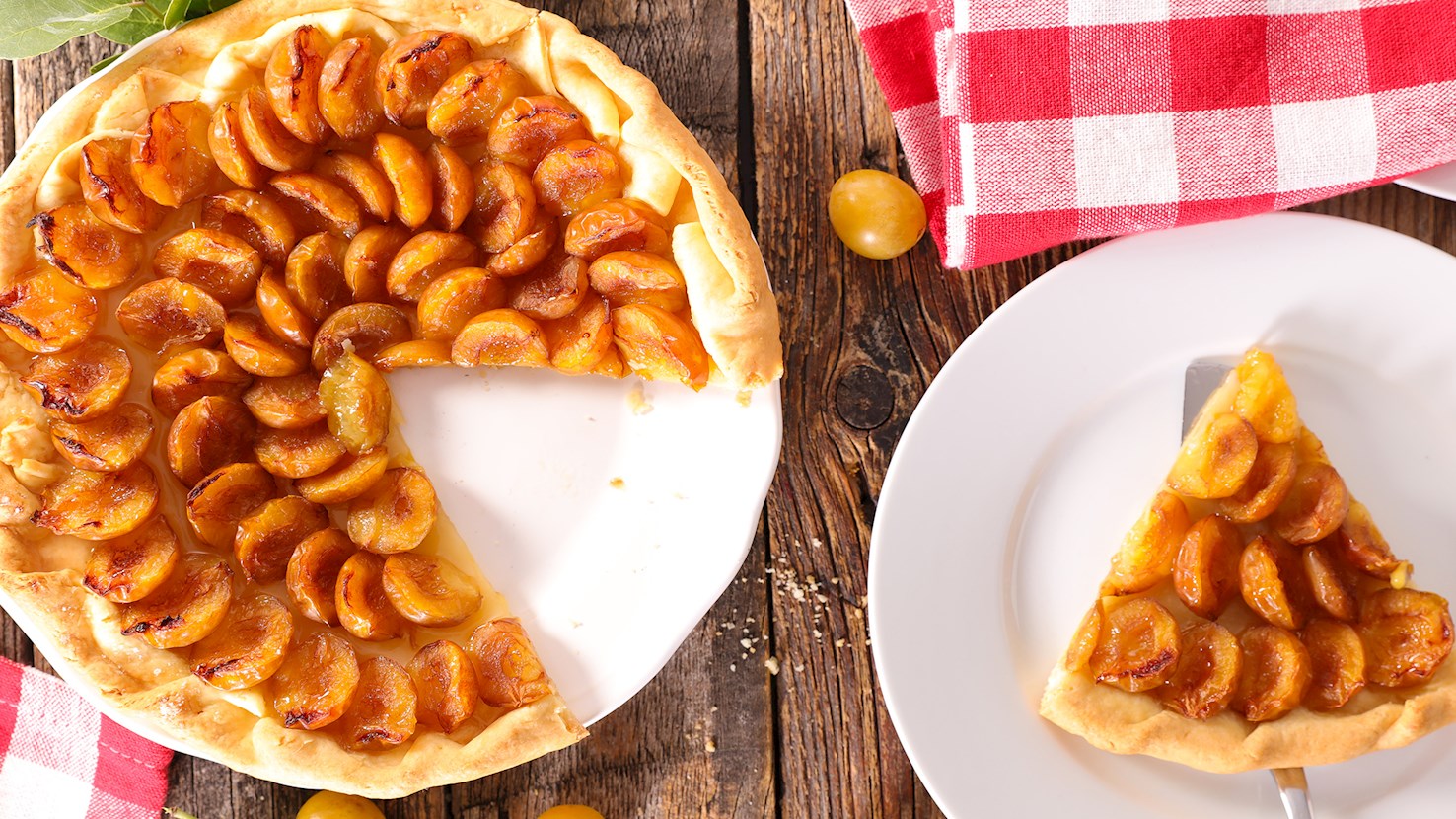
While the traditional version couples only two elements, shortcrust pastry or pâte brisée and juicy mirabelle plums, modern varieties of this classic occasionally place the plums on a bed of pastry cream or creamy custards. Before baking, the tart is sprinkled with powdered sugar (alternatively, the top can be drizzled with mirabelle brandy), and it is then caramelized under a broiler or with a blowtorch. This autumnal French dessert is often associated with the regions of Lorraine and Alsace, where mirabelle plums are traditionally grown. Because their season is very short, they are a prized ingredient in the French cuisine.

02

Bredele

3.9 ·

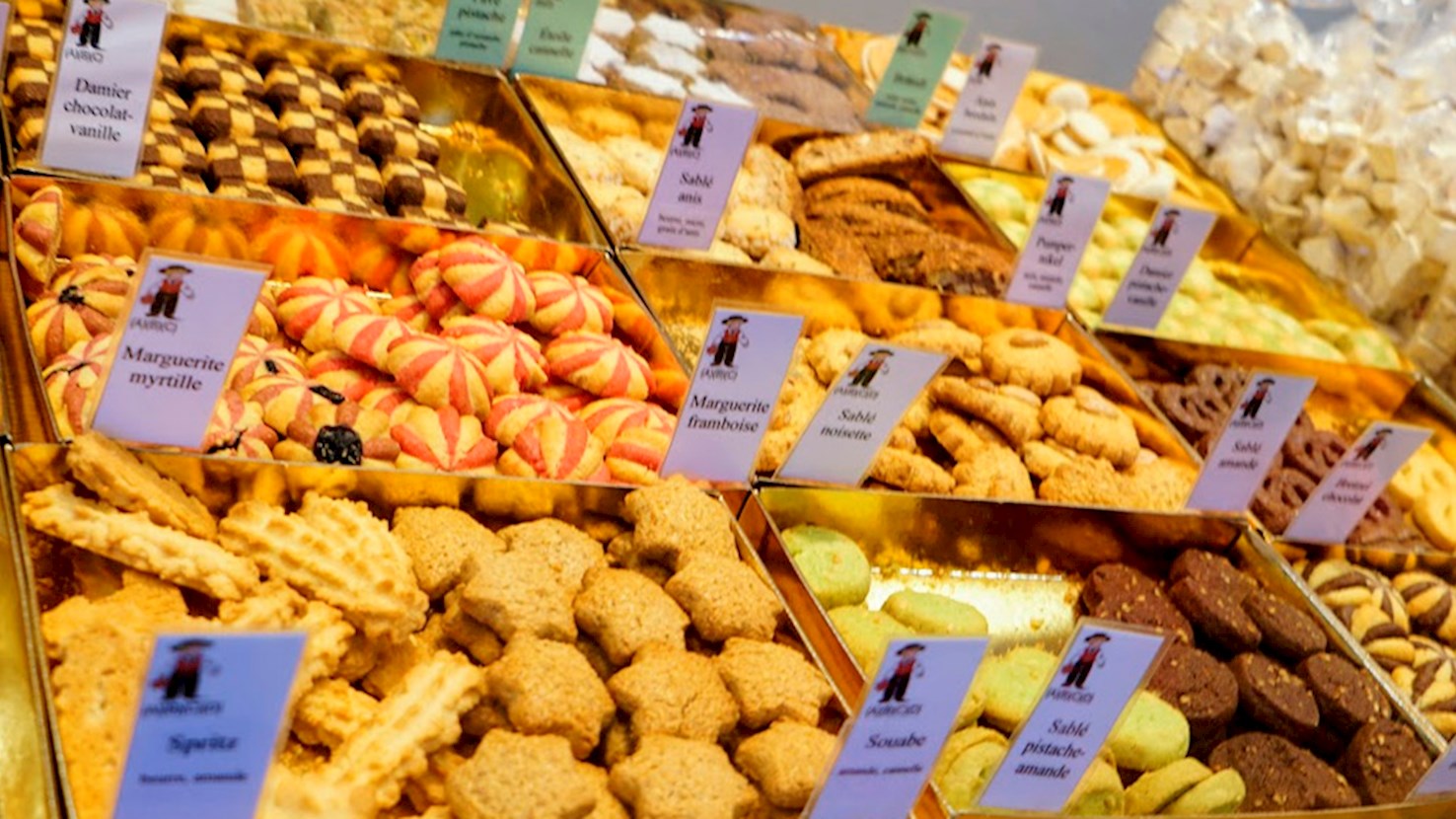
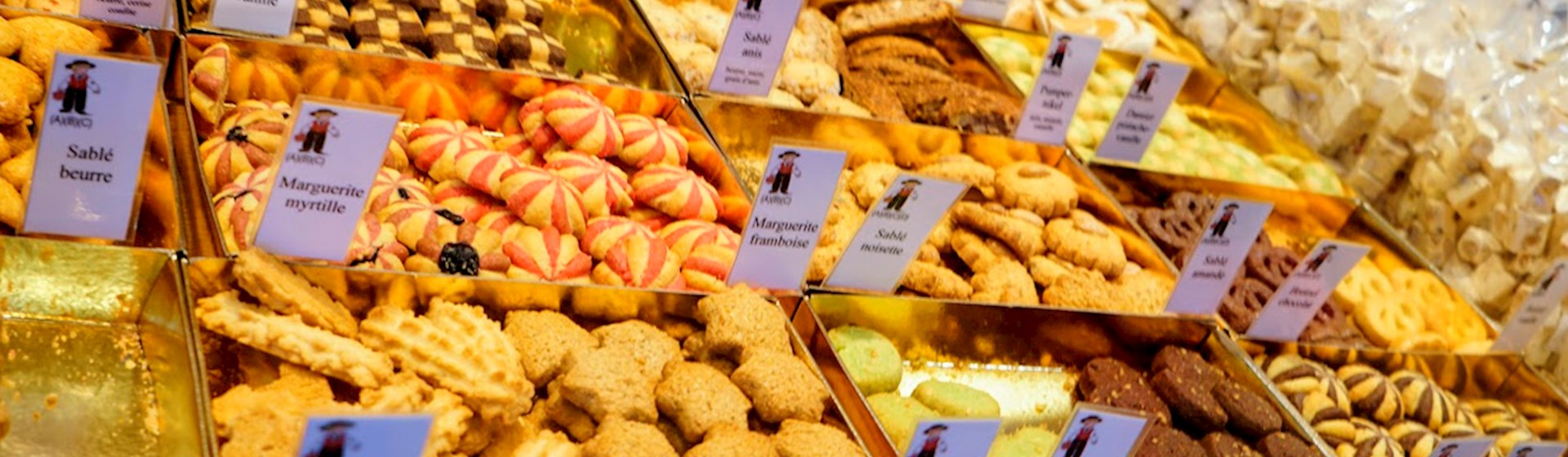
Bredele are small biscuits that are traditionally prepared during the festive Christmas season in the French region of Alsace. The biscuits come in many shapes and flavors such as lemon, honey, and almond. Although the first known recipes for bredele date back to the 14th century, they rose in popularity around the 18th and the early 19th century, when cookie-cutters were introduced to French kitchens. Today, the biscuits are often made at home and stored in tin boxes to keep them fresh until Christmas Eve, when they are usually served with tea, coffee, or Alsatian wines such as Muscat and Gewurztraminer.

03

Madeleines

3.8 ·

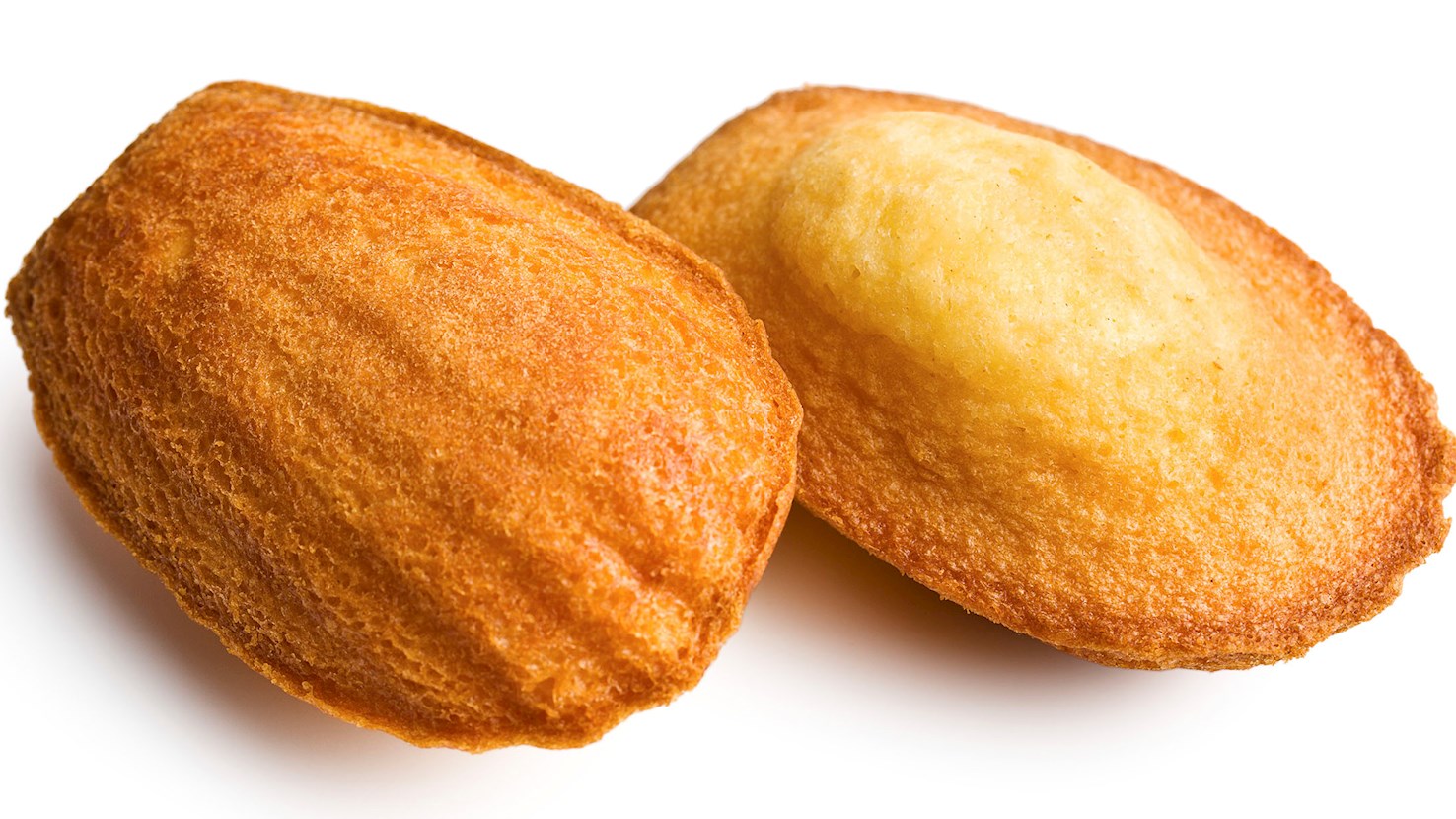
Madeleines are the perfect accompaniment to afternoon tea - these buttery sponge cakes (often mistaken for cookies because of their small size) are slightly browned and crispy on the outside while remaining soft and tender on the inside. A typical dessert of the Lorraine region, madeleines are said to have originated in Commercy. They are supposedly named after Madeleine Paulmier, the 18th-century pastry chef who first made them for Stanisław Leszczyński, the Duke of Lorraine. Later on, his daughter Marie Leszczyńska introduced madeleines to the court in Versailles, and they attained countrywide popularity soon afterward. However, what brought them worldwide fame is a passage from Swann’s Way, the first volume of Marcel Proust’s 20th-century literary masterpiece In Search of Lost Time. In painstaking detail, Proust describes biting into a soft little madeleine dipped in linden blossom tea, the taste of which then takes him on a bittersweet journey of nostalgia, evoking long-forgotten memories of his childhood and youth. Also known as petite madeleines, these delicate little tea cakes are traditionally baked in shallow, scallop-shaped molds that give them their distinctive shell-like appearance. Even though they come in many flavors, such as chocolate, vanilla, rose, honey, lavender, and orange, classic madeleines are typically flavored with almonds or lemon and are served with a dusting of powdered sugar.

Best restaurants
04

Tarte à l'oignon

3.8 ·

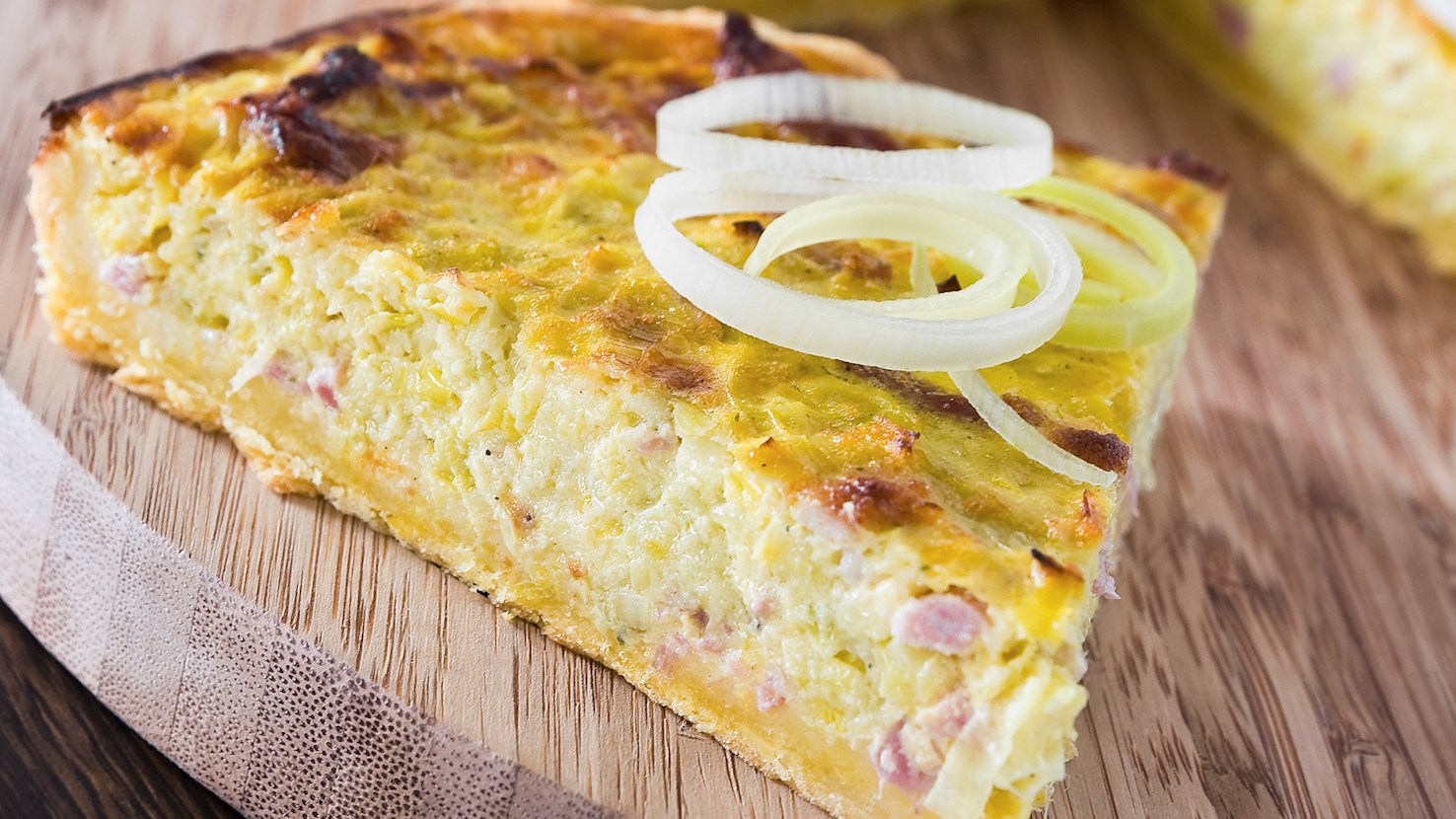
Tarte à l'oignon is a fragrant, savory onion tart from the Alsace region in France. Essentially, it is an open-face pie that is filled with a rich and flavorful custard of eggs, bacon, and onions. Although it is a cousin to the famous quiche Lorraine, it is not as deep as traditional quiches. The most popular story about the origin of the onion tart says that it was a baked good with which the bakers would test the heat of the ovens, depending on the time it took to bake it. If the tart was baked in a certain amount of time, that meant that the oven was hot enough for bread to be baked in it. Today, the tart is enjoyed throughout France, with the sweetness of the onions contrasting with the salty, smoky bacon. The whole dish is typically spiked with thyme, while anchovies are sometimes used in order to accentuate the flavors even more.

05

Glace plombières

3.6 ·

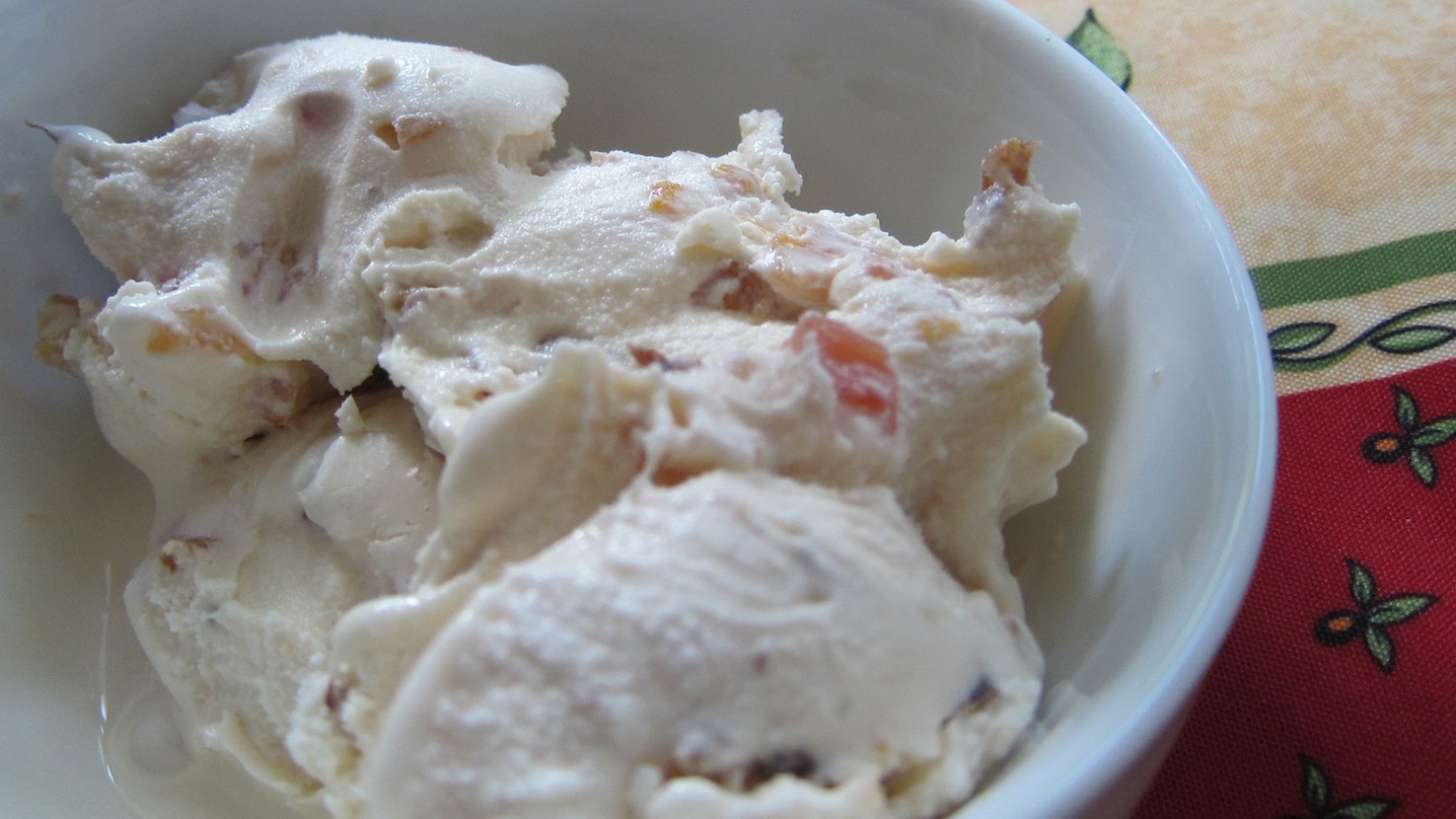
Glace plombières is a French ice cream that was originally invented as a way to cover up a cook's failure at a secret dinner party for Napoleon. There is a theory that the plombière part of its name refers to the leaden ice cream molds that were used in the preparation of ice cream in the past. However, Napoleon's dinner was held in the French commune called Plombières-les-Bains to negotiate a secret treaty, so the true origin of glace plombières still remains a mystery. The defining characteristic of this ice cream is the candied fruit that is ideally macerated in high-quality kirsch, which is typically dispersed throughout the dessert.

06

Biscuit rose de Reims

3.4 ·

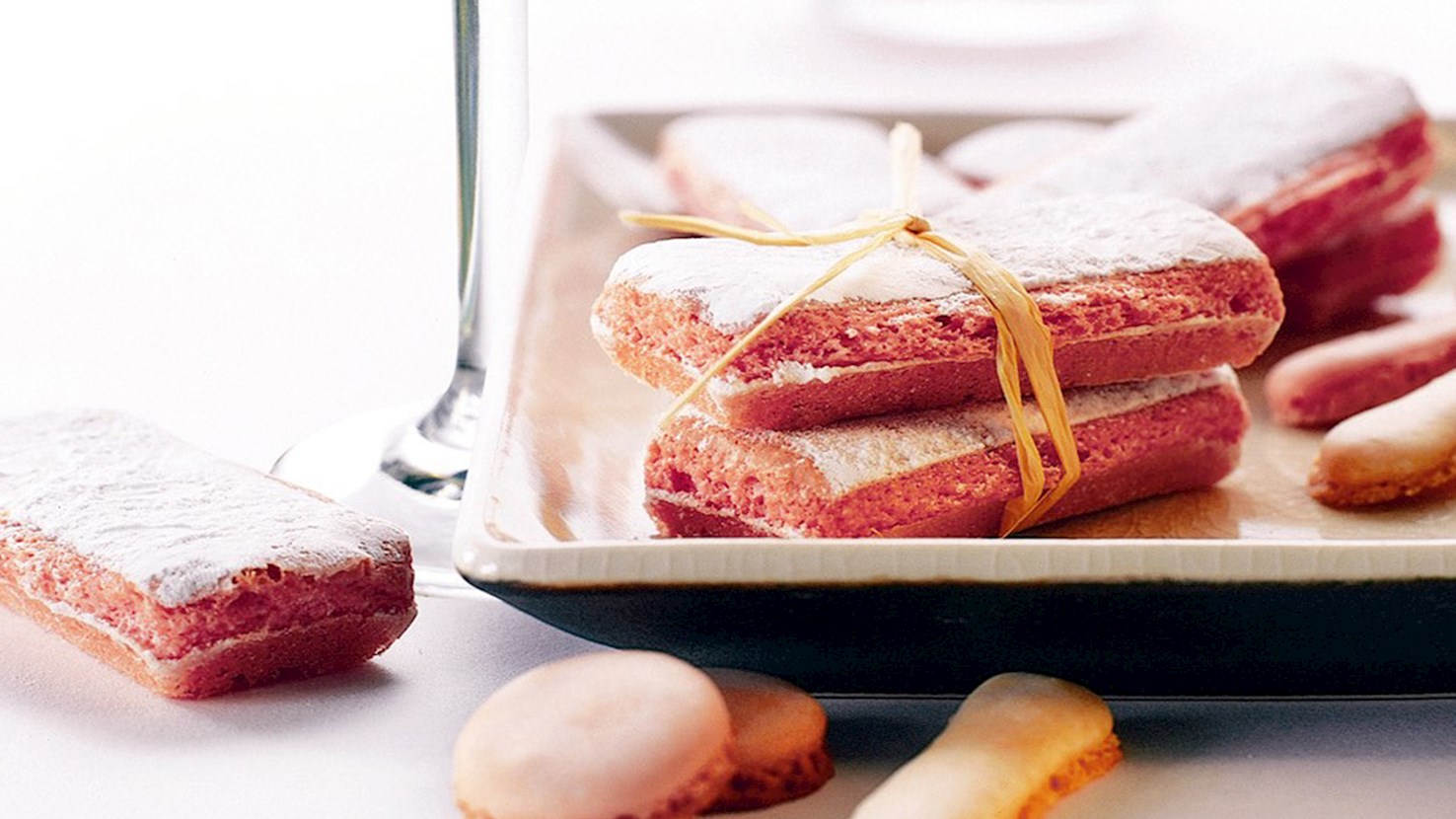
Biscuit rose de Reims or rose biscuit is a traditional dessert that has been produced in Reims, France since 1691. Rose in the name of the dessert refers to its color, not its flavor. Since it is baked twice, the process gives it a characteristical crunchy consistency, making it an ideal accompaniment for champagne. Today, the biscuits are enjoyed with a cup of tea, or used as a key ingredient in the preparation of Charlotte cake. For a traditional touch, the biscuits are often dipped into a glass of champagne or local red wines. The original recipe is still a mystery, kept by Fossier's confectioners, who first started making these delicious treats. Although the biscuits consist only of eggs, flour, sugar, and vanilla flavoring, the preparation requires special expertise.

07

Macarons de Nancy

3.3 ·

A macaron is a sweet treat that is prepared throughout France, its name derived from the italian maccarone, referring to the crushing of the almond paste, which is the main ingredient of these delectable treats. Originally, the daughter of Charles III, Duke of Lorraine founded a monastery called Les Dames du Saint-Sacrement, right in the center of the French city called Nancy. As meat was forbidden in the monastery, the nuns started to bake numerous pastries, amongst them the popular macarons. Upon their abolishment from the monastery, nuns Marguerite and Marie-Elisabeth sought refuge in the house of a local doctor, and started to make and sell macarons in order to survive. The sweets gained huge popularity, and in 1952, the city of Nancy honored the macaron sisters by naming a part of the street where they lived after them. The recipe for these famous treats is still kept a secret, guarded by Nicolas Génot of the Maison des Soeurs Macarons in Nancy.

08

Beerawecka

n/a ·

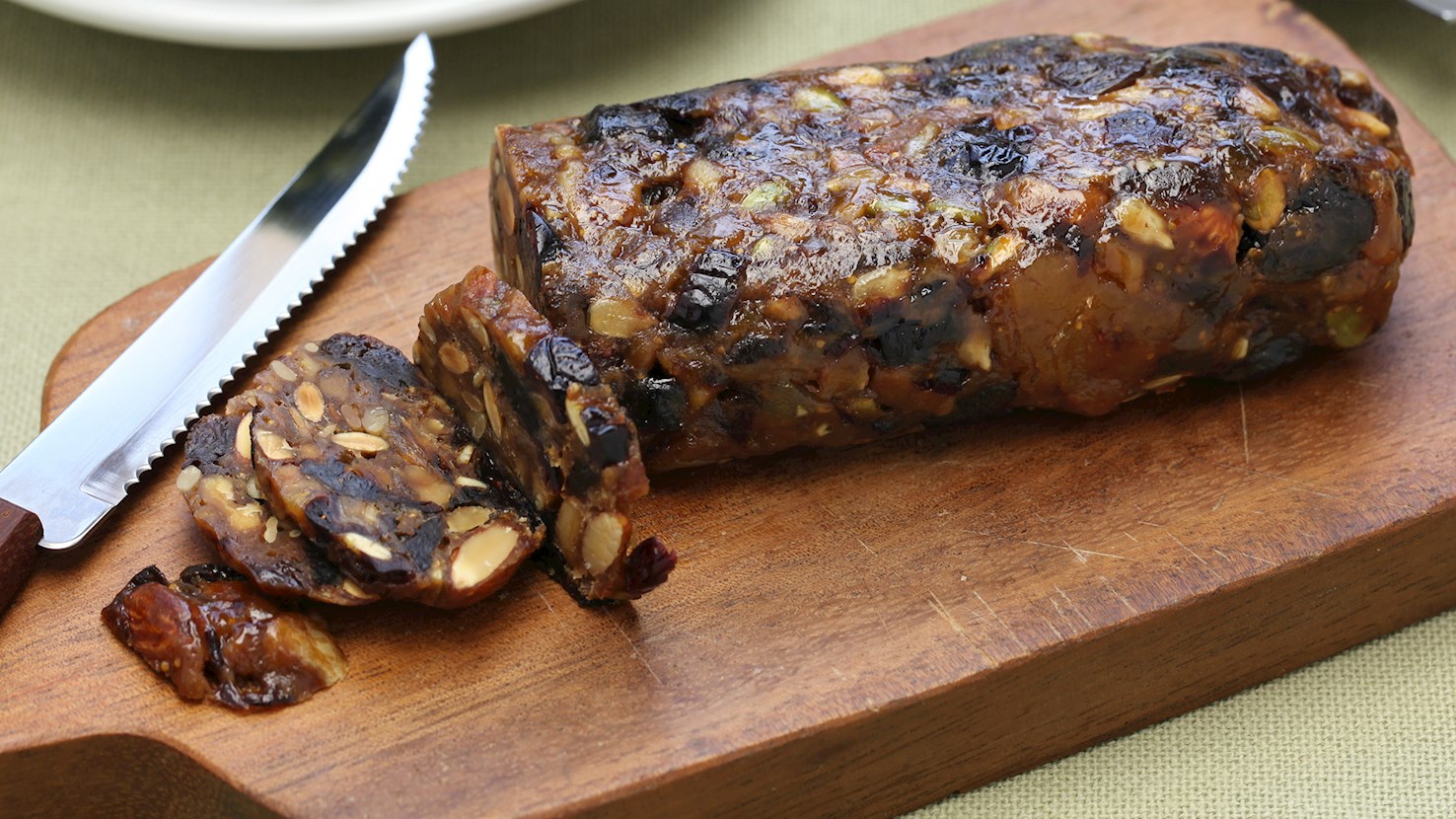
Beerawecka is a French dish that is traditionally served at Christmas in Bas-Rhin and Haut-Rhin. The dish is a cake made with dried fruits (pears, plums, raisins, figs, apricots), candied peel, and nuts such as walnuts, almonds, and hazelnuts. The ingredients are typically macerated in liqueur, then covered with a spiced cake mixture. The spices used in the cake are usually cinnamon, anise, cardamom, and mace. It is believed that the cake was invented by Alsace's Jewish community. Apart from France, beerawecka is also popular in Austria, Switzerland, Italy, and Germany.

09

Tarte au maugin

n/a ·

Tarte au maugin is a cheese and cream tart from the Metz area, with a thin pastry shell filled with a thick mixture of well-drained fromage blanc, beaten eggs, crème fraîche, and sugar. Its roots extend back to the Middle Ages in the Pays messin around Metz, where local bakers and home cooks combined fromage blanc and cream into a sweetened egg mixture known locally as maugin (a form of migaine) and poured it over a base of shortcrust pastry to create a dessert often served for afternoon coffee or meals. The preparation begins with a shortcrust pastry made from flour, water, and fat such as butter or lard, which is rolled and placed in a tart pan; the fromage blanc is strained to remove excess whey, then mixed with crème fraîche, sugar, and beaten eggs until smooth before being poured into the prepared shell and baked until the filling is set and slightly firm on top. Common variations include incorporating raisins or citrus zest into the filling or serving the tart with a fruit coulis on the side. Tarte au maugin is served as a dessert or with afternoon refreshments, typically sliced and served with black coffee, tea, or a sweet wine.

10

Macaron de Boulay

n/a ·

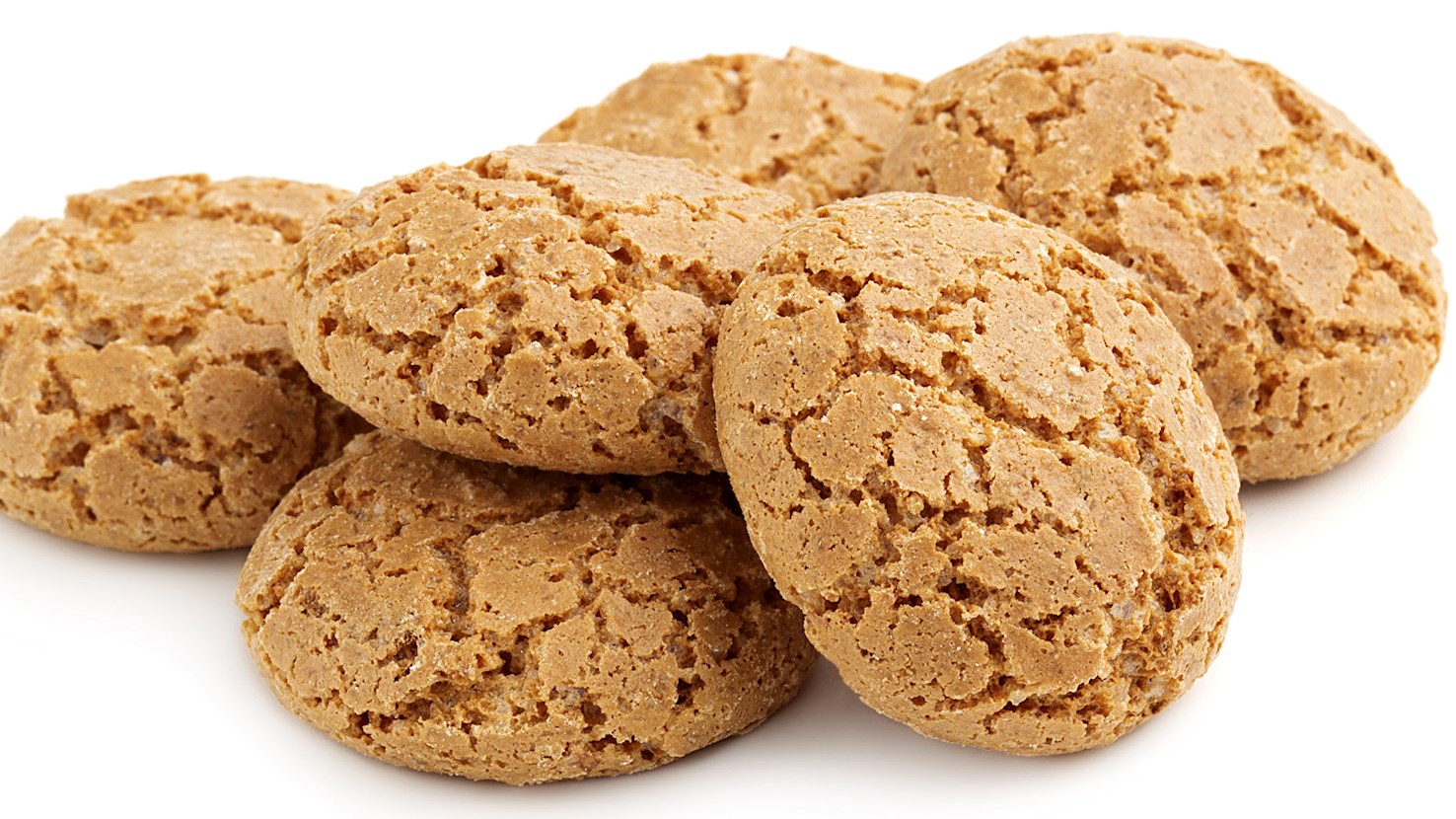
Macaron de Boulay is an almond cookie from Boulay, with a crisp exterior and a moist, chewy center, made from ground almonds, sugar, and egg whites. Its creation dates back to the early seventeenth century when Italian confectionery techniques influenced local baking, and the recipe became firmly associated with Boulay as it was preserved and guarded by a single bakery lineage that continued production over centuries, giving the cookie a strong identity tied to place and continuity. The preparation consists of finely grinding almonds and combining them with sugar, then folding this mixture into whipped egg whites to form a dense yet pliable paste, which is piped or spooned into small rounds and baked carefully so the exterior dries and cracks slightly while the interior remains soft and rich, requiring precise control of temperature and timing. Macaron de Boulay is eaten on its own as a sweet bite, often purchased by the box, and enjoyed with coffee or tea. It pairs well with black coffee, lightly sweet white wines, or dessert wines.

Read more
View all
View map
About this ranking

TasteAtlas food rankings are based on the ratings of the TasteAtlas audience, with a series of mechanisms that recognize real users and that ignore bot, nationalist or local patriotic ratings, and give additional value to the ratings of users that the system recognizes as knowledgeable. For the “Top 13 Magnoriental Desserts” list until May 15, 2026, 632 ratings were recorded, of which 550 were recognized by the system as legitimate. TasteAtlas Rankings should not be seen as the final global conclusion about food. Their purpose is to promote excellent local foods, instill pride in traditional dishes, and arouse curiosity about dishes you haven’t tried.

The initial list of top producers was compiled based on available reviews, awards, local recommendations, media and blog coverage, and consumer reviews. The list will be updated with ratings from TasteAtlas local ambassadors and TasteAtlas users.

Similar lists