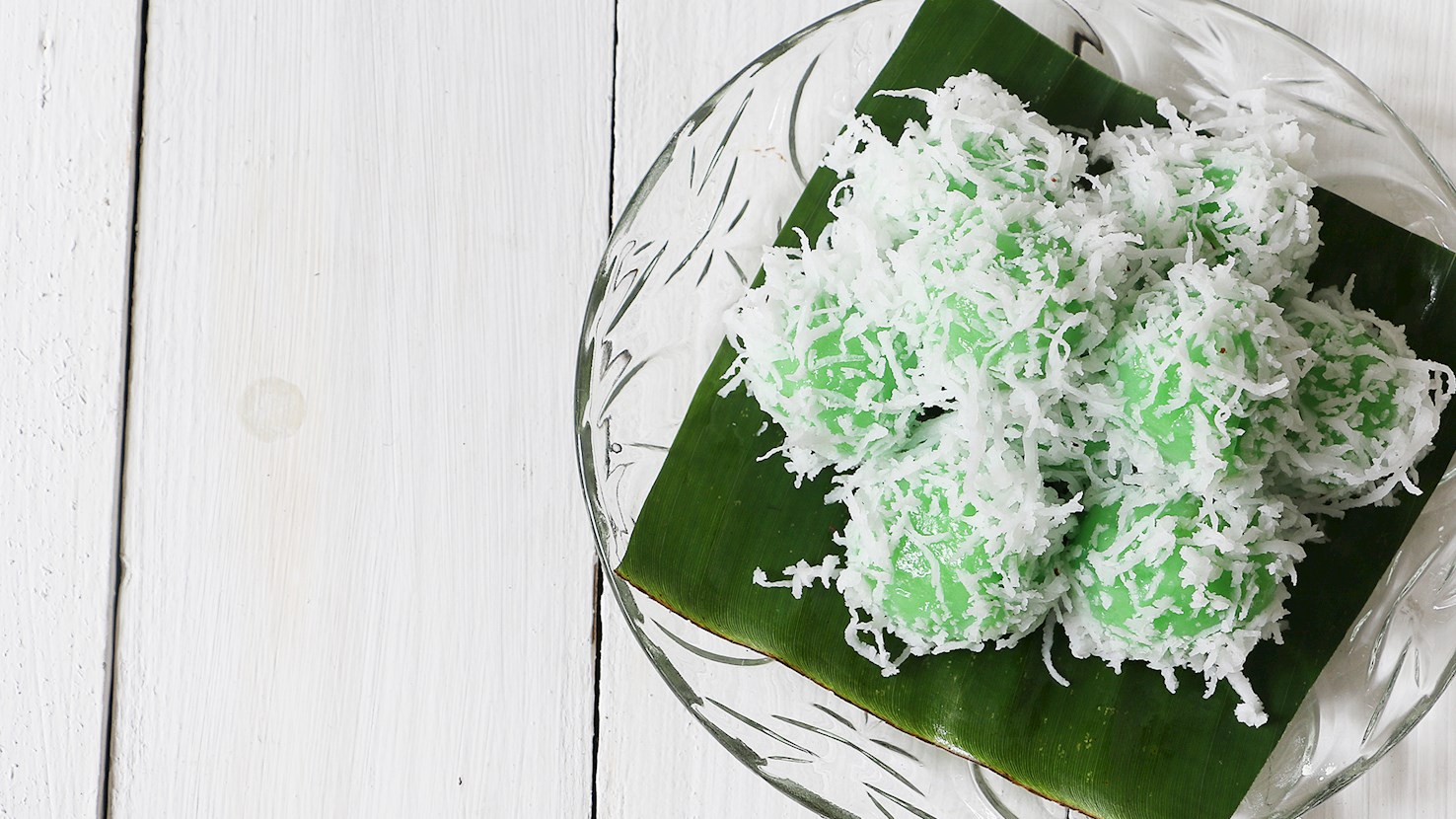
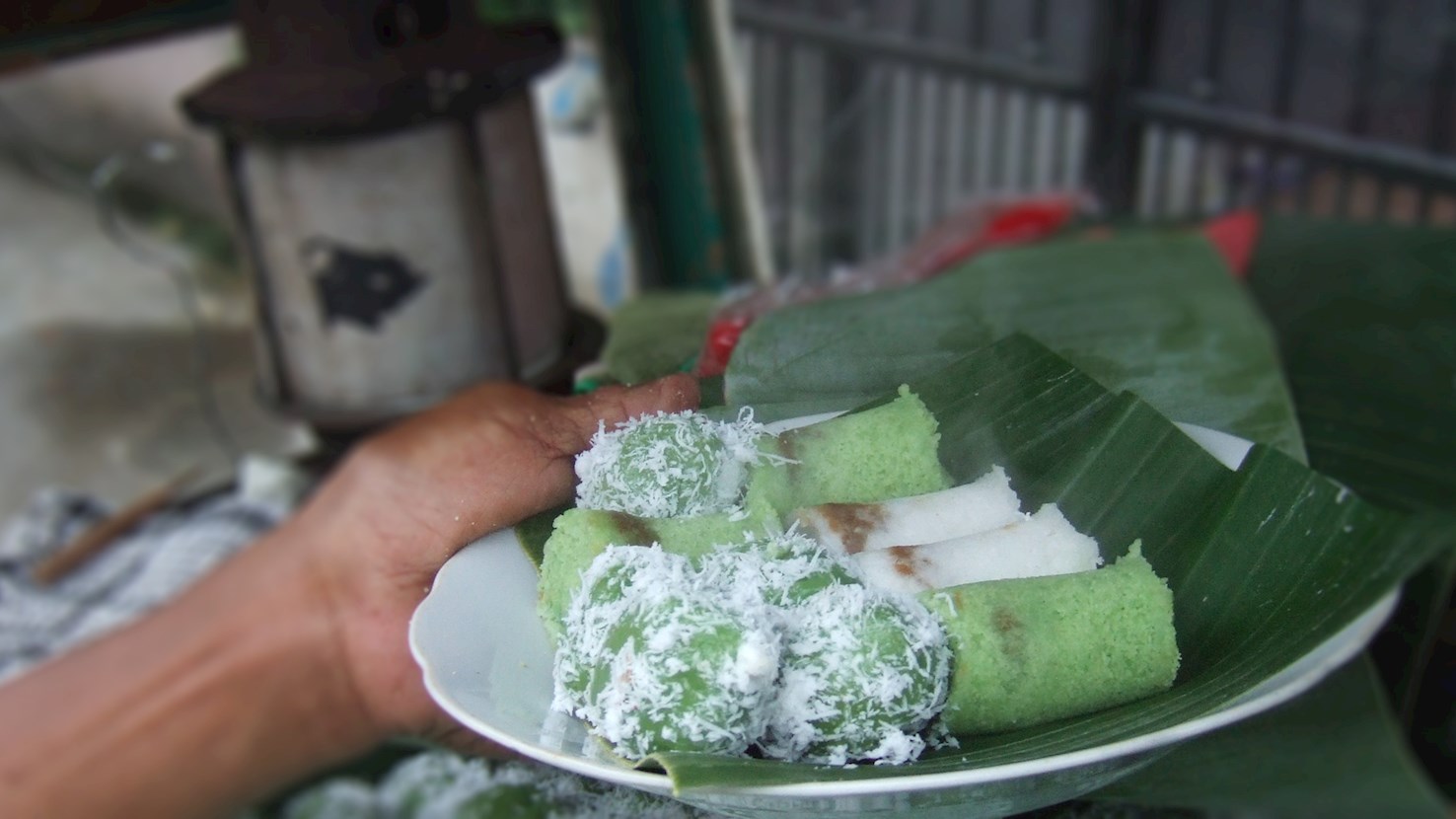
These Indonesian rice balls are prepared with glutinous rice flour shell that is wrapped around a palm sugar filling. The outer shell is usually colored green, traditionally with the help of pandan or dracaena leaves, while the whole cake is coated with desiccated coconut. The origin of klepon is typically associated with Java, while the same treat is better known as onde-onde or buah melaka in some parts of Sulawesi, Sumatra, and Malaysia. It should be noted than on Java, the term onde-onde typically refers to Chinese jin deui rice balls. Klepon balls are traditionally served in banana leaves, and when freshly prepared, the filling is liquid and should be consumed with care.
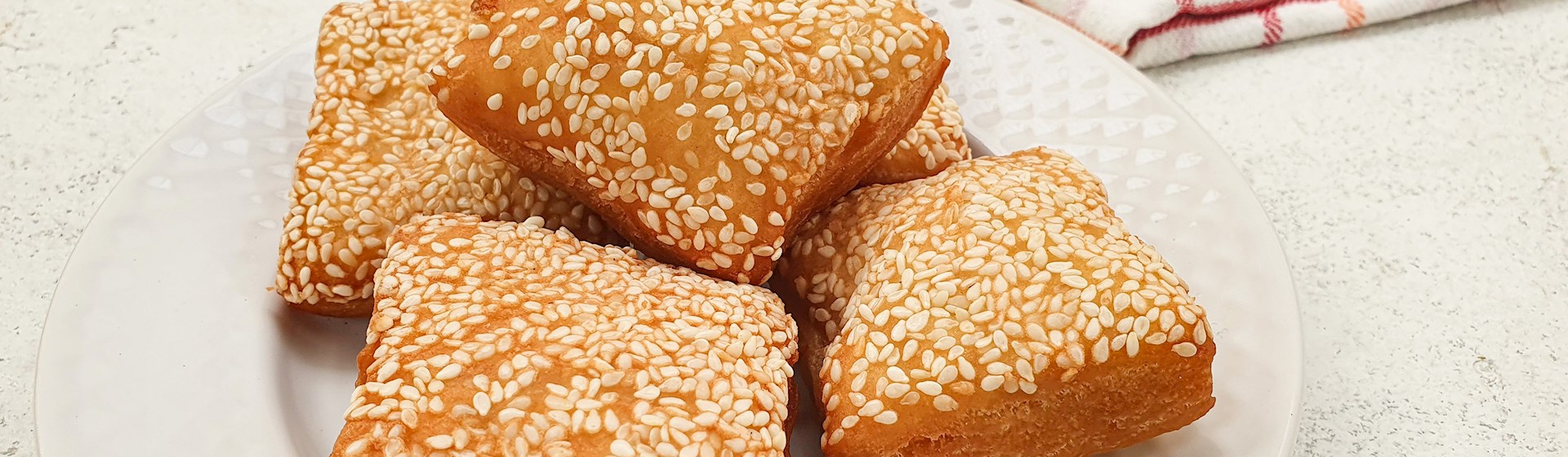
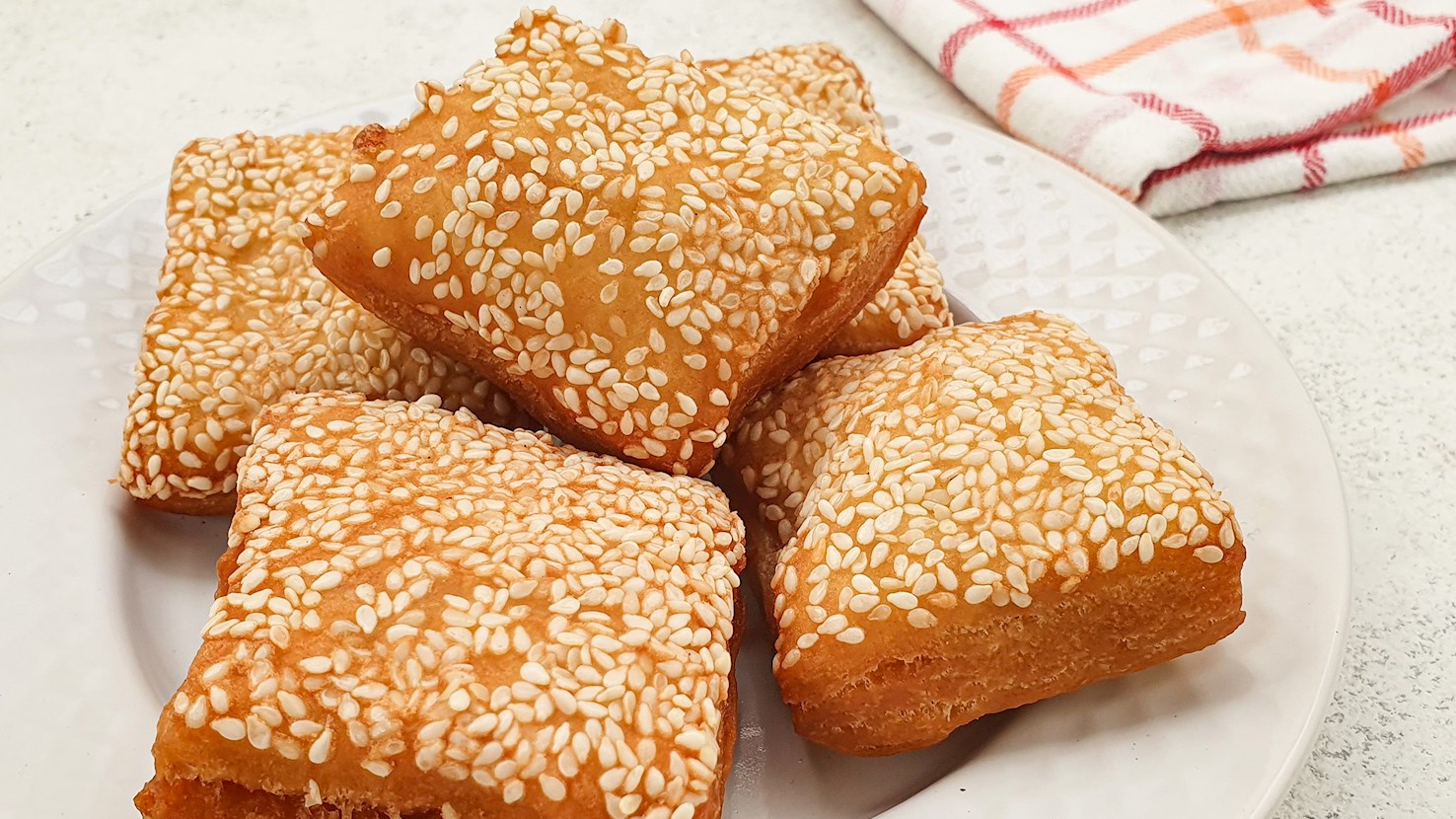
Odading is a sweet fried dough snack from Bandung, the capital of West Java. It is made by preparing a yeast-based dough enriched with sugar, milk, and sometimes eggs, then shaping it into flattened squares or rectangles before deep-frying until golden brown and puffed. The texture of odading is light and airy on the inside with a slightly chewy crust that becomes crisp as it cools. The name is believed to have originated during the colonial period, when Dutch and local influences merged in urban markets and home kitchens, leading to recipes that combined European-style enriched dough with local cooking techniques. The preparation of odading begins by mixing all-purpose flour with yeast, sugar, salt, and milk, then kneading until a smooth dough forms. The dough is left to rise until doubled in volume, then rolled out and cut into uniform pieces. Each piece is rested briefly to develop air pockets that create the characteristic fluffiness when fried. Once shaped, the dough is fried in moderately hot oil so it cooks through evenly without burning on the outside. Finished odading is sometimes sprinkled with additional sugar or brushed with a thin sugar syrup for extra sweetness. Odading is commonly eaten as a snack or breakfast item and is often sold by street vendors and small shops in Bandung, where it has long been a familiar part of everyday food culture. It is usually served warm, either plain or accompanied by coffee or tea. The snack gained renewed popularity in Indonesia after a viral video humorously promoted odading as “bread of an iron man,” which sparked national interest and boosted sales for many local vendors.
These traditional, small-sized Indonesian pancakes are usually prepared with rice flour and coconut milk. The pancakes are incredibly versatile, they come in sweet and savory versions, and can be adapted with wheat flour and various toppings such as sugar, bananas, crushed peanuts, jackfruit, chocolate sprinkles, or fermented oncom, while modern-day additions also include meat, sausages, or ice cream. Serabi pancakes are found throughout Java, but they are usually associated with the cities of Bandung and Solo. They are typically accompanied by strawberry, durian, or coconut-based kinca syrup, and are mainly sold as a quick and convenient street food. A similar dish can be found in Thailand, where it goes under the name khanom khrok.
Usually sold by street vendors, this steamed cake is prepared with glutinous rice flour that is flavored and colored with pandan leaves. The mixture is traditionally steamed in bamboo tubes, while the center of the cake is filled with palm sugar. When steamed, the cake is usually dusted with freshly grated coconut. Kue putu and similar varieties of these convenient green-colored snacks are also found in Malaysia and the Philippines, and some believe that they might have been inspired by puttu—a similar snack of Indian origin.
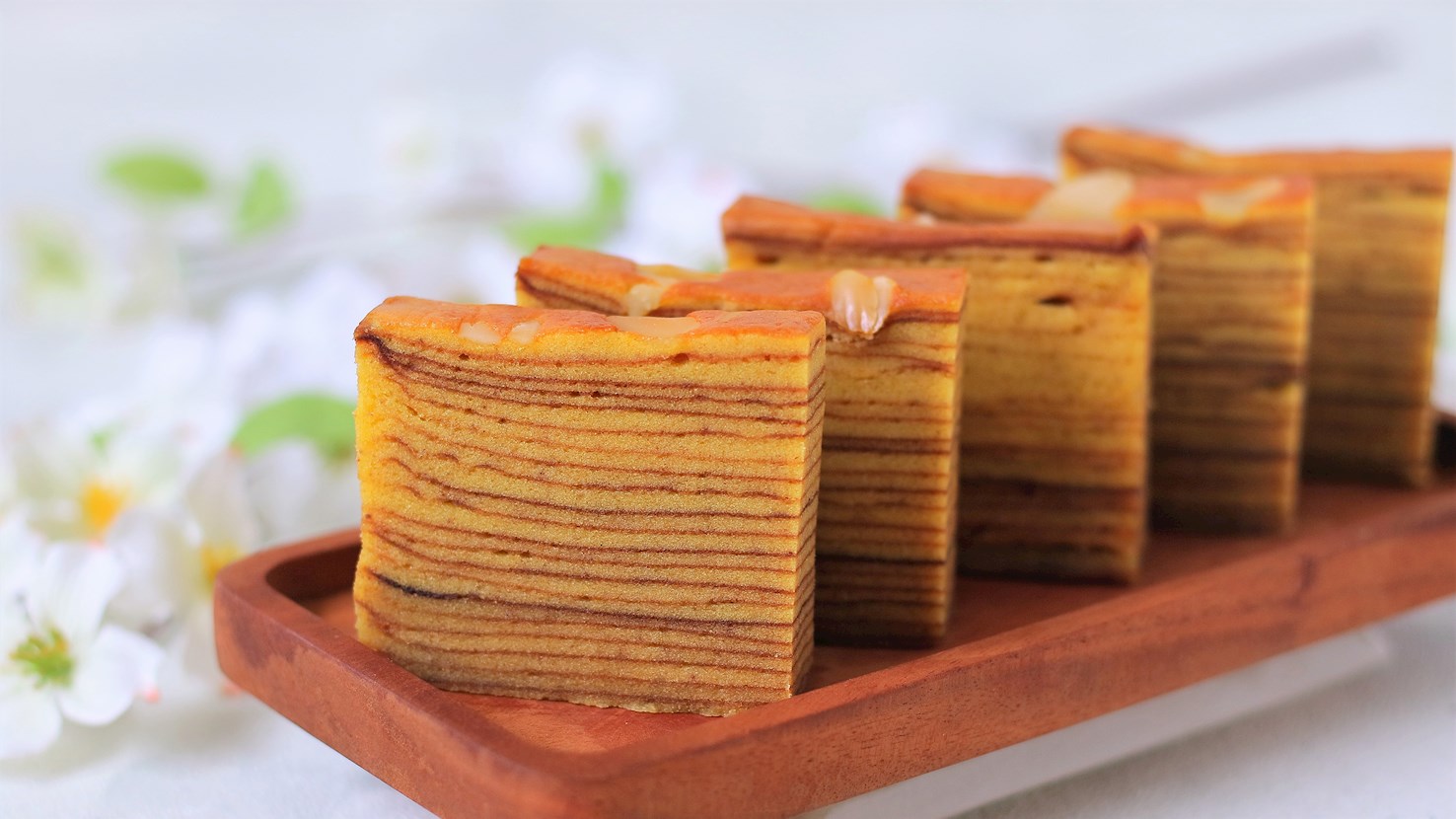
Lapis legit, also known as Indonesian spekkoek, is a rich, multi-layered spice cake that is one of Indonesia’s most famous and luxurious desserts. Inspired by Dutch spekkoek during the colonial period, lapis legit is renowned for its intricate layers, buttery texture, and aromatic spice blend, making it a symbol of celebration and festive occasions such as Chinese New Year, Eid, and Christmas. The cake is made by baking thin layers of batter one at a time, resulting in a densely structured cake with alternating golden-brown layers. The batter consists of butter, egg yolks, sugar, and a blend of warm spices, including cinnamon, nutmeg, cloves, and cardamom, giving lapis legit its distinctive sweet and spiced aroma. Some variations include raisins, prunes, or cheese for added texture and flavor. Due to its labor-intensive preparation, lapis legit is considered a luxury cake, often given as a gift or served on special occasions. Each layer requires precise baking and patience, as the batter is spread thinly and baked under a grill or broiler before adding the next layer. The final result is a moist, rich, and slightly caramelized cake, with an intricate appearance that reflects the skill and tradition behind its creation. Lapis legit is traditionally sliced into thin pieces due to its dense and buttery consistency, and is best enjoyed with tea or coffee.
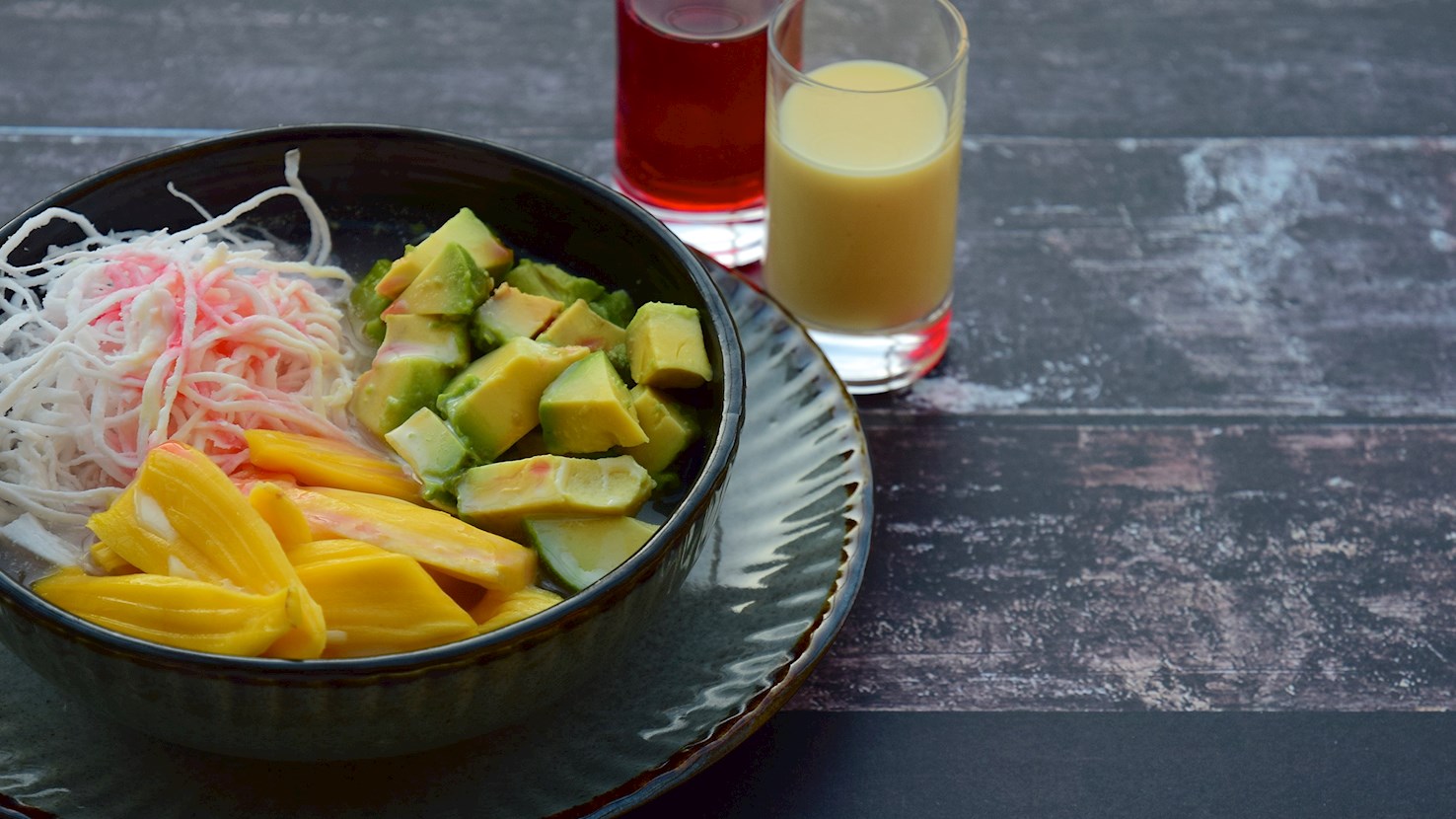
Es teler is a refreshing combination that usually consists of jackfruit, avocado, coconut, condensed milk, syrup, and shaved or crushed ice, but the variations may include other ingredients such as flavored jelly and different types of fruit. This dessert, which is often classified as a drink, is mostly associated with Java, and it's believed that it originated sometime in the 1960s. Es teler is served in bowls, and since the fruit is either diced or sliced, the dessert is usually enjoyed with a spoon.
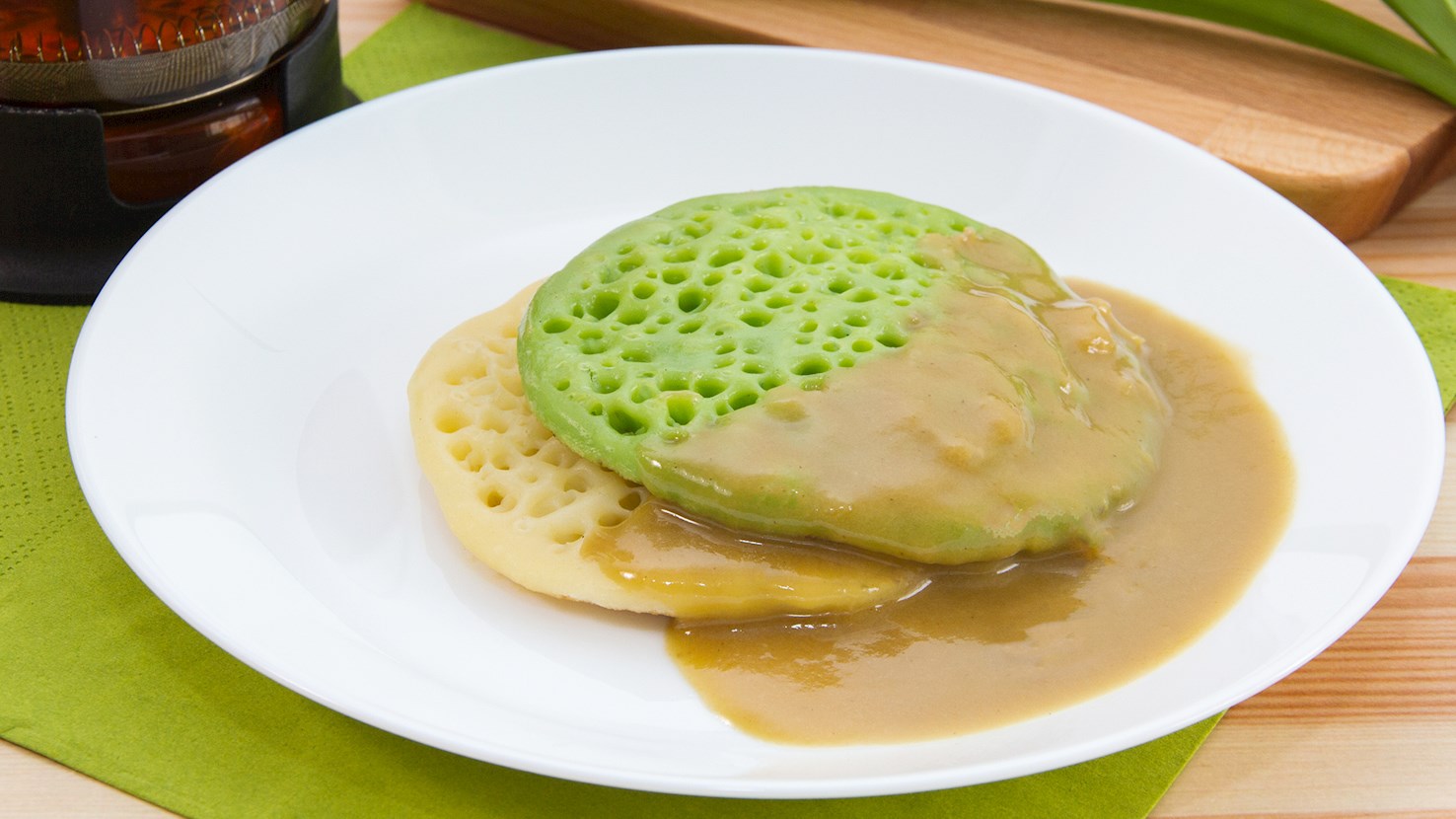
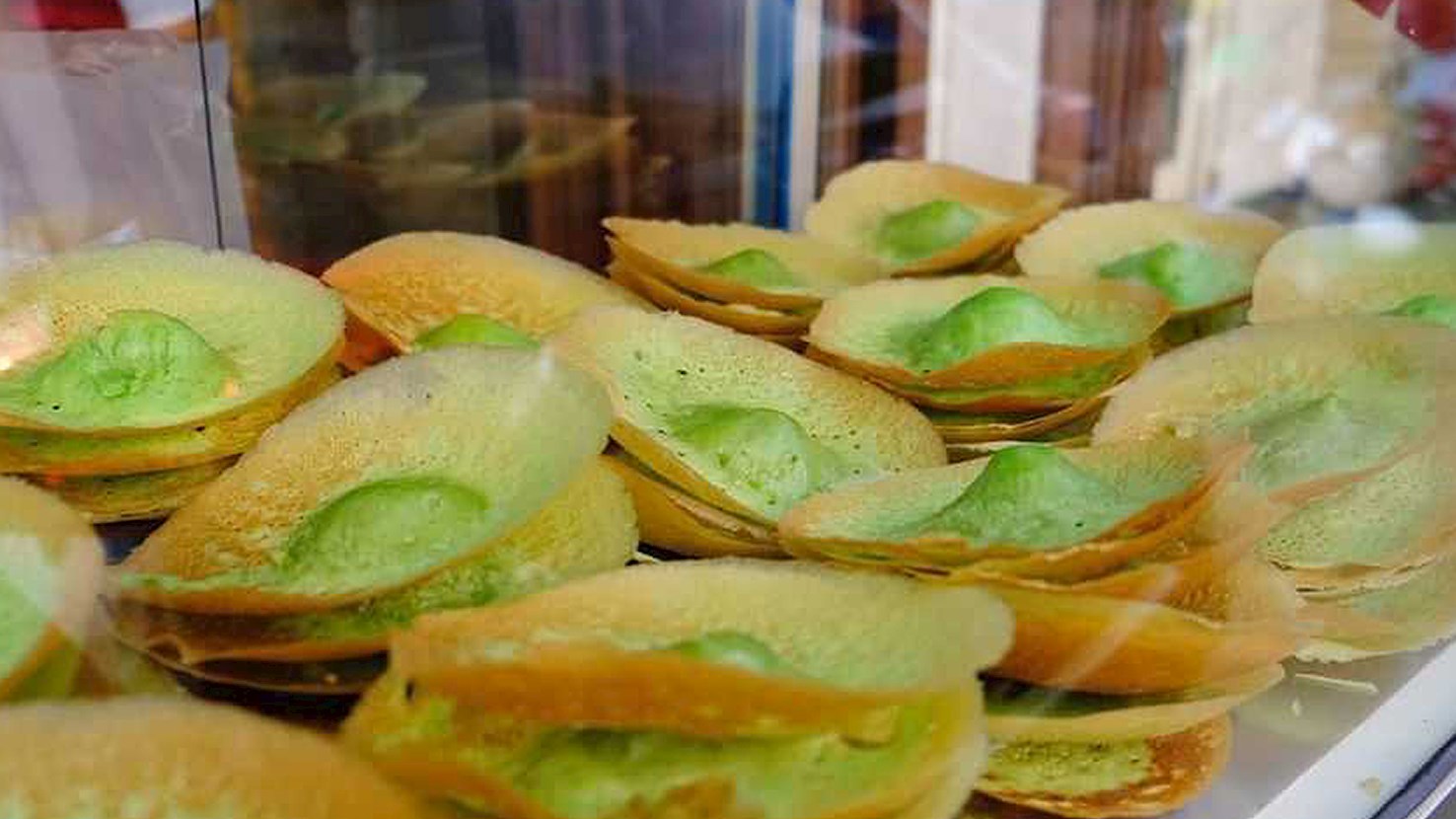
Kue ape is an Indonesian snack from Jakarta, known for its distinctive shape, contrasting textures, and gentle sweetness. Often likened to a cross between a pancake and a crêpe, it features a soft, thick, spongy center surrounded by a thin, crispy, golden-brown rim. This popular street food is a common sight across the capital and in other parts of Java, typically sold from mobile carts or small roadside stalls, especially near schools and busy markets. The dish is made from a simple batter of rice flour, all-purpose flour, sugar, coconut milk, and baking powder or yeast, with the addition of pandan leaf extract that gives the center its signature pale green color and subtle aroma. The batter is cooked in a small, round, concave pan over high heat. As the mixture spreads, the edges become thin and crunchy while the center puffs up and remains moist and tender. A lid is placed over the pan to trap steam, allowing the interior to cook evenly without flipping. The result is a snack that is both crispy and soft, with a delicate coconut flavor and a hint of sweetness that appeals to both children and adults. Kue ape holds a nostalgic place in the hearts of many Indonesians, particularly those who grew up in Jakarta. It is strongly associated with childhood memories of schoolyard vendors and afternoon snacks. While the traditional version remains the most popular, modern variations sometimes include toppings like grated cheese, chocolate sprinkles, or condensed milk, catering to contemporary tastes while preserving the essence of the original.
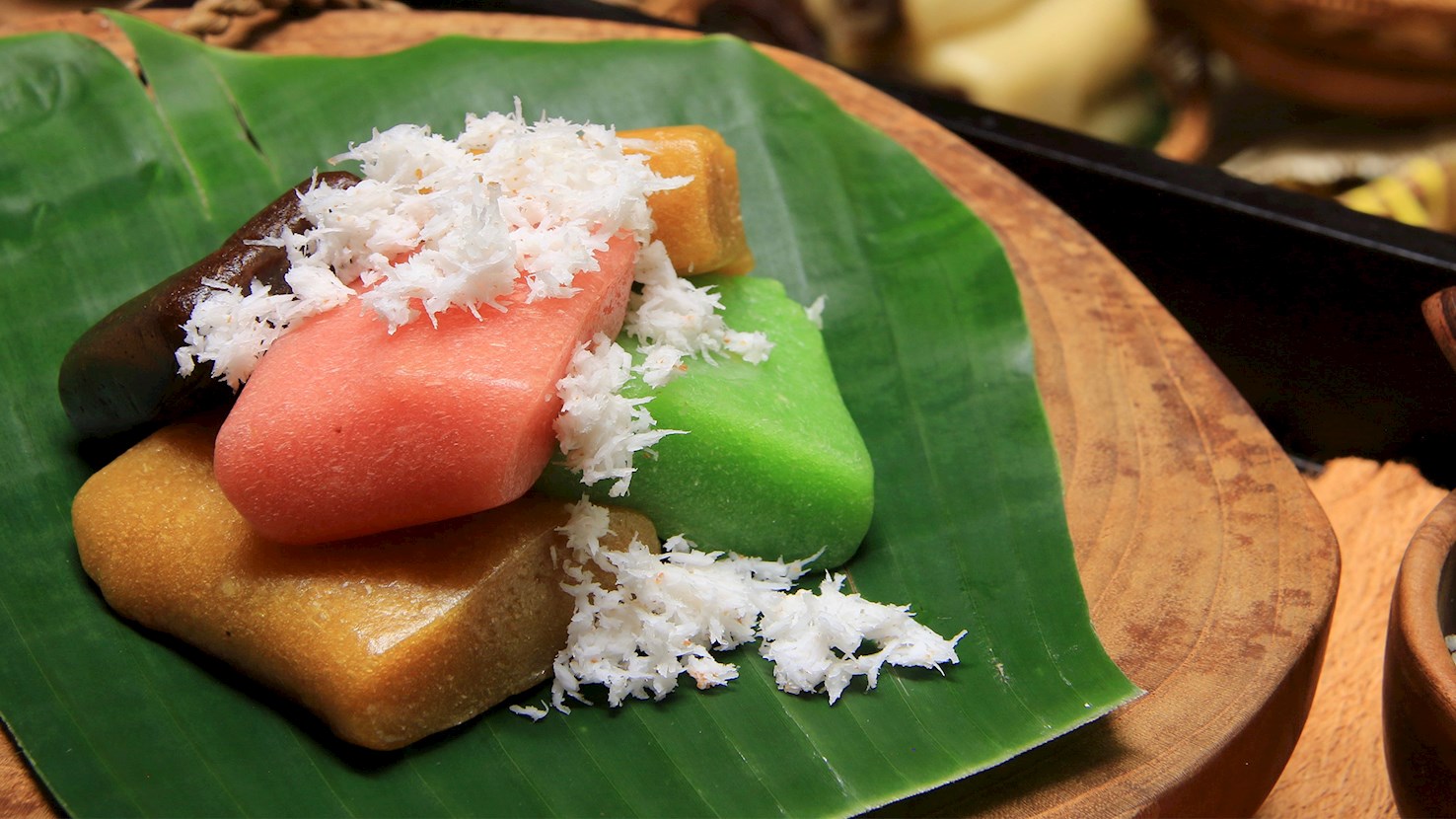
Getuk is a traditional Indonesian snack made from boiled cassava that is mashed, sweetened, and often colored or flavored before being shaped into blocks, rolls, or bite-sized pieces. Most commonly found in Central and East Java, getuk is a staple of Indonesian street food and local markets, typically served at room temperature and enjoyed with grated coconut on top. The dish reflects Indonesia’s deep-rooted culinary ingenuity, using cassava (an inexpensive, widely available root crop) as the base for a sweet, satisfying treat. The most recognizable version is getuk lindri, which features finely mashed cassava extruded into ridged, pastel-colored pieces, often striped with pink, green, yellow, or brown hues and mildly flavored with vanilla or food coloring. Another variation, getuk uli, is made by combining cassava with glutinous rice and coconut milk, resulting in a denser, stickier, and chewier texture. Getuk is commonly eaten as an afternoon snack, part of a traditional jajan pasar spread, or served during family gatherings and village ceremonies.
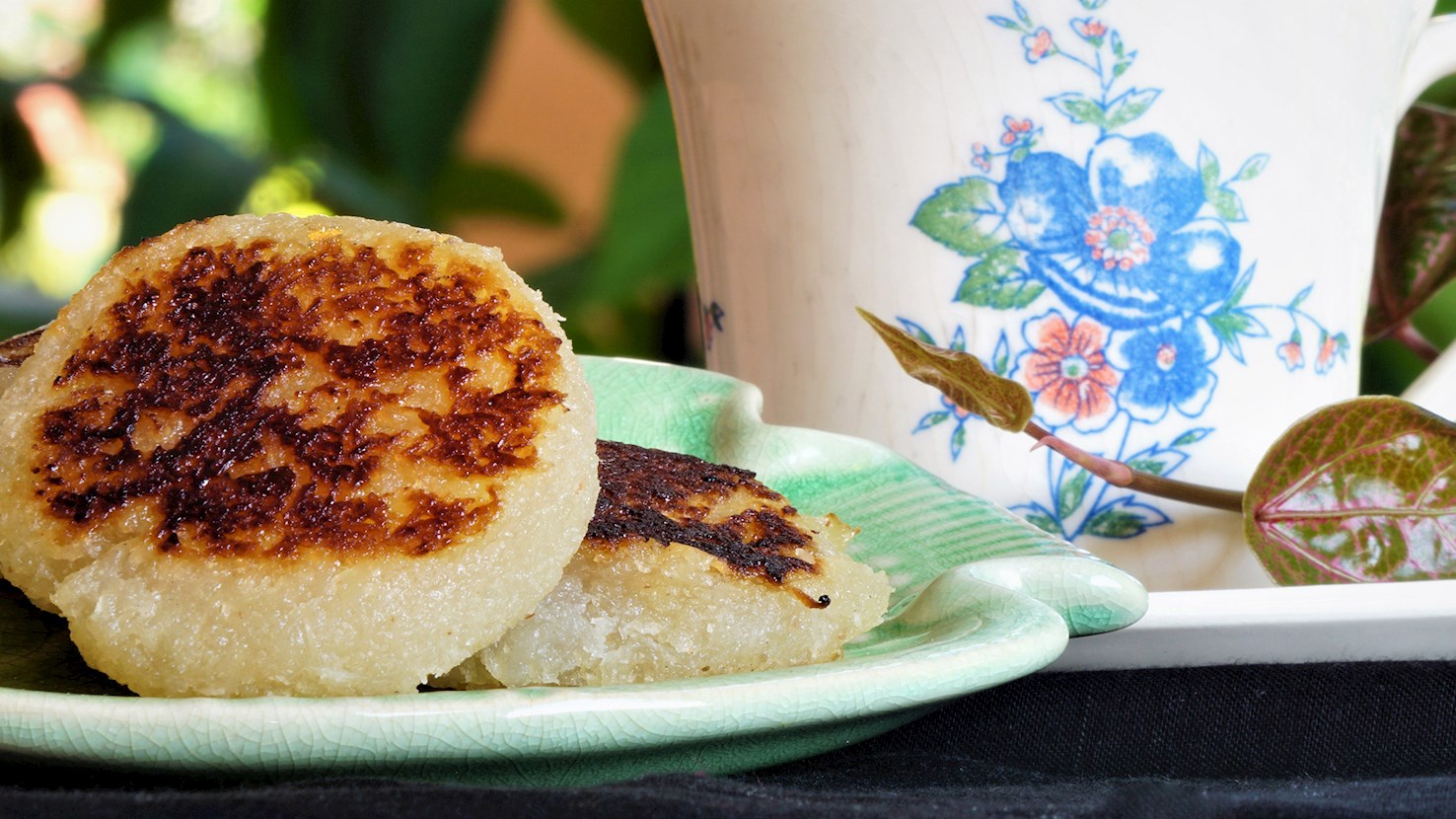
Wingko (also known as wingko babat) is a traditional Indonesian cake made primarily from grated coconut, glutinous rice flour, and palm sugar or white sugar, typically cooked until golden and slightly crispy on the outside while remaining chewy and fragrant inside. It is especially associated with the town of Babat in East Java, which is why the full name is often wingko babat, though it is widely enjoyed across Java and beyond. This sweet, coconut-based snack is usually grilled or baked into small, round, flat cakes and served warm or at room temperature. It has a rich, toasty coconut flavor balanced by a slightly caramelized sweetness, and its chewy texture makes it especially satisfying as a snack or dessert. Wingko is often sold as a souvenir food (oleh-oleh), particularly in cities like Semarang, where it’s packaged in distinctive boxes and bought by travelers for family and friends. Though traditionally made plain, modern versions may include flavors like pandan, chocolate, or durian. It's often eaten with tea or coffee, especially during relaxed afternoons or festive gatherings.
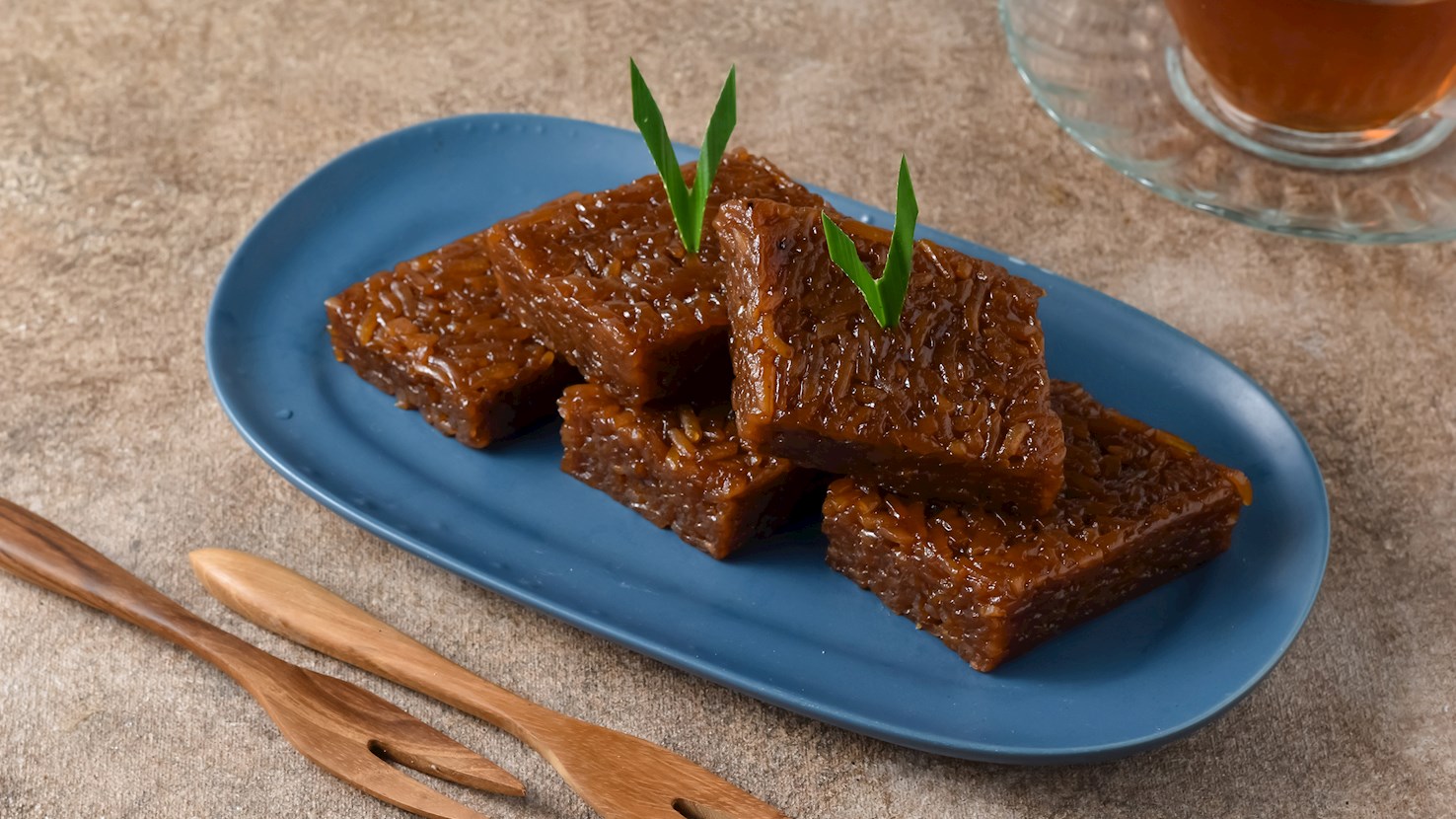
Wajik or wajid is a traditional sticky rice cake originating from Java. It's usually made with a combination of glutinous rice, palm sugar, coconut milk, pandan leaves, and salt. The glutinous rice is soaked, washed, steamed, and cooked in a skillet with coconut milk until it's absorbed. Pandan leaves are cooked with palm sugar until caramelized, and coconut milk and salt are then added to the mixture. Once the mixture is boiling, sticky rice is stirred in, and wajik is poured into a baking pan. After a few minutes, it's cut into diamond shapes and served. This sweet is also popular in Brunei and Malaysia. Wajik is often made for special occasions such as weddings.
TasteAtlas food rankings are based on the ratings of the TasteAtlas audience, with a series of mechanisms that recognize real users and that ignore bot,
nationalist or local patriotic ratings, and give additional value to the ratings of users that the system recognizes as knowledgeable.
TasteAtlas Rankings should not be seen as the final global conclusion about food. Their purpose is to promote excellent local foods,
instill pride in traditional dishes, and arouse curiosity about dishes you haven’t tried.



What People Say