

shutterstock

Top 5 Kansai Desserts

Last updated on June 15, 2026
01

Mitarashi dango

4.0 ·

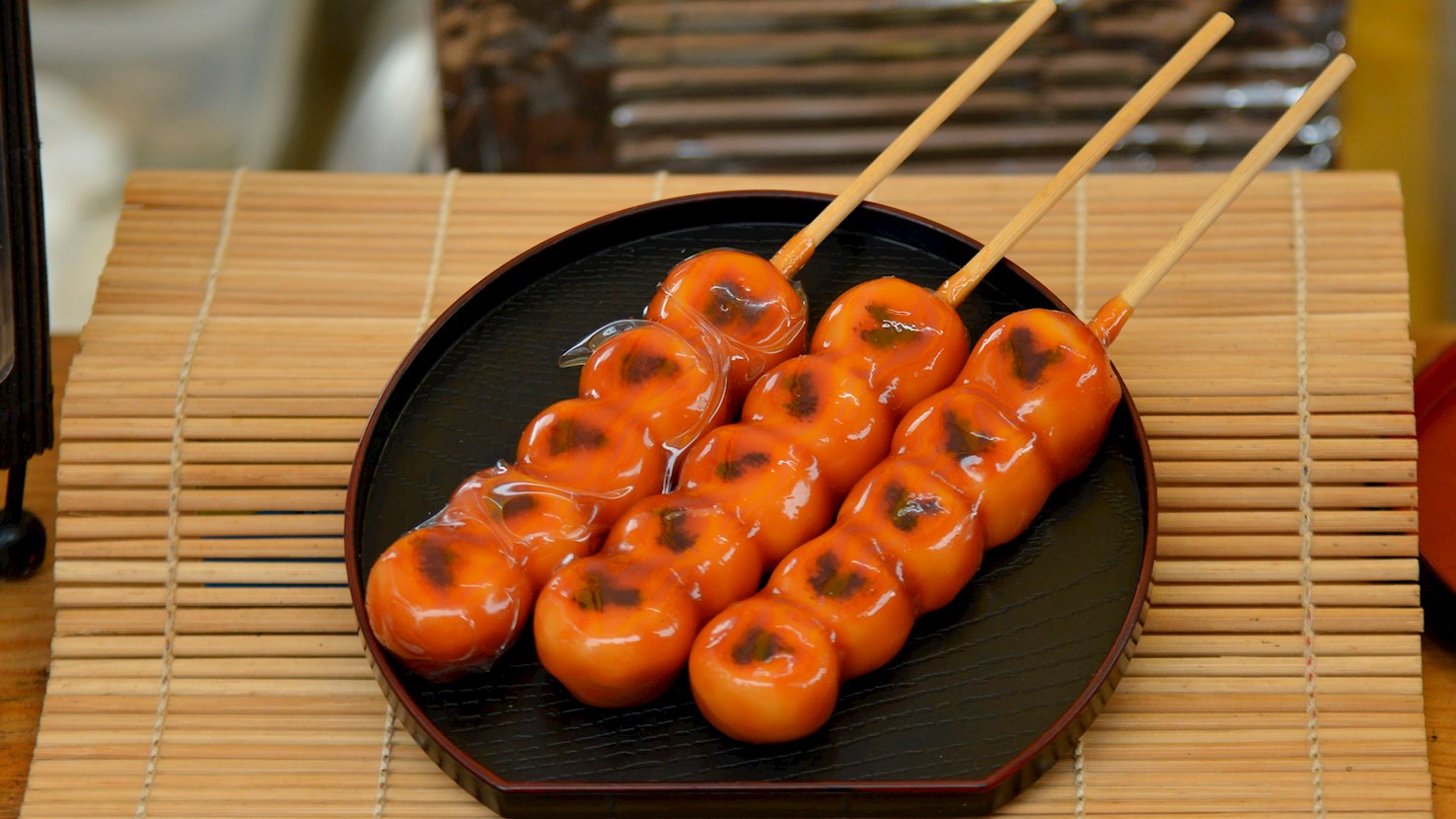
Mitarashi dango is a popular Japanese treat which consists of skewered rice cakes covered in a sweet, sticky soy sauce glaze. They are traditionally made with five round cakes, just like they were initially prepared at the Kamo Mitarashi Tea House in Kyoto. It is believed the name mitarashi stems from their similarity to water bubbles found in the water basins at the entrances of Shinto shrines. Today they are popular throughout the country, readily available at convenience stores and specialized dango shops.

02

Yatsuhashi

3.8 ·

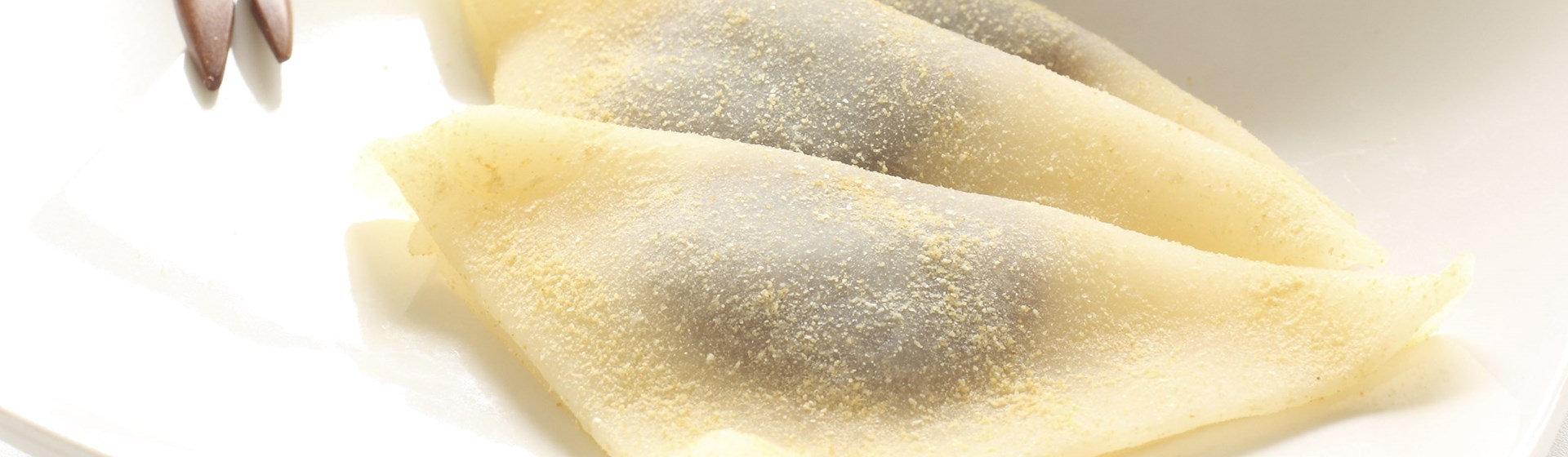
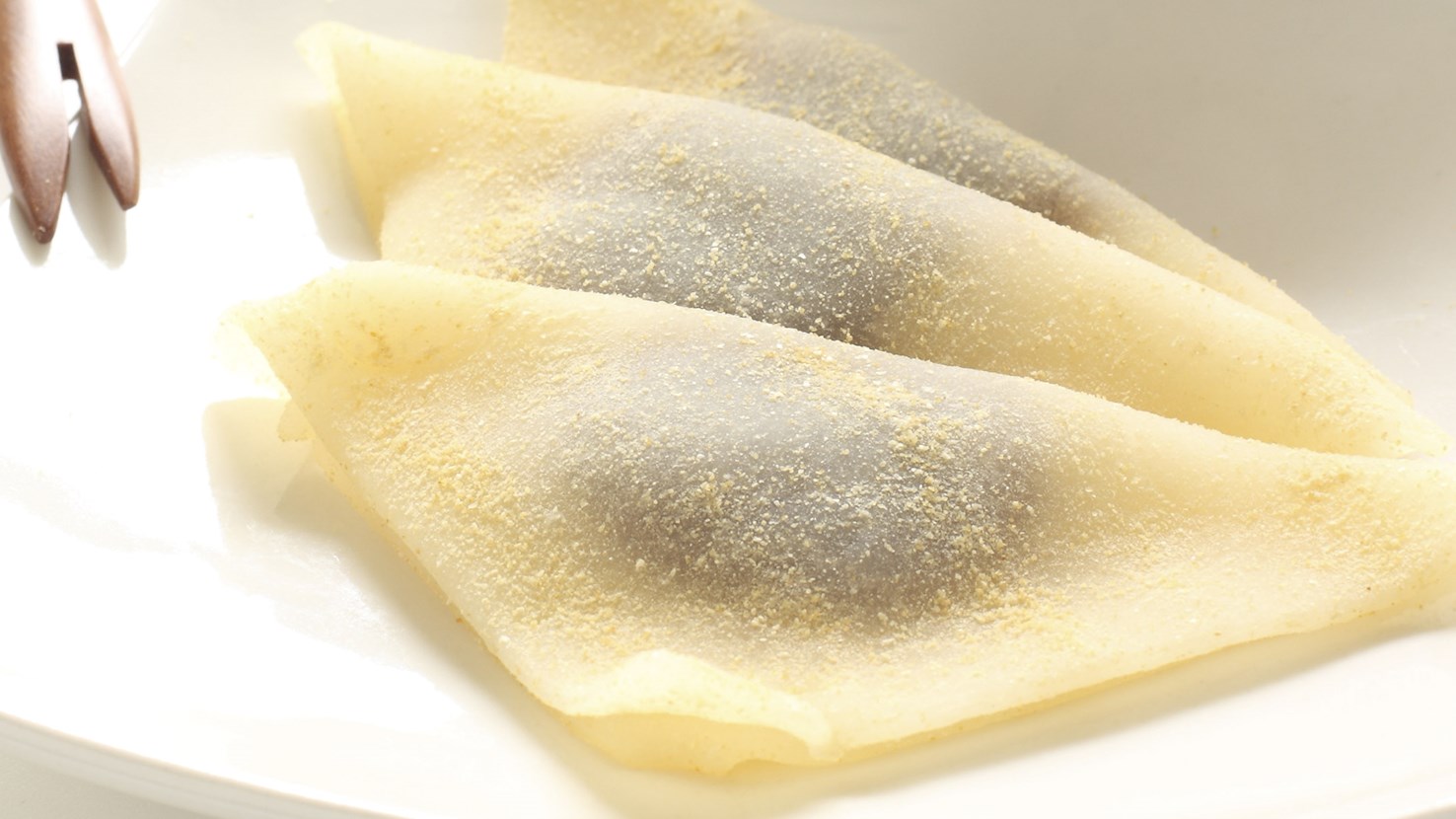
One of the best known meibutsu or regional specialty products of Kyoto, yatsuhashi is a type of wagashi - traditional Japanese confections that are often served with tea and sold mainly as souvenir sweets called miyagegashi. Reflecting hundreds of years of the city’s history and traditions, this popular Kyoto meibutsu first appeared in 1689 and was named after Kengyo Yatsuhashi, a famous Japanese harp player and composer of koto music, which is why the most traditional yatsuhashi is shaped like koto. Over time, Japanese omiyage or souvenir industry started introducing other varieties. Yaki yatsuhashi is a crispy baked, cinnamon-flavored cookie made from sticky rice flour, while its raw version called nama yatsuhashi is typically folded into a triangle and has a soft, almost mochi-like texture. It most often comes flavored with green tea or black sesame, wrapped around the sweet red bean paste, but it's also available in a number of other flavors.

03

Warabimochi

3.8 ·

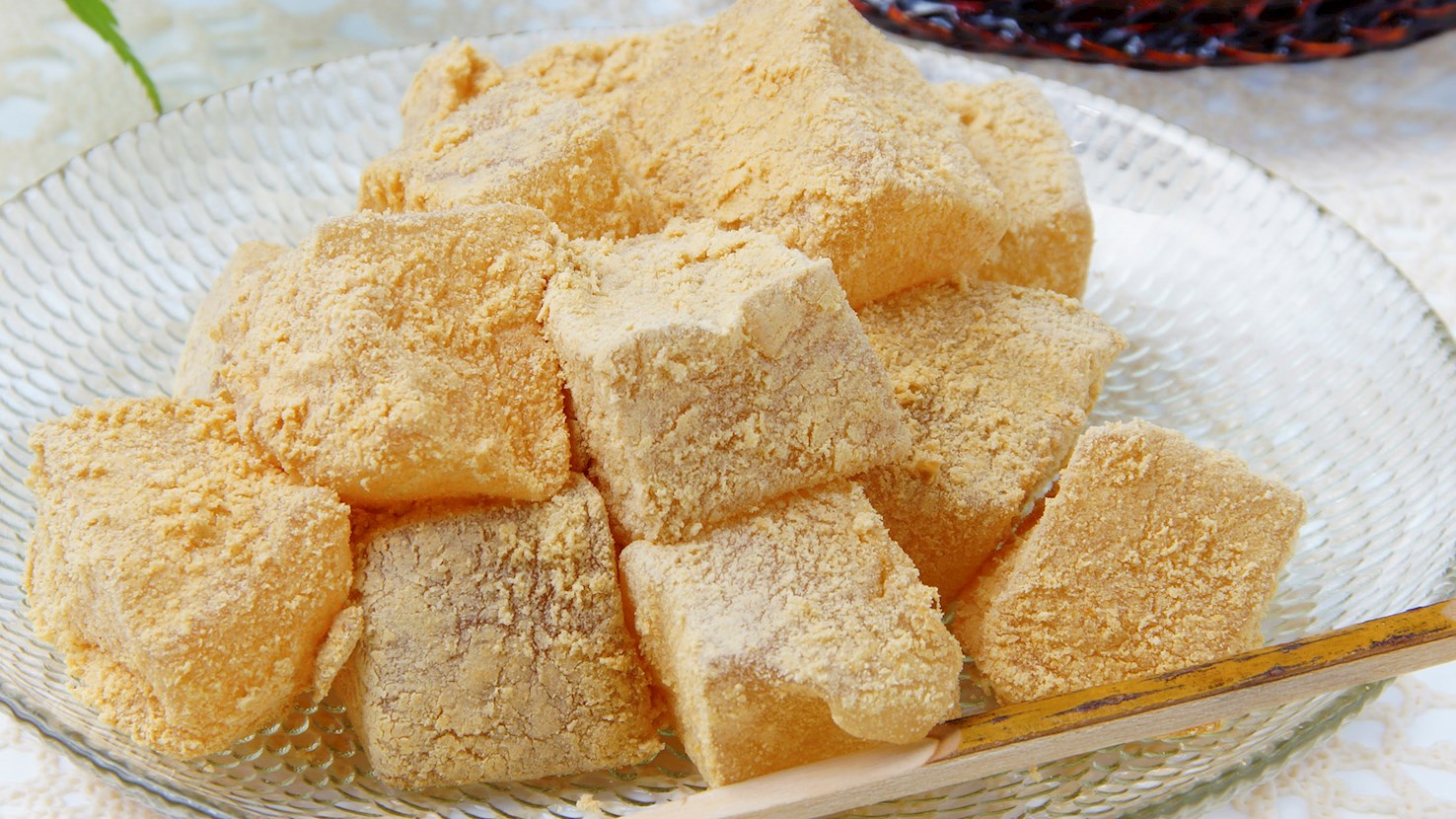
Warabimochi is a sweet Japanese concoction reminiscent of jelly. It is made from bracken starch, and is traditionally dusted with sweet toasted soybean flour known as kinako. Warabimochi is one of the most popular sweets in the Kansai area, typically consumed in the summertime, since it is praised for its cool, chewy, and soft texture. The name of the dish comes from an edible wild plant, warabi (bracken), which grows at the sides of rivers and is harvested in late winter. Warabimochi has been present in Japan since before the Heian era, and it was also one of the favorite treats of Emperor Daigo. Today, it can be bought from numerous street food trucks, which are similar to ice cream trucks in the West.

Best restaurants
04

Akafuku

n/a ·

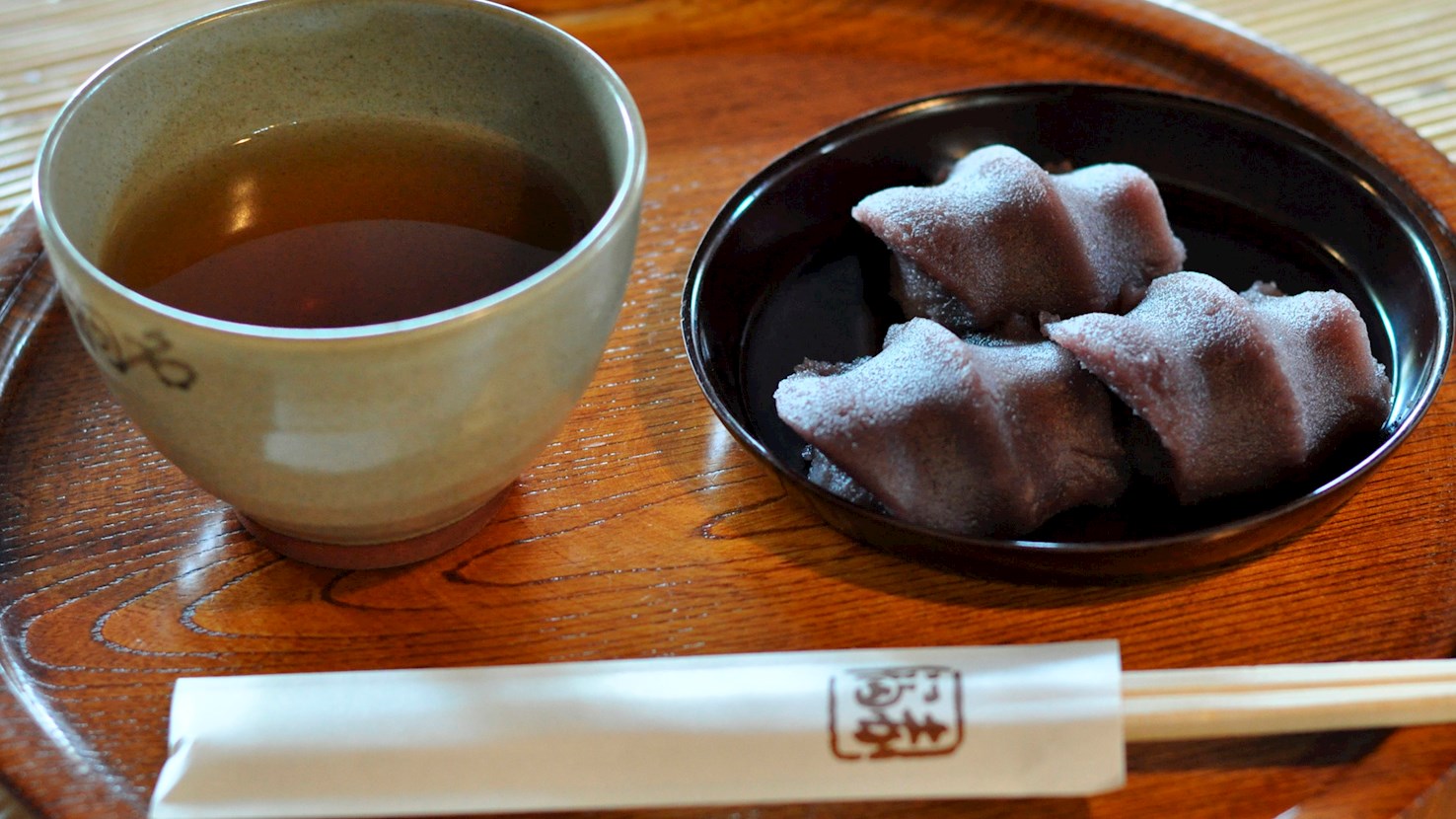
Akafuku wagashi is a variety of mochi (a Japanese pounded rice confection) prepared only in the area central to Ise City in Mie Prefecture. It consists of smooth koshi-an, or sweet red bean paste coated around soft, yet firm mochi. That composition is somewhat unusual because wagashi are usually made by enclosing the paste inside the mochi, so akafuku is to wagashi what an inside-out roll is to sushi. Its shape symbolizes the Isuzu River: the ridges in the paste are skillfully hand-pressed in order to represent the clear water flowing through the river, while the white mochi interior depicts the pebbles lying on the riverbed. Tourists like to buy akafuku as a souvenir, but it should be enjoyed quickly, as it expires after only two days.

05

Soba boro

n/a ·

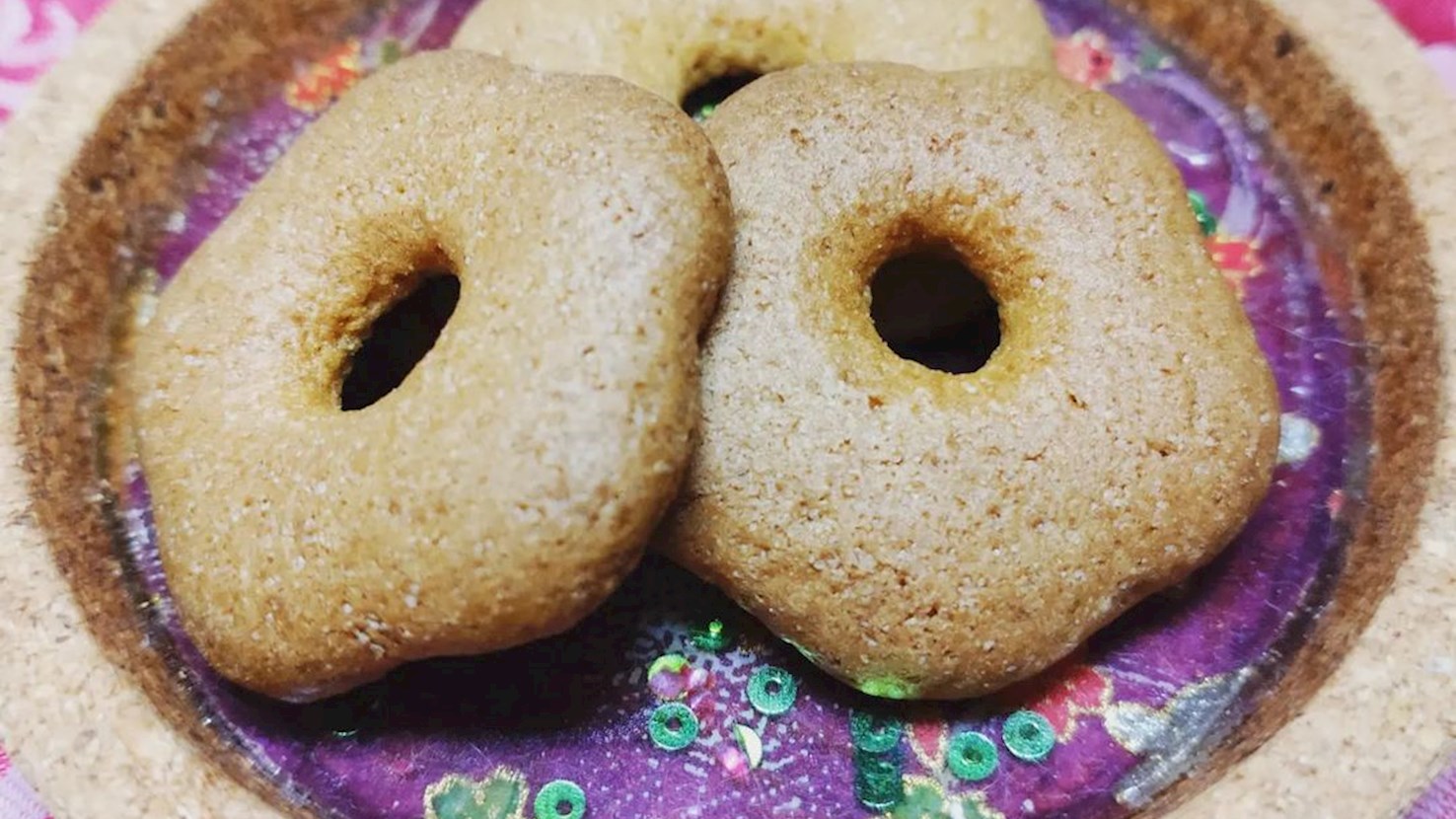
Soba boro is a traditional flower-shaped cookie. It’s made from buckwheat flour and lots of eggs. This Japanese confection is a part of wagashi (or nanban-gashi) sweets, but it’s not as expensive as other types of wagashi. The cookies are very crisp and have a texture that’s similar to the Italian biscotti. The word boro in its name is derived from a Portuguese word for cake, bolo. Soba boro cookies are typically served in the afternoon, with a cup of tea on the side. Although soba boro are associated with Kyoto, they can be found throughout the country, and these cookies are often bought as gifts.

Read more
View all
View map
About this ranking

TasteAtlas food rankings are based on the ratings of the TasteAtlas audience, with a series of mechanisms that recognize real users and that ignore bot, nationalist or local patriotic ratings, and give additional value to the ratings of users that the system recognizes as knowledgeable. For the “Top 5 Kansai Desserts” list until June 15, 2026, 183 ratings were recorded, of which 163 were recognized by the system as legitimate. TasteAtlas Rankings should not be seen as the final global conclusion about food. Their purpose is to promote excellent local foods, instill pride in traditional dishes, and arouse curiosity about dishes you haven’t tried.

Similar lists