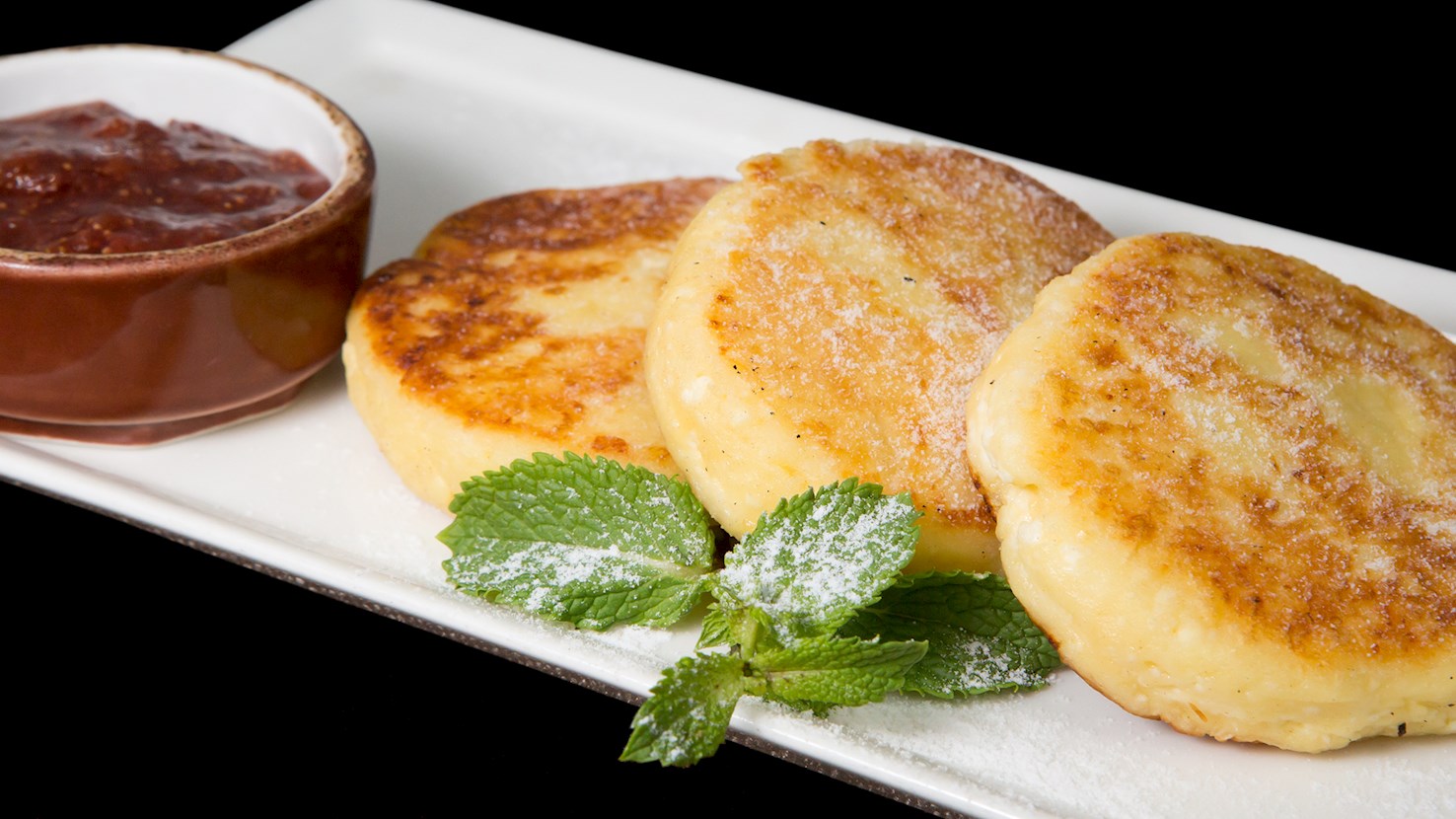
Syrniki is a dessert consisting of fried cottage cheese pancakes that are usually garnished with honey, fruit jam, sour cream, or applesauce. It is part of the Russian (where it's sometimes also called tvorozhniki), Belarusian, Ukrainian, Latvian and Lithuanian cuisine. Cottage cheese is traditionally first swetened with sugar, then combined with flour into a dough which is fried in hot oil until it develops a golden-brown color. Syrniki can be served for breakfast or consumed as a tasty dessert after a large meal.
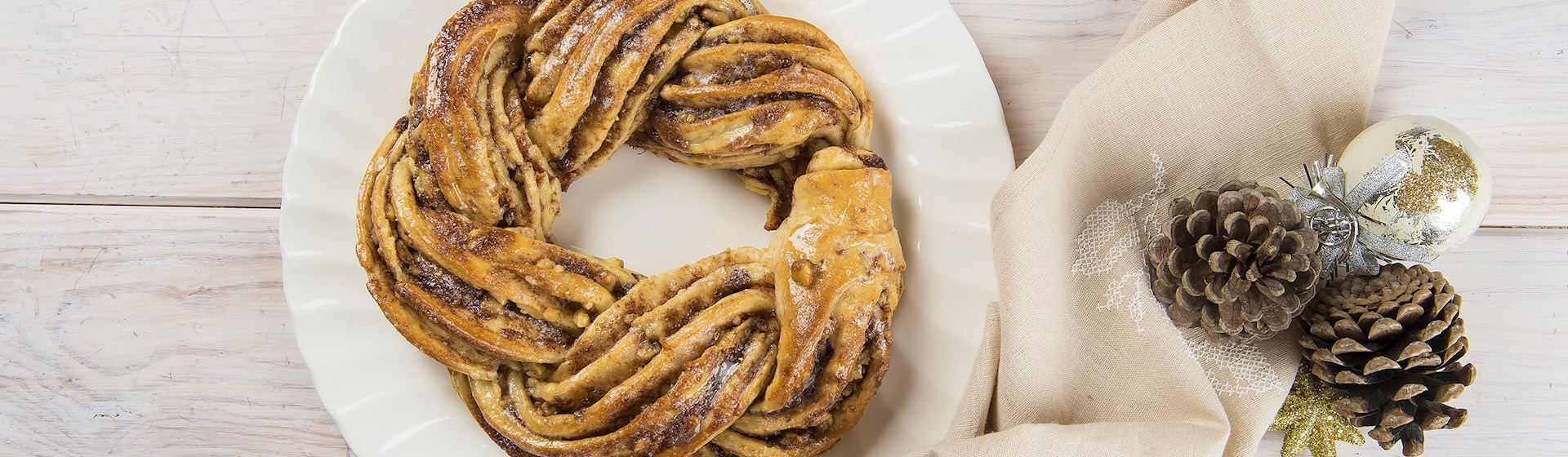
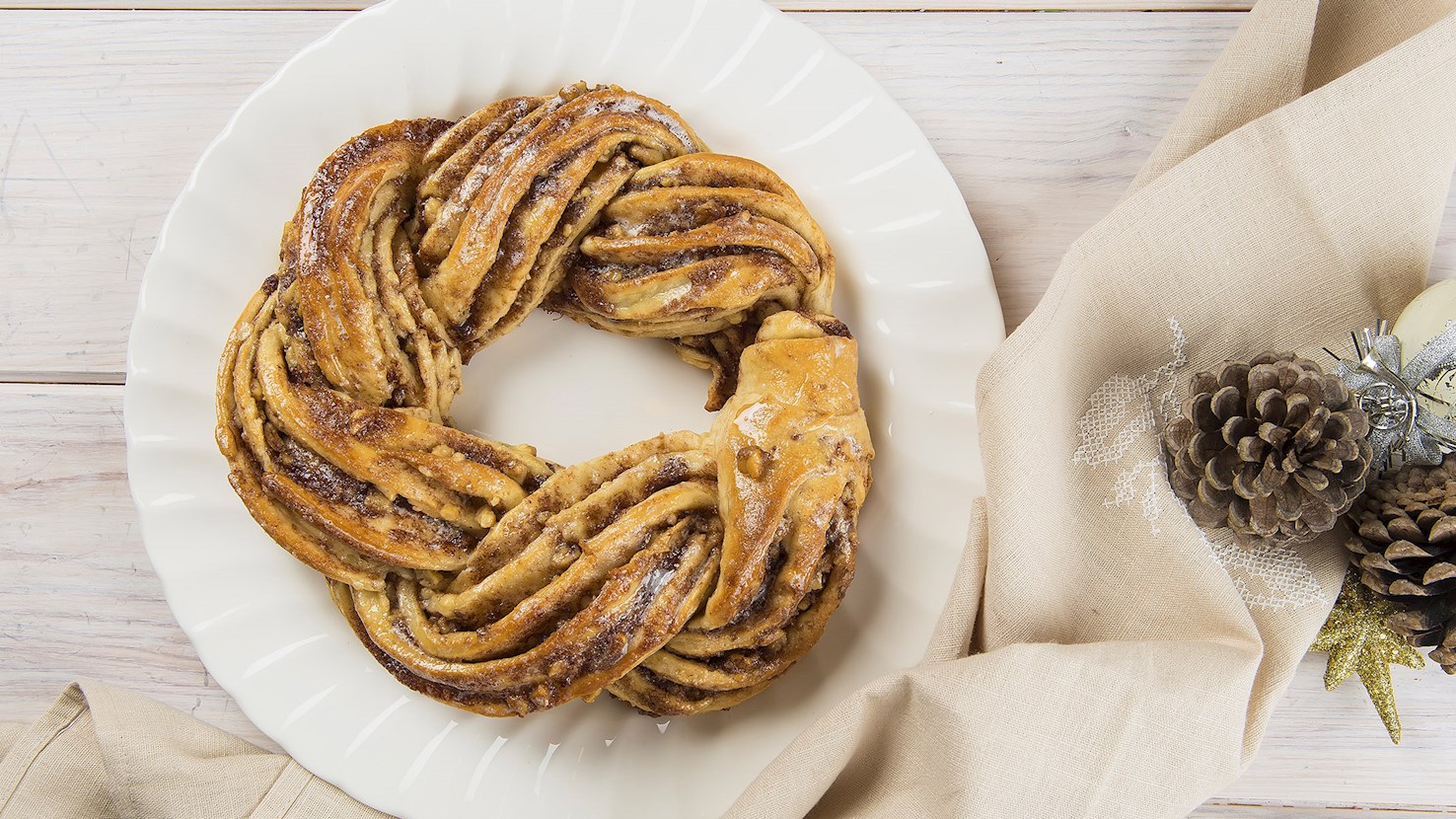
Originally a creation of Roman-Catholic monks, and now popular internationally, kringle is a delicious flaky pastry, usually shaped as a pretzel and filled with various ingredients. It was primarily introduced in Denmark, under the influence of Austrian bakers, and later it spread throughout Nordic countries and eventually to the United States, where it gained great success. Each region has created its distinct varieties, using local and seasonally available ingredients. In Denmark, kringle is usually made with either puff pastry or yeasted dough, filled with sweet concoctions that include butter and sugar, marzipan, and raisins. In the 19th century, Danish bakers introduced the tradition of preparing kringle to the United States, specifically Racine Wisconsin, where the pastry was slightly adapted to the now-famous oval shape. Kringle in Racine is always made with traditional Danish laminated dough, in which the pastry layers are generously spread with butter and filled with the lavish combination of fruits, nuts, or cream cheese. Both American and European kringle can be found in bakeries and grocery shops, but while the luscious American creations are usually enjoyed as desserts, the Danish prefer to eat their traditional pastry as an afternoon snack or a perfect accompaniment to coffee or tea.
Rupjmaizes kārtojums is a traditional and fairly simple Latvian dessert consisting of dark rye bread, whipped cream or cream cheese, and cranberry jam. Most traditional recipes suggest cranberry jam because of its sourness, but other fruit jams can be used instead. The dark rye bread is finely grated, flavored with cinnamon and sugar, and pan toasted. The ingredients are then layered in a glass trifle dish or a parfait glass and garnished with whipped cream or fresh fruit. Before it’s served, the dessert should sit in a fridge for a few hours so that the flavors soak into each other.
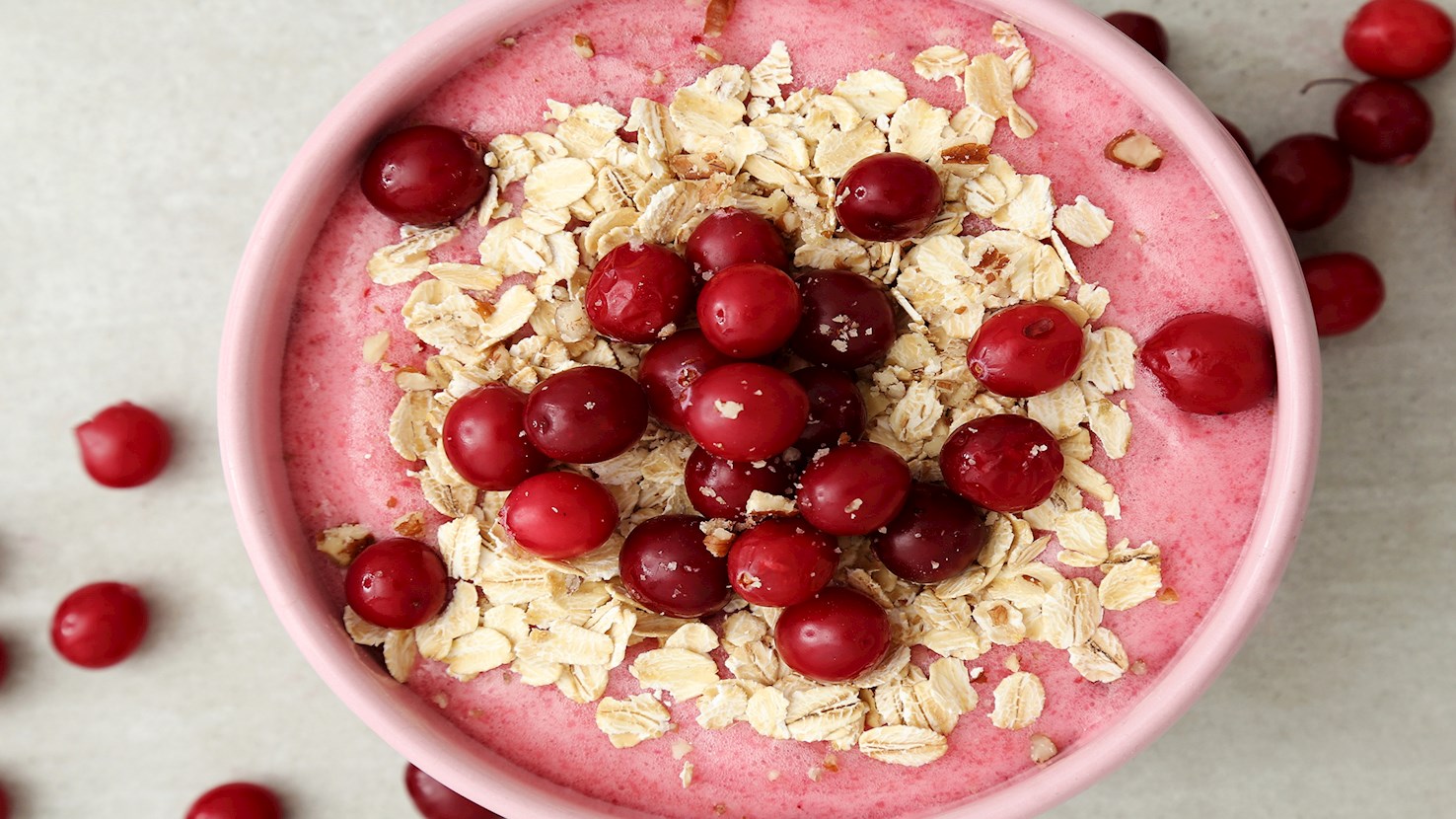
Vispipuuro, russedessert, klappgröt, debesmanna, or mannavaht are different names for a creamy Baltic semolina porridge that is prepared with fresh fruit such as tart lingonberries, cranberries, or red currants. When cooked, the thick porridge is whipped until it transforms into a unique treat with a frothy and light consistency. It is traditionally topped with cream or milk and garnished with fresh fruit. Found across Finland, Estonia, Sweden, Norway and Latvia, this dish is usually enjoyed as a sweet breakfast, a light midday snack, or a refreshing dessert.
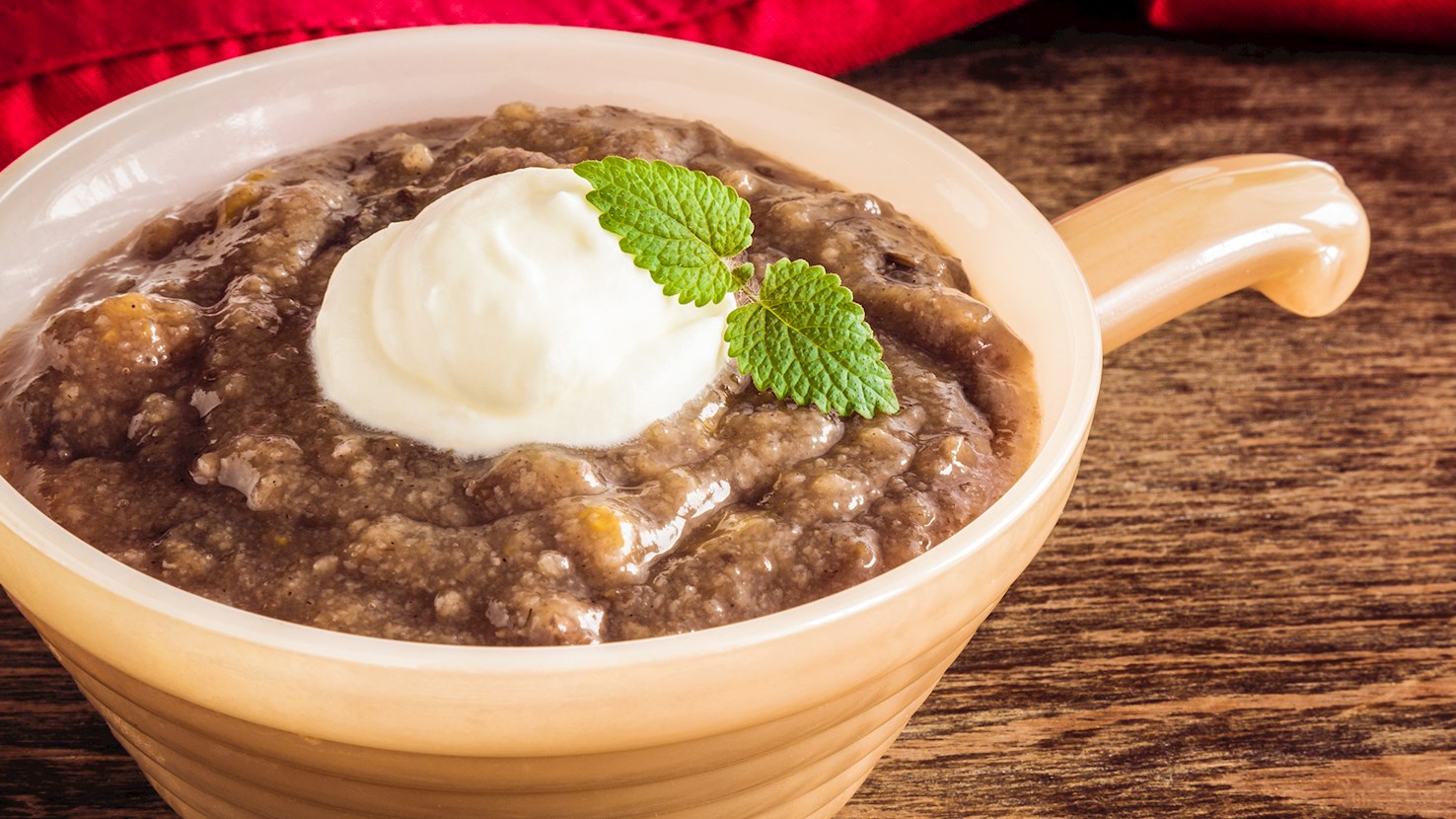
Maizes zupa is a Latvian sweet rye-bread soup, a thick, dark dessert made from rupjmaize—the dense, slightly sour rye bread that occupies a central place in Latvian food culture—combined with fruit, sugar, and warm spices and usually finished with cream. Despite the word zupa, meaning soup, it is served as a dessert rather than a savory first course, and its texture can range from loose enough to eat with a spoon to something much closer to a soft bread pudding. The dish is also known as biguzis, particularly in older and regional usage, and its long presence in Latvia can be seen in the remarkable number of local names recorded for bread-based preparations of this kind: Latvian linguistic research has identified around 17 dialect forms, including biguzis, biguze, bigucis, and bigūzis. Rather than having a clearly documented inventor or single point of creation, maizes zupa grew out of the practical use of rye bread in Latvian households, especially bread that had become too dry to eat as it was. Rye was well suited to the northern Baltic climate, and dark sour rye loaves could be kept considerably longer than soft wheat bread, making leftover bread an ingredient worth reworking rather than discarding. Older versions were not necessarily identical to the smooth dessert now commonly associated with the name: regional recipes could contain visible pieces of bread, fresh or dried fruit, dumplings, or other additions. A recipe from Rucava in southern Kurzeme, for example, combines soaked rye bread with apples and small flour-and-egg dumplings, while another Rucava version includes dried fruit, small pasta, cinnamon, whipped cream, and lingonberry jam. In the version now most widely recognized, slices of dark rye bread are first toasted or dried in the oven, which strengthens their roasted and slightly caramelized flavor. The bread is then covered with boiling water and left until completely softened before being mashed, blended, or rubbed through a sieve. The resulting bread mixture is heated with sugar, cinnamon, and dried fruits such as raisins, prunes, apricots, or apples; cranberry or redcurrant juice may be added to provide acidity and prevent the dessert from becoming excessively sweet. The amount of water determines whether the result resembles an actual soup or a dense fruit-and-bread cream, and some recipes add a small amount of potato starch for extra body. This balance of dark rye, dried fruit, sweetness, spice, and tart berry juice is what gives maizes zupa its recognizable flavor: the bread contributes acidity and roasted malt-like notes, while the fruit and sugar push it firmly into dessert territory. The use of bread also makes the dish unusually substantial compared with many fruit soups and creams, so relatively small portions are common. It is generally cooled before serving and topped with whipped cream, whose mild richness softens the acidity of the rye and berries; Latvian sources also document sour cream, while thicker forms of biguzis may be served with milk. Lingonberry or other tart berry preserves are another natural accompaniment, particularly with versions that are less sweet. Maizes zupa remains most closely associated with Latvian home cooking and dessert tables, where it is eaten from a bowl with a spoon, either well chilled or simply cooled after cooking. Because it is already rich in bread and fruit, it rarely needs another substantial food alongside it; whipped cream, sour cream, milk, or tart berry preserves function as its most useful accompaniments. As for drinks, unsweetened black coffee or black tea works particularly well with its sweet, spiced rye flavor, while milk is the simplest pairing for a denser, more rustic version.
Kliņģeris is a traditional birthday cake shaped into a large pretzel. It can also be served on similar festive occasions or as a central piece in a dessert smorgasbord. The big pretzel is made with flour, butter, eggs, heavy cream, sugar, yeast, water, saffron, lemon and orange zest, cardamom, and raisins. Before baking, the dough is brushed with beaten eggs and sprinkled with almonds. After it has been baked, kliņģeris is often dusted with powdered sugar and decorated with bows, candies, or birthday candles. It is recommended to enjoy the cake while it is still warm and pair it with butter or jam.
TasteAtlas food rankings are based on the ratings of the TasteAtlas audience, with a series of mechanisms that recognize real users and that ignore bot,
nationalist or local patriotic ratings, and give additional value to the ratings of users that the system recognizes as knowledgeable.
TasteAtlas Rankings should not be seen as the final global conclusion about food. Their purpose is to promote excellent local foods,
instill pride in traditional dishes, and arouse curiosity about dishes you haven’t tried.





What People Say