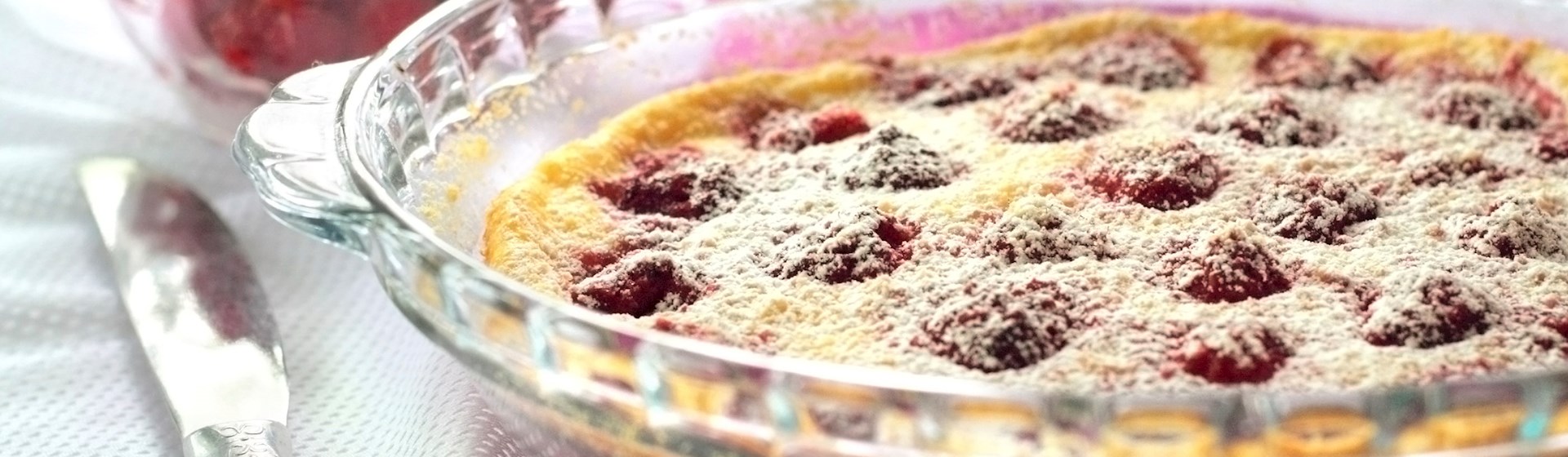
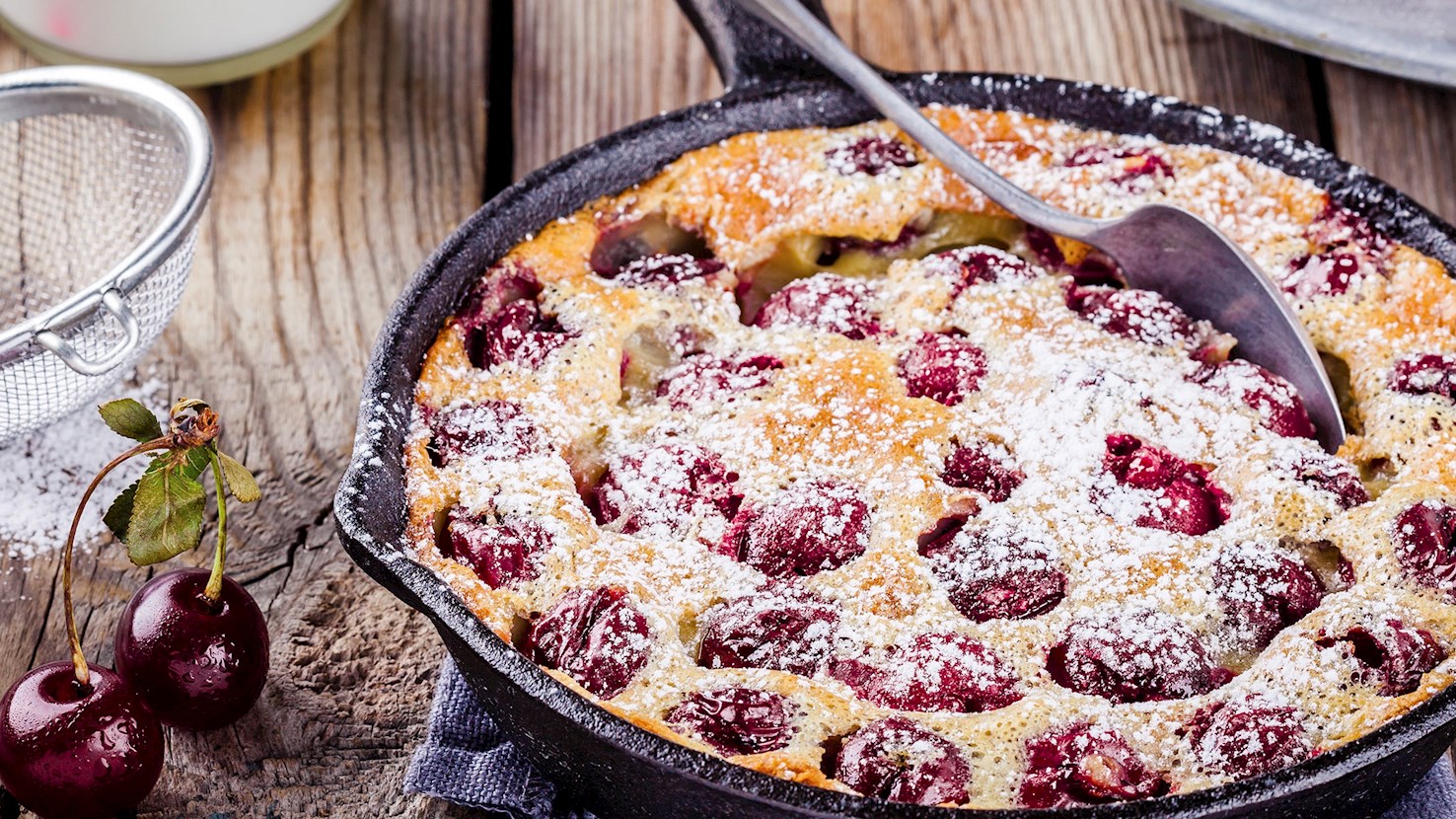
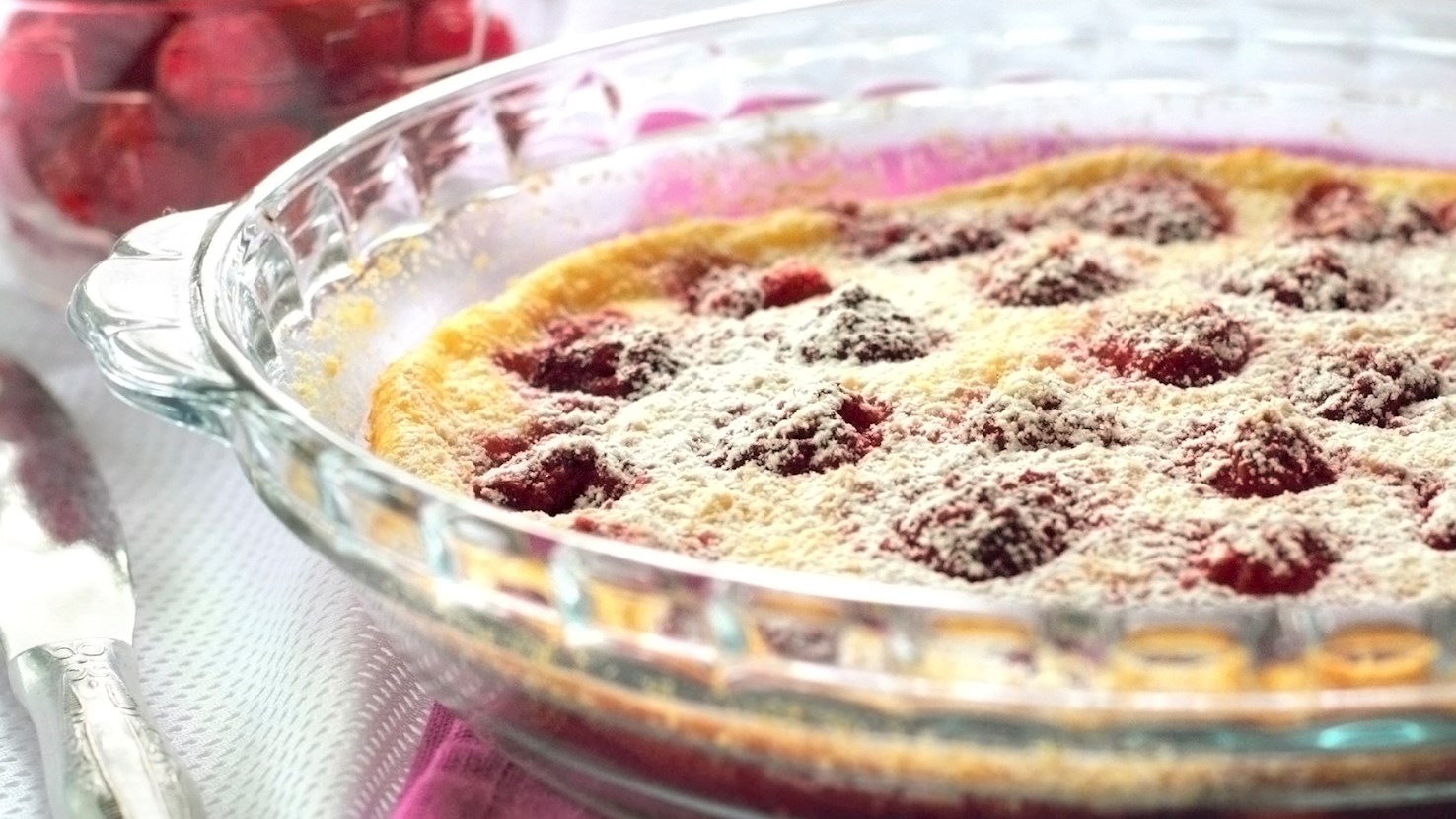
Originating from the Limousin area in France and dating back to at least the mid-1800s, clafoutis is a traditional, crustless French flan, tart, or a type of thick pancake typically consisting of layers of batter and fruit. Its name stems from the French word clafir, meaning to fill. The flan is traditionally topped with pitted black cherries (although some insist that the cherries should be left unpitted), which lend their rich flavor to the clafoutis as it bakes. It is typically served warm, dusted with a hefty dose of powdered sugar, and sometimes with a dollop of cream on the side. If cherries are not available, the dessert can be made with any seasonal fruits, and there is even a savory version of clafoutis filled with cherry tomatoes, mozzarella, prosciutto, potatoes, and ham.
GâteauCreusois is a traditional French cake originating from Creuse. It's made with a combination of egg whites, flour, sugar, ground hazelnuts, and butter. The egg whites shouldn't be beaten too much as the cake will rise too much and it will most probably be dry. This cake is often served with custard made from egg yolks, sugar, flour, vanilla, and milk. In the 1960s, a recipe from the 15th century has been found in an old monastery, and it says that the cake used to be cooked in a tile-lined oven. Nowadays, it makes for a great Christmas dessert, ideally served with whipped cream or raspberry coulis.
Flaugnarde is a baked fruit flan that is similar to clafoutis. It comes from the French region of Limousin. Clafoutis is made with cherries, but flaugnarde incorporates peaches, pears, plums, apples, raspberries, or any other fruit except cherries. The name of the dish is derived from the Occitan words fleunhe and flaunhard, meaning soft or downy. Baked until golden brown, flaugnarde resembles a large pancake that is commonly dusted with confectioners' sugar. This flavorful dessert can be served warm or cold.
Treipaïs is a layered dessert from Limousin that has a distinctive triangular shape and combines multiple textures and flavors in a single presentation, with layers of hazelnut praline crunch, nut-based dacquoise, chestnut mousse, and dark chocolate mousse, finished with a chocolate glaze and typically topped with a glazed chestnut and small decorative elements, creating a dessert with contrasts of crunchy, creamy, and airy components. Its creation emerged in the early 2000s when a group of pastry chefs from the Limousin region set out to develop a dessert that symbolized the union of the three departments of the area; the name treipaïs comes from the Occitan phrase for “three countries,” and the triangular form reflects this concept, with each point representing one of the departments. Preparation involves first making the components that contribute distinct textures: a base of crispy hazelnut praline mixed with feuilletine, a dacquoise made from hazelnut and meringue, and two separate mousses — one flavored with cooked chestnuts and the other with dark chocolate; these elements are assembled in layers within a triangular mold, chilled to set, and then coated with a smooth chocolate glaze before being decorated with a glazed chestnut and almond-paste leaves. Variations appear in slight differences in the balance of flavors between the chestnut and chocolate mousses, minor adjustments in the thickness of the dacquoise or praline layer, and occasional use of alternate garnishes, while the defining feature remains the integration of the four main components in a triangular form that highlights the regional symbolism rather than a single homogeneous filling. Treipaïs is eaten chilled as a dessert, often served in individual slices that reveal the layered structure, and it pairs well with coffee, black tea, or dessert wines that complement its rich chocolate and chestnut profiles without masking the delicate contrasts between creamy and crunchy elements.
TasteAtlas food rankings are based on the ratings of the TasteAtlas audience, with a series of mechanisms that recognize real users and that ignore bot,
nationalist or local patriotic ratings, and give additional value to the ratings of users that the system recognizes as knowledgeable.
For the “Top 4 Limousin Desserts” list until June 15, 2026, 193 ratings were recorded, of which 167 were recognized by the system as legitimate.
TasteAtlas Rankings should not be seen as the final global conclusion about food. Their purpose is to promote excellent local foods,
instill pride in traditional dishes, and arouse curiosity about dishes you haven’t tried.