shutterstock

Top 16 Malaysian Desserts

Last updated on May 15, 2026
01

Apam balik

4.2 ·

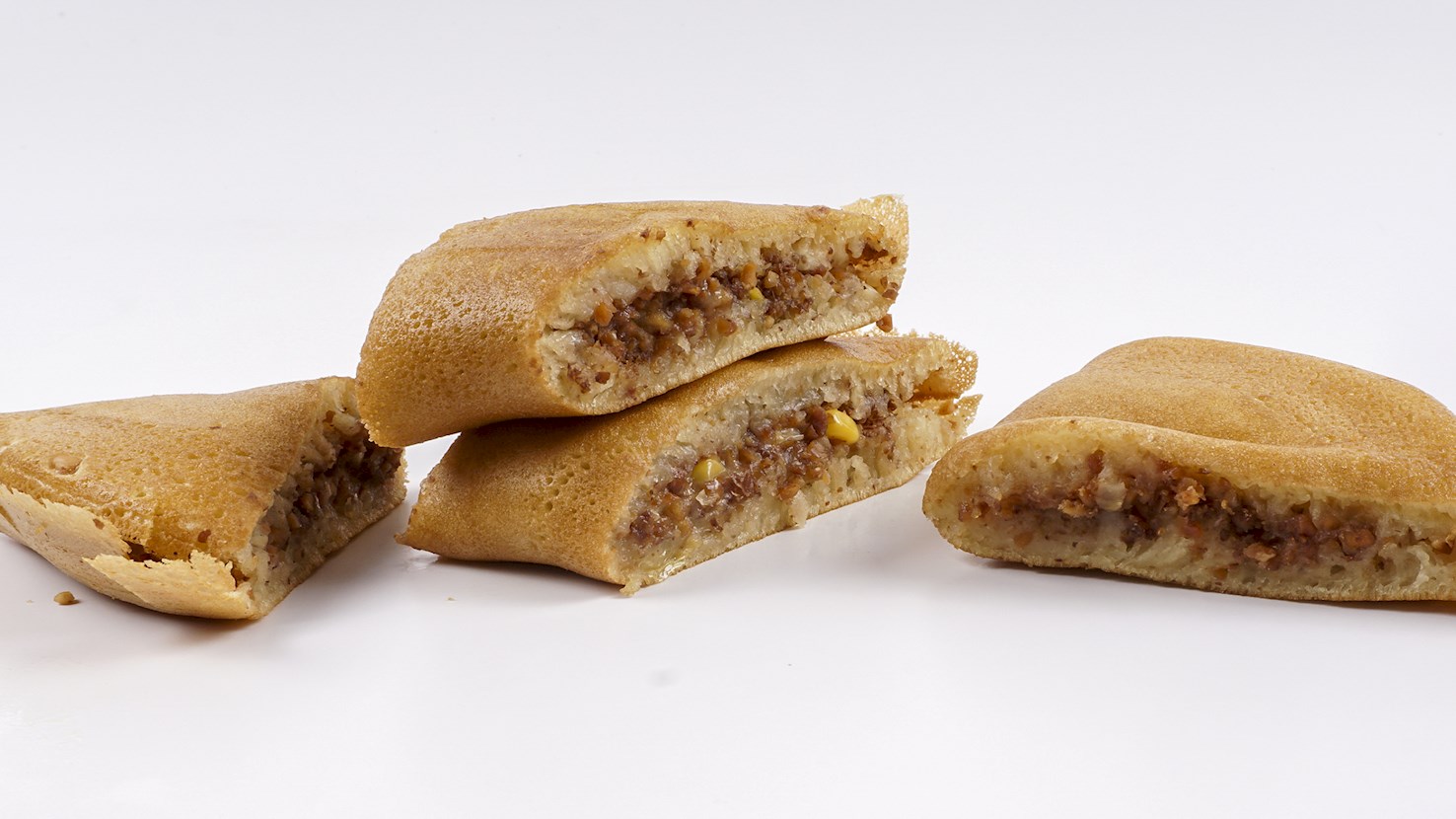
This sweet turnover pancake comes under various names throughout Malaysia, Indonesia, Brunei, and Singapore. Regardless of the location, it can be prepared either in a thin and crispy variety or as a thick and soft pancake. Traditional fillings typically include a combination of ground or roughly chopped peanuts, sugar, and butter, but the modern varieties may include anything from corn, chocolate chips, and raisins to grated cheese or condensed milk. Though not much is known about its origin, it is believed that is was first introduced in Penang by the Chinese who migrated from the province of Fujian.

02

Roti pisang

4.1 ·

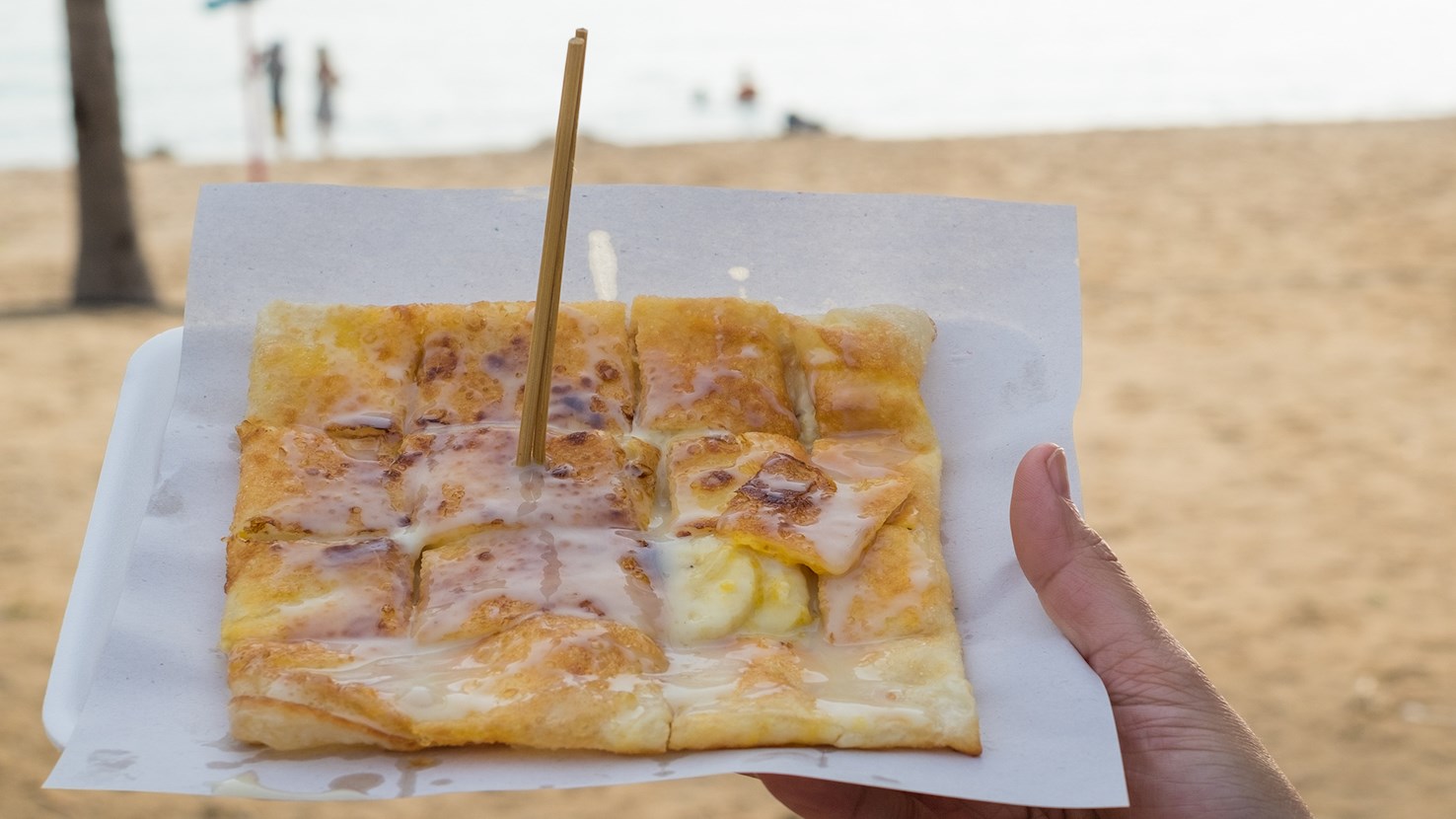
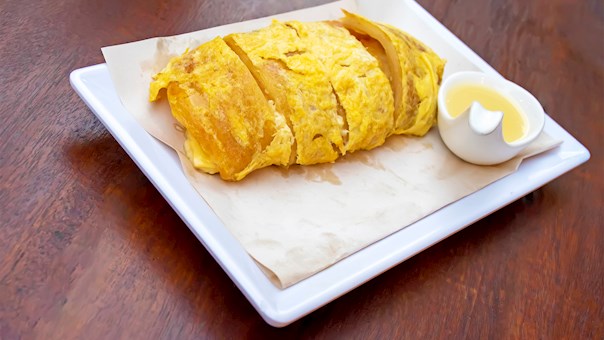
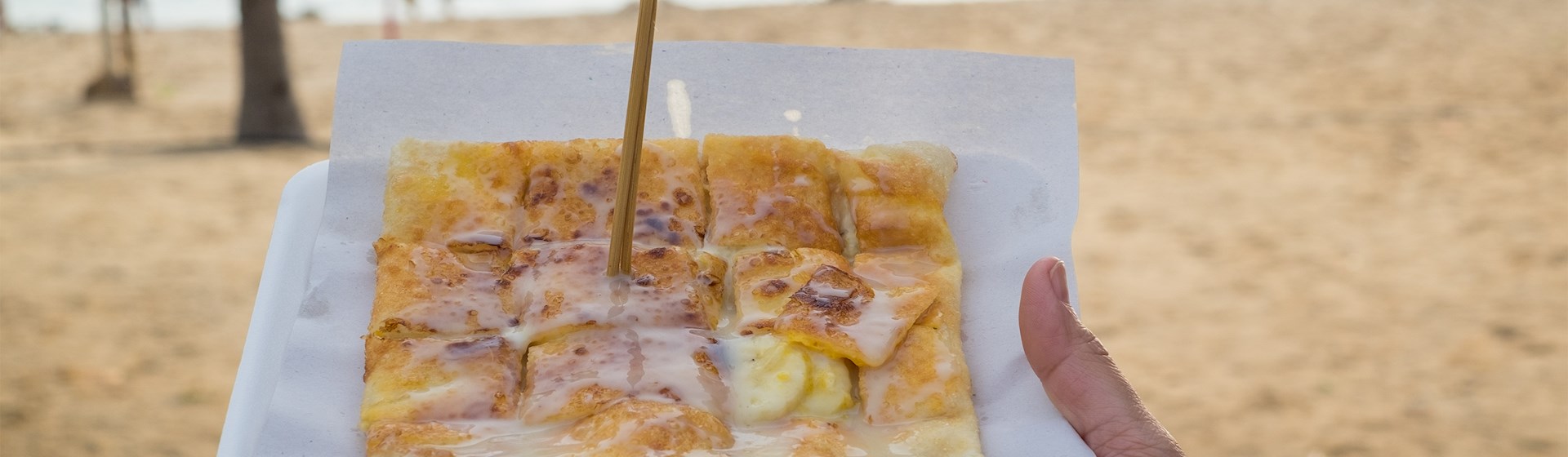
This sweet variety of the traditional Malaysian roti employs bananas as the star ingredient. The unleavened roti dough is stretched until thin, and the combination of sliced bananas, eggs, and sugar is then wrapped in the dough. Roti is usually pan-fried until golden, and it comes served cut into bite-sized pieces that are dusted with sugar and drizzled with condensed milk. The dish is a classic street food item that is usually enjoyed as a sweet and filling breakfast or an afternoon snack.

03

Roti tisu

3.8 ·

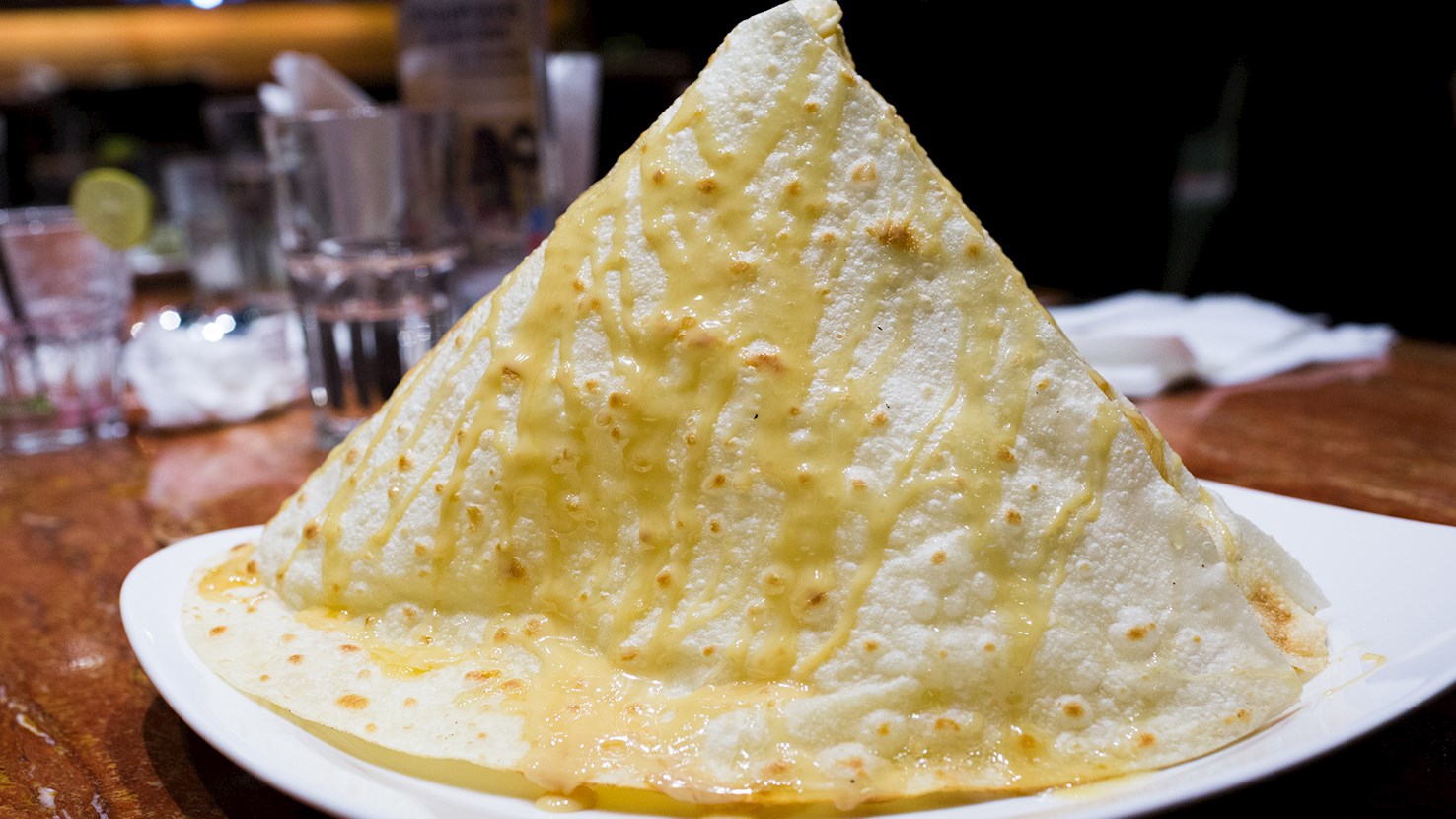
Roti tisu is the paper thin variety of the traditional Malay roti canai. It is prepared with the same type of dough that is stretched thin, sometimes up to five or six feet in length, and it is then shortly pan-fried. Tisu is served wrapped around a large cone, hence its alternative name rocket roti or roti helicopter. It can be served alongside curries or chutneys, but it is usually enjoyed as a dessert or a sweet snack, when it comes drizzled with condensed milk or chocolate, dusted with sugar, or sided with ice cream or fruit jams. A staple at Mamak restaurants and stalls throughout Singapore and Malaysia, roti tisu is usually eaten by cracking small pieces of delicate pastry with your hands.

04

Kuih lapis

3.8 ·

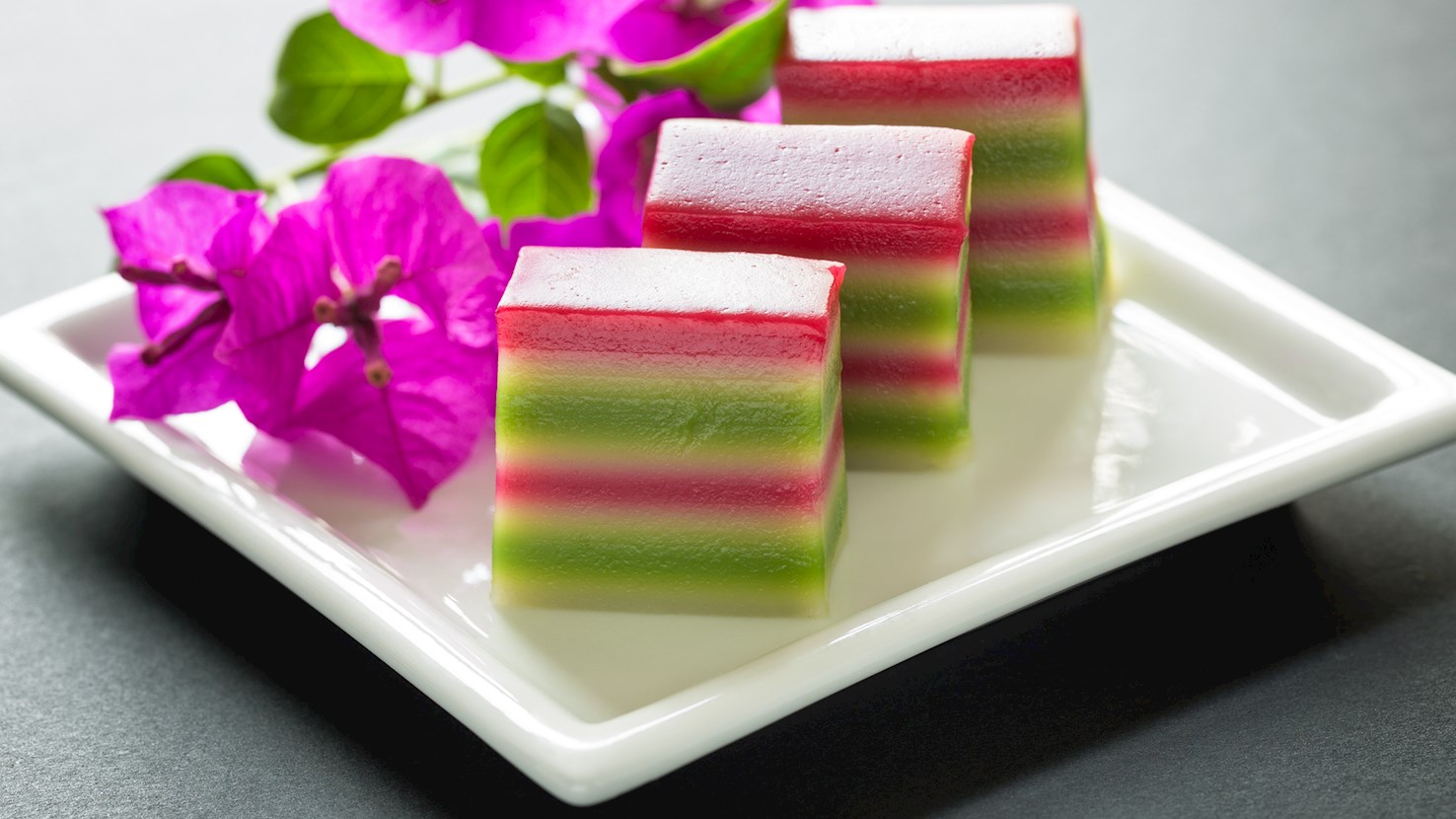
Kue lapis is a layered steamed cake widely enjoyed in Indonesia, Malaysia, Singapore, and Brunei, known for its vibrant colors, soft, chewy texture, and delicate coconut-infused flavor. The name comes from the Malay and Indonesian word kue (or kuih in Malaysa), meaning "cake" or "sweet snack," and lapis, meaning "layers"—a literal reflection of the dessert’s distinctive multi-layered structure. Often made with a combination of rice flour, tapioca flour, coconut milk, sugar, and natural food coloring, kue lapis is steamed layer by layer, resulting in alternating bands of color, typically in shades of pink, green, and white, although many regional and modern versions feature other color combinations. Each layer is steamed individually, giving the cake its characteristic appearance and allowing for a unique peel-apart texture, which is particularly beloved by children and nostalgic adults alike. The cake is lightly sweet and subtly aromatic, with the richness of coconut milk and a smooth, slightly sticky chew. It is usually cut into small squares or diamonds, served at room temperature, and commonly found in street markets, festive gatherings, and traditional kuih platters. Although similar in name to the baked Indonesian-Dutch kue lapis legit (a spiced layered cake), kue lapis is entirely different in preparation and character—soft and steamed, rather than firm and baked.

Best restaurants
05

Kuih serimuka

3.8 ·

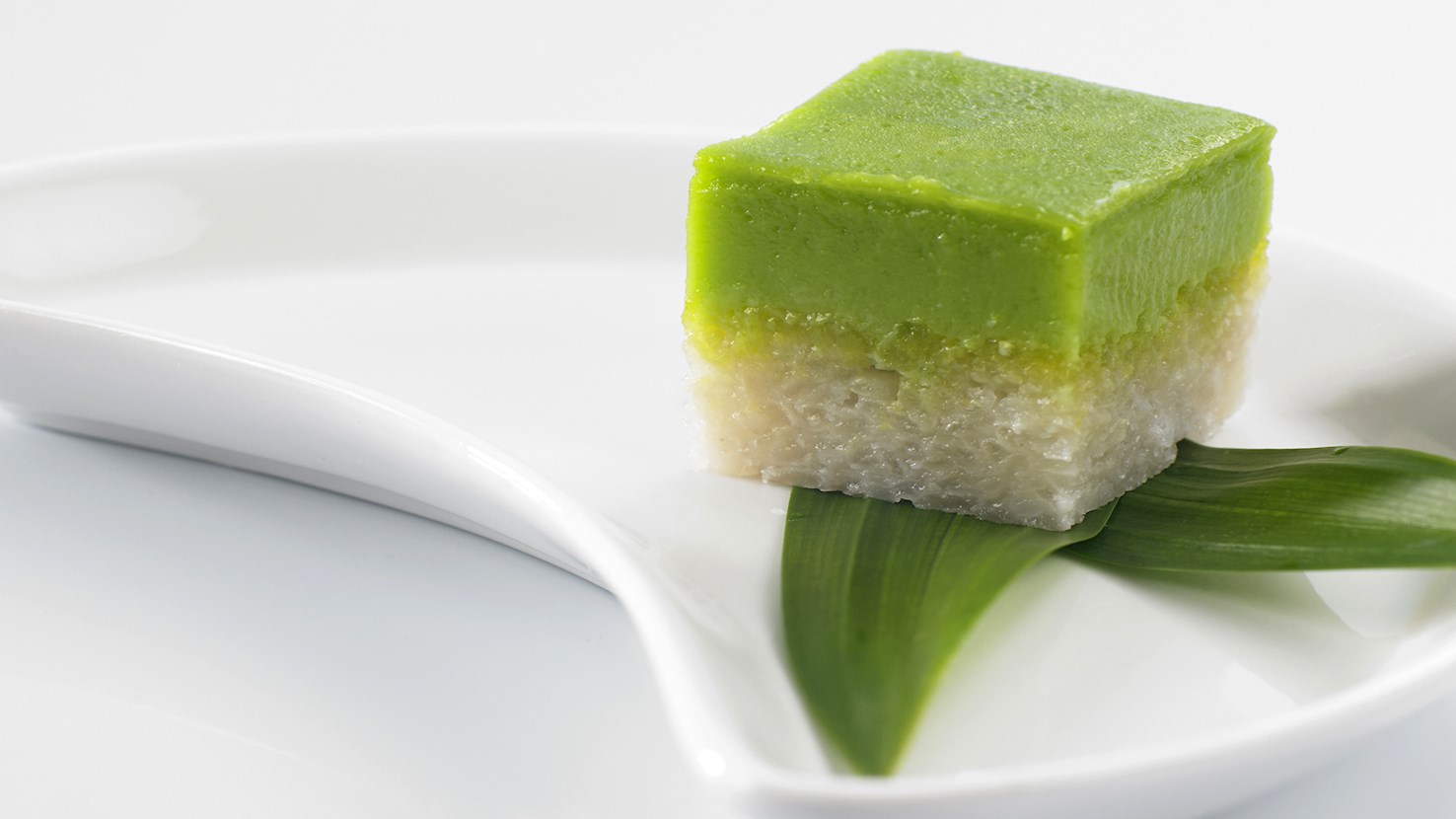
Serimuka is a kuih variety that consists of two separate layers. The bottom is made with glutinous rice cooked in coconut milk, while the top layer is a vibrant green coconut milk custard that is flavored and colored with pandan leaves. The dessert is often associated with Peranakan Chinese and has been listed as one of Malaysian heritage foods. Seri muka is traditionally served on special occasions, and similar varieties are also found in Indonesia, where they are known as putri salat.

06

Kuih cucur

3.5 ·

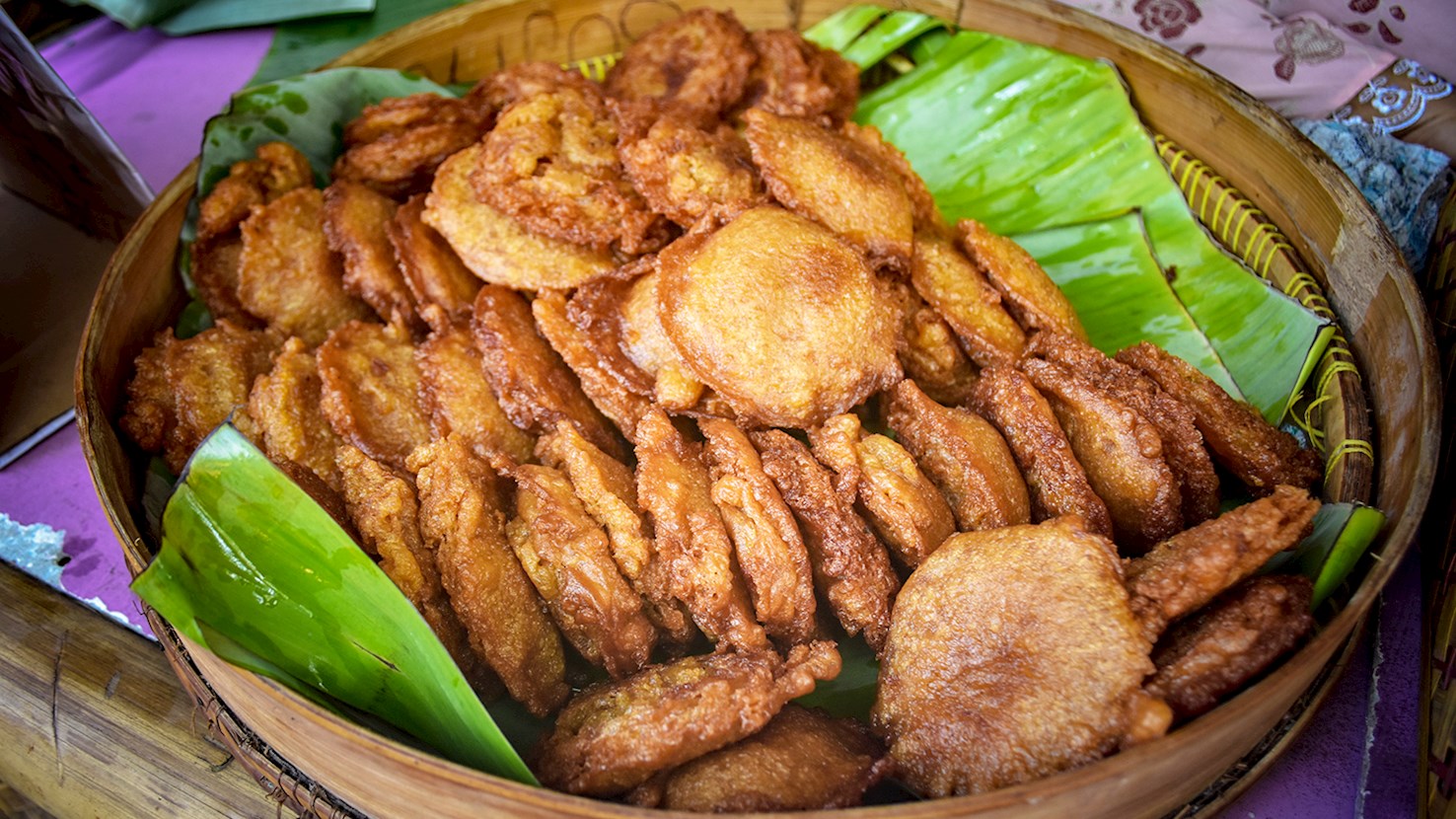
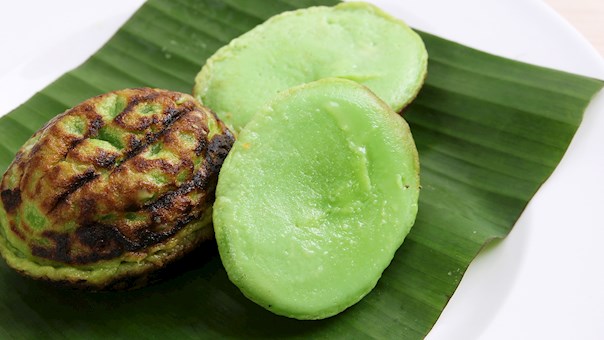
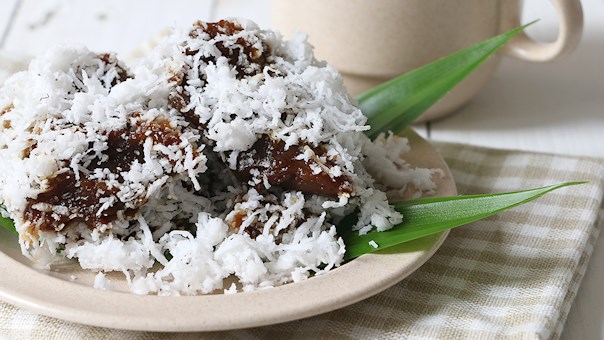
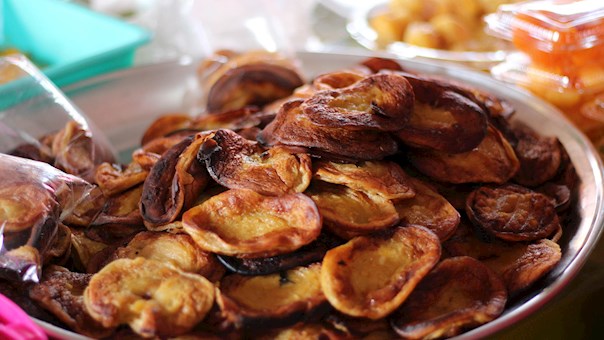
Kue cucur is a traditional snack that's also popular in Malaysia (kuih cucur) and Thailand (khanom fak bua), a type of deep-fried rice flour cake made with a simple batter of rice flour, palm sugar, and water. Its iconic shape, a thick, chewy center with a lacy, crisp rim, emerges naturally during frying, giving it a visual appeal that sets it apart from other traditional sweets. Despite its humble ingredients, the technique of preparing kue cucur requires skill and experience, particularly to achieve the perfect balance of textures and the signature golden crown that forms around its edges. The batter is made by dissolving rich, dark palm sugar in water, which is then mixed with rice flour to form a smooth, pourable mixture. This is allowed to rest so that the starches can hydrate fully, contributing to the chewy texture. When poured into hot oil in a specific, controlled motion, the batter spreads and begins to puff, forming its distinctive shape as the center remains thick and the edges bubble outward into a crisp, almost floral ring. The cooking process is as much a test of patience as it is of temperature control, as kue cucur can easily become greasy or misshapen if not handled properly. Kue cucur is often served at traditional ceremonies, family gatherings, or as an everyday street snack, where it’s typically displayed in neat stacks on banana leaves or sold fresh from roadside vendors. Its deep sweetness, which comes entirely from palm sugar, pairs well with a cup of hot tea or coffee.

07

Bahulu

3.3 ·

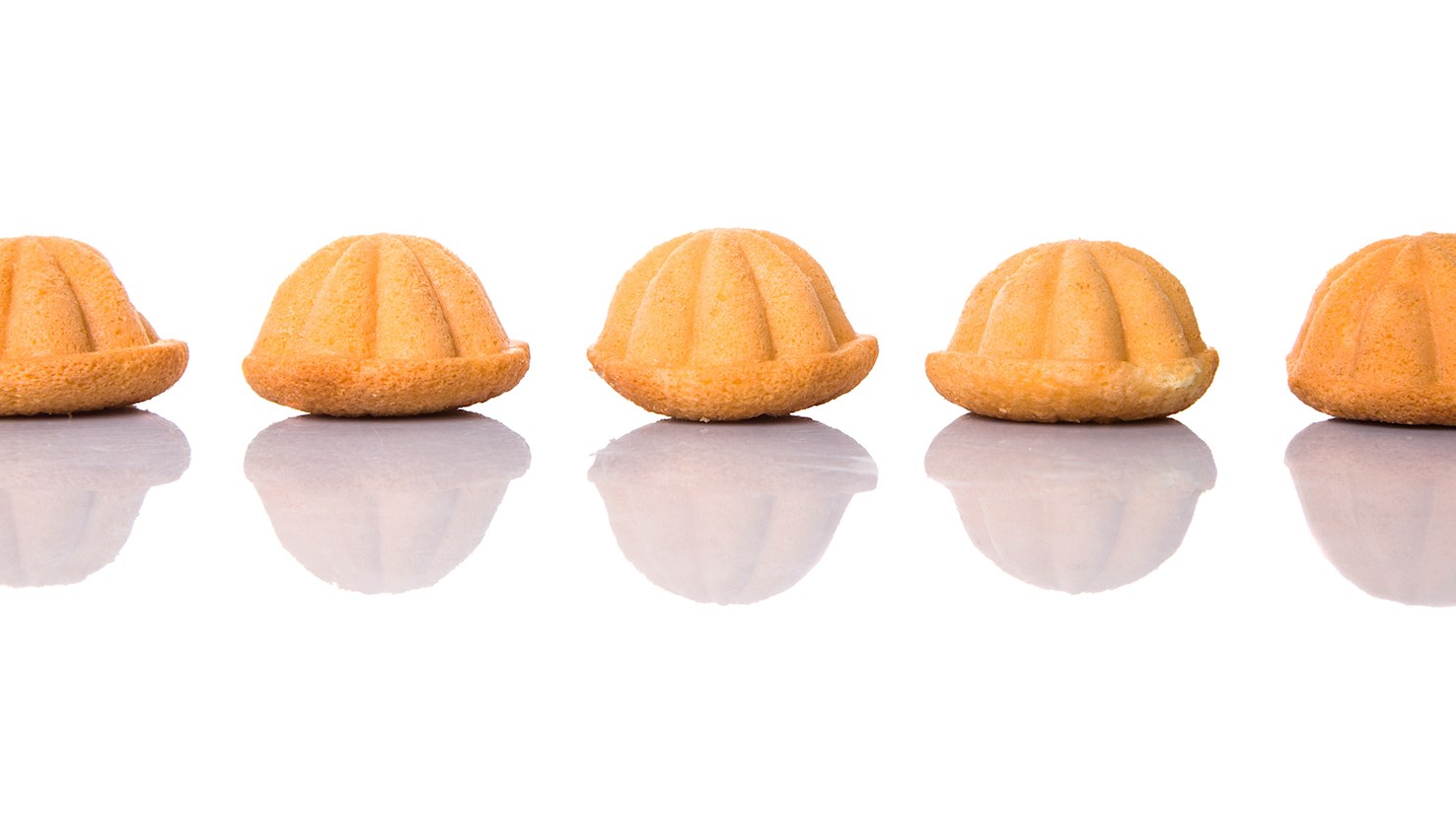
Often called Malaysian madeleines, these traditional sponge cakes are commonly enjoyed on various special occasions such as Chinese New Year and Eid al-Fitr (Hari Raya), which marks the end of Ramadan. They come in many different sizes and shapes, but the most popular are the small-sized buttons (bahulu-cermai) and goldfish (bahulu-ikan). Nowadays, these traditional treats come in many flavors that often include fruit, pandan, or chocolate. Interestingly, they have earned a place on the list of national Malaysian Heritage products.

08

Pulut durian

3 ·

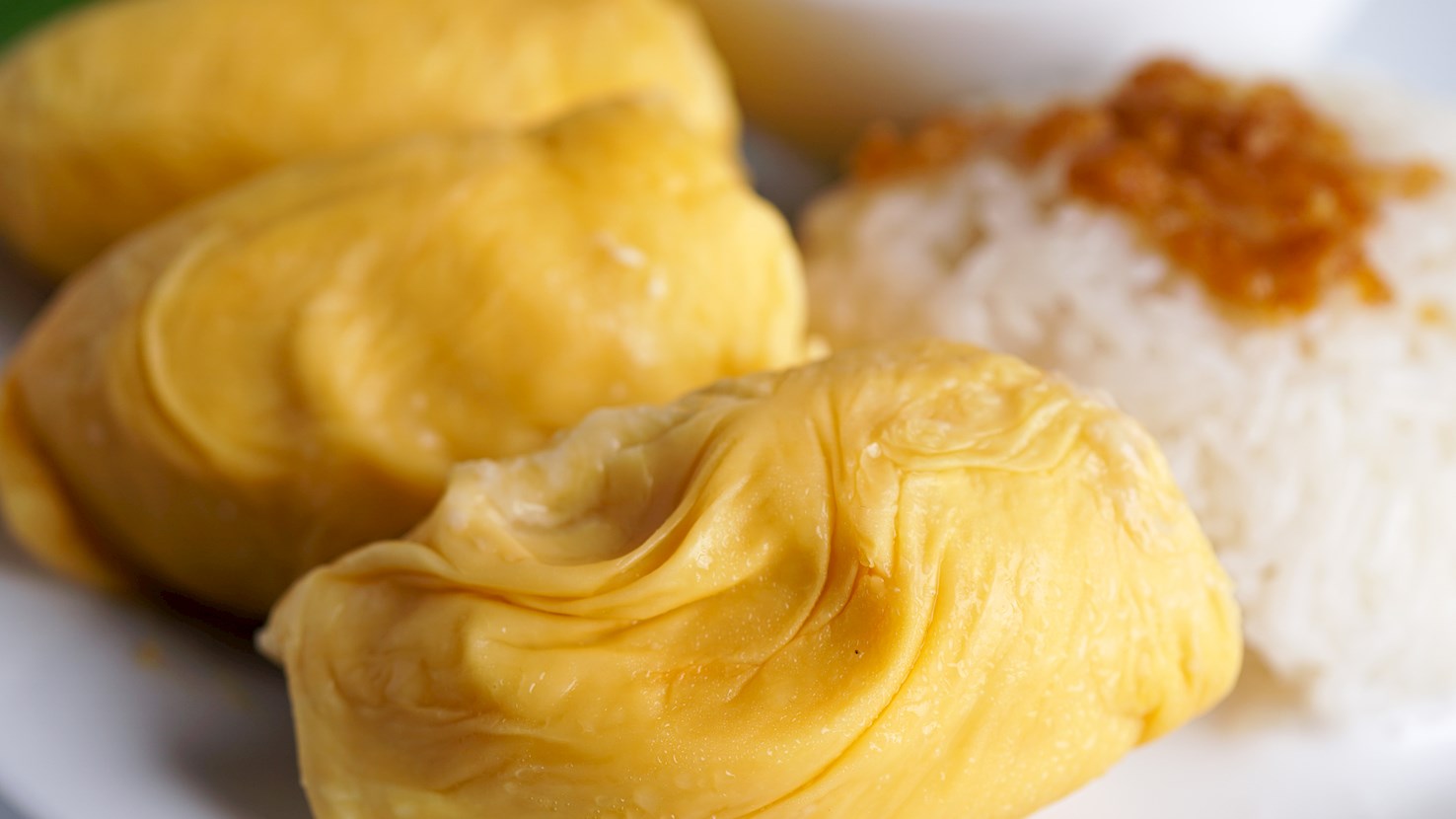
Pulut durian is a traditional Asian dessert that's popular in Malaysia, Thailand, and Singapore. It's usually made with a combination of durian flesh, glutinous rice, coconut milk, salt, sugar, and pandan leaves. The glutinous rice is seasoned with salt and steamed until done. The durian flesh is mixed with coconut milk, salt, sugar, and pandan leaves, and the mixture is boiled until the sauce develops a thick consistency. Once done, the sauce is served hot with glutinous rice.

09

Kuih keria

n/a ·

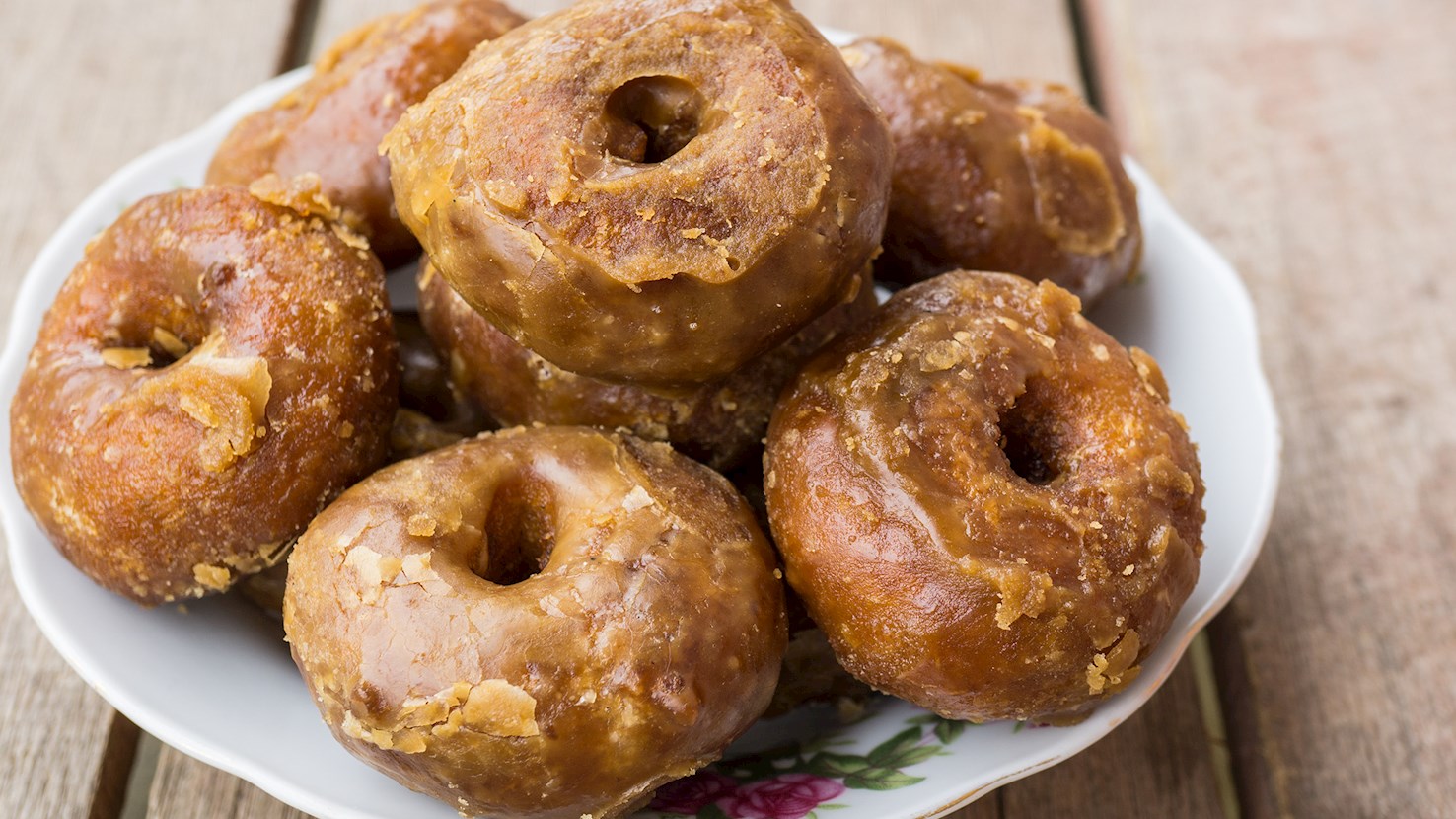
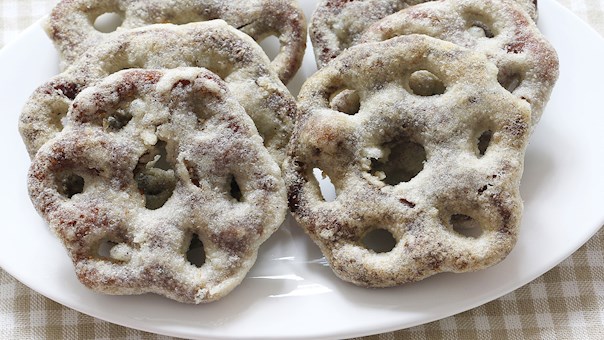
Kuih keria are Malaysian deep-fried doughnuts that are made from sweet potatoes. After they are steamed and mashed, the potatoes are combined with flour to form a pliable dough that is then shaped into doughnut rings. Unlike other types of doughnuts, this version is not leavened, resulting in somewhat denser texture. After they have been fried, the doughnuts are usually sugar-glazed or generously coated in white or palm sugar (gula melaka).

10

Bubur cha cha

n/a ·

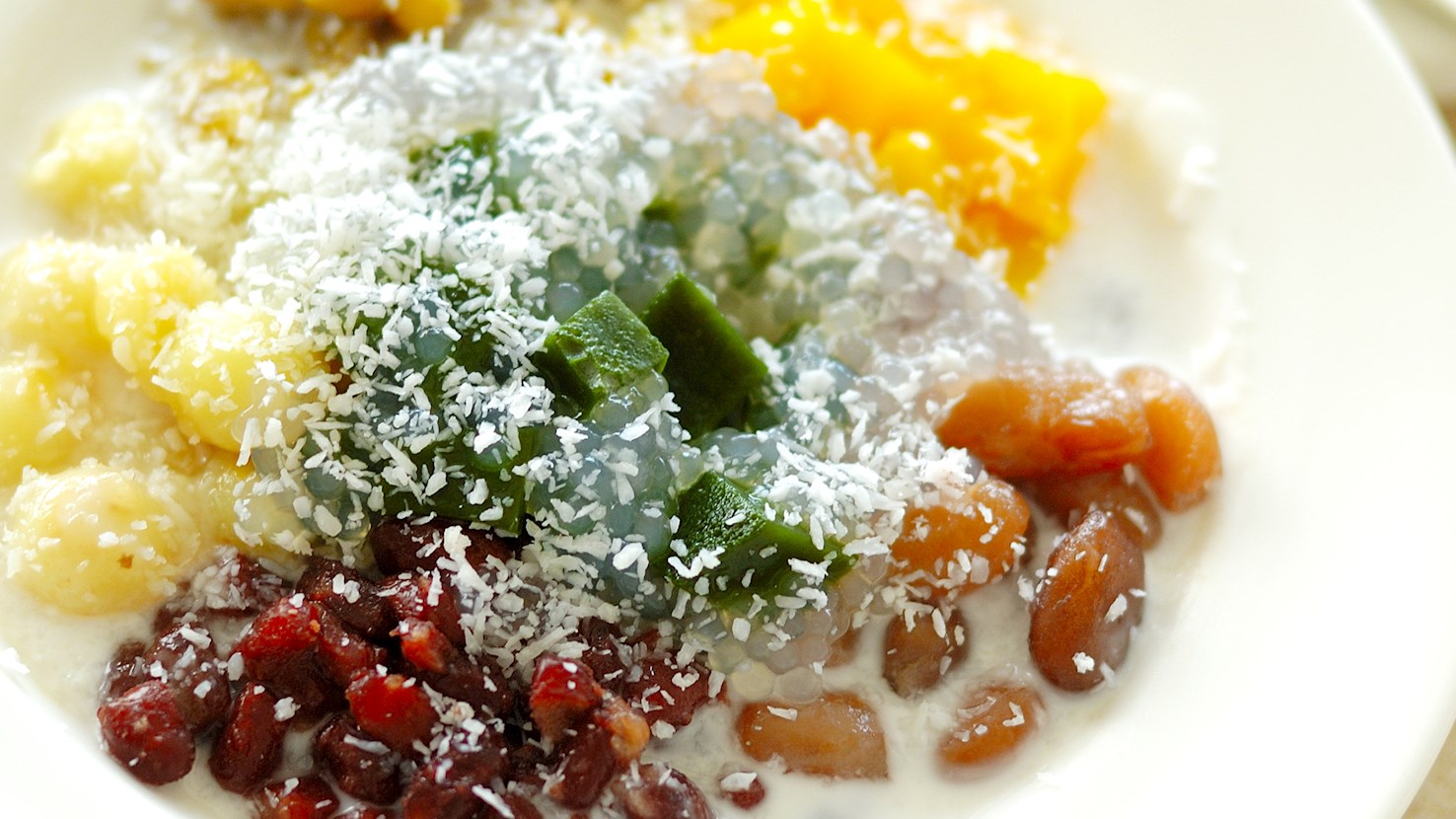
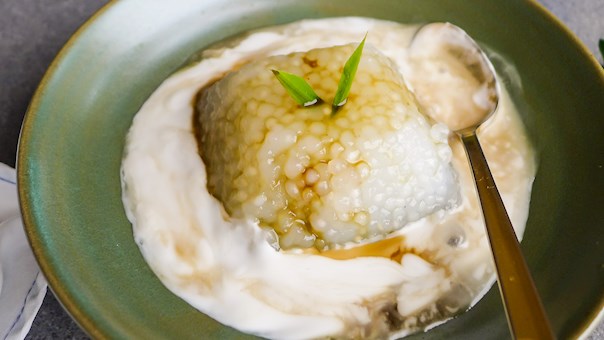
The colorful bubur cha cha is a dessert made with coconut milk, sago, yams, sweet potatoes, pandan leaves, bananas, and black-eyed peas. Pandan leaves provide it with a sweet and light aroma, tubers give the dessert its typical color and texture, sago thickens it, while coconut milk gives it creaminess. Bubur cha cha can be served warm or cold, and it is especially popular on hot summer days. This dessert is sometimes served for breakfast, while in the state of Penang, it is often sold as street food. Apart from Malaysia, bubur cha cha is also popular in Singapore.

11

Kuih cara manis

n/a ·
12

Sago gula melaka

n/a ·
13

Cincin

n/a ·
14

Kuih kaswi

n/a ·
15

Roti durian

n/a ·
Read more
View all
View map
About this ranking

TasteAtlas food rankings are based on the ratings of the TasteAtlas audience, with a series of mechanisms that recognize real users and that ignore bot, nationalist or local patriotic ratings, and give additional value to the ratings of users that the system recognizes as knowledgeable. For the “Top 16 Malaysian Desserts” list until May 15, 2026, 425 ratings were recorded, of which 269 were recognized by the system as legitimate. TasteAtlas Rankings should not be seen as the final global conclusion about food. Their purpose is to promote excellent local foods, instill pride in traditional dishes, and arouse curiosity about dishes you haven’t tried.

Similar lists