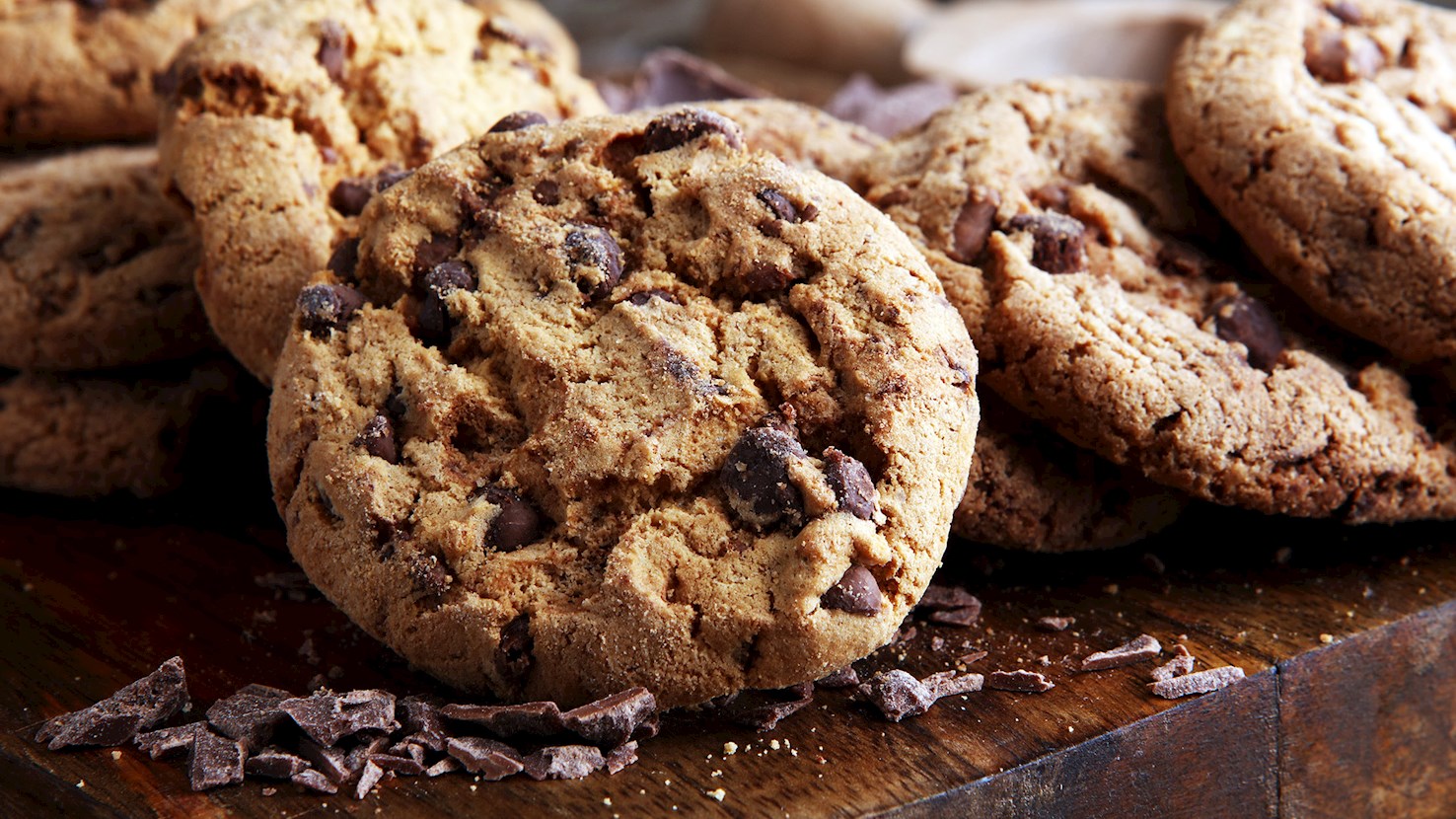
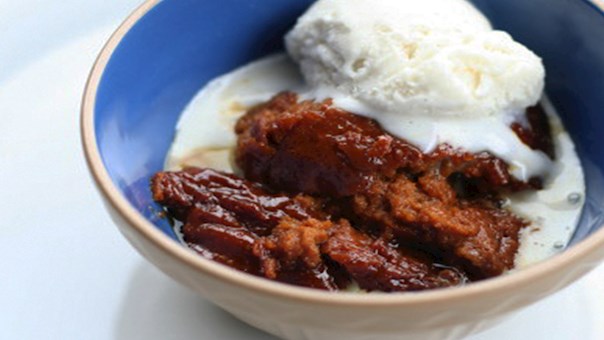
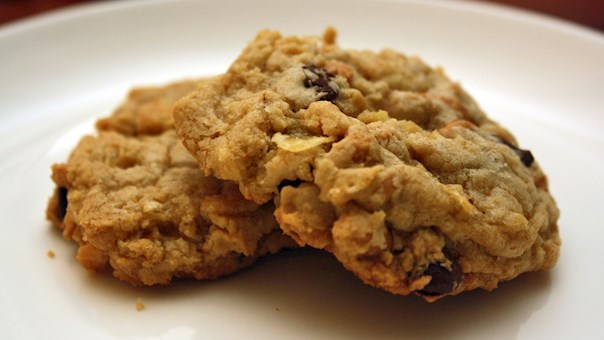
Usually accompanied by a glass of milk or a cup of hot tea or coffee, chocolate chip cookies are well balanced between salty and sweet in flavor, tenderly chewy in texture, and filled with small melting chocolate pyramids, bringing a generation of Americans back to their childhood. The origin story of these sweet treats is incredibly interesting, almost as the cookies themselves. The Toll House Inn was a popular bed-and-breakfast in Whitman, Massachusetts, bought by Ruth Graves Wakefield and her husband in 1930. Ruth's cooking was so good that the inn gained an excellent reputation in a short span of time. Enter Duncan Hines, a traveling salesman from Kentucky who began compiling a list of the best roadside eateries in 1935. First, he included the Toll House Inn's Indian pudding on the list, and a decade later, he also included the chocolate chip cookies that we all know and love today. Ruth was baking chocolate cookies when she found out that she didn't have any more baker's chocolate. Instead, she used a new, semisweet chocolate that she got from her friend Andrew Nestlé, broke it into small pieces, and places them in her batter for buttered sugar cookies. The chocolate didn't melt like she thought it would, and the result was a cookie that Ruth originally called the Toll House chocolate crunch cookie. The Boston press published her recipe, and the sales of both Nestlé chocolate and the cookies skyrocketed. Nestlé and Wakefield made a deal - he would print the recipe on the chocolate, and she would get a lifetime supply of chocolate. The recipe is printed on the chocolate package up to this day, giving everyone a chance to make their own chocolate chip cookies.
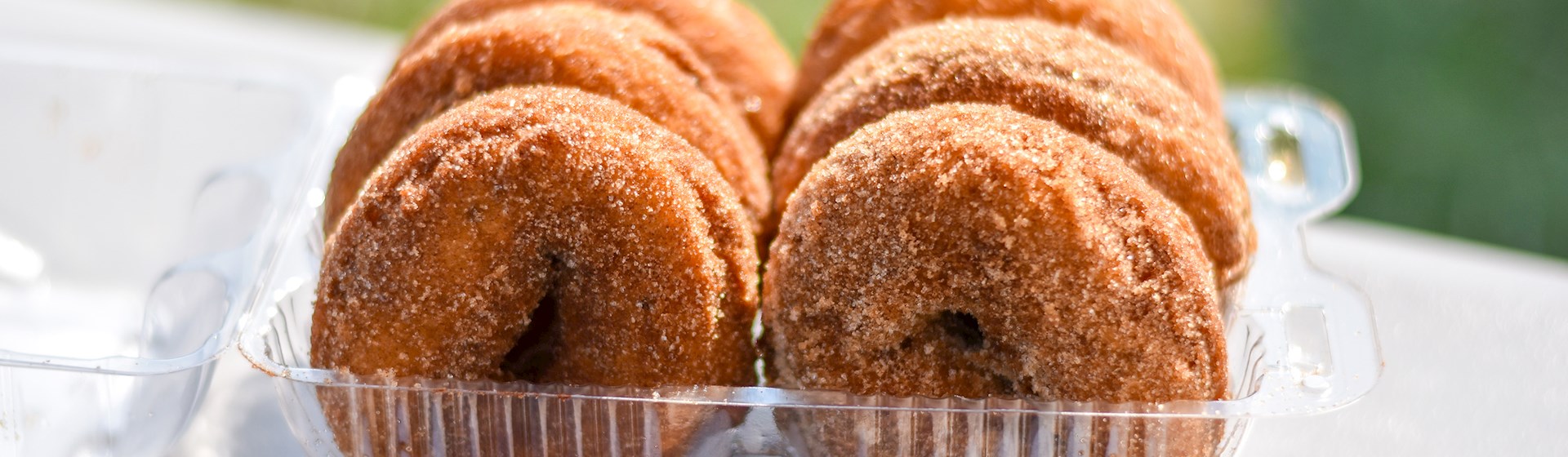
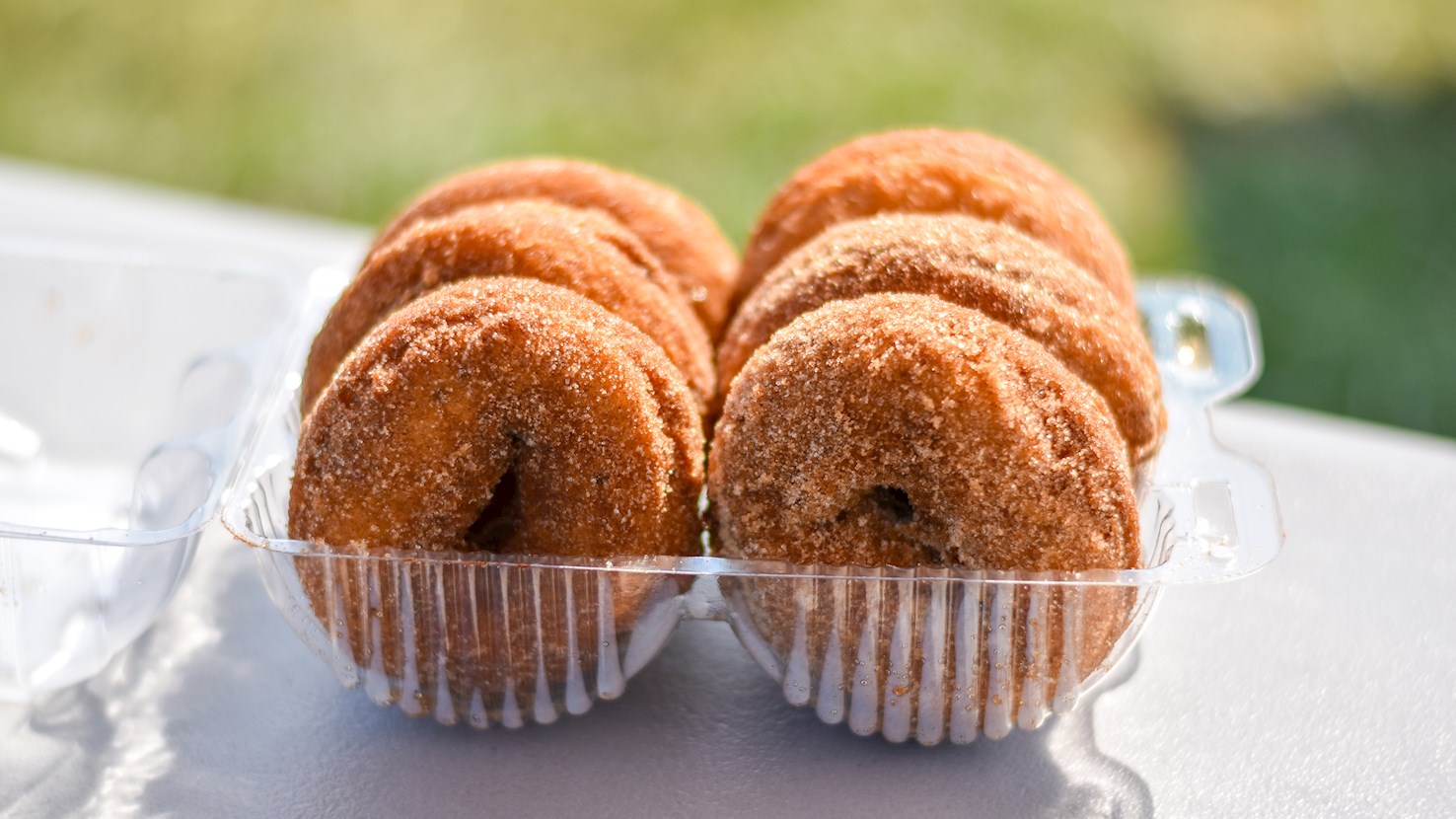
Apple cider doughnuts are a type of doughnut popular on the East Coast of the United States, particularly in New England. As the name implies, they are made with a dough containing apple cider and are often coated in cinnamon, nutmeg, and sugar. Apple cider doughnuts are a fall treat and can be found around apple orchards, at farmers' markets, in bakeries across the East Coast, and are a staple at autumn festivities. Although it is often considered they originated during Colonial times, the first recipe is from 1951, when DCA (Doughnut Company of America) introduced a new flavor to their line of doughnuts. This seasonal delicacy soon became a favorite and has stayed as such until today. Apple cider doughnuts are often paired with hot cider or a glass of cold apple cider, but milk or coffee also go well with this delicious snack.
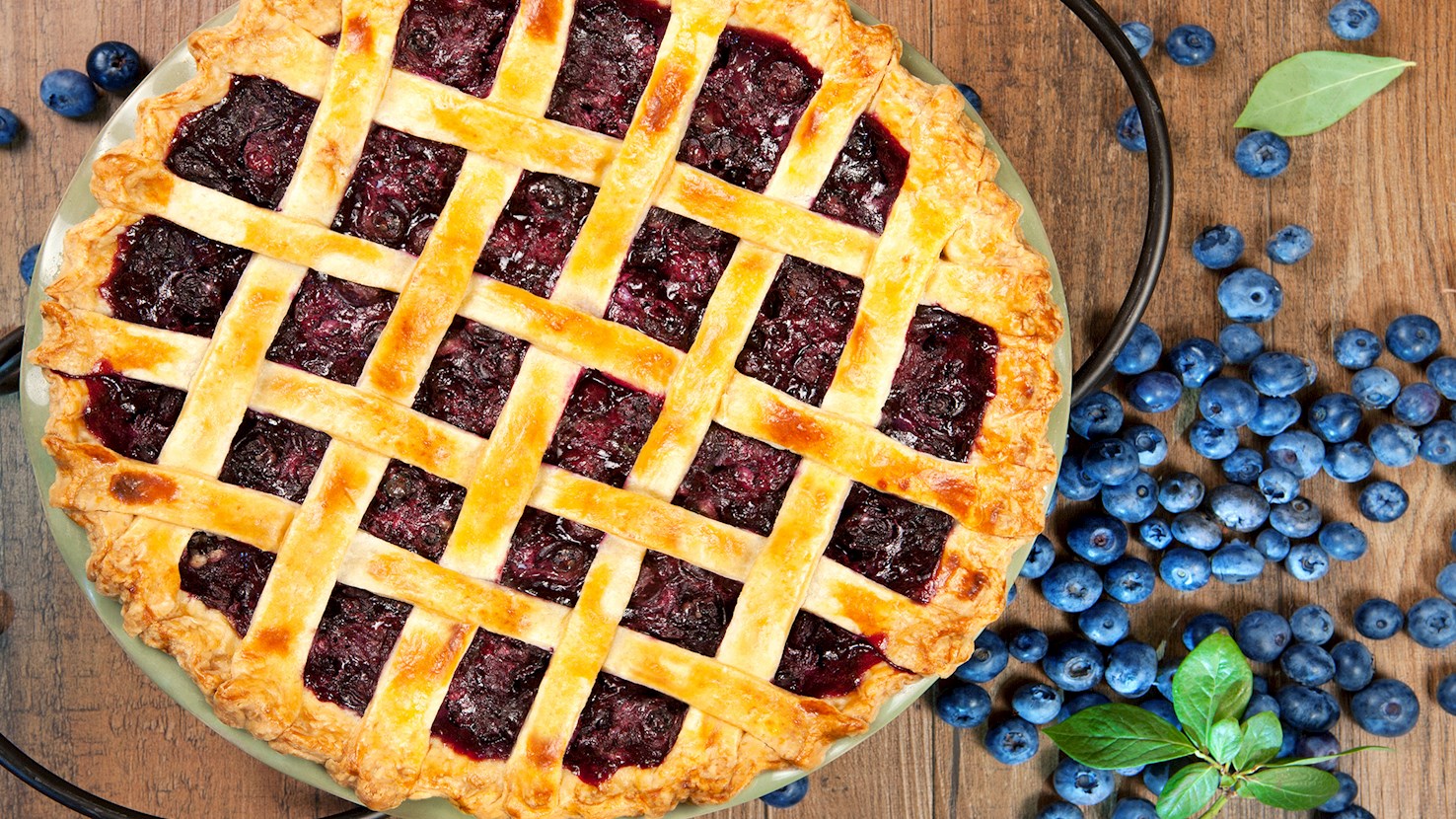
This true American classic consists of a thick, juicy blueberry filling enclosed between two layers of flaky, golden pastry. It first appeared in the written form in 1829, but its origin probably dates back to the early American pioneers. Even though it is traditionally associated with Maine, where it is declared as the official state dessert, the classic blueberry pie is a summer favorite enjoyed throughout the country, usually served with a scoop of ice cream or a dollop of whipped cream on the side.
Frozen lemonade is a refreshingly tart and sweet frozen treat made by blending lemon juice, sugar, and water with ice until slushy, or by freezing a lemon-flavored mixture into a soft, icy consistency. It’s essentially a cross between a sorbet and a slushie, delivering the bold citrus kick of lemonade in an icy, spoonable or sippable form. Popular at fairs, boardwalks, and summer stands across the U.S., frozen lemonade is especially iconic in New England (think Del’s in Rhode Island) and parts of the South. It can be served in cups, scooped like Italian ice, or blended fresh to order. Some versions include real lemon zest or pulp for an extra burst of flavor, while others lean smoother and sweeter. Whether it's served from a food truck, in a paper cup at a baseball game, or scooped at home, frozen lemonade is a go-to summer classic—bright, chilly, and irresistibly nostalgic.
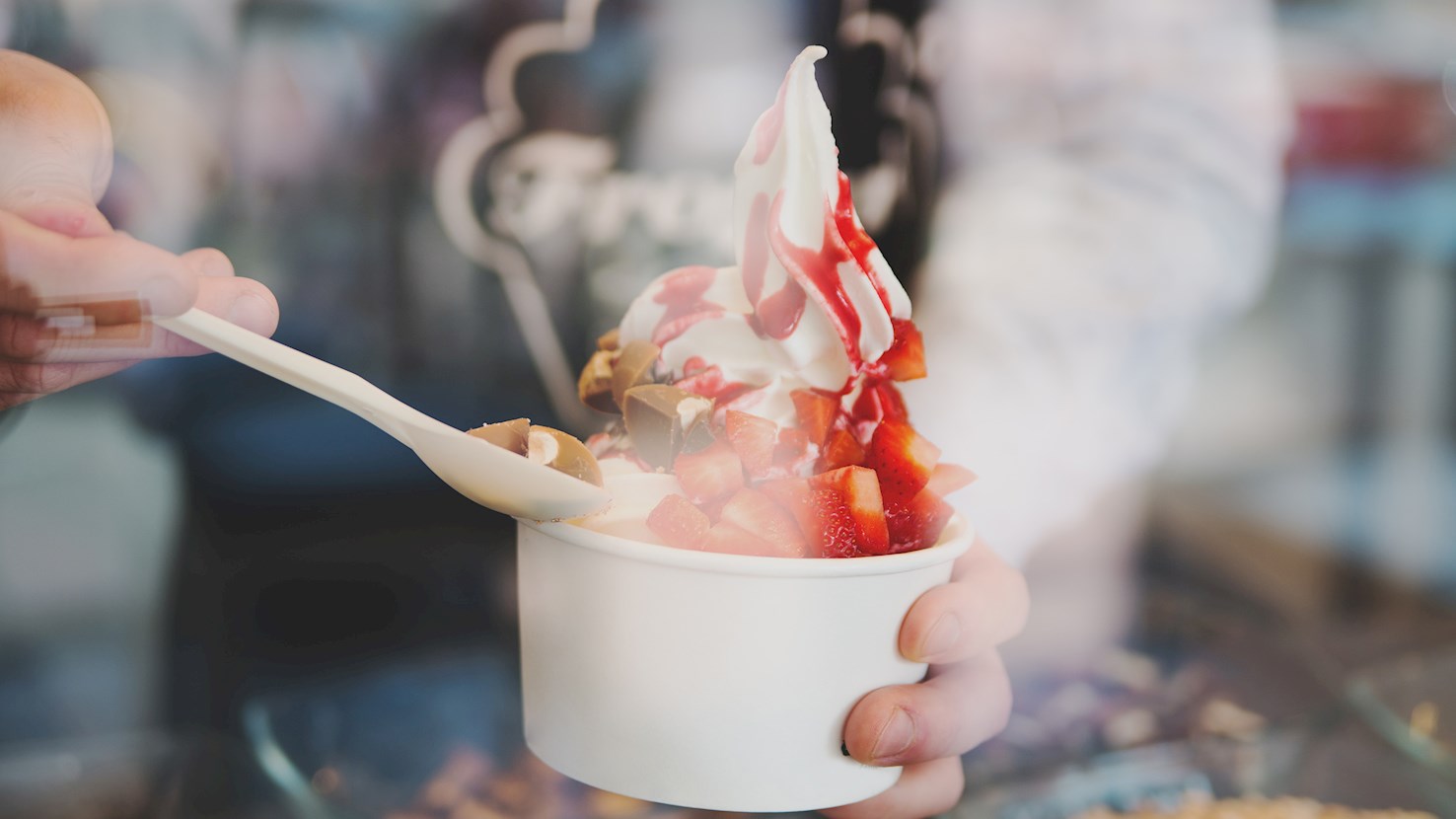
Frozen yogurt is a frozen dessert treat made with yogurt and (sometimes) other dairy products and flavorings. It is lower in fat than ice cream due to the use of milk instead of cream. Frozen yogurt is usually served with numerous toppings such as strawberries, bananas, or chunks of cookies and candy. The first frozen yogurt was produced in the 1970s in New England, but the name of its inventor is still a mystery. Originally, it was made as a low-fat option for people who consumed ice cream, but it wasn't a big success due to the fact that most Americans preferred the sweet ice cream over the tart frozen yogurt. In the 1980s, its popularity was on the rise, but still couldn't match the popularity of ice cream. Today, improvements in the recipes and the production process have resulted in a smoother, creamier frozen yogurt, making it a more popular choice than ice cream for numerous dessert consumers. Nowadays, the interest in low-fat foods seems unabated, and it can best be seen by the annual sales of frozen yogurt in the United States, reaching 195 million dollars.
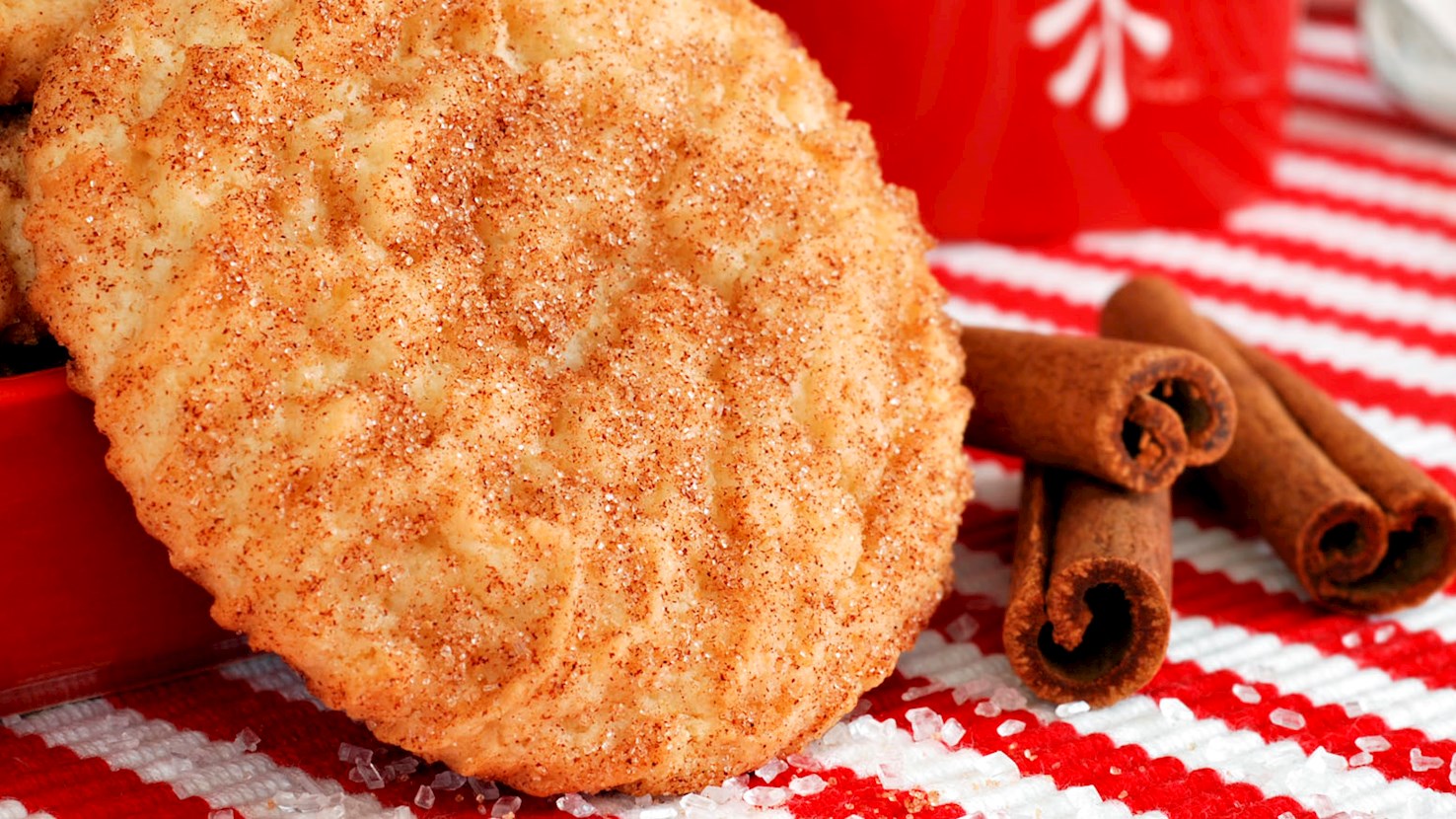
Snickerdoodles are classic old-fashioned cookies that are rolled in a mixture of cinnamon and white sugar, consisting of butter, sugar, eggs, and flour. They are characterized by their texture (soft or crispy), a cracked surface of the exterior, and a buttery, sweet flavor. The cookies got their name from the German word Schneckennudeln, meaning cinnamon-dusted sweet rolls, and another theory suggest that the name stems from a series of tales from the 1900s that centered around a hero named Snickerdoodle. Snickerdoodles are commonly baked for the holidays, eaten warm or at room temperature and are even better when accompanied with a glass of milk.
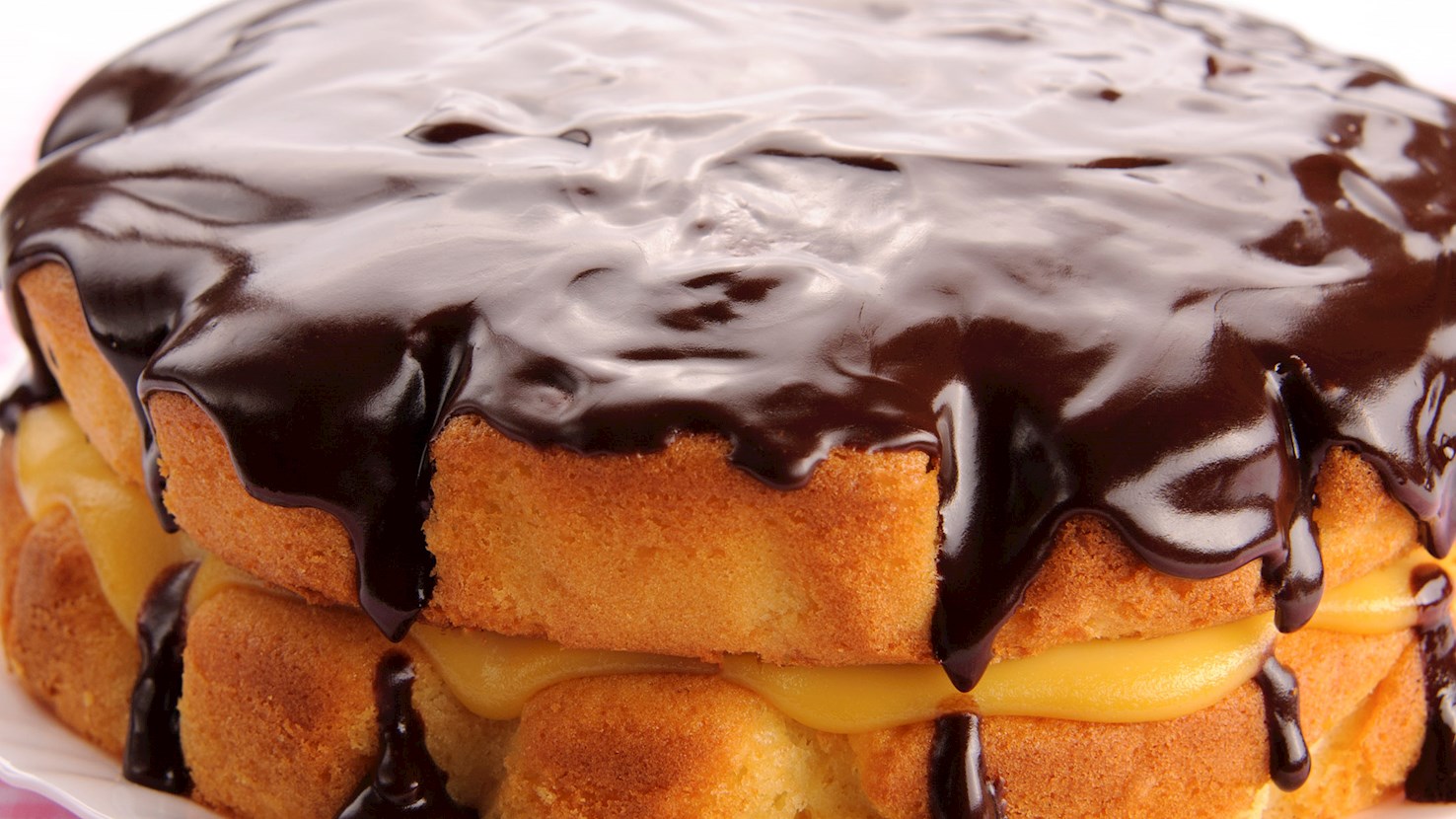
Although the name suggests otherwise, Boston cream pie is not a pie, but a cake consisting of two layers of sponge cake which are filled with a rich vanilla custard, while the whole thing is finished with a chocolate glaze, or in some cases, with sprinkled confectioners' sugar. It was named a pie because the first versions were baked in pie tins, which were more common than cake pans in the mid-19th century. The inventor of the Boston cream pie is a French chef named Sanzian, who worked in the Parker House, a hotel that claims to have served the dessert since its opening in 1856. Originally, the cake was served under the name Parker House Chocolate Cream Pie. Today, this classic cake is a favorite throughout the country, not just in Massachusetts where it became the official state dessert in 1996.
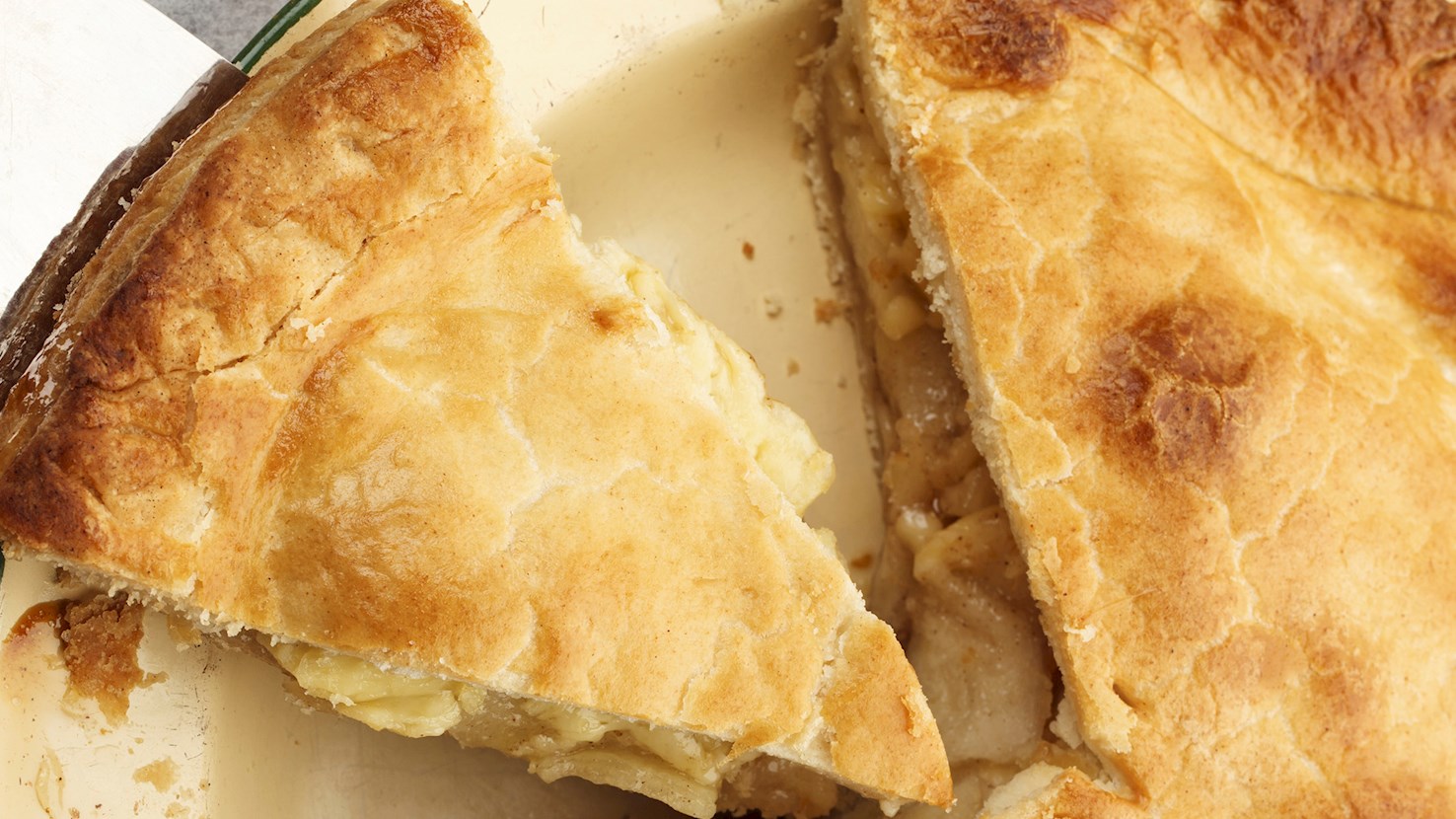
Cheese - specifically the sharp cheddar cheese - has left a whole nation divided between those who cannot imagine their apple pie without cheese, and those who refuse to spoil something as noble as a slice of American apple pie with cheese that is aged and slightly pungent. Although believed to have its roots in New England, some suggest that cheddar cheese apple pie can be traced back to England, and even further to ancient times, when the combination of cheese, fruit, and nuts was common. The consumption of apple pie with cheese is typical of and often deeply rooted in the tradition of regions such as New England, Pennsylvania, and the Midwest, as well as certain parts of Canada and Britain. The state of Vermont has taken the matter so seriously that in 1999, it has issued a law concerning the consumption of apple pie with additions such as cheddar cheese, ice cream, and cold milk. Apart from cheddar cheese, other kinds of cheese are also sometimes used - be it Roquefort, Gruyère, Wensleydale, gouda, or parmesan.
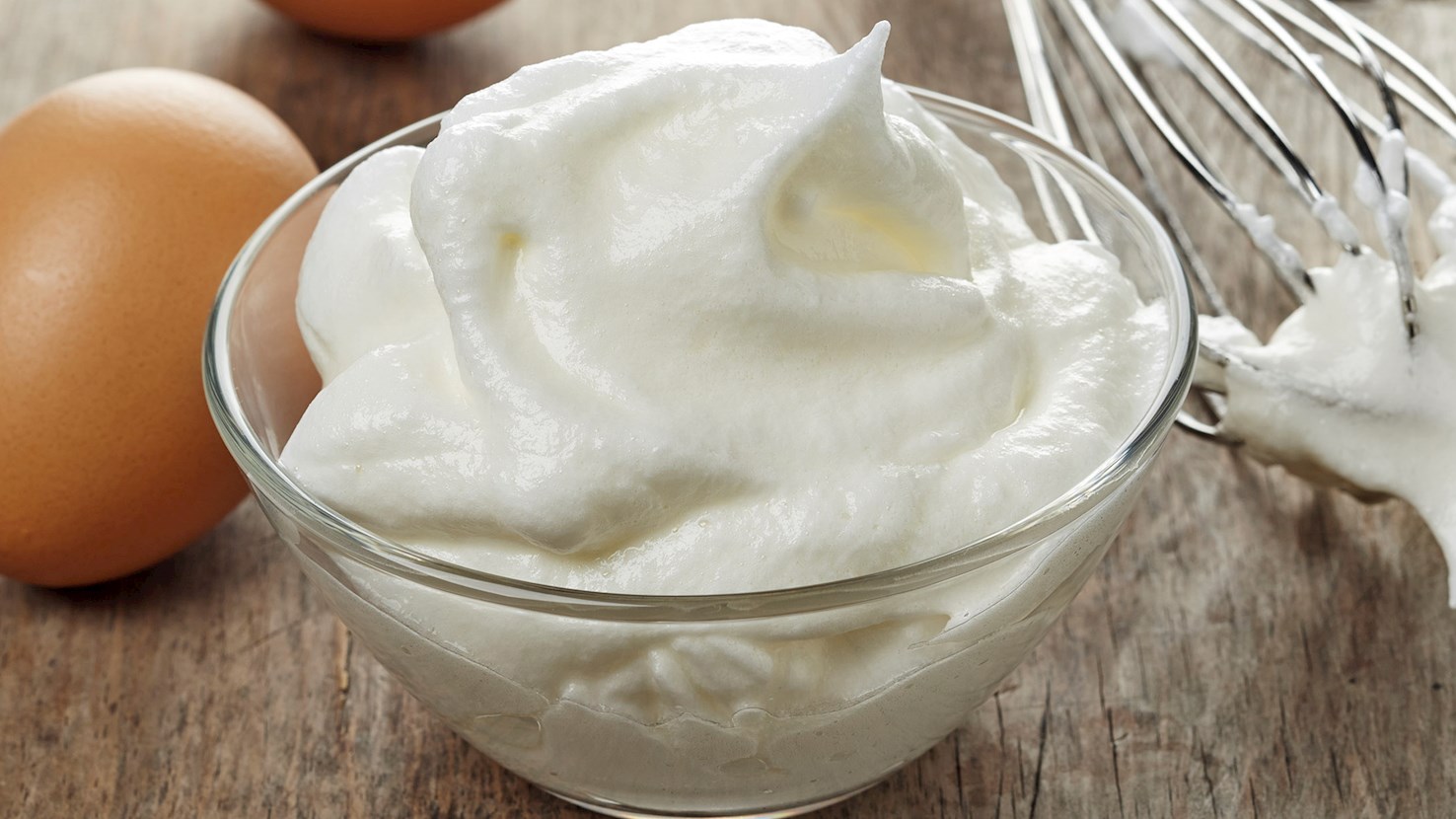
Marshmallow cream is an original American confectionery. It consists of whipped egg whites combined with corn syrup, sugar, and a thickening agent. The result is a fluffy, sweet, spreadable cream used in many recipes and delicious combinations. Although marshmallow cream can be prepared at home, it is usually factory-produced and bought in jars. The homemade variety was first mentioned in a recipe dating back to 1896, but marshmallow cream as a product first started to be sold at the beginning of the 20th century. It was invented by a local in Somerville Massachusetts, who later sold his recipe which is still produced by only three companies in the United States: Durkee-Mower with their Marshmallow Fluff, Kraft, and Solo Foods. This soft, sweet, and velvety cream can be used as a frosting on cakes and cupcakes, as a filling inside whoopie pies and cookies, or layered between graham crackers and chocolate for a tasty and quick version of s’mores. One of the favorite delicacies is the classic fluffernutter sandwich, a combination of delicious peanut butter and the luscious marshmallow cream spread inside two bread slices.
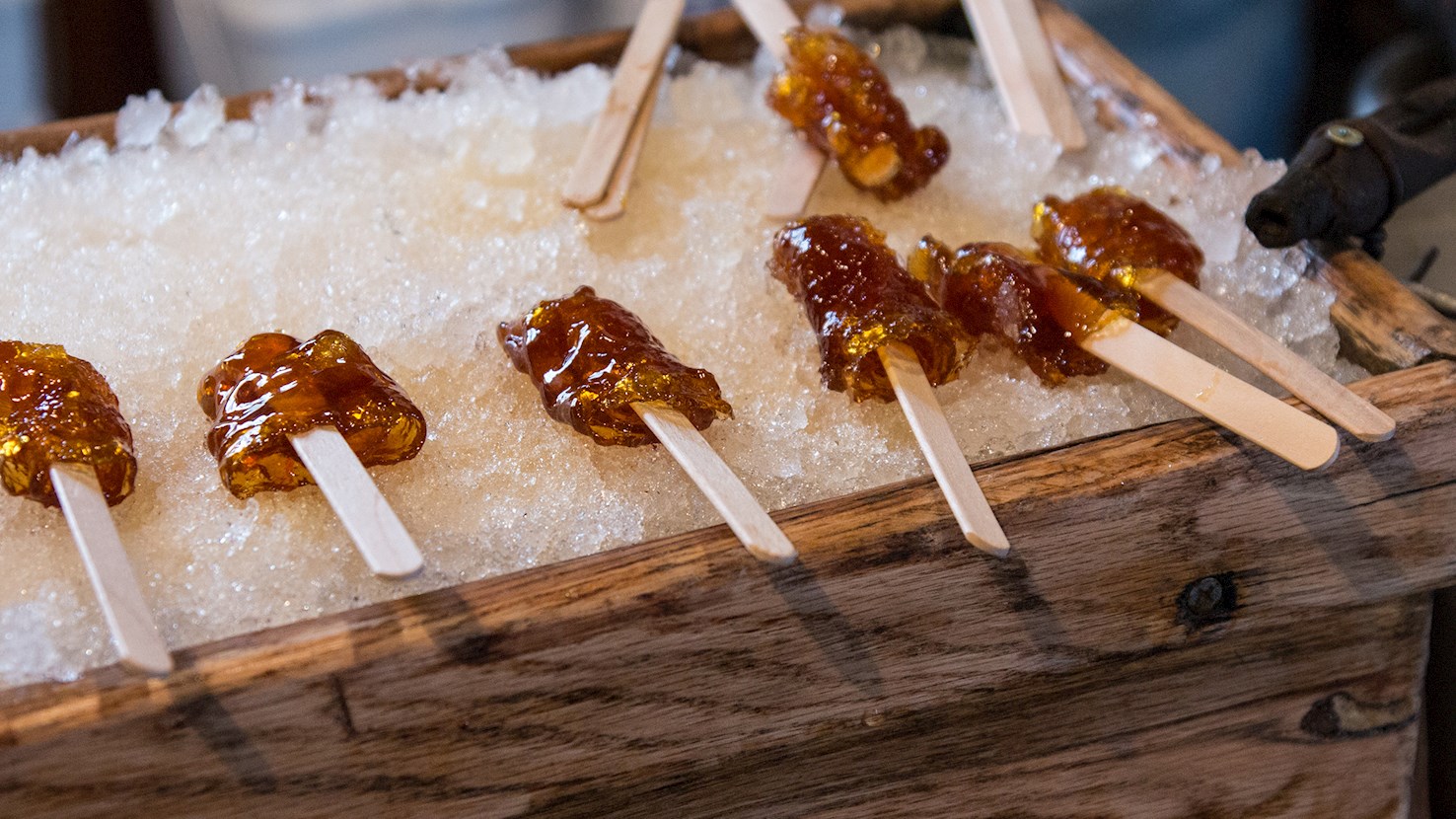
Sugar on snow is a cool American dessert originating from Vermont. It’s prepared with just two ingredients – maple syrup and lots of fresh and clean snow. In order to make the candy, a pan should be filled with fresh, clean snow. The maple syrup is boiled, and it is then drizzled over the snow. When the syrup cools and hardens, sugar on snow is ready to be consumed. This treat is especially beloved by children. It is recommended to serve sugar on snow with doughnuts (used for dunking and extra sweetness), black coffee, and pickles (eaten to balance the sweetness of sugar on snow and doughnuts, so one may start all over again).
TasteAtlas food rankings are based on the ratings of the TasteAtlas audience, with a series of mechanisms that recognize real users and that ignore bot,
nationalist or local patriotic ratings, and give additional value to the ratings of users that the system recognizes as knowledgeable.
For the “Top 17 New Englander Desserts” list until August 15, 2026, 2,333 ratings were recorded, of which 2,161 were recognized by the system as legitimate.
TasteAtlas Rankings should not be seen as the final global conclusion about food. Their purpose is to promote excellent local foods,
instill pride in traditional dishes, and arouse curiosity about dishes you haven’t tried.




What People Say