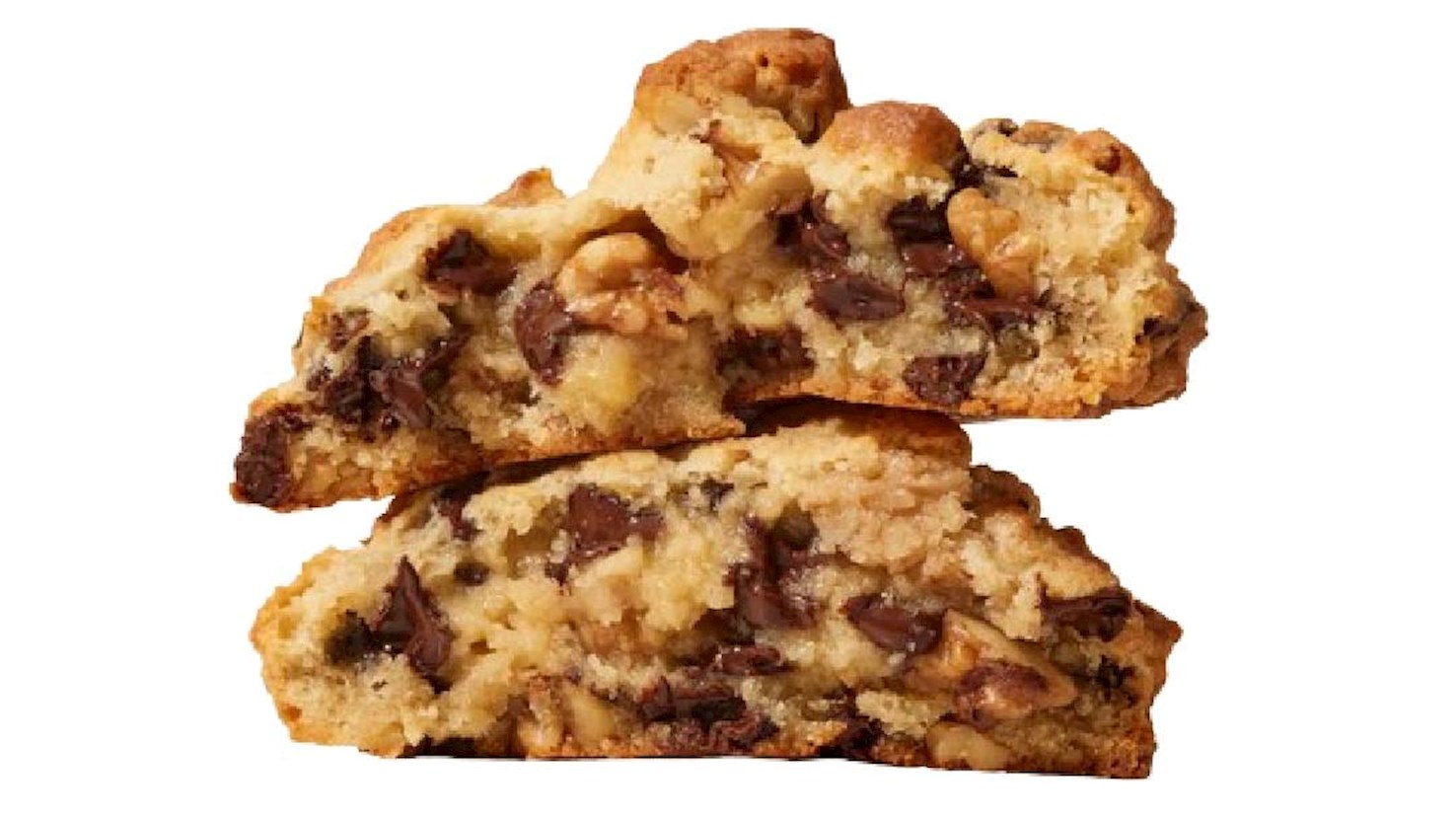
Levain Bakery is a legendary American bakery born in the heart of New York City, globally celebrated for its rich, hand-crafted cookies that captivate with their aroma, taste, and texture. Founded in 1995 out of friendship and a shared passion for baking, Levain began as a small neighborhood shop on the Upper West Side - but quickly rose to fame thanks to its now-iconic chocolate chip walnut cookie: crispy on the outside, irresistibly gooey on the inside, and often hailed as one of the best cookies in the world.
At the core of Levain’s philosophy is simplicity - high-quality ingredients, careful preparation, and a deep commitment to craftsmanship.
Every cookie is freshly baked by hand each day, with the same warmth and care you'd find in a cherished family kitchen. Today, with locations across the United States, Levain remains true to its roots - uncompromised, authentic, and devoted to flavor that transcends trends.
What makes Levain truly special is not just the size of its cookies, but the comfort they bring.
Each treat is a reminder of how a simple bite can spark genuine joy. Whether you're visiting in person or ordering from afar, Levain cookies remain a heartfelt symbol of dedication to truly exceptional baking.
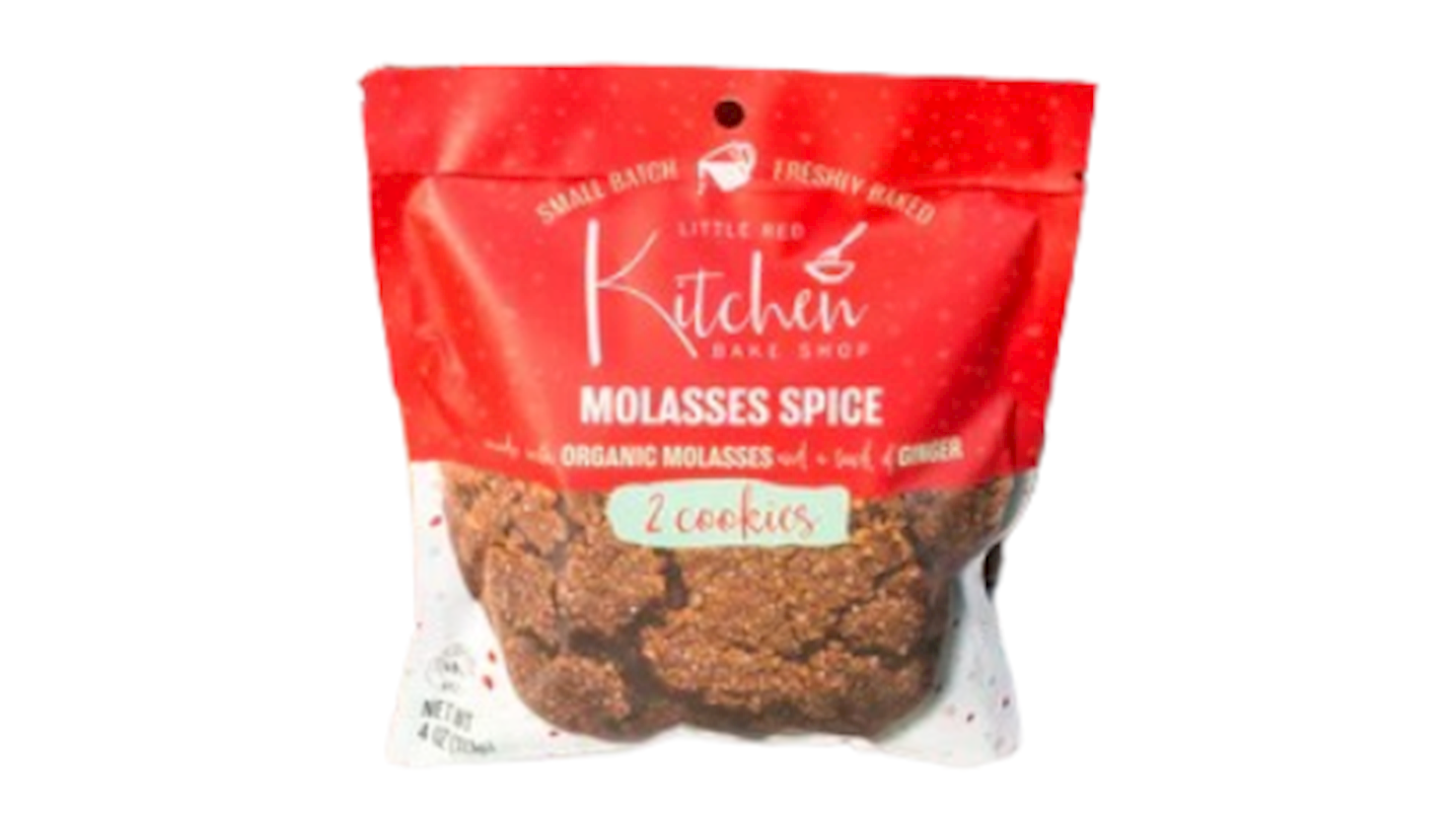
Little Red Kitchen Bake Shop is a Brooklyn-based bakery founded in 2014 by Susan Palmer, which has evolved from a small home baking project into an established brand focused on handcrafted, small-batch baked goods. The company specializes in gourmet cookies, cookie pies, brownies, and baking kits, all made with an emphasis on high-quality ingredients such as organic and fair trade components, without the use of artificial flavors or preservatives.
Its production approach prioritizes freshness and consistency, with items baked in small batches and often shipped the same day. The flavor profile is rooted in familiar, nostalgic recipes inspired by traditional home baking, while seasonal variations and limited releases add diversity to the assortment.
The brand has also expanded into formats like subscription boxes and DIY baking kits, responding to evolving consumer preferences and interest in interactive food experiences. Over time, Little Red Kitchen Bake Shop has built a strong direct-to-consumer presence across the United States.
It is positioned as a modern bakery that combines artisanal methods with scalable distribution while maintaining a clear focus on ingredient quality and product integrity.
Van Leeuwen Ice Cream is an American ice cream company founded in New York City in 2008 by Ben Van Leeuwen, Pete Van Leeuwen, and Laura O’Neill. The brand began as a single yellow ice cream truck operating on the streets of New York with a mission to create high-quality ice cream using simple, carefully selected ingredients.
Van Leeuwen is best known for its French-style ice cream, made with milk, cream, cane sugar, and egg yolks, which delivers a rich texture and intense flavor. In addition to its traditional dairy offerings, the company has gained recognition for its extensive range of vegan ice cream flavors.
The product portfolio includes classic varieties such as vanilla, chocolate, and pistachio, alongside innovative seasonal and limited-edition creations. Over time, Van Leeuwen has grown from a local New York venture into a nationally recognized premium ice cream brand with numerous scoop shops and widespread retail distribution.
The company is distinguished by its minimalist visual identity, commitment to ingredient quality, and approach to elevating everyday ice cream through artisanal craftsmanship. Today, Van Leeuwen Ice Cream is regarded as one of the leading contemporary premium ice cream brands in the United States.
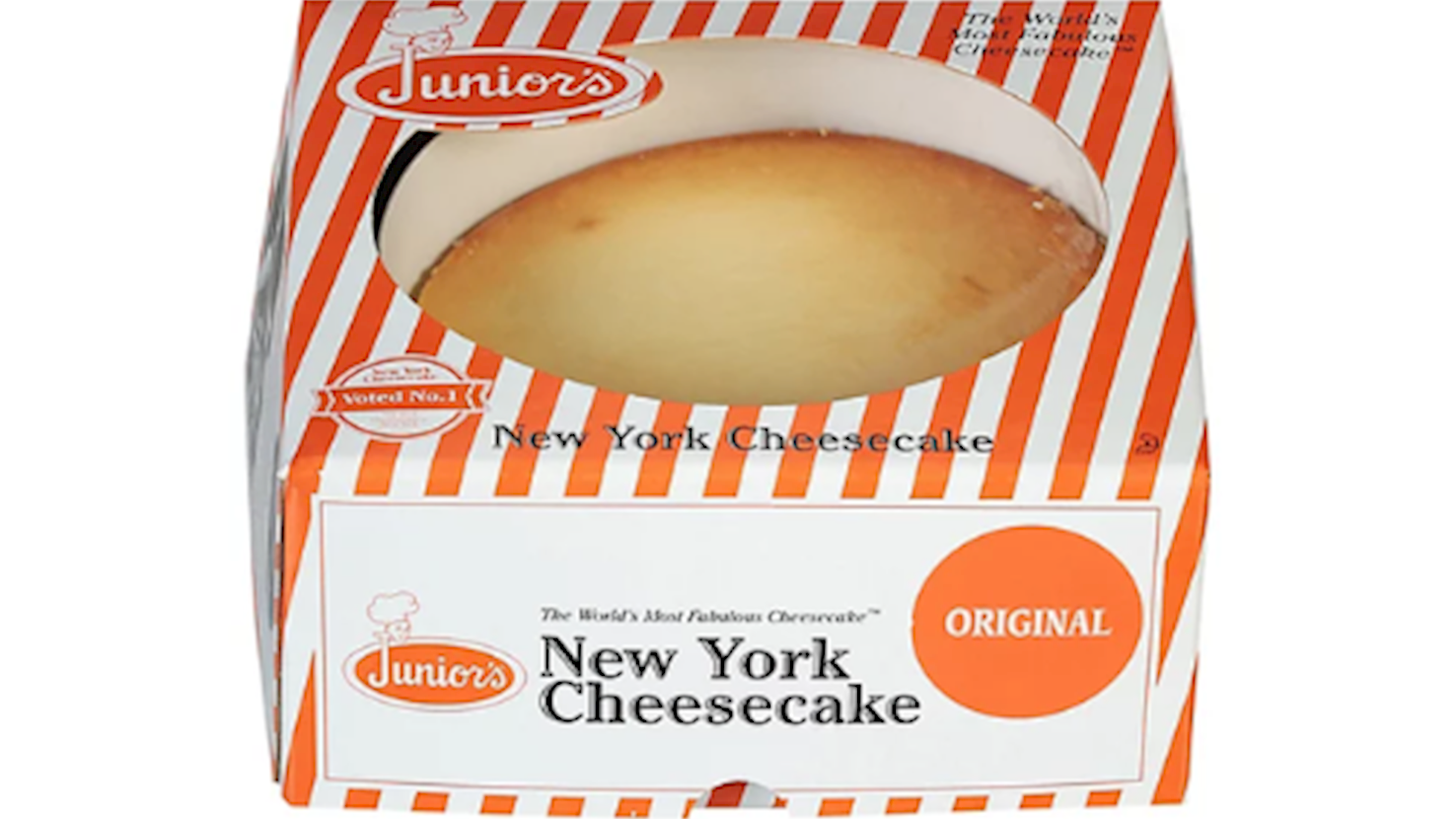
Junior's is one of New York City’s most iconic bakeries and restaurants, best known for its legendary New York-style cheesecake, widely regarded as one of the most famous cheesecakes in the United States. Founded in 1950 by Harry Rosen in Brooklyn, the company grew from a family restaurant tradition that dates back to 1929.
Junior’s was created with the vision of combining a classic American restaurant experience with exceptional baked desserts, but it was its cheesecake that ultimately became the brand’s defining product. The original recipe was developed in collaboration with master baker Eigel Peterson and is distinguished by its unique sponge cake crust rather than the traditional graham cracker base commonly used in American cheesecakes.
Over the decades, Junior’s has become a culinary landmark of New York, attracting both local customers and visitors from around the world. The bakery is celebrated for its rich, creamy texture, premium ingredients, and commitment to traditional baking methods.
While the company offers numerous cheesecake variations featuring fruit, chocolate, caramel, and other flavors, the Original New York Cheesecake remains its most recognized product. Junior’s has expanded beyond its flagship Brooklyn location with additional restaurants and bakeries while also shipping its cheesecakes nationwide.
Today, the brand is considered a symbol of authentic New York dessert culture and one of the most influential names in American cheesecake making.
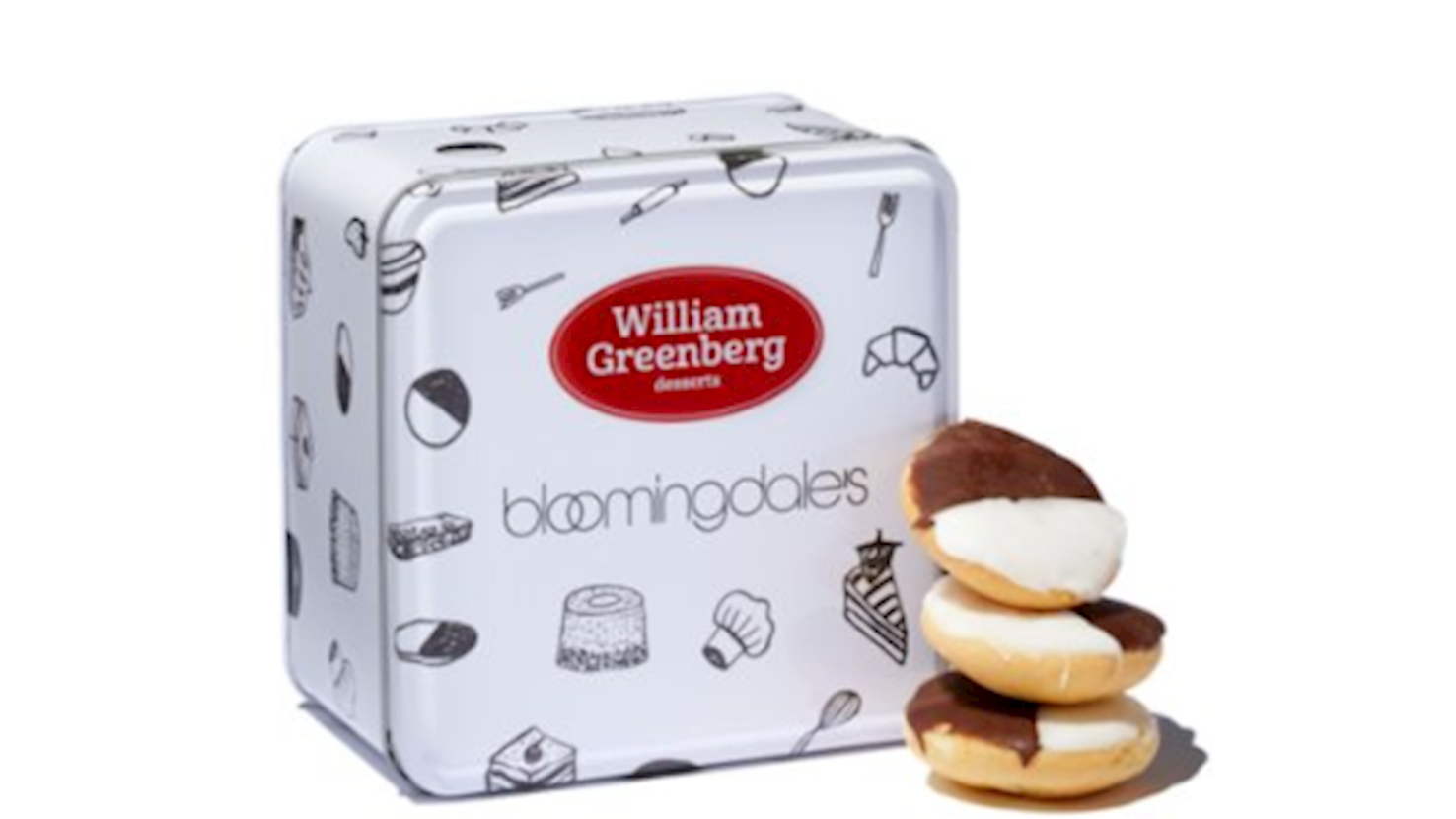
William Greenberg is a classic New York bakery rooted in Jewish dessert traditions, founded in 1946 by William Greenberg Jr. after his return from World War II. Drawing on family recipes learned from his aunt, Greenberg built the bakery around familiar, carefully executed sweets rather than novelty, focusing on consistency, balance, and recognizable flavors.
The brand became especially known for its black and white cookies, widely regarded as a reference point for the style, as well as rugelach, brownies, babka, and other baked goods associated with mid-century New York Jewish bakeries. From its Upper East Side base, William Greenberg Desserts developed a loyal following across generations, becoming part of everyday neighborhood life as well as a destination for visitors seeking authentic local pastries.
The bakery has always emphasized kosher production and straightforward ingredients, avoiding unnecessary embellishment. Although ownership changed in the 1990s, the core recipes and standards have been preserved.
Today, William Greenberg continues to operate in Manhattan and ship nationwide, maintaining its identity as a custodian of traditional New York dessert culture.
Magnolia Bakery is one of the most recognizable American bakeries, founded in 1996 in New York City's West Village neighborhood at the corner of Bleecker Street and West 11th Street. Established by Jennifer Appel and Allysa Torey, the bakery was created with the goal of reviving traditional American baked goods made from scratch using classic recipes and small-batch production methods.
Magnolia Bakery became widely associated with the rise of cupcake culture in New York and is often credited as one of the brands that helped popularize cupcakes worldwide. Its international reputation grew significantly after appearing in the television series Sex and the City, which turned the bakery into a popular destination for both locals and visitors.
While cupcakes remain an important part of its identity, Magnolia Bakery is now especially famous for its Banana Pudding, a signature dessert that has become one of the brand’s most iconic products. The bakery is known for its nostalgic atmosphere, featuring vintage-inspired interiors and a menu centered on classic American desserts.
Over the years, the company has expanded beyond New York, opening locations across the United States and in international markets throughout Asia, the Middle East, and Europe. Magnolia Bakery continues to emphasize handcrafted production, quality ingredients, and traditional baking techniques.
Today, it is regarded as one of the leading names in premium American desserts and remains closely linked to New York’s culinary culture.
Tate’s Bake is an American cookie brand celebrated for its unique blend of simplicity, quality, and unforgettable flavor. What began as a small, family-run bakery has grown into a beloved name known for its signature thin, crispy cookies filled with rich chocolate chips—crafted with care and loved by generations.
Every Tate’s product is made with thoughtfully selected ingredients, baked with precision, and guided by a no-compromise approach to taste and freshness.
Their commitment to detail and genuine love for baking comes through in every bite, whether it’s a classic favorite, a gluten-free option, or a seasonal treat. Though widely available today, the brand has stayed true to its roots—offering a warm, homemade feel in every package.
Tate’s Bake is more than just a cookie company; it’s a story of passion, perseverance, and the belief that one perfectly baked cookie can bring a moment of real joy.
Milk Bar is a modern American dessert brand known for its playful spirit, creative flair, and bold reimagining of what sweets can be. With a philosophy rooted in joy, nostalgia, and innovation, Milk Bar crafts treats that are meant to surprise, delight, and evoke emotion—turning familiar flavors into something entirely new and unforgettable.
Blending the warmth of homemade baking with a contemporary culinary perspective, Milk Bar stands out for its authenticity, attention to detail, and unwavering commitment to quality.
Its offerings are available across the country, both in-store and through direct delivery, bringing moments of joy straight to people’s doors.
More than just a bakery, Milk Bar is a mindset—where dessert becomes a celebration, flavor becomes a story, and every bite is a reminder that creativity and happiness go hand in hand.
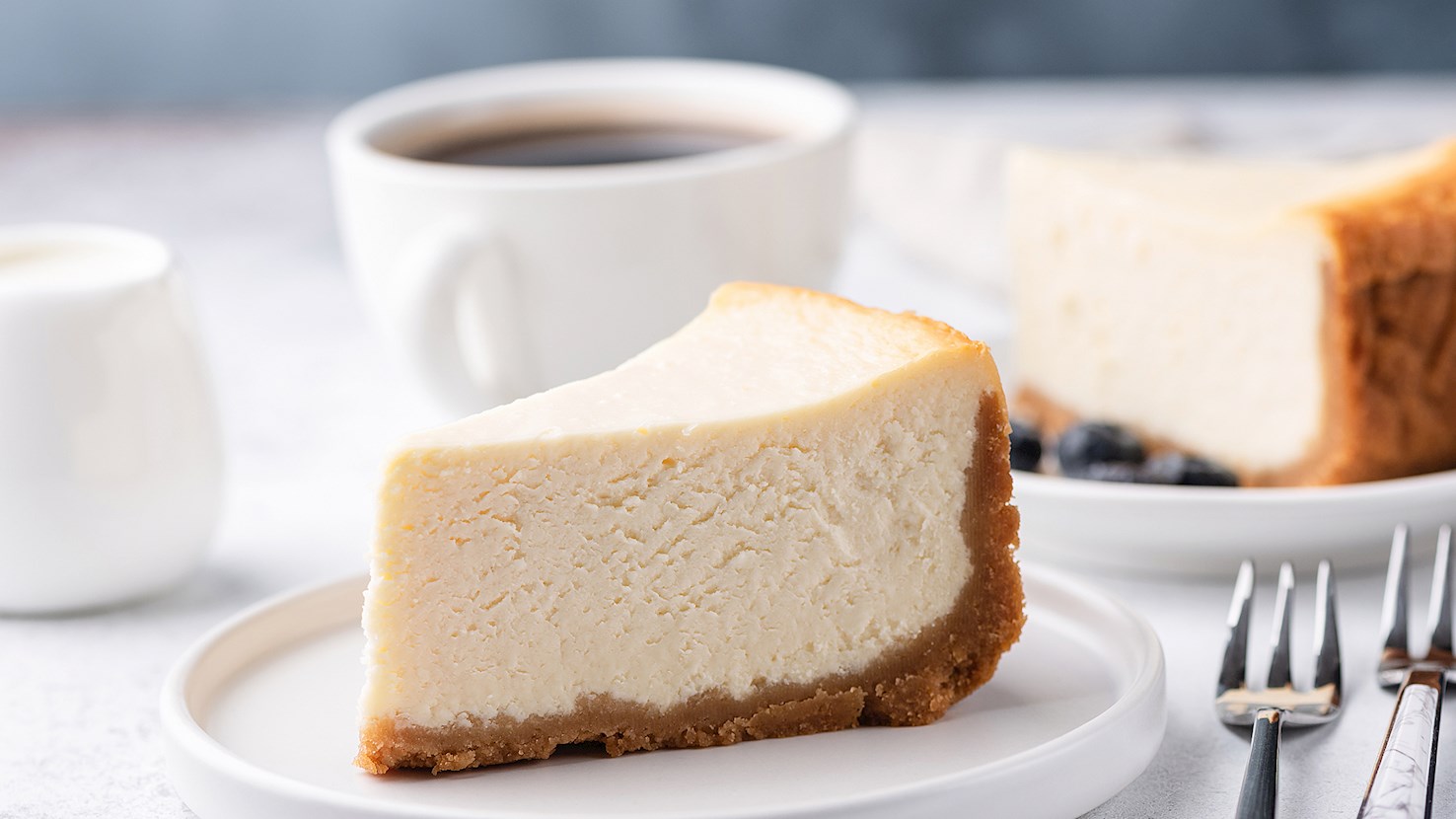
New York-style cheesecake is different from other cheesecakes mainly because of its heavy and dense texture that feels extremely smooth and rich. Its flavor should be sweet and tangy, not citrusy, chewy, or starchy. It is believed that the first New York-style cheesecake was made by Junior’s in the 1950s. The magic formula includes heavy cream, eggs, vanilla, cream cheese, and (optionally) sour cream, while the base usually consists of a sponge cake crust or graham cracker crust.
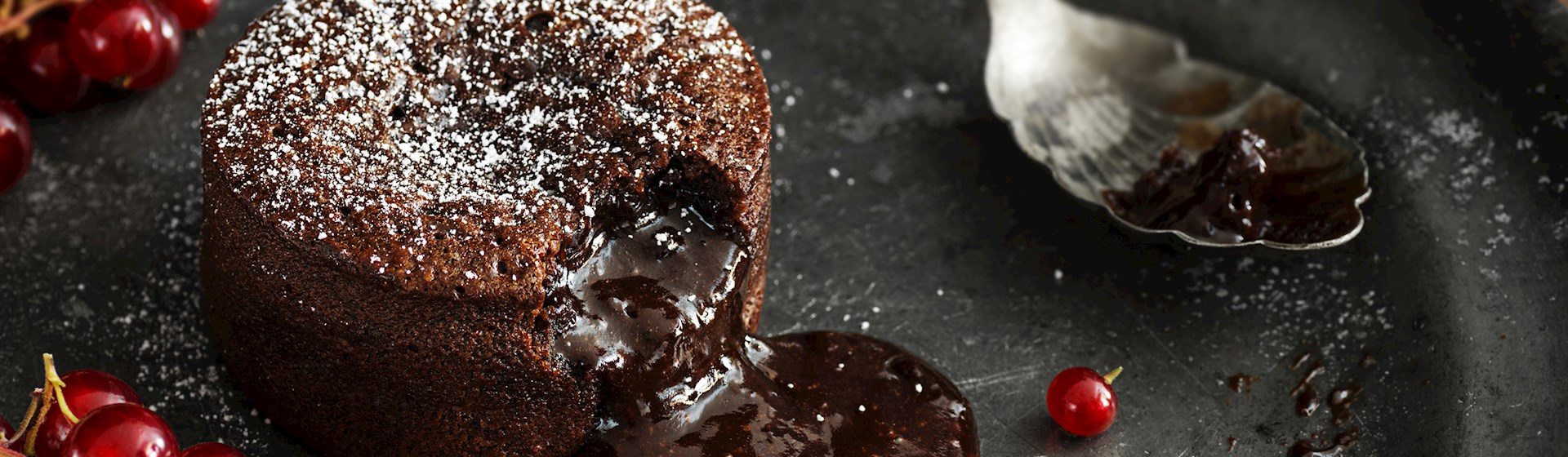
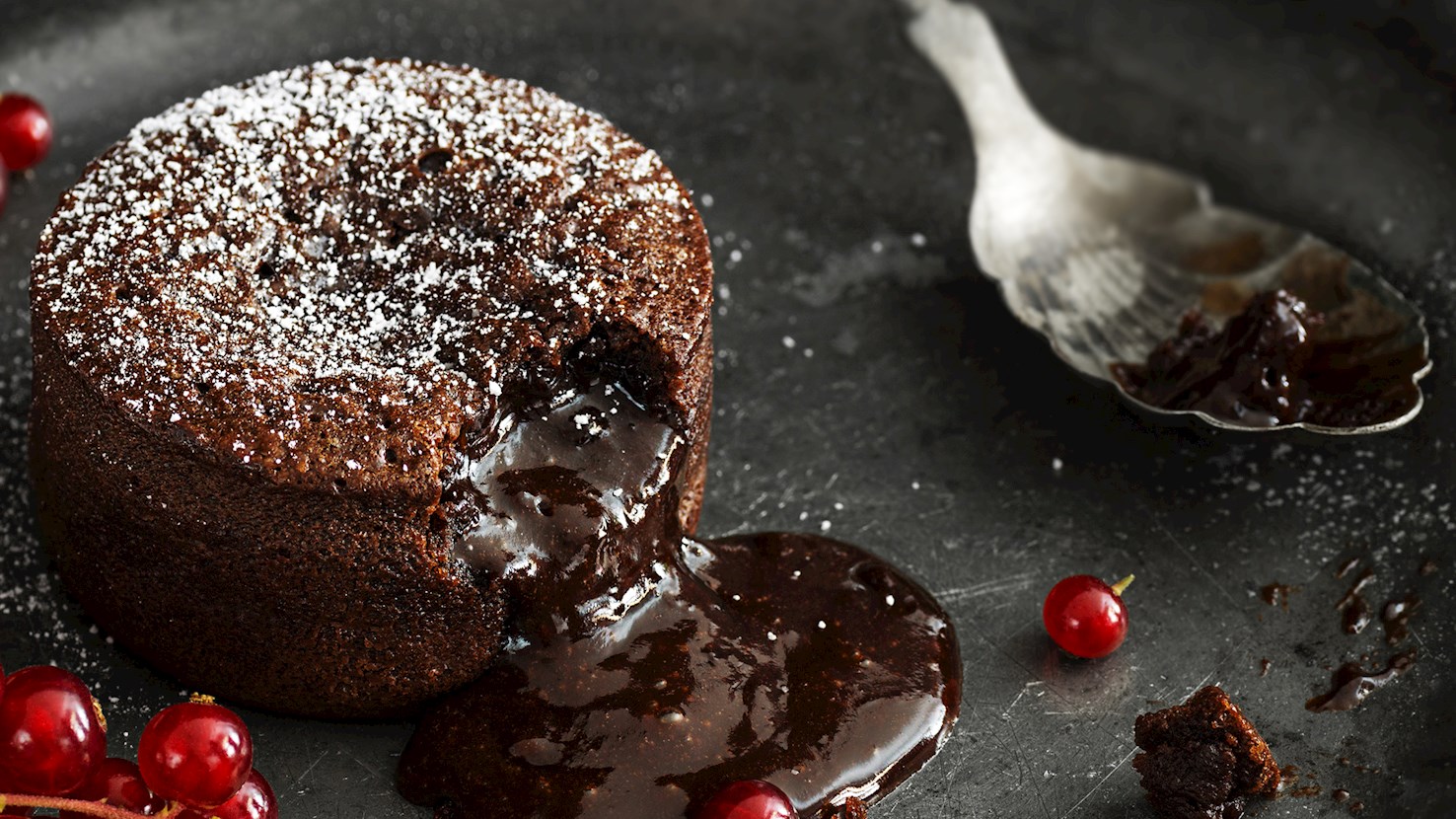
Molten chocolate cake is an American chocolate dessert made as a small individual cake with a baked outer layer and a warm, fluid center, and it became one of the defining restaurant desserts of the United States in the late 20th century. It is especially associated with chef Jean-Georges Vongerichten, who popularized his version in New York in the 1980s after discovering that a chocolate cake pulled from the oven early could hold its shape while remaining liquid inside. A related French dessert, Michel Bras’s coulant au chocolat, had already appeared in France and used a different construction based on a frozen ganache center enclosed in batter, so the two desserts are closely related in appearance but not quite the same in method. The American version is usually simpler: dark chocolate and butter are melted together, then combined with eggs, sugar, and a small amount of flour before being portioned into buttered ramekins or metal molds. The cakes are baked at relatively high heat for only a short time, just long enough for the outer walls and surface to set while the center stays molten. That timing is the key technical point, because the center is not usually a separate filling; it is part of the same batter and remains liquid because it has not fully set. The texture therefore depends heavily on oven temperature, mold size, batter depth, and serving time, and a difference of even one or two minutes can change the result from flowing to merely soft. The exterior should be firm enough to unmold cleanly, while the inside should release a smooth pool of warm chocolate as soon as the cake is cut. Recipes vary in richness, with some using extra egg yolks for a denser texture and others using bittersweet chocolate with a high cocoa percentage to keep the dessert from becoming overly sweet. Some versions are dusted with cocoa or powdered sugar, while others are left completely plain so the chocolate remains the focus. Molten chocolate cake spread quickly from fine-dining restaurants into steakhouses, hotel dining rooms, chain restaurants, and home kitchens, helped by the fact that the batter can be prepared ahead of time and baked to order in individual portions. It is usually served immediately, because the molten texture begins to firm as it cools, and common accompaniments include vanilla ice cream, whipped cream, raspberries, strawberries, crème anglaise, or a tart fruit coulis. The contrast between the hot center and a cold accompaniment such as ice cream has become one of the standard ways to serve it, while coffee and espresso work well because they cut through the richness. Fortified wines such as port, Banyuls, or Maury can also pair well, especially with darker, less sweet versions, while a small amount of fresh berries provides enough acidity to balance the chocolate without distracting from the cake itself.
In the beginning, Americans enjoyed Swiss cheese fondues accompanied by crusty bread. Later on, in the late 1950s or the early 1960s, a Swiss-born chef-patron named Konrad Egli created a sweet chocolate fondue in his New York restaurant called Chalet Suisse. The now popular Toblerone chocolate had a marketing campaign in the USA at the time, and Egli used it in the first chocolate fondue, which also incorporated heavy cream and Swiss kirschwasser. The dessert was an instant success, and it even made its way back to Switzerland, along with numerous other countries where it is still enjoyed as a decadent sweet treat.
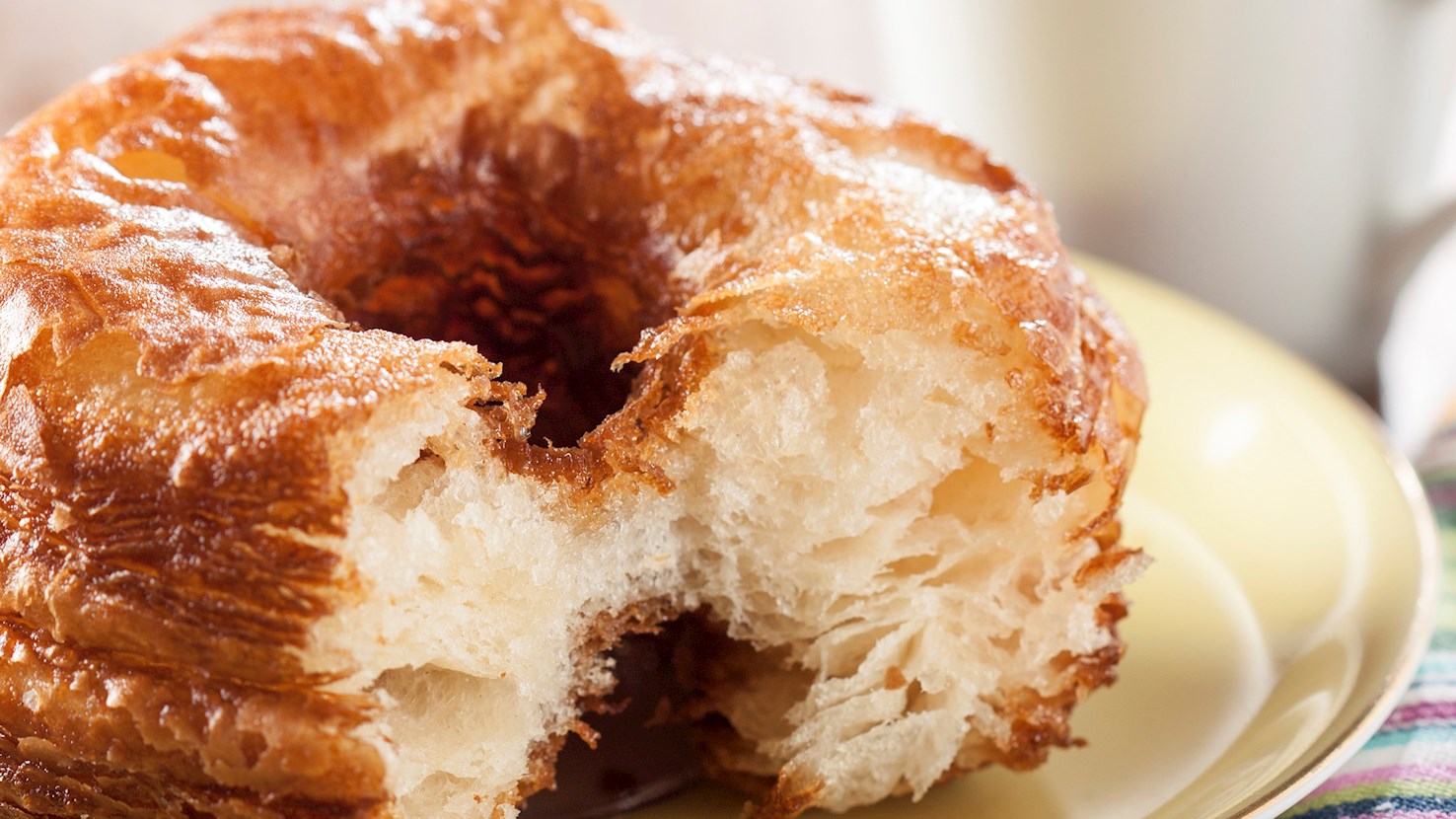
The unusual New Yorker creation known as a Cronut is a hybrid between a croissant and a doughnut, characterized by its soft and creamy interior, and flaky layers of pastry on the exterior. These treats are fried in oil, filled with cream, rolled in sugar, and glazed on top. Due to their short shelf life of about 6 hours, the cronuts are intended to be consumed as soon as they are made. The dessert was invented in 2013 by a French pastry chef named Dominique Ansel at his bakery in New York City, when a customer pointed out that his menu did not have any version of the American classic – doughnuts. Ansel had experimented for about two months before he made the perfect Cronut. He trademarked the name within nine days, and Cronut has been gaining huge popularity ever since. Recently, other bakeries have started making their versions of the trademarked Cronut, selling them under the following names: Dosant, Doughtssant, Dough'Ssant, Cro-Knot, Double Decker O-Nut, 100 Layer Donut, Crodough, Crullant, Cro-crème, French Donut, and Cro-Bar.
Ice cream sandwich is an American dessert that dates back to New York City in 1899. It was allegedly invented by an unknown pushcart vendor in the Bowery who sandwiched vanilla ice cream between two thin wafers. The treat was so popular that the vendor didn't have time to make a change, so he charged a penny per ice cream sandwich. Nowadays, ice cream sandwiches are not made with only wafers and cookies, there are varieties which are prepared with brioche, waffles, croissants, and even churros.
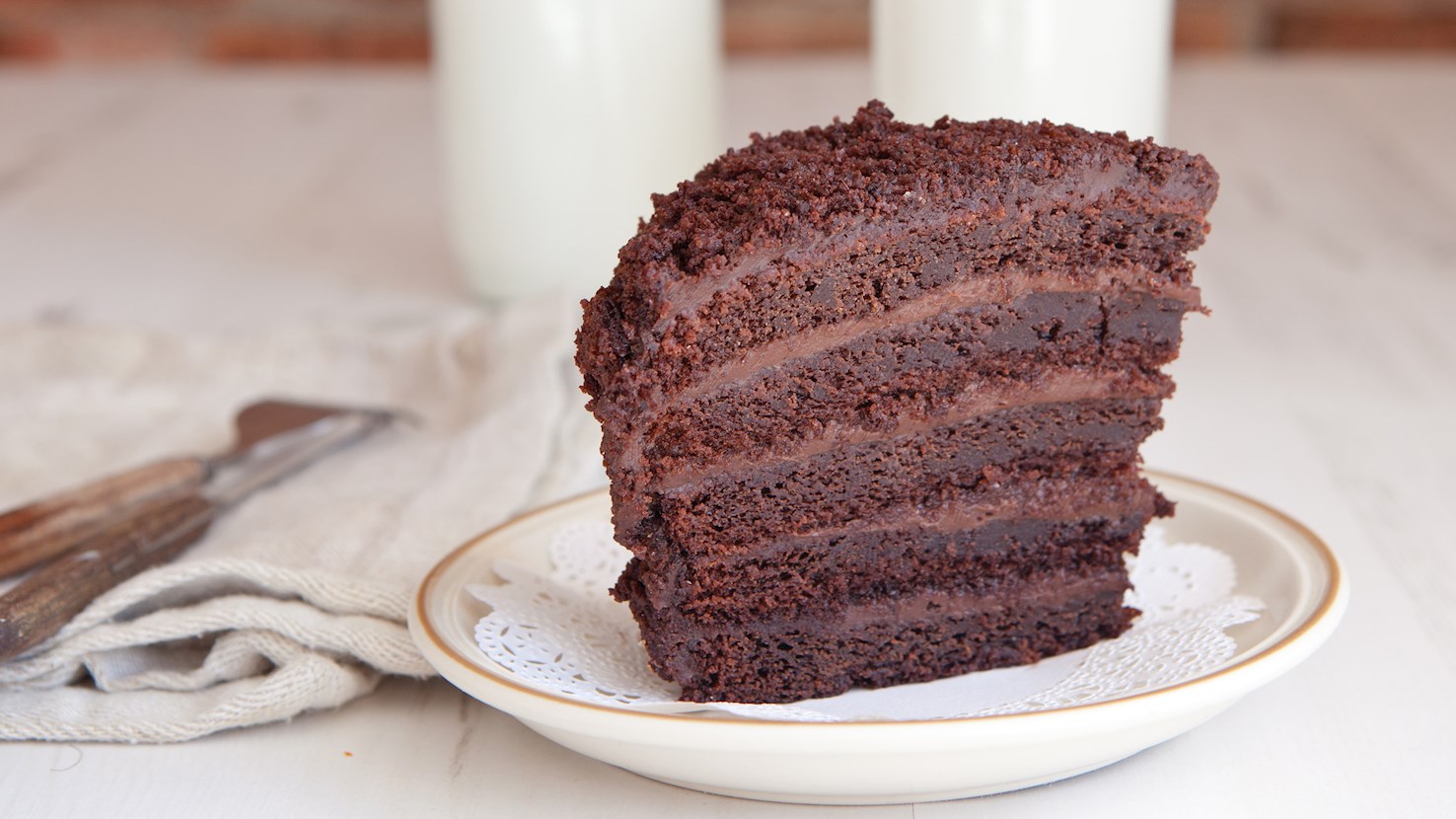
Blackout cake is a traditional chocolate cake originating from Brooklyn's Ebinger's Bakery, where it was first made in 1942. This rich, dark sponge cake is filled with thick pudding-like chocolate custard and topped with crumbs of chocolate cake. The ingredients used for the cake typically include dark chocolate, espresso powder, flour, cocoa powder, baking soda and powder, butter, salt, sugar, eggs, and milk. Once prepared, the cake is often decorated with buttercream, but it's completely optional. Its dark visual appearance is a nod to the mandatory blackouts that happened at the time (WWII) in order to protect the Brooklyn Navy Yard.
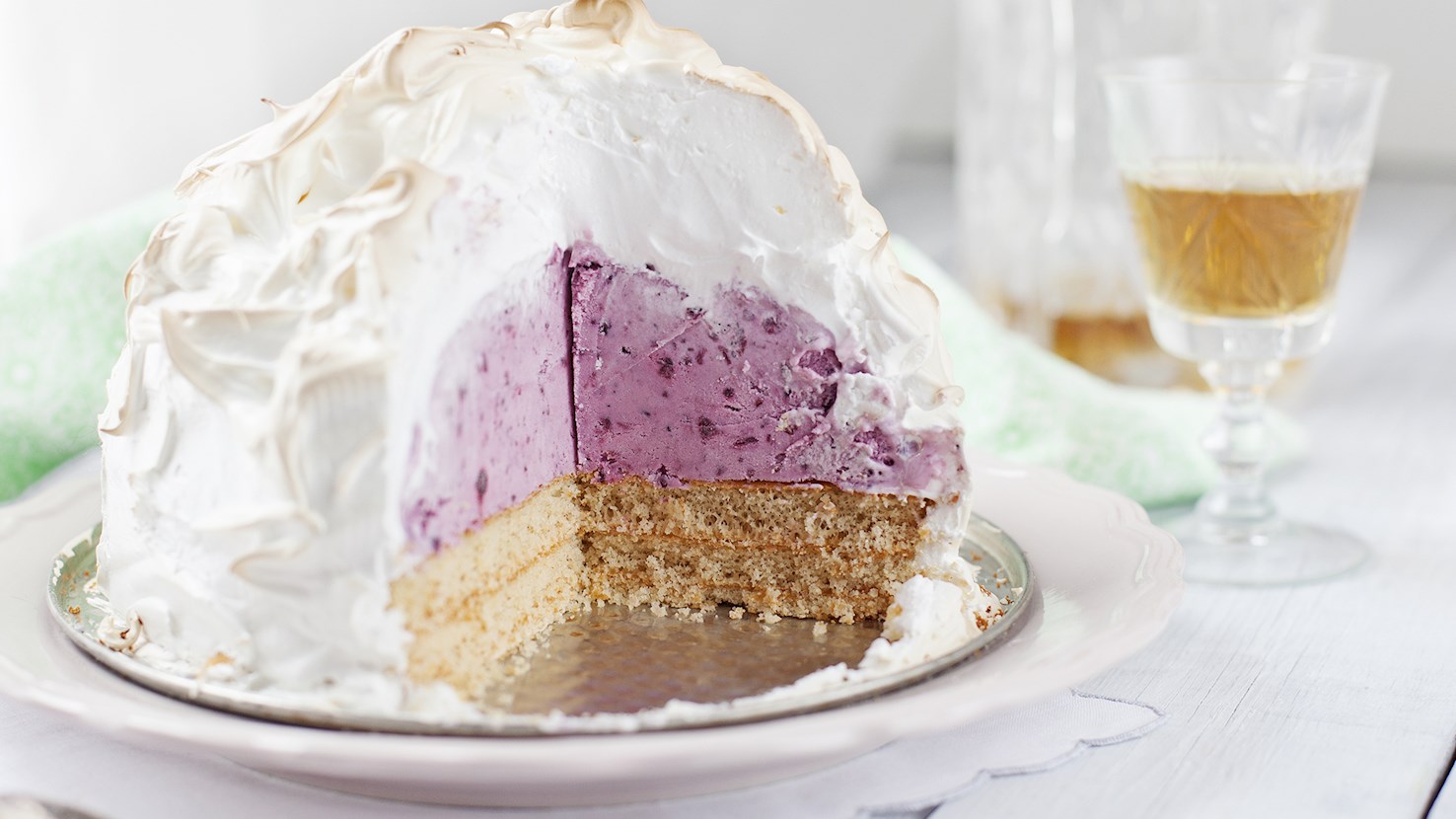
This timeless classic consists of a sponge cake base that is topped with ice cream, and the whole combination is then encased in lightly torched or browned meringue. There are many conflicting stories regarding its origin, but it is believed that a predecessor of baked Alaska might be omelette Norvegienne - a French invention that featured layers of cake and ice cream that were covered in meringue and then broiled. In the US, it is accepted that baked Alaska first appeared under the name Alaska Florida at Delmonico's restaurant in New York sometime in the mid-1850s. It was an invention of pastry chef Charles Ranhofer, and it originally consisted of banana ice cream, walnut spice cake, and meringue. Regardless of its origins, baked Alaska nowadays comes in many classic and contemporary versions that also include a rum-based meringue that is flambéed before serving and typically goes under the name bombe Alaska.
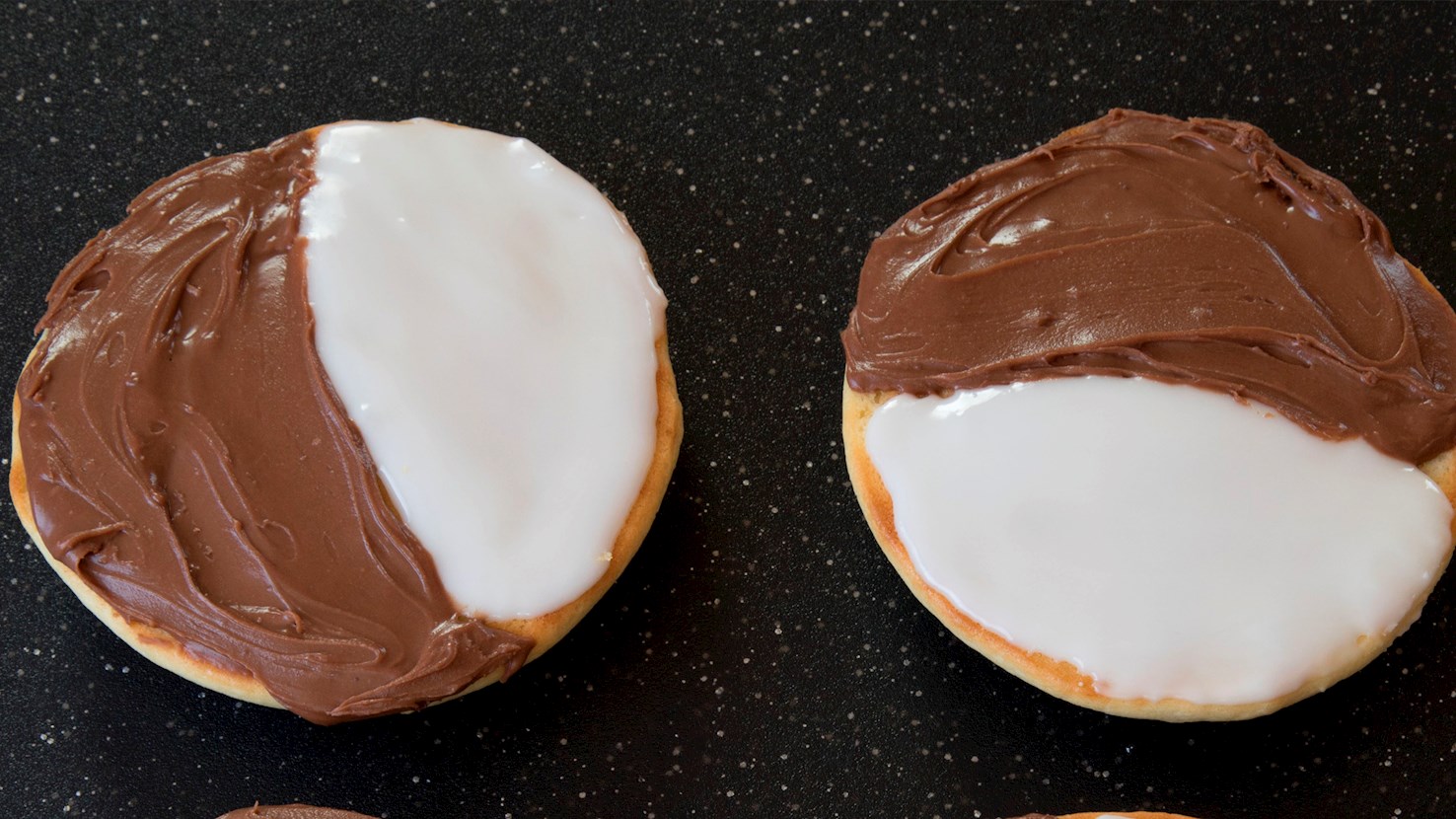
These iconic New York City cookies consist of a soft, cake-like base that is covered in equal parts chocolate and vanilla frosting or fondant. Their origin is somewhat of a mystery, and one theory claims that they evolved from the incredibly similar half-moon cookies that are predominantly found in Upstate New York. However, these treats come with chocolate and vanilla base and usually have a buttercream topping. Others believe that black and white cookies originated as a separate dessert at the beginning of the 20th century, and the name that is often associated with its origin is Glaser's Bake Shop in Yorkville. To add to the confusion, in Germany, similar cookies are known as Amerikaners and are typically only vanilla-glazed. Regardless of its origin, the black and white cookie remains one of the classic New York City desserts that is found in numerous bakeries and delis across the city.
Grape pie is a dessert associated with North American regions where Concord grapes are grown, most prominently in western New York and parts of Pennsylvania and Ohio, and it consists of a pastry crust filled with cooked grape pulp and juice thickened with sugar and starch. It emerged in the late nineteenth and early twentieth centuries when Concord grapes became widely cultivated for juice and preserves, and farm communities in the Finger Lakes area developed the pie as a way to use excess fruit during harvest season. Preparation begins by separating the grape skins from the pulp, simmering the pulp to loosen the seeds, removing the seeds by pressing the cooked pulp through a sieve, and then recombining the seedless pulp with the raw skins, sugar, and a thickener such as flour or cornstarch. This mixture is placed into a pastry-lined pan, covered with a top crust or lattice, and baked until the juices bubble and the crust is fully set. A notable feature of the dessert is the reliance on Concord grapes specifically, whose slip-skin structure and strong aroma create a filling that differs from pies made with vinifera or table grapes; this reliance has limited grape pie to areas where Concord grapes are abundant. The pie is usually eaten warm or at room temperature, often during the late-summer and early-autumn harvest period, and it is served in diners, farm stands, community events, and home kitchens across the grape-growing belt. It pairs well with vanilla ice cream, lightly sweetened whipped cream, and beverages such as black tea, milk, or local grape juice, all of which complement the intensity of the filling without overwhelming it.
TasteAtlas food rankings are based on the ratings of the TasteAtlas audience, with a series of mechanisms that recognize real users and that ignore bot,
nationalist or local patriotic ratings, and give additional value to the ratings of users that the system recognizes as knowledgeable.
For the “Top 9 New York Desserts” list until October 15, 2026, 2,042 ratings were recorded, of which 1,862 were recognized by the system as legitimate.
TasteAtlas Rankings should not be seen as the final global conclusion about food. Their purpose is to promote excellent local foods,
instill pride in traditional dishes, and arouse curiosity about dishes you haven’t tried.
The initial list of top producers was compiled based on available reviews, awards, local recommendations, media and blog coverage, and consumer reviews.
The list will be updated with ratings from TasteAtlas local ambassadors and TasteAtlas users.









What People Say