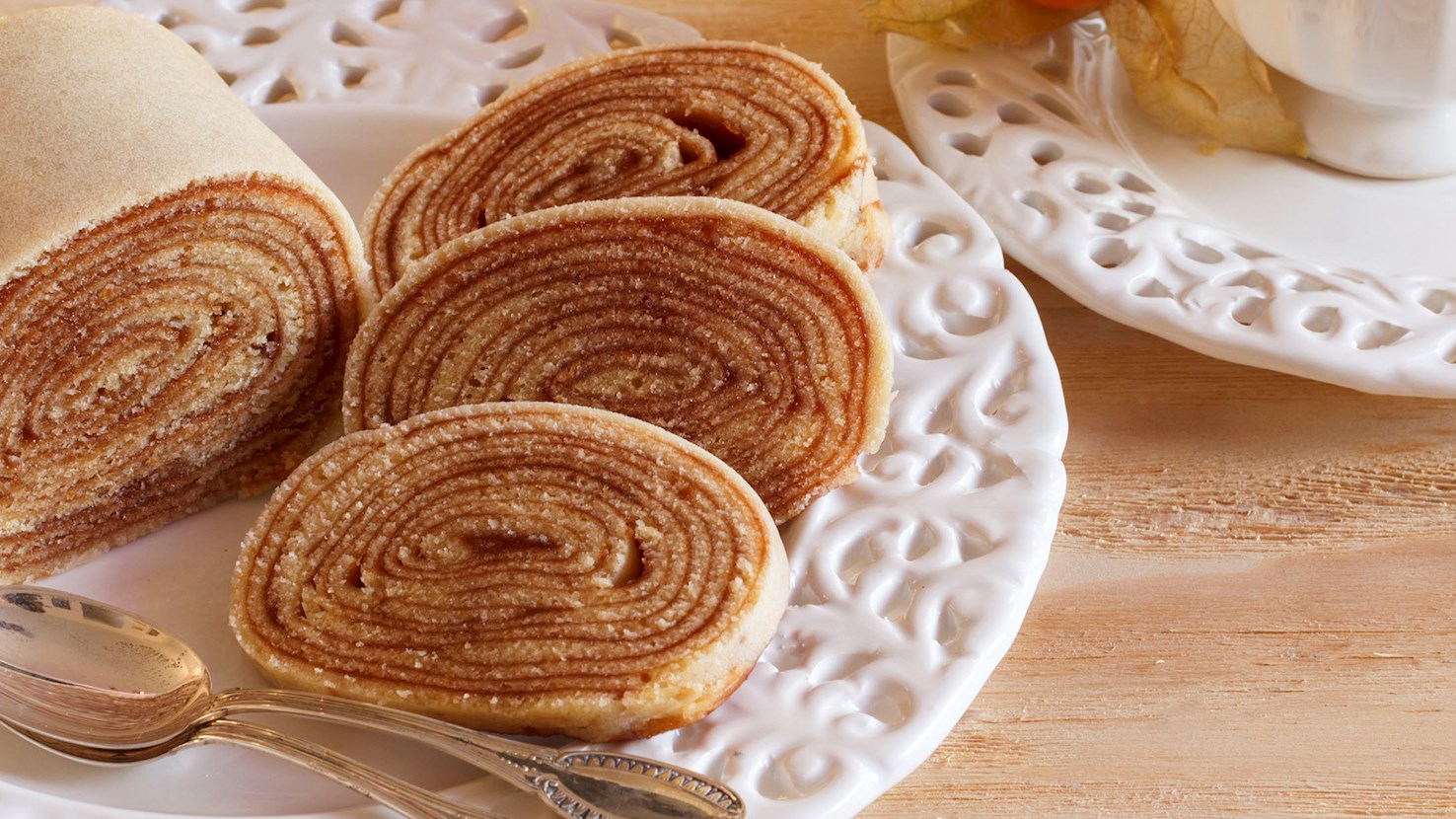
Bolo de rolo is a traditional dessert with origins in the state of Pernambuco. This rolled guava cake is similar to a jelly roll cake or a Swiss roll; however, its preparation is much more complicated. It incorporates many delicate and thin sponge layers which are connected to form a giant sheet, spread with a layer of sweet guava jam, then rolled into a log. The most elaborate varieties of bolo de rolo can have up to twenty layers of sponge, which results in an unusual decorative spiral. Because of the intricate and time-consuming preparation, it is rarely made at home and can usually be found in pastry shops and supermarkets around Brazil. It is usually served sliced, to showcase the number of meticulously created jelly spirals. To balance the sweetness, slices of bolo de rolo are often served with a dollop of unsweetened whipped cream.
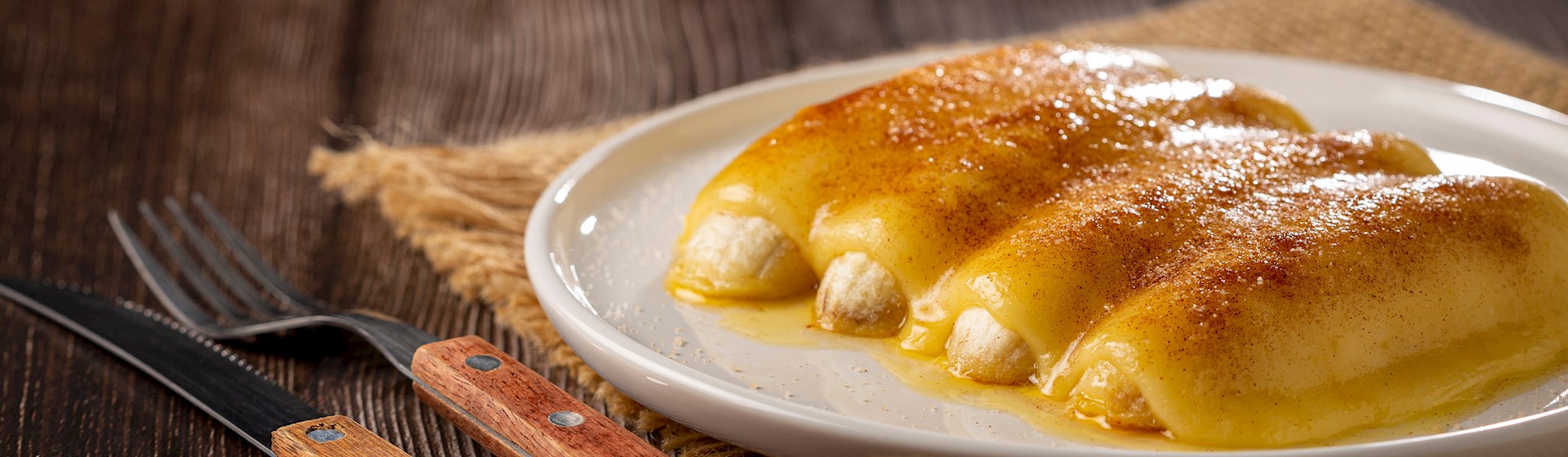
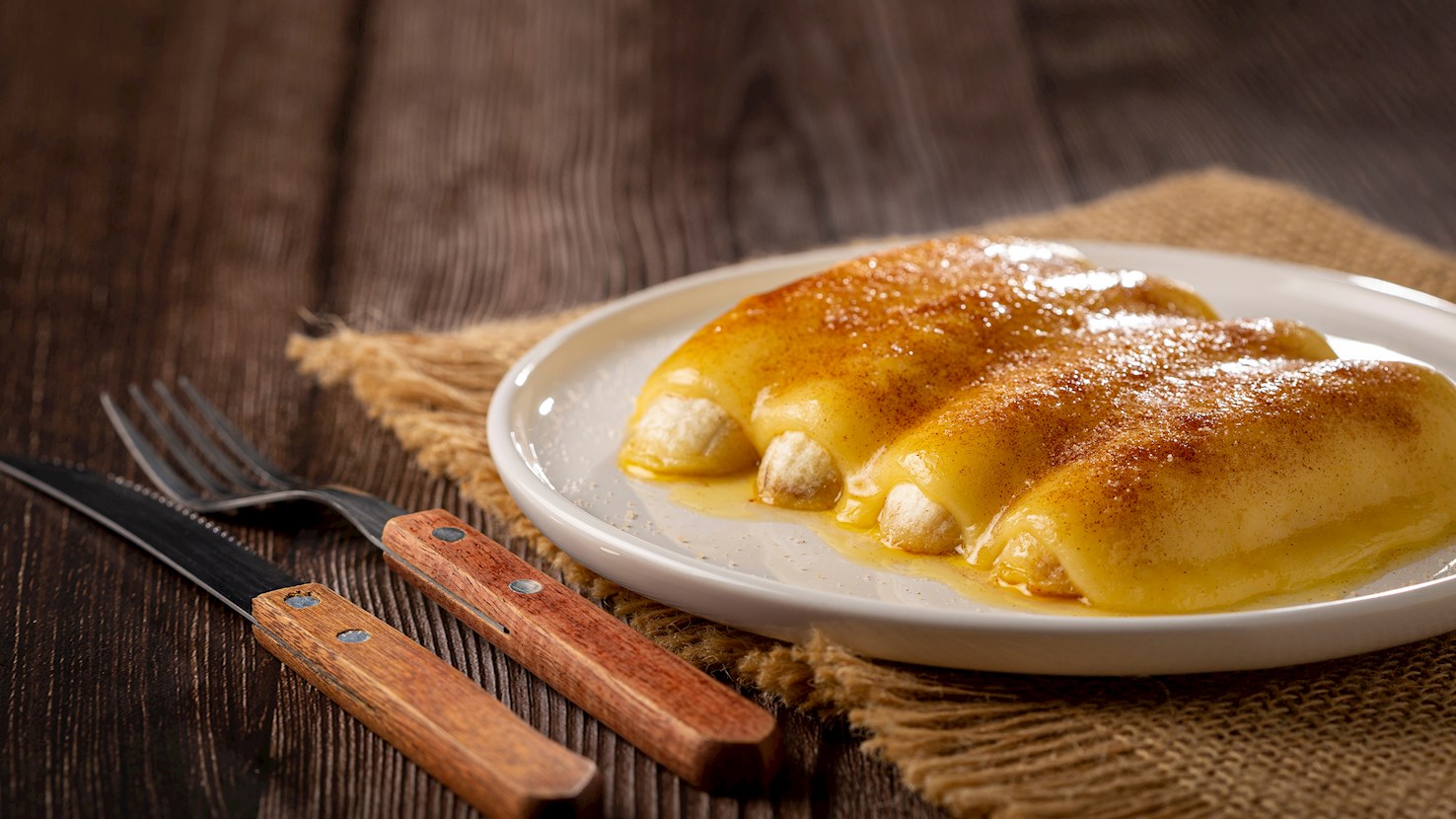
Cartola is a traditional dessert originating from Pernambuco, but popular across the country – it can be found both in restaurants and home kitchens. The name of the dish means top hat. It's made with sweetened and fried bananas in combination with cheese. The cheese should brown and bubble, but not melt, so queijo coalho cheese is most often used for this dish. In texture, it's like a firm feta, but without the saltiness in flavor. The bananas are cut lengthwise, then fried in butter, while the cheese is sprinkled with a combination of sugar and cinnamon before it's heated through. When served, the cheese goes on top of the bananas, and it's recommended to accompany the dessert with a scoop of vanilla ice cream for the ultimate indulgence.
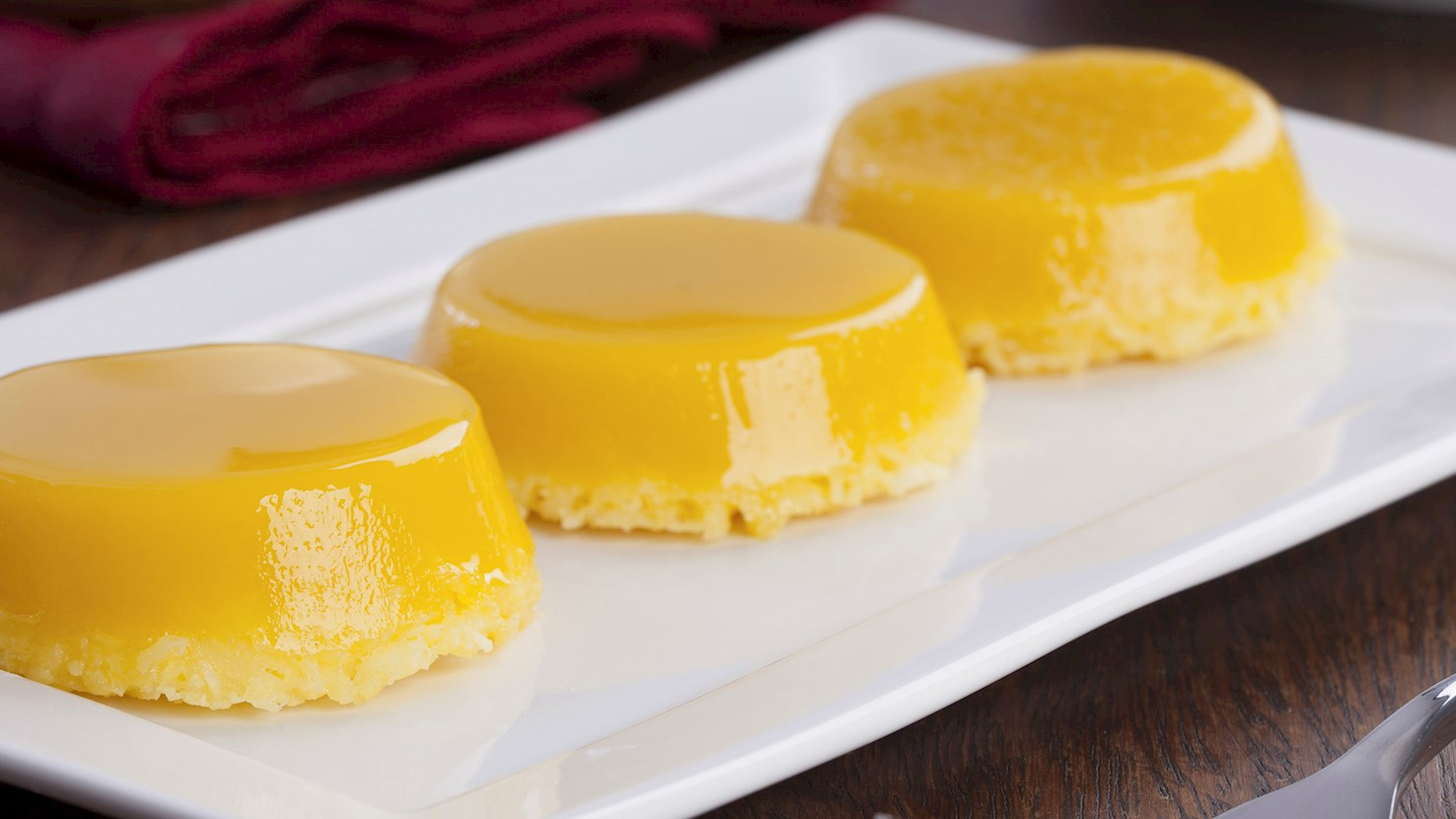
Quindim is a traditional coconut custard cake made with sugar, egg yolks, and ground coconut. The most popular theory about the origin of the dish suggests that it was invented in the 17th century in the northeast of Brazil by African slaves. However, the excessive usage of egg yolks indicates possible Portuguese roots of the dish, since Portuguese cuisine traditionally uses large amounts of egg yolks. The name quindim stems from the Bantu language, roughly translated to the unusual phrase "the gestures of adolescent girls". Today, quindim is one of the most popular desserts in Brazil, often consumed at birthdays, weddings, and christenings.
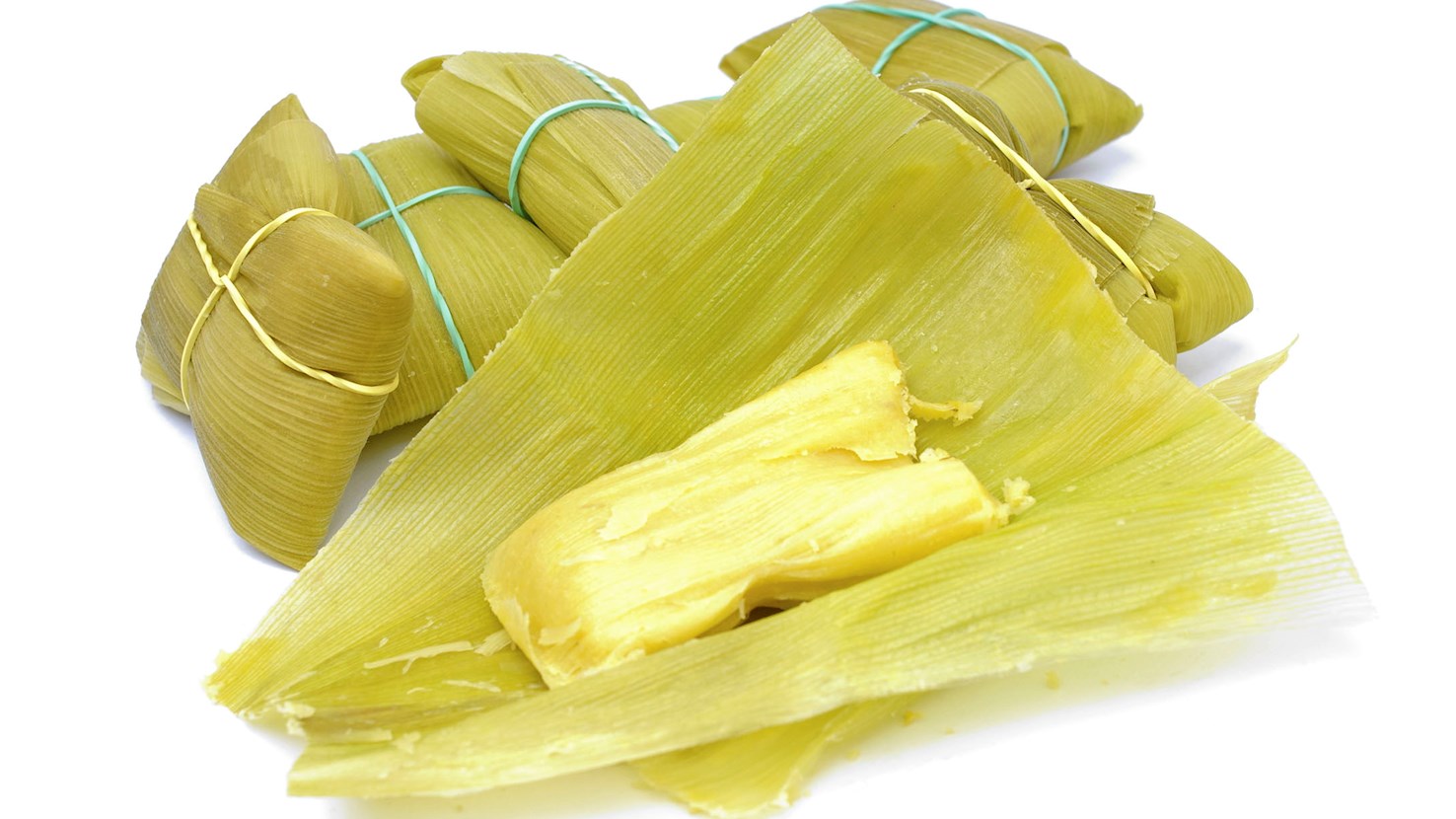
Similar to Mexican tamales, pamonha is a traditional dish made with fresh corn. The dough, or more precisely the paste, is made out of grated and juiced corn. It is tightly wrapped in fresh corn husks and cooked in boiling water. Depending on the ingredients, pamonhas can be either sweet or savory. The savory varieties are usually prepared plain or made with chopped meat, sausages, or cheese. The sweet version of pamonhas is often made by incorporating coconut milk or coconut pulp in the dough. Pamonhas are traditionally eaten all year round in Brazil, but they are usually associated with Festa Junina, the annual Brazilian festivity celebrated throughout June, marking the end of the harvest season and the beginning of Brazilian winter. The snack was primarily sold as a street food item, but nowadays the tradition has disappeared, and pamonhas are usually prepared at home or served in traditional Brazilian restaurants.
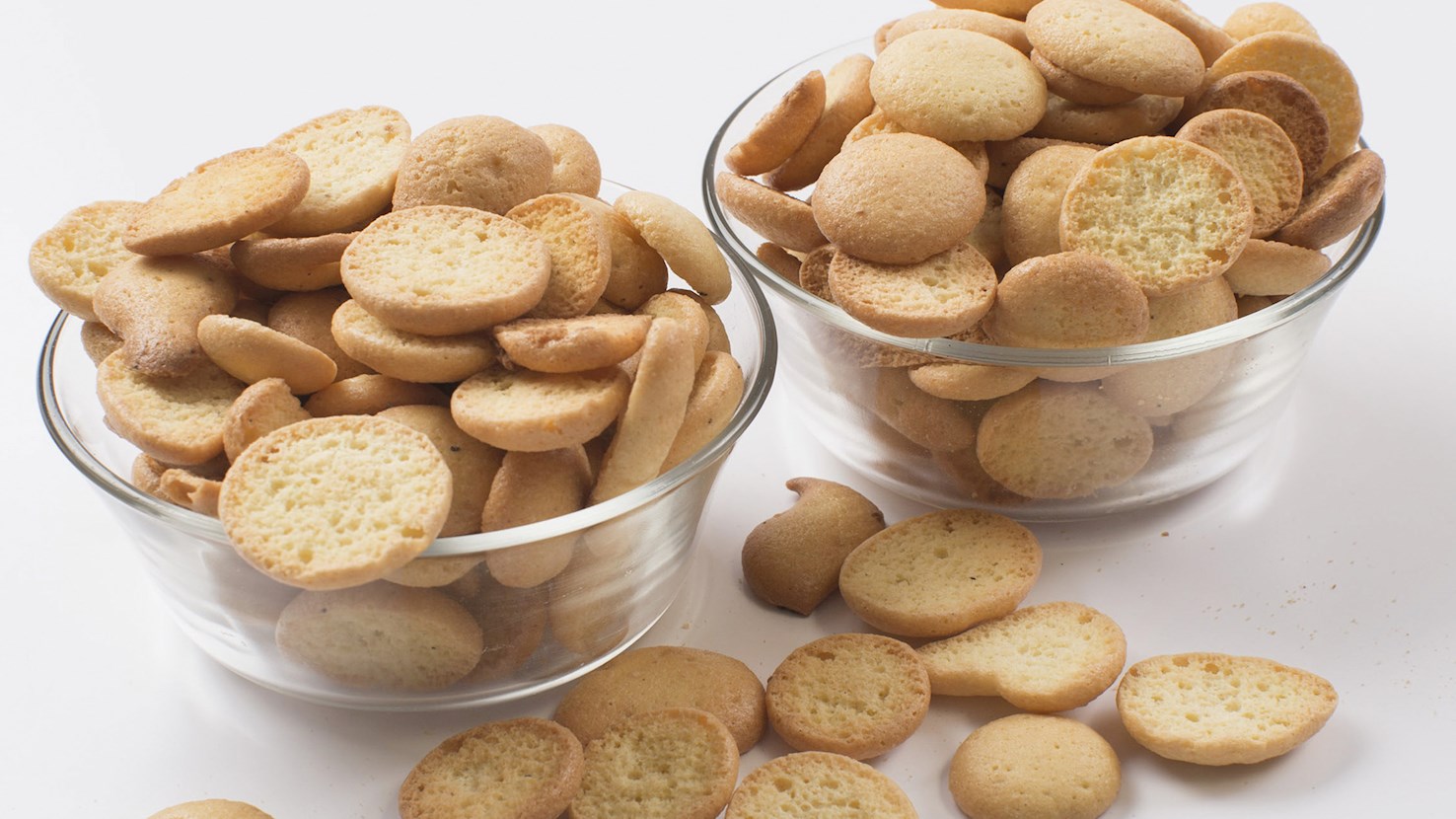
Brazilian hard biscuits known as tarecos are simple cookies consisting of wheat or corn flour, eggs, vanilla, and sugar. They originated in the Brazilian state of Pernambuco, but have since spread and gained popularity throughout Brazil so much that a Brazilian singer Flávio José titled one of his songs Tareco e Mariola.
Doce de espécie is a spiced sweet from northeastern Brazil made with rapadura, an unrefined cane sugar, and sesame seeds, often flavored with clove, black pepper, and fennel seed. The preparation of doce de espécie begins with melting rapadura, an unrefined cane sugar, into a caramel. A block of rapadura is cut into small pieces, combined with water, and slowly heated while being stirred until it dissolves and thickens into a syrup. Meanwhile, sesame seeds are toasted to enhance their flavor, then ground in a blender, often together with cassava flour. Once the caramel reaches the right consistency, the toasted sesame and flour mixture is gradually incorporated, stirred constantly to prevent lumps and achieve a smooth, cohesive texture similar to a thick porridge. The mixture is cooked until it comes together and starts to pull away from the sides of the pot, at which point spices such as clove can be added for extra aroma. Finally, it is transferred to a mold or dish, pressed down, and left to cool before being cut into pieces or served in small portions. Optionally, once done, doce de espécie can be topped with cashew nuts and sprinkled with cinnamon. Doce de espécie is most often served during festivals, religious celebrations, and family gatherings, where it is shared in small pieces as a treat or offered to guests. It is usually eaten on its own but pairs well with strong Brazilian coffee or herbal teas, which complement its sweetness and balance its spiced character.
TasteAtlas food rankings are based on the ratings of the TasteAtlas audience, with a series of mechanisms that recognize real users and that ignore bot,
nationalist or local patriotic ratings, and give additional value to the ratings of users that the system recognizes as knowledgeable.
For the “Top 6 Northeastern Brazilian Desserts” list until May 15, 2026, 539 ratings were recorded, of which 403 were recognized by the system as legitimate.
TasteAtlas Rankings should not be seen as the final global conclusion about food. Their purpose is to promote excellent local foods,
instill pride in traditional dishes, and arouse curiosity about dishes you haven’t tried.