Saša Perić

Top 13 Northern Croatian Desserts

Last updated on June 15, 2026

Best Northern Croatian Desserts
01

OPG Vrata Zagorja

4.4 ·
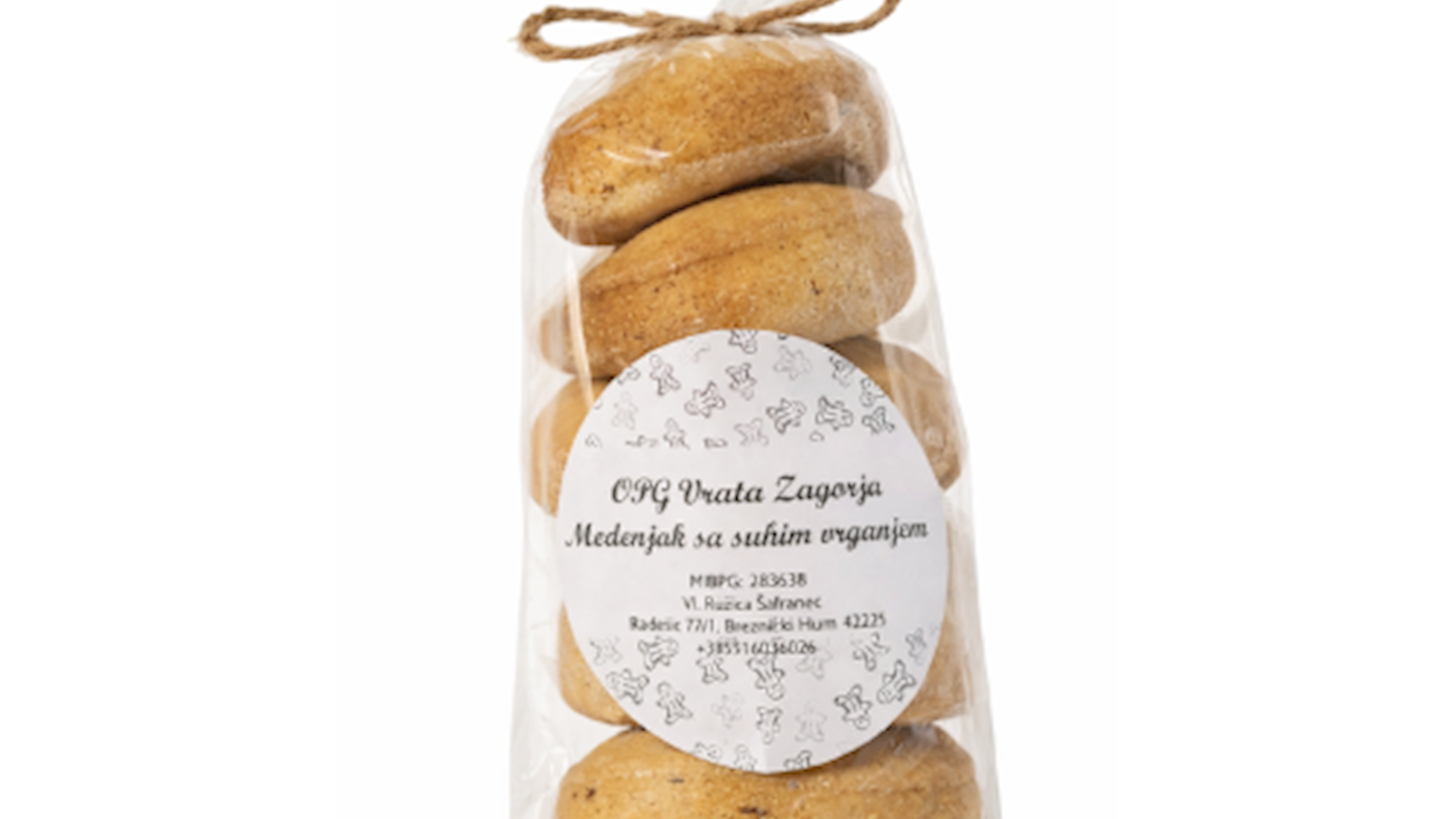
OPG Vrata Zagorja is a family-run agricultural estate based in Radešić near Breznički Hum in Croatia, with a clear focus on preserving and reinterpreting the culinary heritage of the Zagorje region. Managed by Ružica Kišur Šafranec and Josip Šafranec, the business centers its production on traditional products such as handmade štrukli and gingerbread, crafted using locally sourced ingredients and time-honored techniques. Their štrukli stand out for their hand-stretched dough and a wide range of fillings, from classic cottage cheese to more contemporary variations with pumpkin, mushrooms, or berries, reflecting both authenticity and innovation. The gingerbread is produced according to a proprietary recipe inspired by historical records, without artificial additives, emphasizing a natural and artisanal approach. Beyond food production, OPG Vrata Zagorja builds a broader narrative rooted in regional identity, incorporating elements of traditional costumes, customs, and storytelling into its brand. This approach extends through their “Štrukljec” concept, which brings their products closer to consumers in a more accessible and modern format, including their presence at the Gradska tržnica Varaždin. Their quality has been recognized through multiple awards at national and international culinary competitions, reinforcing their credibility in the premium artisanal segment. By combining craftsmanship, cultural preservation, and product innovation, OPG Vrata Zagorja positions itself as a contemporary rural brand that successfully translates local tradition into relevant, market-ready products.

Best Northern Croatian Desserts

01

Međimurska gibanica

3.9 ·

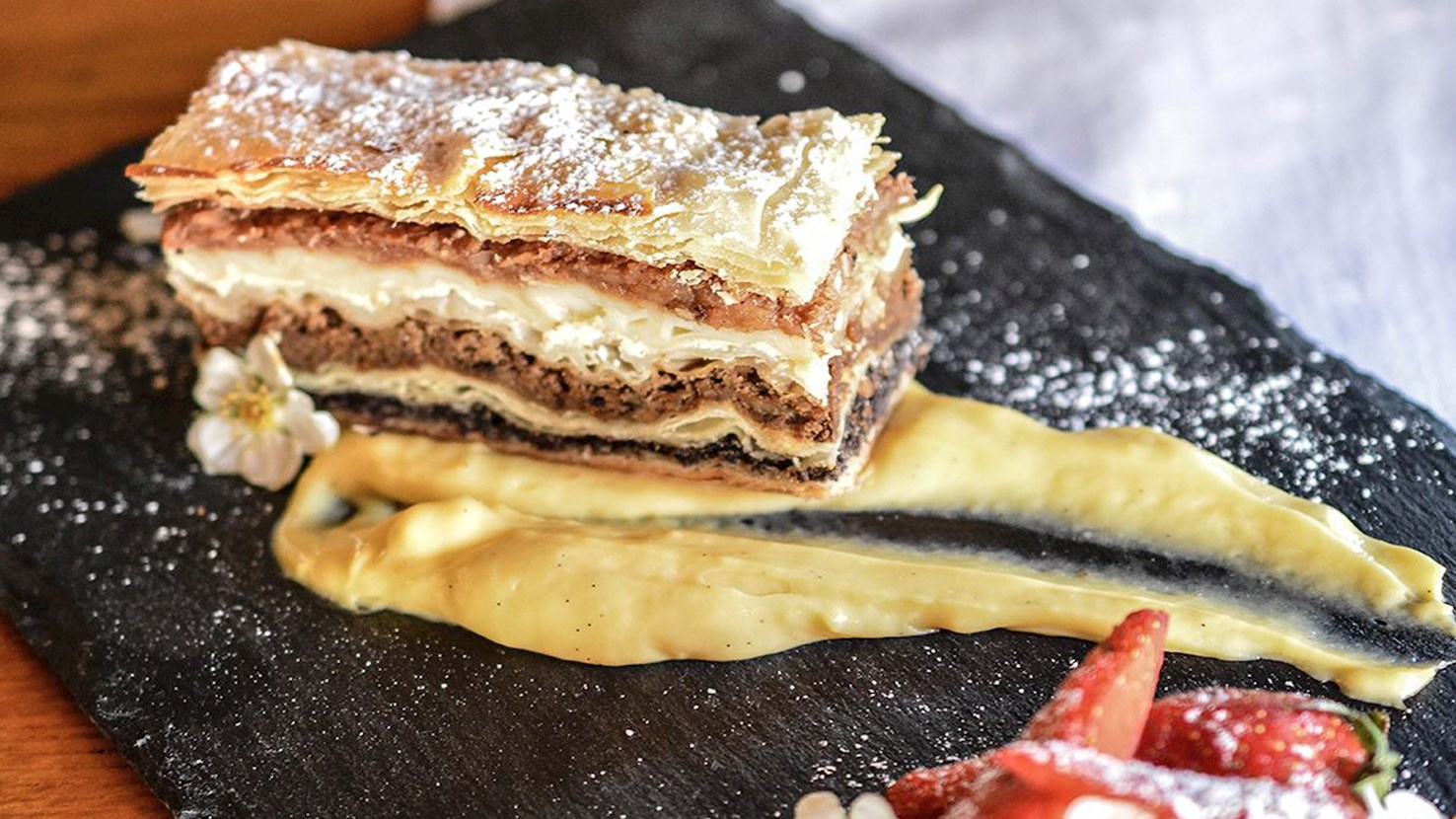
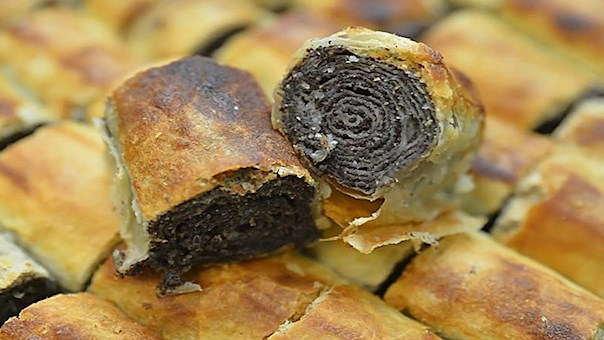
Međimurska gibanica is a traditional, highly caloric layered pastry originating from the Croatian region of Međimurje. It is usually served as a dessert after a big meal, but due to its nutritional value, it can also be consumed on its own. The pastry consists of several layers of phyllo dough filled with a combination of fresh cow's milk cheese, grated apples, ground walnuts, and ground poppy seeds, with the addition of raisins, cinnamon, rum, and sugar, according to personal preferences. The fillings are divided by alternating layers of thin dough. Međimurska gibanica is quite similar to the EU-protected Prekmurska gibanica, with some slight variations concerning the fillings and type of dough. The pastry is ready to be consumed after it has been baked in an oven and develops a golden-brown color of the exterior, and it is then typically cut into squares and served either warm or cold.

02

Kuhani štrukli

3.7 ·

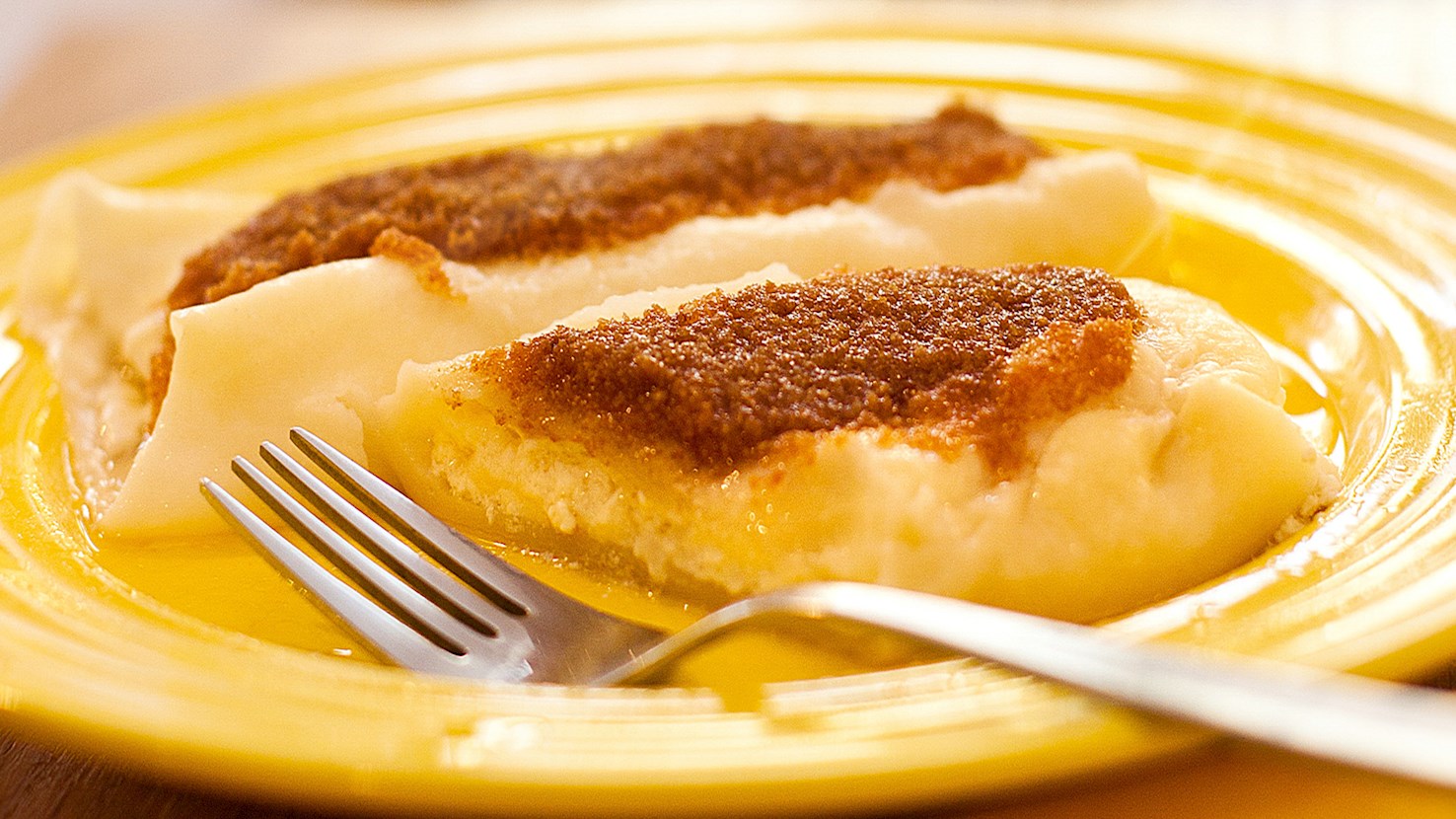
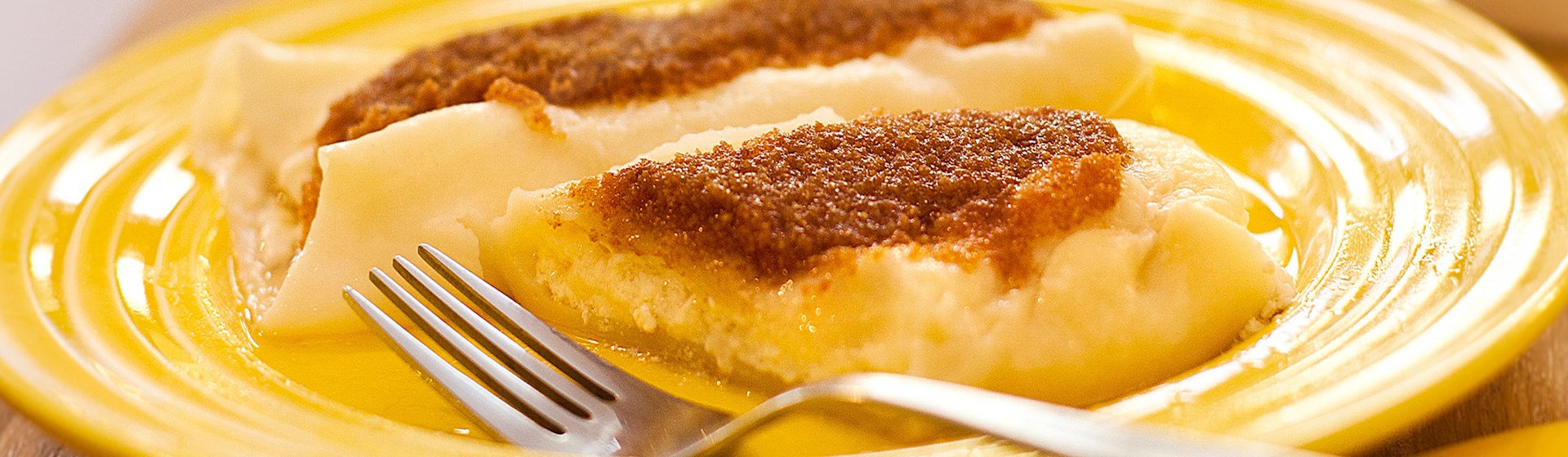
Štrukli are a traditional Croatian delicacy that hails from the Zagorje region. In addition to the more common baked štrukli, this cooked variety starts with a similar preparation in which the dough is thinly rolled, then filled with a mixture of whipped butter, eggs, fresh cheese, sour cream, and salt. Traditionally, the dough is rolled with the help of a tablecloth, and the rolls are then cut with the rim of a plate into smaller pieces that are cooked in water. Though they can be served in a variety of ways, cooked štrukli are traditionally topped with a combination of butter and breadcrumbs. They are enjoyed as a starter or a main course, and can also be altered to create a filling dessert. Once a local specialty, štrukli are nowadays regarded as a national dish that had become a restaurant staple, while the ready-made versions are available at bakeries and supermarkets throughout the country.

03

Jabuke u šlafroku

3.5 ·

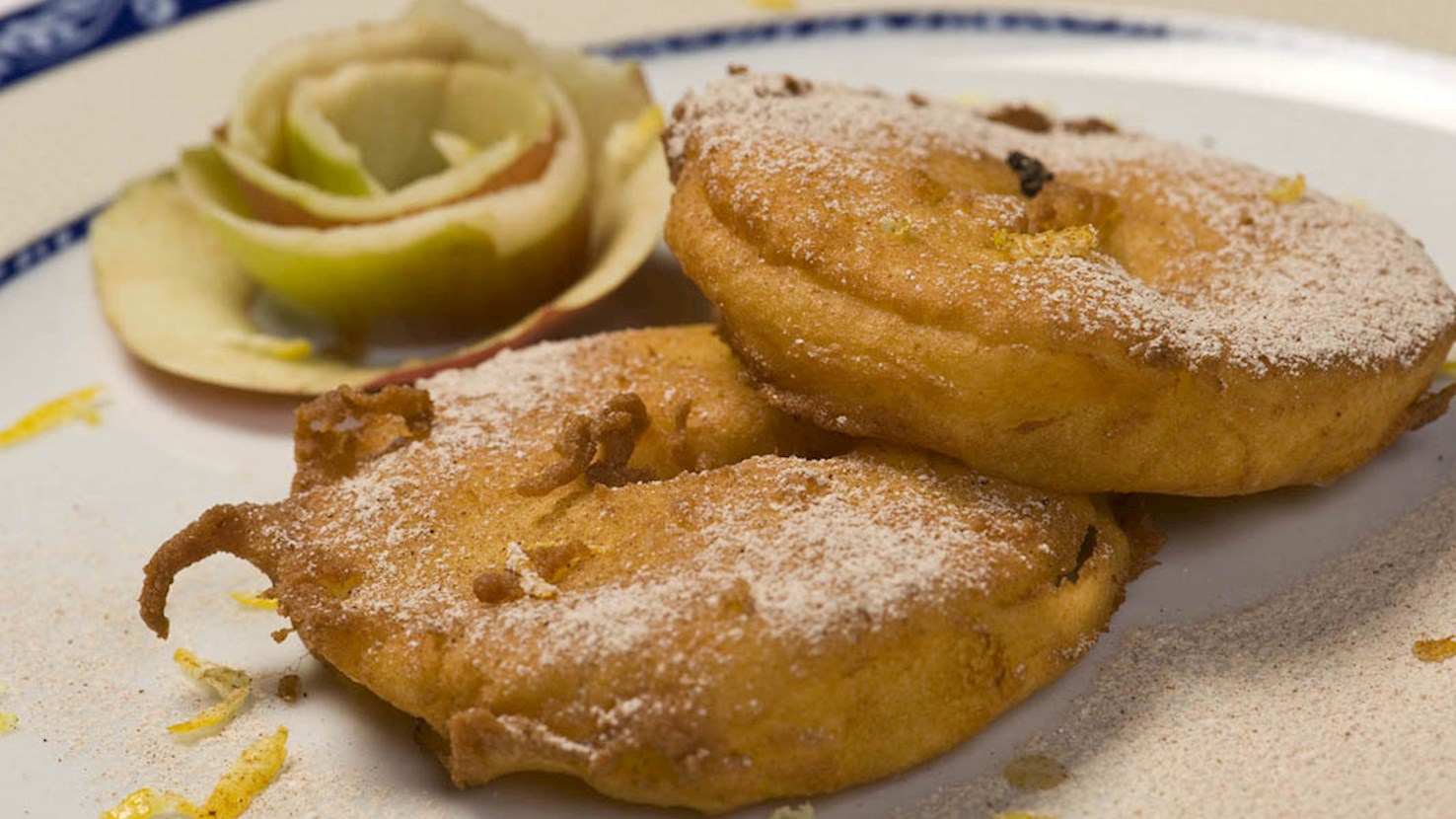
Jabuke u šlafroku is a traditional, old dish that is a typical representative of Croatian comfort food. It is prepared by dipping thinly sliced apples in a batter consisting of flour, eggs, milk, and vanilla sugar. The concoction is then fried in hot oil until the apples turn golden-brown on the exterior. After frying, the apples are often dusted with cinnamon or powdered sugar for extra flavor. The unusual name of the dish means apples in a bathrobe, referring to the fact that the apples are 'dressed' in a crispy external layer. And although it's not a traditional pairing, it's recommended to serve the dish with vanilla sauce on the side. In Germany, the same dish, but usually made with whole peeled apples is called Äpfel im Schlafrock, and the apples are sometimes filled with apricots or peaches.

04

Bregofska pita

n/a ·

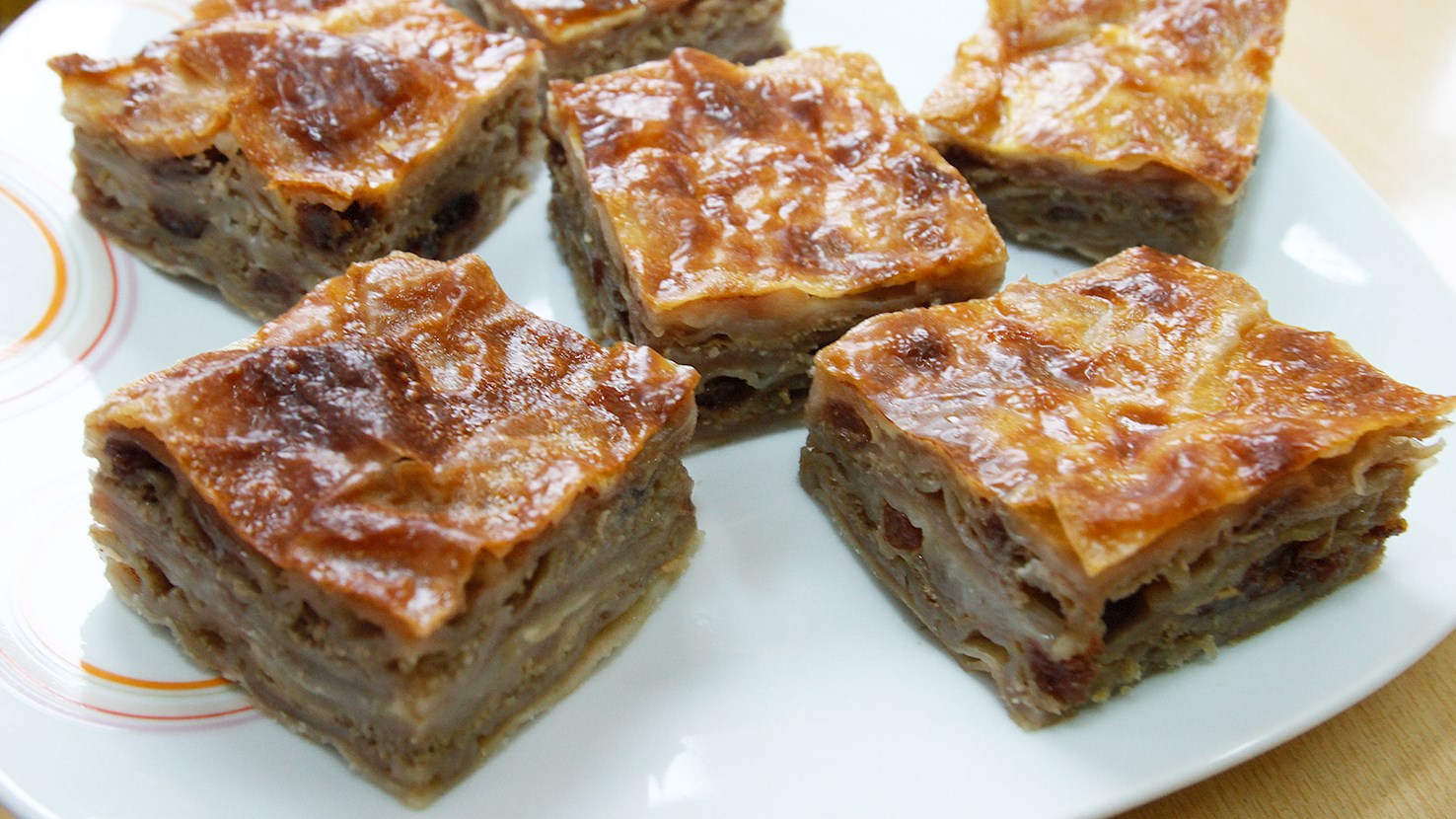
Bregofska pita is a sweet Croatian pie originating from Koprivnički Bregi, hence the name. It is believed that the recipe is more than 200 years old. The dough consists of flour, sour cream, eggs, goose fat or oil, and a bit of salt. It is stretched into thin sheets which are then topped with a combination of eggs, sour cream, and margarine. What follows is a layer of grated apples, ground walnuts, raisins, and cinnamon. The procedure is followed until the baking pan is filled, and this delicious pie is then baked in an oven. When served, the pie is often sprinkled with powdered sugar. In Koprivnički Bregi, this dessert is traditionally prepared for festive events such as Christmas, Easter, and weddings. At weddings, it is served as the most important dessert, following the savory main dish.

Best restaurants
05

Pogača z oreji

n/a ·

Pogača z oreji is a traditional cake originating from the Podravina region, and it's especially popular in Đurđevac. Although there are a few variations, the cake is usually made with a combination of flour, sugar, salt, walnuts, and pork fat. The dough is made with flour, salt, and water. It is kneaded, rolled, and sprinkled with ground walnuts and sugar. The dough is then folded and kneaded, and the process is repeated two more times. It is then placed into a baking pan greased with pork fat, and small rhombical pieces are incised with a knife on the top of the dough before baking. Once golden brown and crisp on top, the cake is taken out of the oven and sliced into individual rhombical pieces.

06

Međimurska bidra

n/a ·

Međimurska bidra is a traditional cake originating from Međimurje. The cake is made with a combination of flour, milk, yeast, sugar, salt, butter, eggs, walnuts, and vanilla. The dough is rolled and cut into rectangles which are topped with a combination of ground walnuts, warm milk, eggs, sugar, and vanilla. The filling should have a spreadable consistency. Once assembled, the dough is rolled into a log which is then coiled into a snail-like shape and placed into a round baking dish. Before it's baked, međimurska bidra is traditionally brushed with egg wash and lukewarm water with sugar. The cake is served on Christmas Eve, but it's cut and eaten on December 26, St. Stephen's Day. Its shape symbolizes the king's crown and it's believed that the cake was inspired by a traditional Christian song Narodil nam se kralj nebeski.

07

Štrukli s bademima

n/a ·

Štrukli s bademima (lit. štrukli with almonds) is a Croatian dish where a traditional delicacy known as štrukli is filled with a combination of egg yolks, beaten egg whites, sugar, almonds, and lemon zest. The dough for štrukli consists of flour, butter, eggs, and salt. When the dough has been filled, it is traditionally cut with a plate in order to make štrukli. They are arranged in a baking tray, covered with hot milk, then baked until the milk evaporates.

08

Cvetlinska gibanica

n/a ·

Cvetlinska gibanica is a traditional layer cake originating from the Croatian region of Zagorje. The base is made with a combination of flour, yeast, milk, sugar, and butter, while the topping consists of corn grits, fresh cheese, sour cream, milk, eggs, and salt. The layer cake is baked in the oven until the top develops a golden brown color. When served, gibanica is typically cut into long, rectangular pieces.

09

Kuhan-pečen

n/a ·

Kuhan-pečen (lit. Cooked-fried) is a Croatian dessert consisting of eggs, yeast, milk, cream, fat, salt, sugar, and flour. When the dough has risen, it is rolled, cut with a glass, then deep-fried until golden brown. It is then dunked in boiling water, taken out of it, and rolled in granulated sugar which is sometimes combined with vanilla sugar. Kuhan-pečen is then left to dry before consumption. This delicious dessert is also known as macanci and mrazovci.

10

Kelešica

n/a ·

Kelešica is a traditional cake without any fillings. It originates from the region of Međimurje. The cake is made with flour, pork fat, sour cream, sugar, and milk, although there are numerous versions of kelešica and ingredients may vary. When the dough is ready, it should be rolled and cut into desired shapes. It is then baked in the oven until golden brown on top. If desired, kelešica can be sprinkled with sesame seeds or poppy seeds. This traditional cake is simple, easy to prepare, and inexpensive, which is why it is often considered a peasant dish.

Read more
View all
View map
About this ranking

TasteAtlas food rankings are based on the ratings of the TasteAtlas audience, with a series of mechanisms that recognize real users and that ignore bot, nationalist or local patriotic ratings, and give additional value to the ratings of users that the system recognizes as knowledgeable. For the “Top 13 Northern Croatian Desserts” list until June 15, 2026, 147 ratings were recorded, of which 89 were recognized by the system as legitimate. TasteAtlas Rankings should not be seen as the final global conclusion about food. Their purpose is to promote excellent local foods, instill pride in traditional dishes, and arouse curiosity about dishes you haven’t tried.

The initial list of top producers was compiled based on available reviews, awards, local recommendations, media and blog coverage, and consumer reviews. The list will be updated with ratings from TasteAtlas local ambassadors and TasteAtlas users.

Similar lists