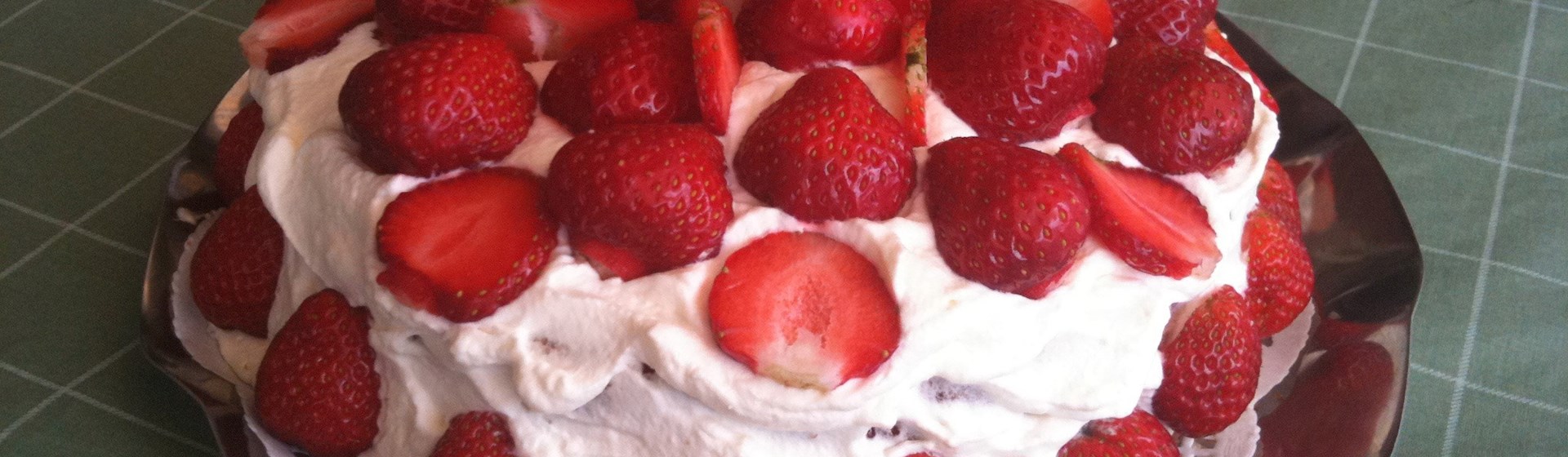
Top 100 Northern European Desserts

Last updated on June 15, 2026

Best Northern European Desserts
01

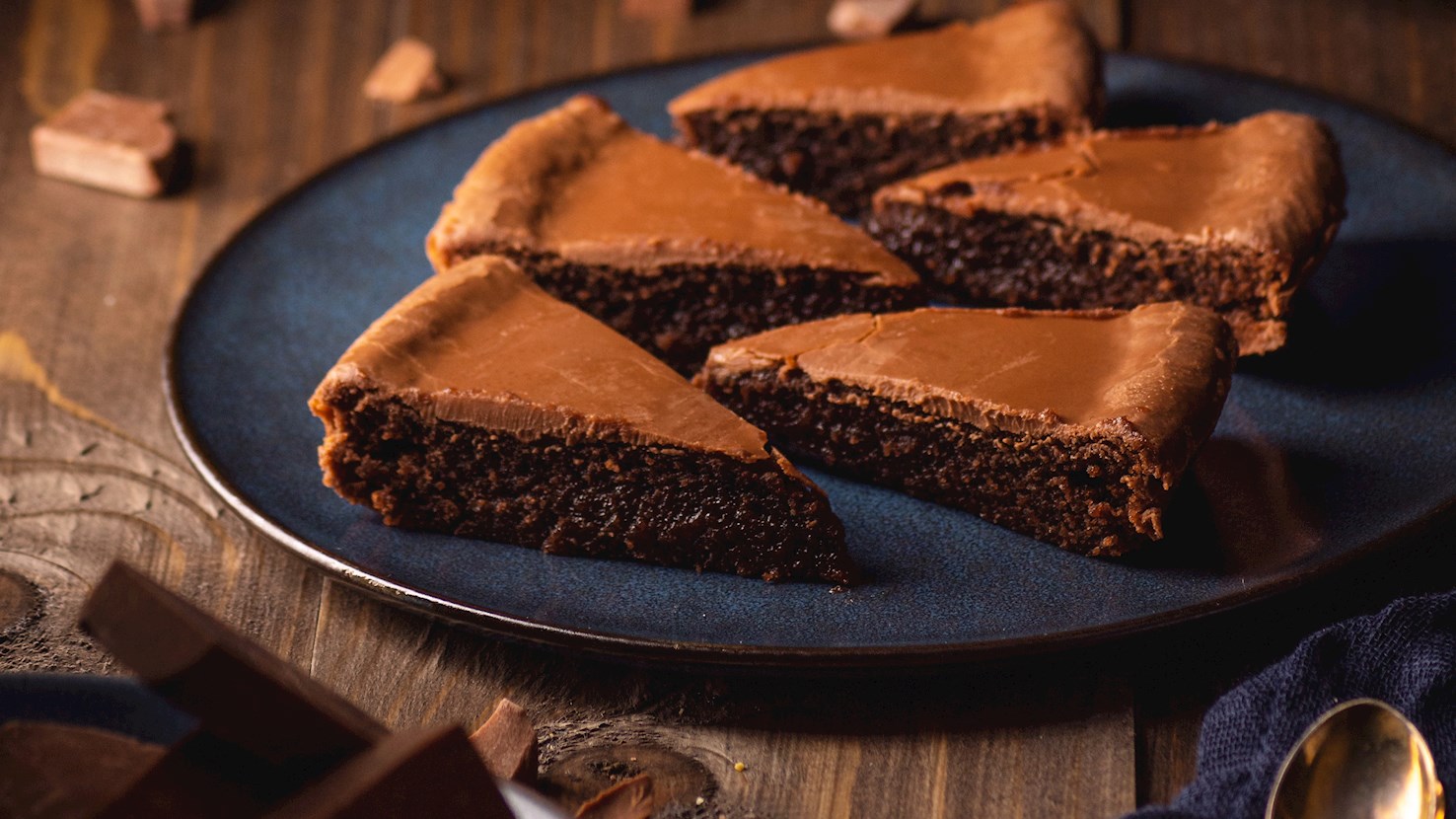
Kladdkaka

4.4 ·

One of the most popular Swedish desserts is a rich chocolate cake known as kladdkaka. This classic Swedish creation combines eggs, cocoa (or chocolate), butter, sugar, and flour into a dense and luscious dessert. During baking, the cake should always remain moist in the center, while the outer layer is transformed into a thin, crunchy coating. Since the cake is incredibly dense, and typically heavy on the bitter chocolate or cocoa, it is usually dusted with a delicate layer of powdered sugar, and traditionally served with a dollop of ice cream or whipped cream on the side. It is one the most beloved Swedish desserts, typically enjoyed during fika, a traditional Swedish coffee break.

02

Jordgubbstårta (Cream and Strawberry Cake)

4.2 ·

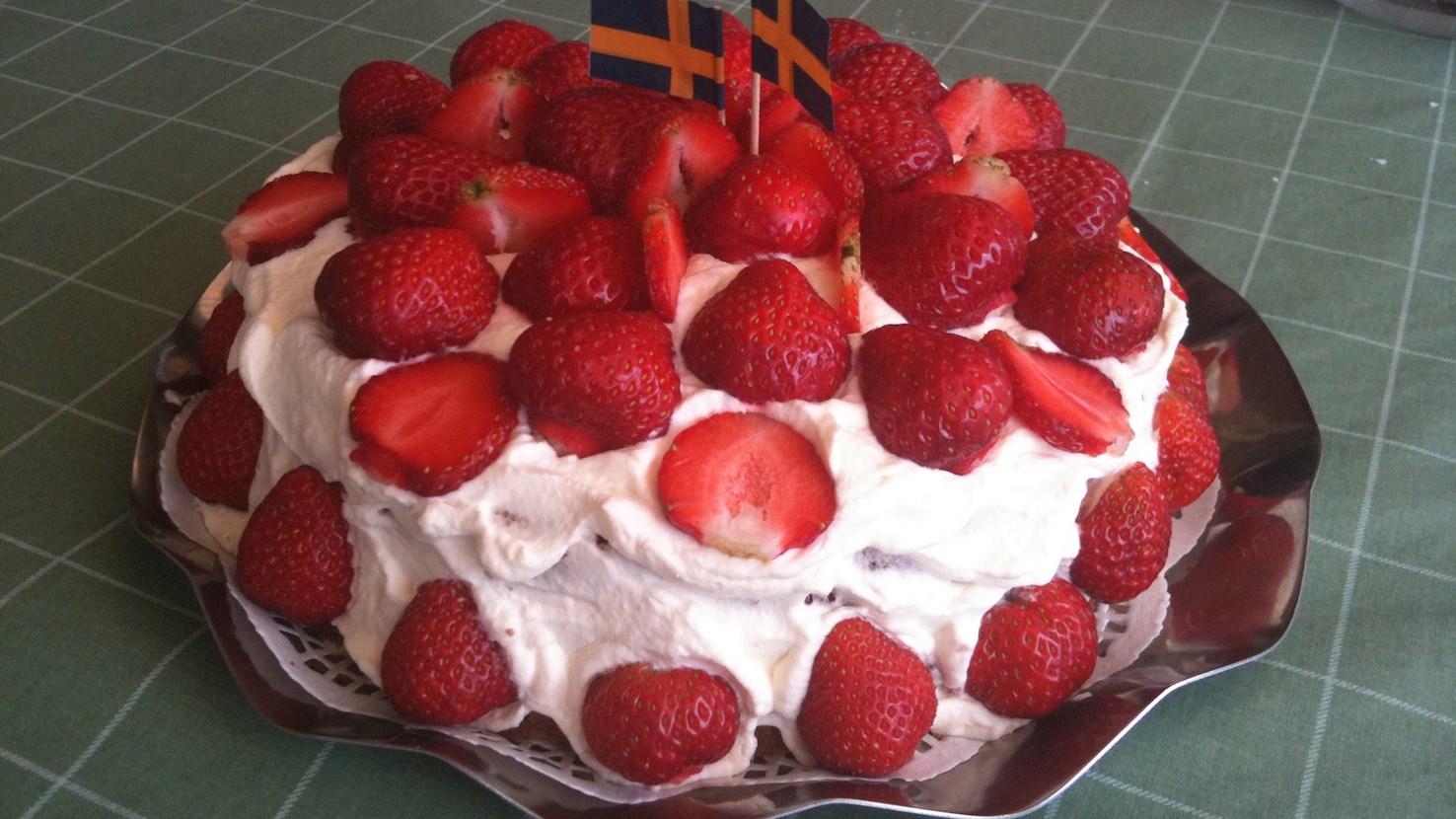
Jordgubbstårta is a traditional strawberry cake originating from Sweden. It usually consists of five parts: sponge cake (flour, sugar, eggs, cornstarch, vanilla); lemon syrup (lemon juice, water, sugar); pastry cream (eggs, sugar, vanilla, flour, butter, milk); mascarpone whipped cream (mascarpone cheese, crème fraiche, sugar, vanilla), and a garnish of fresh strawberries. In order to assemble the cake, the sponge cake is brushed with lemon syrup, topped with pastry cream and quartered strawberries, and then with whipped cream. The process is repeated two more times, and the cake is then covered with mascarpone whipped cream and the remaining strawberries. This strawberry and cream cake is often prepared for the Midsommar feast.

03

Æbleskiver

4.1 ·

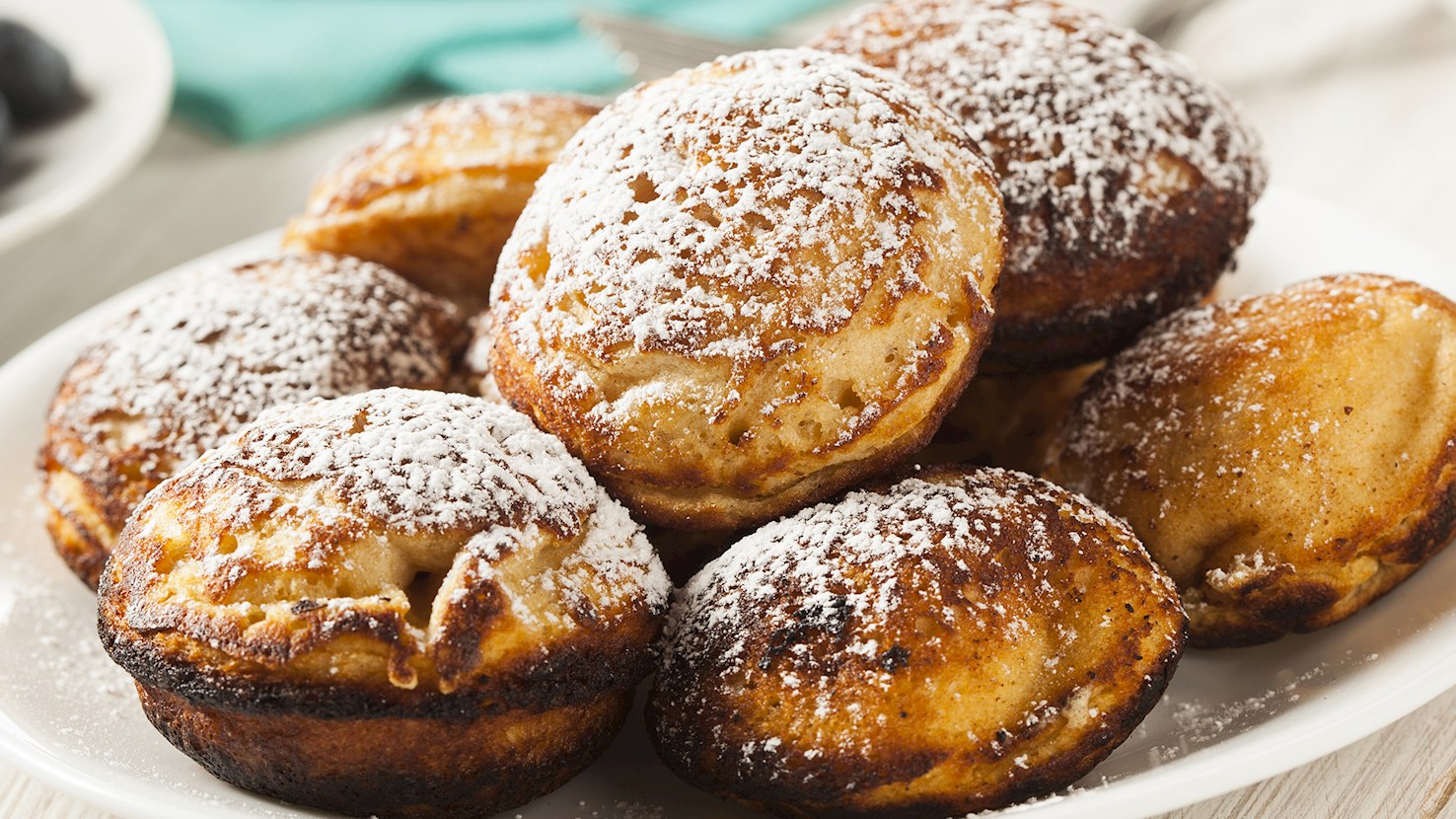
These light, small-sized Danish pancakes are prepared with a leavened egg batter that is poured and baked in specially designed hollowed pans. Even though they were initially prepared with apples – hence the name – today, they rarely appear in their original form and mostly incorporate ingredients such as vanilla, citrus zest, or cardamom. Traditionally associated with Christmastime, these sweet treats are usually served dusted with powdered sugar or complemented with various fruit preserves.

04

Munkki (Finnish doughnuts)

4.1 ·

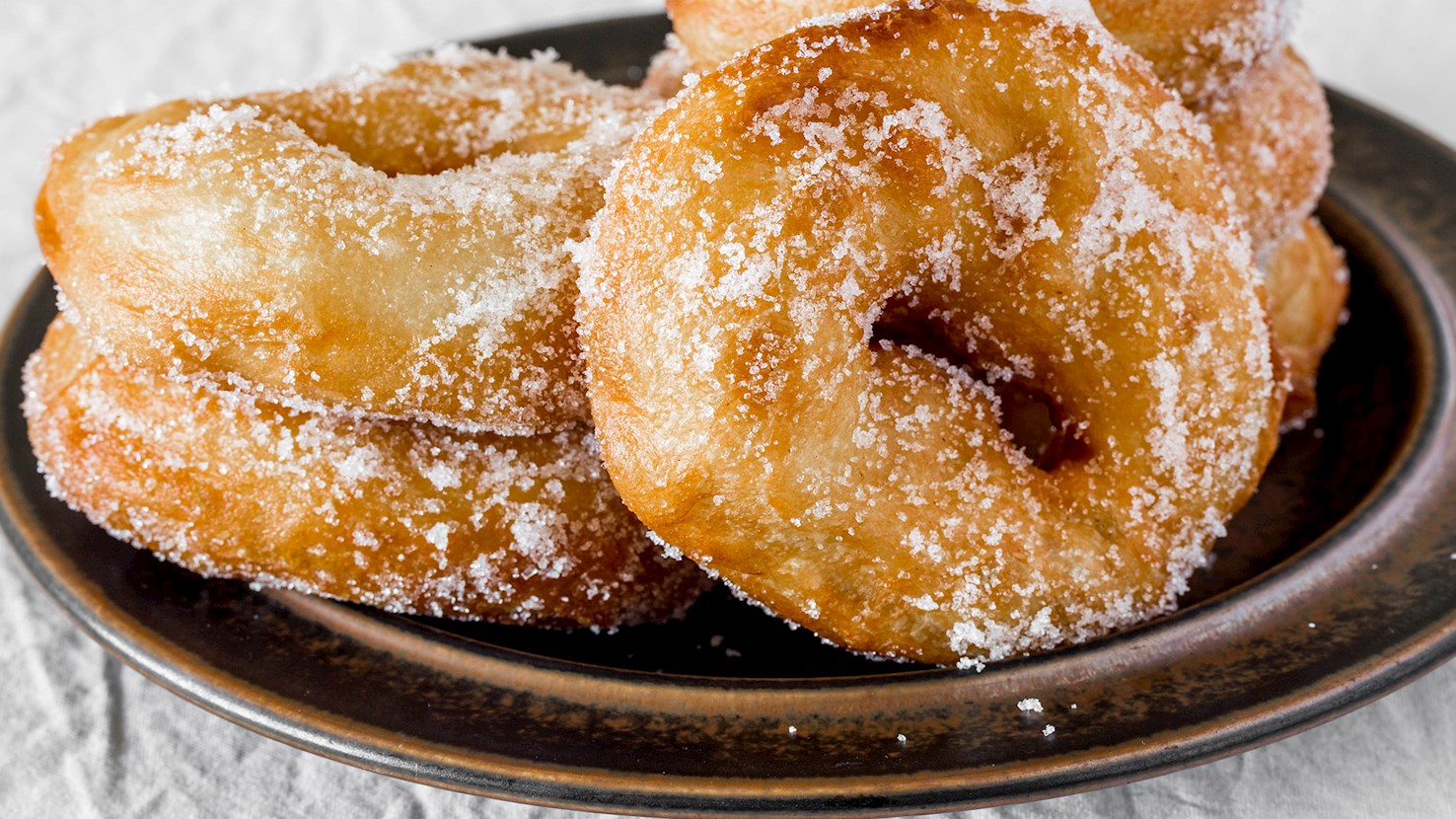
Munkki, translated as monks, are popular Finnish deep-fried doughnuts made with buttery, cardamom-flavored, leavened dough. They are usually shaped into round forms that are occasionally complemented with sweet and fruity fillings, or in the shape of thick rings rolled in fine sugar. Numerous theories surround the origin of their name, from the idea that the round shape resembles the traditional hairstyle or the brown attire of the monks, to the claim that the monks originally prepared these deep-fried delicacies during Lent. Today, munkki are traditionally associated with May Day; the national festivity celebrated on May 1st.

05

Koldskål (Buttermilk soup)

4.1 ·

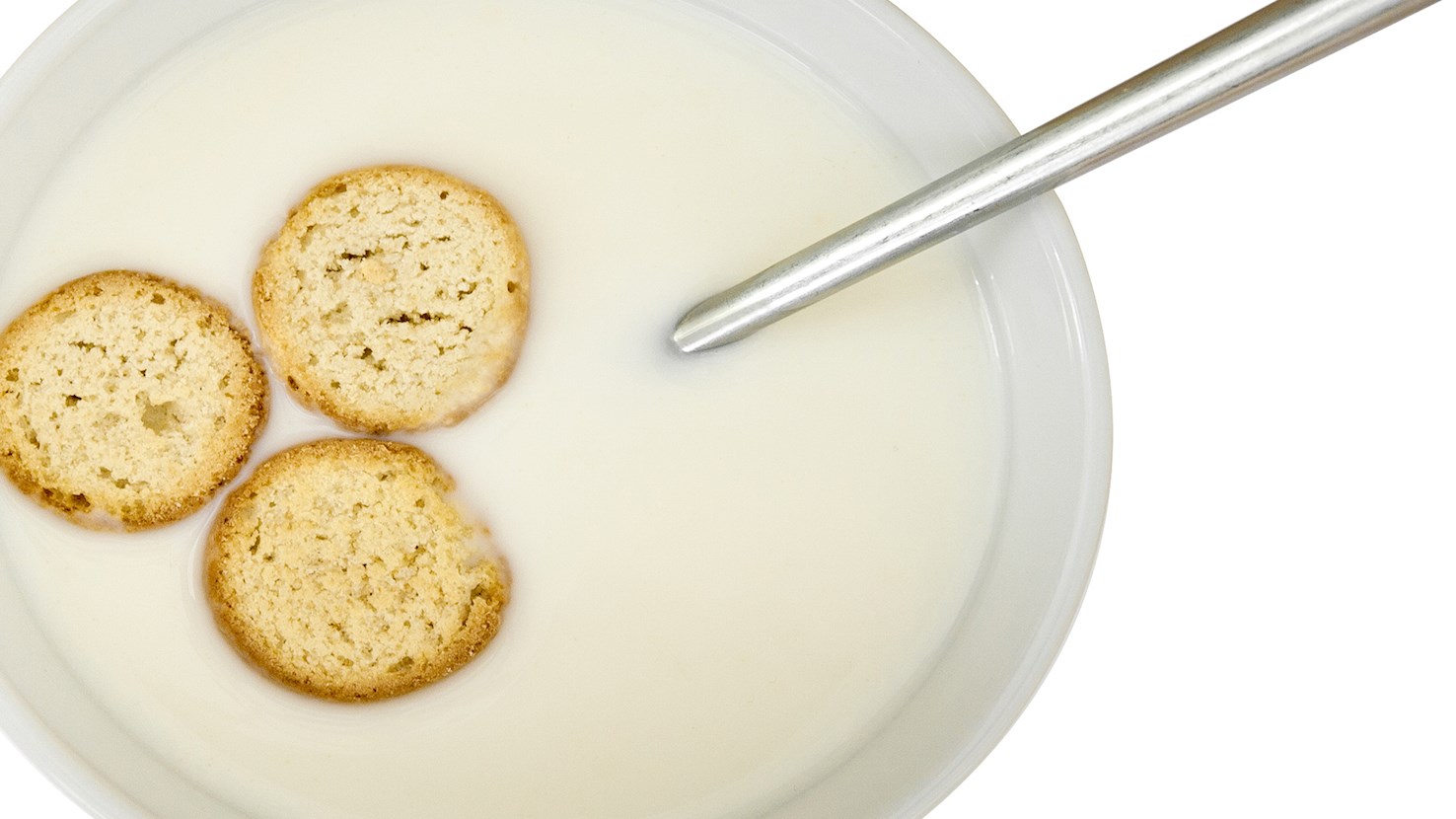
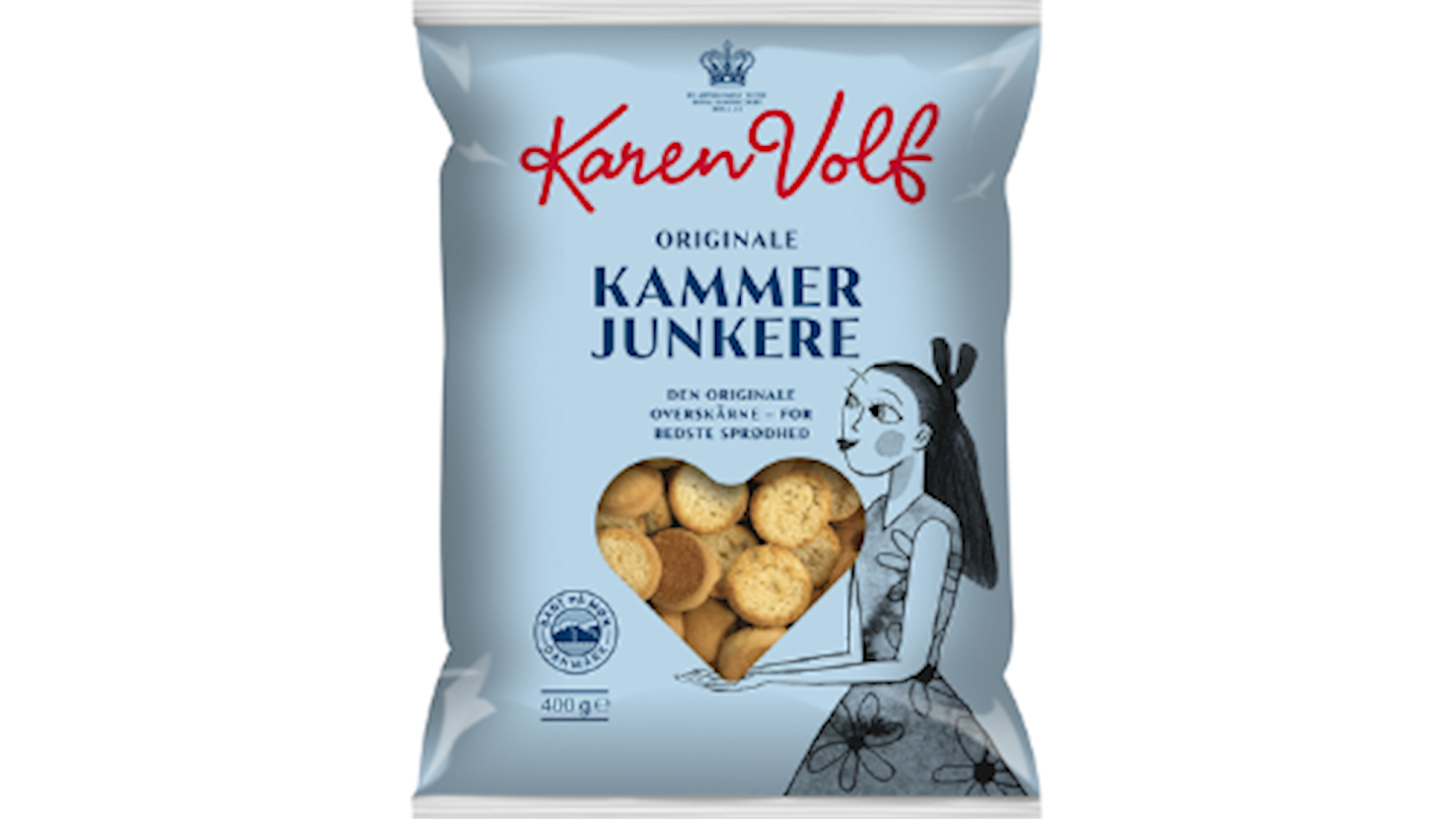
Koldskål is a popular Danish buttermilk dessert that is also occasionally enjoyed as a creamy drink. Even though there are numerous regional varieties, most of them combine buttermilk with yogurt, sugar, lemon juice, vanilla essence, and eggs. The dish is always served cold and it is mainly enjoyed as a refreshing summer treat. Although it can be eaten plain, it is traditionally complemented with crispy kammerjunkere cookies.

06

Våfflor

4.1 ·

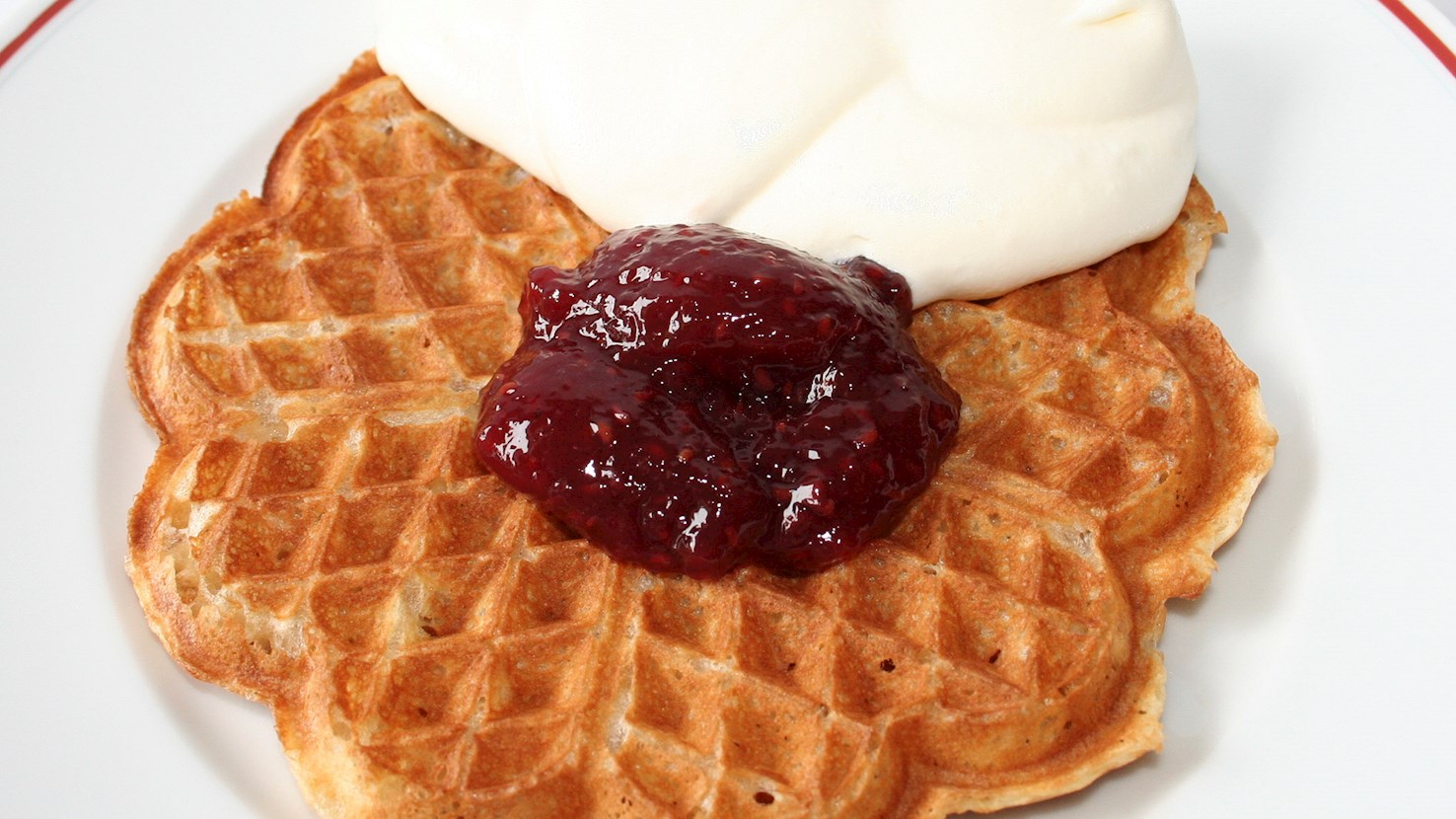
Våfflor are extremely popular Swedish waffles, consumed since the early 1600s, when they were shaped into squares. Today, the waffles are traditionally shaped into hearts and served with fruit jams, whipped cream, and ice cream. Because våfflor are made without yeast, they are much thinner than Belgian waffles, with a texture that is similar to pancakes. There are two popular waffle varieties - egg waffles and crispy waffles, the egg variety being more filling than the other one. Waffles are consumed throughout the year in Sweden, but they are at the peak of their popularity on March 25th, which is known as Waffle Day. Earlier, it was an important day because it marks the start of the crop-growing season, and with it, the increased availability of eggs and milk used in the production of waffles. Today, there is also a variety of salted, savory waffles that are served with various ingredients, from shrimps to cheese.

07

Semla

4 ·

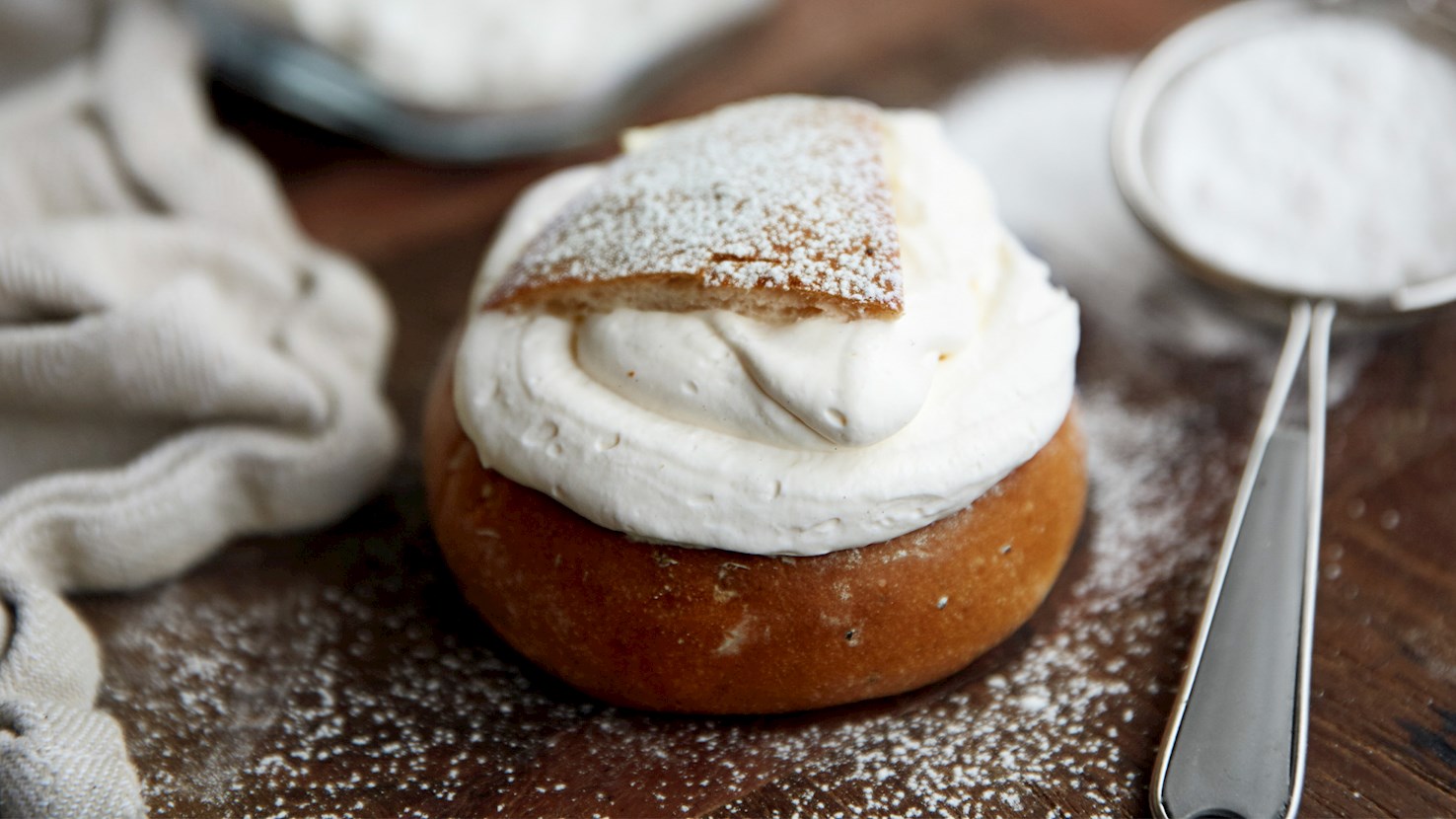
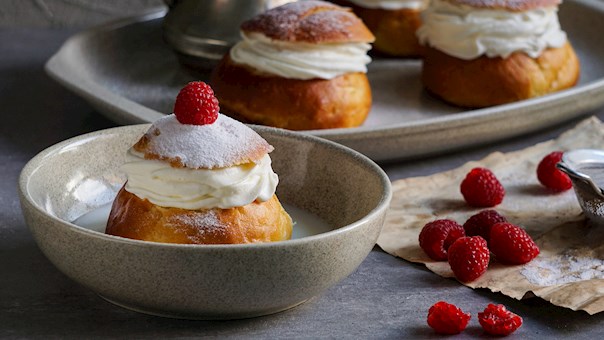
Semla is the famous Swedish cream bun. This traditional Swedish dessert is made with a plain wheat bread bun which is lightly flavored with cardamom, then cut in half. The inside is filled with a layer of delicious almond paste and a generous amount of vanilla-flavored whipped cream. The bun is finished when the top is placed on the whipped cream, and the sweet creation is lightly dusted with a layer of powdered sugar. Semla is an old-fashioned Swedish dessert that was originally invented and eaten on Fat Tuesday, the last day of indulgence before Lent. Soon they became one of the favorite Swedish treats and are now commonly eaten from the Christmas period all through Lent. During this time they can be found in numerous Swedish bakeries across the country. Traditional practice suggests that the top should be eaten first, and it is used to scoop the delectable whipped cream. However, the oldest Swedish tradition is to serve the entire bun soaked in a plate of warm milk, when it's known as hetvägg.

Best restaurants
08

Risalamande

4 ·

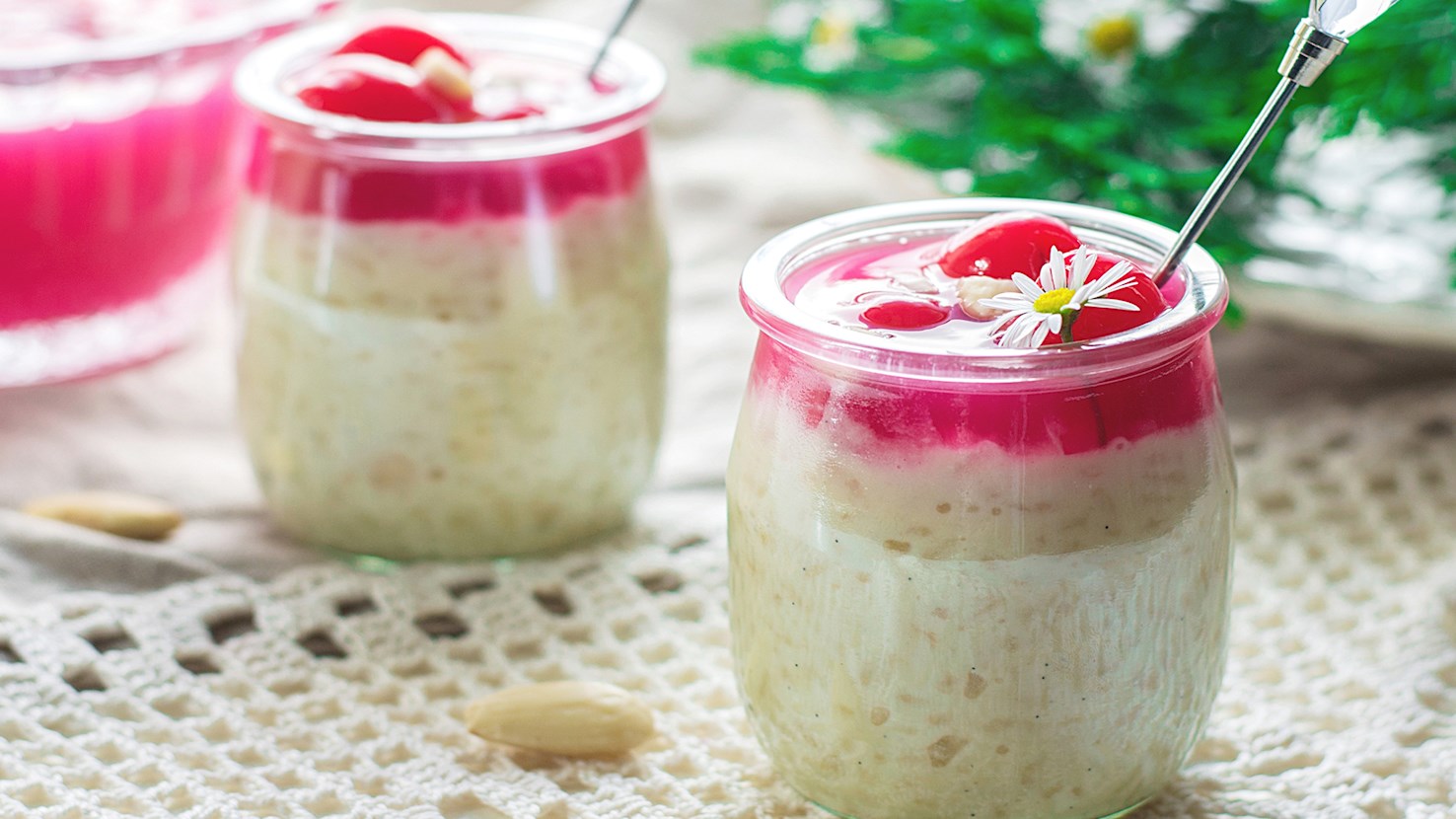
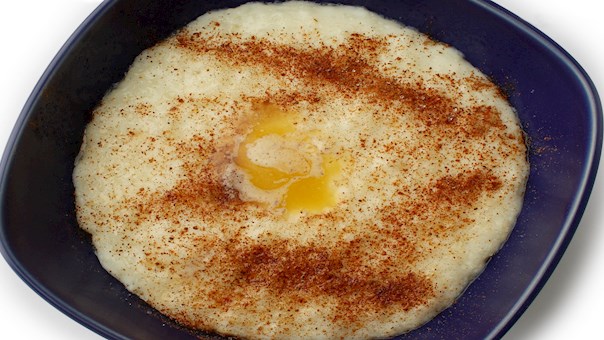
Traditionally prepared and enjoyed during Christmastime, the creamy risalamande is an uplifted, lighter version of the classic Danish rice pudding. While the already flavorful plain pudding is enjoyed on Christmas Eve, on the following day it is typically blended with whipped cream and almonds, then well chilled and served topped with a thick cherry sauce. Ancient tradition suggests that one whole almond is placed inside the pudding, and whoever finds it earns a symbolic prize. Even though risalamande first appeared in the late 19th century, today it represents a valuable part of Danish Christmas tradition. In Norway, the dessert is known as riskrem.

09

Æblekage (Danish apple cake)

4 ·

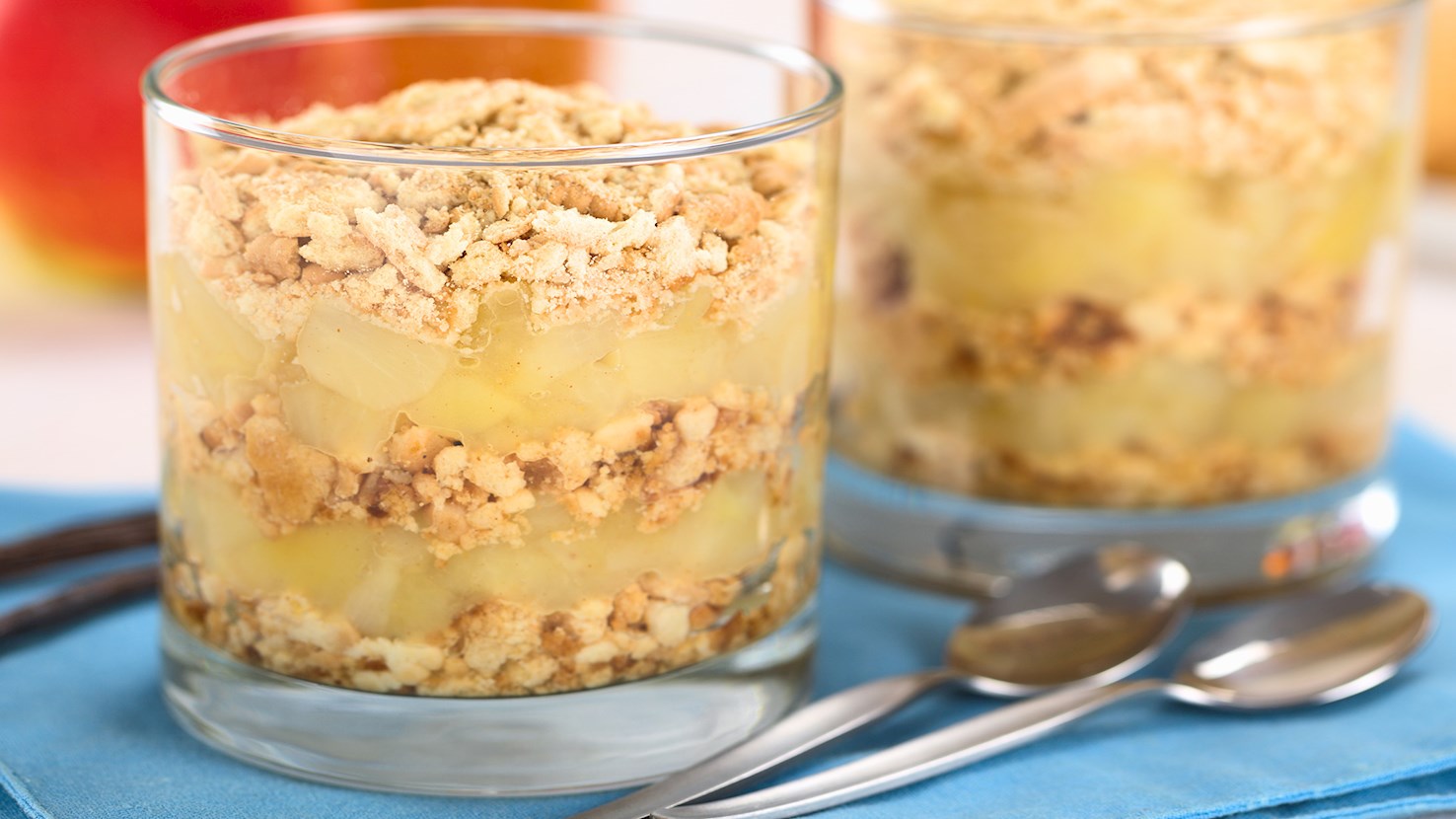
Although the name æblekage can be translated as apple cake, this traditional Danish dessert is a sweet treat that has more in common with a trifle or a crumble. It consists of a creamy, cinnamon-spiced apple sauce that is layered between crispy breadcrumbs or crumbled cookies. It is usually prepared and served in bowls or decorative glasses, while the top is often covered with a generous layer of whipped cream. Enjoyed throughout the year, æblekage is always served cold, and it is recommended to garnish it with various fruit preserves.

10

Smulpaj

4 ·

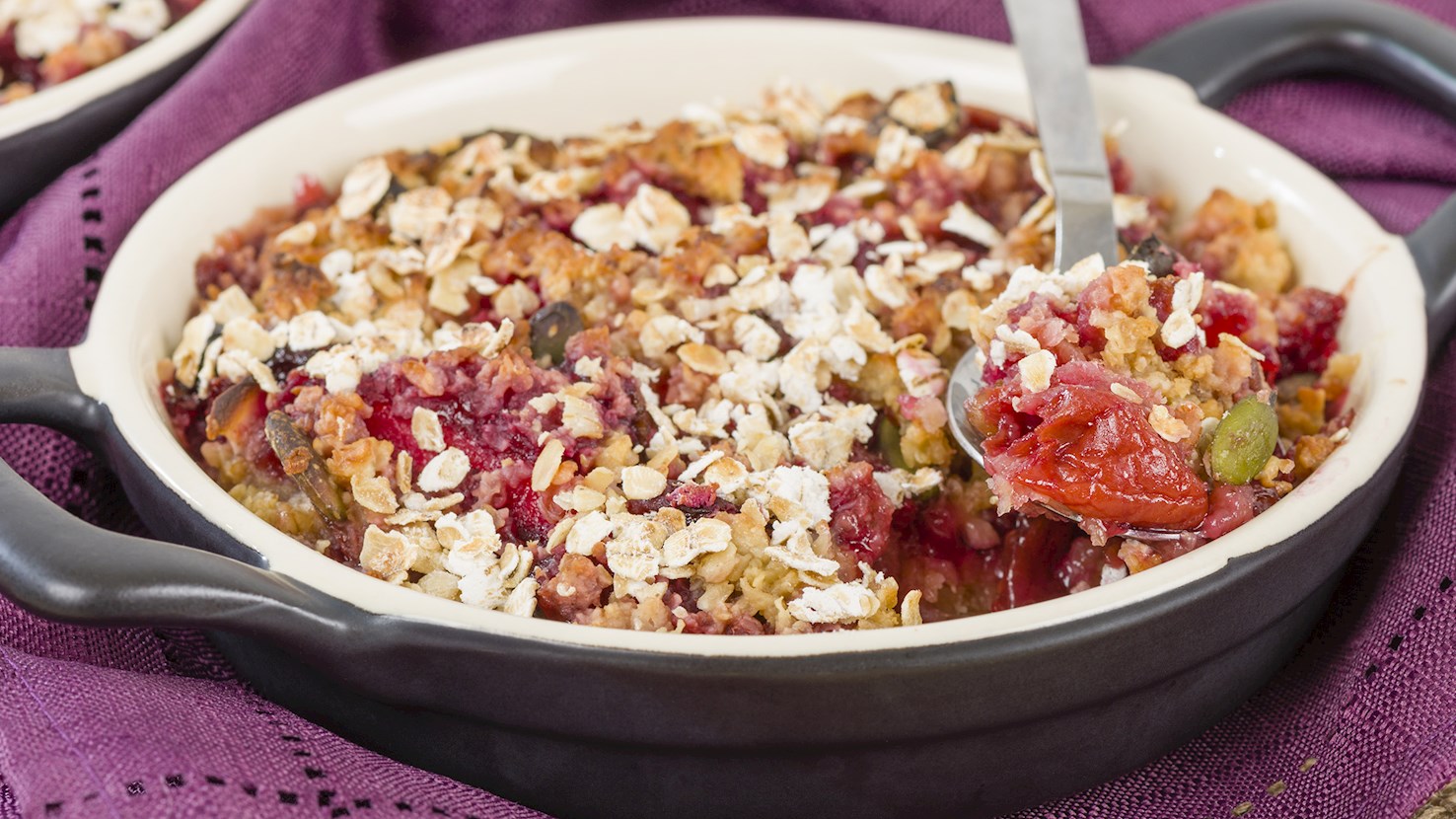
Smulpaj, from the Swedish words smula, meaning crumb, and paj, meaning pie, is a delicious Swedish crumb pie. It consists of a crumbly mixture poured evenly over diced fruits and berries (typically blueberries and raspberries). It is flavored with sugar and cinnamon, then baked until crisp. This scrumptious Swedish treat is usually topped with whipped cream, vanilla custard, or ice cream. A crisp and crunchy crumb united with an irresistibly sweet and moist filling make smulpaj a popular treat served in many cafés throughout Sweden.

Best Northern European Desserts
01

Juno the Bakery

4.3 ·
Juno the Bakery is an artisan bakery based in Copenhagen, Denmark, founded in 2017 by Emil Glaser, a former pastry chef at Noma. The bakery operates with a focused, small-scale approach, emphasizing a limited assortment of products such as cardamom buns, sourdough bread, croissants, and seasonal pastries. Its production model is based on continuous baking throughout the day, ensuring freshness while maintaining strict control over texture and consistency. Ingredients are carefully sourced, often with an emphasis on quality and proximity, aligning with contemporary Scandinavian baking practices. A defining product is the cardamom bun, which reflects Nordic baking traditions and has become closely associated with the bakery’s identity. Rather than expanding its range, Juno the Bakery prioritizes precision and repetition, refining a core set of products through consistent technique. The space itself follows a minimalist, neighborhood-oriented concept, reinforcing the focus on product over presentation. Over time, the bakery has established itself as a reference point within Copenhagen’s modern bakery scene, where traditional methods are maintained but executed with a contemporary, detail-oriented approach.
02

Karen Volf

4.3 ·
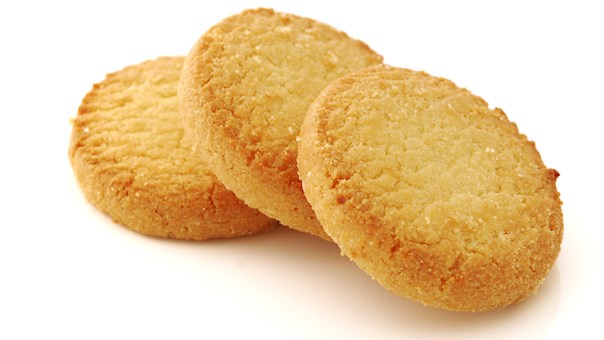
Karen Volf is a Danish bakery brand founded in 1890 by Karen Volf, whose work established a foundation for traditional butter-based baking in Denmark. The brand developed from a local bakery into a nationally recognized name, built on simple recipes that emphasize butter, flour, sugar, and eggs, with a focus on consistency in flavor and texture. Over time, production expanded and became part of the Bisca group, which continues to manufacture the products on an industrial scale while maintaining elements of the original formulations. The range includes classic Danish butter cookies, biscuits, and cakes, all positioned within the traditional segment of Nordic baked goods. Rather than focusing on innovation, the brand maintains a stable product identity centered on recognizable taste profiles and standardized quality. Its international presence grew significantly in the late 20th century, when Danish butter cookies became widely distributed in global markets. Today, Karen Volf remains associated with continuity and heritage, representing a long-standing approach to Danish baking based on simplicity and consistency.
Read more
View all
View map
About this ranking

TasteAtlas food rankings are based on the ratings of the TasteAtlas audience, with a series of mechanisms that recognize real users and that ignore bot, nationalist or local patriotic ratings, and give additional value to the ratings of users that the system recognizes as knowledgeable. For the “Top 100 Northern European Desserts” list until June 15, 2026, 3,174 ratings were recorded, of which 2,705 were recognized by the system as legitimate. TasteAtlas Rankings should not be seen as the final global conclusion about food. Their purpose is to promote excellent local foods, instill pride in traditional dishes, and arouse curiosity about dishes you haven’t tried.

The initial list of top producers was compiled based on available reviews, awards, local recommendations, media and blog coverage, and consumer reviews. The list will be updated with ratings from TasteAtlas local ambassadors and TasteAtlas users.

Similar lists