Krapfen was probably the first European-style doughnut to appear, followed by similar varieties in other countries. These pastries are traditionally prepared with leavened dough that is deep-fried until golden and crispy on the outside, while they remain soft, light, and airy on the inside. Though krapfen can be prepared plain, they are most often filled or topped with jams, and vanilla or chocolate custards, while the top is usually dusted with powdered sugar or drizzled with chocolate. The origin of the word krapfen dates back to 9th century, and the recipes in German can be found as early as the 14th century. The sweet versions of the pastry became predominant, and have remained closely associated with the Carnival, a festive period which precedes Christian Lent. Interestingly, during the Carnival, one krapfen in a batch filled with jam and fruit preserves might contain a filling of mustard as a prank. It is believed that doughnuts spread throughout many central European countries, which adopted the technique but used different regional names. Consequently, krapfen in Germany goes under Berliner, pfannkuchen, faschingskrapfen, krebbel, or kreppel. In Poland, they are known as pączki or krepel, Hungarians refer to them as fánk, Slovak as šišky, while the Czechs use the term koblihy. In Slovenia, they are better known as krofi, while the standard name throughout Croatia, Bosnia, and Serbia is krofne or krafne. In St. Petersburg, Russia, the doughnuts are known as pyshki (either ring-shaped or without a hole), and there is a local café that has been serving pyshki prepared from the original recipe since the 1960s.
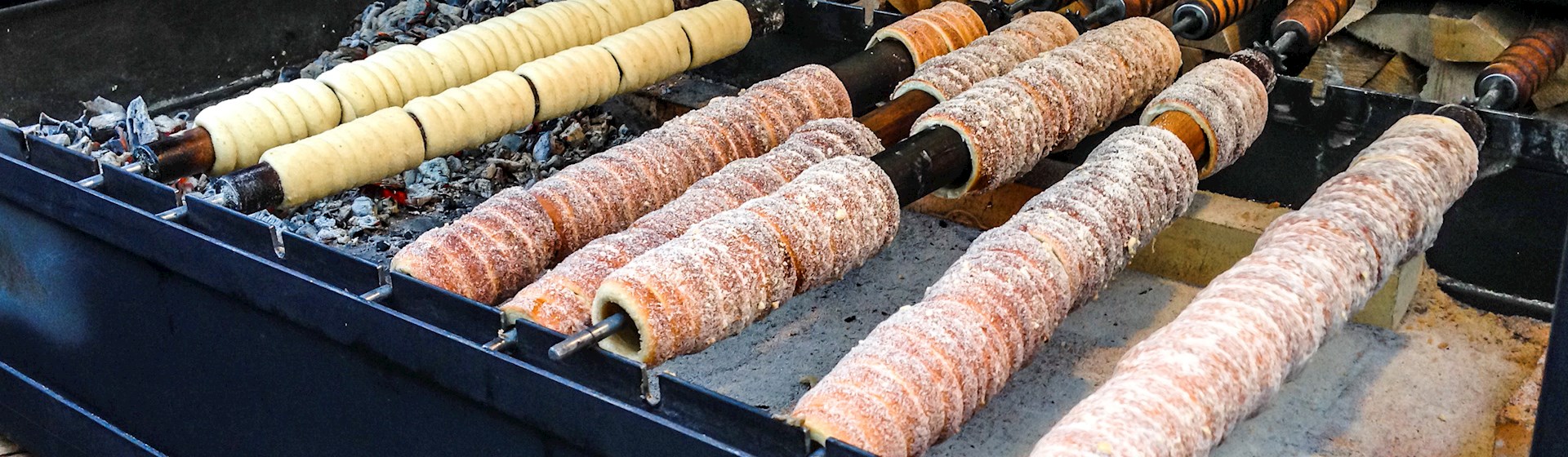
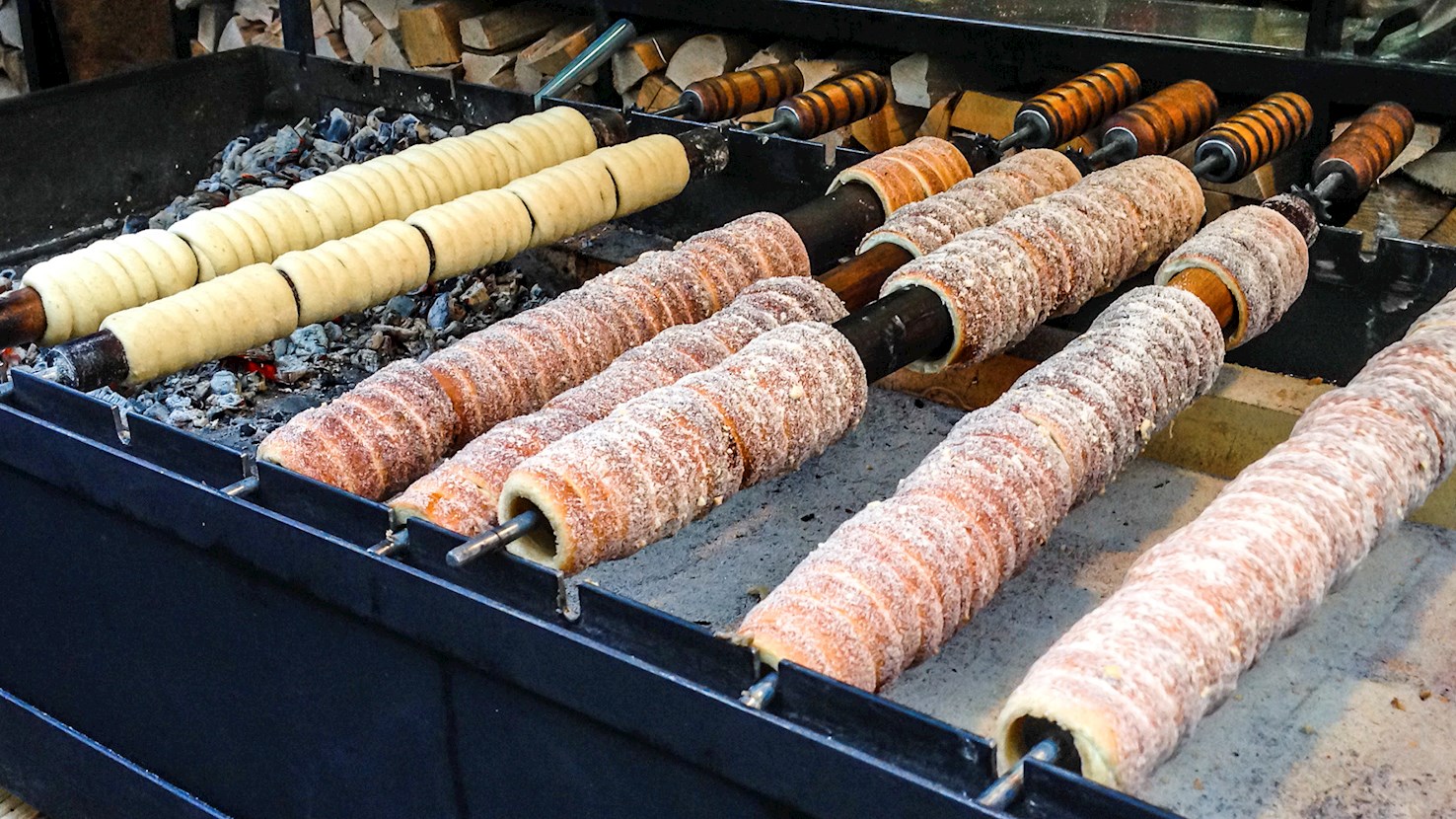
Skalický trdelník is a hollow, cylindrical pastry product made by winding the soft dough on a roller called 'trdlo'. This unusually shaped pastry is produced in the northwestern part of the Slovak Republic, near the border with the Czech Republic to the north and the Myjava River to the south. According to food historians, a Hungarian general was in the town of Skalica in the 18th century, on the border between Slovakia and the Czech Republic, and his companion was a Transylvanian cook who had a recipe for this delicacy. Once the dough is on the roller, it is coated with egg whites and sprinkled with walnuts, almonds or apricots, baked until golden and sprinkled with caster and vanilla sugar. On the exterior, the trdelnik is golden brown but remains yellow on the interior. The dough is soft and has an aroma of chopped nuts, apricots, and vanilla. Enjoy it on various street corners, squares and fairs in Slovakia and the Czech Republic, freshly baked and wrapped in paper. In Hungary, there is an almost-identical, slightly larger pastry known as kürtőskalács, but unlike Skalický trdelník, it is not protected under the EU law.
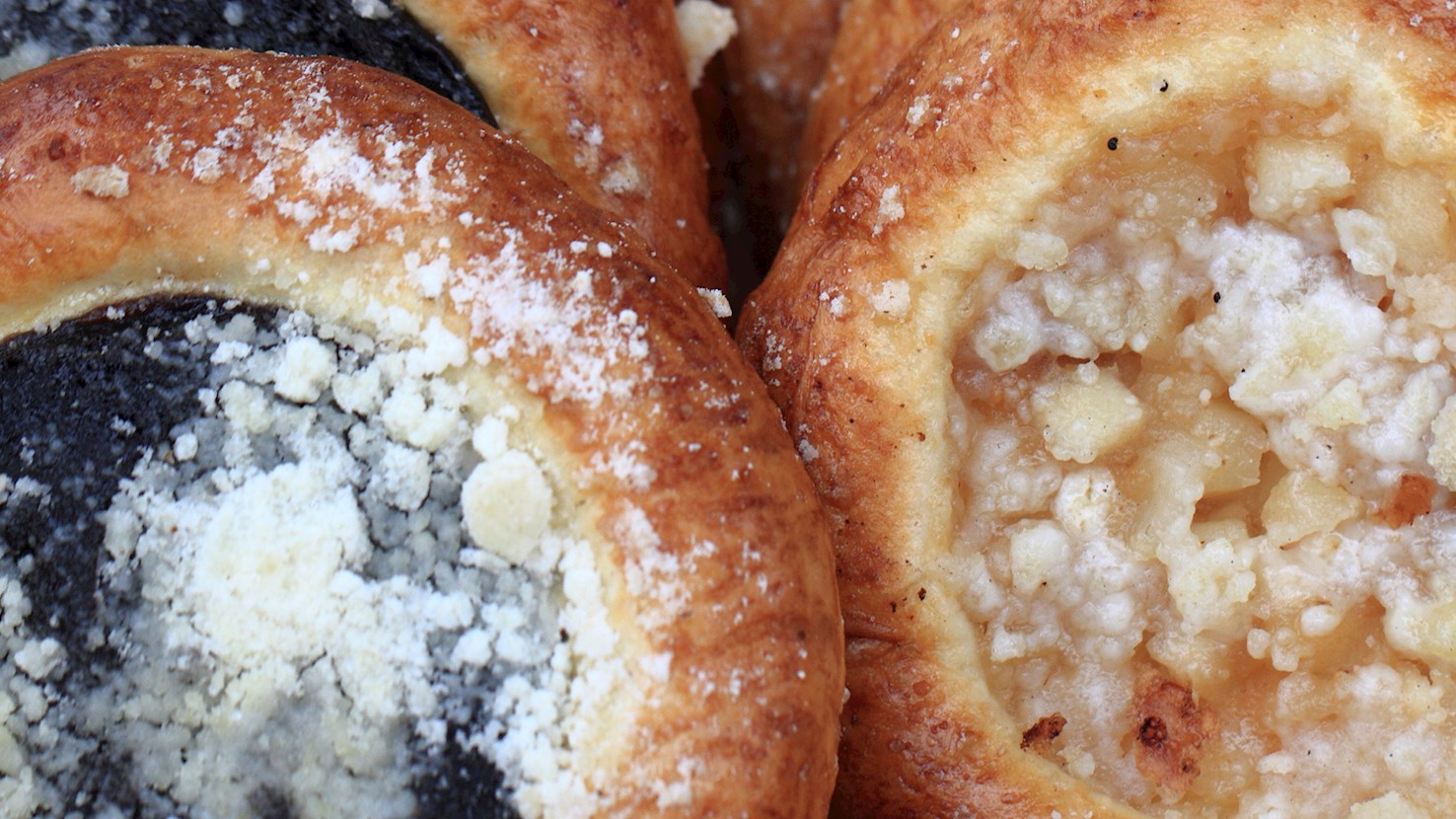
Koláče or kolache (plural: kolaches) is a sweet pastry roll that is traditionally topped with plums or plum jam, cheese, or poppy seeds. Modern toppings might include fruit such as apricots, blueberries, cherries, lemon, pineapples, or raisins. Its name is derived from the Czech word kola, meaning wheels, referring to the traditional, round shape of the pastry. The pastry originated in the 1700s in the Czech Republic, where round breads are some of the earliest ritual foods, usually symbolizing the sun and the moon. With numerous Czech people immigrating to Texas in the early 1900s, koláče grew in popularity in the United States of America, and today there are numerous Czech-American koláče festivals throughout the country. Although many Czechs insist on preparing their own koláče at home, it has become a commercial product in America, sold in numerous bakeries, doughnut stores, and even in some restaurants.
Laskonky are popular Slovak and Czech cookies consisting of two crispy meringues combined with various buttercream fillings. The meringues occasionally contain ground walnuts or coconut and are usually baked into thin, oval shapes. Traditionally, caramel buttercream is used as a filling, but many varieties nowadays infuse it with coffee or chocolate. These crispy sweet treats are a staple in many traditional Slovak and Czech pastry shops. They are usually enjoyed as dessert over a cup of warm coffee or tea.
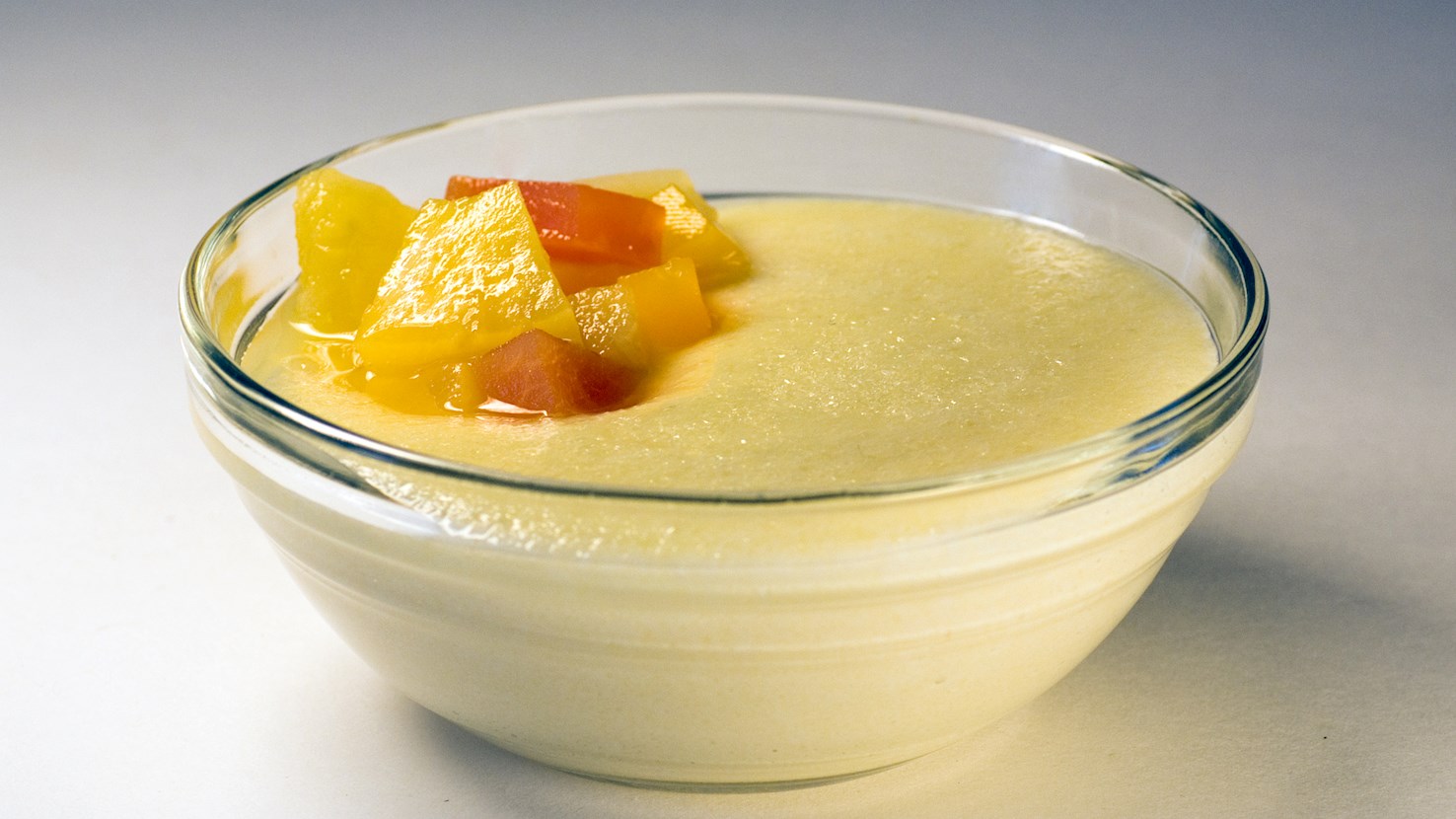
Grießbrei is a traditional Central European pudding based on semolina. The dish is made with milk, semolina, and sugar. It's often flavored with vanilla and cinnamon. The milk is heated, the semolina stirred in, and the mixture is then stirred until it becomes creamy and thick. Most people like to eat semolina pudding for breakfast, and the dish is sometimes enhanced with the addition of fruit such as cherries, strawberries, peaches, pears, or apples. It's recommended to serve it in a shallow bowl since there's more surface area to cover with the desired toppings. The dish is prepared in Germany, Austria, Hungary, Croatia, Slovakia, and the Czech Republic.
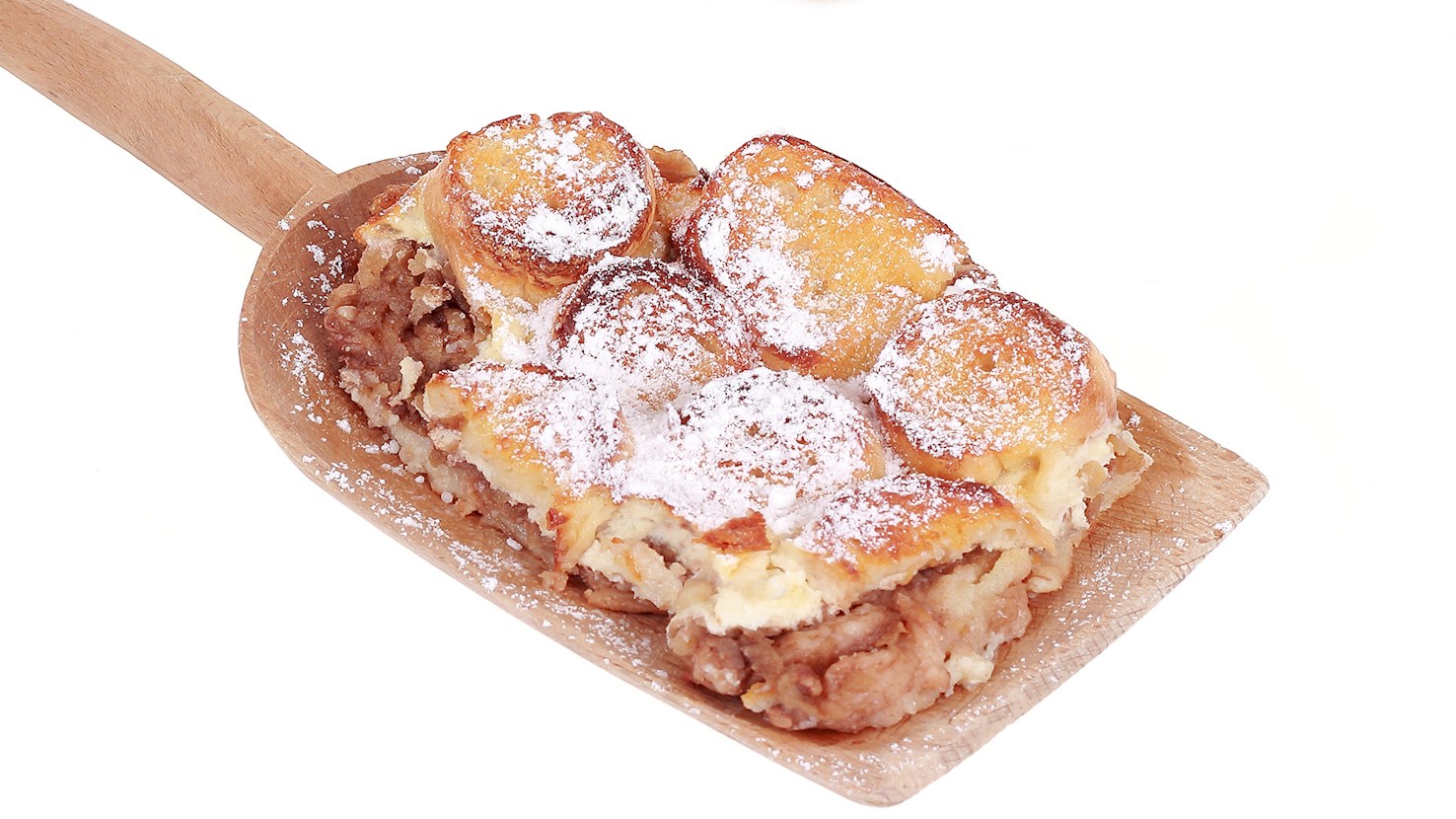
Žemlovka is a traditional and Slovak baked dessert consisting of sliced bread that is layered with various fruits. It is usually made with soft white bread rolls or bread (most often veka), which are soaked in sweet, vanilla-flavored milk. Bread slices are used as the top and the bottom layer, while the center is filled with flavorful fruit combinations. Traditionally, žemlovka is made with cinnamon-spiced apples, but peaches, pears, and plums are also commonly used in the dessert. Some varieties often incorporate raisins or quark cheese and the dish is sometimes topped with a creamy meringue. Although it can be eaten cold, žemlovka is traditionally enjoyed as a warm, filling dessert.
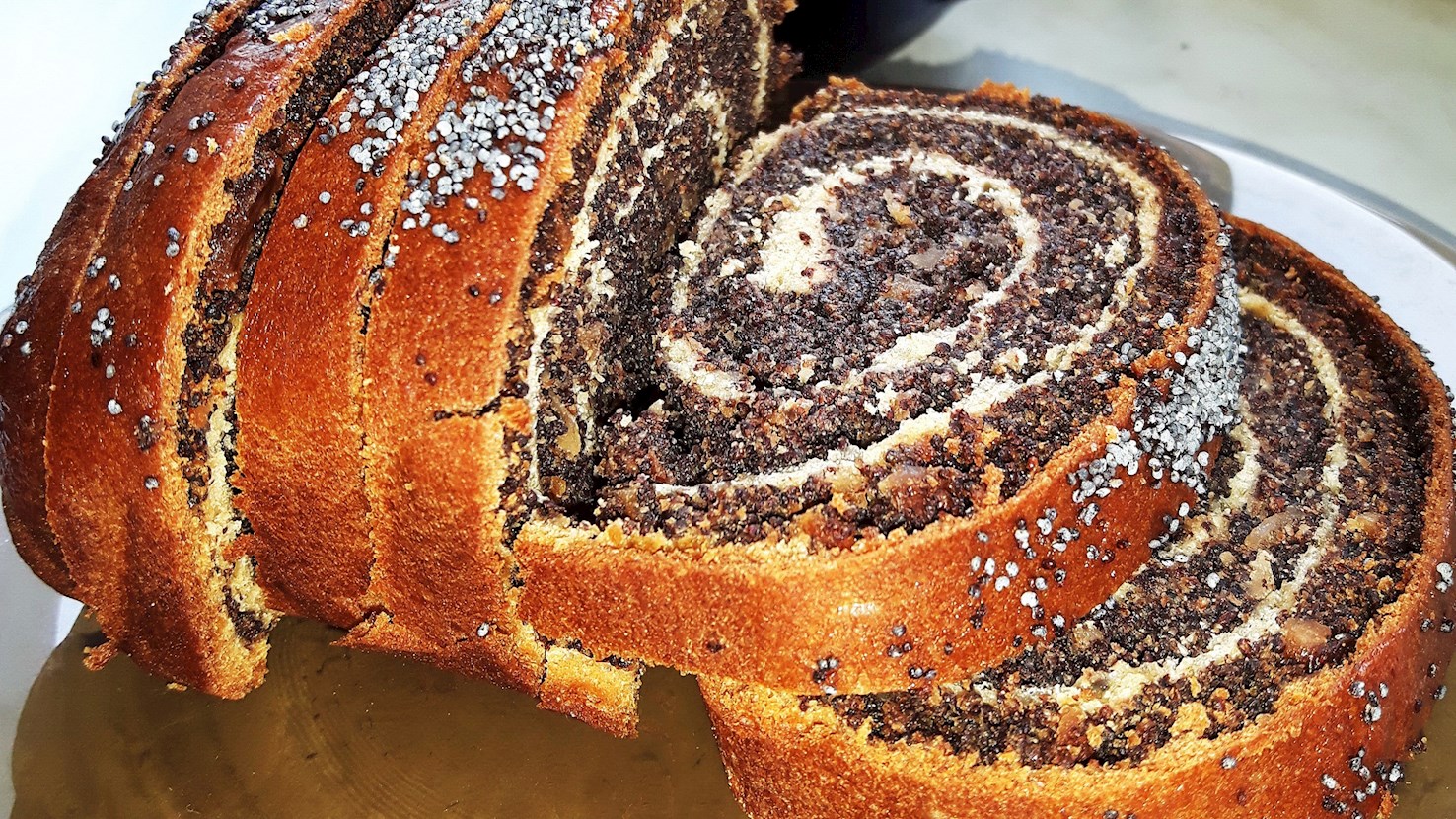
Makowiec is the Polish name for poppy seed roll, a traditional cake where poppy seed paste is placed between layers of dough. Raisins, almonds, honey, and orange peel can be added to the cake in order to enhance its flavors. Ideally, makowiec should not be too sweet. It is characterized by its unique appearance when cut, with the dough and the poppy seed filling winding around each other in a spiral. When served, makowiec is usually dusted with powdered sugar. The cake is often consumed alongside tea or coffee, and it is typically prepared for festivities such as Christmas or other winter holidays. Although it can be found in stores throughout the year, making makowiec is a holiday family tradition. Makowiec can also be found throughout Central Europe, in countries such as Austria, Croatia, the Czech Republic, Germany, Hungary, Slovakia, Slovenia, Romania, and Serbia.
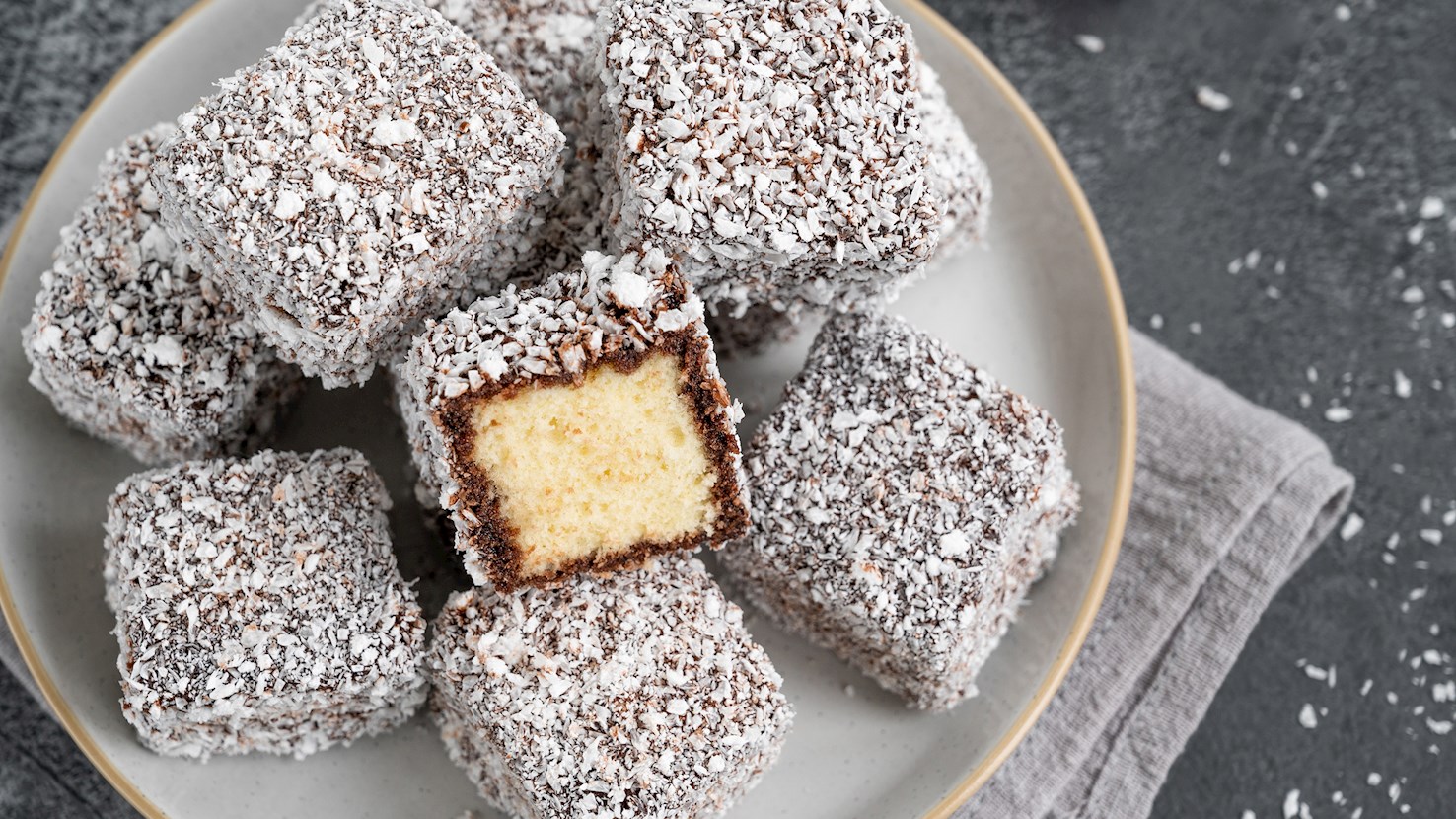
Čupavci are traditional Croatian cakes that are also popular in Poland, Slovakia, Hungary, and throughout the Balkans under different names. They consist of a sponge cake that is dipped in chocolate and sprinkled with finely desiccated coconut. Čupavci are extremely popular due to their climate suitability as they don't dry out when cut into bite-sized squares and covered in coconut. A very similar cake can also be found in Australia and New Zealand in many supermarkets, cafés, and bakeries, and it's known as lamington, but this variety is often made with a layer of fruit jam, unlike its European counterpart. In Croatia, čupavci are a Christmas staple. In Slovakia, the cake is called kokosové ježe, in Poland it's known as kostka kokosowa, while the Hungarian name is kókuszkocka.
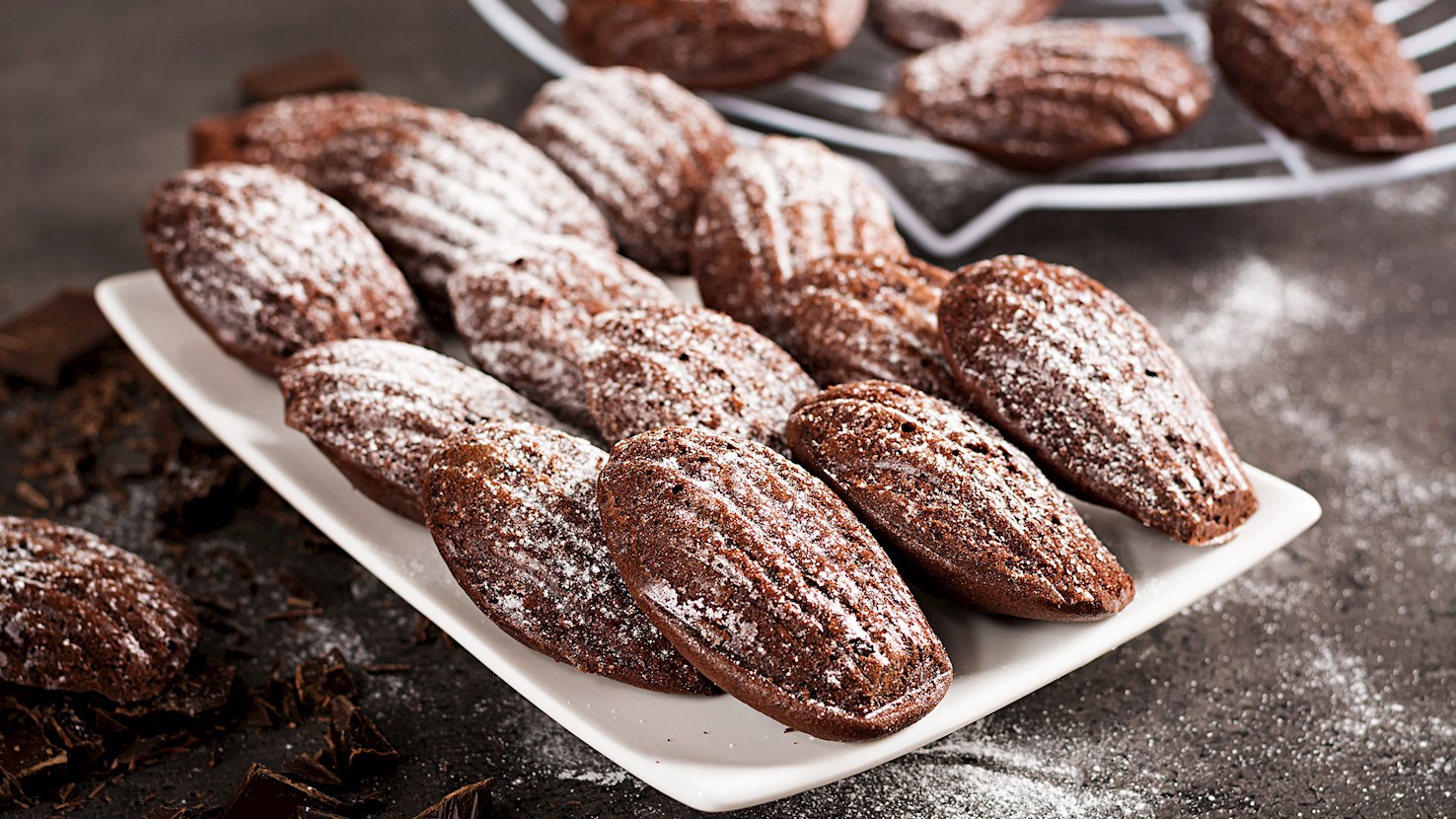
Medvedie labky are traditional Slovakian cookies consisting of flour, butter, eggs, and walnuts. The dough is placed into molds so that the baked cookies look similar to bear paws, hence the name. After the bake, the cookies are typically dusted with powdered sugar, but there are also versions where the cookies’ ends are dipped into melted chocolate. Medvedie labky are especially popular during the festive Christmas season, and it is believed that they taste even better after a day or two if stored in an airtight container.
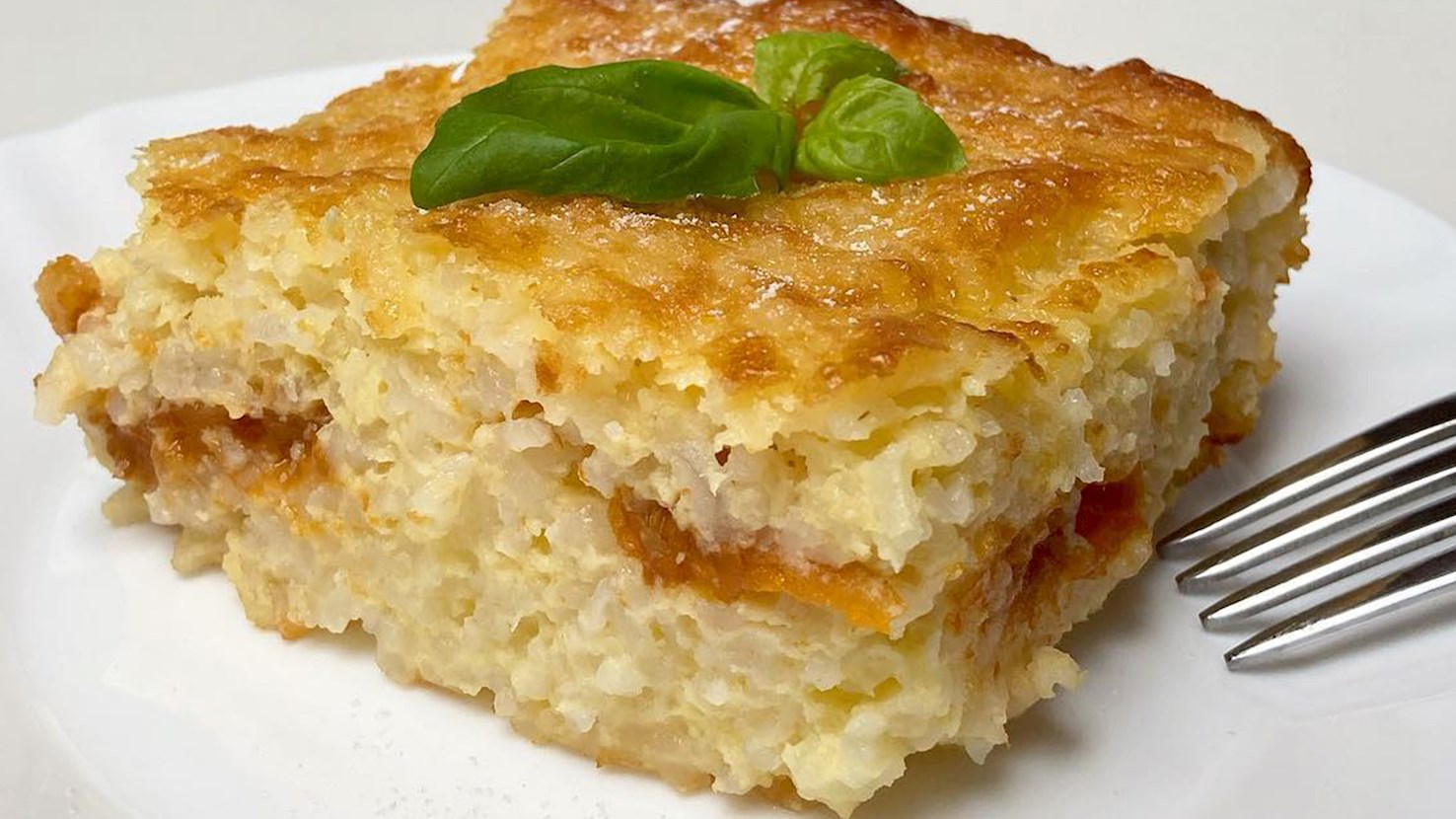
Rýžový nákyp is a traditional and Slovak rice pudding that is often served as the main course. It consists or rice cooked in milk that is chilled and combined with egg yolks, sugar, butter, vanilla, and beaten egg whites. The mixture is later mixed with fruit, topped with a thick layer of beaten egg whites, and baked until completely set. It is usually made with cherries or peaches, and the fruit is occasionally dispersed between the layers of rice. Although it is a sweet dish, it is mostly eaten as a second course or as the main dish. Rýžový nákyp is usually preceded by a hearty bowl of soup.
TasteAtlas food rankings are based on the ratings of the TasteAtlas audience, with a series of mechanisms that recognize real users and that ignore bot,
nationalist or local patriotic ratings, and give additional value to the ratings of users that the system recognizes as knowledgeable.
For the “Top 10 Slovak Desserts” list until October 15, 2026, 2,237 ratings were recorded, of which 1,747 were recognized by the system as legitimate.
TasteAtlas Rankings should not be seen as the final global conclusion about food. Their purpose is to promote excellent local foods,
instill pride in traditional dishes, and arouse curiosity about dishes you haven’t tried.





What People Say