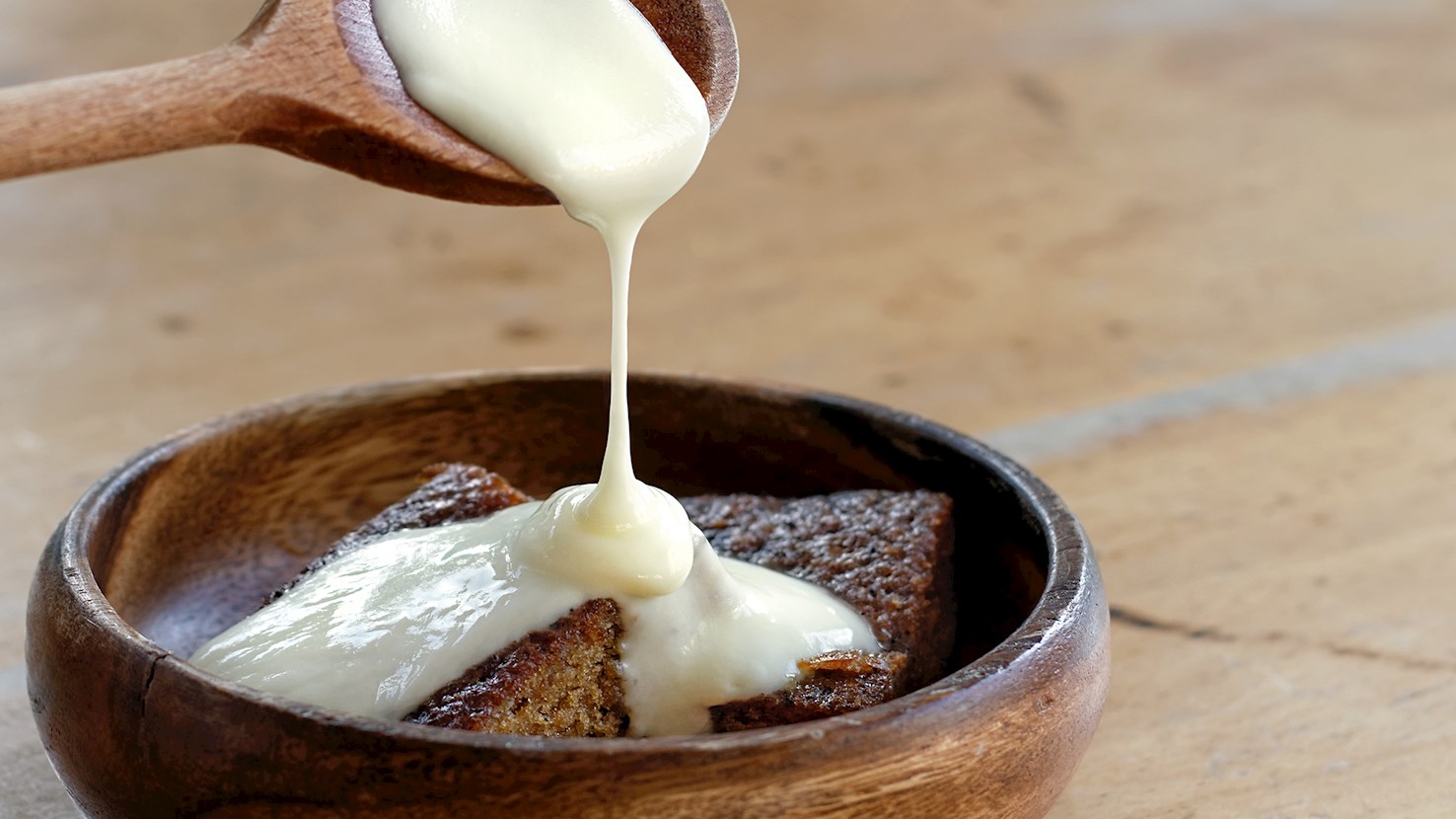
Malva pudding is a traditional dessert consisting of a pudding base covered in a creamy, sweet sauce made with water, cream, vanilla, butter, and sugar. The pudding is usually made from butter, sugar, eggs, apricot jam, milk, flour, and salt. The dessert is typically served warm, preferably with ice cream, whipped cream, or vanilla custard on the side. It is believed that the dish is named malva pudding after the Afrikaans word malva, meaning marshmallow, referring to the similarities between marshmallows and the pudding's texture, although some say that the name is derived after the fact that the pudding used to contain Malvasia wine.
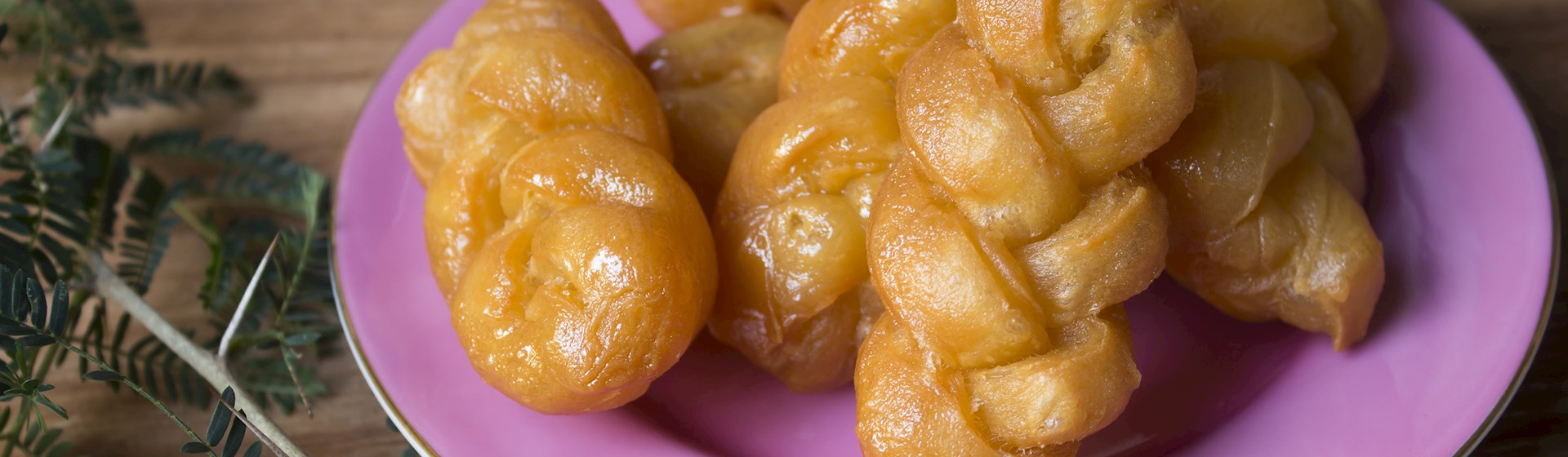
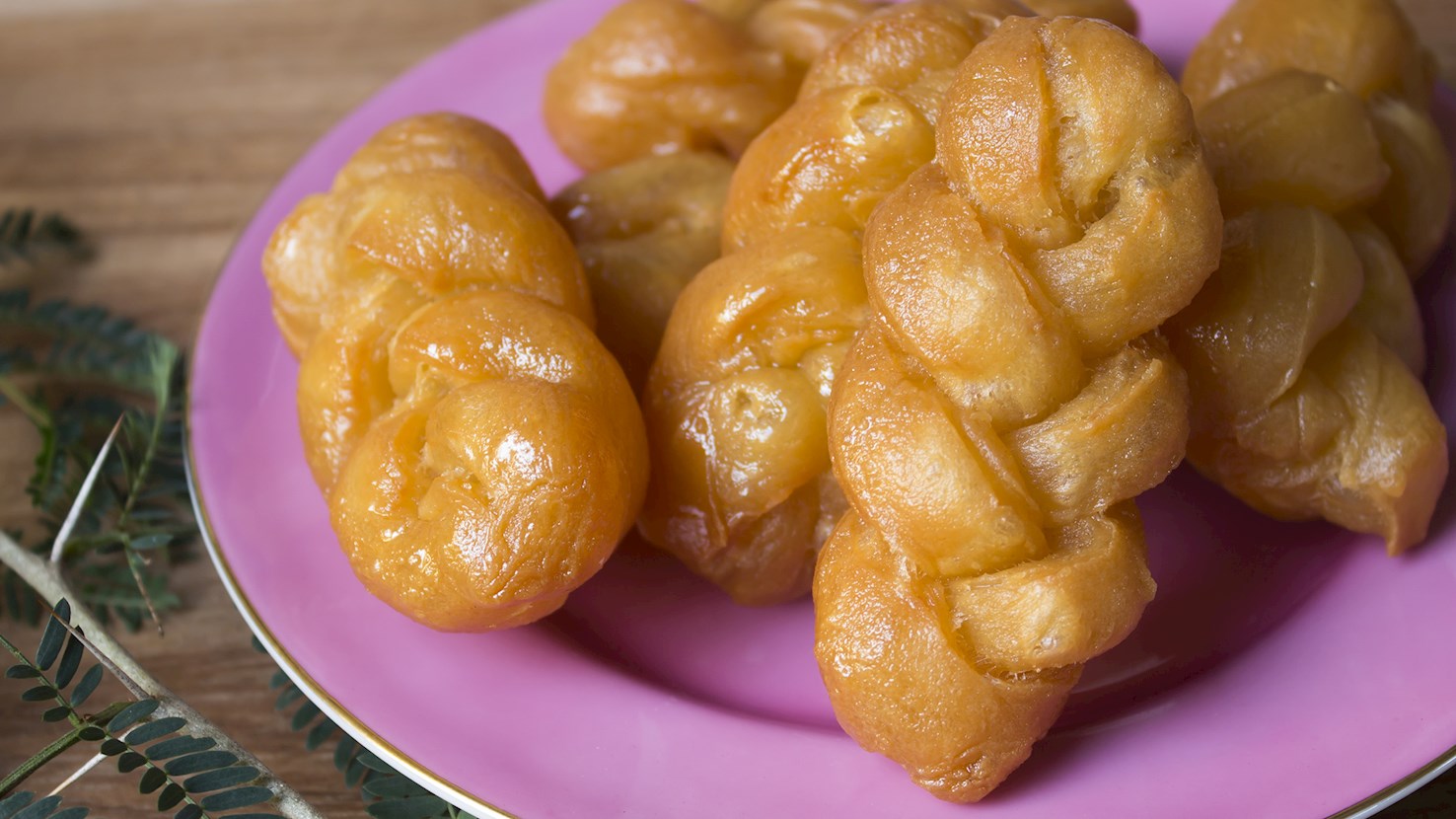
Koeksister is a sweet South African snack with a sticky appearance. It is prepared by frying braided dough strips in oil, then dunking them into a cold sugary syrup. These sticky treats are sold on every major street in South Africa, and today they can even be found in most supermarkets. It is recommended to top them with cinnamon or lemon juice before consumption.
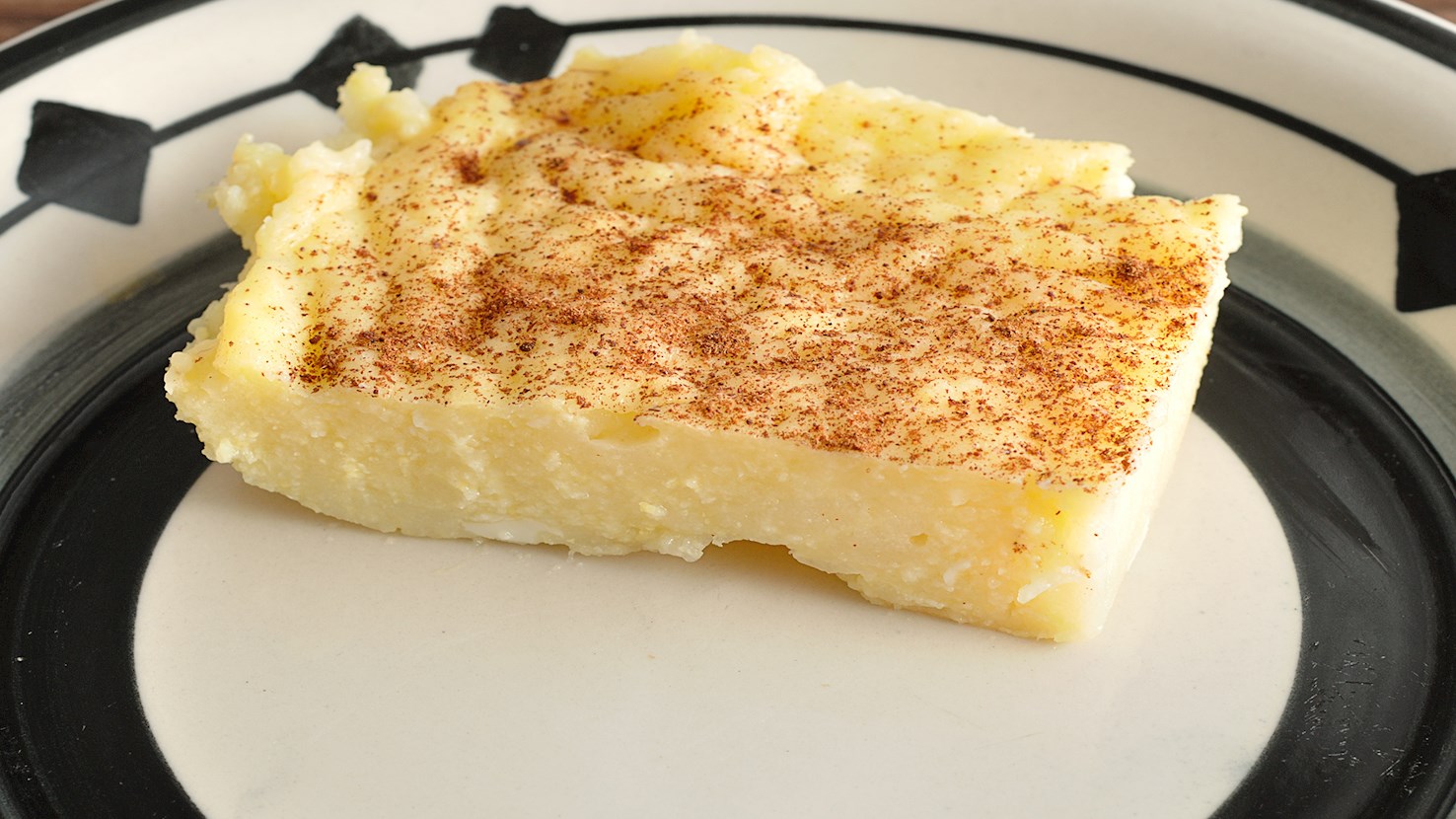
Melktert is a sweet milk tart with a pastry crust, a smooth custard filling made primarily from milk, sugar, eggs, and flour or cornstarch, and a generous dusting of ground cinnamon. Its Afrikaans name means “milk tart.” The filling contains a relatively high proportion of milk to egg, giving it a lighter texture and a more pronounced dairy flavor than many egg-rich custard tarts. Depending on the recipe, the center may be softly set and slightly wobbly or firm enough to hold a clean slice. Melktert is closely associated with the Cape and is generally traced to the culinary culture that developed after the Dutch East India Company established its refreshment station at the Cape of Good Hope in 1652. Dairy farming expanded as the settlement grew, making fresh milk, butter, and eggs increasingly accessible. Recipes brought from Europe were gradually adapted through local agriculture, colonial trade, migration, enslavement, and exchange between several communities. Historical research therefore treats melktert as a dessert with multiple roots rather than the product of one inventor or one isolated culinary lineage. The tart is often described as a descendant of mattentaart, a Flemish pastry filled with sweetened milk curds. Cinnamon became one of melktart’s defining flavors. The Cape occupied a central position in the Dutch East India Company’s maritime network, through which spices from Asia moved into local kitchens. Cape Muslim culinary influence also helped establish aromatic versions containing cinnamon, cardamom, naartjie peel, bitter almonds, peach or apricot kernels, and other gentle flavorings. These additions did not necessarily appear simultaneously, and the idea that Indonesian cinnamon alone transformed mattentaart into melktert is too simple. Melktert now comes in two broad forms. In one, the milk filling is poured into pastry and baked until set. In the other, the custard is thickened on the stovetop and transferred to a fully baked shell, then chilled. Both are well established. The baked form is often lighter and more delicate, while the stovetop-set form tends to be smoother, creamier, and easier to slice neatly. A sweet shortcrust shell begins with cold unsalted butter worked into wheat flour and sugar until the mixture resembles coarse crumbs. Egg binds it into a cohesive dough. A small amount of cold water may be added if needed, but excessive liquid or handling can make the crust tough. The dough is chilled, rolled or pressed into a shallow round tart tin, and trimmed along the rim. It is then lined with baking paper and filled with ceramic weights or dried beans. Blind baking sets the walls and base before the moist custard is added. The weights are removed near the end so the base can dry and develop a light golden color. A shell that remains pale and damp is likely to soften rapidly beneath the filling. The filling usually starts with whole milk heated gently with one or more cinnamon sticks. The milk may also be infused with vanilla, cardamom, naartjie peel, lemon rind, peach leaves, or a few apricot or peach kernels. The milk should become hot and fragrant, but a violent boil is unnecessary and increases the risk of scorching or overflowing. Egg yolks or whole eggs are whisked separately with white sugar and flour, cornstarch, or a mixture of both. Cornstarch gives a smooth, cleanly set filling, while flour can produce a softer, more pudding-like body. A portion of the hot milk is gradually whisked into the egg mixture to raise its temperature without curdling it. The tempered mixture is returned to the remaining milk and heated gently while being stirred continuously. It thickens as the starch absorbs liquid and the egg proteins set. The finished custard should be smooth enough to pour but thick enough to coat a spoon. It should not be boiled aggressively until severely dense, since excessive heat can produce lumps, an eggy flavor, or a rubbery final texture. Some recipes separate the eggs and fold stiffly beaten whites into the warm custard. The trapped air gives the filling a lighter, almost soufflé-like quality. Other versions use whole eggs or yolks without whipped whites, especially when the custard is thickened before being placed in the crust. For a stovetop-set melktert, the hot custard is poured into the fully baked pastry shell and smoothed across the surface. For a baked version, a more fluid filling is poured into a raw or partly baked shell before the tart returns to the oven. The heat must remain moderate so the center sets gradually without curdling, cracking, or becoming dry. The finished tart needs time to cool and stabilize. A stovetop-set version is left briefly at room temperature and then refrigerated for several hours, often overnight. A baked version can also benefit from chilling, although it may be served slightly warm or at room temperature. The filling should become sliceable but not form a rigid block. Its texture is usually soft, creamy, and tender. Ground cinnamon is scattered over the pale surface once the filling has set or shortly before serving. The coating may range from a light veil to a dense brown layer that almost completely covers the custard. Cinnamon can also be infused into the milk, giving the filling a warmer flavor beneath the powdered surface. A crustless melktert omits the pastry entirely. The milk mixture is thickened or baked directly in a buttered tart plate, where flour or cornstarch helps it hold its shape. Some versions form a faintly firmer layer around the edges while remaining soft in the center. It resembles a baked milk pudding more than a pastry tart and requires less work, but it retains the characteristic milk-and-cinnamon profile. Crustless versions have a long recorded history rather than being solely a recent shortcut. Puff pastry is another common base. It creates thin, crisp, buttery layers around the soft filling and produces a sharper textural contrast than shortcrust. The pastry may be blind baked first or filled and baked with the custard, depending on the formula. Careful baking is needed so the center of the base does not remain wet beneath the milk filling. Modern versions also use crushed Tennis biscuits, digestive biscuits, or similar sweet biscuits mixed with melted butter. This produces a crumb crust that requires little or no baking. It is especially common with chilled, stovetop-set fillings, although it creates a distinctly different texture from shortcrust or puff pastry. Citrus is one of the most established flavor variations. Long strips of naartjie peel can be infused in the hot milk and removed before the custard is thickened. Lemon or mandarin peel provides a similar effect, adding fragrance and mild bitterness without turning the tart sharply acidic. Fresh zest may also be used in small amounts. Almond extract gives the filling a more concentrated marzipan-like aroma. Older recipes sometimes achieved a related flavor by heating the milk with peach or apricot kernels, bitter almonds, or blanched almonds. Almond extract should be used sparingly, since an excessive quantity can overwhelm the milk and cinnamon. Vanilla is often added alongside it to soften the flavor. Other variations add cardamom, nutmeg, coconut milk, sweet wine, lemon rind, or fresh fruit. Contemporary forms also reinterpret the flavor in cakes, doughnuts, trifles, ice cream, liqueurs, and hybrid puddings. These adaptations extend the milk-cinnamon profile beyond the tart without changing the identity of the original pastry. Once thoroughly set, melktert is cut into wedges with a sharp knife. Cleaning the blade between cuts helps preserve the smooth custard surface and prevents cinnamon and pastry crumbs from marking each slice. The tart can be served cold, at room temperature, or slightly warm, though the chilled version gives the neatest wedges.
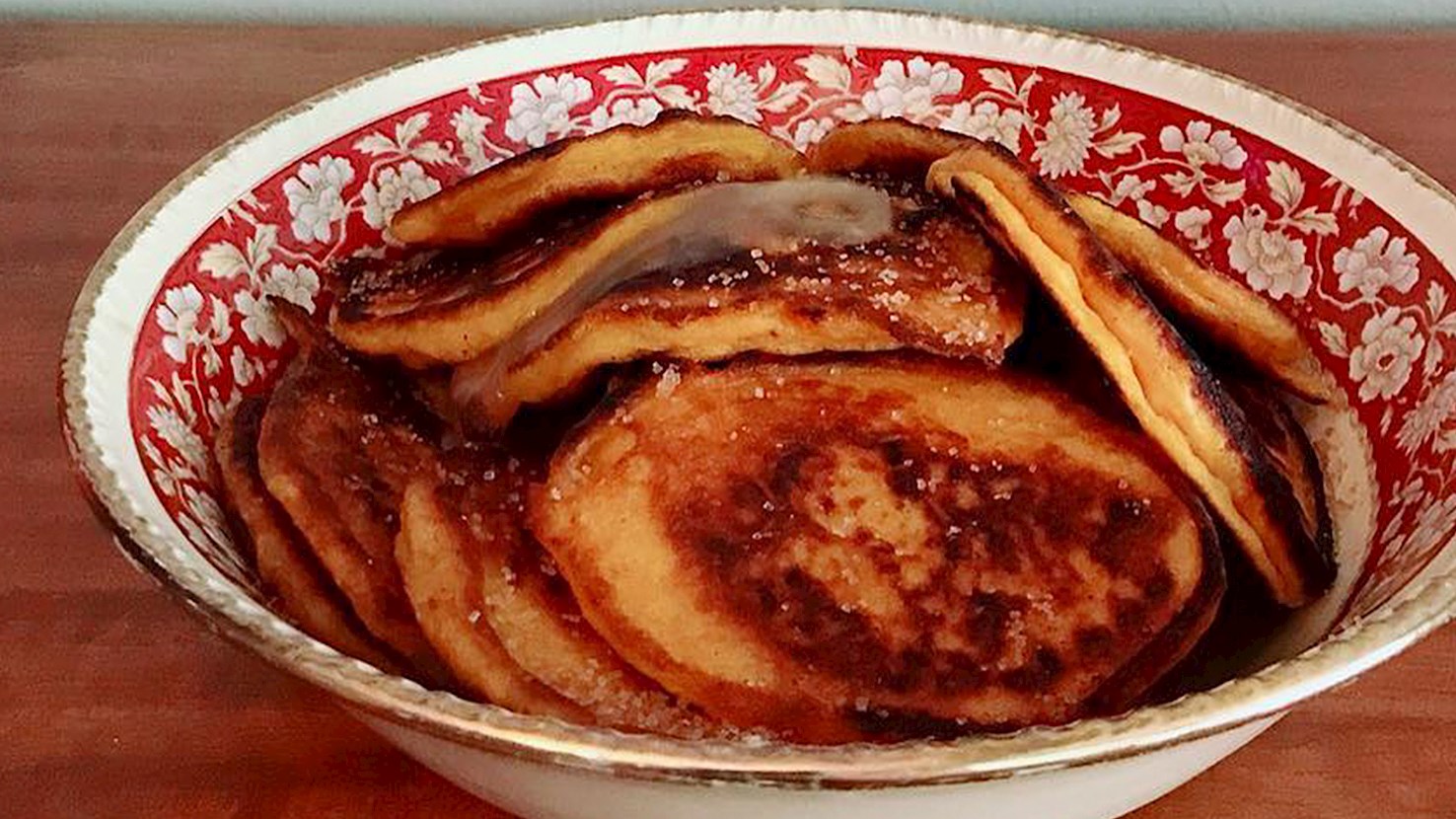
Pampoenkoekies are sweet pumpkin fritters made from mashed pumpkin, flour, eggs, and a raising agent, then pan-fried until golden. They have lightly crisp edges and a soft, moist, almost spongy center. The hot fritters are commonly covered with cinnamon sugar, soaked in a buttery caramel sauce, or served with both. The Afrikaans name translates literally as “pumpkin cakes,” although their texture and method place them closer to fritters or small pancakes. Pampoenkoekies are closely associated with South Africa, especially Afrikaner and Cape home food. Historical research into Cape food confirms that pumpkin became an established ingredient and that pampoenkoekies formed part of the developing Cape repertoire. Older menus could treat sweet pumpkin purée as a vegetable accompaniment while classifying baked pumpkin and pumpkin fritters as desserts, showing that pumpkin crossed freely between savory and sweet courses. The recognizable fritter most likely developed gradually from Cape methods of combining abundant squash with flour, eggs, fat, sugar, and warm spices rather than through one recorded act of invention. The fritters begin with cooked pumpkin. Peeled chunks can be boiled or steamed until completely tender, but they must be drained thoroughly afterward. Excess water produces a loose batter that spreads in the pan, absorbs more oil, and remains wet inside. Leaving the pumpkin in a sieve after boiling helps remove trapped moisture. Roasting is another effective method. It concentrates the pumpkin’s natural sweetness and produces a drier purée, reducing the amount of flour needed to hold the batter together. Whichever method is used, the flesh is mashed until smooth or left with a few small pieces for a slightly coarser texture. The mashed pumpkin is combined with plain wheat flour, baking powder, eggs, and salt. Sugar may be mixed directly into the batter, although some versions rely entirely on the final sauce or cinnamon coating for sweetness. Ground cinnamon and nutmeg are common additions. Vanilla, ginger, mixed spice, or a little citrus zest may also be included. Milk appears in many formulas to loosen the mixture, but it is not always necessary because the pumpkin and eggs may provide enough moisture. The exact flour quantity depends on the pumpkin. A watery purée requires more, while a dry roasted purée needs less. The batter should be thick and scoopable, holding a rounded shape on a spoon before dropping slowly. It should not resemble a rigid bread dough, but it should also not run across the pan like a thin crêpe batter. Overmixing can develop too much gluten and make the fritters heavy, so the flour is folded in only until no dry streaks remain. A wide frying pan is heated over medium heat with sunflower oil, butter, or a combination of the two. Butter contributes flavor and browning but can burn if used alone over excessive heat. Oil raises the effective frying temperature, while a small amount of butter provides a richer aroma. Spoonfuls of batter are dropped into the hot fat with enough space between them to expand. The baking powder releases gas as the batter heats, giving the fritters their soft, aerated interior. They are generally shaped as small rounds or thick, irregular discs rather than perfect spheres. The fritters usually need about two to three minutes on each side, although thickness and oil temperature determine the actual time. The exterior should become deep golden brown, while the center should be fully set and fluffy rather than wet. If the fat is too hot, the outside darkens before the middle sets. If it is too cool, the batter absorbs excess oil and becomes heavy. The first fritter can be broken open to check the center. A wet line of batter indicates that the heat should be lowered and the frying time extended. Once ready, the fritters are lifted from the pan and placed briefly on paper towels or a wire rack to remove surface oil. Butternut squash is a common substitute for standard orange pumpkin. Its flesh is generally dense, smooth, and sweet, producing a thick purée and a particularly soft interior. Depending on the variety, it may also require less draining and less added sugar. Canned pumpkin purée can be used where available, provided it contains no added spices or sweeteners. Savory adaptations omit the sugar and cinnamon and add grated mature cheddar, black pepper, chopped parsley, chives, thyme, or other fresh herbs. Onion, garlic, chili, or crumbled feta may also be included. These retain the pumpkin-fritter structure but move away from the defining sweet pampoenkoekies profile. Sweetcorn kernels can be folded into either the sweet or savory batter. They add small bursts of sweetness and a firmer bite against the soft pumpkin center. In a savory version, sweetcorn works particularly well with cheese, spring onion, chili, or fresh herbs. The simplest finish is cinnamon sugar. White granulated or caster sugar is mixed with finely ground cinnamon, and the hot fritters are tossed in it or dusted generously on both sides. The warmth melts a small amount of sugar against the oily surface, creating a thin, slightly crisp coating. A richer version uses caramel sauce. The original description of sugar, butter, water, and vanilla produces a clear or amber syrup if the sugar is heated correctly. Other established versions combine sugar with butter, cream, milk, golden syrup, vanilla, or a little cornstarch. These sauces are often pale, creamy, and buttery rather than deeply caramelized and dark. The hot sauce is poured over the fritters in a deep ceramic or enamel serving dish. Their porous crust absorbs some of the liquid while the remaining sauce pools beneath them. They can be served immediately for a contrast between crisp edges and warm sauce or left briefly so that they become softer and more thoroughly saturated. Cinnamon sugar and caramel sauce may also be combined. The sauce is poured over first, followed by a light scattering of cinnamon sugar. Adding too much dry sugar after soaking can make the surface excessively sweet and grainy, so the final coating is usually lighter when both are used. Pampoenkoekies occupy an unusual place at the table because they can function as either a dessert or a sweet side. Served after a meal, they pair naturally with black coffee or tea. Alongside roast chicken, beef, lamb, bobotie, or another deeply savory main course, their pumpkin sweetness and cinnamon provide contrast to meat, gravy, salt, and spice. They are especially associated with Sunday lunches, family gatherings, and colder-weather meals. They are best served warm and soon after frying. Unsauced leftovers can be refrigerated and reheated in an oven or air fryer, although the exterior will not be quite as crisp as when fresh. Fritters already soaked in sauce become softer during storage. Freezing is possible, but it can weaken their light texture and cause the pumpkin center to release moisture after thawing.
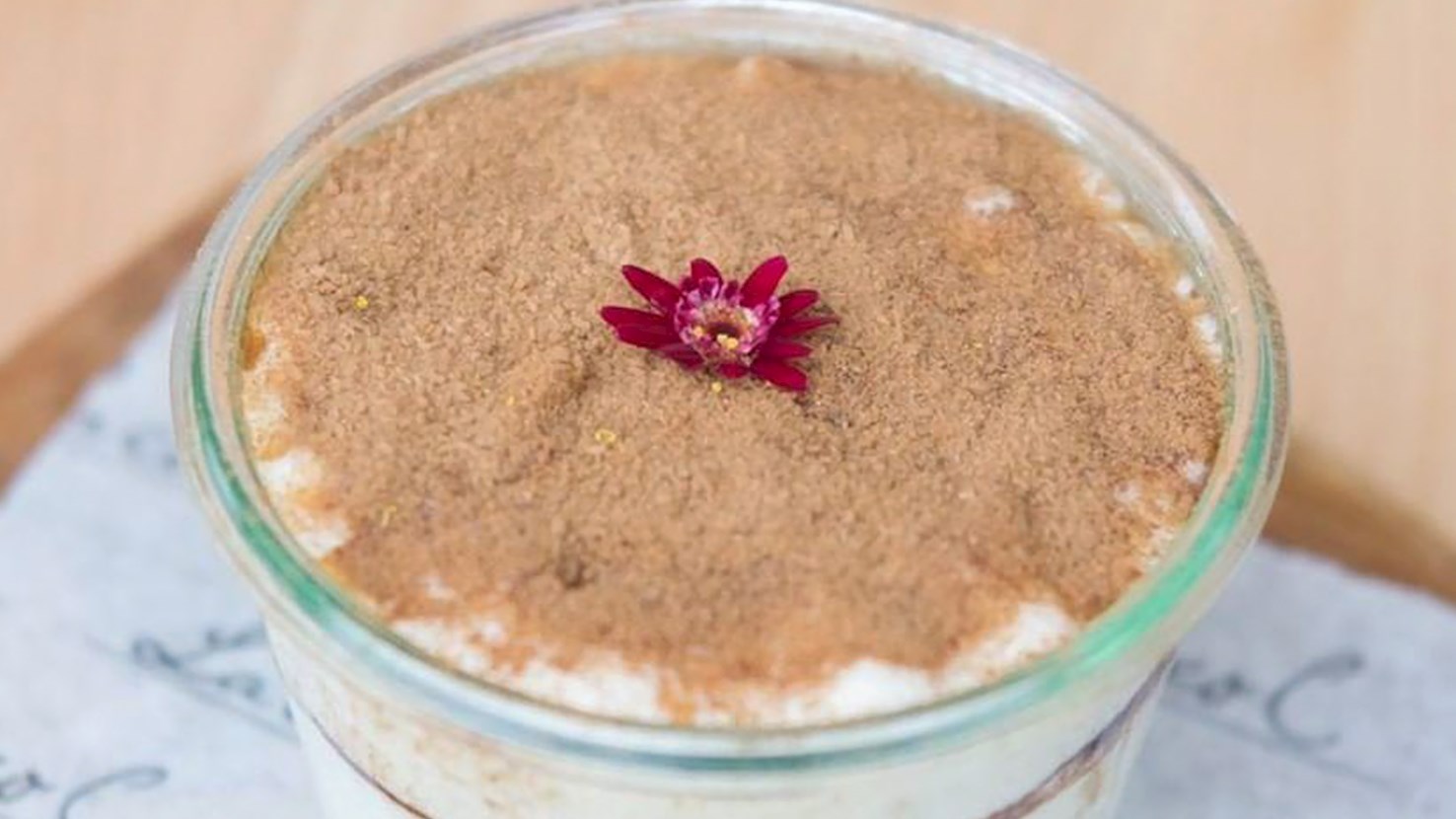
Melkkos is a warm, milk-based meal thickened with buttery flour crumbs, strips of fresh dough, sago, or pasta and finished with cinnamon sugar. Its name means “milk food” in Afrikaans. Depending on the version, it can resemble a thick porridge, a loose pudding, or noodles suspended in sweetened milk. Melkkos is strongly associated with Afrikaner food culture and the farming communities of the Cape interior. It is often linked with Dutch settlement at the Cape after the Dutch East India Company established a refreshment station there in 1652. Still, there is no surviving evidence that fixes its creation to that year or proves that it descended directly from one specific European recipe. European milk porridges, sweetened milk soups, flour-thickened broths, and noodle puddings provide likely historical precedents. The old Dutch term melkspijs, meaning milk-based food, belongs to this broader culinary background. Similar combinations of milk, starch, sugar, and spices also occur in Cape Malay boeber and several European and Asian milk puddings. Melkkos therefore developed within a wider Cape food culture shaped by European, Asian, and local influences rather than through one simple line of descent. The ingredients suited rural households because milk, flour, butter, sugar, salt, and cinnamon could be stored or obtained with relative ease. Dairy farming made fresh milk readily available, while flour supplied inexpensive starch and body. A large pot could provide a filling supper during cold weather without requiring meat or an extensive collection of ingredients. The claim that melkkos was created specifically to stretch small wheat supplies during inland migration is plausible but not firmly documented. It was economical and filling, yet the amount of flour used in the crumb version is relatively modest compared with the large volume of milk. Its main advantage was turning basic pantry ingredients into a warm, substantial meal. One of the best-known forms is made with coarse flour-and-butter crumbs called frummels. Cold butter is rubbed into plain wheat flour with a pinch of salt until uneven pieces form. The texture should resemble coarse crumbs rather than a smooth dough. Some pieces remain very small, while others form larger lumps that retain a soft, slightly chewy center after simmering. Whole milk is heated in a heavy saucepan with a cinnamon stick. Sugar can be added to the milk during heating or supplied entirely at the table. Vanilla, lemon peel, orange peel, or a small amount of nutmeg may also be used, although cinnamon remains the defining flavor. The milk should be brought to a gentle simmer rather than an uncontrolled rolling boil. Milk catches easily on the base of a hot pot and can rise suddenly over the rim. Regular stirring with a wooden spoon or whisk keeps it moving and reduces the risk of scorching. The flour crumbs are scattered gradually into the hot milk rather than dropped in as one compact mass. Gentle stirring keeps them separated while allowing some small fragments to dissolve into the liquid. The flour starch swells and thickens the milk, while the larger buttery pieces remain visible. The mixture usually simmers for about ten to twenty minutes, depending on the size of the crumbs and the desired consistency. Constant aggressive whisking is unnecessary and can break every lump apart, producing an entirely smooth result. Some versions are deliberately whisked until creamy, while others retain the irregular flour pieces that define frummel-style melkkos. A second major form is melksnysels, often shortened to snysels. Instead of rubbing flour and butter into crumbs, flour is mixed with egg, water, salt, and sometimes butter to make a firm dough. The dough is kneaded briefly, rolled into a thin sheet, and sliced into narrow ribbons resembling handmade noodles. The raw strips are lowered into simmering milk and heated until tender. Their starch thickens the surrounding liquid while the ribbons remain distinct. Some versions dry the strips briefly before boiling, while others add them immediately after cutting. The result is less crumbly than frummel melkkos and has a more pronounced noodle-like texture. Sago melkkos replaces the wheat crumbs or dough strips with small sago pearls. The pearls are simmered in milk until swollen and nearly translucent. They need enough time and liquid to soften completely, but they do not always require longer cooking than handmade dough. Soaking them beforehand can shorten the simmering time. Sago gives the milk a glossy, softly gelatinous body rather than the floury thickness of the crumb version. Cinnamon sticks, sugar, vanilla, and citrus peel are particularly well suited to it. Cornstarch may be added if a firmer texture is desired. A further variation uses macaroni, vermicelli, or another small dried pasta. The pasta is simmered directly in the milk or partly boiled in water before being transferred to it. Cooking it entirely in milk releases starch into the liquid, but the heat must remain low enough to prevent scorching before the pasta softens. Macaroni creates a heavier and more substantial form, while vermicelli produces finer strands closer to the texture of boeber. Cornstarch, flour, condensed milk, or custard powder may be added in modern versions to thicken or sweeten the surrounding milk. Pasta-based melkkos is established in household cooking but is not the only standard form. Melkkos is ladled into deep bowls while still hot. White or brown sugar is mixed with finely ground cinnamon and scattered generously across the surface. The sugar begins dissolving against the warm milk, forming a lightly spiced syrup around the flour crumbs, noodles, sago, or pasta. A small piece of butter may be placed in the center, where it melts into the hot porridge and adds further richness. This is an optional household variation rather than an essential final step. Additional milk can be poured over an excessively thick serving, while condensed milk creates a sweeter, creamier finish. Melkkos is usually eaten with a soup spoon. It has long served as a simple lunch or evening meal, particularly during cold weather. It can also be offered for breakfast, as an afternoon sweet, or as a warm dessert. Melkkos is especially popular during the colder, winter days.
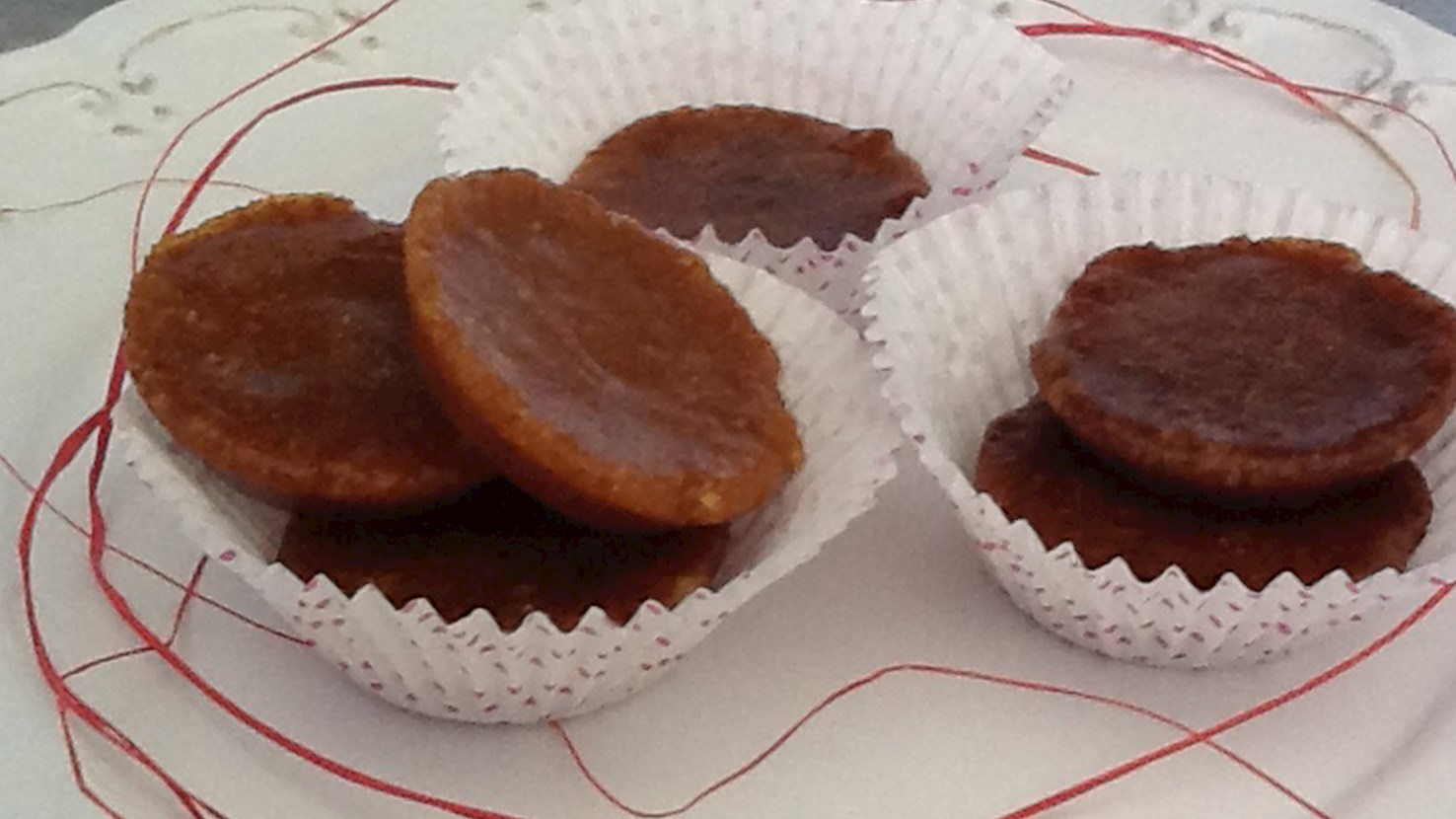
Tameletjie is a traditional toffee. It's made with a combination of brown sugar, water, butter, vanilla essence, and chopped walnuts, coconut, almonds, or pine nuts. The concoction is boiled until it becomes caramelized, and it's then left to rest and harden before being cut. This sweet is very popular within the Afrikaner and Malay cultures. Originally, the Malays used to sell tameletjie in Cape Town, so the sweet became well-known among the settlers. Due to its stickiness, tameletjie is also used as a term in South African publications and articles, denoting a sticky or tough situation.
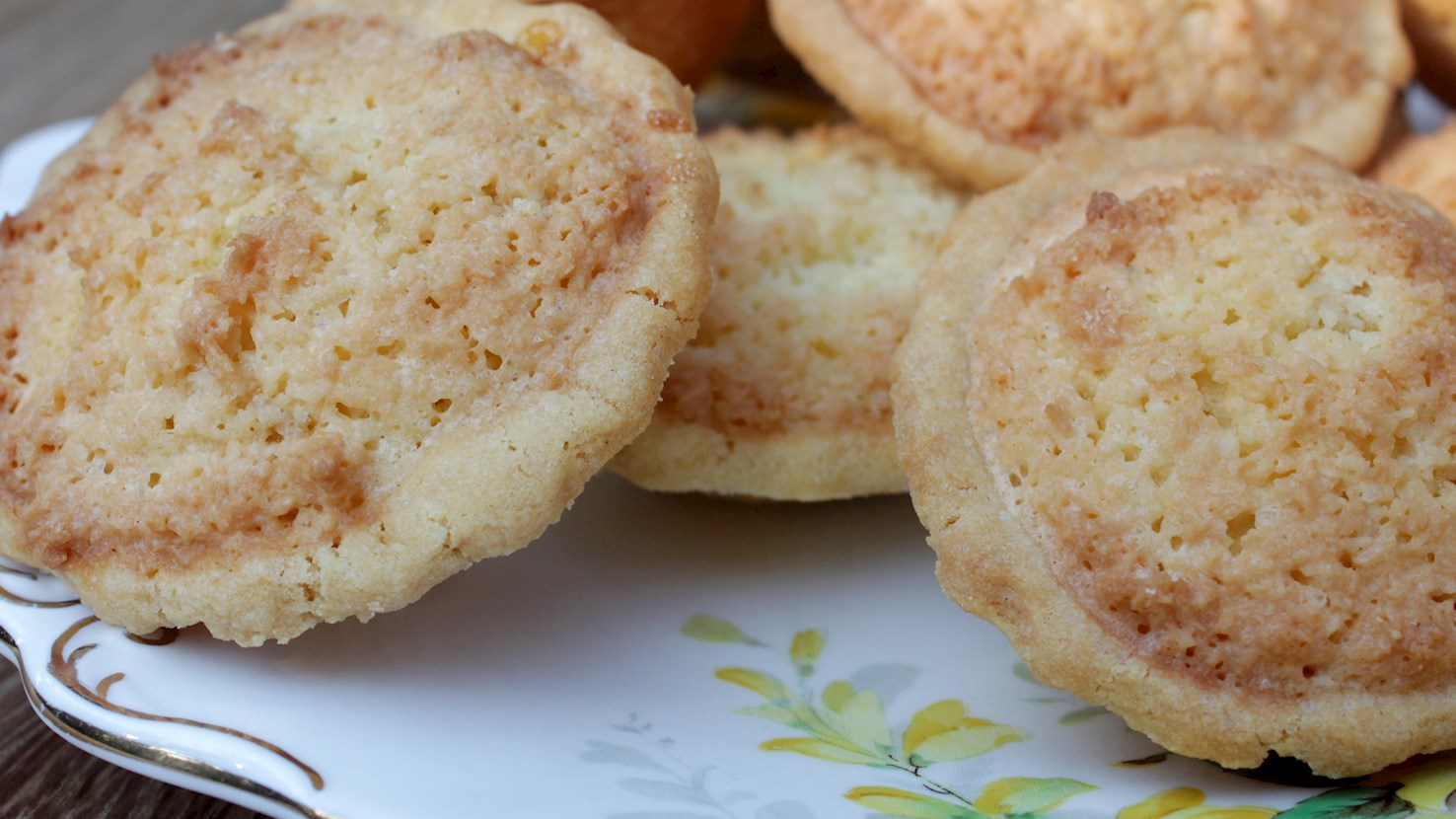
Hertzoggies are South African cookies consisting of light and puffy pastry tarts filled with apricot jam meringue. The crust is made with flour, baking powder, salt, sugar, nutmeg, butter, and egg yolks, while the filling contains apricot jam, sugar, beaten egg whites, and desiccated coconut. These delectable cookies are named after General J.B.M. Hertzog, who was Prime Minister of South Africa from 1924 to 1939. In the country, hertzoggies are usually served with a cup of English tea on the side.
A koe'sister is a spiced, yeast-risen doughnut coated in boiling sugar syrup and rolled in desiccated coconut, originating from the Cape Malay community in Cape Town. The confection developed within the Dutch Cape Colony during the seventeenth and eighteenth centuries, created by enslaved Southeast Asian artisans and laborers who adapted Dutch koekje (cake) and sustje (sweet roll) frying techniques by incorporating Indonesian and Malaysian spices like cinnamon, cardamom, ginger, aniseed, and dried tangerine peel (naartjie). Preparation involves combining flour, sugar, yeast, and ground spices in a bowl, stirring in warm milk, water, butter, and egg to yield a wet, sticky mixture that is brought together without formal kneading to preserve light air pockets, allowing the slack dough to rise until doubled, shaping small oval portions using oiled hands, deep-frying the portions in hot oil until dark brown, simmering the cooled fried rolls in a heavy sugar-water syrup infused with ginger or cinnamon, and immediately tossing the sticky pastries in fine desiccated coconut. What is unique to the Cape Malay koe'sister compared to the Afrikaner koeksister is its soft, sponge-like interior colored with aromatic botanicals and dusted with coconut, whereas the Afrikaner variant uses an unleavened, baking-powder-based dough that is firmly kneaded, shaped into a tight braid, deep-fried, and submerged cold to produce a crisp, syrup-soaked, glassy exterior. Koe'sisters are eaten across the Western Cape in family homes, local bakeries, and street stalls, most notably as an established Sunday morning breakfast staple, served warm directly after syrup-coating and eaten by hand, paired with strong black coffee, rooibos tea, spiced chai, or warm milk.
TasteAtlas food rankings are based on the ratings of the TasteAtlas audience, with a series of mechanisms that recognize real users and that ignore bot,
nationalist or local patriotic ratings, and give additional value to the ratings of users that the system recognizes as knowledgeable.
TasteAtlas Rankings should not be seen as the final global conclusion about food. Their purpose is to promote excellent local foods,
instill pride in traditional dishes, and arouse curiosity about dishes you haven’t tried.




What People Say