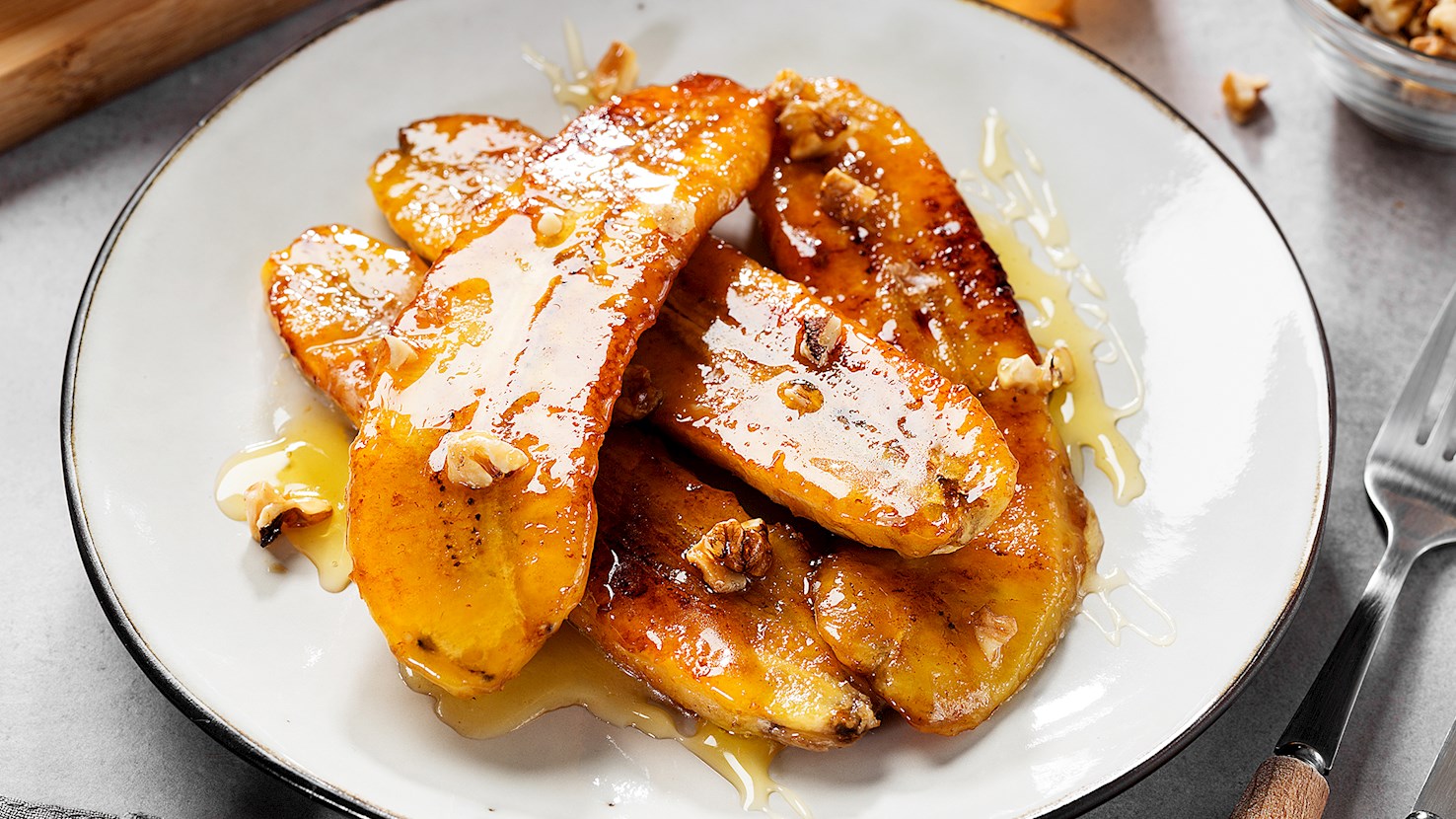
Bananas Foster is an iconic dessert created in New Orleans in 1951. It consists of bananas sautéed in a combination of rum, brown sugar, banana liqueur, butter, and spices. When the bananas are slightly tender and begin to brown, cooks set the alcohol on fire with the famous flambé technique. Bananas are usually served with a scoop or two of vanilla ice cream. Because the process is so visually attractive, the dessert is often prepared alongside tables in most restaurants. It was invented by Paul Blangé, a chef from the New Orleans restaurant called Brennan's. He named it in honor of Stephen Foster, a local businessman who used to frequent the restaurant. Since 1951, bananas Foster rose in popularity, and it is still one of the most popular items on Brennan's menu.
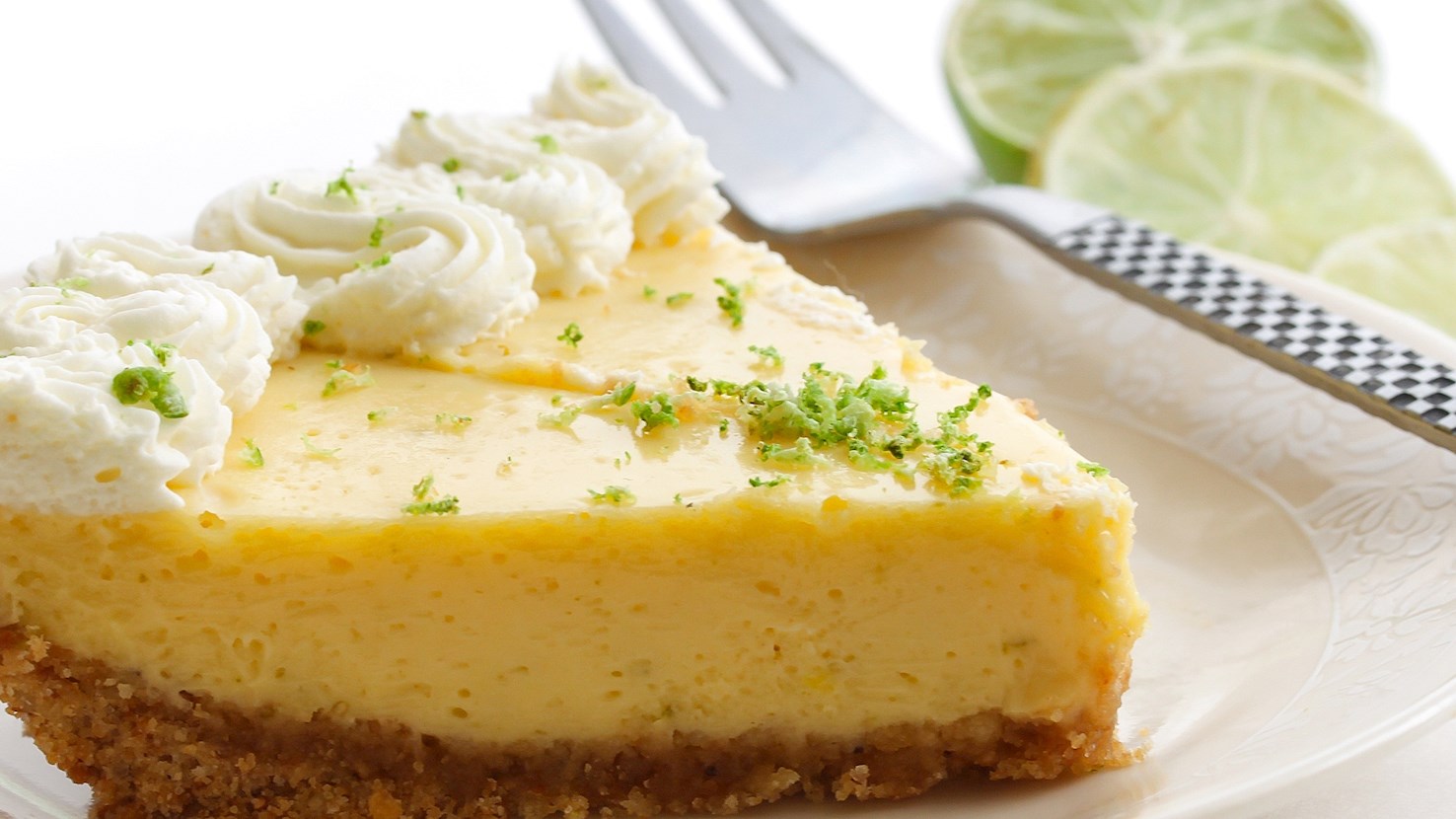
Key lime pie is a glass-green sweet and sour dessert originating from the Florida Keys. It consists of intensely aromatic Key lime juice, condensed milk, and eggs that are mixed together into a custard. The custard is poured into a buttery crust made from graham crackers and topped with sweet whipped cream. The spicy and acidic flavors of the limes provide a great contrast to sugar and sweet cream. Key lime, also known as citrus aurantifolia, Mexican lime, and West Indian lime is a fruit indigenous to Malaysia, and it has been connected to Florida since the 1830s when a botanist named Henry Perrine started planting them on Florida's Indian Key. Today, they are used in this traditional, refreshing pie that is even better when paired with light-bodied, crisp, and fruity white wines.
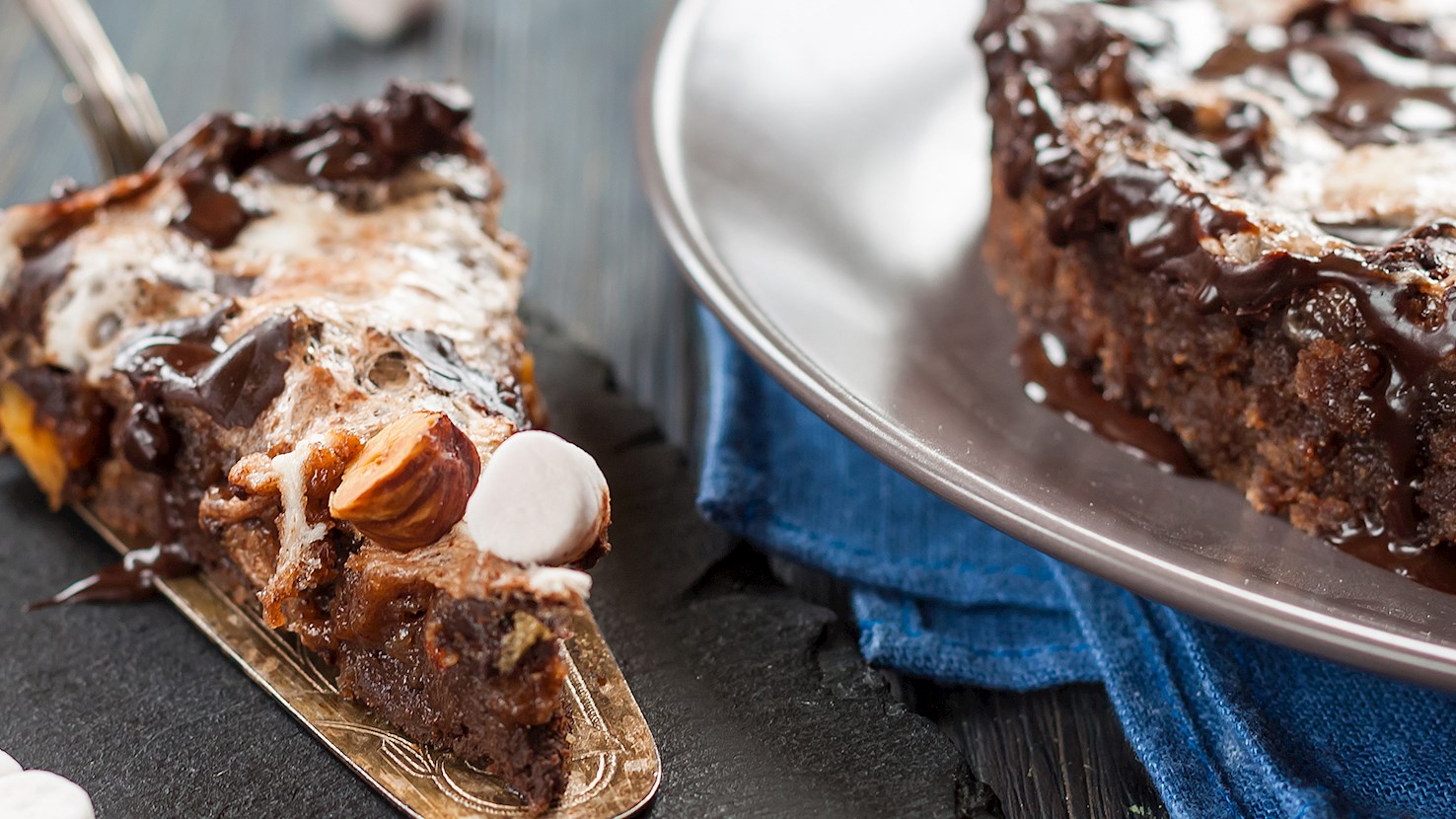
Mississippi mud pie is a flavorful American dessert consisting of a cookie crust filled with numerous variable ingredients such as biscuits, ice cream, pudding, whipped cream, liqueur, and marshmallows. The pie is usually prepared in layers and often topped with almonds, pecans, chocolate syrup, or marshmallows. The origins of the dessert are still murky, so some believe that the pie is an updated version of Mississippi mud cake from the 1970s, while others claim that the pie was invented much longer ago in the Vicksburg-Natchez region near Jackson.
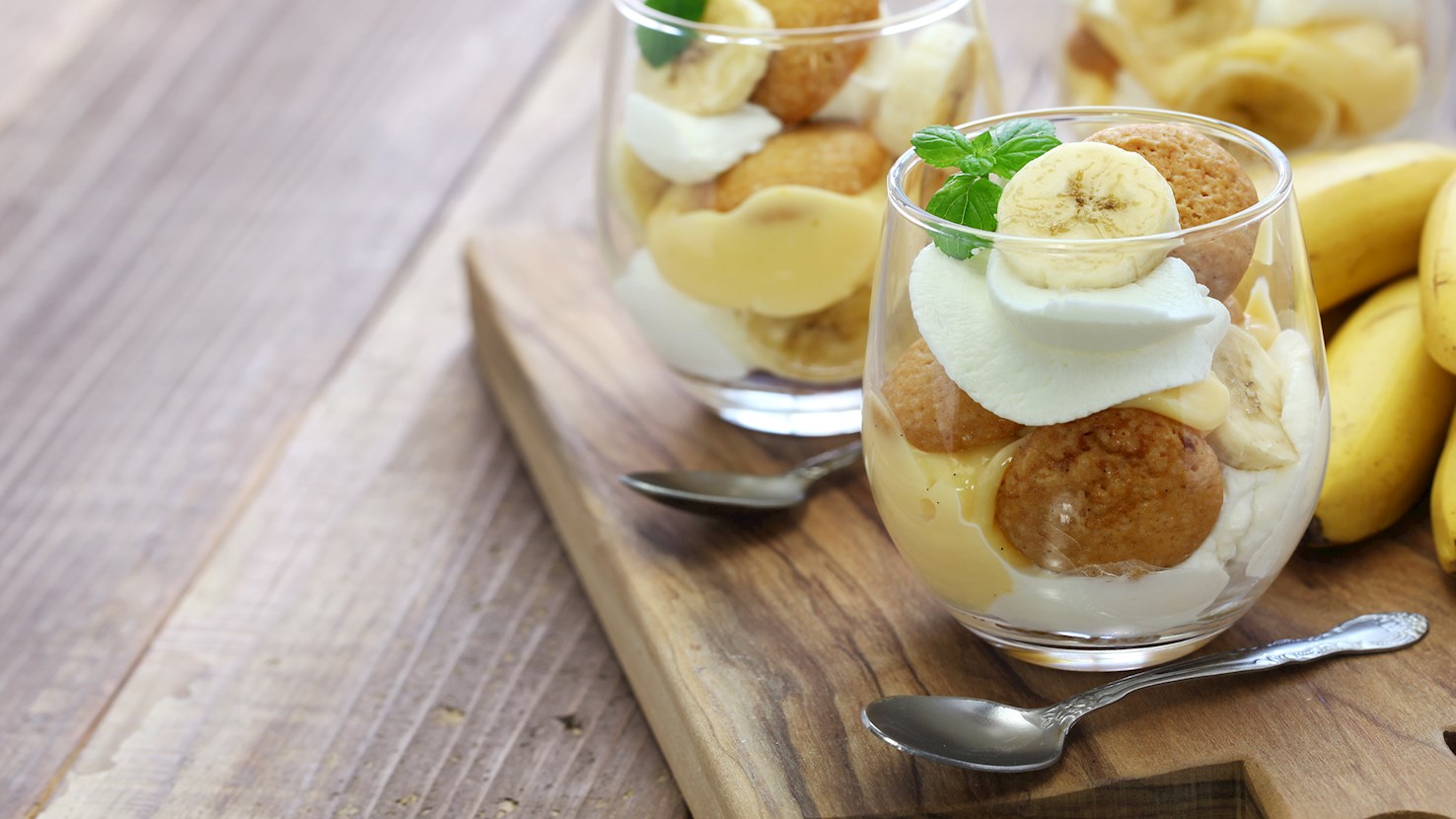
Banana pudding is a sweet treat originating from the Southern United States. It typically consists of layered vanilla custard, sliced bananas, and wafers or ladyfingers. The concoction is then topped with either meringue or whipped cream. This dessert became closely associated with the American South after WWII, when numerous banana pudding recipes started to get published in newspapers. Nowadays, there are many variations of this classic dessert that is often seen at church picnics and family gatherings.
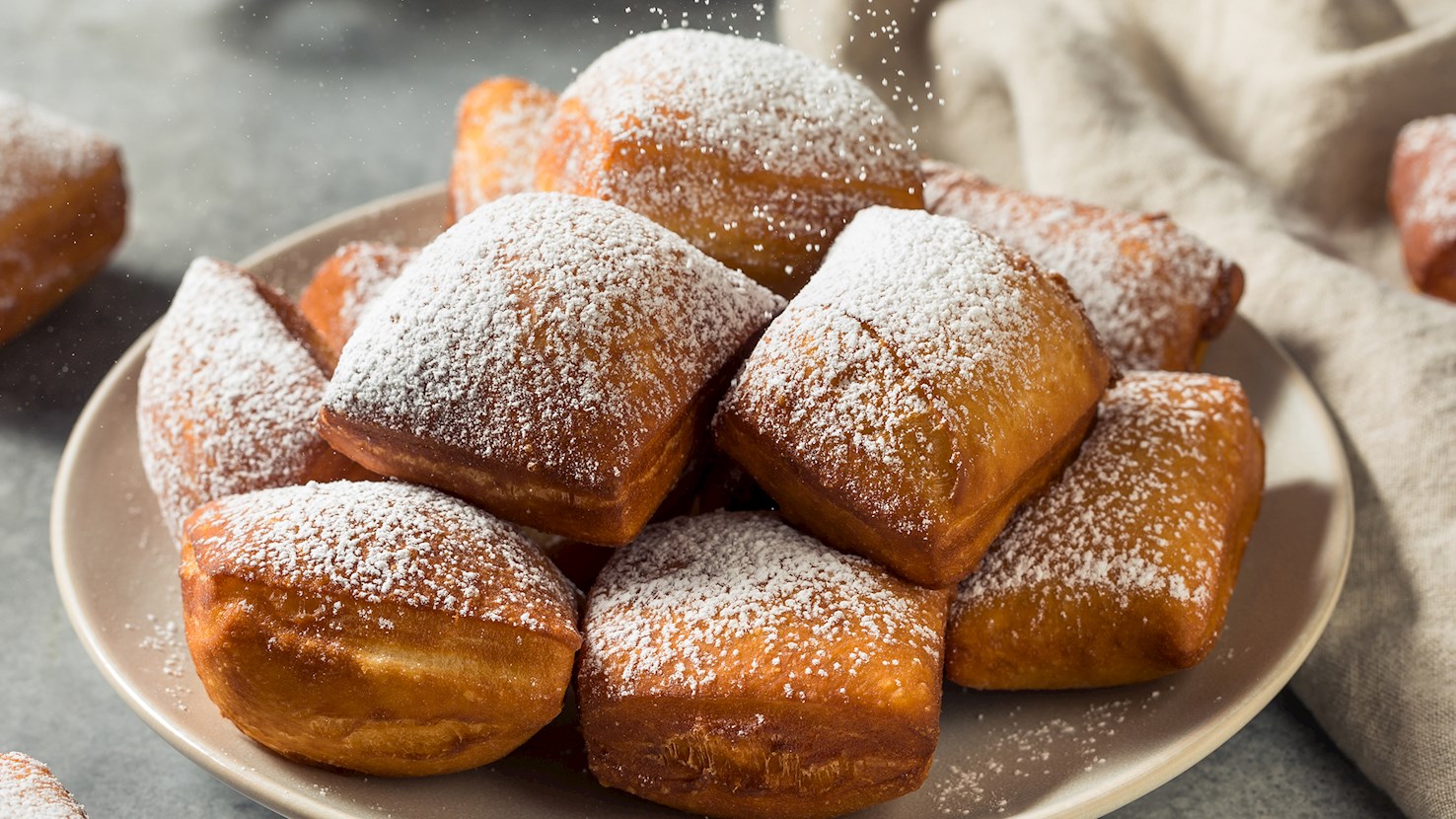
These squares of deep-fried pastry dough are sprinkled with powdered sugar and are traditionally served hot. The dish hails from France, and French settlers brought it to the Acadia region of Canada in the 17th century. Many of the Acadians later moved to Louisiana, and they brought their culinary traditions with them. Today, beignets are most commonly associated with the French Quarter of New Orleans, where they were declared the official state donut in 1986. These treats are typically served alongside chocolate milk or café au lait, a combination often served at the Cafe Du Monde - a New Orleans restaurant that is most often associated with beignets.
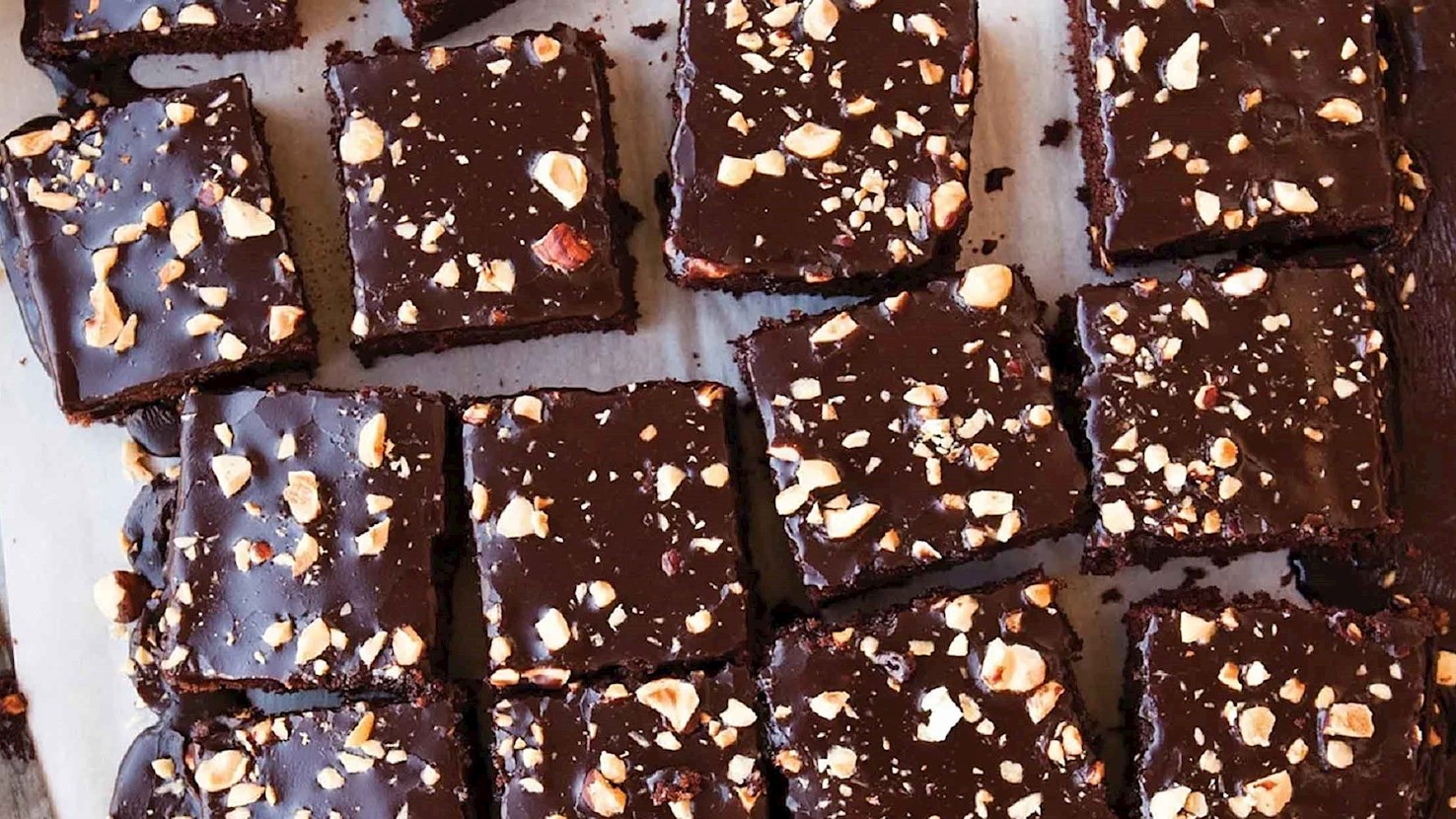
Texas sheet cake is a thin chocolate cake baked in a large, shallow rectangular pan and covered with poured chocolate icing, often studded with chopped pecans. The crumb is soft and moist, while the icing sets into a dense, sweet layer with a lightly firm surface. Its shallow proportions give each bite a substantial share of frosting without requiring a filling or stacked layers. Although its name suggests a clear geographical origin, the explanation remains unsettled: its generous size and use of pecans are often cited as reasons for the Texas association, but neither explains how the name arose. Similar shallow chocolate cakes circulated under several names during the twentieth century, including chocolate sheet brownies, Texas brownie cake, and “sheath cake.” A 1936 recipe for a large chocolate cake baked in a shallow pan appeared, and a 1967 sheath-cake recipe included pecans in the frosting. These precedents show that the format developed through overlapping home-baking recipes. Buttermilk appears in many versions, and sour cream also appears in published recipes by the 1970s. Much of the cake’s character comes from a method that begins on the stovetop. Butter, water, and unsweetened cocoa are heated together, then combined with flour and sugar. Heating the cocoa in liquid disperses it through the batter, avoiding dry pockets and producing an even chocolate color. Eggs provide structure, buttermilk adds moisture and acidity, and baking soda helps the batter rise. Vanilla is common, and some recipes include cinnamon, but the spice is optional and shouldn't be assumed from the name. Unlike a cake made by beating softened butter and sugar until fluffy, this batter generally requires stirring rather than prolonged aeration. It is fluid enough to spread readily across the pan. The pan’s dimensions directly affect the finished slice, and sizes cannot be exchanged casually without changing the cake’s depth and baking time, since a smaller, deeper pan produces a taller cake with a different crumb-to-icing balance. In its familiar shallow form, the cake bakes quickly, so leaving it in the oven too long can dry the edges before the baker expects it. The finished crumb should hold together when cut while remaining tender enough to yield easily to a fork. The icing is usually prepared as the cake finishes baking. Butter, cocoa, and milk are warmed in a saucepan, then mixed with confectioners’ sugar and vanilla. Chopped pecans are stirred in or scattered over the surface. The warm icing flows across the cake more readily than buttercream and needs only brief spreading to reach the corners. In the common hot-icing method, it is poured over the cake soon after the pan comes out of the oven. As both cool, the topping settles against the surface and firms enough to cut. Pecans add a crisp, slightly buttery contrast to the otherwise soft slice. Chopping them makes the cake easier to portion and distributes the nuts through the frosting, while toasting them beforehand gives a more pronounced roasted flavor. Nut-free versions retain the same basic chocolate cake and poured topping. The icing also varies: some adaptations use melted chocolate and cream for a smoother, richer finish and apply it after the cake cools. These produce a topping that differs somewhat from the cocoa-and-confectioners’-sugar mixture, even when the cake underneath has the same broad, shallow shape. Its practical serving format suits potlucks, family gatherings, and meals brought to bereaved households, where it is sometimes called funeral cake. The cake travels in its baking pan, needs no assembly at its destination, and can be divided into modest squares or larger dessert portions. Allowing the icing to set gives cleaner cuts, though a warm piece will have a softer topping. At the table, it is commonly served directly from the pan; a glass of cold milk provides a straightforward accompaniment to the sweet chocolate frosting.
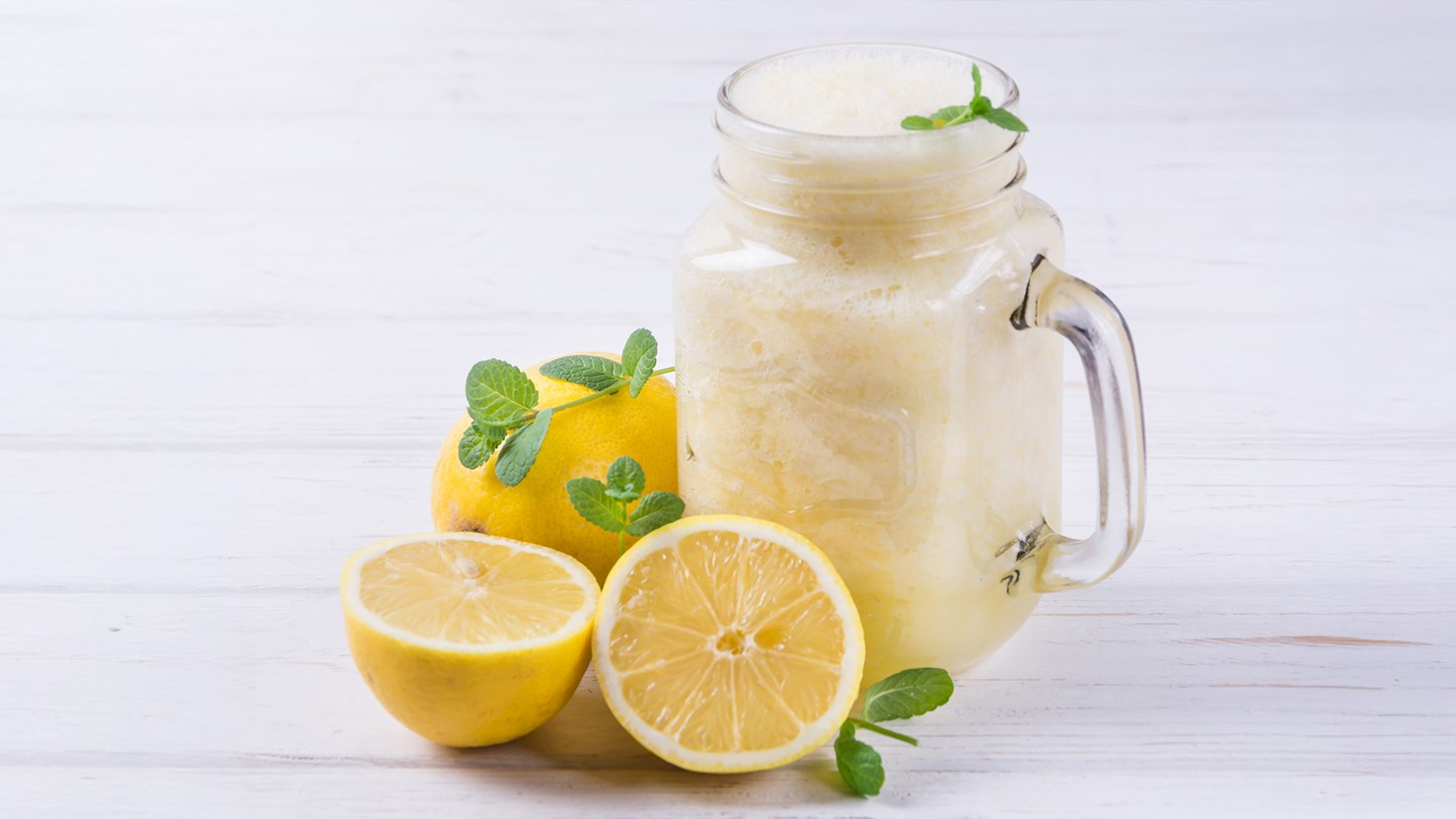
Frozen lemonade is a refreshingly tart and sweet frozen treat made by blending lemon juice, sugar, and water with ice until slushy, or by freezing a lemon-flavored mixture into a soft, icy consistency. It’s essentially a cross between a sorbet and a slushie, delivering the bold citrus kick of lemonade in an icy, spoonable or sippable form. Popular at fairs, boardwalks, and summer stands across the U.S., frozen lemonade is especially iconic in New England (think Del’s in Rhode Island) and parts of the South. It can be served in cups, scooped like Italian ice, or blended fresh to order. Some versions include real lemon zest or pulp for an extra burst of flavor, while others lean smoother and sweeter. Whether it's served from a food truck, in a paper cup at a baseball game, or scooped at home, frozen lemonade is a go-to summer classic—bright, chilly, and irresistibly nostalgic.
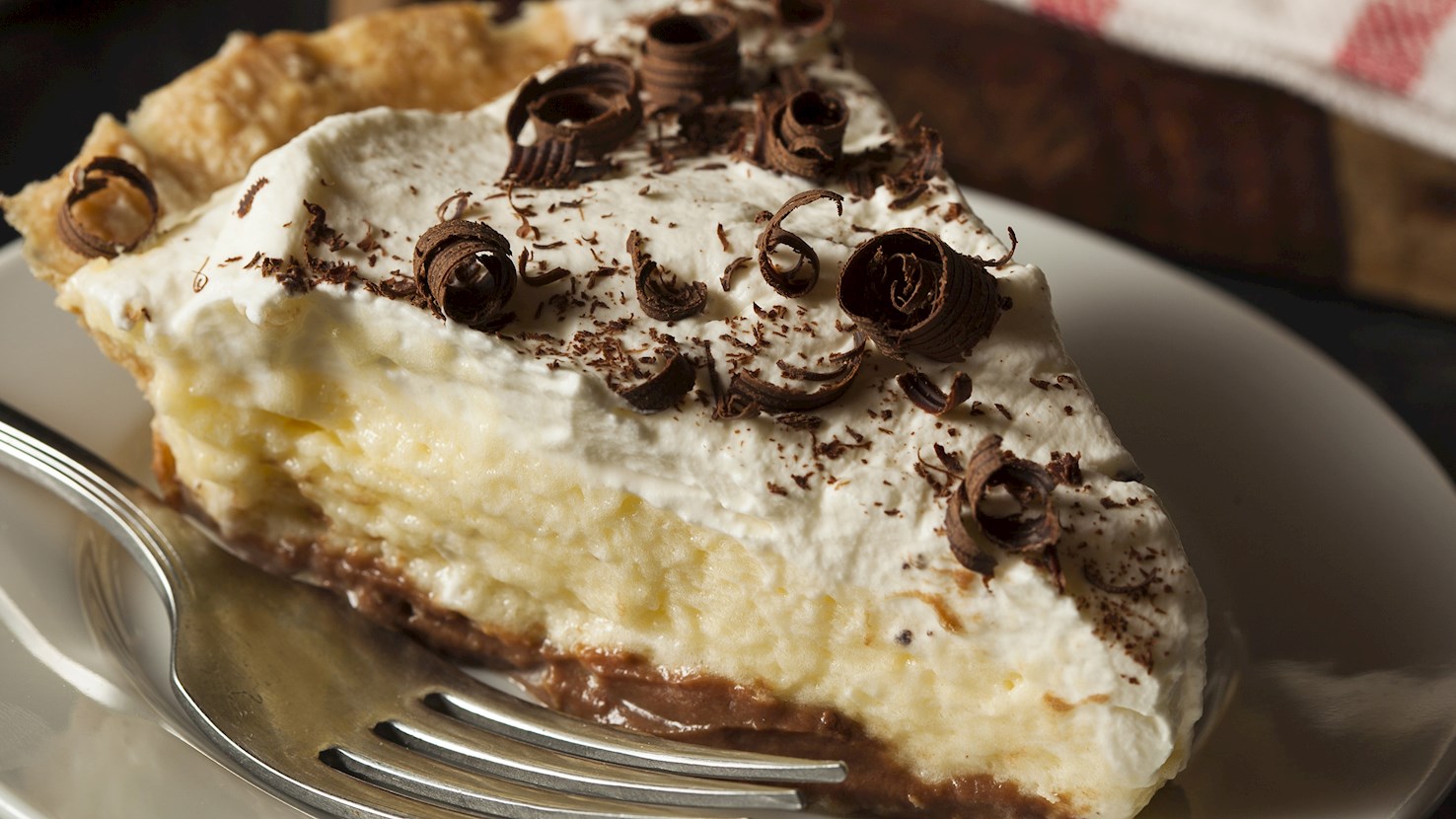
Originating in the early 1940s in the American South, black bottom pie is a sweet dessert consisting of a chocolate pastry cream that is flavored with rum and vanilla, and a crust made with butter, sugar, and crumbled cookies. The pie is typically topped with stiff meringue peaks or whipped cream, then garnished with chocolate shavings. When fully chilled, it can be served and consumed. Today, there are many version of this dessert with added coconut, lemon, strawberries, or bananas.
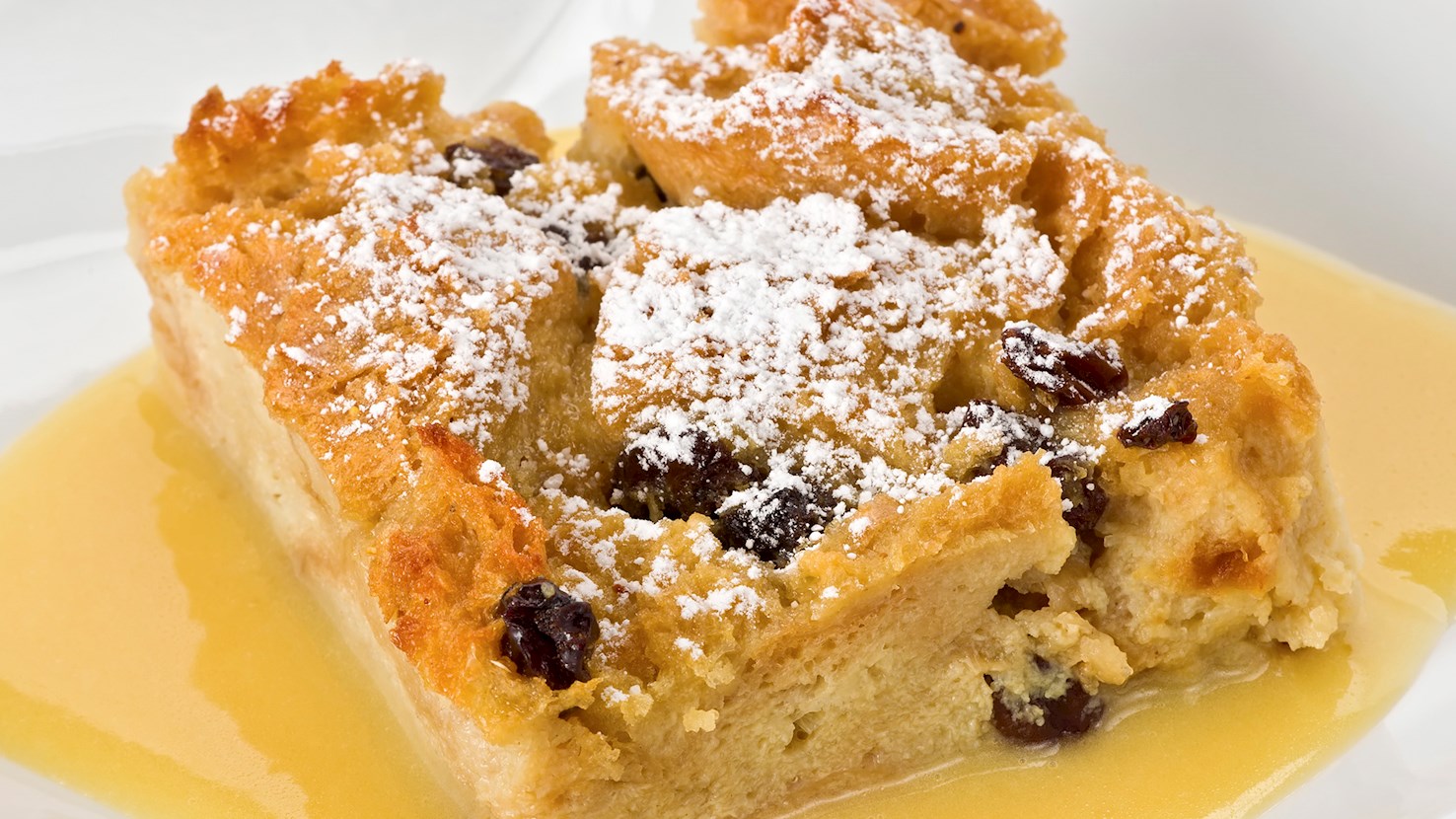
Bread pudding is an old dish that has been prepared since Medieval times in Europe and the Middle East. However, it is extremely beloved and defining in the cuisine of New Orleans. The dish consists of stale bread that is bathed in a combination of milk, sugar, eggs, nuts, and fruits, and is then baked into a delicious dessert. It can be consumed either hot as a pudding or cold as a cake. In the past, there was a practice of hollowing out a loaf which then acted as a container for a sweet dish. There are numerous variations of bread pudding, from Egypt and Turkey to India and Malaysia. The earliest bread and butter puddings in Britain were called white-pot, and were made with butter or marrow. Today, in New Orleans, local bread with a crispy crust and a light interior is combined with a sweet custard, resulting in a light, airy, and decadent dessert. The cooks are always making new variations of the dish in Louisiana, adding white chocolate, strawberry compotes, Creole cream cheese, and caramel sauce with brown sugar and rum. Comforting and hearty, bread pudding has even been called the gumbo of New Orleans desserts.
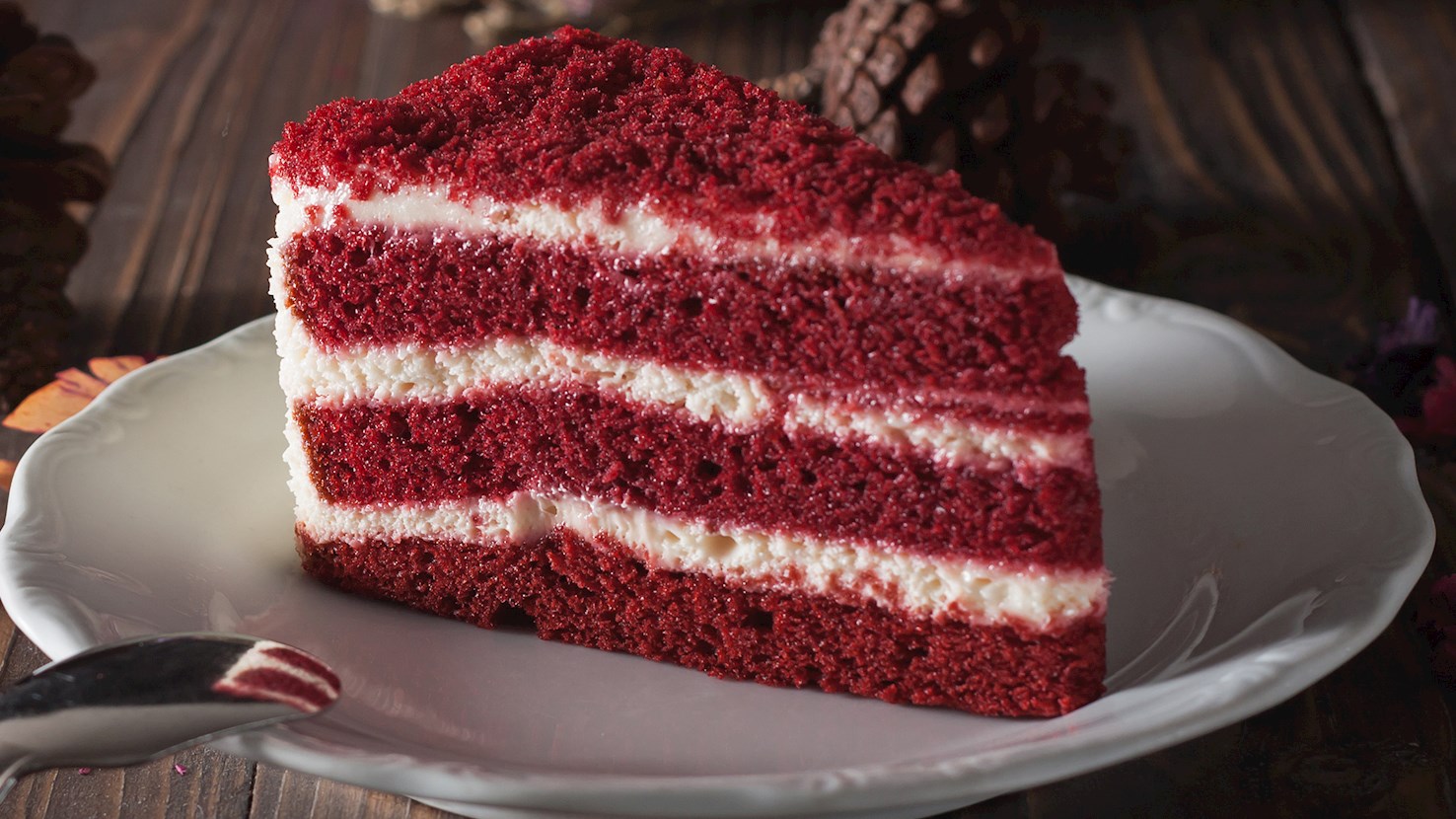
This American classic is traditionally made for Valentine’s Day and Christmas. Red velvet cake is typically covered in a French-style butter roux icing, though recently cream cheese frosting and buttercream have both been used as a simpler and tastier alternative. During World War II and the Depression, this moist cake got its vibrant coloring from boiled beets, but has since adapted into red food coloring courtesy of a Texan company called Adams Extract. The cake gets its light and fluffy texture from the reaction caused by mixing buttermilk and vinegar together in addition to eggs, sugar, butter, baking soda, flour, cocoa powder, and salt. Interestingly enough, even though this cake is a typical southern American dessert, a department store in Canada called Eaton's promoted it as an exclusive recipe, mistakenly fooling many people into believing it was created by the store's matriarch, Lady Eaton.
Burtree Puddings is a family-run dessert producer based in Darlington, known for its handmade, traditional British puddings. They use locally sourced ingredients and have won several awards for their products.
Burtree Puddings offers a range of desserts, including sticky toffee pudding and Christmas puddings.
TasteAtlas food rankings are based on the ratings of the TasteAtlas audience, with a series of mechanisms that recognize real users and that ignore bot,
nationalist or local patriotic ratings, and give additional value to the ratings of users that the system recognizes as knowledgeable.
For the “Top 46 Southern American Desserts” list until November 15, 2026, 3,275 ratings were recorded, of which 3,047 were recognized by the system as legitimate.
TasteAtlas Rankings should not be seen as the final global conclusion about food. Their purpose is to promote excellent local foods,
instill pride in traditional dishes, and arouse curiosity about dishes you haven’t tried.
The initial list of top producers was compiled based on available reviews, awards, local recommendations, media and blog coverage, and consumer reviews.
The list will be updated with ratings from TasteAtlas local ambassadors and TasteAtlas users.







What People Say