


shutterstock

Top 14 Sri Lankan Desserts

Last updated on July 15, 2026
01

Curd and treacle

3.9 ·

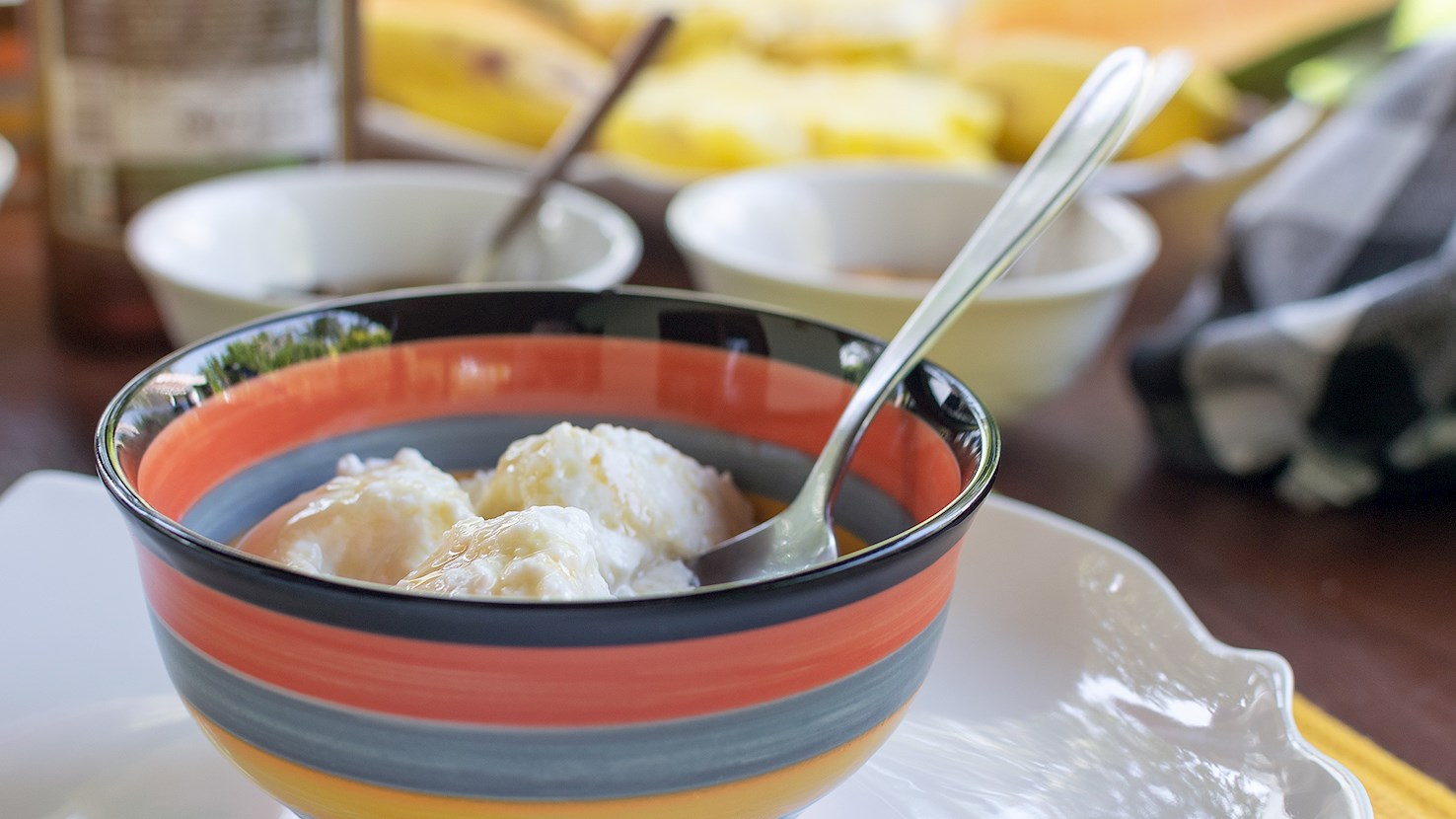
Curd and treacle is a popular Sri Lankan sweet treat that is mainly enjoyed for breakfast. The dish consists of a creamy curd (meekiri), mostly made from buffalo milk, which is drizzled with sweet treacle—in Sri Lanka known as kithul peni and traditionally made from the sap of the fishtail or toddy palm (caryota). The combination of curd and molasses is often sold by street vendors, but it is also regularly served for breakfast and on various special occasions.

02

Pongal

3.4 ·

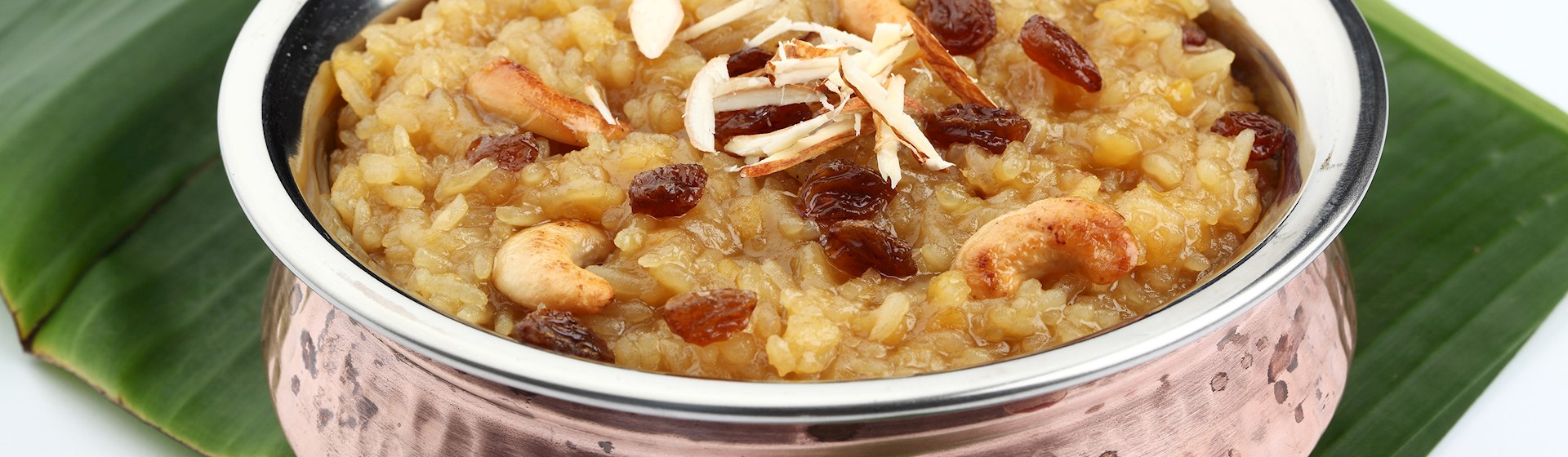
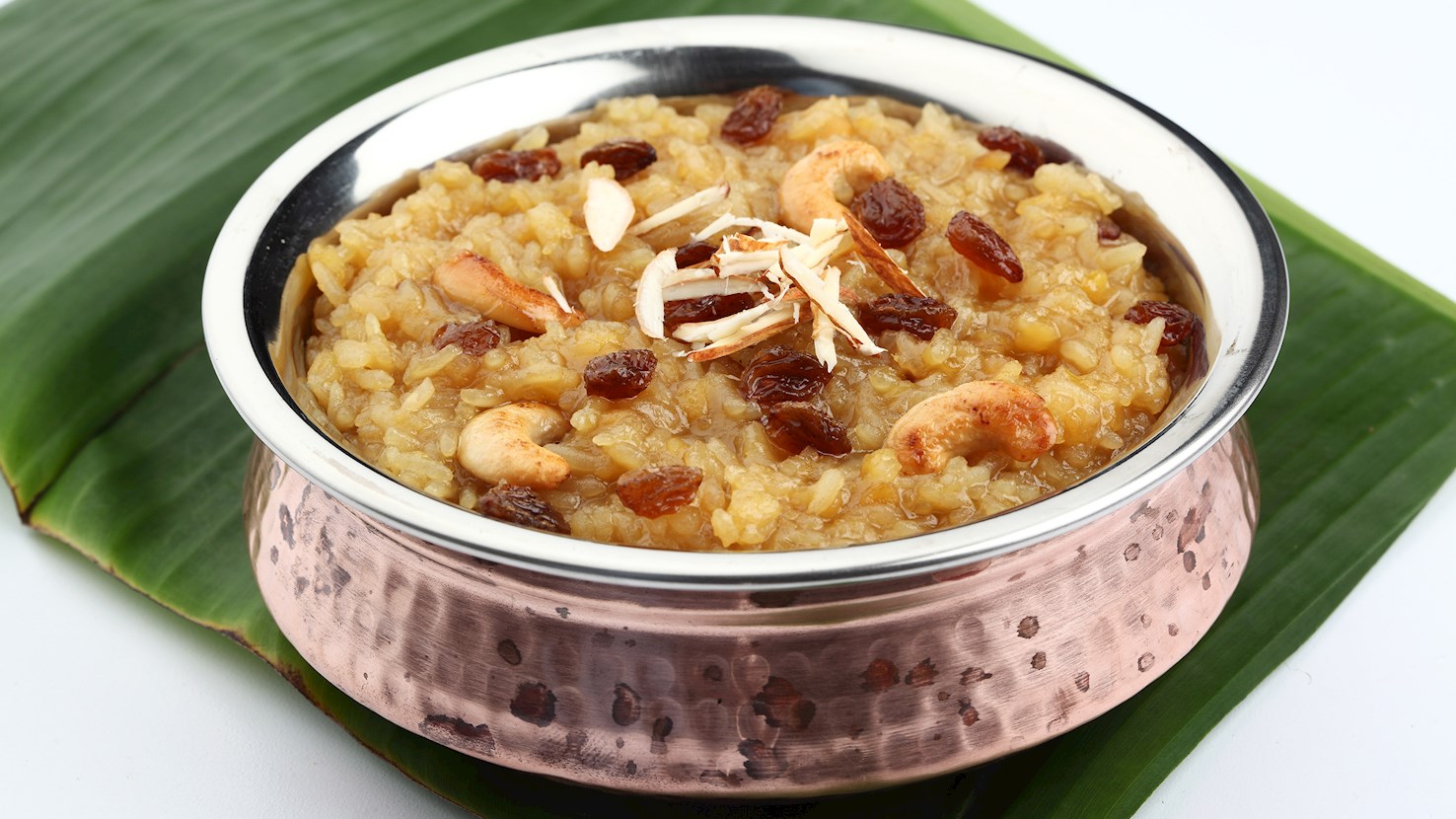
Pongal is a rice pudding that is usually eaten during special or ceremonial occasions in Southern India and Sri Lanka. It is usually cooked in a clay pot over an open fire. Milk and water are boiled first, and according to Tamil beliefs, if the liquid spills over the pot it will bring good luck and prosperity to the family. The preparation of pongal is a family affair because each family member ceremonially adds a handful of rice to the pot. Subsequently, remaining rice is added to the dish with sweet (sakkarai) or savory (ven) ingredients. Pongal is served on banana leaves, and before it is consumed the entire family says their prayers to the Sun god. If there is any pongal left, it is usually shared with friends and relatives. The dish originated among the Sri Lankan Tamil ethnicity and the name of the dish is derived from Thai Pongal, a festival celebrated on January 14th, symbolizing the end of the harvest season, the Tamil equivalent to Thanksgiving. On that day, pongal is prepared in many Tamil households around the world.

03

Kokis

3.4 ·

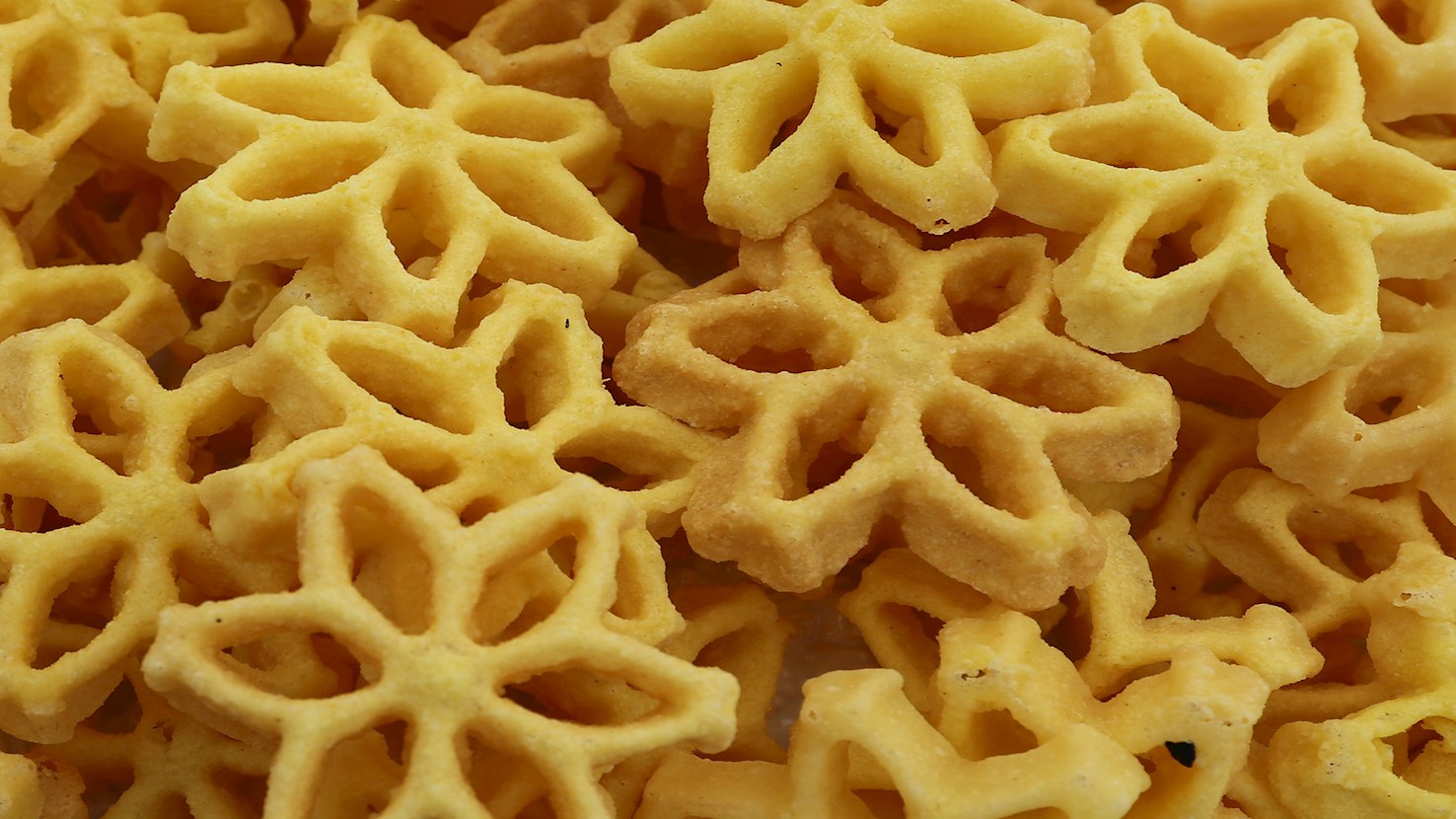
Kokis is a deep-fried, shatteringly crisp snack constructed from a thin batter of rice flour and coconut milk, characterized by its intricate, geometric shapes. Making it requires whisking finely milled rice flour, thick coconut milk, whole eggs, and a pinch of salt into a smooth, pourable liquid. A specialized long-handled metal mold, typically cast from brass or iron in the shape of a multi-petaled flower, star, or butterfly, rests submerged in a deep vat of boiling coconut oil until it becomes intensely hot. The heated metal is lifted from the oil, gently shaken, and immediately dipped into the cold batter. The liquid must strictly coat only the bottom and sides of the mold; submerging the iron completely over the top edge prevents the final product from detaching. The batter-coated mold plunges straight back into the boiling oil. Within seconds, the wet edges fry and pull away from the hot metal. A slight shake of the handle drops the hardened shape directly into the oil, finishing the frying until it turns a pale golden shade. Sweet iterations dissolve white sugar directly into the coconut milk, producing a sugary finish. Savory and spicy adaptations fold toasted sesame seeds, crushed cumin, or red chili powder directly into the wet mix to introduce a sharp background heat. A common visual modification involves adding a generous pinch of ground turmeric or a few drops of pandan leaf extract to tint the final product a bright yellow or pale green. The origins of this brittle confection trace directly to the Dutch colonial occupation of the island formerly known as Ceylon, which lasted from 1658 until 1796. European settlers brought cast-iron rosette irons from their homeland, merging their native frying techniques with local tropical ingredients. The name itself stems directly from the Dutch word "koekjes," meaning cookies or biscuits. The fried shapes drain entirely of excess oil before completely cooling to room temperature, a necessary step that maximizes their brittle texture. Kopkis are common during the Sinhalese and Tamil New Year in mid-April, anchoring festive tables right beside large slabs of milk rice. Eating the dry, crunchy shapes requires snapping the rigid geometric patterns apart by hand, universally accompanied by a hot cup of plain black tea.

04

Aasmi

n/a ·

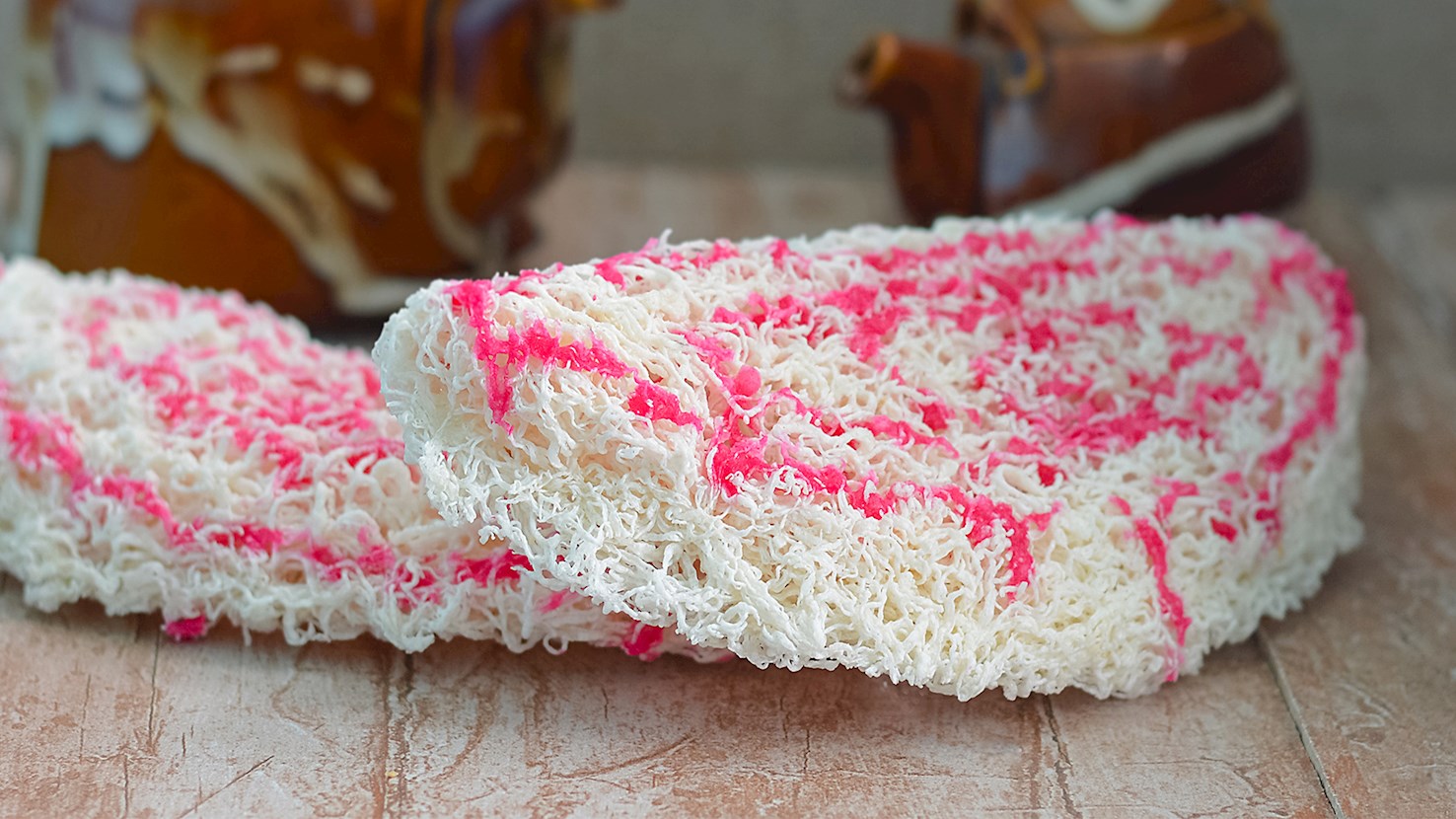
Aasmi is a famous Sri Lankan sweet made with a combination of rice flour, coconut milk, okra juice, sugar, and water. Once made, the batter is fried into thin strings which are overlapped. Before serving, aasmi is typically drizzled with sugar syrup, then left to set. This dessert can be prepared a few days in advance, and it's then kept in airtight containers.

05

Bibikkan

n/a ·

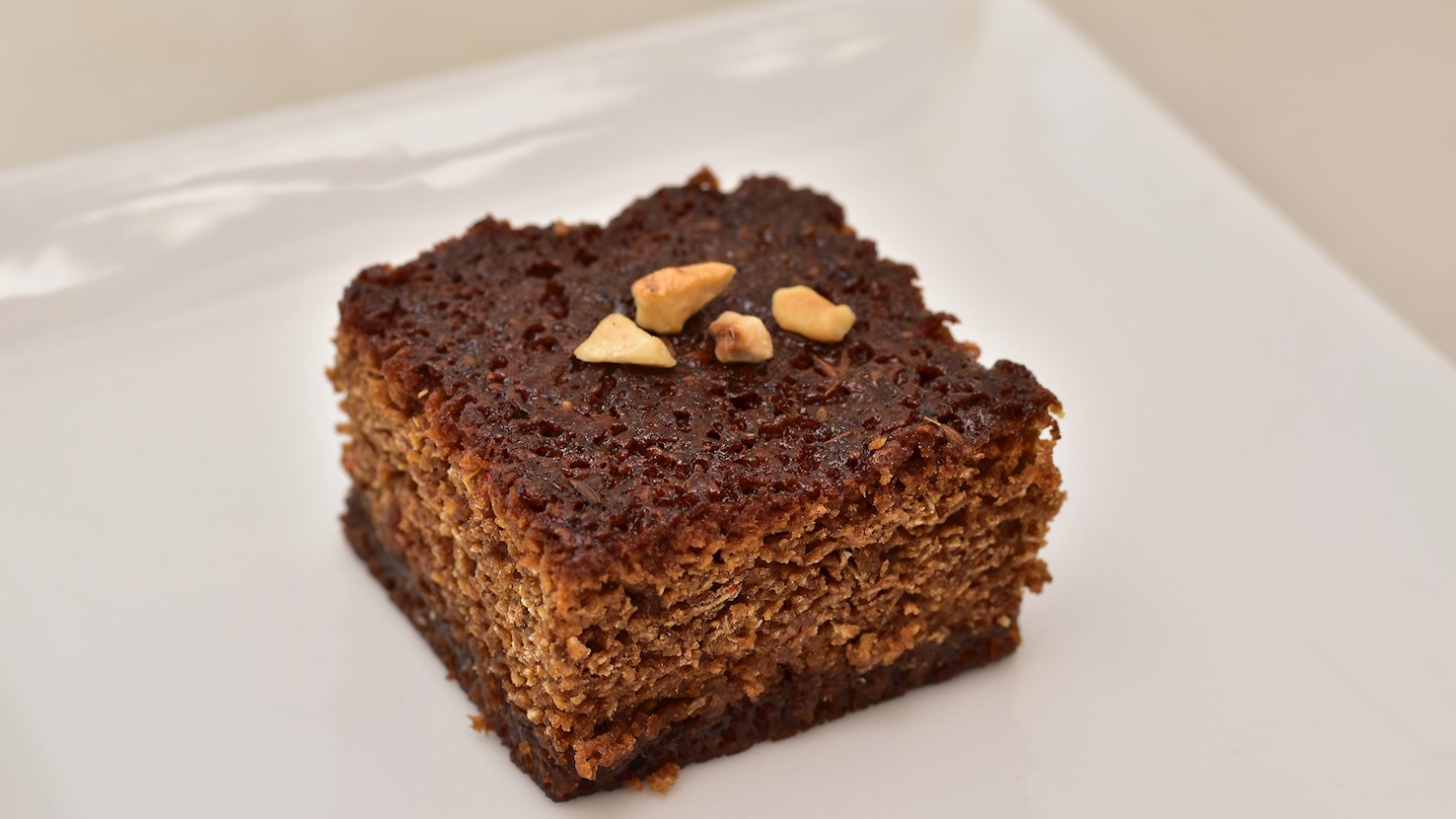
Bibikkan is a traditional coconut cake originating from Sri Lanka. Although there are variations, the cake is usually made with a combination of shredded coconut, jaggery, semolina, wheat flour, eggs, baking powder, cumin, raisins, cashews, ginger preserve, vanilla, cardamom, cinnamon, and lemon rind. The jaggery is heated and mixed with shredded coconut, cardamom, cinnamon, and vanilla. The mixture is simmered and removed from the heat in order to cool down. The roasted semolina, wheat flour, baking powder, cashews, raisins, ginger preserve, and cumin are stirred into the mixture. The egg yolks are beaten and added to the mixture, and finally, the beaten egg whites and lemon rind are folded into the batter. It's poured into a baking tray, decorated with cashews, and baked until the cake is done. The sticky, moist, and chewy bibikkan is typically cut into squares before serving. This cake is often made and enjoyed at festive events such as Christmas, Sinhala, and Tamil New Year.

06

Pani appa

n/a ·

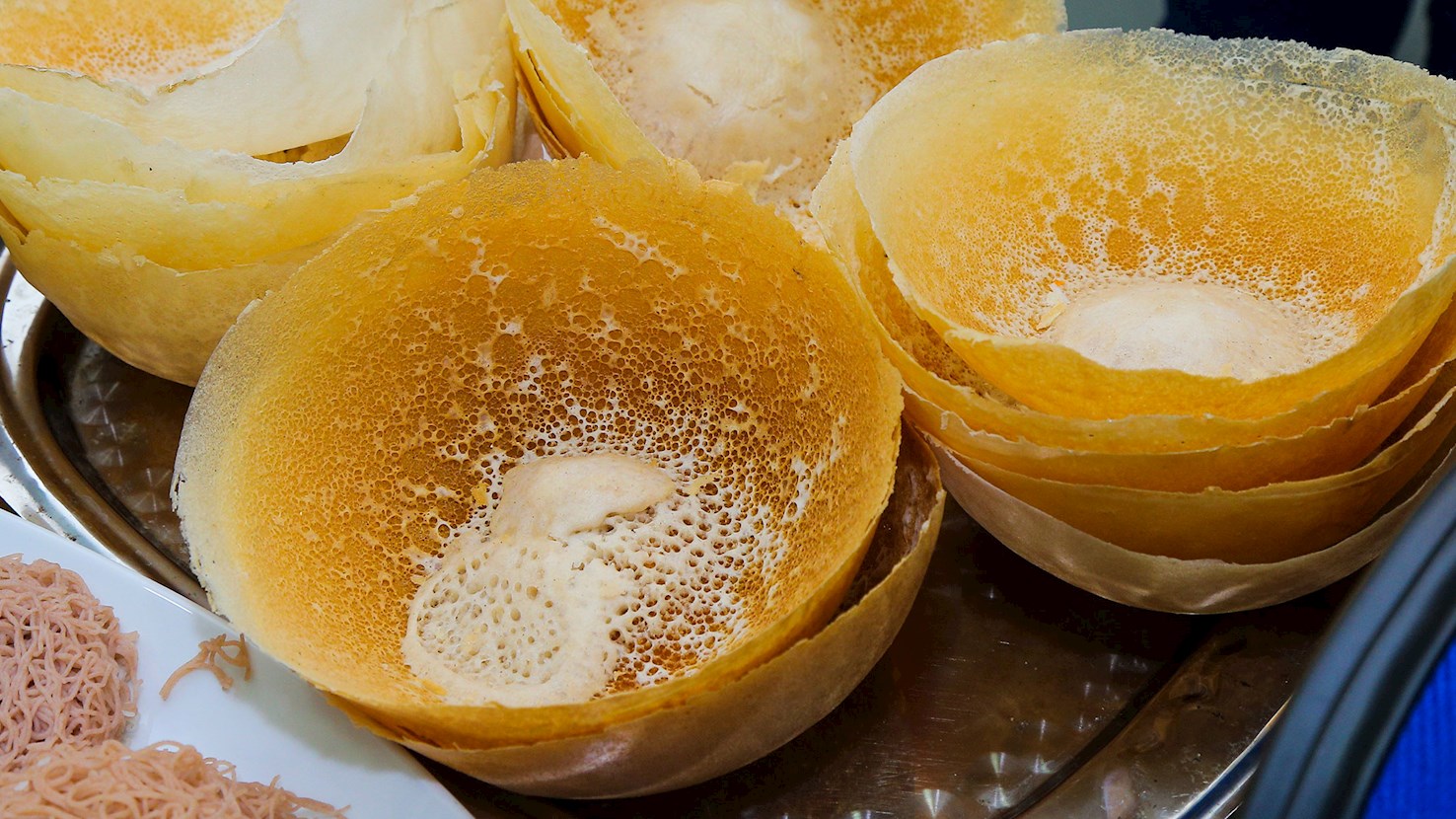
This traditional Sri Lankan appam (hopper) variety is prepared with a rice batter that is usually enriched with sugar or thick, syrupy molasses. The base of this pancake-like dish combines rice flour and coconut milk, while treacle, jaggery, or brown sugar are added to sweeten and give pani appam its typical golden brown hue. This sweet snack is best enjoyed accompanied by a cup of tea.

07

Helapa

n/a ·

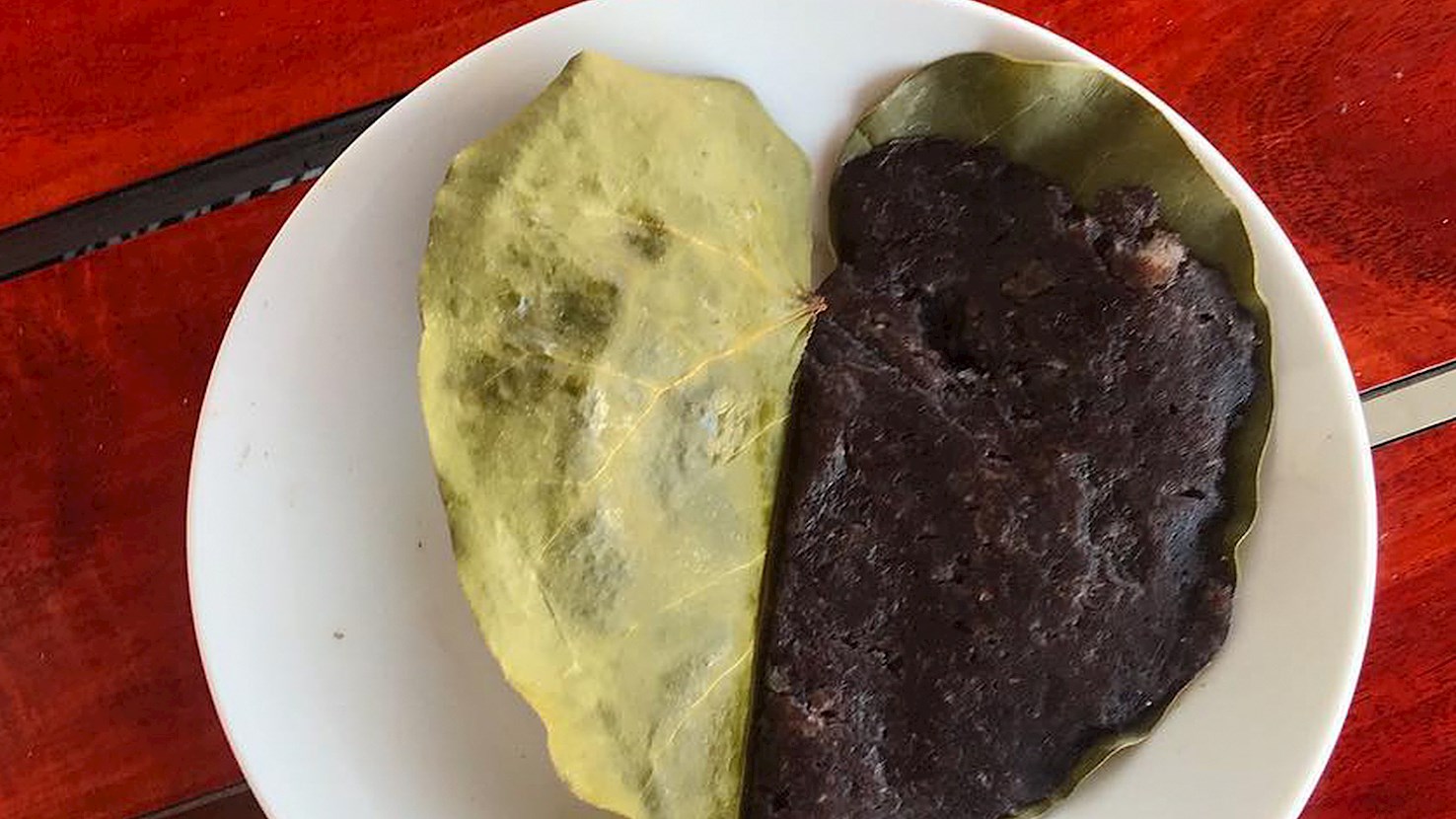
Helapa is a traditional sweet treat. It's prepared with a combination of kurakkan flour, rice flour, treacle, cardamom, and grated coconut. The ingredients are cooked together and mixed until they develop a doughy consistency. The mixture is then flattened on kanda leaves, which are folded and steamed until the dough firms up. Before serving, the leaves just need to be unwrapped and helapa can be eaten. It is recommended to serve this traditional dessert with a cup of Ceylon tea.

08

Athirasa

n/a ·

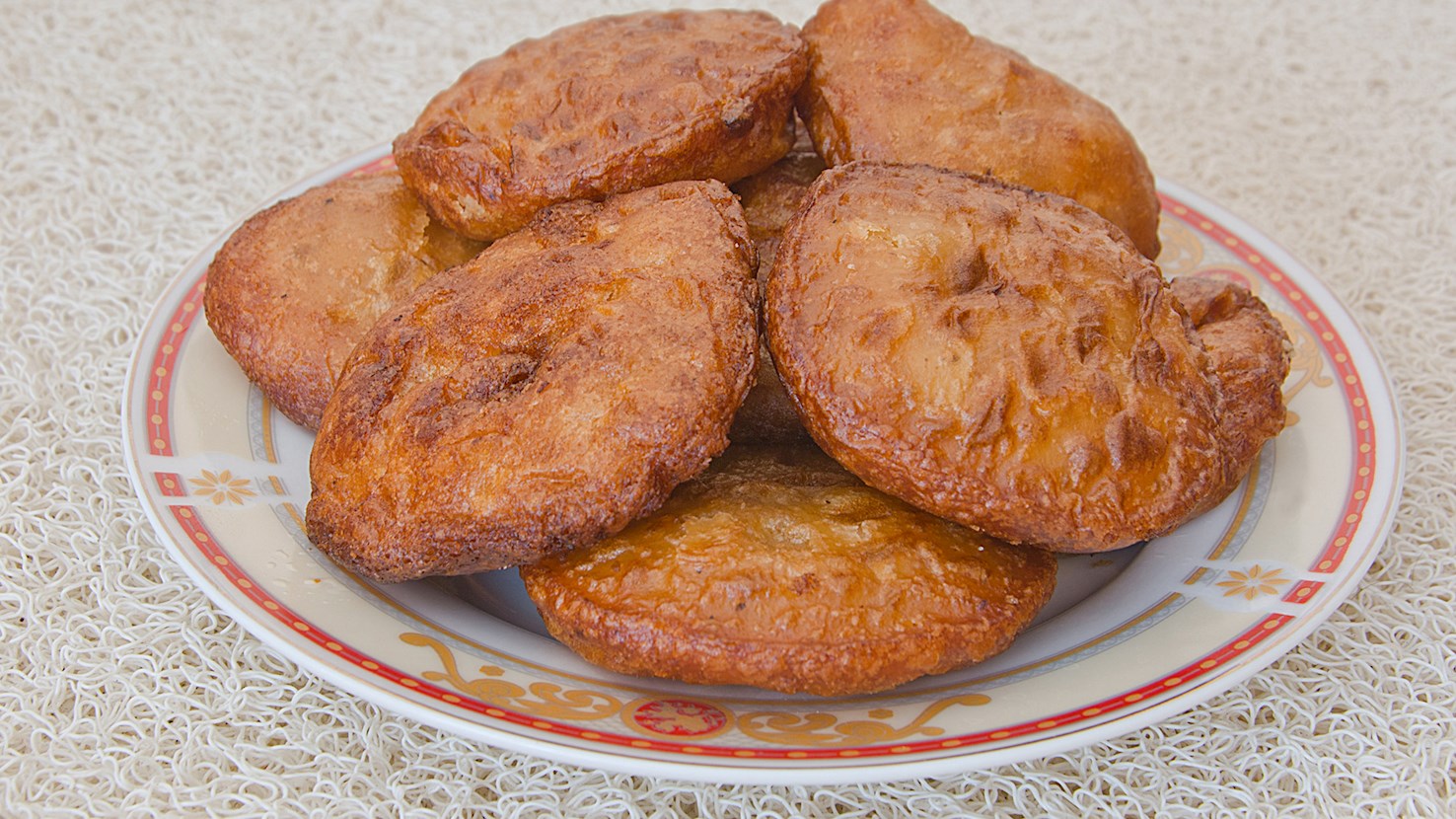
Athirasa is a traditional sweet made with a combination of rice flour, roasted rice, coconut treacle, coconut oil, and cardamom. The ingredients are formed into a stiff paste that is flattened into circles, then deep-fried in hot oil. These small cakes are traditionally prepared for festive occasions, and they're usually served with other sweets such as kokis and kavum. Apart from Sri Lanka, this sweet treat is also popular in India during Diwali.

09

Aluwa

n/a ·

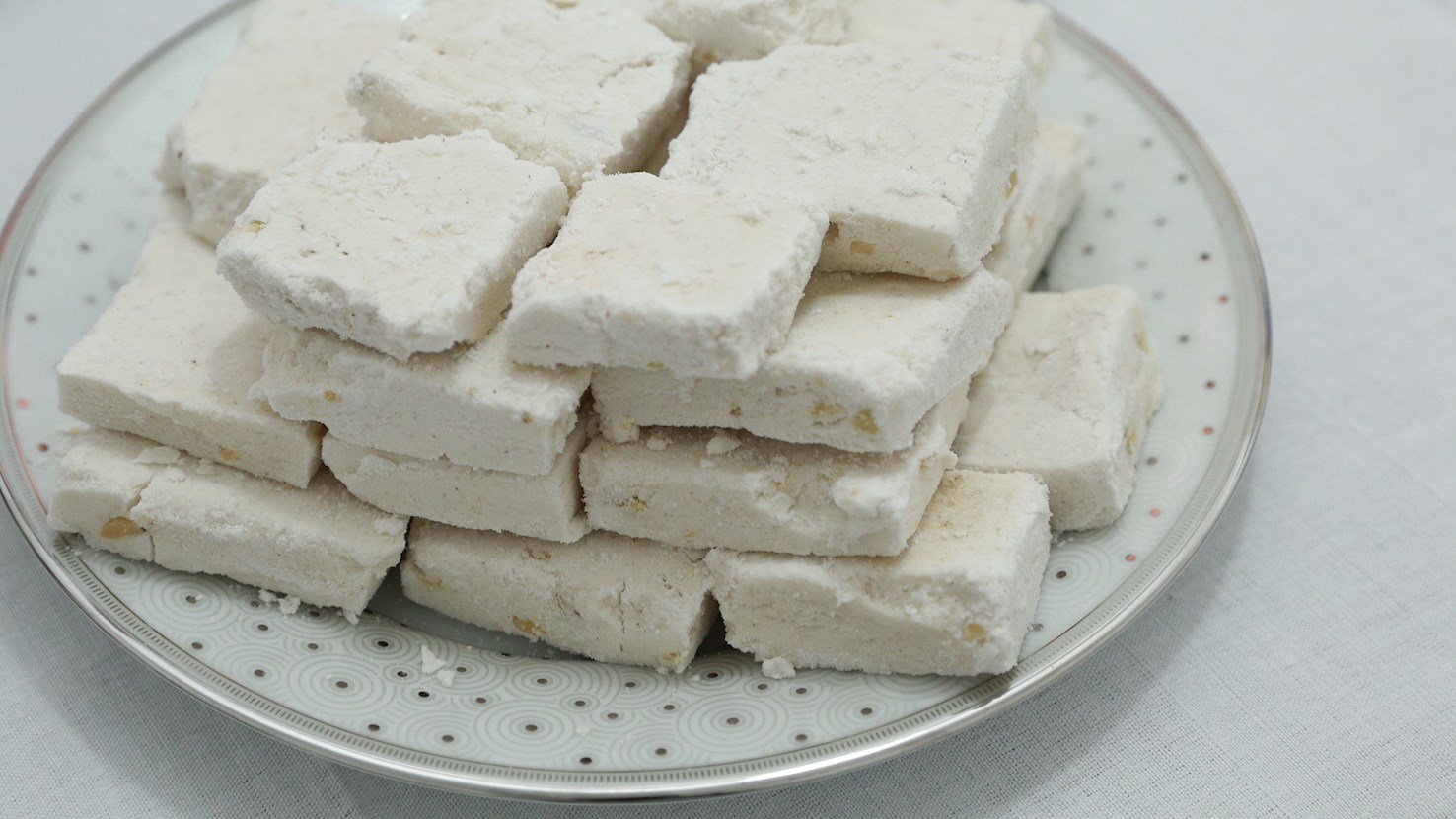
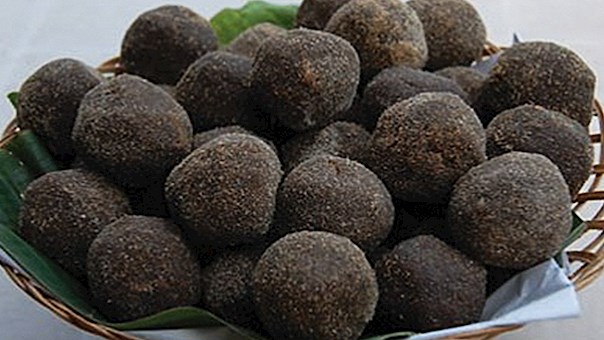
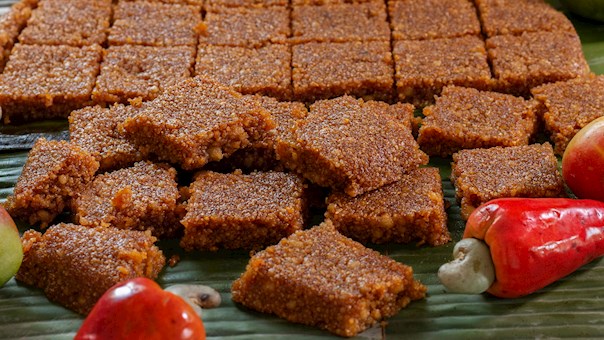
In its basic form, this traditional Sri Lankan dessert combines toasted rice flour, sugar syrup, ground cashew nuts, and spices such as cardamom or cloves, while some versions replace sugar with treacle (molasses) and cashews with mung beans or other types of nuts. The mixture is spread into pans and is then sliced, usually into diamond-shaped pieces. Aluwa is a staple dessert served on Avurudu - the Sinhalese New Year celebrated in April.

10

Ven pongal

n/a ·

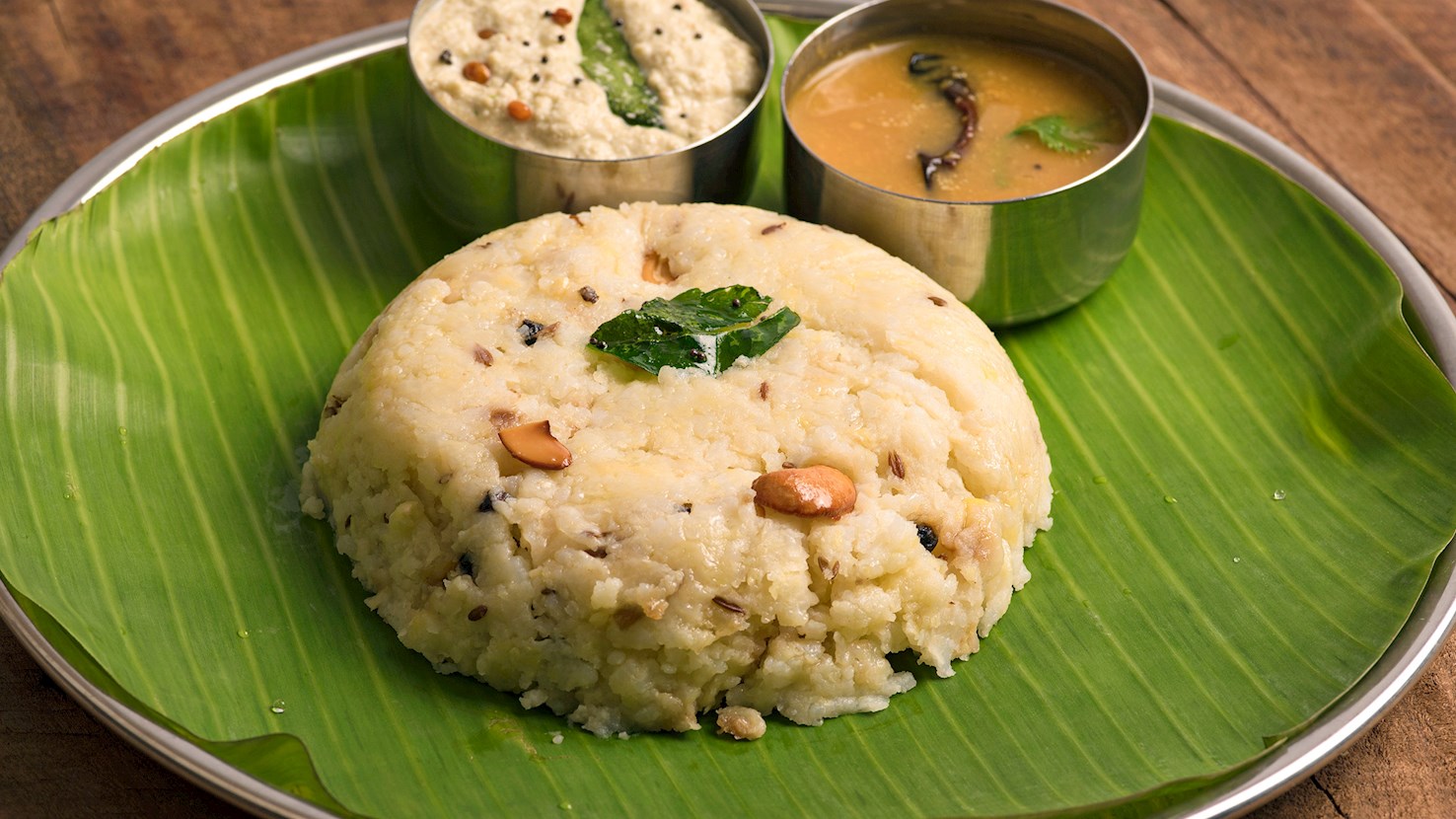
Ven Pongal is a savory Tamil dish made with rice and moong dal (yellow split lentils). The name "ven" in Tamil means white, referring to the dish's light-colored appearance, while "pongal" means to boil over, symbolizing prosperity and abundance. Ven pongal has a soft, creamy, and slightly mushy texture, with mild flavors enriched by an aromatic tempering of black pepper, cumin, curry leaves, and ghee. The main ingredients include rice and moong dal, which are cooked together until soft, and the dish is tempered with ghee, black pepper, cumin, ginger, and cashews for added flavor. It is often served with coconut chutney and sambar, making it a wholesome and balanced meal. Ven pongal is a popular breakfast dish in South India and Sri Lanka, served in homes, temples, and restaurants. During the Pongal festival, it is also part of traditional celebrations, though the sweeter sakkarai pongal is the star dish for the festival.

11

Avocado Crazy

n/a ·
13

Aggala

n/a ·
14

Wali thalapa

n/a ·
Read more
View all
View map
About this ranking

TasteAtlas food rankings are based on the ratings of the TasteAtlas audience, with a series of mechanisms that recognize real users and that ignore bot, nationalist or local patriotic ratings, and give additional value to the ratings of users that the system recognizes as knowledgeable. For the “Top 14 Sri Lankan Desserts” list until July 15, 2026, 162 ratings were recorded, of which 99 were recognized by the system as legitimate. TasteAtlas Rankings should not be seen as the final global conclusion about food. Their purpose is to promote excellent local foods, instill pride in traditional dishes, and arouse curiosity about dishes you haven’t tried.

Similar lists