


shutterstock

Top 7 Taiwanese Desserts

Last updated on May 15, 2026
01

Peanut Powdered Mochi

3.9 ·

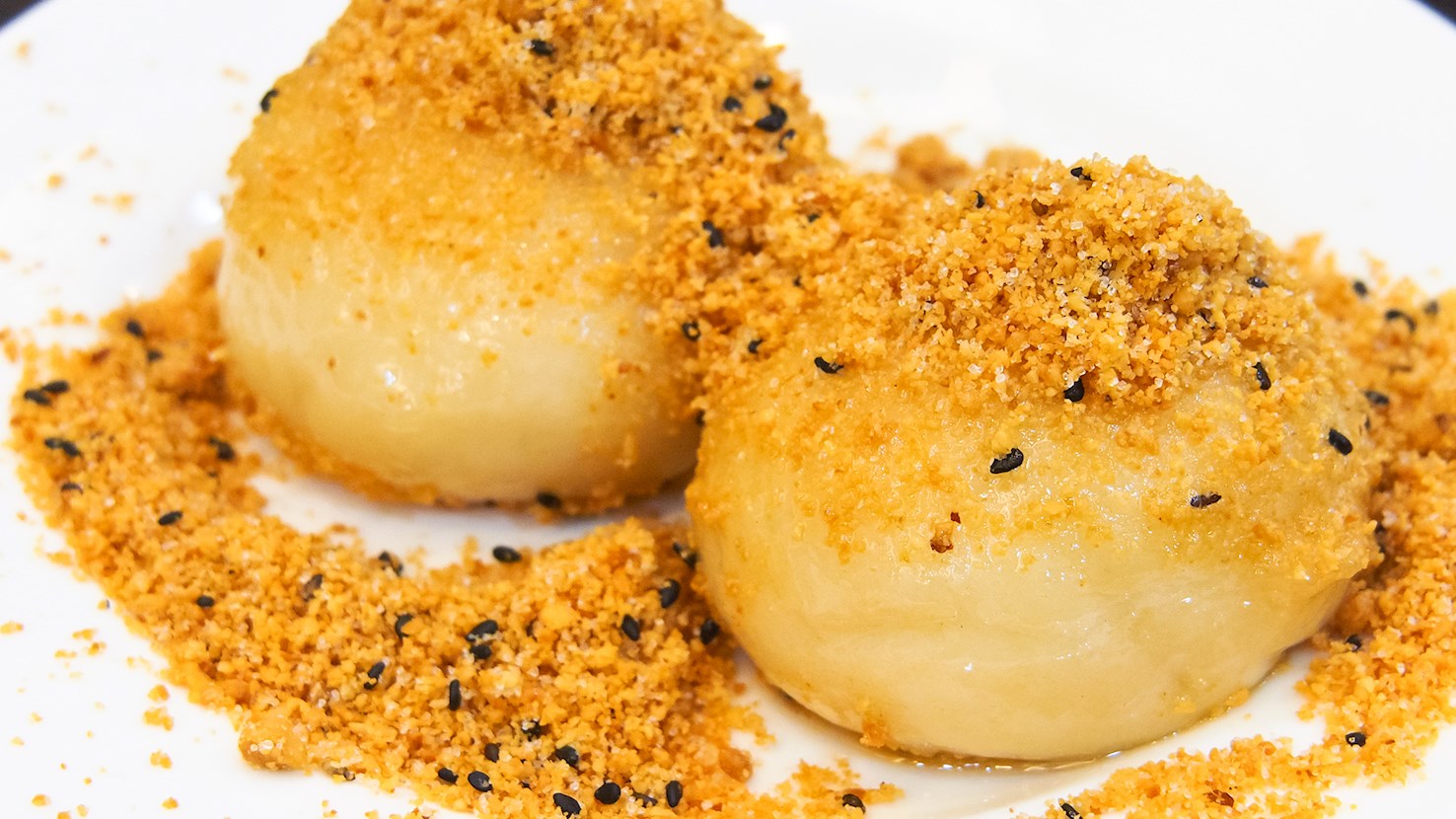
Peanut powdered mochi is a sweet and sticky rice ball with a peanut powder coating. This Taiwanese sweet treat consists of a steamed mixture of glutinous rice flour, sugar, and water. Small bite sizes of the sticky dough are pinched off with chopsticks and then dipped into powdered peanuts. Sometimes filled with the peanut powder mixture, the soft rice balls make for a simple dessert or a sweet snack. They are best consumed while still warm, accompanied by a cup of tea. Peanut powdered mochi is sold by numerous Taiwanese street vendors.

02

Aiyùbīng

3.8 ·

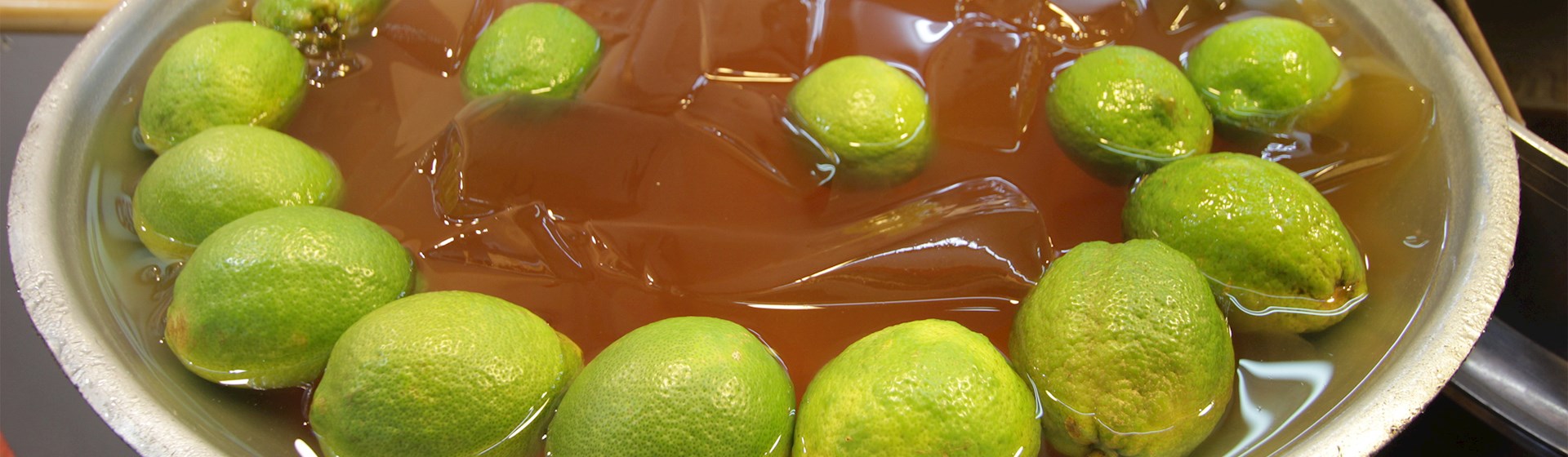
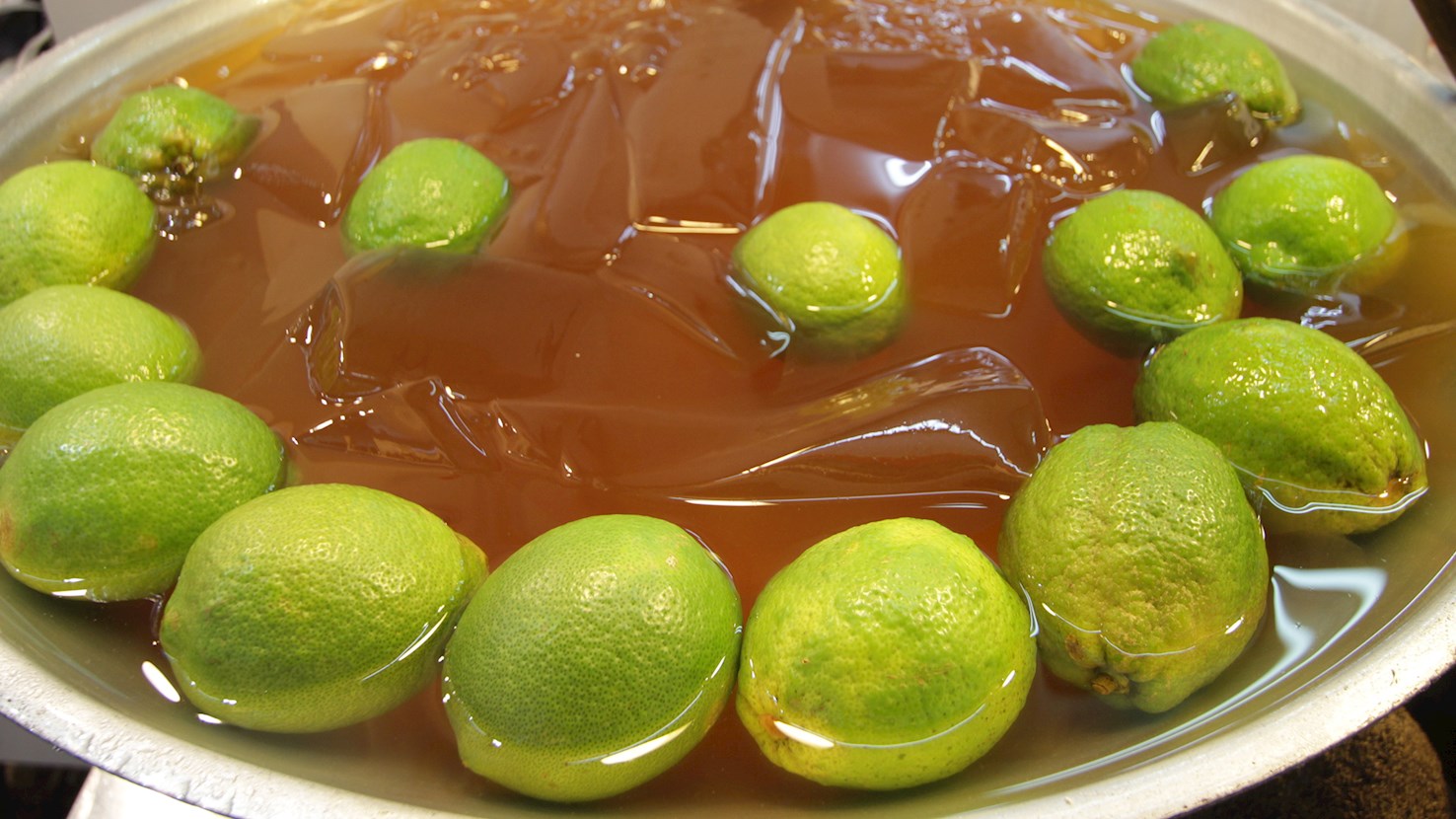
Aiyùbīng is a Taiwanese dessert drink comprised of a unique fig seed jelly. The process of obtaining the jelly involves placing the seeds of a special type of Taiwanese fig in a strainer bag, submerging the bag in cold water, and then rubbing the seeds continuously until they start releasing pectin, thereby producing a gelatinous substance. The fig seed jelly is consumed chilled, usually combined with lime or lemon juice and ice shavings, all sweetened with honey, sugar, or agave. With a perfect combination of sweet, mildly tangy, and sour flavors, this treat is a common dessert drink available at night markets, local stores, and numerous bubble tea shops. Light and refreshing, chilled aiyu jelly is a staple throughout the summer season in Taiwan, due to its cooling effect on the body.

03

Mango Shaved Ice

3.8 ·

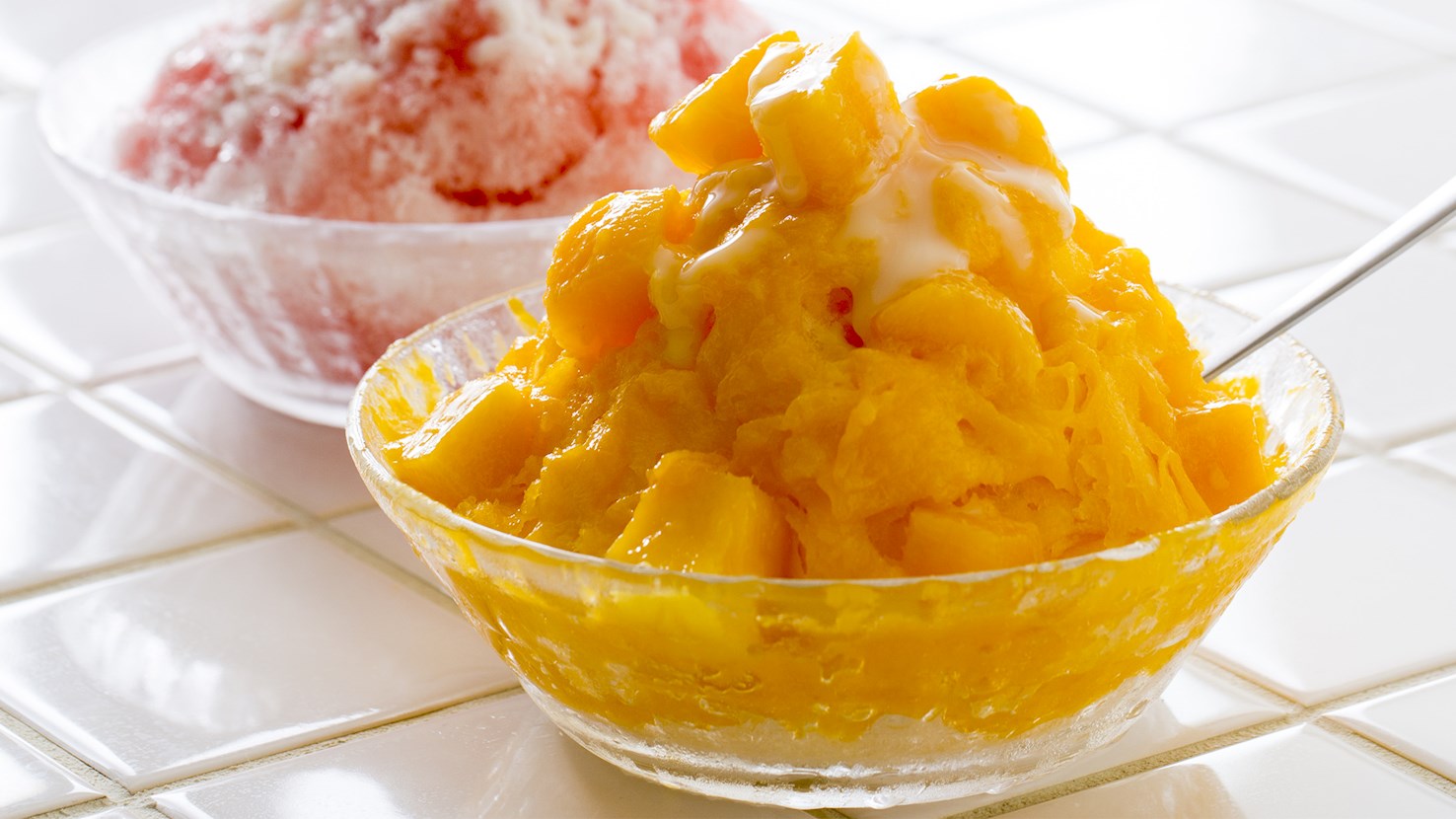
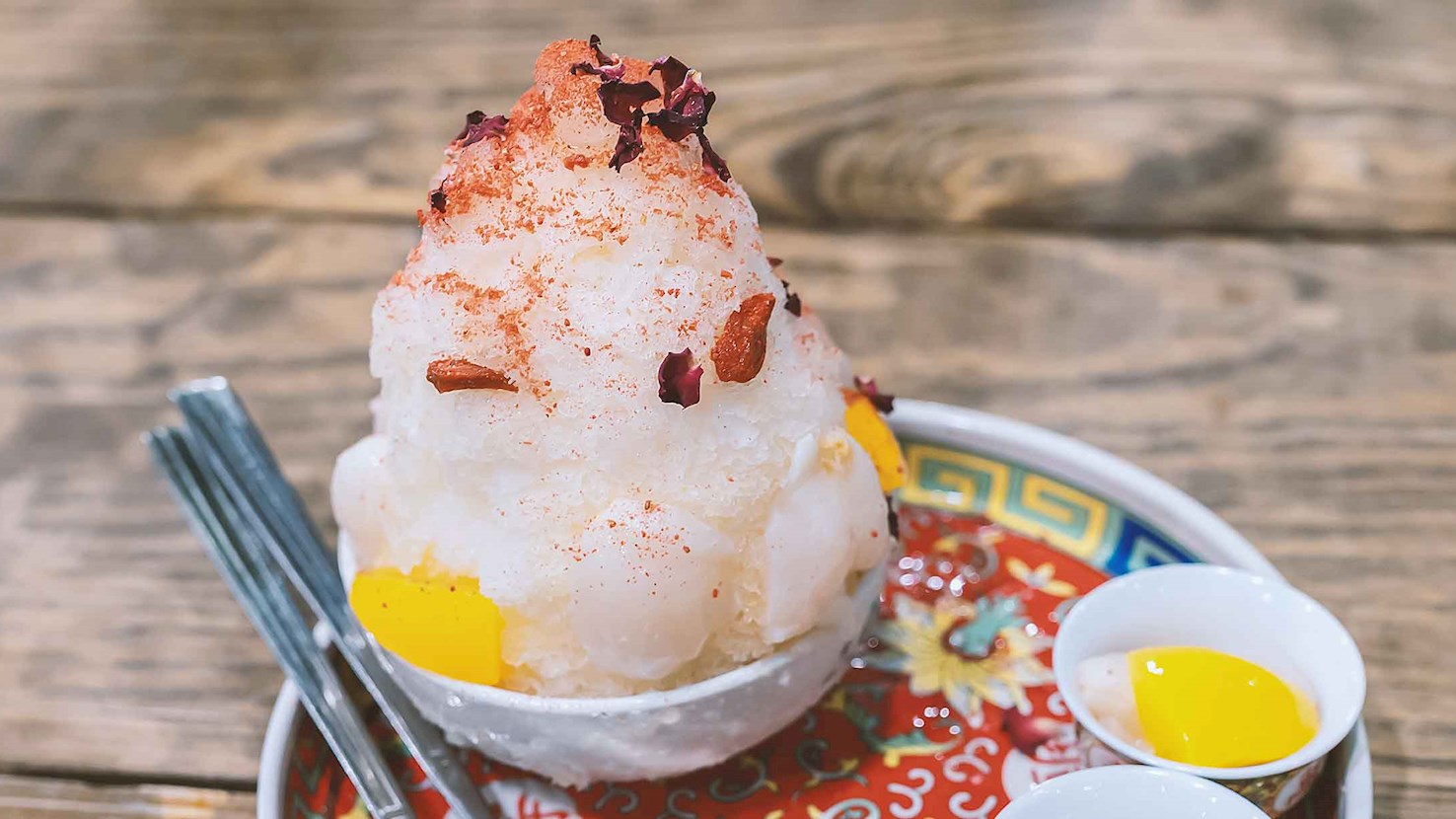
A beloved Taiwanese ice dessert, mango shaved ice is typically made by shaving mango-flavored ice into a bowl and serving the ice shavings with fresh mango cubes and condensed milk. Other typical accompaniments to the dessert include different types of fresh fruit such as strawberries or kiwi, scoops of mango or vanilla ice cream, pannacotta, sorbet, and jelly. Enjoyed both in summer and winter, this dessert typically has a smooth and melt-in-your-mouth texture and is defined by a fresh, fruity flavor with a mild sweetness.

04

Tshuah-ping

3.7 ·

Baobing is a simple dessert consisting of finely shaved ice and fresh fruit such as mangoes, litchis, and rambutans. It is usually topped with condensed milk, flavored sugar syrup, mung beans, and peanuts. Baobing is especially popular during the hot summer days in China, Taiwan, and Vietnam, when it can be found on numerous night markets, among tofu and pancakes stands. The history of baobing can be traced back to more than 1000 years. It was consumed in China as early as the 7th century. Today, the dessert has evolved and can even be found in some Asian restaurants in the United States.

05

Fènglísū

3.6 ·

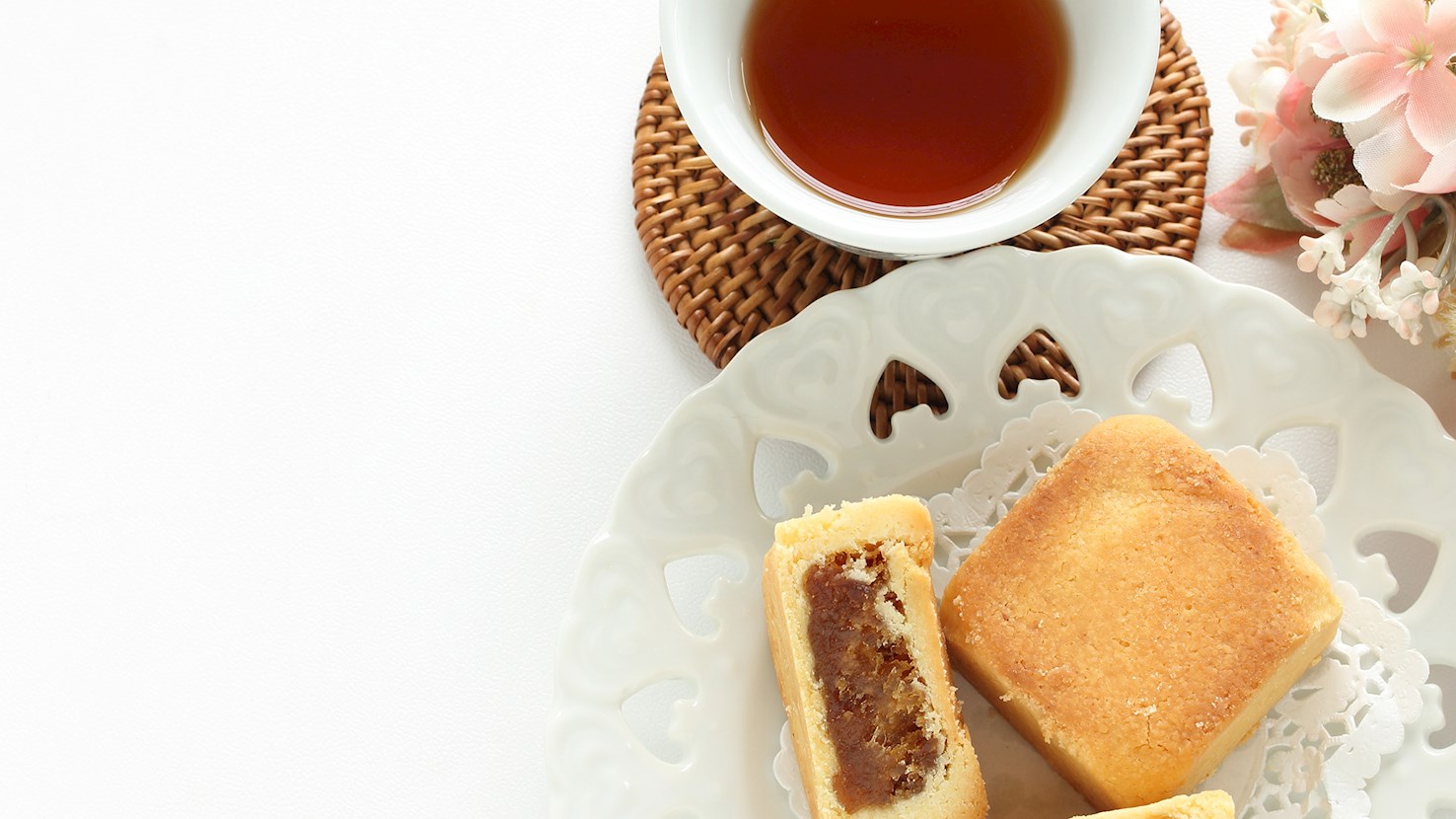
Fènglísū are Taiwanese pineapple cakes, one of the country's most popular desserts and souvenirs. The cakes consist of a buttery, crumbly crust that is filled with a tangy, slightly sweet pineapple jam. The name of the dish is derived from fèng lí, meaning pineapple, and , meaning shortcake. Originally, they were prepared during the period of China's Three Kingdoms Dynasty. The three kingdoms were separated into Wei, Shu, and Wu kingdoms, and the emperor of Shu wanted to marry a sister of Wu's emperor, so he sent a large pineapple cake as a gift. Today, the cakes are much smaller and are one of the best-selling souvenirs in Taiwan. It is recommended to serve the cake warm, preferably with a cup of hot tea on the side.

06

Suncake

3.1 ·

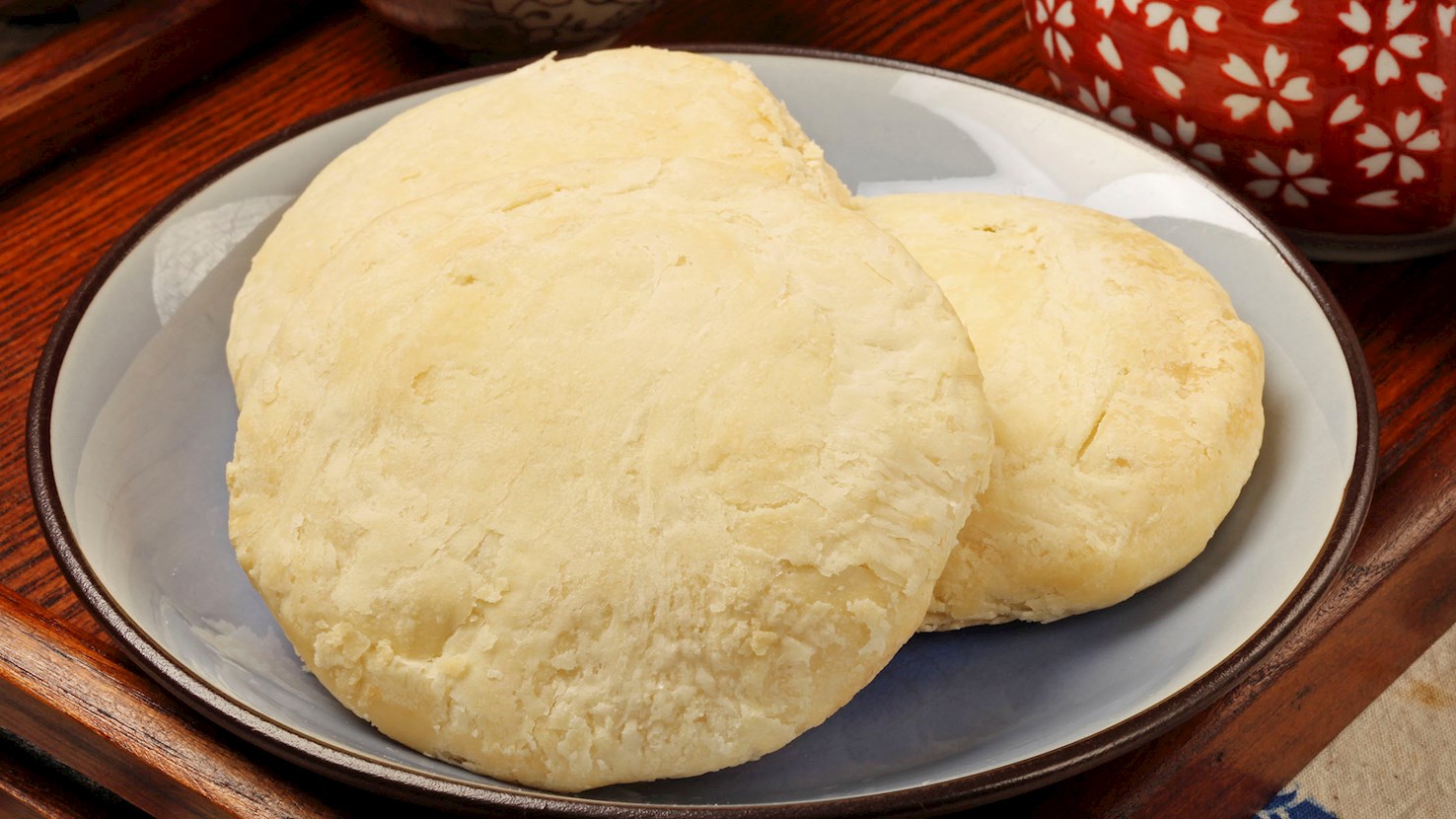
Even though Taichung City offers many signature eats and unique spins on local fare, one of its specialties and most notable standouts is the suncake or tai yang bing. Traditionally prepared since the Qing dynasty era, this delicious Taiwanese flaky pastry filled with gooey, buttery maltose paste is a treat found in every bakery shop in Taichung. It is even sold as a souvenir, pre-packed in attractive gift boxes. An interesting combination of flavors and textures, the round-shaped Suncakes are most often sweeter than honey and their thick, caramel-like filling perfectly contrasts the dry flakiness of the floury, paper-thin layers of phyllo dough. Suncakes are typically enjoyed with a nice cup of Chinese tea, soaked in hot water and mashed into a porridge-like dessert or dipped in warm almond milk, which is one of Taichung's breakfast favorites.

07

Bunun Millet Cake

n/a ·

Bunun millet cake is a traditional dish that is typical of Aboriginal Taiwanese cuisine. The cake is typically made with local glutinous varieties of millet such as foxtail millet, common millet, and sorghum. Millet grits are soaked in water, then boiled, and finally pounded into a sticky dough, which is then steamed inside a banana leaf wrapping. Traditionally, this sticky millet cake is sweetened with honey. As its name suggests, this cake is one of the specialties that have been traditionally prepared by the Bunun people, for whom millet has long been a prized food crop and a symbol of happiness and fortune. In Taiwan, these sticky millet cakes, along with millet wine, have traditionally been prepared for festive occasions and holidays such as New Year’s Eve and weddings. Similar millet cakes have also been prepared by other indigenous Taiwanese people including the Paiwan and the Rukai.

Read more
View all
View map
About this ranking

TasteAtlas food rankings are based on the ratings of the TasteAtlas audience, with a series of mechanisms that recognize real users and that ignore bot, nationalist or local patriotic ratings, and give additional value to the ratings of users that the system recognizes as knowledgeable. For the “Top 7 Taiwanese Desserts” list until May 15, 2026, 242 ratings were recorded, of which 198 were recognized by the system as legitimate. TasteAtlas Rankings should not be seen as the final global conclusion about food. Their purpose is to promote excellent local foods, instill pride in traditional dishes, and arouse curiosity about dishes you haven’t tried.

Similar lists