


shutterstock

Top 6 Vojvodinian Desserts

Last updated on June 15, 2026
01

Gomboce

4.2 ·

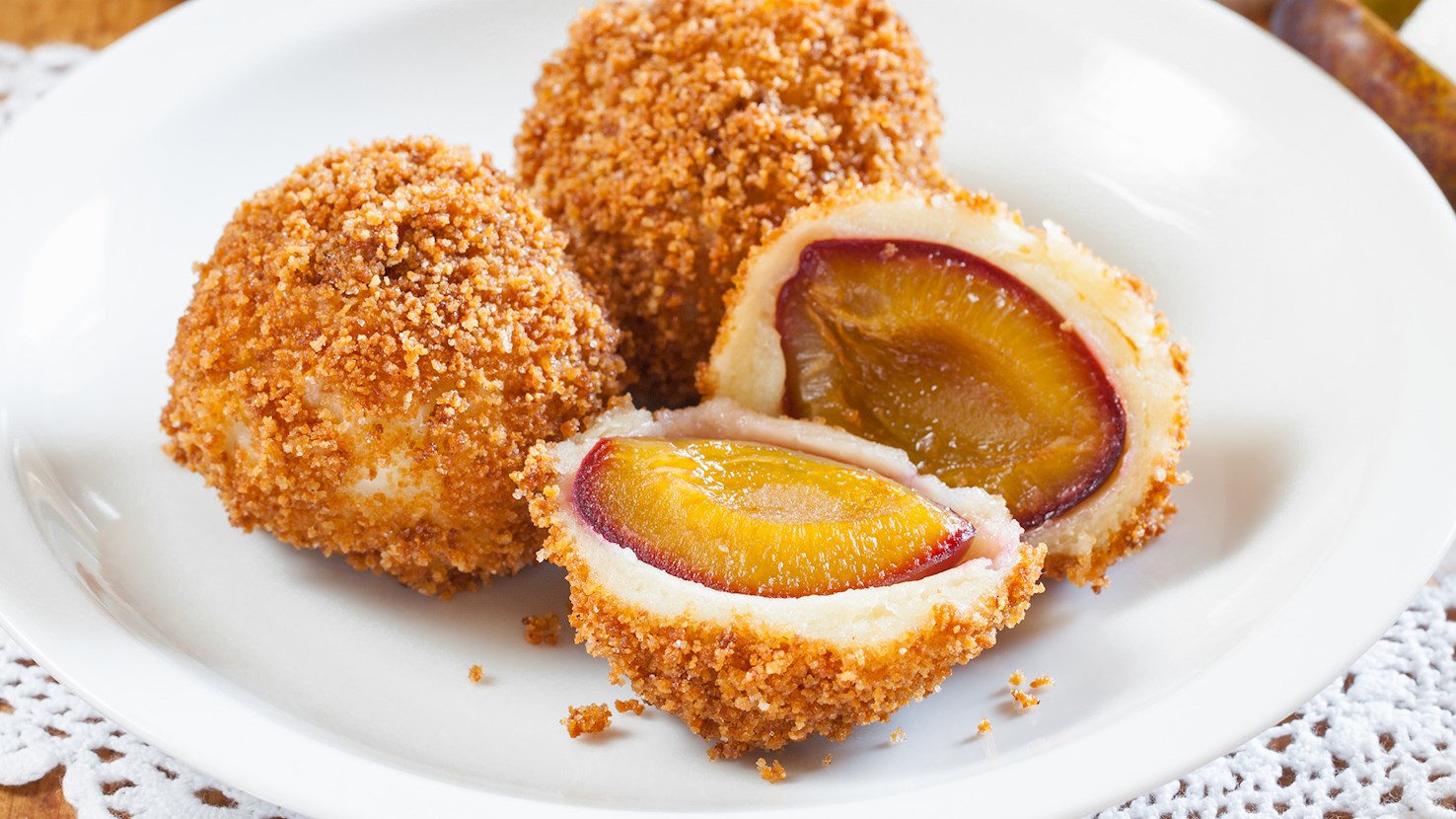
Gomboce or knedle sa šljivama are plum-filled dumplings consumed throughout the Balkans, especially in Serbia and Croatia. The dough is made with potatoes, eggs, and flour. The potatoes should be cooked in their own skin, peeled, then mashed before they are combined with other ingredients. Once prepared, the dough is rolled and plums are placed in the middle of each square, which is then assembled into a dumpling. These dumplings are boiled, then rolled in a combination of breadcrumbs, sugar, and (optionally) butter for the best experience.

02

Rezanci s makom (Pasta with poppy seeds)

3.1 ·

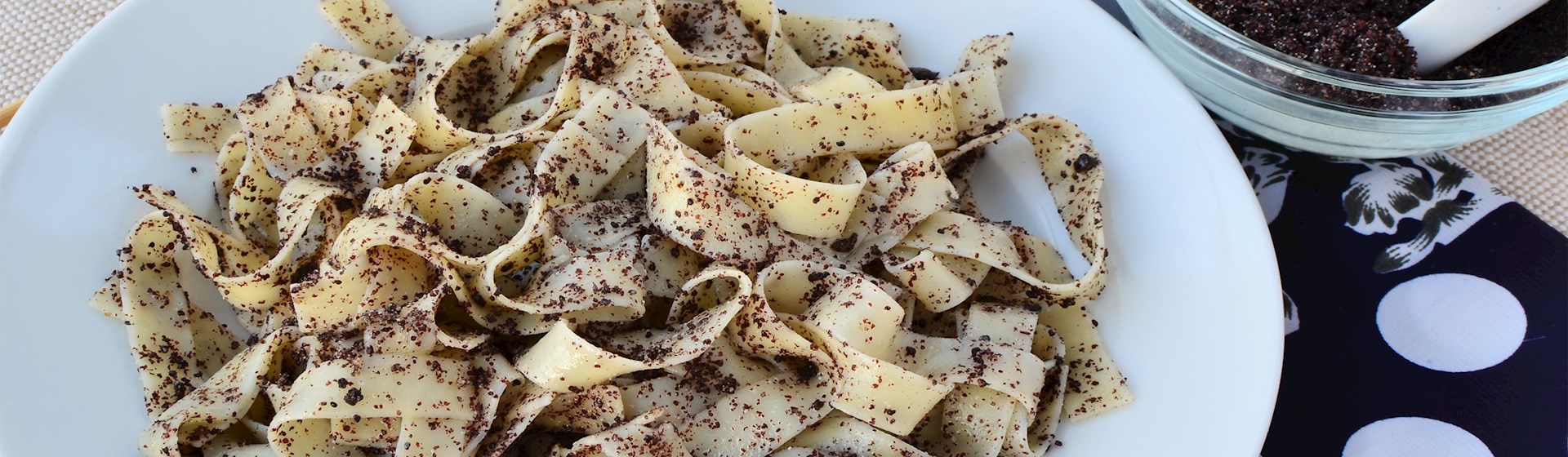
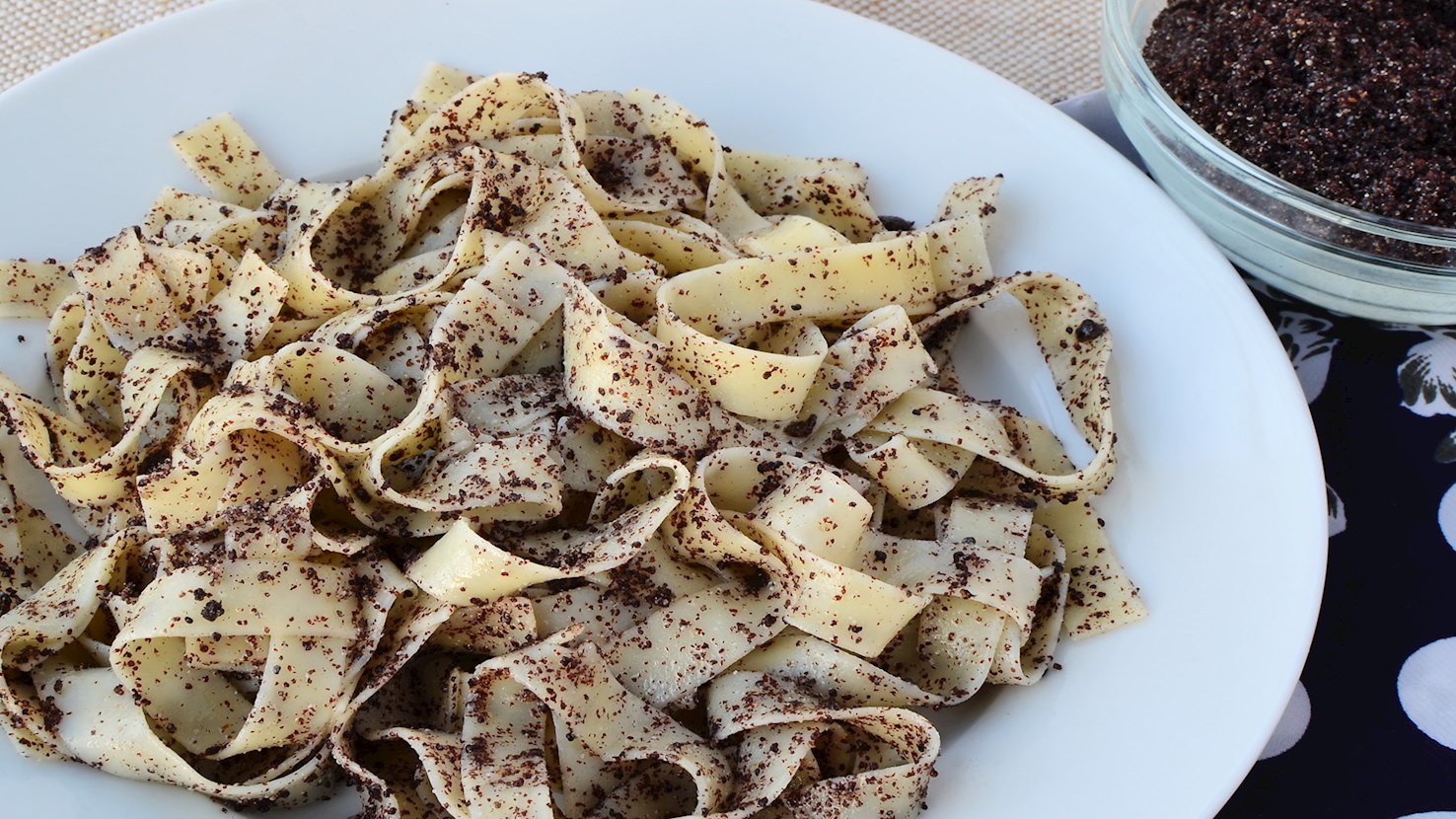
The simple and nutritious nudle s mákem is a dish consisting of wide, thin wheat pasta that is doused in copious amounts of melted butter, and then dusted with poppy seeds and sugar. Once considered a rich and luscious meal, today it represents a frugal, but a beloved dish that is enjoyed as a sweet main course or a filling dessert. Even though it is usually associated with the Czech Republic, the exact origin of the dish is still unknown, while similar varieties are found in many Central and Eastern European countries under various names. In Austria, a similar dish is known as mohnnudeln, prepared with thick and short potato noodles, while the Serbian version from Vojvodina is called rezanci s makom.

03

Vojvođanski koh

n/a ·

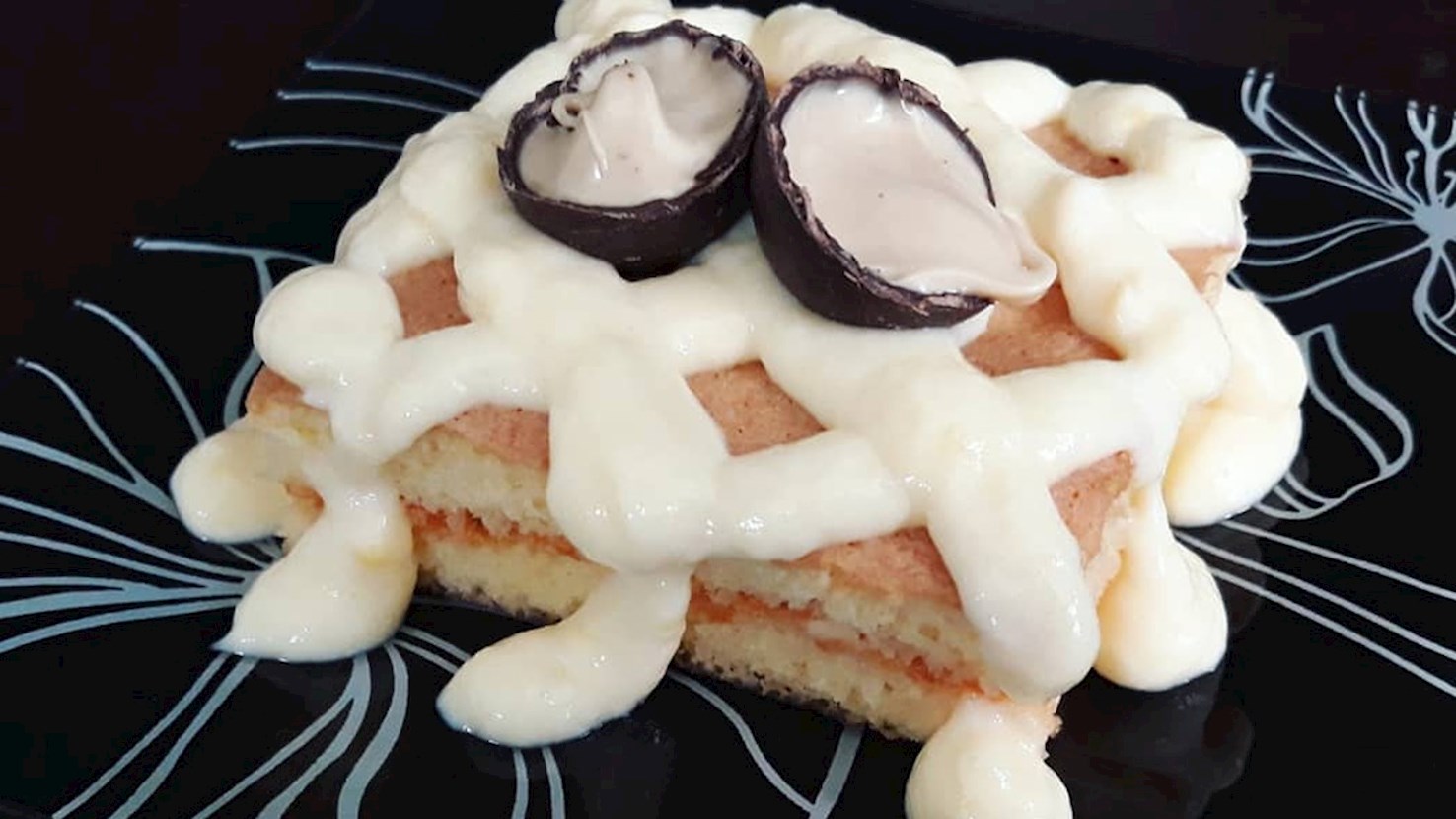
Vojvođanski koh or koh od griza is a simple, rustic cake made with eggs, sugar, semolina, milk, and vanilla sugar. It consists of two components: a sponge cake and sweetened boiled milk, which is poured over the sponge while both are still hot. Recipes do vary in either the ingredients or preparation method. For example, some will have both semolina and flour in the sponge, while others will also have custard on top of the sponge. Vojvođanski koh should be served well chilled, perhaps with some fruit on the side.

04

Herovke

n/a ·

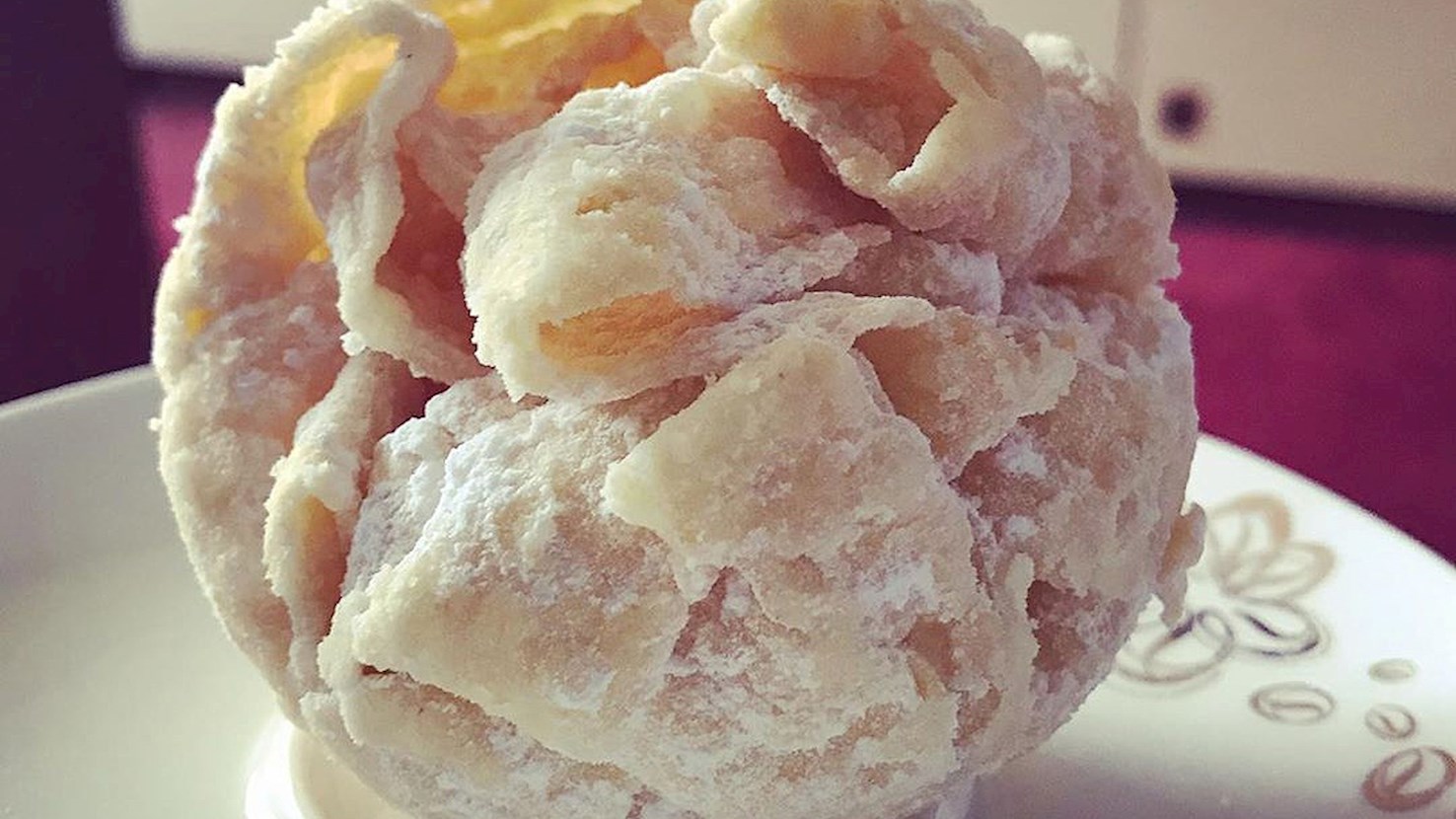
Herovke are traditional sweet treats from Vojvodina, and they are especially popular in the region's Slovak community. They are made with flour, sugar, egg yolks, salt, sour cream, and rakija (local schnapps). The dough shouldn't be too hard nor too soft. It is rolled thinly and cut into strips. The strips are rolled into small balls, and they are then placed inside a special tool (a long spoon with a rounded, pierced top part, which can be opened) before being deep-fried in hot oil until golden brown and crispy. After the deep-frying process, herovke are rolled in powdered sugar and vanilla sugar. It is recommended to shake herovke well so that the sugar also comes to the interior of these crispy balls. In the old days in the Slovak community, herovke used to be prepared for weddings, where they were brought instead of big wedding cakes. There is also a savory, salty version of herovke, but it is not as popular as the sweet one.

05

Pupinova pita

n/a ·

Pupinova pita is a traditional plum pie. The base is prepared with a combination of flour, margarine, sugar, eggs, milk, and baking powder, while the filling contains plums, cherries, sugar, almonds, and vanilla sugar. The pie is named after Mihajlo Pupin, a Serbian scientist who went to America and the first thing he ate there was a plum pie.

06

Fontoš kolač

n/a ·

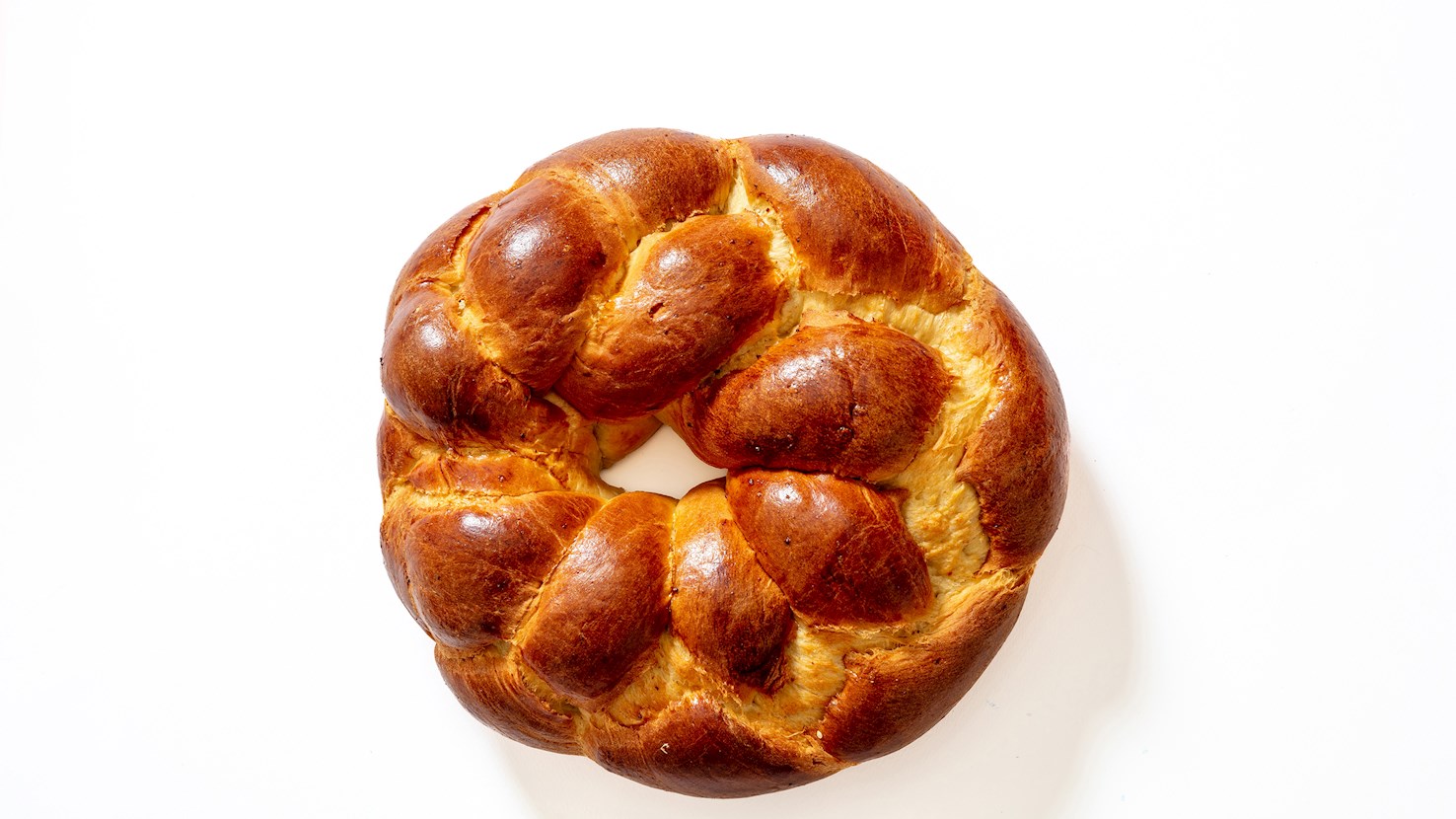
Fontoš is a Serbian cake from the village of Debeljača. Since most of the villagers come from Hungary, they have brought over their culinary traditions, such as this cake. It is made with flour, yeast, milk, sugar, fat, cloves, margarine, salt, and pepper. For each fontoš, the dough is rolled into two thin strips – one is simply shaped into an outer ring, and the other one is braided and shaped into an inner ring of the cake. After it has been brushed with egg wash and baked, fontoš is additionally brushed with a combination of sugar, water, and oil. This cake is traditionally prepared on Thursdays before the wedding ceremonies, which are held on Saturdays, when fontoš is distributed from a tractor throughout the village, so even if you're not a wedding guest and find yourself in Debeljača on a Saturday, you might get to taste one for free.

Read more
View all
View map
About this ranking

TasteAtlas food rankings are based on the ratings of the TasteAtlas audience, with a series of mechanisms that recognize real users and that ignore bot, nationalist or local patriotic ratings, and give additional value to the ratings of users that the system recognizes as knowledgeable. For the “Top 6 Vojvodinian Desserts” list until June 15, 2026, 354 ratings were recorded, of which 228 were recognized by the system as legitimate. TasteAtlas Rankings should not be seen as the final global conclusion about food. Their purpose is to promote excellent local foods, instill pride in traditional dishes, and arouse curiosity about dishes you haven’t tried.

Similar lists