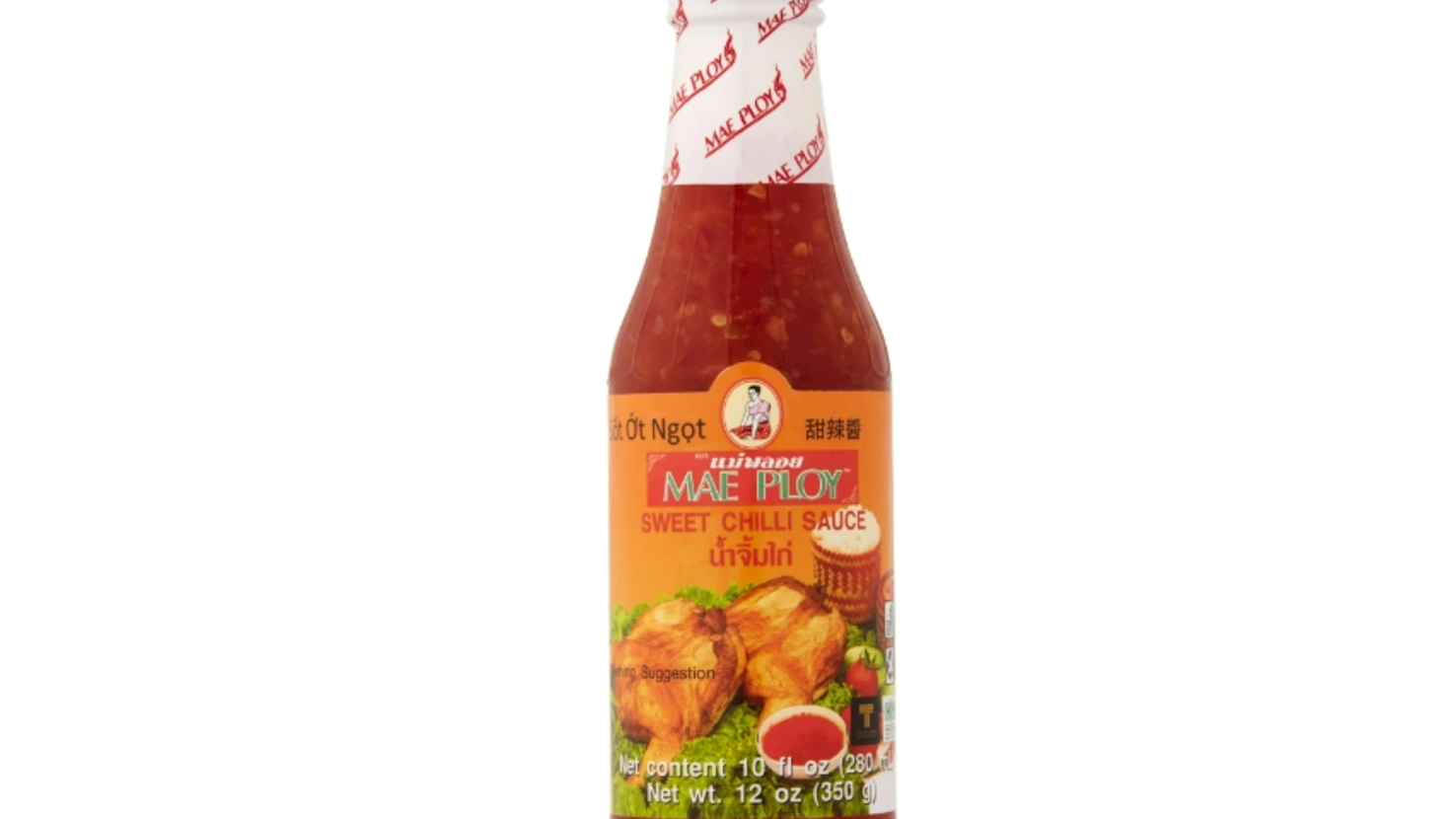
Mae Ploy is one of Thailand’s best-known brands specializing in the production of authentic Thai cooking ingredients, including curry pastes, sauces, seasonings, and other specialty food products. The brand was established in 1921 in Bangkok, when Praiwan Chit-ampawan began producing homemade curry pastes and sauces based on traditional family recipes. Over more than a century, Mae Ploy has grown into an internationally recognized producer whose products are exported to markets around the world. Its product portfolio includes green, red, yellow, Panang, and Massaman curry pastes, sweet chili sauce, soup pastes, rice seasonings, coconut cream powder, and other ingredients for preparing authentic Thai cuisine. Production combines carefully selected ingredients such as lemongrass, galangal, kaffir lime, Thai basil, chilies, and aromatic spices with traditional recipes and modern manufacturing standards. Mae Ploy is owned by Theppadungporn Coconut, one of Thailand’s leading food manufacturers and exporters. Renowned for its consistent quality, authentic flavors, and wide international availability, Mae Ploy has become one of the world’s most recognizable brands for Thai cooking ingredients and a trusted choice among professional chefs and home cooks alike.
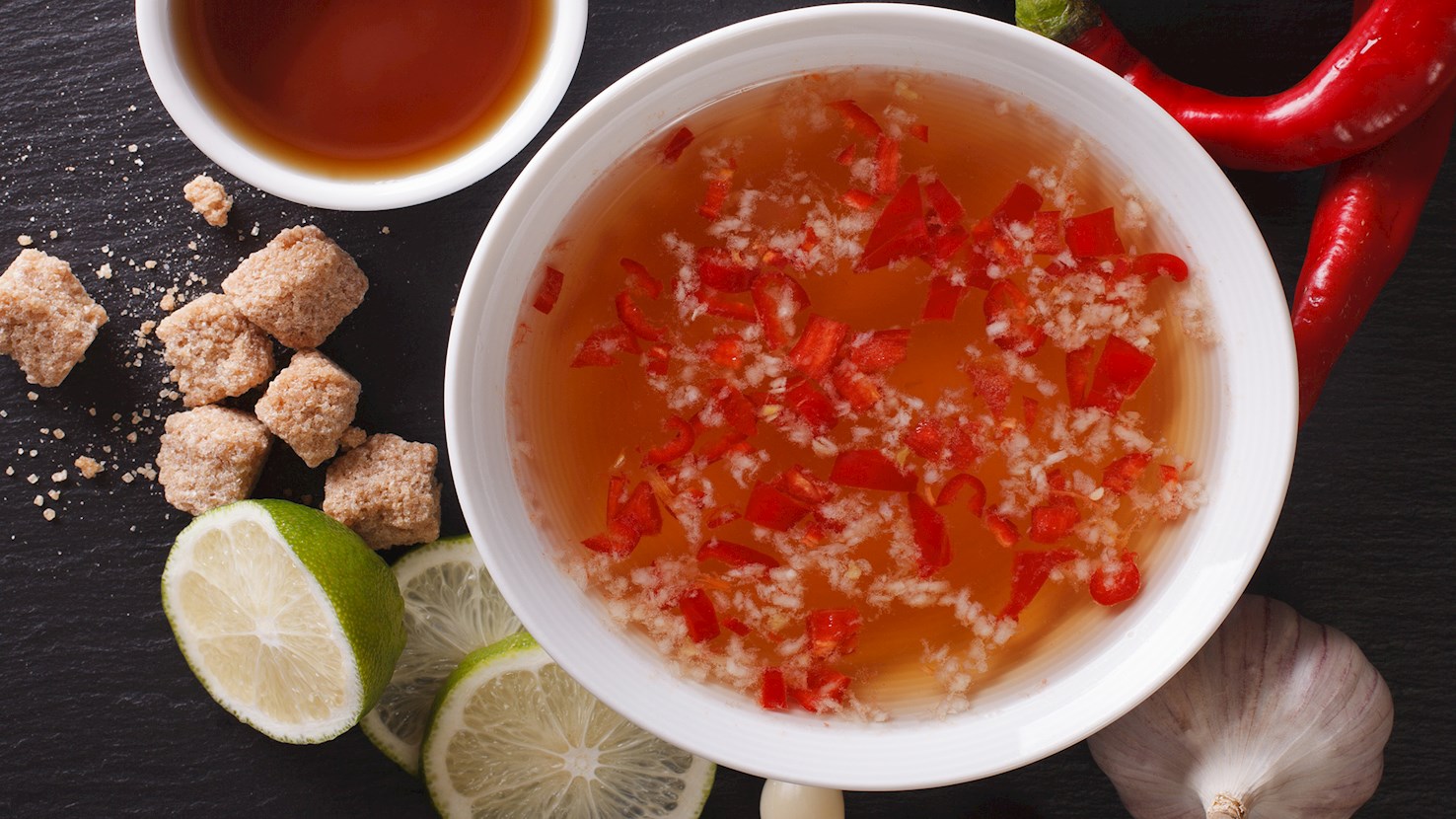
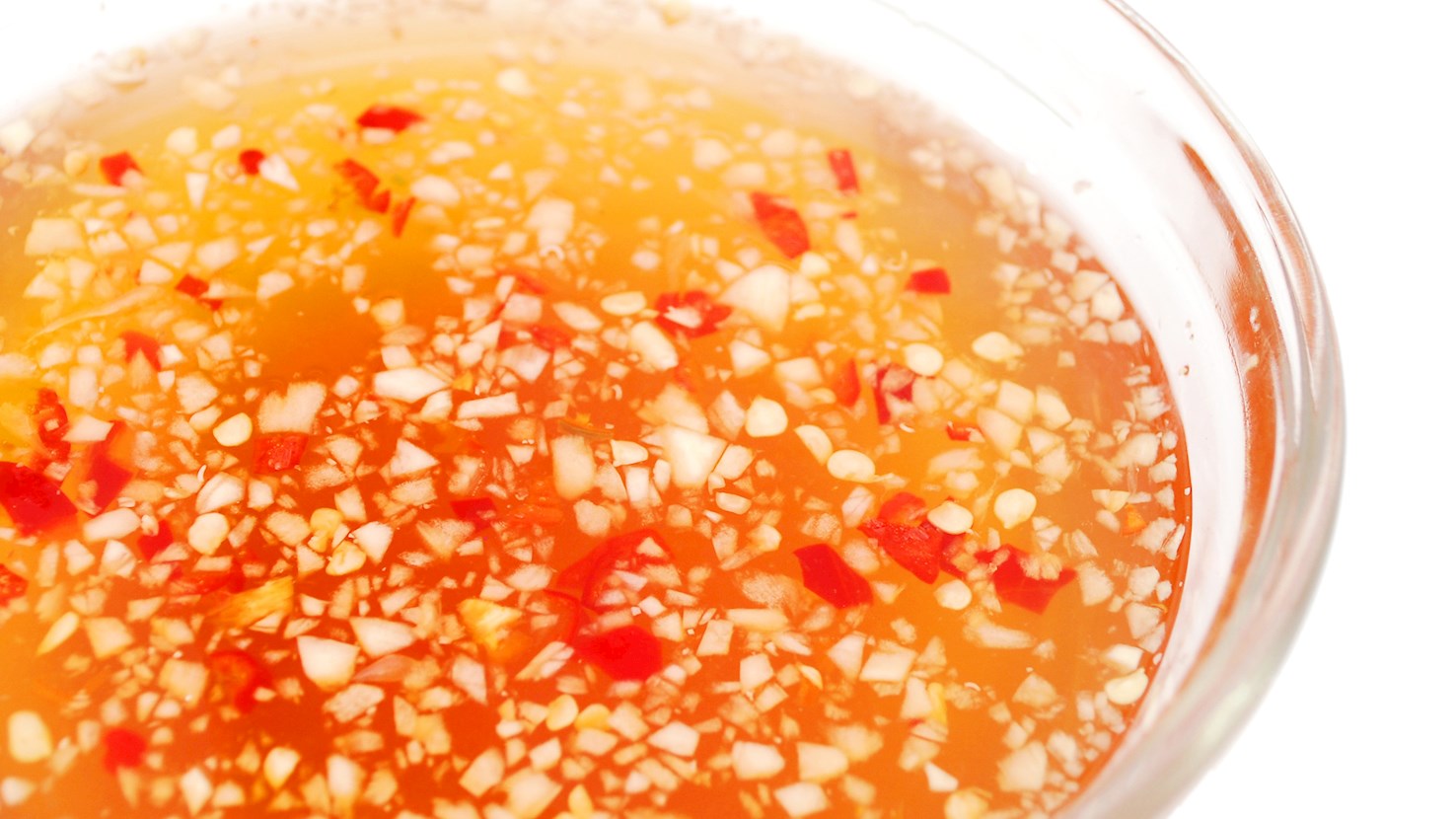
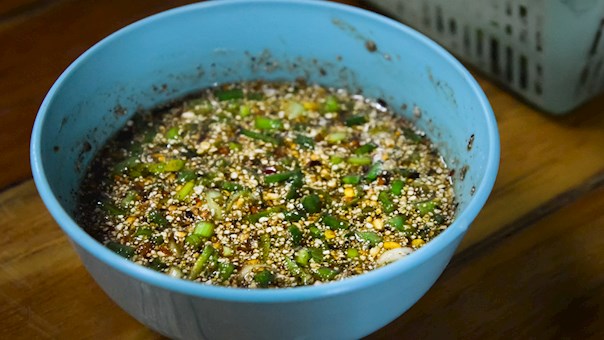
In its basic form, this ubiquitous Vietnamese sauce is prepared with a sour base of lime juice, or optionally vinegar, sugar, water, and fish sauce. Common additions include finely sliced chili peppers, garlic, shallots, spring onions, ginger, or fresh herbs. The sauce comes in many regional varieties, and the final composition may also depend on the type of meal which it accompanies. Nước chấm is usually served as a dipping sauce alongside chả giò (spring rolls), bánh xèo (crispy pancakes), and various meat or seafood dishes, as well as noodles and soups.
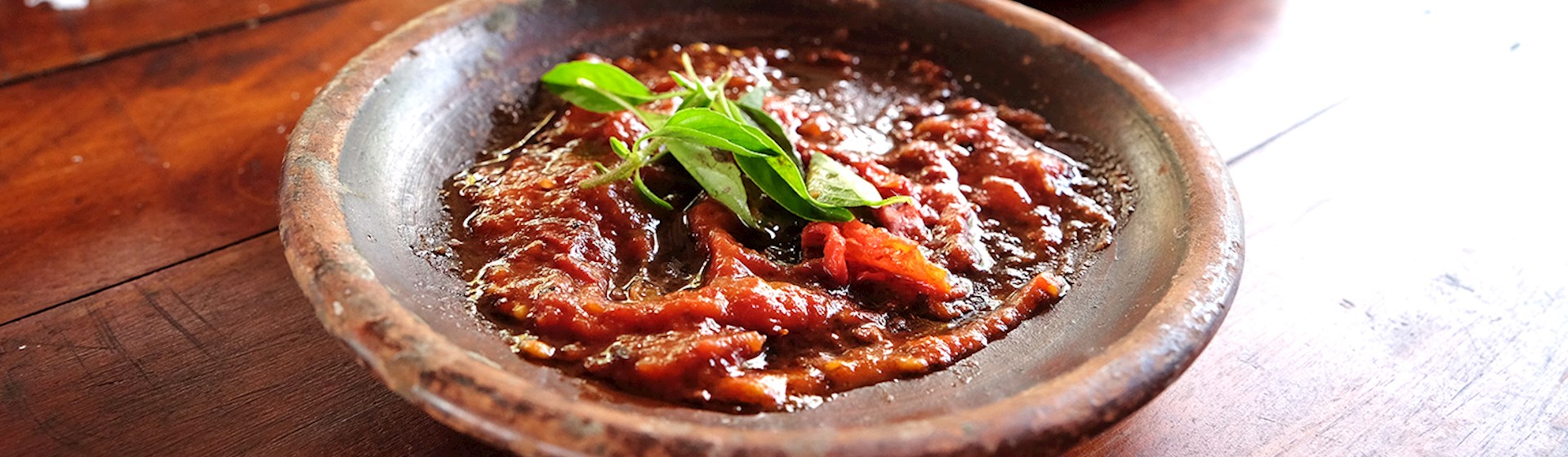
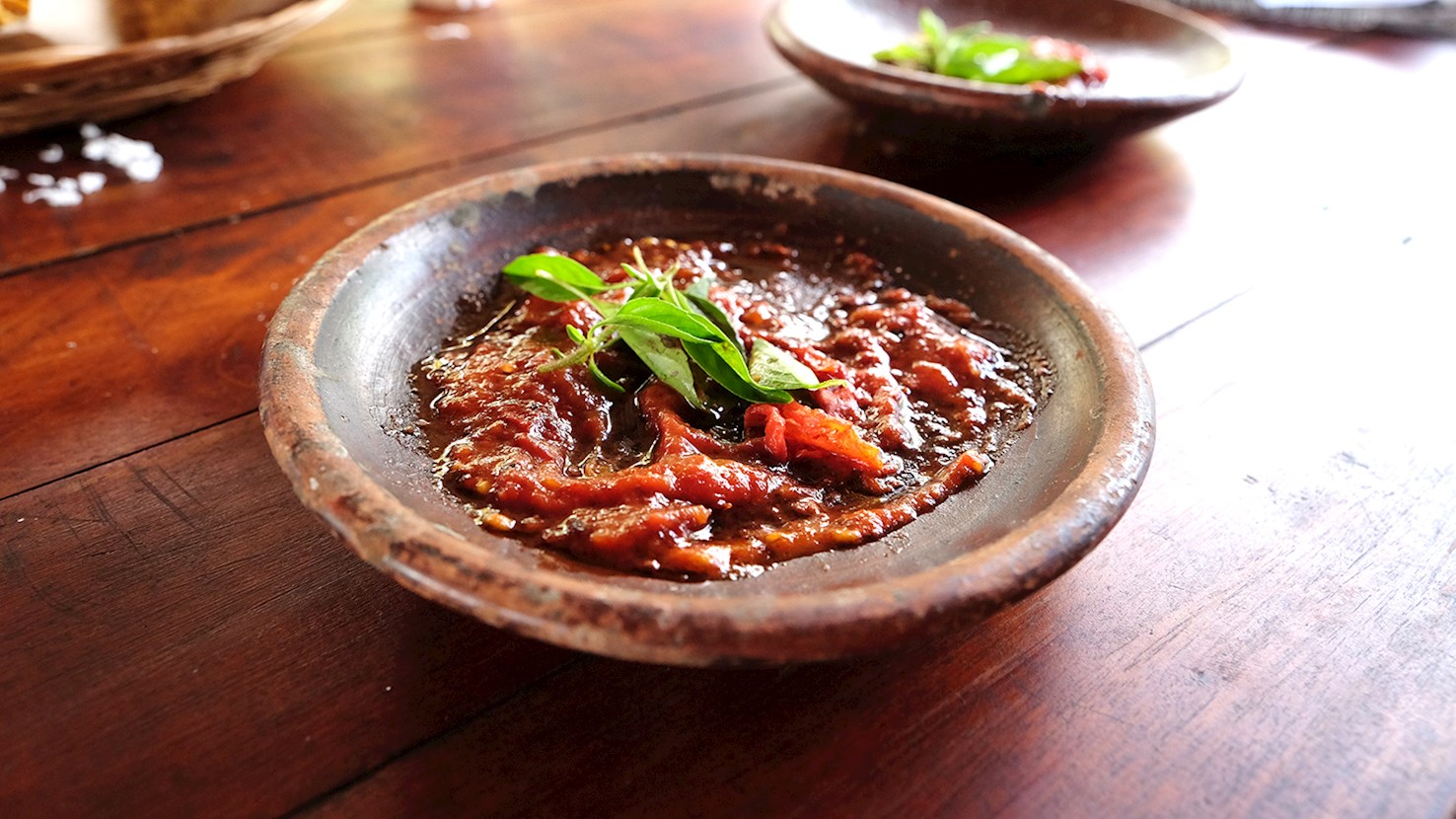
Sambal terasi is an Indonesian chili paste made primarily from fresh red chilies and fermented shrimp paste known as terasi. It is one of the most common and widely used sambals across Indonesia and serves as a versatile condiment that accompanies a variety of dishes, from fried fish and vegetables to rice and tofu. The key ingredient, terasi, is made from ground, salted, and fermented small shrimp that is sun-dried and either formed into blocks or sold loose. Before being used in sambal, terasi is typically toasted or fried to reduce its strong odor and enhance its umami flavor. The sambal is prepared by grinding red chilies, garlic, shallots, and sometimes tomatoes together with the toasted shrimp paste using a mortar and pestle, though modern versions may use a blender. Palm sugar is added to introduce sweetness, and tamarind juice or lime juice provides a sour note to balance the flavors. Salt is used for seasoning, and a small amount of oil is often added to blend everything smoothly or to fry the sambal further if a cooked version is desired. There are two main types of sambal terasi: sambal terasi mentah (raw), which uses raw chilies and ingredients and is served fresh, and sambal terasi matang (cooked), where the ingredients are sautéed to develop a deeper, more mellow flavor. Sambal terasi is an essential part of Indonesian cuisine and is found in households and restaurants throughout the country. It is known for its bold, savory taste and ability to enhance even the simplest dishes. While it can be very spicy depending on the amount and type of chilies used, it is always characterized by its complex combination of spicy, salty, sweet, and tangy notes. Because of its strong flavor and the presence of shrimp paste, sambal terasi is often made in small batches and consumed fresh, although it can be stored for several days in a sealed container in the refrigerator. In Malaysia, sambal terasi is known as sambal belacan.
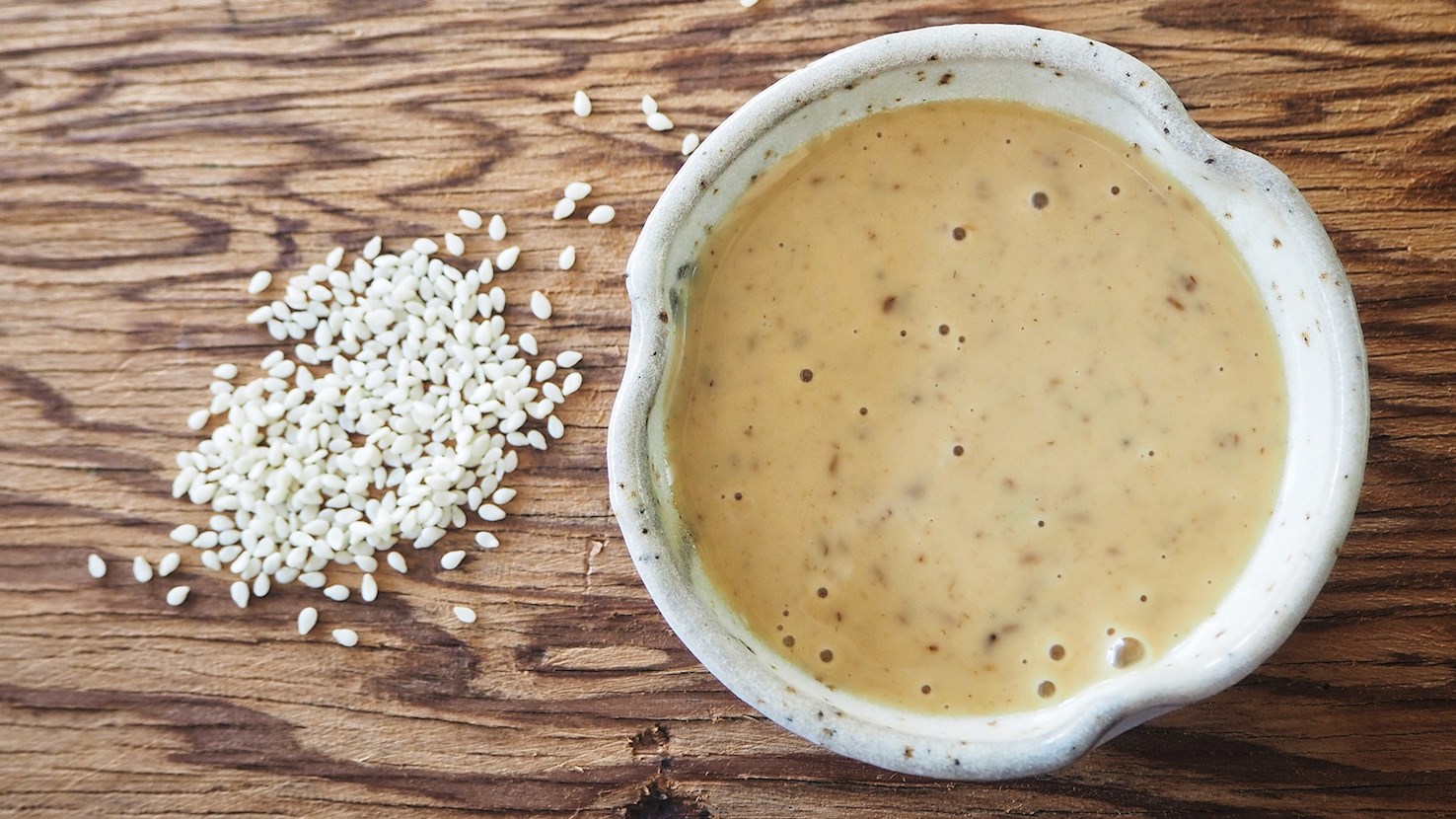
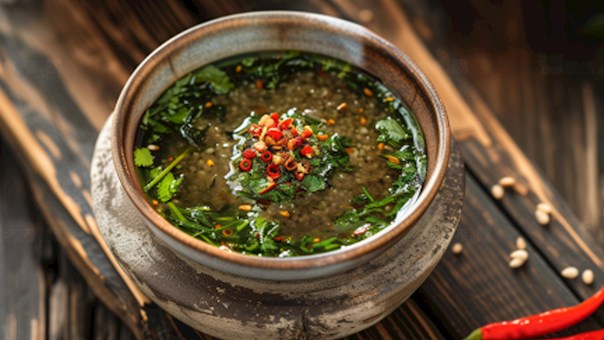
Goma dare is a traditional sesame seed dipping sauce. It's usually prepared with a combination of tahini, soy sauce, sake, mirin rice vinegar, garlic, miso, sugar, sesame oil, and dashi stock, while mayonnaise is sometimes used to add more creaminess. The ingredients are mixed in a bowl, then refrigerated until the sauce is ready to be used. This versatile sauce is traditionally served with shabu shabu, a dish consisting of thinly sliced meat and vegetables cooked in water. Goma dare can also be served with poke bowls, salads, and many types of noodles.
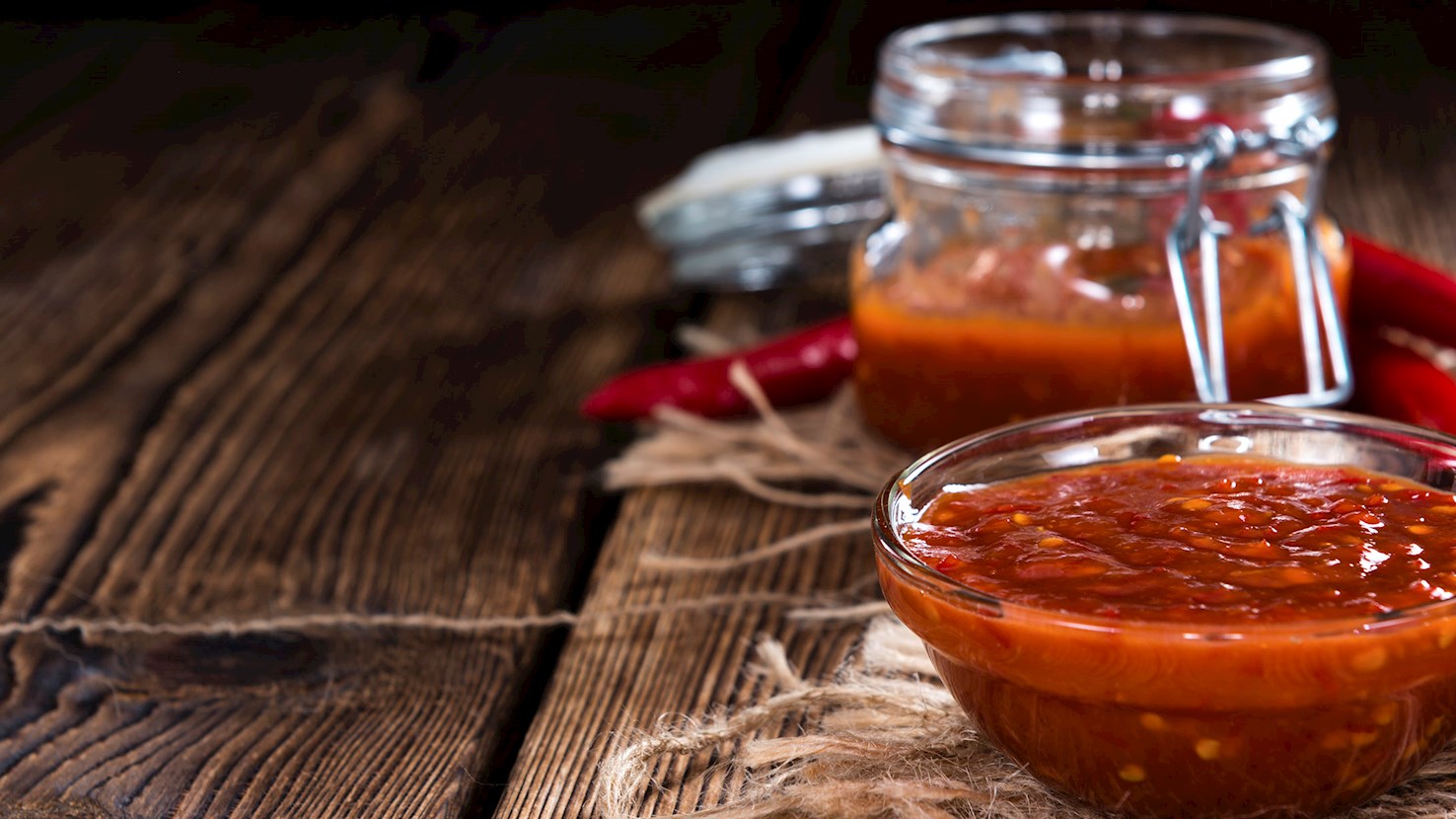
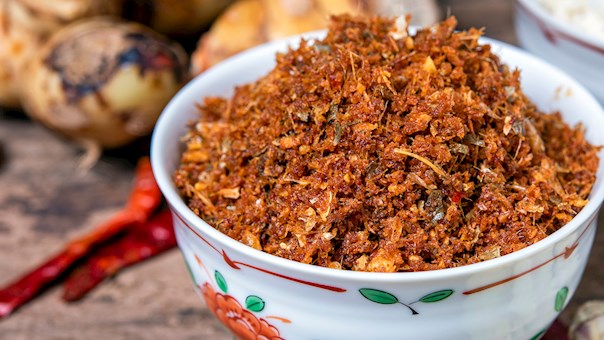
This quintessential Southeast Asian condiment is usually made only with spicy chili peppers and salt. It is occasionally adapted with lime juice, onions, sugar, ginger, shrimp paste, or vinegar. Traditionally prepared in a mortar, it is characterized by its thick consistency and an incredibly strong and sharp flavor. This original Indonesian creation has gained worldwide acclaim, and store bought varieties are available at numerous Asian food markets and international stores around the world. Sambal is used in a variety of Asian dishes, usually as a spicy condiment, seasoning, or a topping served alongside meat, seafood, vegetables, or rice.
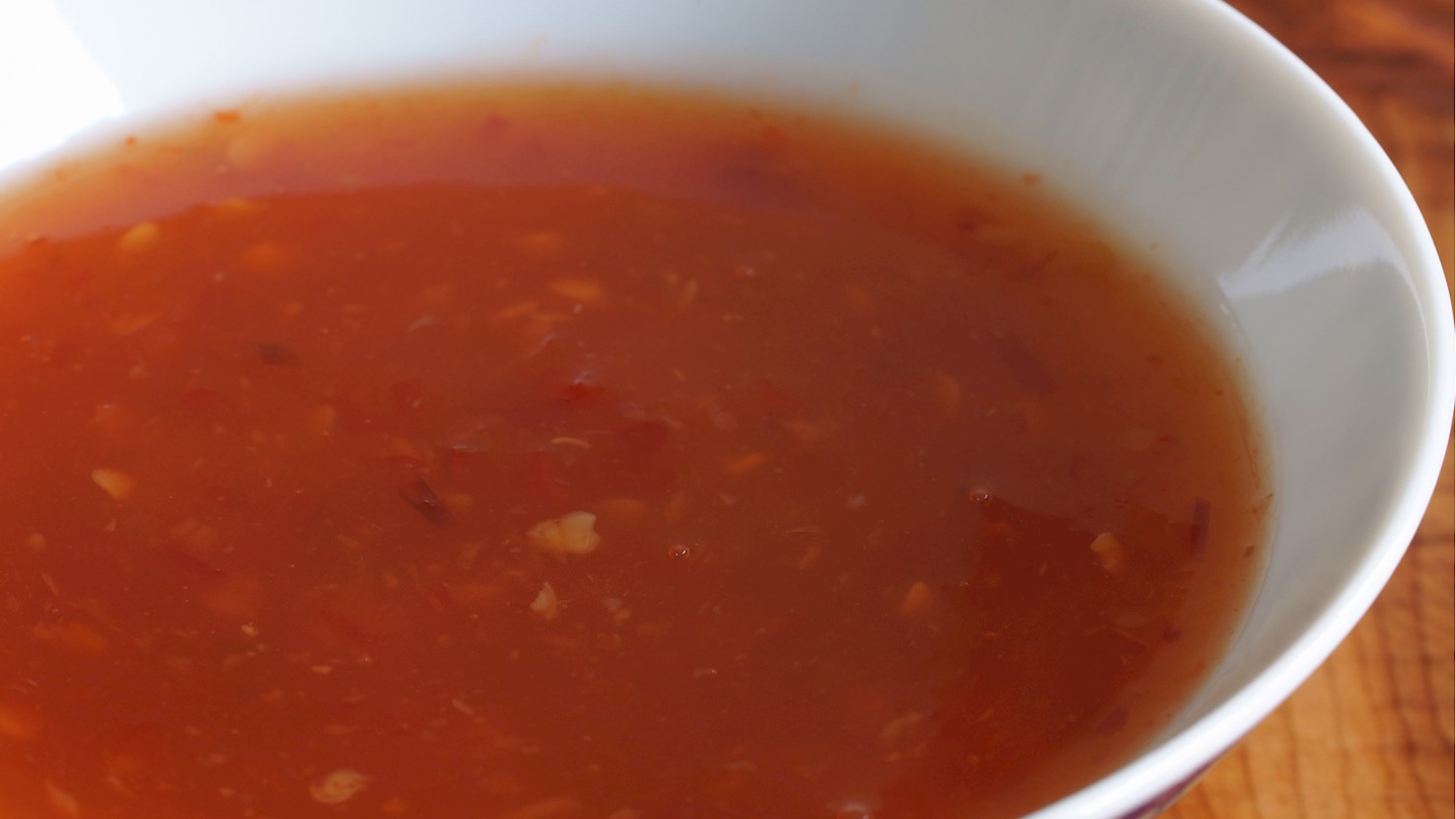
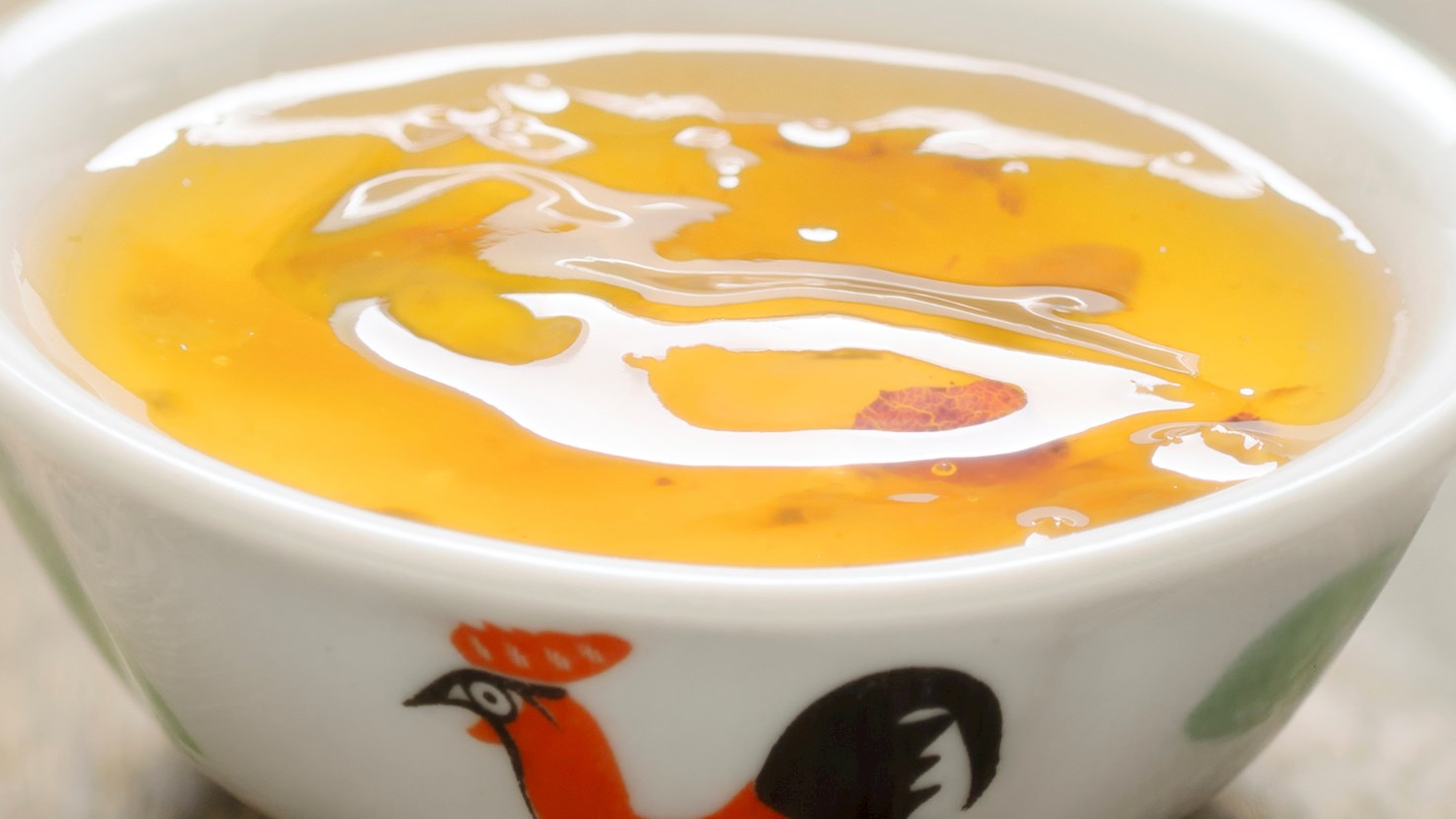
Nam chim kai is a traditional sweet chili sauce originating from Thailand. The sauce is usually made with a combination of fish sauce, garlic, chili flakes, lime juice, white wine vinegar, brown sugar, water, and rice wine. The ingredients are simmered in a saucepan until the sauce thickens and develops the consistency of runny syrup or honey. Once prepared, nam chim kai can be used as an ingredient in many dishes, or more commonly as a dipping sauce for a variety of foods.
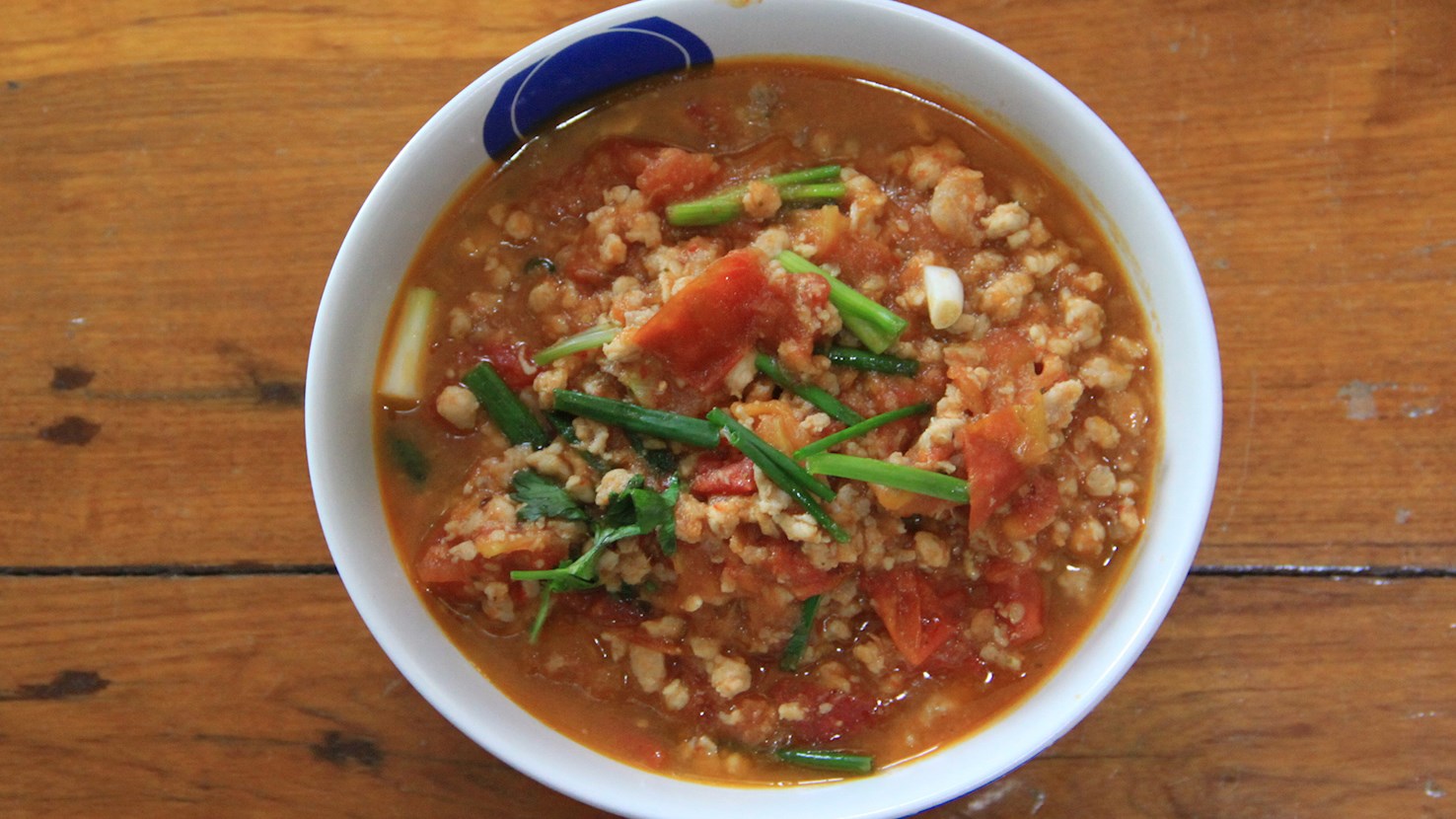
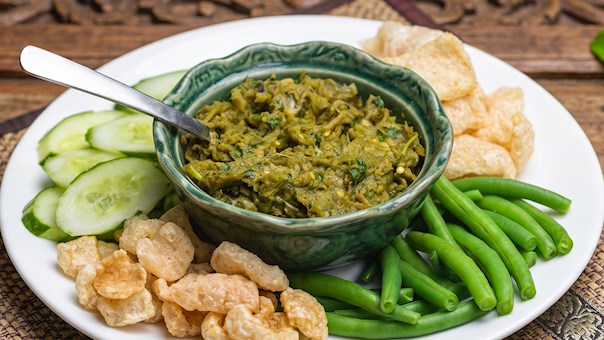
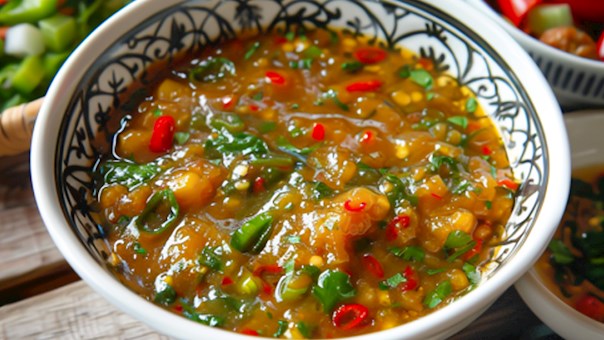
The term nam phrik refers to a vast range of chili-based sauces that are found throughout Thailand. Although the sauces may vary in consistency, they are traditionally prepared in a mortar, and apart from fresh or dry chili peppers, they usually consist of lime juice, garlic, seasonings, as well as fish sauces or shrimp paste. Different regional varieties include ingredients such as galangal, sugar, tamarind, and even dry or fermented fish and fruits. Most nam phrik are served as dipping sauces with vegetables and meat or fish.
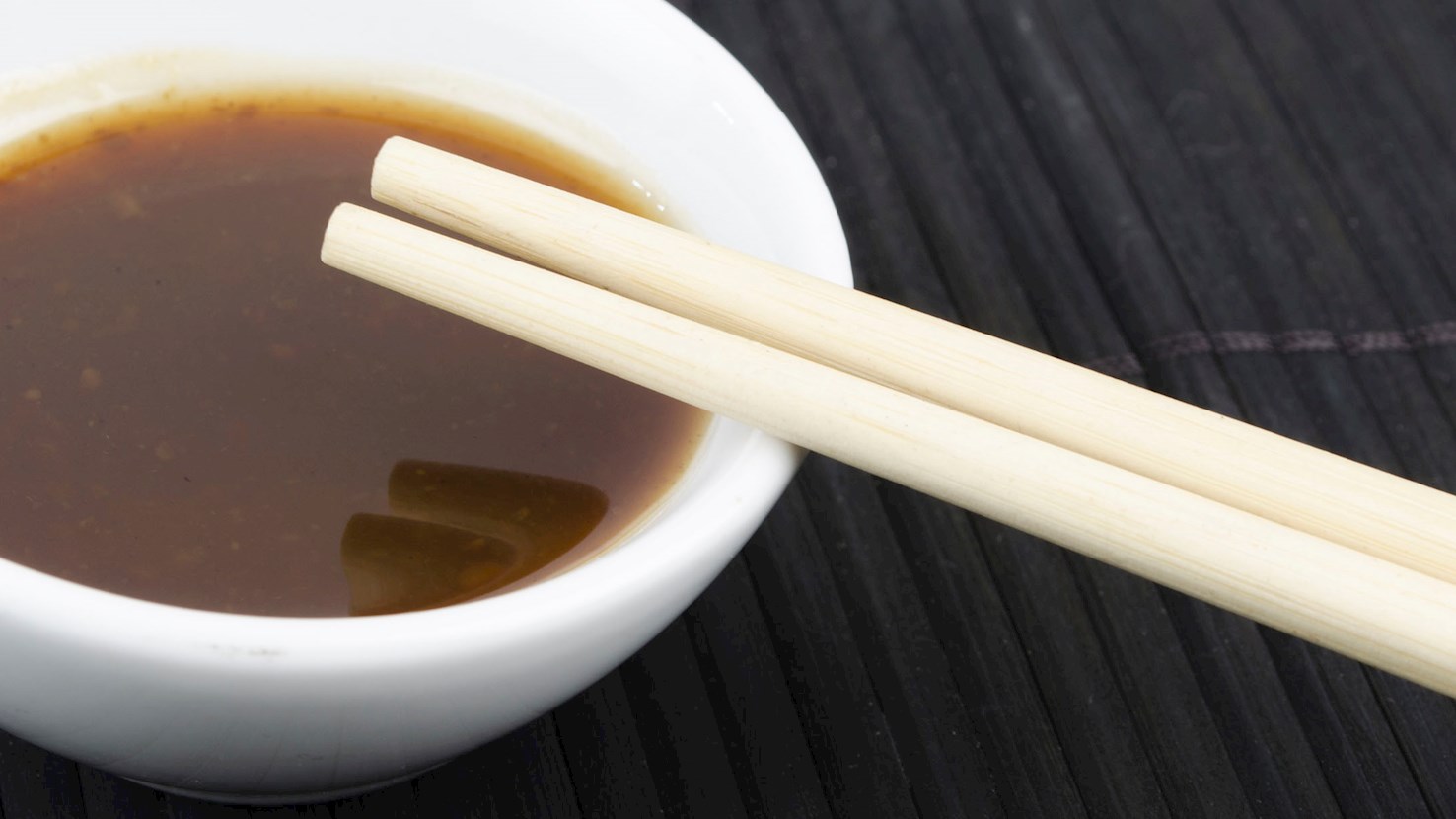
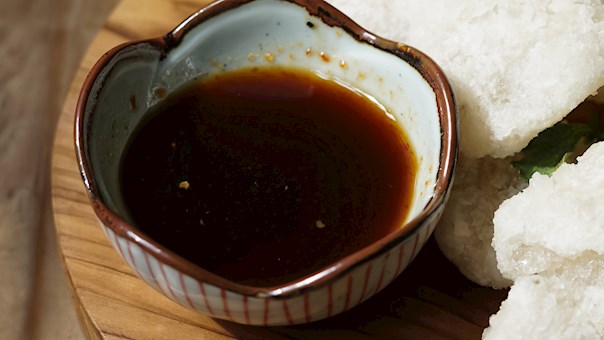
Hoisin sauce is a thick, dark brown sauce, commonly used in Cantonese and northern Chinese cooking. It is known for its balanced combination of sweet, salty, and umami flavors, and is made from fermented soybeans blended with sugar, vinegar, garlic, and various spices. The sauce is used both as a glaze for meat and as a dipping sauce, contributing flavor depth and color to a range of dishes. Its name, derived from the Cantonese word “hoisin” meaning “seafood,” refers not to its ingredients but to the sauce’s early use in dishes often paired with fish or shellfish. Today, hoisin sauce is found throughout Asia and in international Chinese cuisine, where it is a common accompaniment to roasted meats, noodles, and spring rolls. The sauce developed during the late imperial period in China, when fermentation techniques were widely applied to preserve soybeans and create seasonings such as soy sauce and bean paste. In the southern provinces, cooks began combining these pastes with sweeteners and aromatics to produce a thicker, more versatile sauce suitable for glazing and dipping. It spread quickly through urban markets and restaurants, particularly in Guangdong and Hong Kong, and was later adopted in Beijing-style cuisine where it became an essential component of dishes such as Peking duck. Modern versions vary slightly by region and manufacturer, but the core flavor profile, a combination of sweetness, salt, and fermented richness, remains constant. Preparation begins with a base of fermented soybean paste, which is mixed with sugar or molasses, vinegar, garlic, chili, and five-spice powder. The mixture is cooked slowly until thickened and then cooled to achieve a smooth, glossy texture. In commercial production, starches are sometimes added for consistency, and preservatives are included for shelf stability. The resulting sauce is dark and viscous, with a strong aroma and a flavor that combines the savoriness of fermented beans with the sweetness of sugar and the tang of vinegar. The depth of flavor comes from the fermentation process, which produces complex umami compounds that interact with the other ingredients to create balance. Hoisin sauce is eaten throughout China and across East and Southeast Asia, and it has become a familiar element in global Chinese cuisine. It is found in restaurant kitchens and household pantries alike, used both as a cooking ingredient and as a condiment. The sauce pairs well with meats such as duck, pork, and beef, as well as with tofu and grilled vegetables. It is commonly served alongside steamed buns or pancakes in Beijing-style dishes and with noodle soups in southern China. For beverages, it complements light teas such as jasmine or oolong, whose floral notes balance its richness, while beer or dry white wine can provide contrast when served with roasted or spiced meats.
Plum sauce is a flavorful condiment consisting of sweet plums, vinegar, ginger, chili, garlic, sugar, and salt. It has Chinese origins and is an often-seen condiment of choice in numerous Chinese restaurants. The sauce can be used as a dip for a variety of dishes such as roast duck, spring rolls, and noodles, or it can be brushed on poultry or ribs before grilling. Additionally, other fruits such as apricots or prunes can be added to the sauce in order to thicken it.
Mắm nêm is a traditional dipping sauce made from fermented anchovies. It is much more pungent than other fish sauces – while the regular nước mắm fish sauce is strained in order to exclusively get the salty liquid, mắm nêm uses the whole fish. When served in dishes, mắm nêm is typically mixed with ingredients like sugar, chili, lime juice, pineapple, and garlic. All of the ingredients elevate mắm nêm's aromas and flavors. It's recommended to use this pungent sauce with beef dishes such as bo nuong vi (Vietnamese lemongrass grilled beef).
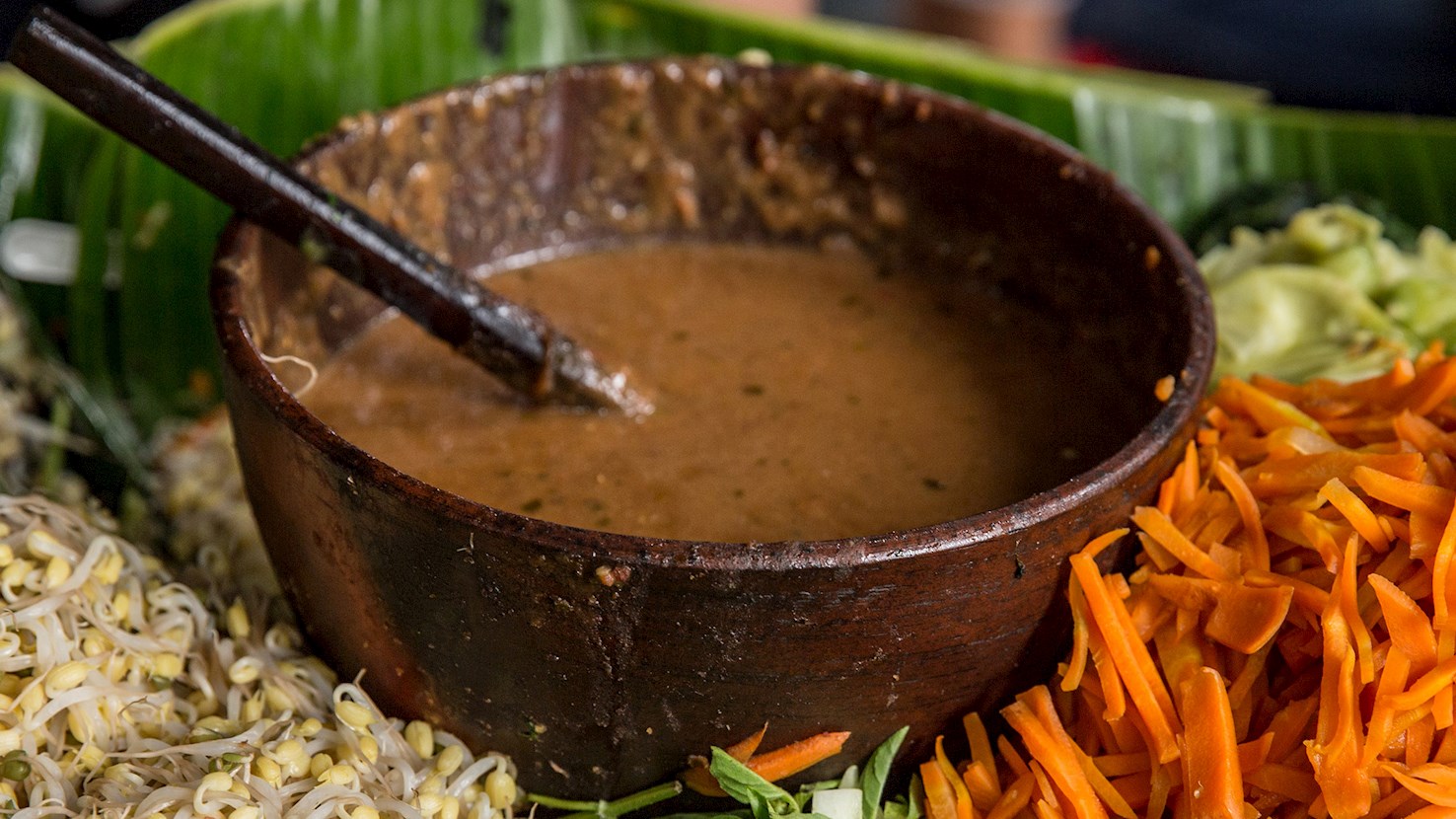
Sambal kacang is an Indonesian peanut-based chili sauce, commonly used as a dipping sauce or dressing for dishes like satay, gado-gado, ketoprak, and nasi uduk. It has a rich, nutty flavor with a balance of spiciness, sweetness, and umami, making it one of the most beloved sambals in Indonesian cuisine. Unlike regular chili-based sambals, sambal kacang is made with roasted peanuts blended with chilies, garlic, palm sugar, tamarind, and sweet soy sauce (kecap manis), creating a thick, creamy, and slightly spicy sauce. Some variations may include coconut milk for extra richness or lime juice for a tangy kick.
TasteAtlas food rankings are based on the ratings of the TasteAtlas audience, with a series of mechanisms that recognize real users and that ignore bot,
nationalist or local patriotic ratings, and give additional value to the ratings of users that the system recognizes as knowledgeable.
For the “Top 17 Asian Dipping Sauces” list until October 15, 2026, 927 ratings were recorded, of which 782 were recognized by the system as legitimate.
TasteAtlas Rankings should not be seen as the final global conclusion about food. Their purpose is to promote excellent local foods,
instill pride in traditional dishes, and arouse curiosity about dishes you haven’t tried.
The initial list of top producers was compiled based on available reviews, awards, local recommendations, media and blog coverage, and consumer reviews.
The list will be updated with ratings from TasteAtlas local ambassadors and TasteAtlas users.








What People Say