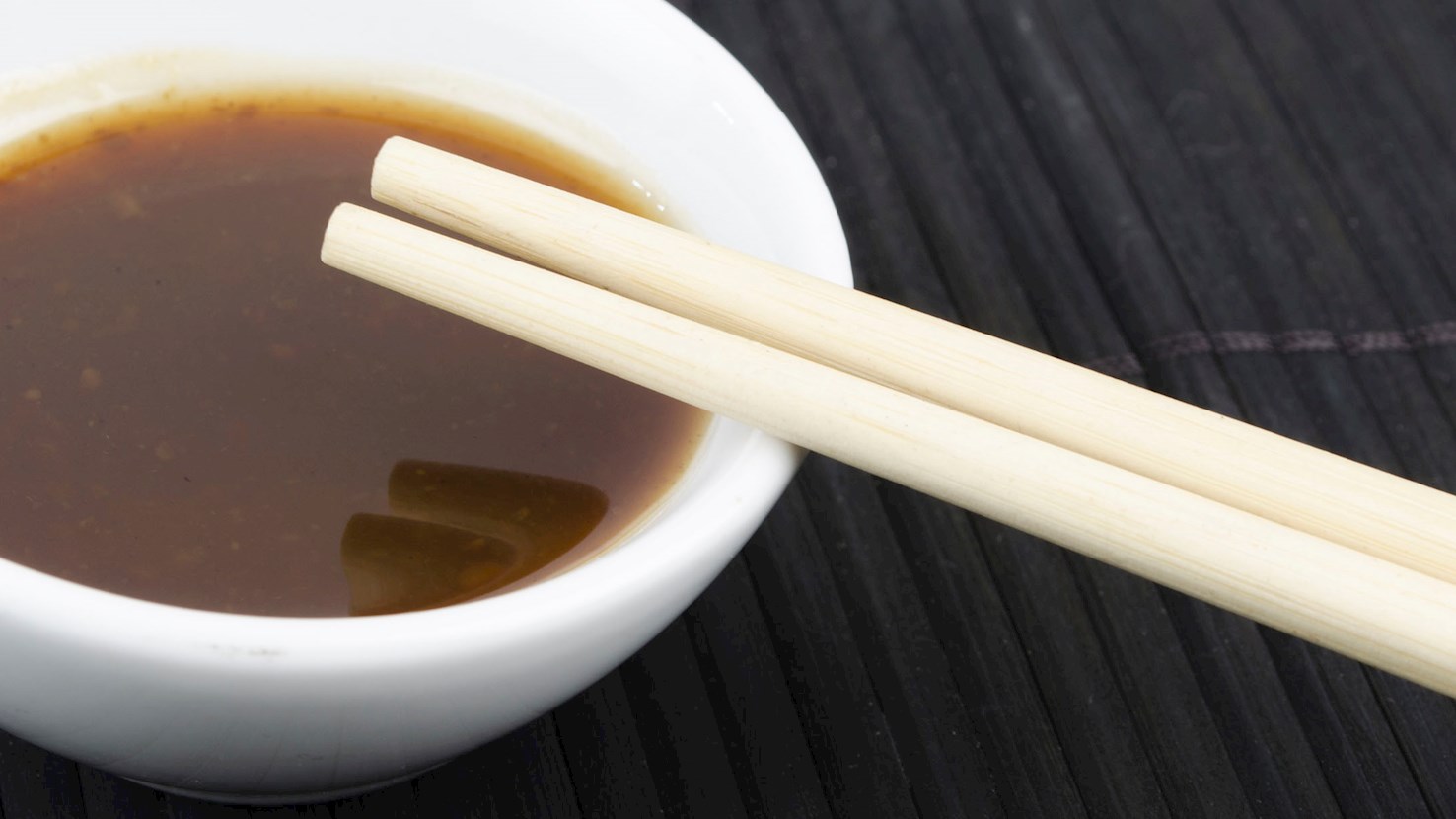
Hoisin sauce is a thick, dark brown sauce, commonly used in Cantonese and northern Chinese cooking. It is known for its balanced combination of sweet, salty, and umami flavors, and is made from fermented soybeans blended with sugar, vinegar, garlic, and various spices. The sauce is used both as a glaze for meat and as a dipping sauce, contributing flavor depth and color to a range of dishes. Its name, derived from the Cantonese word “hoisin” meaning “seafood,” refers not to its ingredients but to the sauce’s early use in dishes often paired with fish or shellfish. Today, hoisin sauce is found throughout Asia and in international Chinese cuisine, where it is a common accompaniment to roasted meats, noodles, and spring rolls. The sauce developed during the late imperial period in China, when fermentation techniques were widely applied to preserve soybeans and create seasonings such as soy sauce and bean paste. In the southern provinces, cooks began combining these pastes with sweeteners and aromatics to produce a thicker, more versatile sauce suitable for glazing and dipping. It spread quickly through urban markets and restaurants, particularly in Guangdong and Hong Kong, and was later adopted in Beijing-style cuisine where it became an essential component of dishes such as Peking duck. Modern versions vary slightly by region and manufacturer, but the core flavor profile, a combination of sweetness, salt, and fermented richness, remains constant. Preparation begins with a base of fermented soybean paste, which is mixed with sugar or molasses, vinegar, garlic, chili, and five-spice powder. The mixture is cooked slowly until thickened and then cooled to achieve a smooth, glossy texture. In commercial production, starches are sometimes added for consistency, and preservatives are included for shelf stability. The resulting sauce is dark and viscous, with a strong aroma and a flavor that combines the savoriness of fermented beans with the sweetness of sugar and the tang of vinegar. The depth of flavor comes from the fermentation process, which produces complex umami compounds that interact with the other ingredients to create balance. Hoisin sauce is eaten throughout China and across East and Southeast Asia, and it has become a familiar element in global Chinese cuisine. It is found in restaurant kitchens and household pantries alike, used both as a cooking ingredient and as a condiment. The sauce pairs well with meats such as duck, pork, and beef, as well as with tofu and grilled vegetables. It is commonly served alongside steamed buns or pancakes in Beijing-style dishes and with noodle soups in southern China. For beverages, it complements light teas such as jasmine or oolong, whose floral notes balance its richness, while beer or dry white wine can provide contrast when served with roasted or spiced meats.
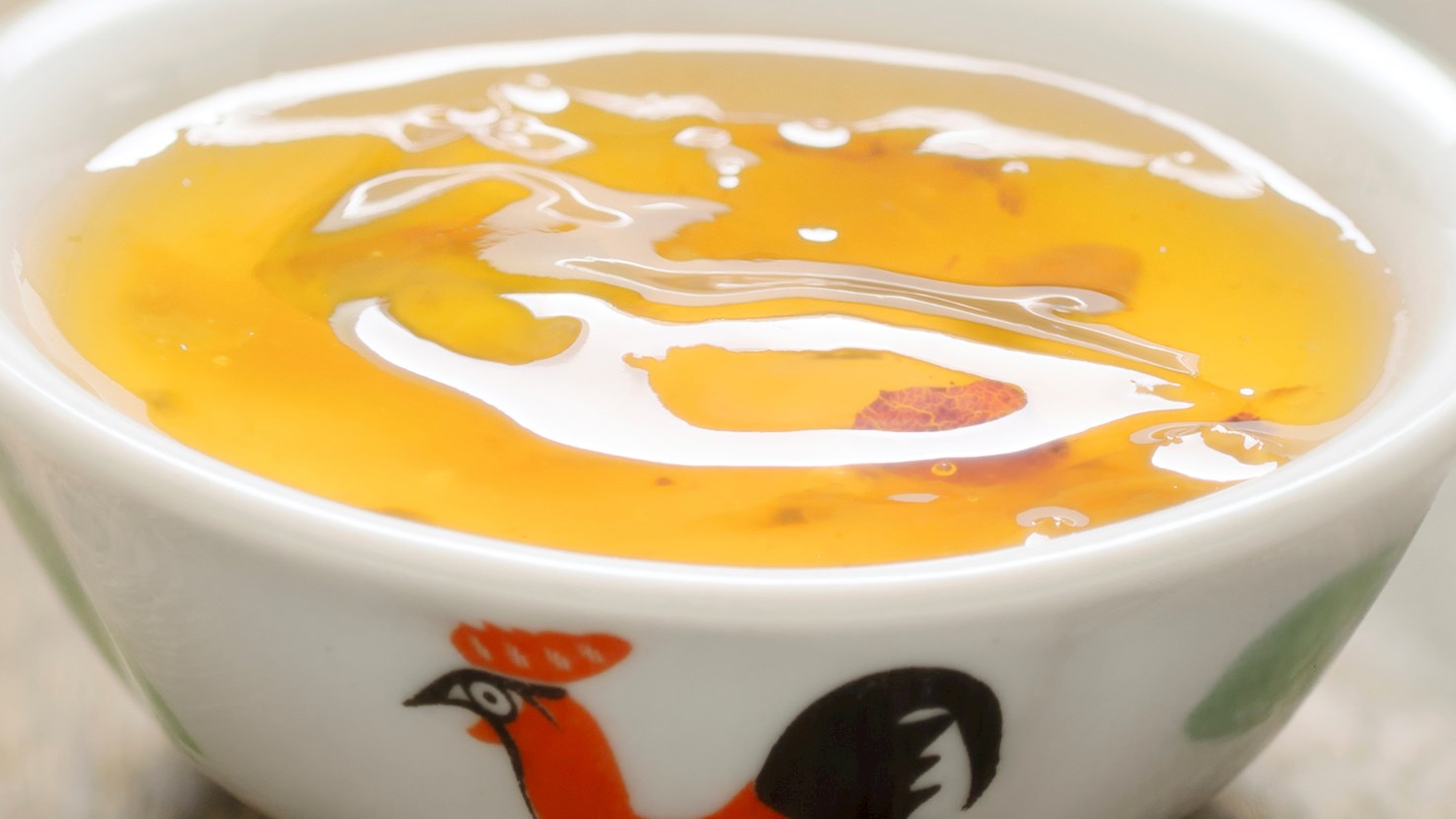
Plum sauce is a flavorful condiment consisting of sweet plums, vinegar, ginger, chili, garlic, sugar, and salt. It has Chinese origins and is an often-seen condiment of choice in numerous Chinese restaurants. The sauce can be used as a dip for a variety of dishes such as roast duck, spring rolls, and noodles, or it can be brushed on poultry or ribs before grilling. Additionally, other fruits such as apricots or prunes can be added to the sauce in order to thicken it.
Sapie is a Dai dish from the Yunnan province consisting of a dipping sauce and various cold ingredients that are dipped into the sauce before consumption. The sauce is made with raw beef, spices such as knotweed, culantro, ramson, garlic, and bovine bile, the bile giving it a bitter taste. The so-called cold ingredients are usually rice noodles, tripe, grilled intestine, hot peppers, cabbage, and smoked beef jerky. There are many variations of this dish, most notably the lemon sapie that has lemon juice instead of bovine bile, sapie with ants, fish sapie, and sapie with coagulated pork blood.
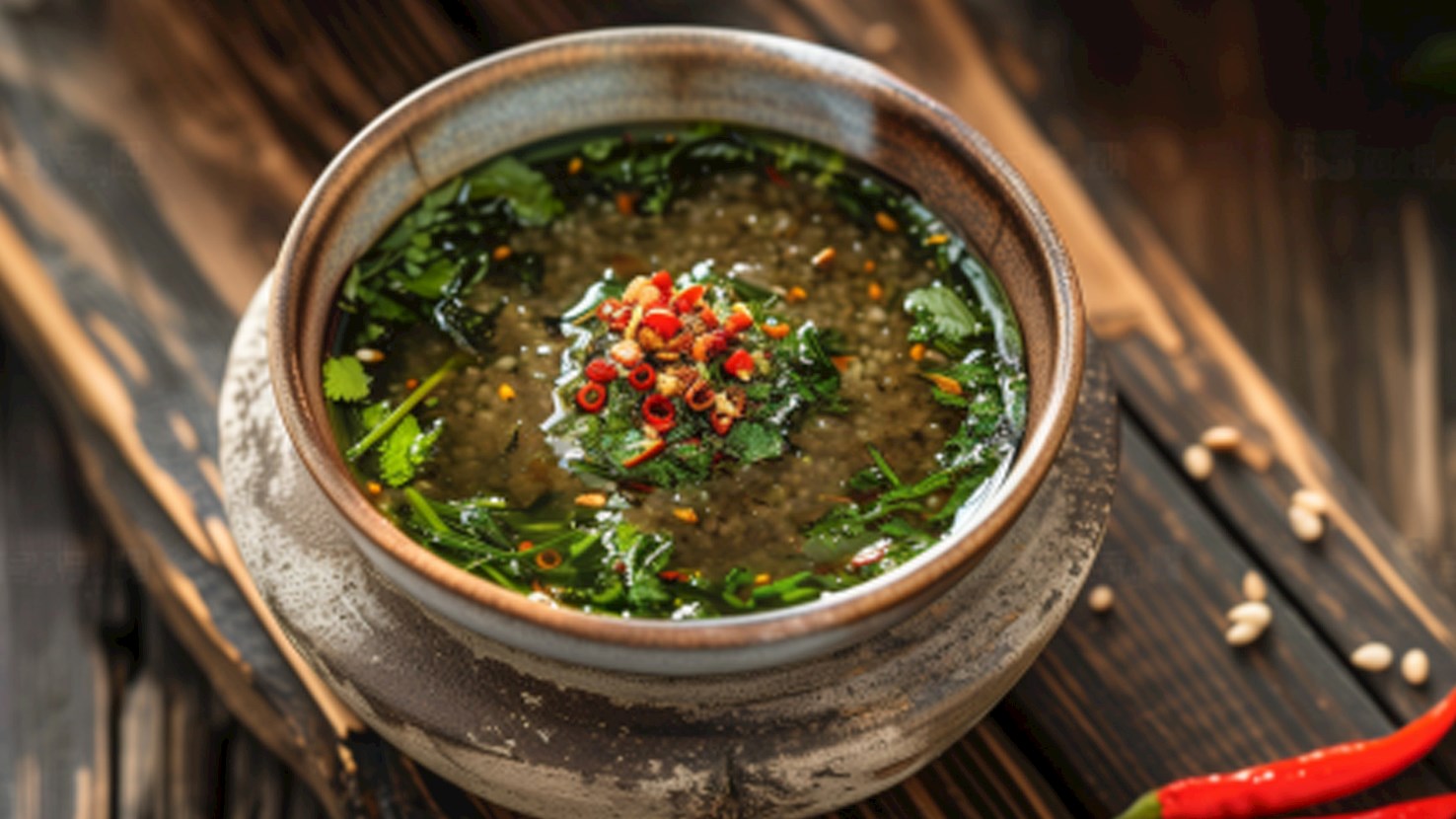
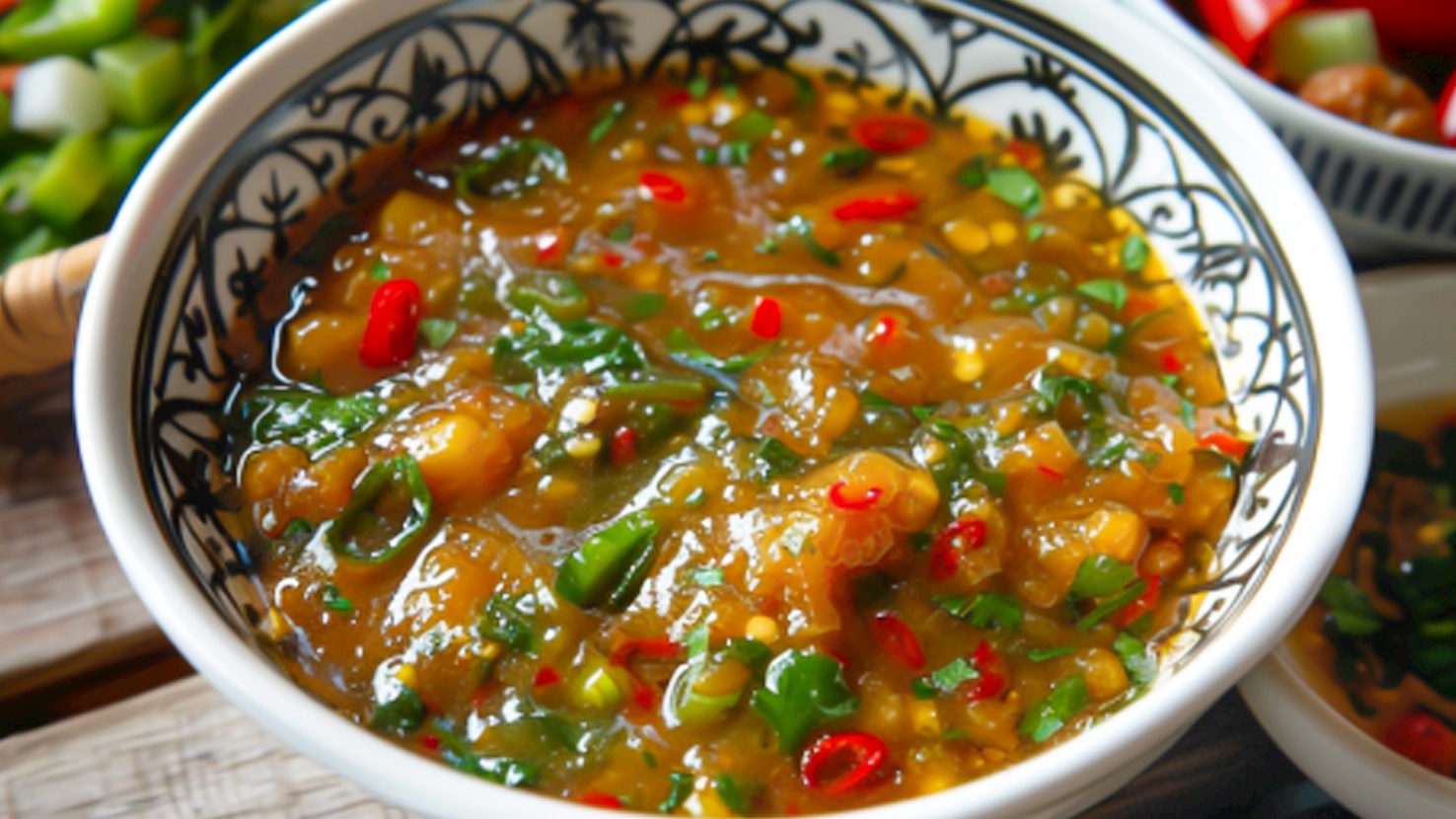
Nanpie or nanmi is a spicy and sour Dai dipping sauce that is prepared using a mortar and pestle — the ingredients are crushed until they turn into a mash. It can be made with a myriad of different ingredients, from vegetables and berries to fish, which are combined with a host of herbs and spices such as garlic, ginger, coriander, chili, tea tree leaves, and basil. Some of the better-known kinds are tamarillo nanpie, goby nanpie and black nightshade nanpie. Prior to mashing, the vegetables or berries are roasted or fried while the fish is grilled. Nanpie can taste differently, either salty, sour, spicy, numb, sweet, or bitter, depending on the recipe. A traditional Dai banquet will have several dishes served, each accompanied by its own nanpie. The more nanpie you see served, the more significant and tasty the meal is.
TasteAtlas food rankings are based on the ratings of the TasteAtlas audience, with a series of mechanisms that recognize real users and that ignore bot,
nationalist or local patriotic ratings, and give additional value to the ratings of users that the system recognizes as knowledgeable.
For the “Top 4 Chinese Dipping Sauces” list until June 15, 2026, 228 ratings were recorded, of which 206 were recognized by the system as legitimate.
TasteAtlas Rankings should not be seen as the final global conclusion about food. Their purpose is to promote excellent local foods,
instill pride in traditional dishes, and arouse curiosity about dishes you haven’t tried.