




shutterstock

Top 15 European Dipping Sauces

Last updated on June 15, 2026
01

Fondue jurassienne

4.3 ·

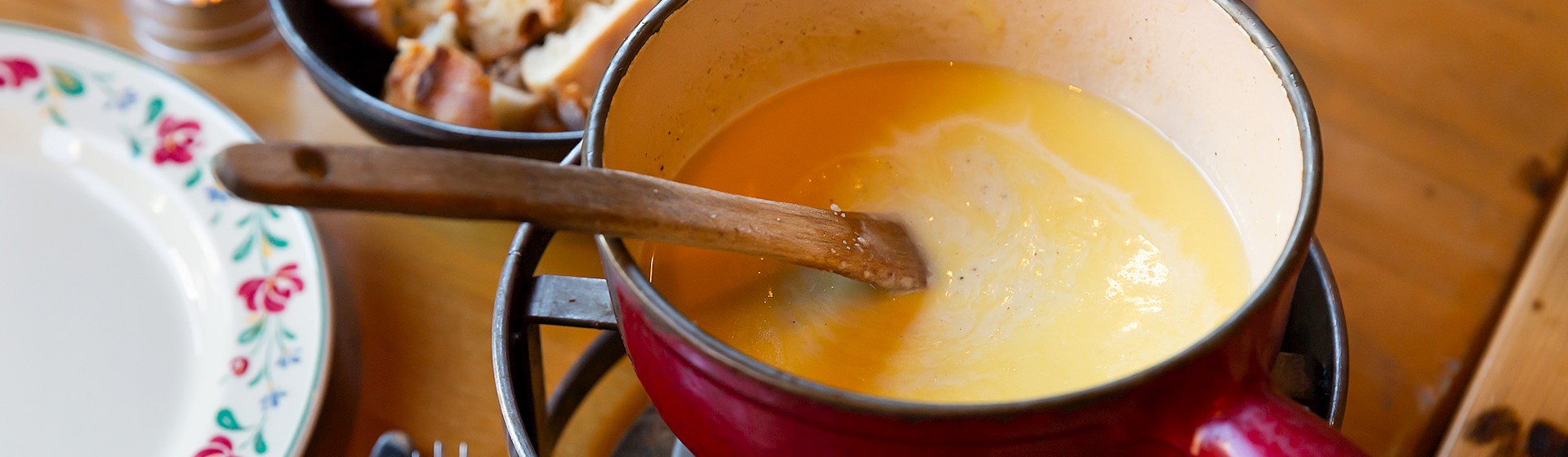
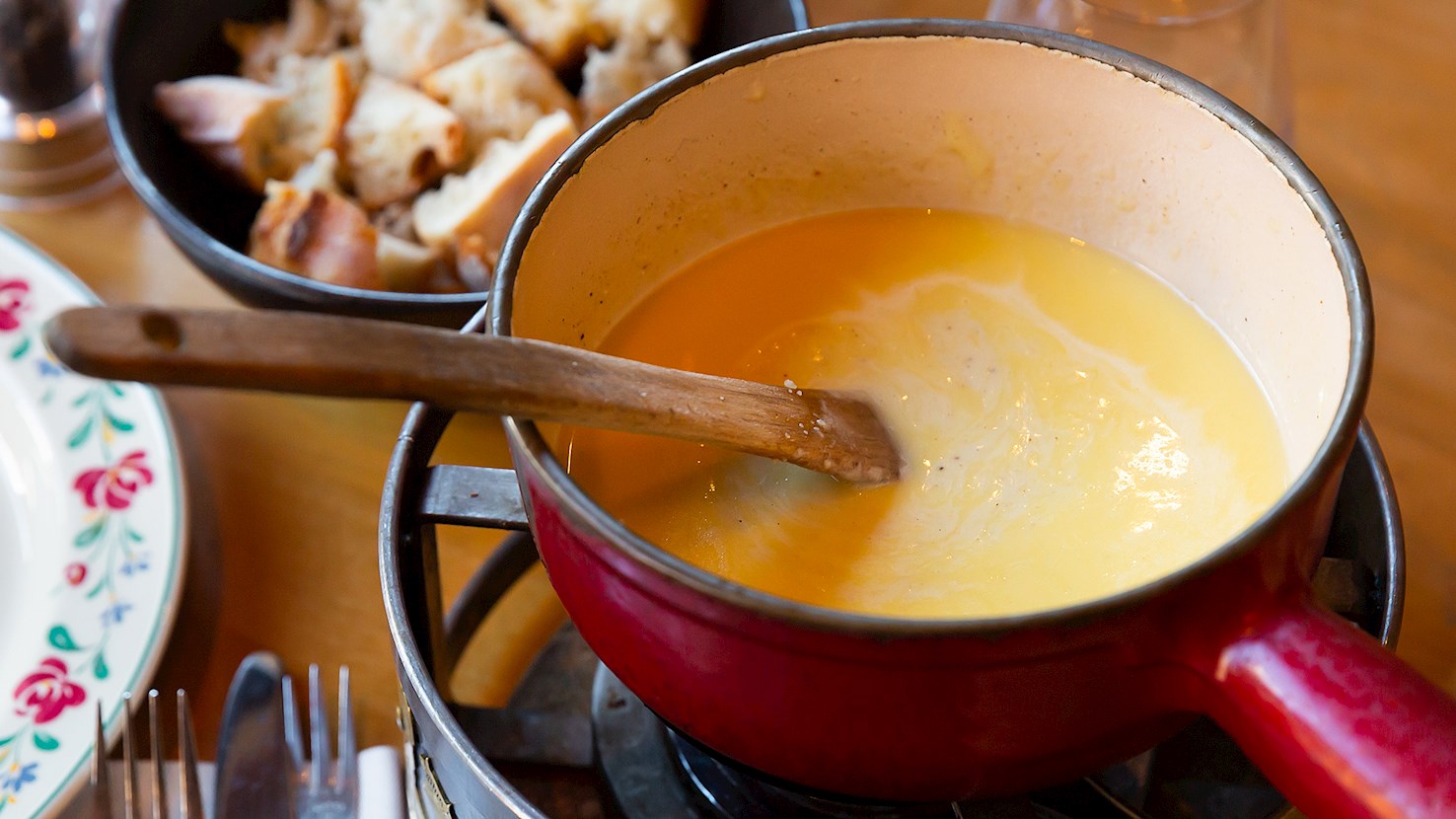
This is another one of those centuries-old dishes that were invented as a practical way to use old cheese and old bread. In this case, the dish is called fondue jurassienne. The star of this fondue is Comté cheese, a staple in the Jura and Franche-Comté regions. To make this cheesy fondue, highly acidic white wine is first warmed in a pan or a pot, and it is then combined with a combination of Comté cheese and cornflour until it is thoroughly combined with the wine. Kirsch, salt, and pepper are added to the whole combination, which is then transferred to a well-warmed, garlic-rubbed fondue pot set over a flame. When all of the ingredients come together and the cheese melts nicely, fondue jurassienne is ready to be consumed, ideally with crusty bread pieces and crudités (sliced or whole raw vegetables).

02

Fondue moitié-moitié (Half-and-Half Fondue)

4.2 ·

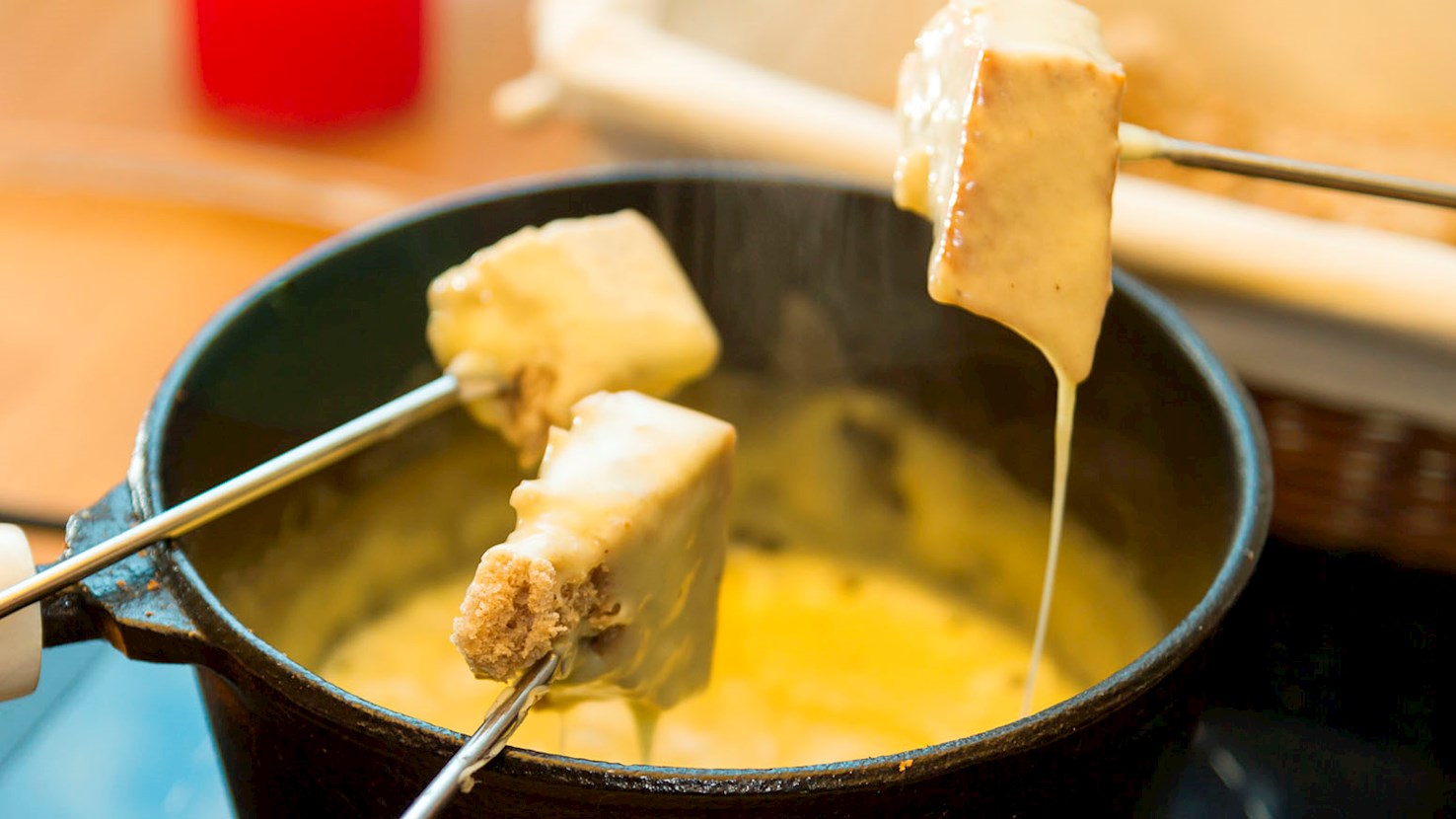
Moitié-moitié (lit. half and half) is a traditional cheese fondue originating from Fribourg. The name refers to the fact that the fondue is made with equal amounts of Gruyère and Vacherin Fribourgeois cheese, along with garlic, white wine, potato starch, black pepper, and Kirsch. The fondue pot is rubbed with garlic – the clove is left in the pot and mixed with all the other ingredients except the Kirsch and pepper. The ingredients are stirred until smooth and creamy. The mixture should not come to a boil, but it should be left to lightly simmer. Kirsch and pepper are added near the end, and the fonude is kept warm on a burner while everyone dips a piece of bread into the pot.

03

Fondue Savoyarde

4.2 ·

Fondue Savoyarde is one of the most popular dishes from the French region of Savoie, located in the heart of the French Alps. Originally a dish from Switzerland, fondue quickly rose to popularity in the Savoie region. The dish is made with a combination of melted cheeses, usually Gruyére, Beaufort, Emmental, and Comté. Savoie tradition says that if your piece of bread slides off the fork into the rich, hearty fondue, you must buy the next round of drinks, kiss the person next to you, or even run naked through the snow. After the dish has been communally shared and consumed, the fondue pot is crusted with toasted cheese, called la religieuse - providing some sort of a religious delight for true fondue afficionados.

04

Fondue

4.1 ·

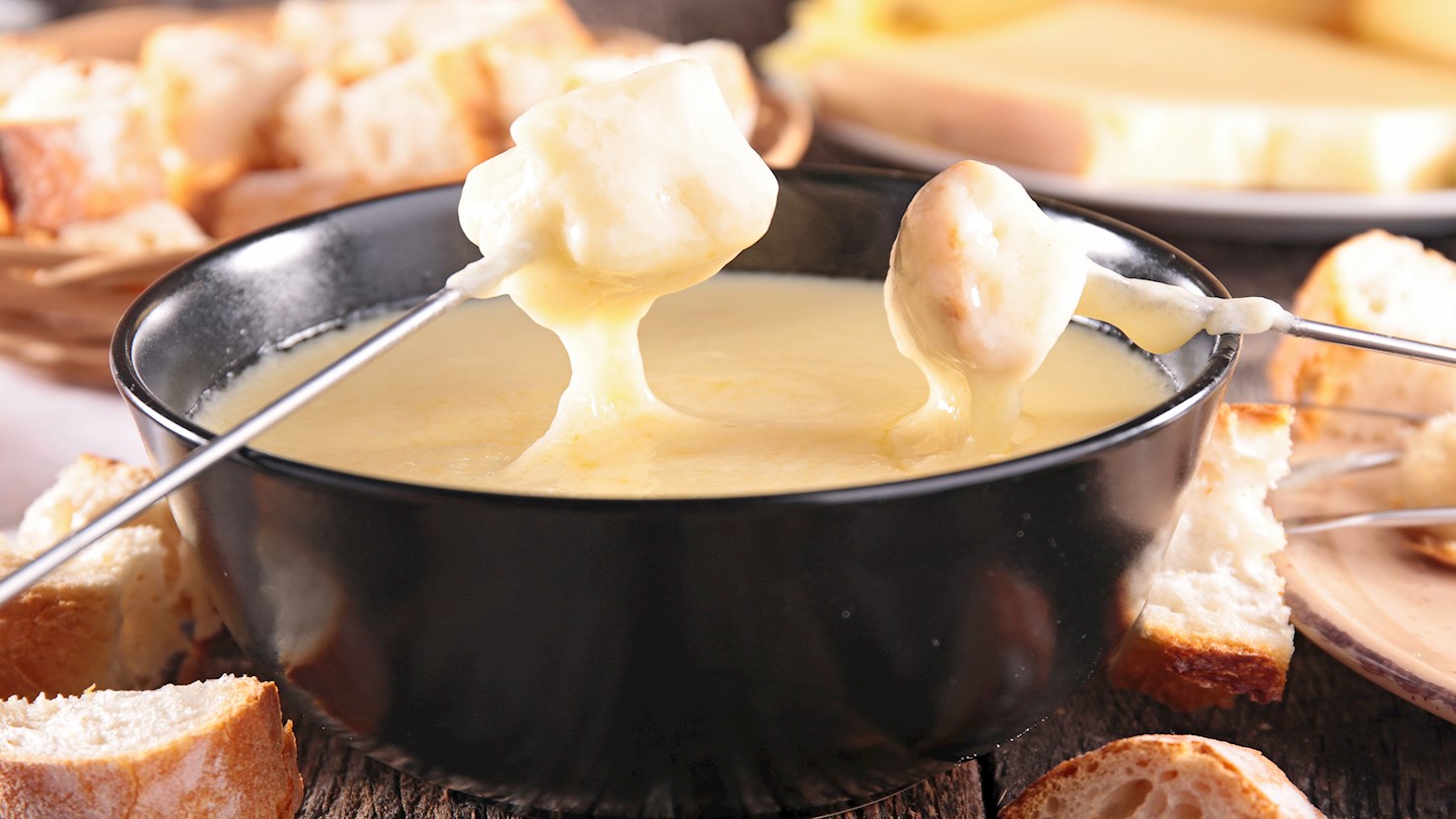
Fondue is Switzerland's national dish, a melting pot of different flavors and aromas, similar to the country itself–a melting pot of people and different cultures. Its name comes from the French word fondre, meaning to melt, and it was first described in Homer's Iliad as a mixture of goat cheese, flour, and wine. Fondue's key ingredient is cheese that is melted over a fire, with a lot of regional varieties and flavorful additions such as cherry brandy, white wine, or a sprinkle of nutmeg. It was invented out of necessity, when the alpine locals and traveling herders relied only on cheese, wine, and bread to get them through the winter. As the summer cheese dried out and bread became stale during the winter months, the people started to melt cheese with wine and dip pieces of stale bread into it. Traditionally, fondue is prepared in a flameproof casserole called a caquelon. The dish varies from region to region: fondue Neuchatel uses Gruyére and Emmental, fondue Vandois adds a lot of garlic, while fondue Fribourg is prepared with ripe Vacherin cheese. Pieces of bread are placed on traditional, long-handled fondue forks used for swirling the bread in cheese. According to local customs, if one loses a piece of bread in the pot, he or she has to buy a round of drinks for everyone involved in this unique and cheesy communal affair.

05

Fonduta alla Valdostana

4 ·

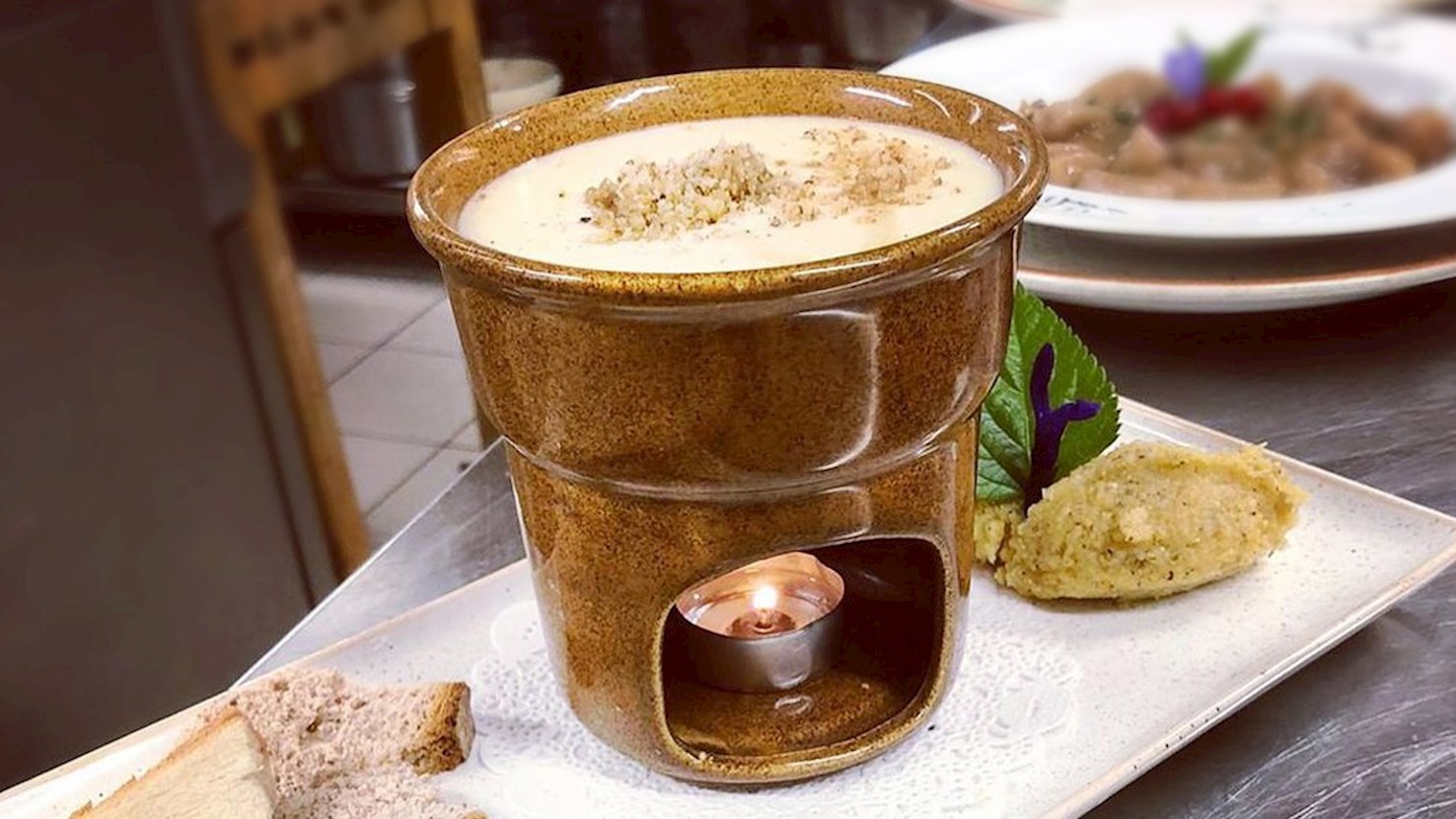
This creamy fondue hails from the Italian Aosta Valley. It is made with a combination of Fontina cheese, egg yolks, milk, and flour. The ingredients are combined and heated until the mixture is well-incorporated and attains its creamy, dense texture. Aosta-style fondue is sometimes enriched with the addition of white truffle shavings which can be incorporated in the fondue or served on the side. The oldest written mention of the dish dates back to 1854 when a recipe for the truffle based version was published in Trattato di cucina, pasticceria moderna, credenza e relativa confettureria—a cookbook written by the Italian author Giovanni Vialardi. The dish is usually seasoned with white pepper, and it is traditionally prepared in a ceramic, cast iron, or copper pot (caquelon). Like other types of fondue, this Italian version is mainly served as a communal dish with diced bread on the side, but the Aosta Valley fonduta is always eaten with a spoon - you should put the diced, toasted bread in your spoon, then dip the whole thing in the creamy fondue.

06

Tomato Fondue

3.4 ·

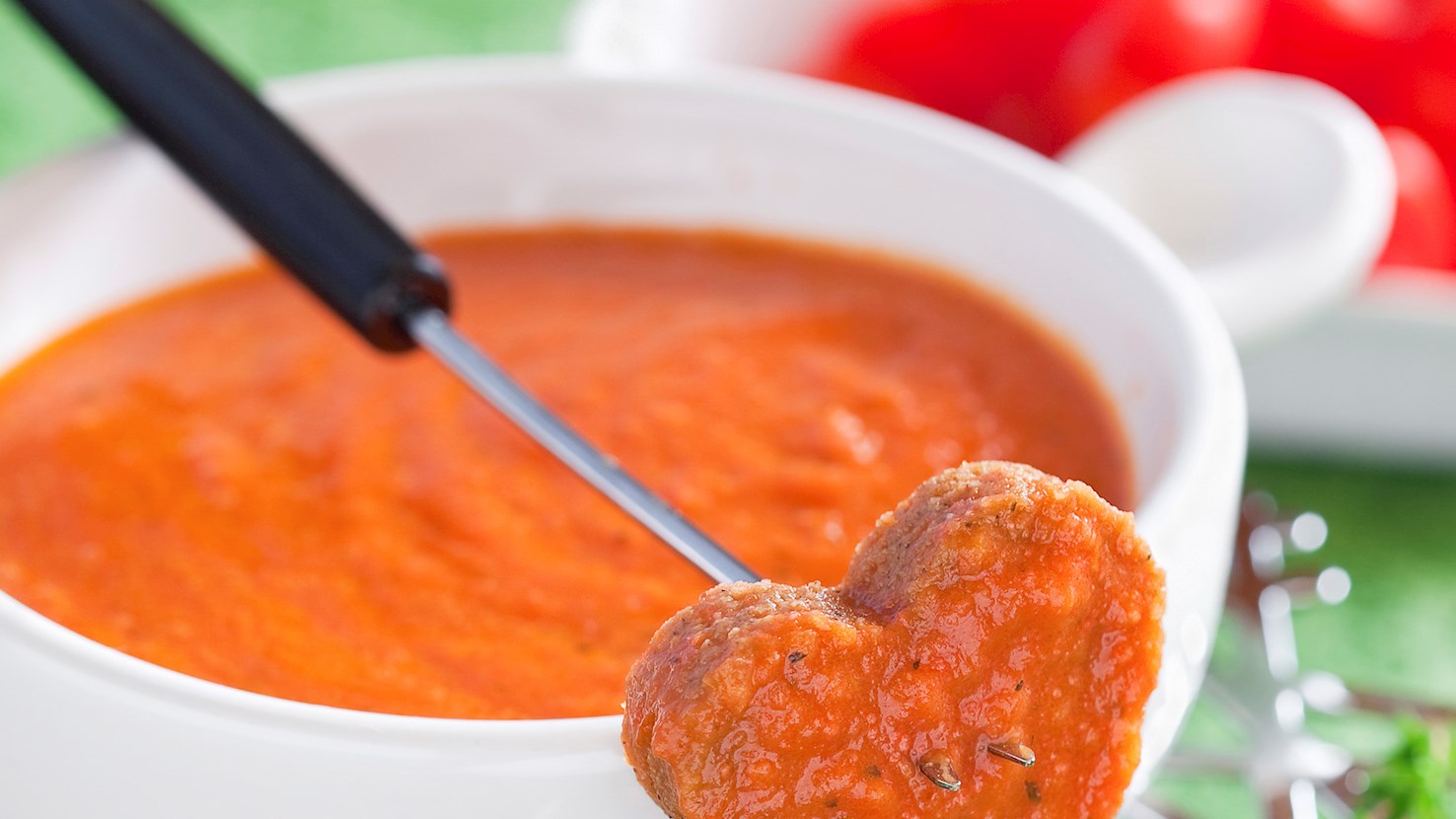
This classic Swiss fondue is believed by some to be the best fondue variety of them all. It is native to the Valais region and consists of tomatoes or tomato paste, white wine, garlic, butter, shallots, and grated cheeses such as Gruyère and Emmental. Traditionally, tomato fondue is paired with potatoes, rather than the usual pieces of bread used for dipping.

07

Fondue genevoise

3.4 ·

Fondue genevoise is a traditional fondue variety originating from Geneva. The fondue is made with a combination of egg yolks, butter, cream, sugar, nutmeg, salt, pepper, and grated cheese – either Emmenthal or Gruyere. The egg yolk are mixed with grated cheese, pieces of butter, sugar, grated nutmeg, salt, and pepper. The caquelon pot is placed over low heat and the fondue is stirred with a wooden spoon until it becomes smooth. The cream is added to the caquelon, and the mixture is stirred a bit more but it mustn't come to a boil. The fondue is enjoyed with pieces of bread that are served on the side.

08

Fondue vigneronne

n/a ·

This fondue variety is essentially the same as fondue Bourguignonne, but the hot oil is replaced by boiling wine in which the consumers dip meat, fish, or vegetable pieces. Those ingredients are typically topped with tartare sauce, mustard, or sauce Béarnaise before consumption. There are two main versions of this fondue – one is made with red wine, which is usually flavored with garlic, onions, fresh herbs, salt, and pepper, while the white wine version is typically flavored with coriander, white pepper, chicken broth, chiles, and cinnamon.

09

Skyronnes

n/a ·

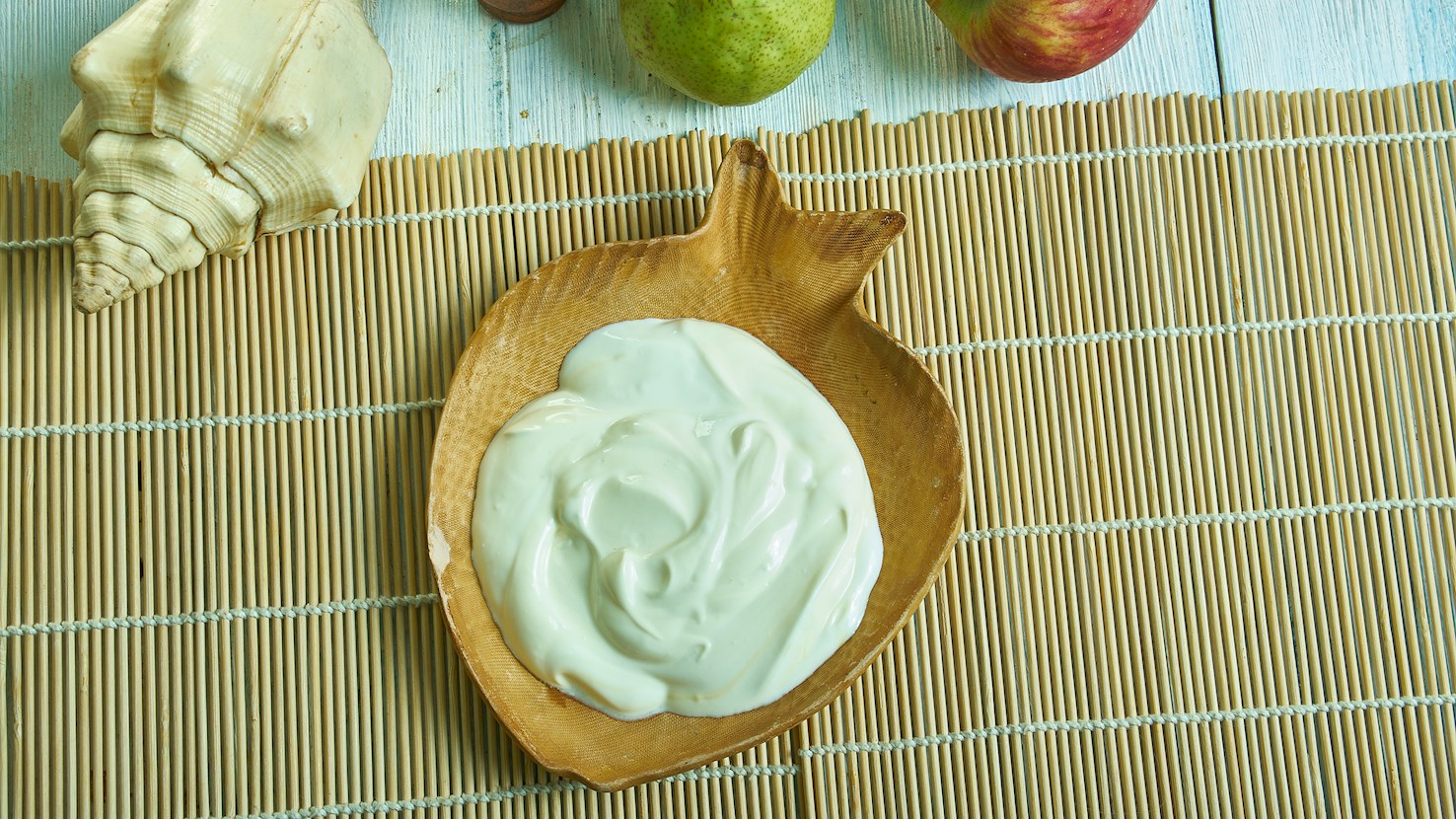
Skyronnes is an dipping sauce originating from Iceland. The sauce is usually made with skyr (traditional Icelandic yogurt), olive oil, and a variety of fresh herbs and spices. Skyronnes is usually served as an accompaniment to Icelandic fish and chips.

10

Fondue Normande

n/a ·

Fondue Normande is a rich, communal cheese dish originating from the Normandy region. Born from the area's abundant dairy production, this regional take on the classic fondue utilizes soft, surface-ripened cow’s milk cheeses—such as Camembert, Pont-l’Évêque, or Livarot—rather than traditional hard Alpine varieties. This substitution creates a uniquely smooth, velvety texture and a full-bodied, mellow flavor profile that is perfectly suited for shared winter meals. To prepare the dish, cooks gently melt a blend of these local cheeses with milk or heavy cream. The mixture is often stabilized with a pinch of starch and infused with regional flavors like a splash of dry hard cider, a hint of apple brandy, or rubbed garlic. The fondue must be heated carefully and stirred constantly in a shared pot to ensure a flawless, cohesive melt without any separation. While recipes may vary the exact ratio of cheeses or the choice between milk and cream, the defining characteristic is always the exceptionally creamy consistency derived from the soft Norman cheeses. Served bubbling hot at the center of the table, the fondue is traditionally enjoyed by dipping bite-sized pieces of crusty bread, boiled potatoes, or fresh apple slices into the pot. To balance the heavy dairy richness, it is best accompanied by regional dry cider, crisp light white wines, or refreshing apple-based beverages.

Read more
View all
View map
About this ranking

TasteAtlas food rankings are based on the ratings of the TasteAtlas audience, with a series of mechanisms that recognize real users and that ignore bot, nationalist or local patriotic ratings, and give additional value to the ratings of users that the system recognizes as knowledgeable. For the “Top 15 European Dipping Sauces” list until June 15, 2026, 881 ratings were recorded, of which 740 were recognized by the system as legitimate. TasteAtlas Rankings should not be seen as the final global conclusion about food. Their purpose is to promote excellent local foods, instill pride in traditional dishes, and arouse curiosity about dishes you haven’t tried.

Similar lists