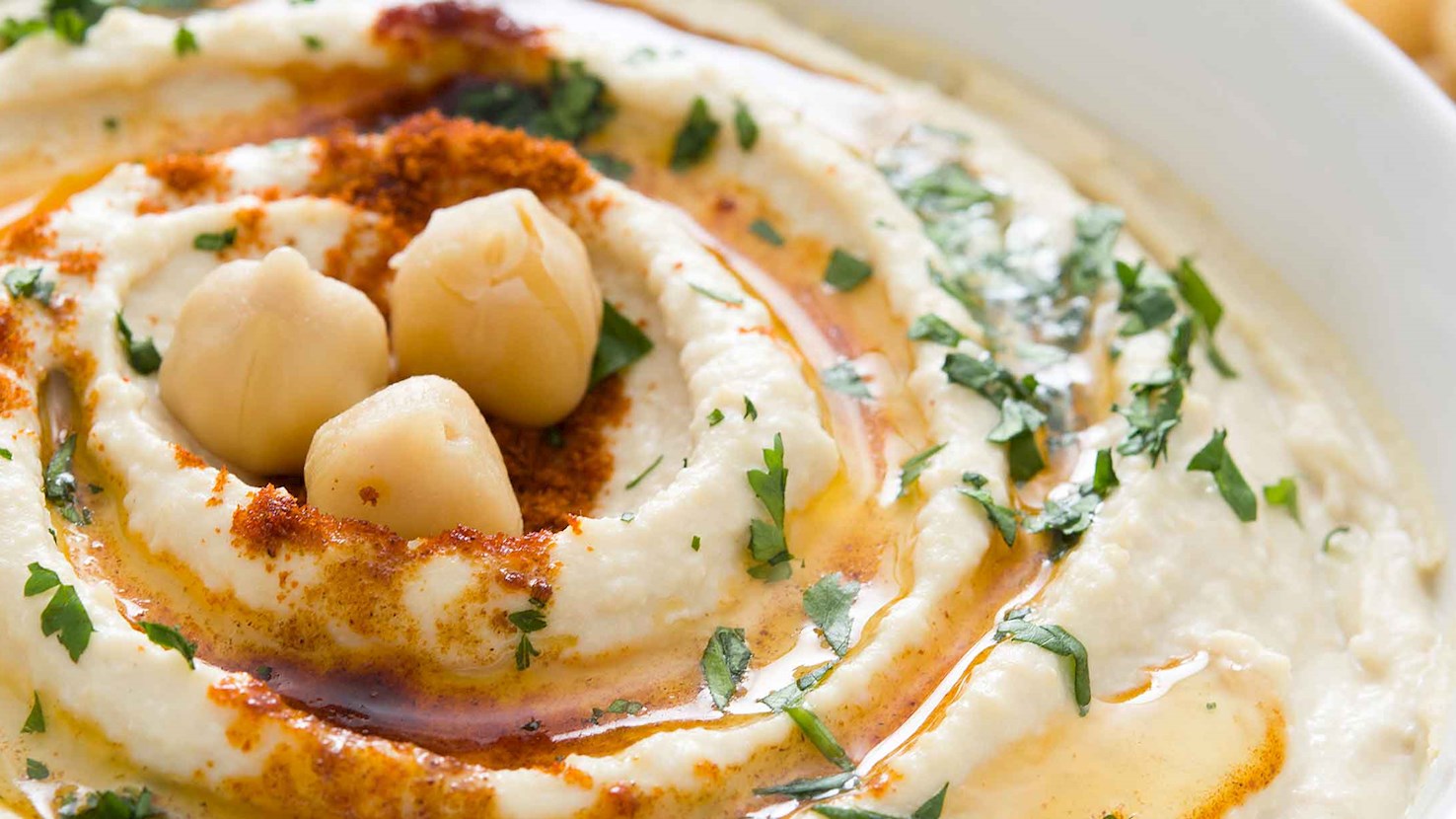
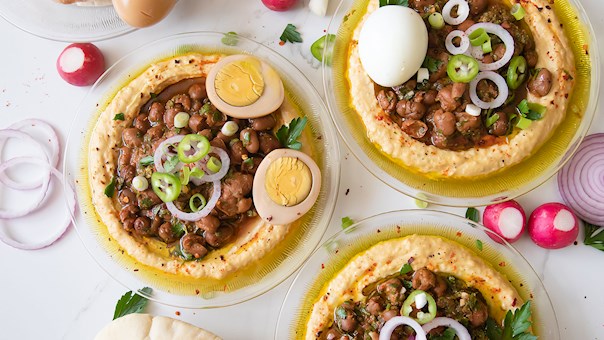
Hummus is a creamy dip made primarily from cooked and mashed chickpeas blended with tahini, olive oil, lemon juice, and garlic. It originates from the Middle East, where it has been a dietary staple for centuries, especially in countries like Lebanon, Palestine, Israel, Syria, and Jordan. Hummus’s roots can be traced back to ancient times (earliest mention of hummus dates back to 13th-century Egypt), when legumes and seeds were common sources of nutrition in the Levant. Over time, the combination of chickpeas and tahini evolved into a dish that balances earthy, nutty, and tangy flavors. While recipes vary slightly across regions, the core ingredients remain consistent, emphasizing freshness and quality. The smooth texture and rich taste make hummus both versatile and widely appealing, able to serve as a simple snack or a complement to more elaborate meals. Preparation involves soaking and cooking dried chickpeas until tender, then blending them with tahini paste, freshly squeezed lemon juice, crushed garlic, and extra virgin olive oil to create a velvety consistency. Salt is added to enhance the flavors, and the mixture is often garnished with a drizzle of olive oil, a sprinkle of paprika or sumac, and sometimes fresh herbs or whole chickpeas. Hummus can be served chilled or at room temperature, paired with pita bread, vegetables, or as part of a larger mezze platter. Hummus enjoys widespread popularity not only in the Middle East but globally, embraced as a healthy and flavorful dish. It is commonly found in homes, restaurants, and markets, representing both everyday nourishment and a dish for social gatherings.
Zaalouk is a traditional salad made by cooking eggplant, tomatoes, garlic, and flavorings such as cumin, paprika, coriander, and parsley. Although it can be served on its own, zaalouk is also often served as a side dish, a spread for sandwiches, or a dip, when it is paired with crusty bread.
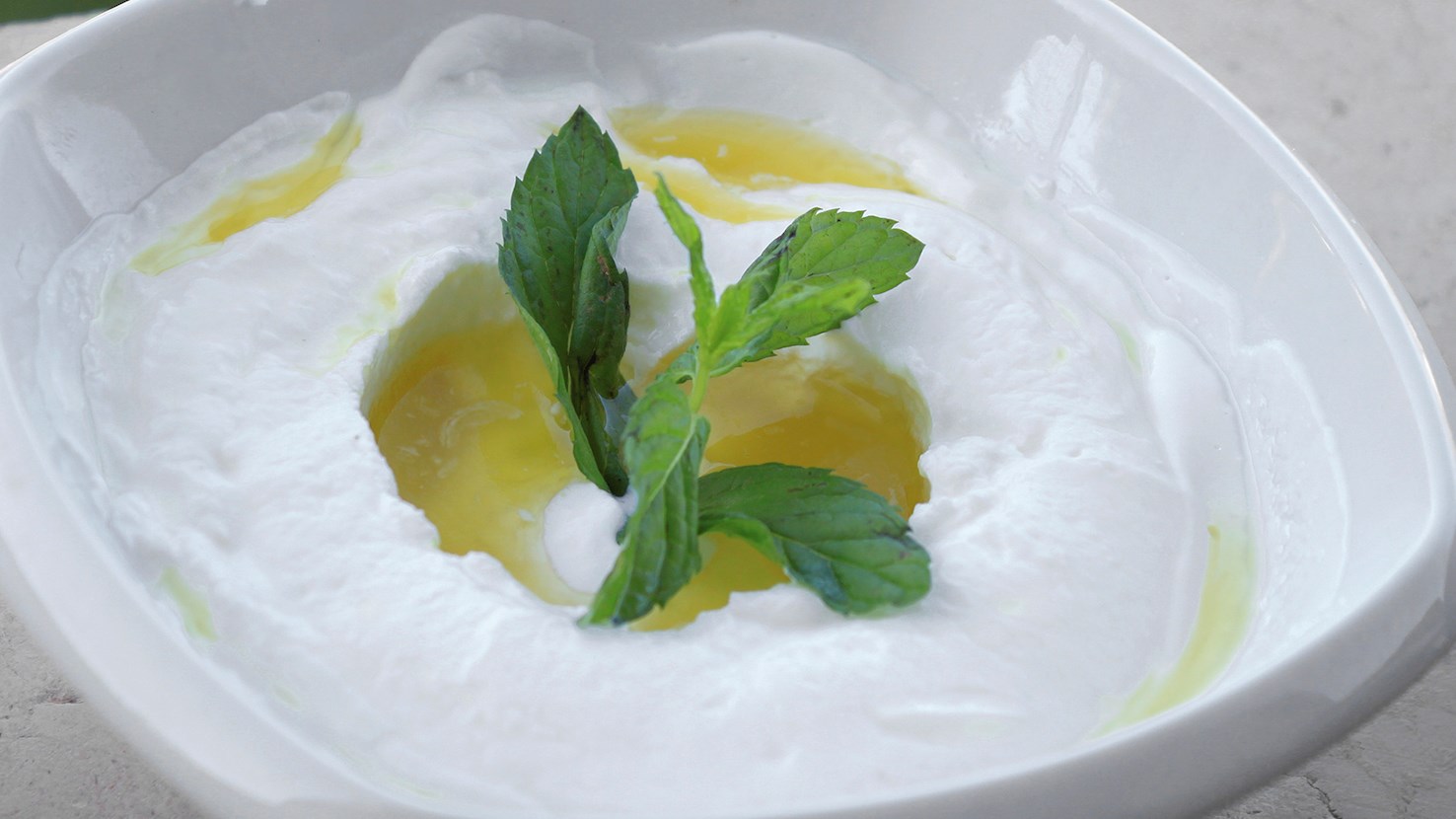
Creamy texture and mild flavor are the main attributes of labneh; a traditional Middle Eastern strained yogurt that is prepared with yogurt and salt. No strict guidelines are used to produce it; plain full-fat yogurt is mixed with salt and left to strain for twelve to twenty-four hours. During straining, the yogurt whey separates, and what is left is a thick and firm cheese-like product. Its texture can vary from creamy to dense, but it always has a relatively mild and slightly salty flavor. The name labneh is native to the Middle East, but strained yogurt varieties are found in numerous other countries and regions such as Greece, Turkey, Cyprus, Central Asia, the United States, Mexico, and the United Kingdom. It usually employs cow milk, but other kinds, such as goat yogurt in Greece, are also common. In many Levantine countries, labneh is enjoyed as a part of a mezze, served alongside flatbreads and other small dishes. It can be eaten plain, garnished with olive oil or chopped mint, but it can also be served as a creamy spread over bread or bagels. It is often incorporated as a condiment in many meat and vegetable dishes. Because of its thick consistency, it can be rolled into balls and preserved in olive oil, or covered in crushed nuts or spices, then served as a decorative appetizer.
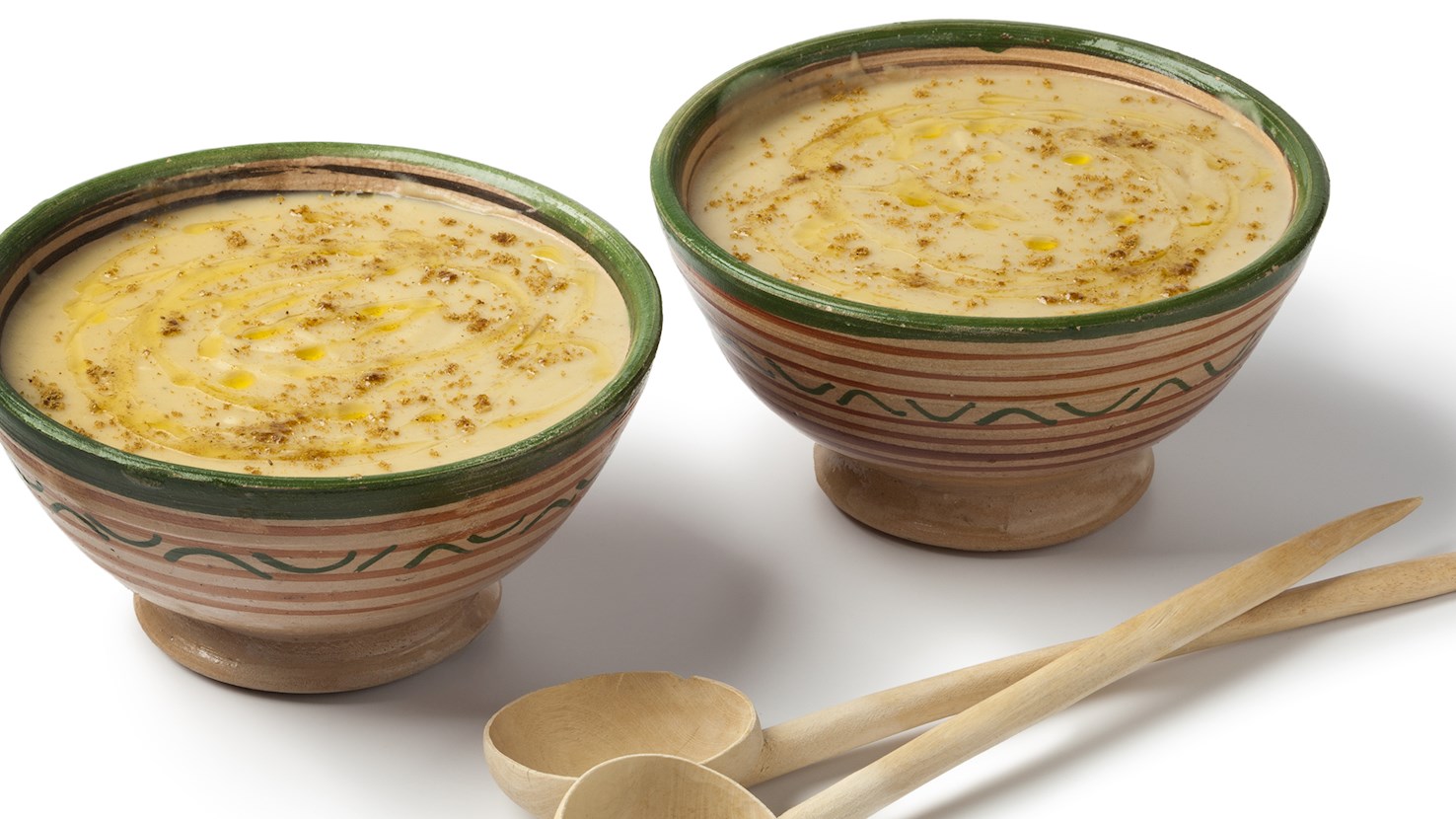
Bissara is a comforting Egyptian and Moroccan dish made with puréed beans – either split peas or dried fava beans. It can be prepared in the form of a soup or porridge, while the thicker versions are commonly used as a dip. The puréed beans are typically seasoned with olive oil, lemon juice, and garlic, and the dish is often served with paprika and cumin on the side, while crusty bread is almost mandatory. Bissara is traditionally served for breakfast, and it is especially popular during winter.
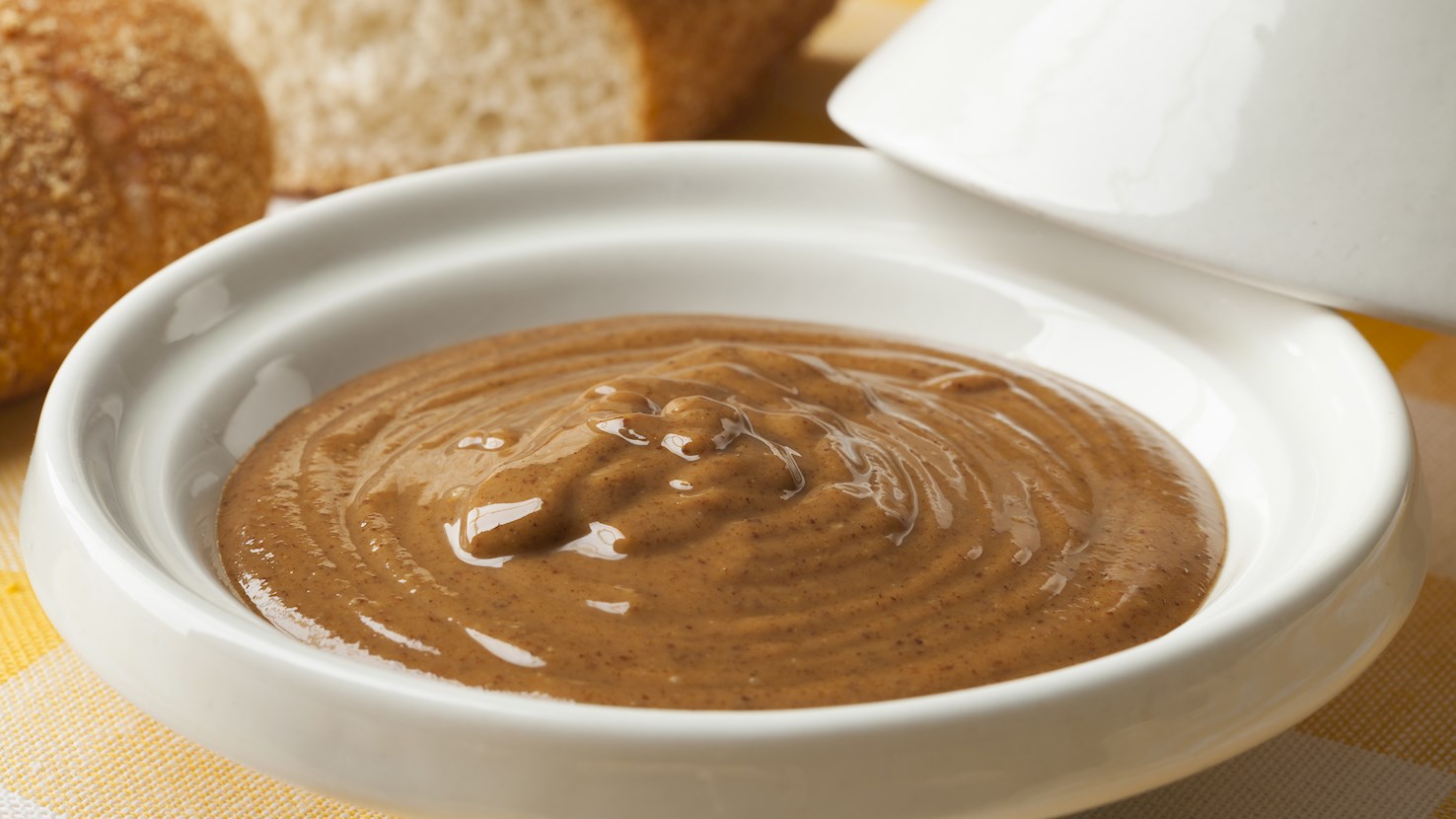
Amlou is a traditional spread made from toasted almonds, argan oil, and honey. It has a rich, nutty flavor and a creamy texture similar to natural peanut butter. The preparation of amlou starts with raw almonds, which are toasted to enhance their flavor and crunchiness. Once toasted, the almonds are ground into a smooth paste. The next key ingredient is addition of argan oil, extracted from the kernels of the argan tree and renowned for its nutritional and medicinal properties. This rare oil is prized for its rich, nutty flavor and a host of health benefits, including high levels of Vitamin E and essential fatty acids. The final touch is honey, which adds a natural sweetness and binds the almond paste and argan oil into a smooth, creamy spread. Amlou is enjoyed as a dip or spread on bread or pancakes. In Moroccan culture, amlou is often associated with hospitality and celebration, commonly presented to guests as a symbol of warmth and generosity.
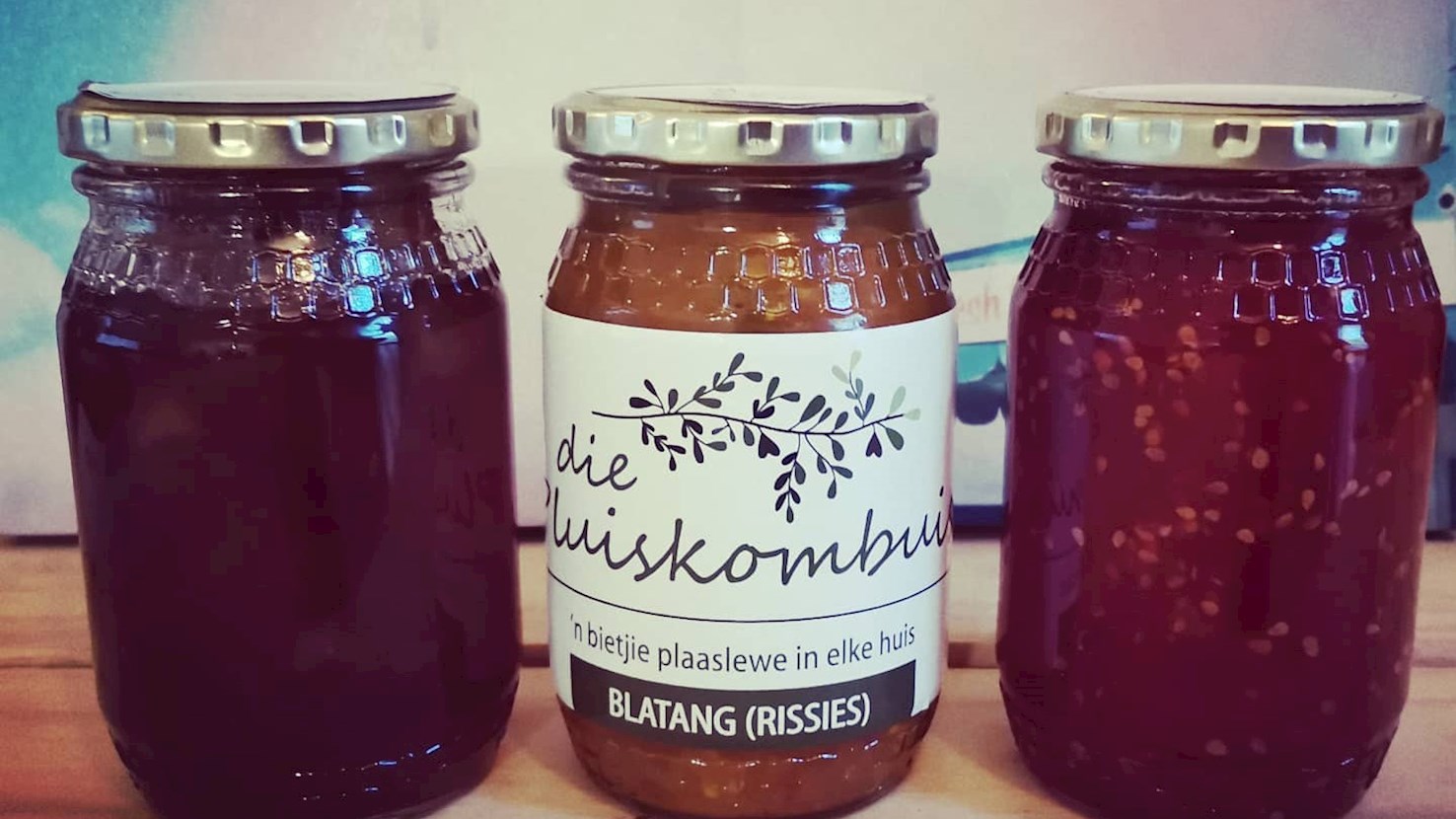
Blatjang is a South African chutney that is usually served with barbecued meat as a condiment. The thick chutney is made with fruits, sugar, vinegar, and various spices. Traditionally, it contains dried apricots, raisins, walnuts, ginger, allspice, garlic, and dried onions. After the ingredients have been simmered, blatjang is poured into jars and left to cool down.
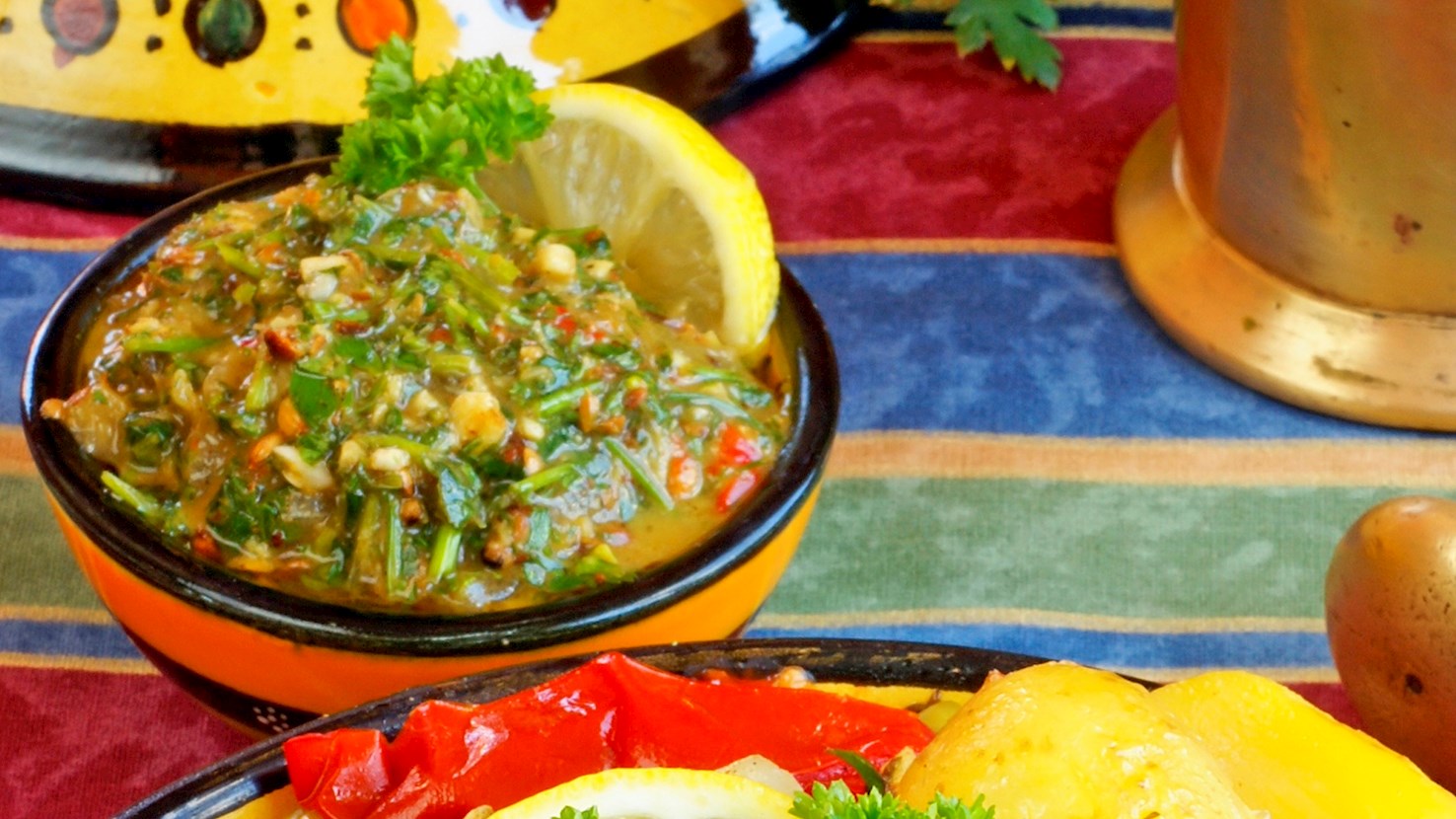
Chermoula is a North African marinade consisting of lemon juice, olive oil, coriander, parsley, garlic, cumin, paprika, chili peppers, and salt. The final result is a rough-textured paste that is traditionally used with fish or seafood dishes. Although it is mostly used to give flavor to fish, chermoula might also be used on meat and vegetables, as a dipping sauce, or as a dressing for salads.
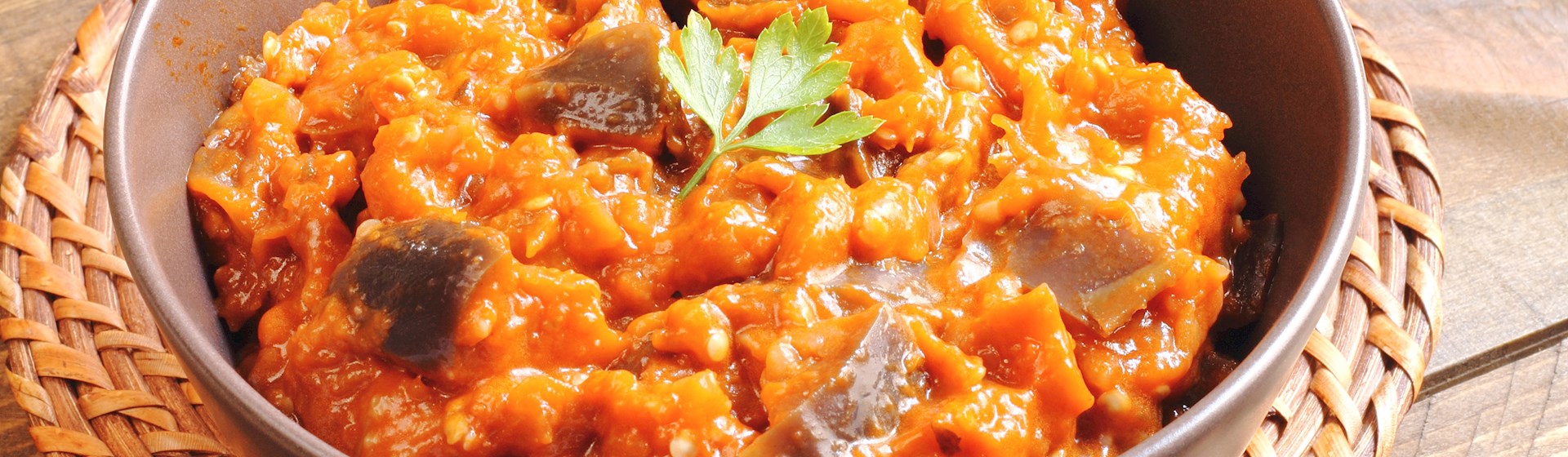
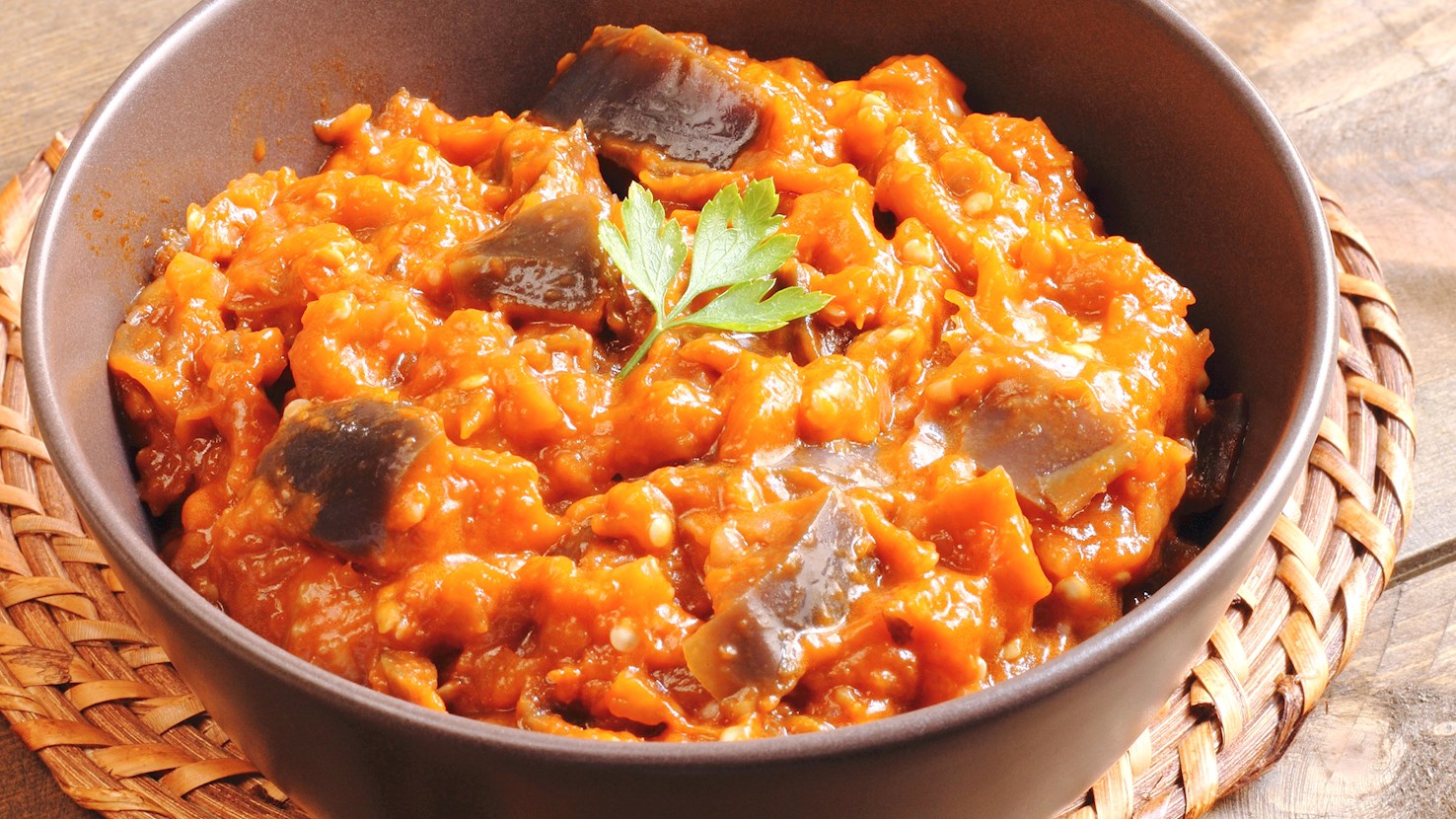
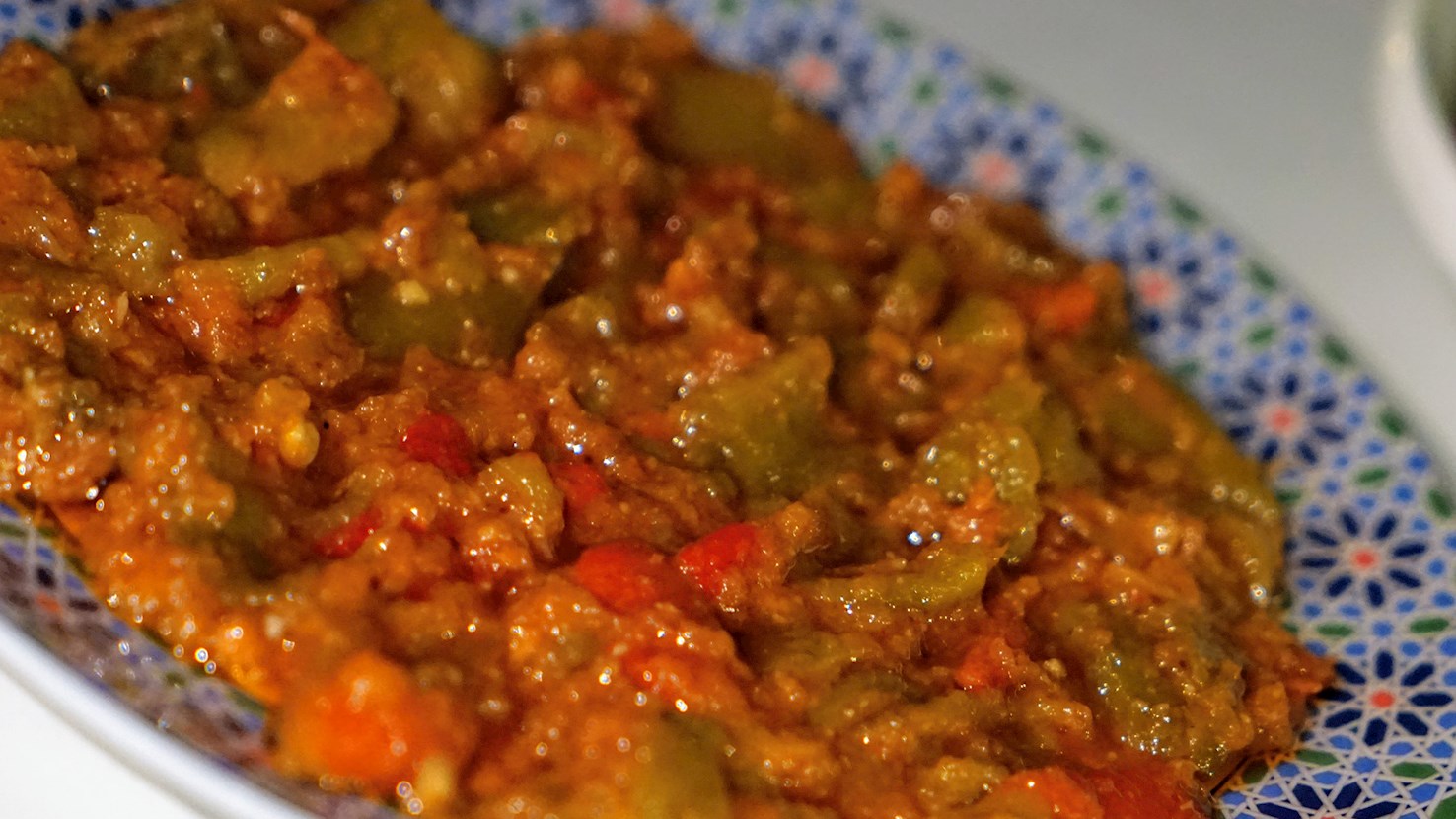
Taktouka is a healthy and nutritious Moroccan salad consisting of cooked tomatoes and green peppers mashed into a purée. The salad is often served as a side dish to grilled meat and fish dishes, although it can also be used as a dip, when it's consumed with crusty bread, used for scooping up the salad. It is recommended to garnish taktouka with freshly chopped parsley or coriander and a drizzle of olive oil.
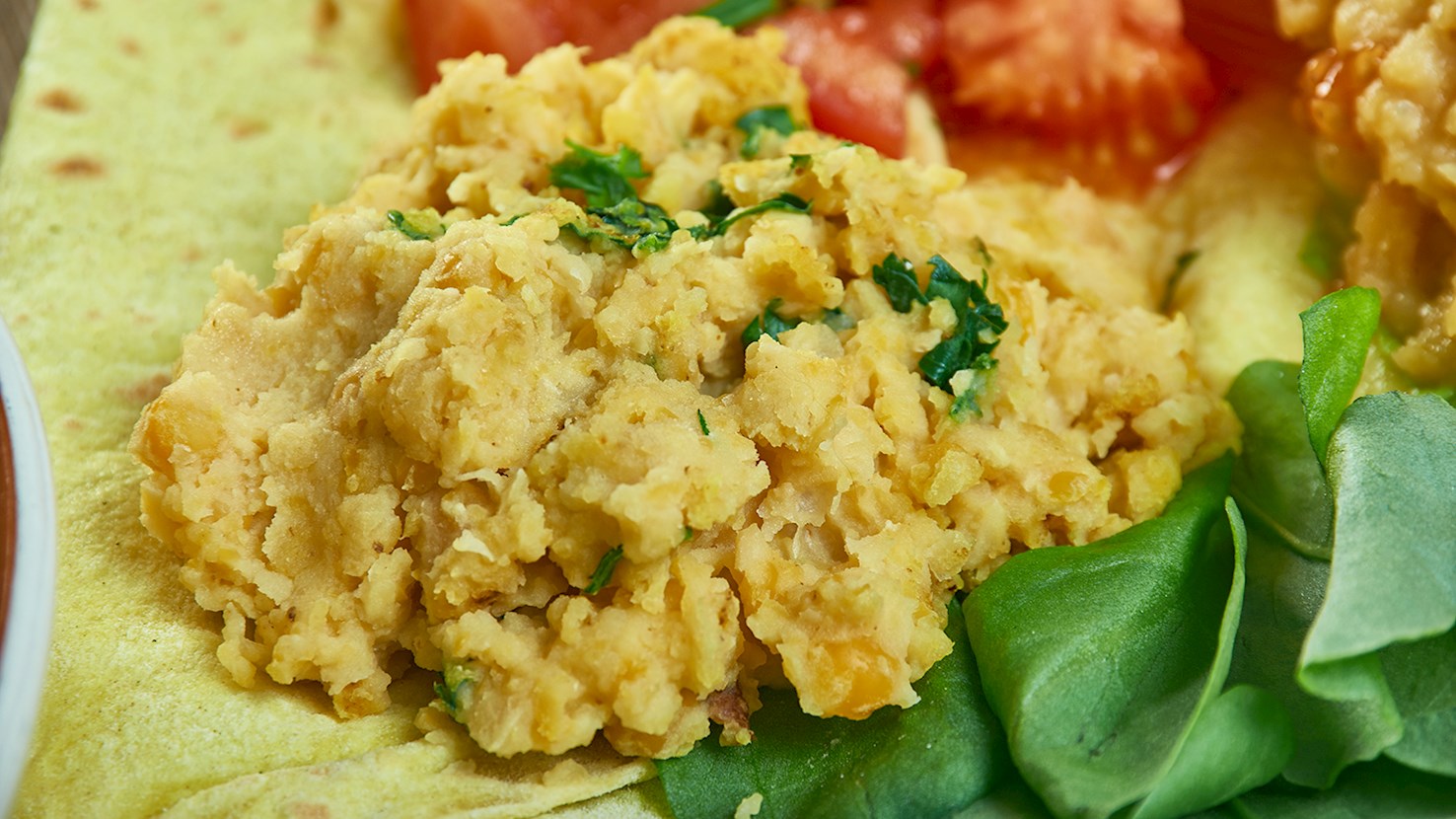
Buticha is a flavorful Ethiopian dip or spread made with chickpea flour combined with olive oil, water, onions, lemon juice, and jalapeño peppers. The preparation process is quite simple – all of the ingredients are blended until the concoction develops a smooth texture. It is then chilled and can be served as an accompaniment to main dishes or injera flatbreads.
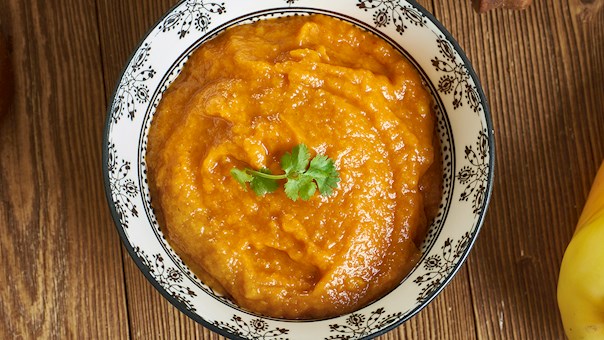
Salata aswad be zabadi is a traditional eggplant-based dip originating from South Sudan. The dip is usually made with a combination of eggplants, tomato paste, peanut butter, garlic, lemon juice, yogurt, salt, pepper, bell peppers, tomatoes, and vegetable oil. The eggplants are peeled, chopped, and fried in a pan until soft. The tomato paste is mixed with peanut butter, salt, yogurt, lemon juice, diced tomatoes, bell peppers, garlic, and black pepper. Once cooled, the fried eggplant is stirred in, and the dip is mixed until everything is well-blended. Before serving, either warm or cold, salata aswad be zabadi is typically garnished with coriander. It's recommended to serve the dip with flatbreads on the side.
TasteAtlas food rankings are based on the ratings of the TasteAtlas audience, with a series of mechanisms that recognize real users and that ignore bot,
nationalist or local patriotic ratings, and give additional value to the ratings of users that the system recognizes as knowledgeable.
For the “Top 13 African Dips” list until September 15, 2026, 3,337 ratings were recorded, of which 1,519 were recognized by the system as legitimate.
TasteAtlas Rankings should not be seen as the final global conclusion about food. Their purpose is to promote excellent local foods,
instill pride in traditional dishes, and arouse curiosity about dishes you haven’t tried.




What People Say