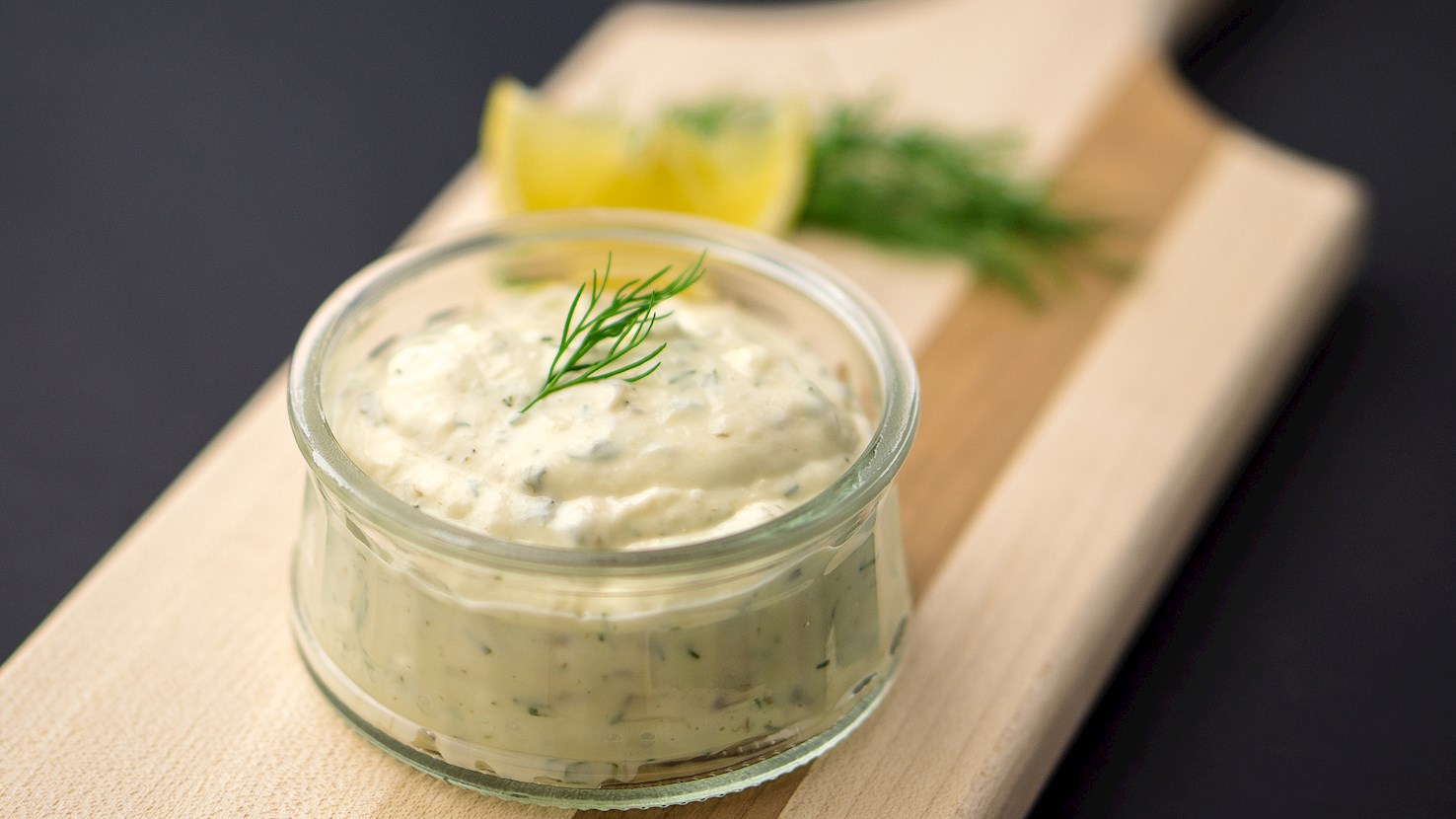
Sauce tartare is a mayonnaise-based sauce that most likely originated in France. The creamy base is traditionally made with mayonnaise, though some variations occasionally may opt for crème fraiche, while the optional additions usually include spices and mostly chopped parsley, chervil, tarragon, capers, and pickles. Optionally, boiled egg yolks can also be added. Although the sauce was named after Tatars—the Turkic-speaking ethnic group from Central Asia—it is not related to the region or the people. The name probably appeared as a reference to the coarse texture of the sauce—since the Tatars were known for their barbarian behavior. The sauce was also initially served as an accompaniment to steak tartare, which is made with finely chopped raw beef or horse meat, and the dish probably influenced the origin of the name. Sauce tartare is usually served with fried fish or seafood, meat, and other types of fried dishes.
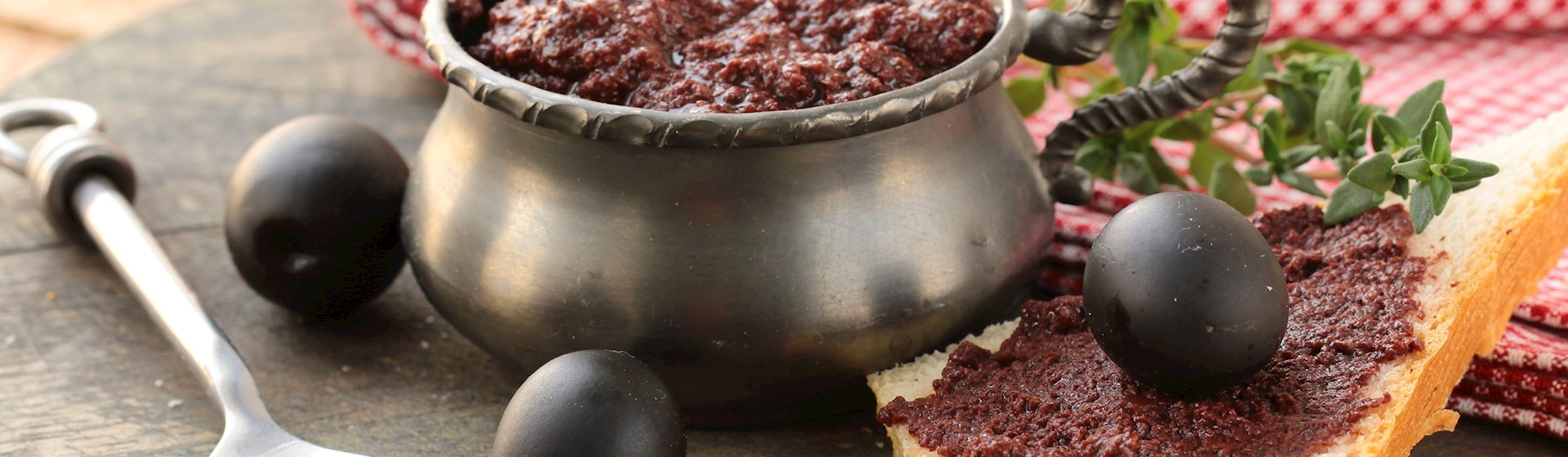
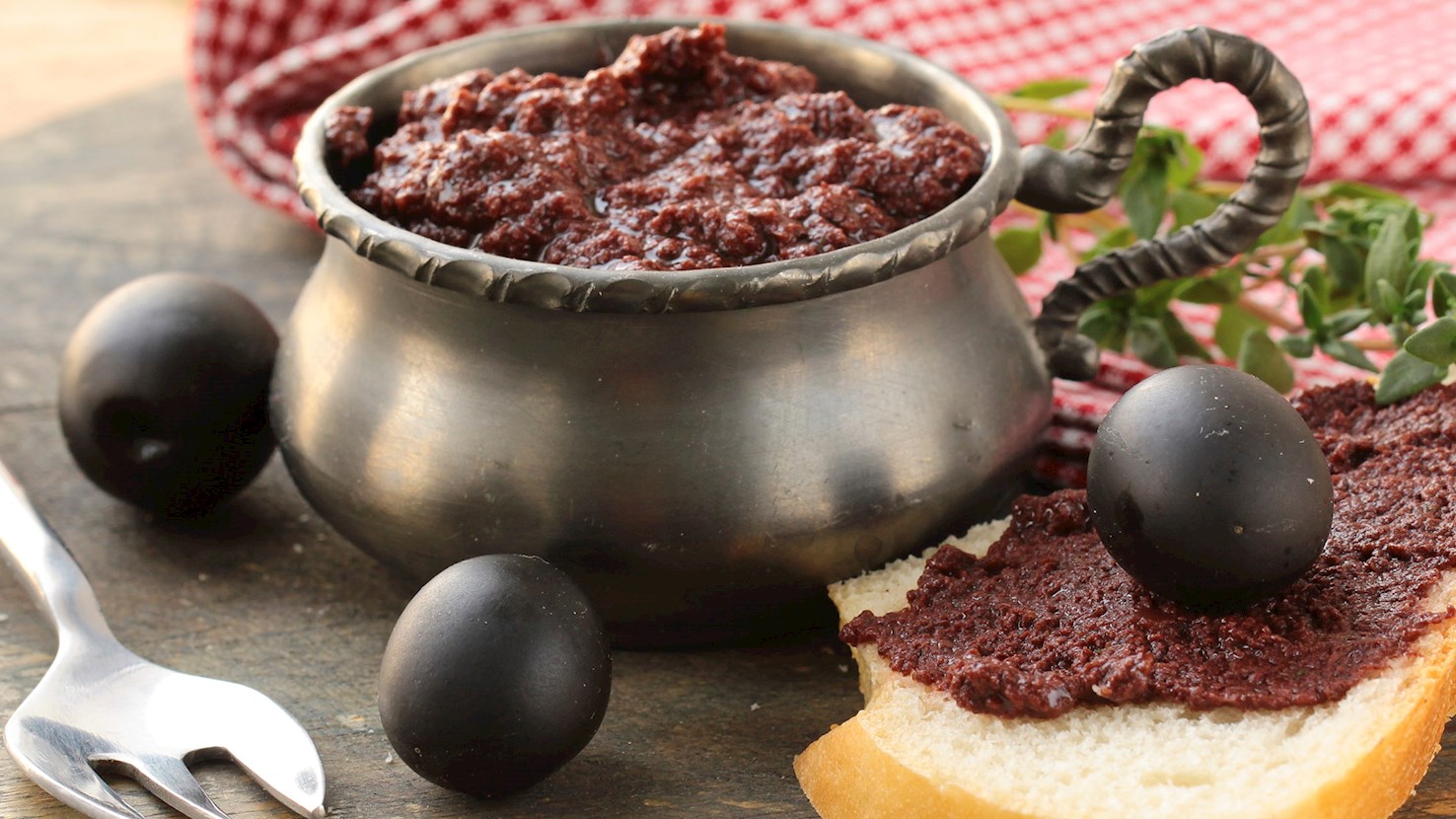
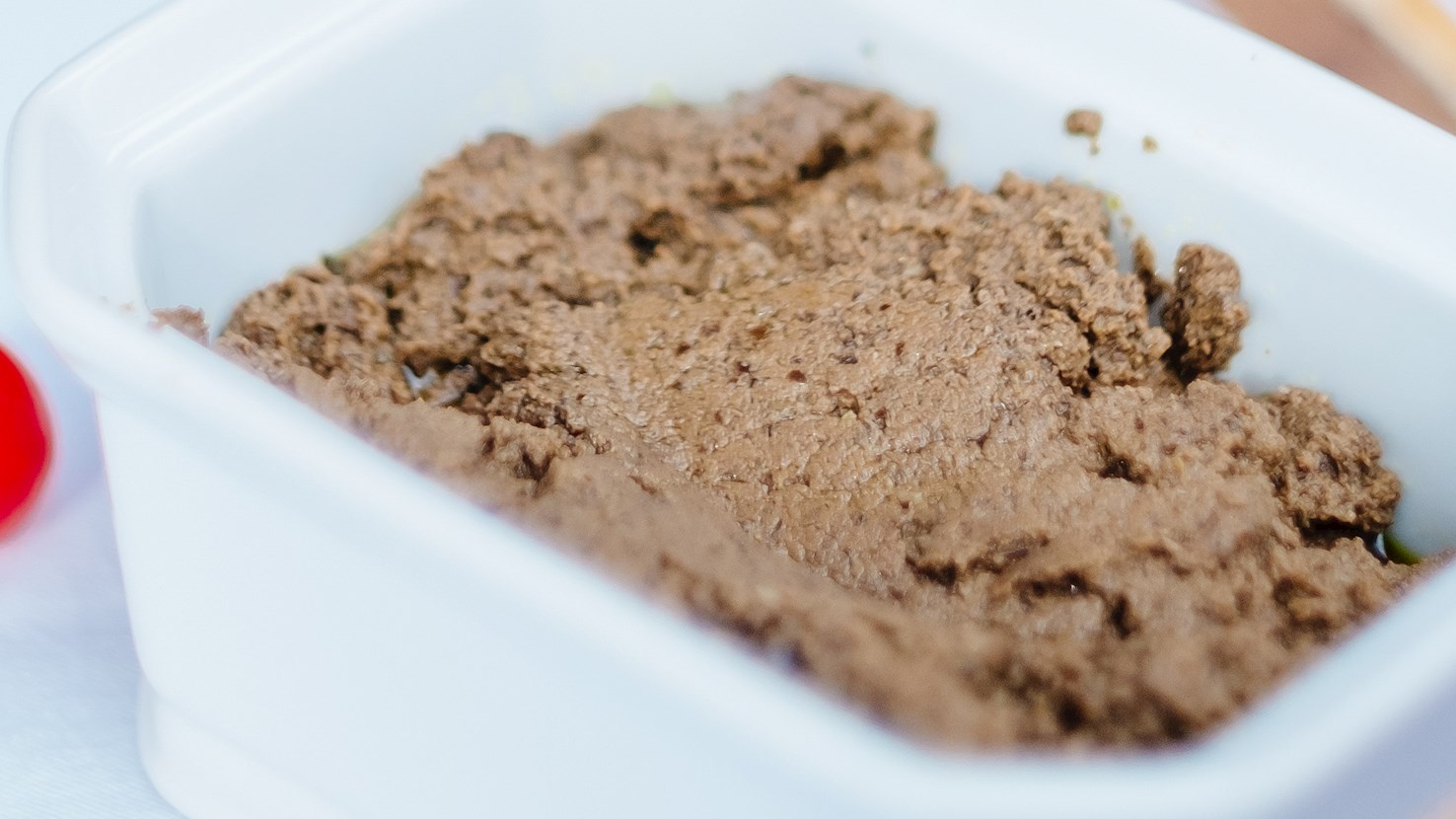
This aromatic, decadent spread is made with black or green olives. The original recipe includes four essential Mediterranean ingredients – chopped olives, anchovies, capers, and olive oil – combined with additional ingredients and spices to form a thick, fragrant spread. Even though it is often described as a Provençal recipe, it was originally invented in 1880 by a chef Meynier at a Marseilles restaurant called La Maison Dorée, while the first recipe dates back to 1897, when it was published in Jean-Baptiste Reboul's La Cuisinière Provençale. In the past, tapenade was made using a mortar and pestle, but today it can be easily prepared in a food processor. Even though it uses simple ingredients and is a quick dish to prepare at home, ready-made tapenades can be found in supermarkets all over the world. French restaurants usually serve it as an appetizer with a warm, crunchy baguette on the side. Sometimes, it is also used as a dipping sauce for crackers, assorted vegetables, or breadsticks.
Caviar d'aubergines de Gruissan is a traditional appetizer originating from the coastal village of Gruissan. It's usually made with a combination of eggplants, dried and crumbled hot peppers, lemon juice, olive oil, thyme, and salt. The eggplants are pierced with a knife and baked until tender. The skin is peeled off and the flesh is finely chopped or puréed. The oil and lemon are mixed in gradually, followed by the hot peppers and thyme. Once seasoned with salt to taste, this tasty dip is served as an appetizer.
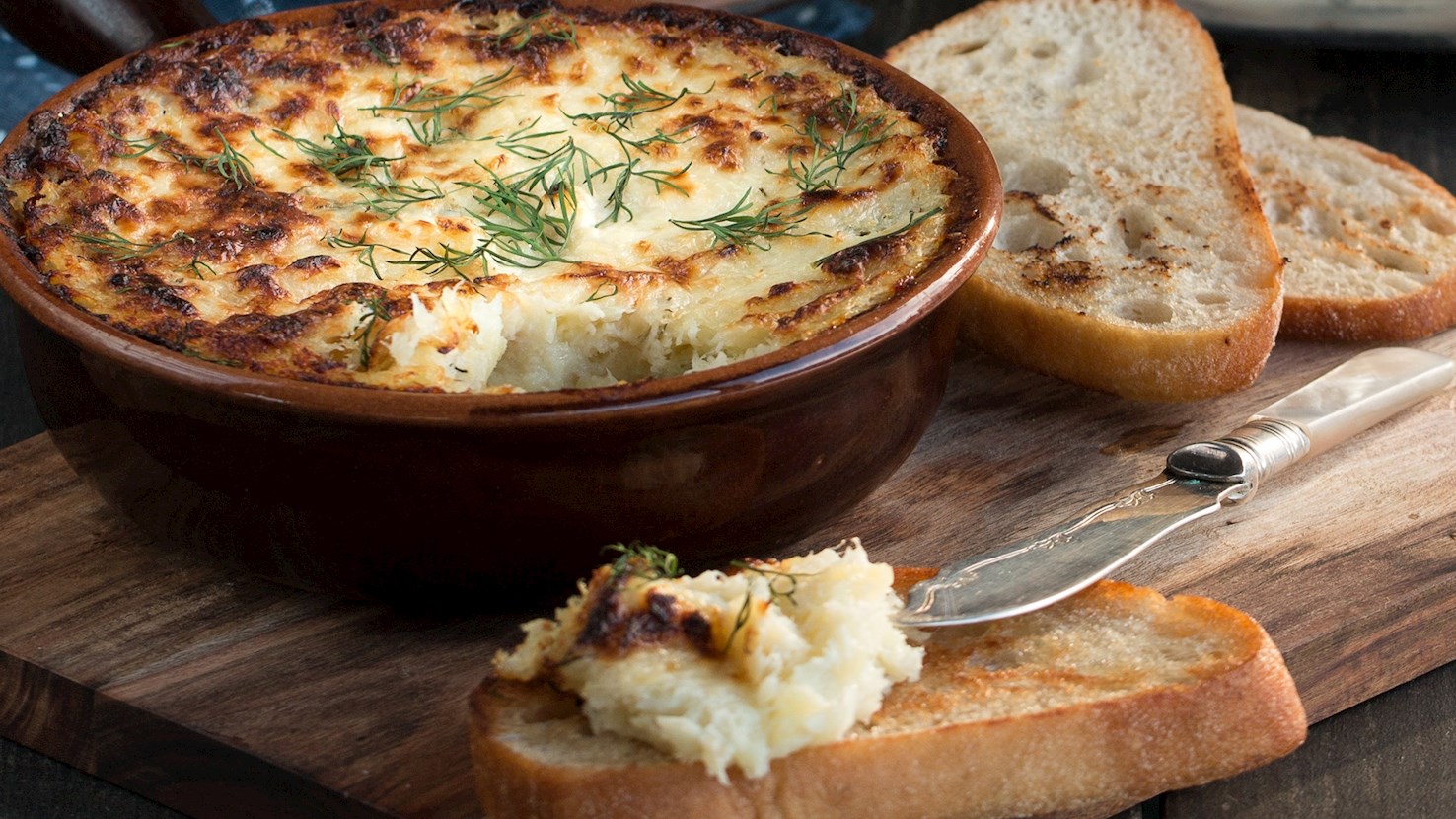
Brandade de morue is a velvety, whipped spread or paste of rehydrated Atlantic salt cod, warm olive oil, milk, and occasionally potatoes, originating in the city of Nîmes and present in the Roussillon, Languedoc, and Provence regions. The creation of this seafood spread stems directly from the region's historic geographic position within Mediterranean trade networks, where massive cargoes of heavily salted cod from the Grand Banks of Newfoundland were exchanged for the prized, high-quality sea salt extracted from the nearby coastal marshes of Aigues-Mortes. The first recipe dates from 1786, when imported salted cod flesh was first mashed with garlic, local olive oil, and a touch of milk to create the original regional preparation. The name derives directly from the Occitan verb brandar, signifying the vigorous shaking and continuous stirring required to mechanically bind the ingredients together. The Occitan specialty achieved massive success from 1830 onwards after being introduced and popularized within Parisian aristocratic circles by the celebrated chef Charles Durand, cementing the preparation into the broader canon of classical French gastronomy. Variations incorporating boiled and mashed potatoes emerged concurrently during this period as a widespread Parmentier modification designed to increase the yield and mellow the intense maritime salinity. Furthermore, this exact method of preparing emulsified cod is formally classified as Margot de morue within Alcide Bontou's seminal text, Traité de cuisine bourgeoise bordelaise. The recipe begins by submerging the rigid salt cod in cold water for twenty-four to forty-eight hours. Frequent water replacements are executed to aggressively extract the harsh curing minerals from the flesh. The rehydrated fish is gently poached in a bath of water or milk until perfectly tender, and all extraneous skin, cartilage, and pin bones are meticulously discarded. The hot, purified cod is transferred into a heavy stone mortar and pounded aggressively into a coarse paste with a wooden pestle. While maintaining a steady, vigorous agitation, warm extra-virgin olive oil and heated whole milk are introduced in alternating, slow streams. This continuous mechanical force causes the animal proteins, fats, and liquids to emulsify thoroughly, yielding a dense, airy paste structurally identical to a stiff mayonnaise. Flavoring components are strictly limited to the pounded garlic, freshly grated nutmeg, ground white pepper, and an occasional splash of citrus juice. The hot, savory mixture is served predominantly as a rich appetizer, spread generously over garlic-rubbed croutons, scooped with fried bread, or piped elegantly into baked puff pastry vol-au-vent shells. For opulent banquets and extravagant holiday feasts, fresh black truffle shavings are folded directly into the warm emulsion to elevate the aromatic profile. The heavy, calorie-dense paste is consumed in large quantities throughout the cold winter months. Due to strict Catholic dietary mandates that forbid meat on specific holy days, the seafood emulsion serves as an indispensable nutritional pillar during the somber fasting period of Lent and as a mandatory meatless centerpiece for the traditional Provençal Christmas Eve supper.
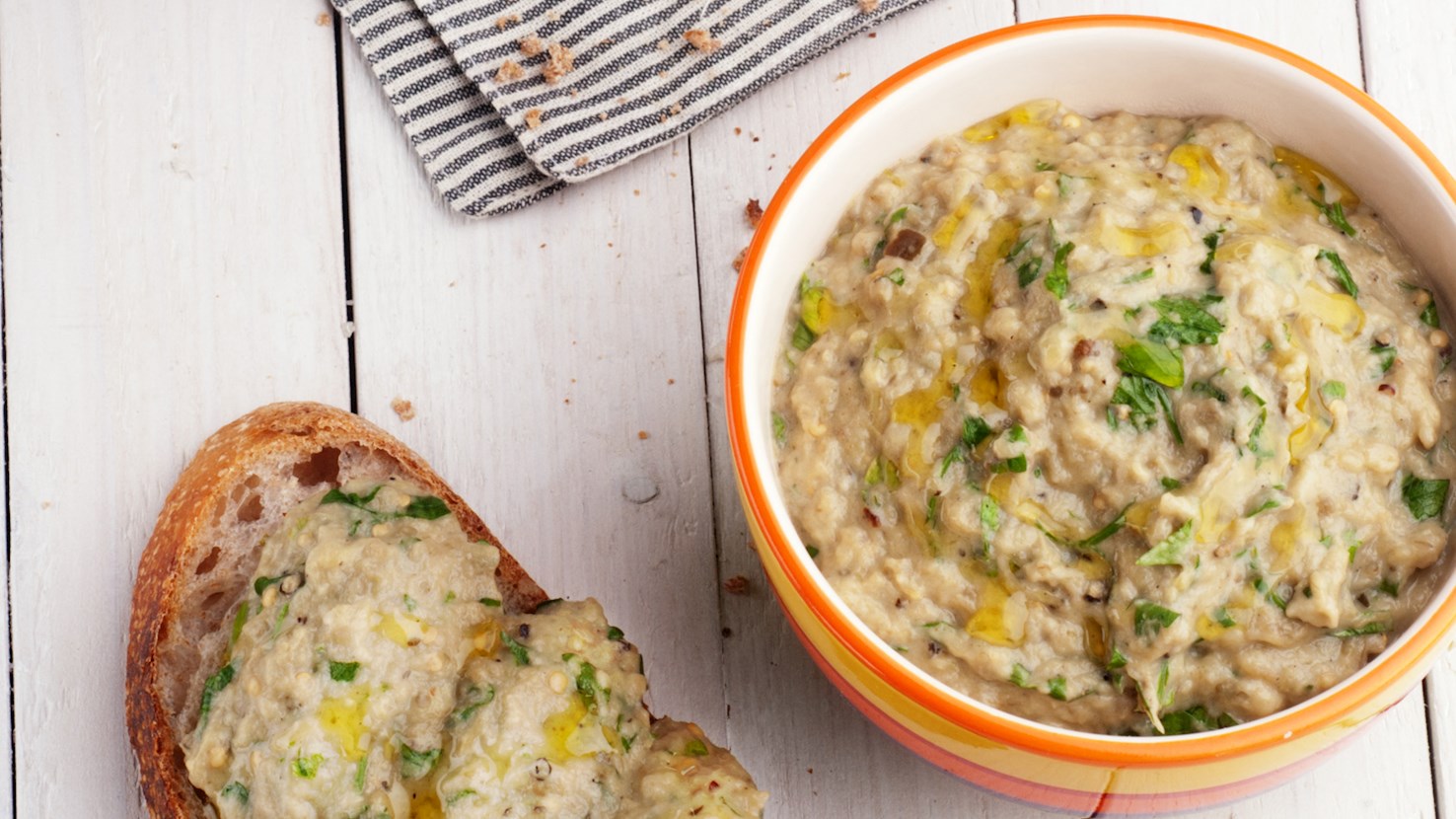
Caviar d'aubergine is a classic French spread made from roasted eggplant, often blended with garlic, olive oil, lemon juice, and occasionally herbs such as thyme or parsley. Despite its luxurious name, it contains no actual caviar—the term "caviar" here refers to its smooth, rich texture and its status as a flavorful delicacy in French Mediterranean cuisine. To prepare it, eggplants are typically roasted until soft, their flesh scooped out, then mashed or blended with the other ingredients into a creamy dip. Variations may include additions like onion, tomato, cheese, or spices such as cumin. It's served cold or at room temperature, often as an apéritif on toasted bread, crackers, or as part of a mezze platter. In the south of France, particularly in Provence, caviar d’aubergine is also known by the regional name merenjainade. This rustic eggplant spread shares the same base—roasted or grilled eggplant blended with olive oil, garlic, and lemon juice—but the term merenjainade reflects its Occitan roots, with merenjaina meaning eggplant in Provençal dialects.
Anchoïade is a traditional dip originating from Provence. It consists of anchovies which have been packed in oil, red wine vinegar, minced garlic, and olive oil. The anchovies and garlic are ground into a paste, and it's then combined with vinegar and olive oil, which should be whisked in bit by bit until the desired consistency has been reached. Anchoïade is often slathered on grilled bread as a spread, used as a dip with crudités, or as a dressing for salads. However, it's most commonly used with crudités, so make sure you have an assortment of vegetables prepared for dipping, such as celery stalks, thinly sliced black radishes, or florets of broccoli romanesco.
Poichichade is a rustic Provençal chickpea purée/spread that is thick, earthy, and savory, closely resembling its Middle Eastern cousin, hummus. However, poichichade strictly omits tahini, relying instead on generous glugs of high-quality, local extra virgin olive oil to achieve its rich, velvety texture. This minimalist approach allows the pure, unadulterated flavor of the chickpea to shine, perfectly balancing the robust, nutty earthiness of the legumes with the bright, acidic tang of fresh lemon juice and the sharp, pungent bite of raw garlic. Because there is no sesame paste to mask the ingredients, the quality of the olive oil takes center stage, contributing a fruity, slightly peppery finish that beautifully coats the palate. The tradition of poichichade is deeply woven into the gastronomic tapestry of southern France, where chickpeas have been cultivated since Antiquity and have since become an agricultural staple. Beyond being a simple, nourishing peasant food, the dish holds specific cultural weight; historically, its consumption has been strongly associated with Palm Sunday. In many rural communities, chickpeas play a central role in these springtime festive meals, symbolizing sustenance, the local terroir, and the changing of the seasons. The true beauty of the dish lies in its rustic, unpretentious preparation. A purist recipe calls for dried chickpeas soaked overnight and slowly simmered until tender, yielding a far superior texture to modern canned varieties. These are traditionally pounded in a mortar and pestle—or pulsed carefully in a food processor—with olive oil, garlic, lemon, and often a dash of cumin or a pinch of classic Herbes de Provence. The resulting consistency is intentionally left a bit coarser and more textured than commercial, mass-produced dips. While the classic version is superb on its own, poichichade serves as an excellent canvas for other iconic Mediterranean flavors. Local artisanal canneries and chefs frequently offer vibrant regional variations, blending the purée with green or black olive pulp to bridge the gap with traditional tapenade, folding in roasted red peppers for a smoky sweetness, or adding aromatic twists like toasted fennel seeds and crushed hazelnuts to elevate its umami profile. Today, poichichade remains an undisputed star of the southern French apéritif hour. It is best enjoyed swooped generously into a shallow earthenware bowl, drizzled with a final pour of excellent olive oil, and dusted with paprika. Locals traditionally smear it onto toasted baguette slices and crostini, or scoop it up with a colorful platter of crisp, fresh crudités like radishes, carrots, and raw fennel. To experience the dish exactly as intended, this savory spread is ideally paired with a pale, crisp glass of Rosé de Provence or a chilled, dry white wine from the surrounding valleys.
TasteAtlas food rankings are based on the ratings of the TasteAtlas audience, with a series of mechanisms that recognize real users and that ignore bot,
nationalist or local patriotic ratings, and give additional value to the ratings of users that the system recognizes as knowledgeable.
For the “Top 7 French Dips” list until June 15, 2026, 646 ratings were recorded, of which 592 were recognized by the system as legitimate.
TasteAtlas Rankings should not be seen as the final global conclusion about food. Their purpose is to promote excellent local foods,
instill pride in traditional dishes, and arouse curiosity about dishes you haven’t tried.