
shutterstock

Top 24 Albanian Foods

Last updated on July 01, 2026

Best Albanian foods

01
Side Dish

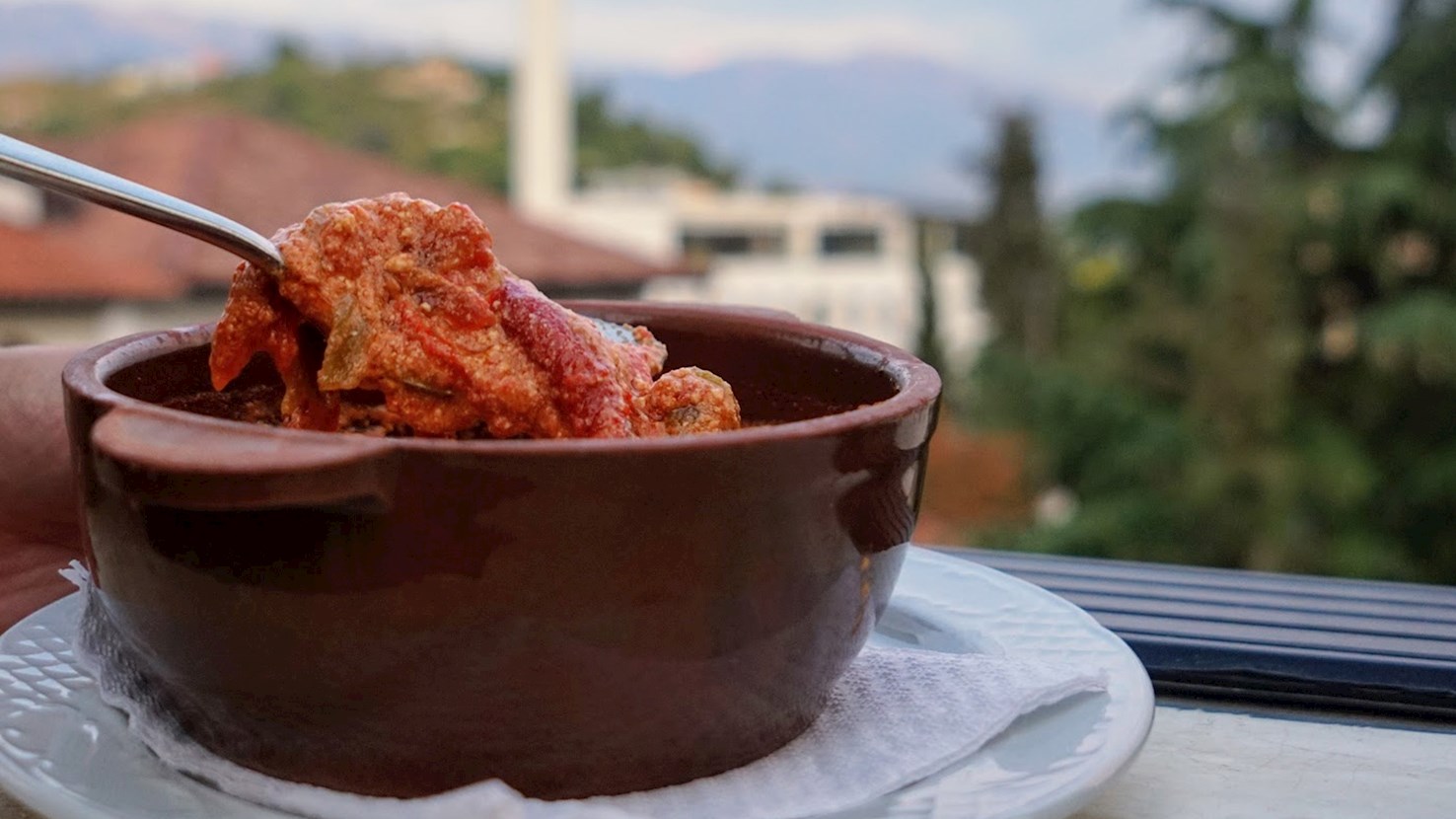
Fërgesë Tirane

4.4 ·

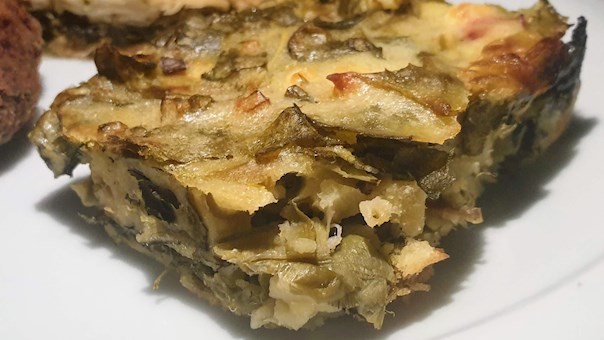
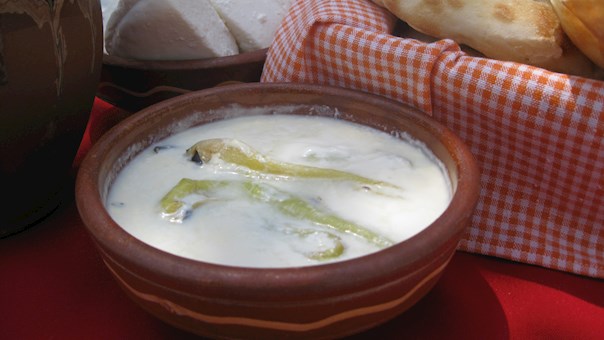
One of Albania's national dishes, fërgesë tirane is a baked vegetable and cheese specialty originating from the capital of Tirana. Traditionally, this recipe uses bell peppers, onions, tomatoes, locally made salted cottage cheese (or feta cheese as a substitute), basil, butter, flour, and olive oil. The vegetables are sautéed, while the butter and flour make a roux in a separate pan, and the cheese is set to melt over it. All the ingredients are mixed in small clay pots, seasoned, and baked in the oven. After the dish has slightly cooled down, it is served with crusty bread on the side. The vegetable version of this specialty is referred to as fergesë e tiranës me speca or fergesë e tiranës me piperka in Albanian. Another version of this dish, named fërgesë me melçi or tavë dheu me mëlçi, is created by adding chopped liver and garlic to the mixture, and the veal version is known as fergesë e tiranës me mish viçi. While the vegetarian version is mostly served as a side dish, the version prepared with meat is often served as the main course.

02
Ground Meat Dish

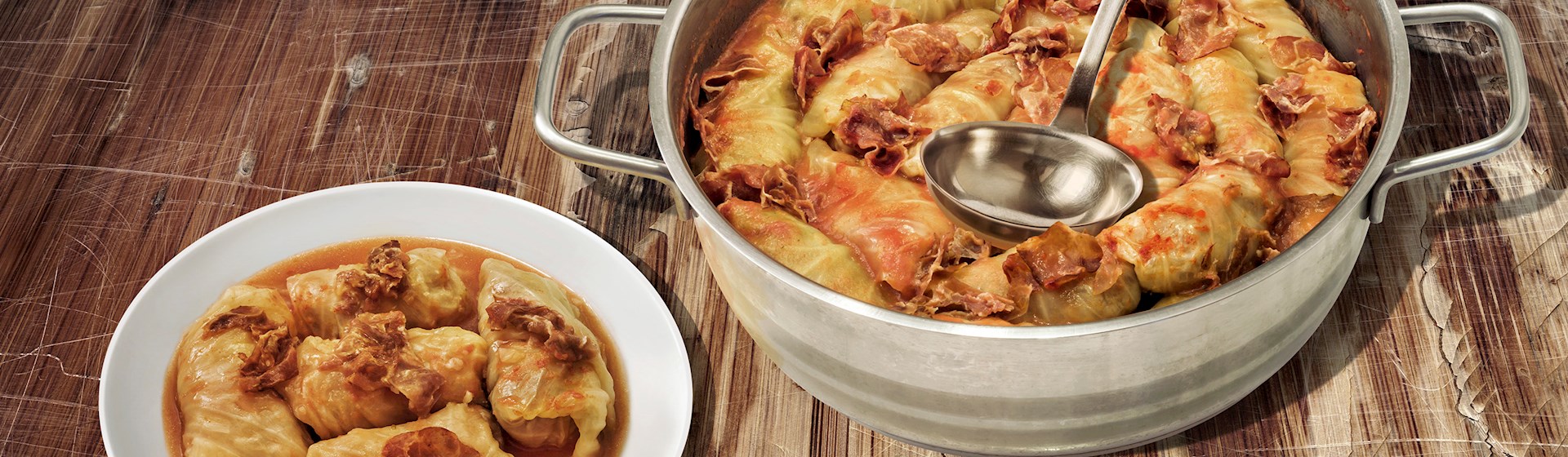
Sarma

4.2 ·

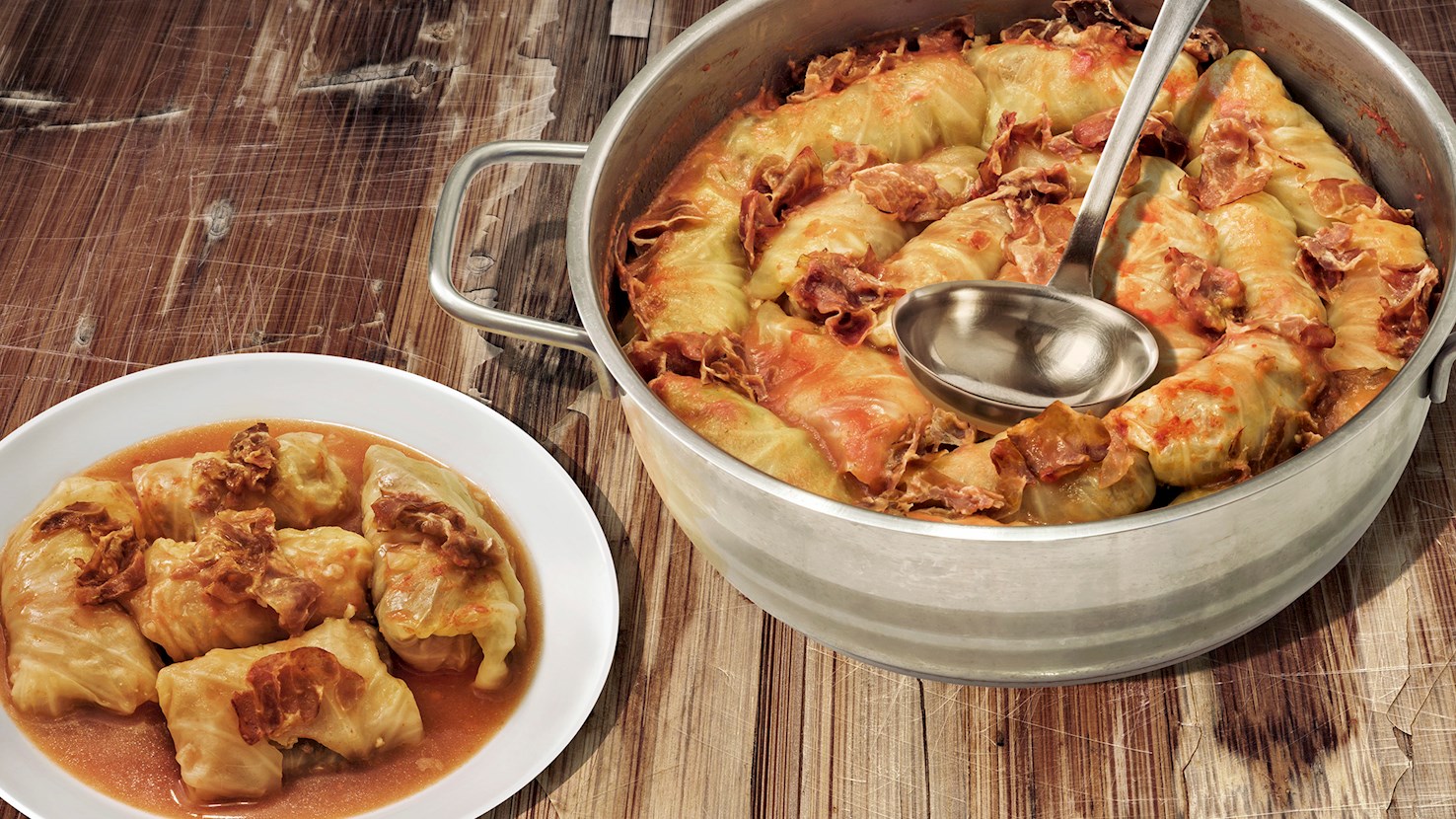
One of the staples of traditional Turkish cuisine, sarma consists of a filling that is snugly surrounded by leaves or leafy vegetables. There are numerous versions of this dish but the mixture typically combines ingredients such as minced meat, rice or bulgur, various herbs, seasonings, red pepper, paprika, ground sumac, or tomato sauce, while the typical wrapping usually includes vine, cabbage, or sauerkraut leaves, or a variety of leafy vegetables such as collard greens and swiss chard. Having its roots in the Ottoman Empire, sarma is also traditionally consumed in the Balkans, the countries of Central Europe, the South Caucasus, and the Middle East. Although it is commonly enjoyed as a filling lunch or dinner (typically during the winter season), sarma is often prepared on special occasions and holidays. The dish is usually accompanied by plain yogurt, mashed potatoes, and crusty bread on the side.

03
Meatballs

Qofte fërguara

4.0 ·

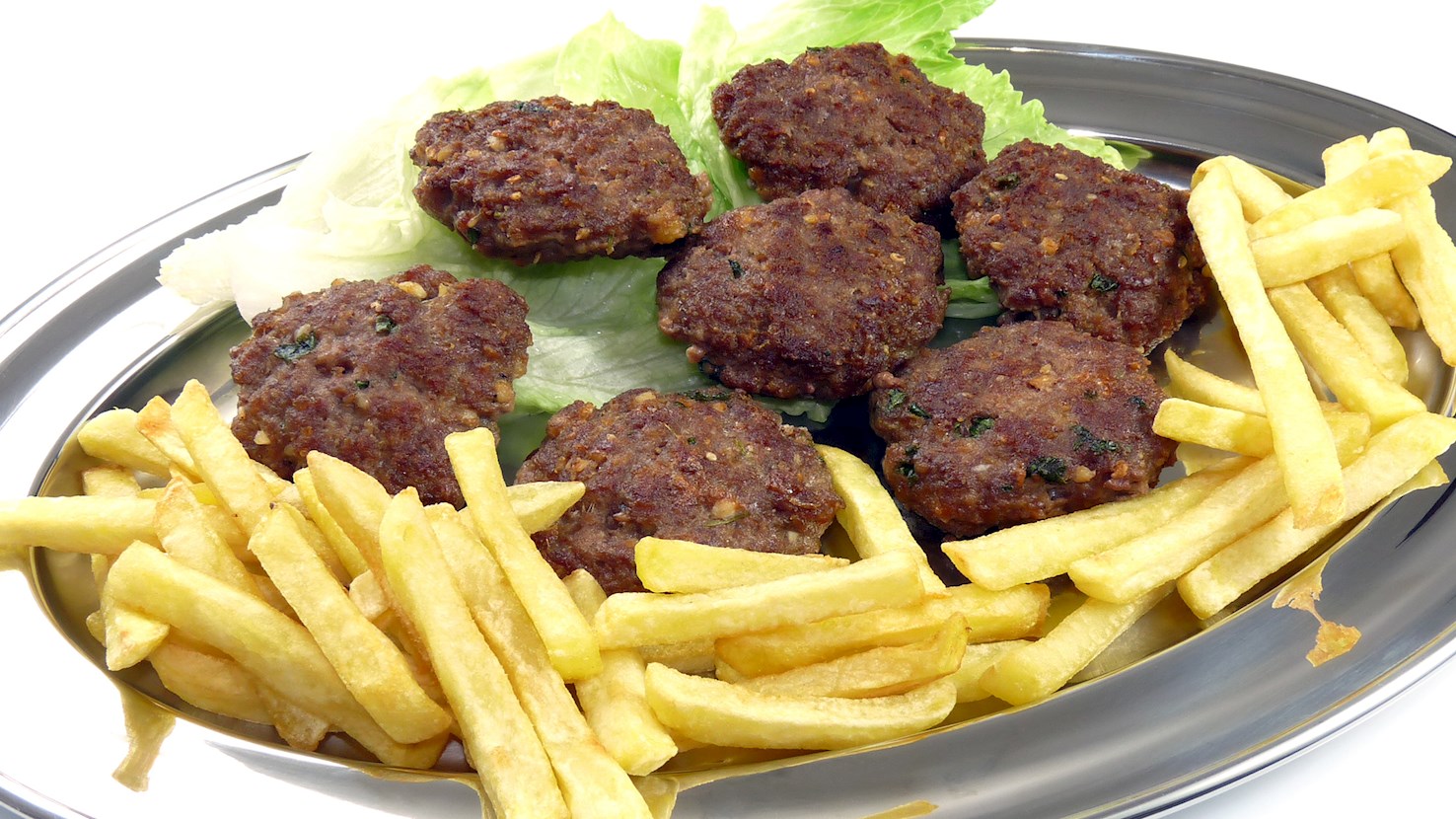
These delectable fried meatballs are prepared in both Albania and Kosovo either as a main dish or an appetizer. The origin of qofte fërguara can be ascribed to Turkish and Middle Eastern influence on the region, evident in both the ingredients and the method of preparation. The mixture for the meatballs is made by combining either minced lamb or beef, and sometimes even chicken meat with feta cheese, garlic, onions, breadcrumbs, and mint leaves. The mixture is seasoned with salt, pepper, often oregano, and sometimes cinnamon. The resulting mass can be shaped into balls, patties, ovoids, or even sausages, which are fried and served warm with potato fries and rice pilaf, or roasted vegetables, accompanied by a yogurt-based dip.

04
Cheese

Gjizë

3.9 ·

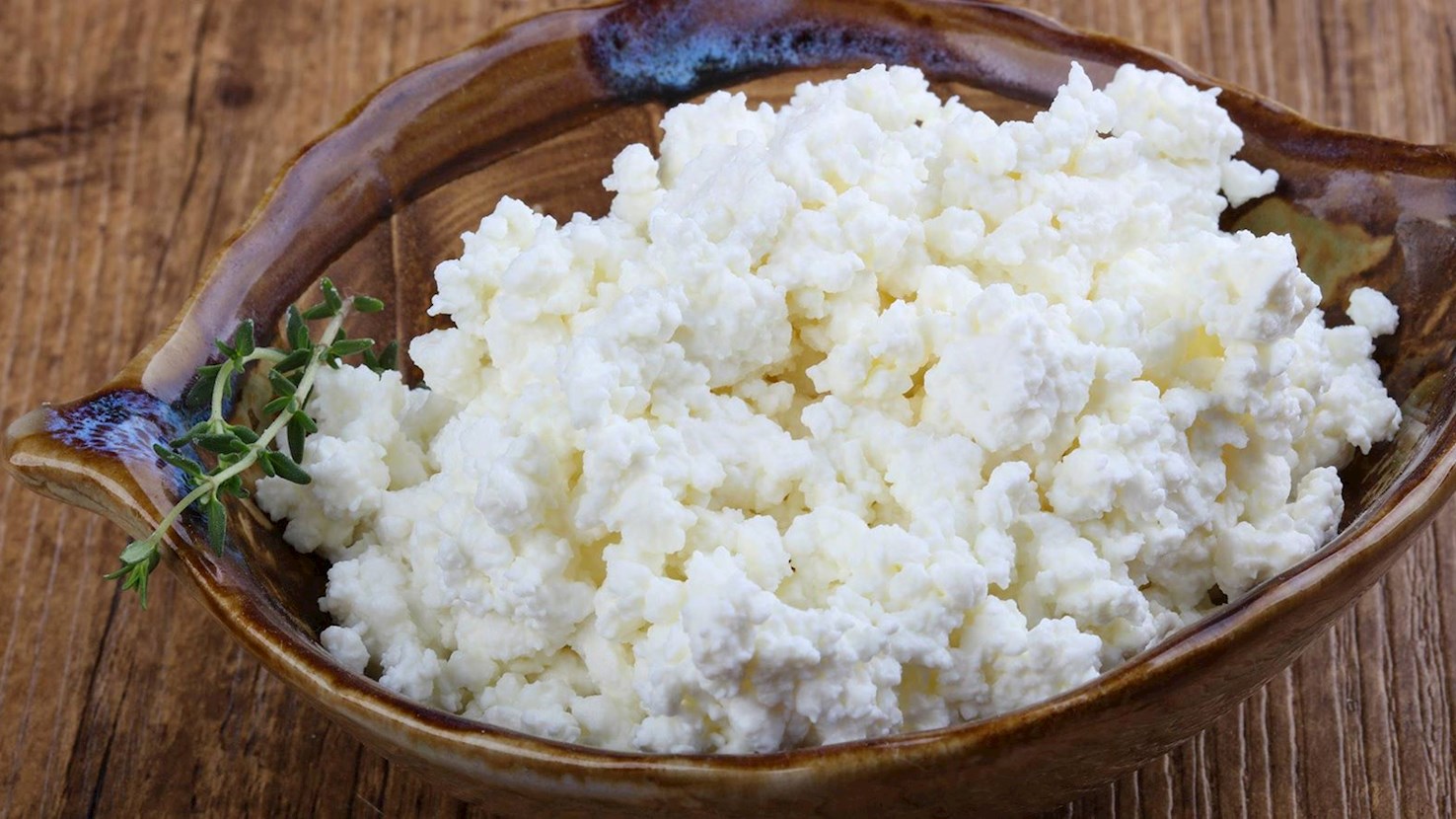
Gjizë is a type of dry curded cheese, made from yogurt and citric acid. The texture and taste resemble a sour ricotta, but gjizë can be enriched with garlic, herbs, salt or other spices. There are two methods of making gjizë. One is to combine the ingredients, put them in a cheesecloth, and let it hang for five to six hours. The other method involves heating up the combined yogurt and citrus juice in a pan and simmering it on low heat. The proteins bind together quicker and release some excess liquid, so it takes less time for yogurt to curdle and become cheese. Gjizë can be consumed as it is, used as a filling for burek, or as a part of another typical Albanian dish, Fërgesë.

05
Casserole

Pastiçe

3.6 ·

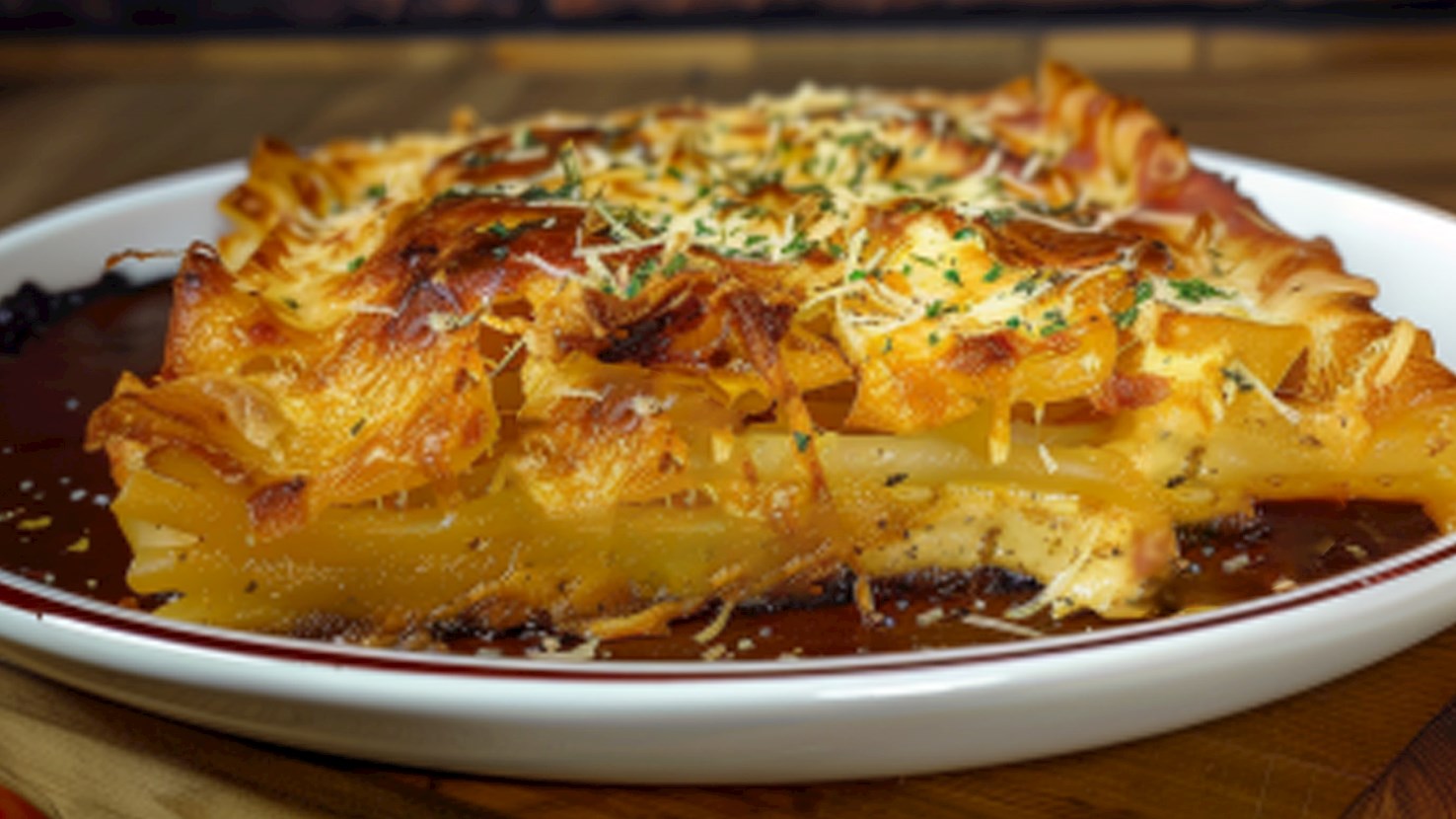
Pastiçe is an oven-baked casserole consisting of pasta (usually spaghetti), feta cheese, milk, egg, oil, salt, and pepper. The pasta is partially cooked, then mixed inside a casserole with the rest of the ingredients until well coated. For a richer result, the top can be dotted with dabs of butter and sprinkled with cheese. Once baked, the casserole should be served right away. Pastiçe is not a dish with a long tradition or history, but one can find it prepared in almost all Albanian homes.

06
Cookie

Ballokume Elbasani

3.6 ·

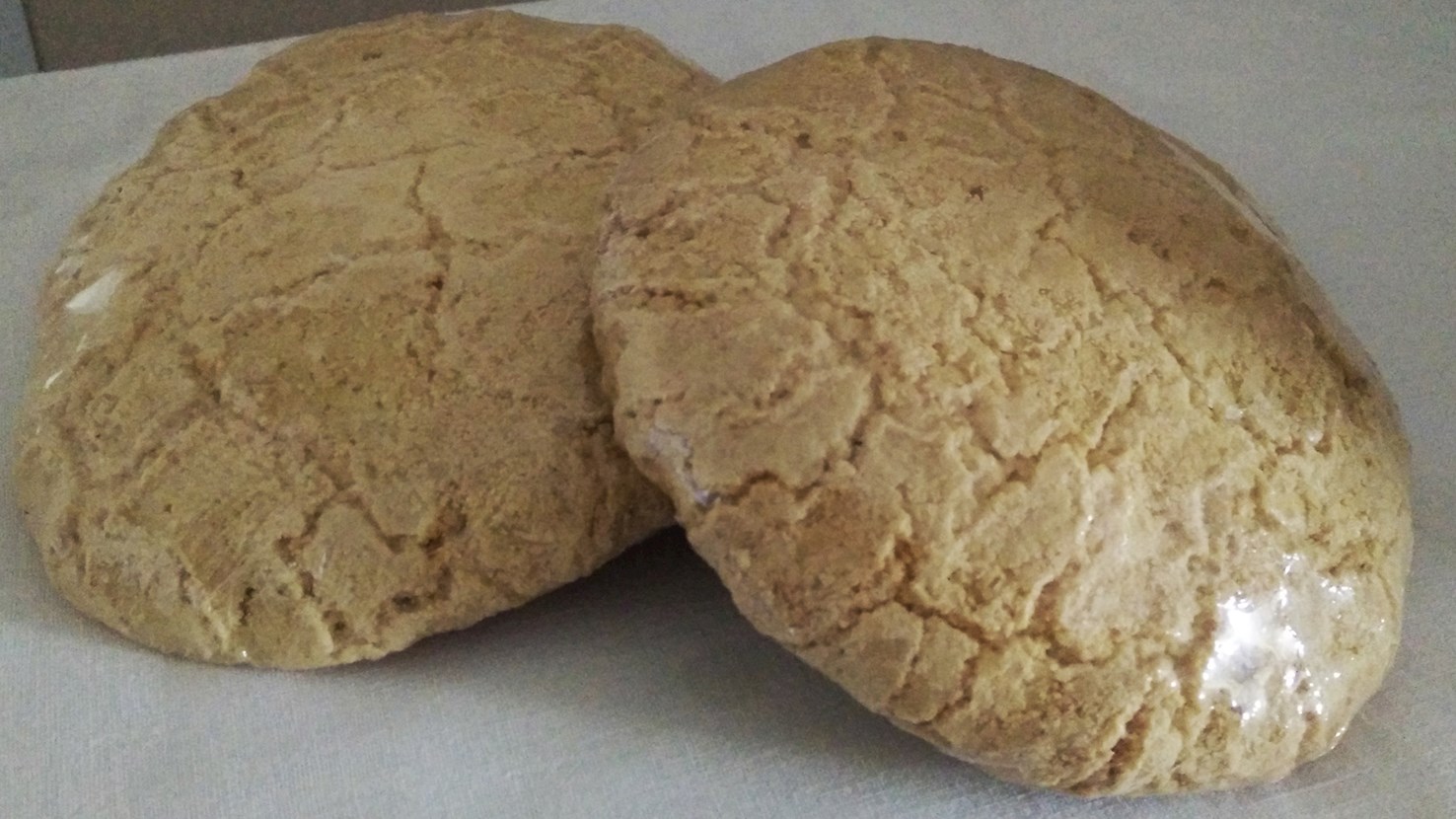
Ballokume is a large, sweet biscuit made from finely sifted cornmeal, sugar, eggs, and butter. The origins of this baked sweet trace back to the city of Elbasan in the central Balkans, where people prepare it specifically for Dita e Verës, a pagan spring festival celebrated on March 14th to mark the end of winter and the rebirth of nature. Alternatively, ballokume is also called kulaç me finj as it may (optionally) contain finj, a mixture of ashes from a wood stove boiled in water.Achieving the authentic texture requires a labor-intensive method centered entirely around a large, unlined copper basin. The conductive copper helps regulate the temperature of the fat during the prolonged mixing process. The liquid component historically relies on finj, a mixture of water steeped with clean wood ash from a beech or oak fire. This alkaline liquid acts as a natural leavening agent, giving the baked dough a distinctive, crumbly exterior and a soft, chewy interior. The recipe begins by placing melted, clarified goat or sheep butter and granulated sugar into the heavy copper basin. This mixture is beaten vigorously and continuously with a thick wooden spoon until the sugar completely dissolves and the fat turns entirely white. The physical exertion required to whip the dense batter by hand often means several family members take turns stirring the pot. Whole eggs go into the basin one at a time, followed by the slow, alternating incorporation of the fine cornmeal and the ash water. The final dough rests briefly before people shape it into large, thick mounds on flat baking trays. These heavy rounds go directly into a wood-fired oven. The ambient heat bakes the dough until it expands and develops a pale golden crust with shallow, natural cracks across the surface. Ballokume is eaten warm outdoors during the spring festivities, often alongside dried figs and fresh walnuts. The rich fat content of clarified butter and the dense carbohydrates of cornmeal provide a heavy, sugary energy source originally meant to sustain the community during the transition into the active farming season.

07
Appetizer

Qifqi

3.5 ·

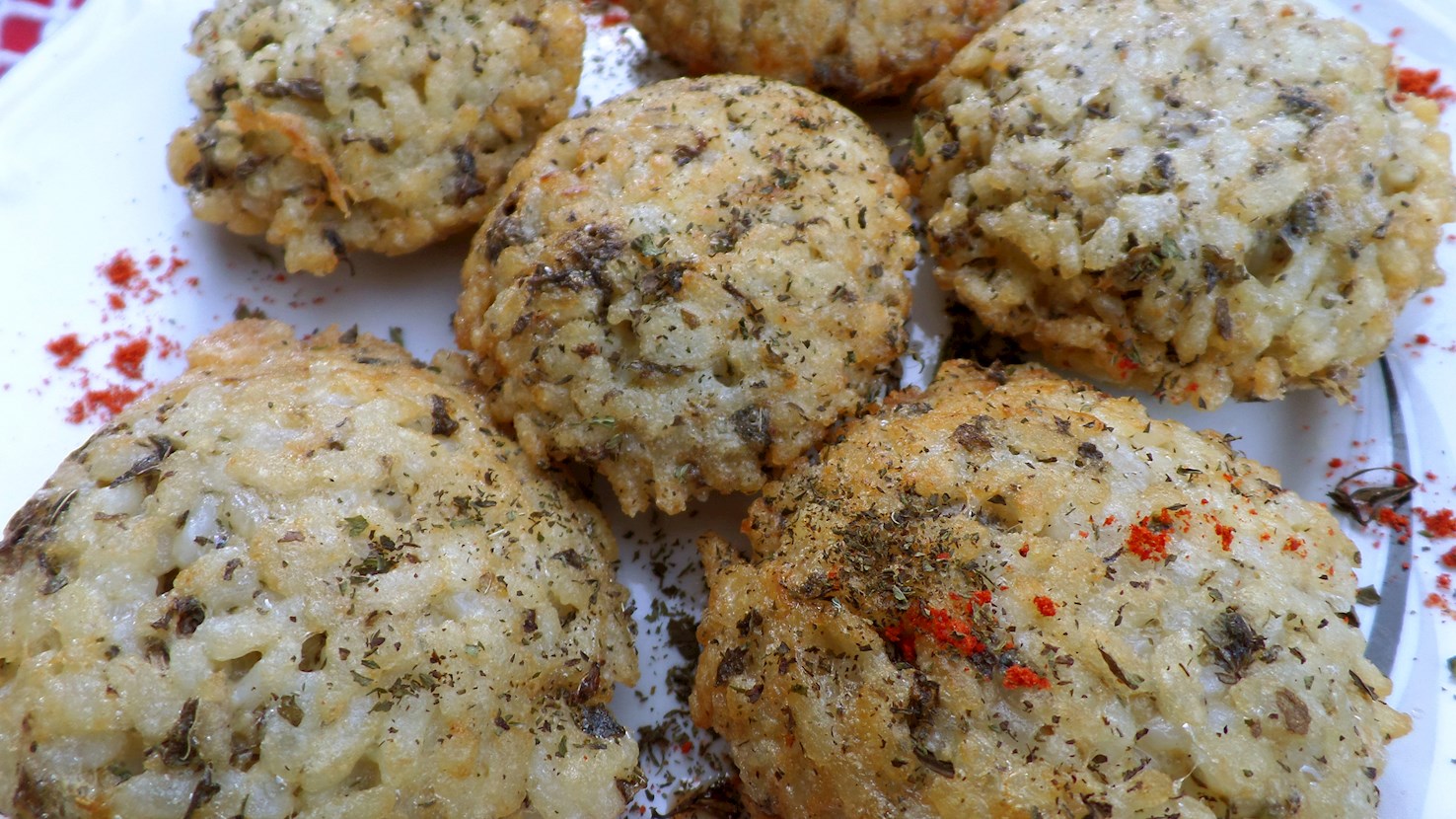
Qifqi is a traditional dish originating from Gjirokastra. These rice balls are usually made with a combination of rice, eggs, dried mint, olive oil, salt, and black pepper. Cooked rice is mixed with beaten eggs, dried mint, salt, and black pepper. The mixture is divided into small balls that are fried in olive oil in a specially customized socket-bottomed frying pan. Once golden, the rice balls are usually accompanied by a green salad or ajvar relish on the side, and paired with a glass of dhallà, a drink based on yogurt, salt, and water.

08
Pancake

Flija

3.5 ·

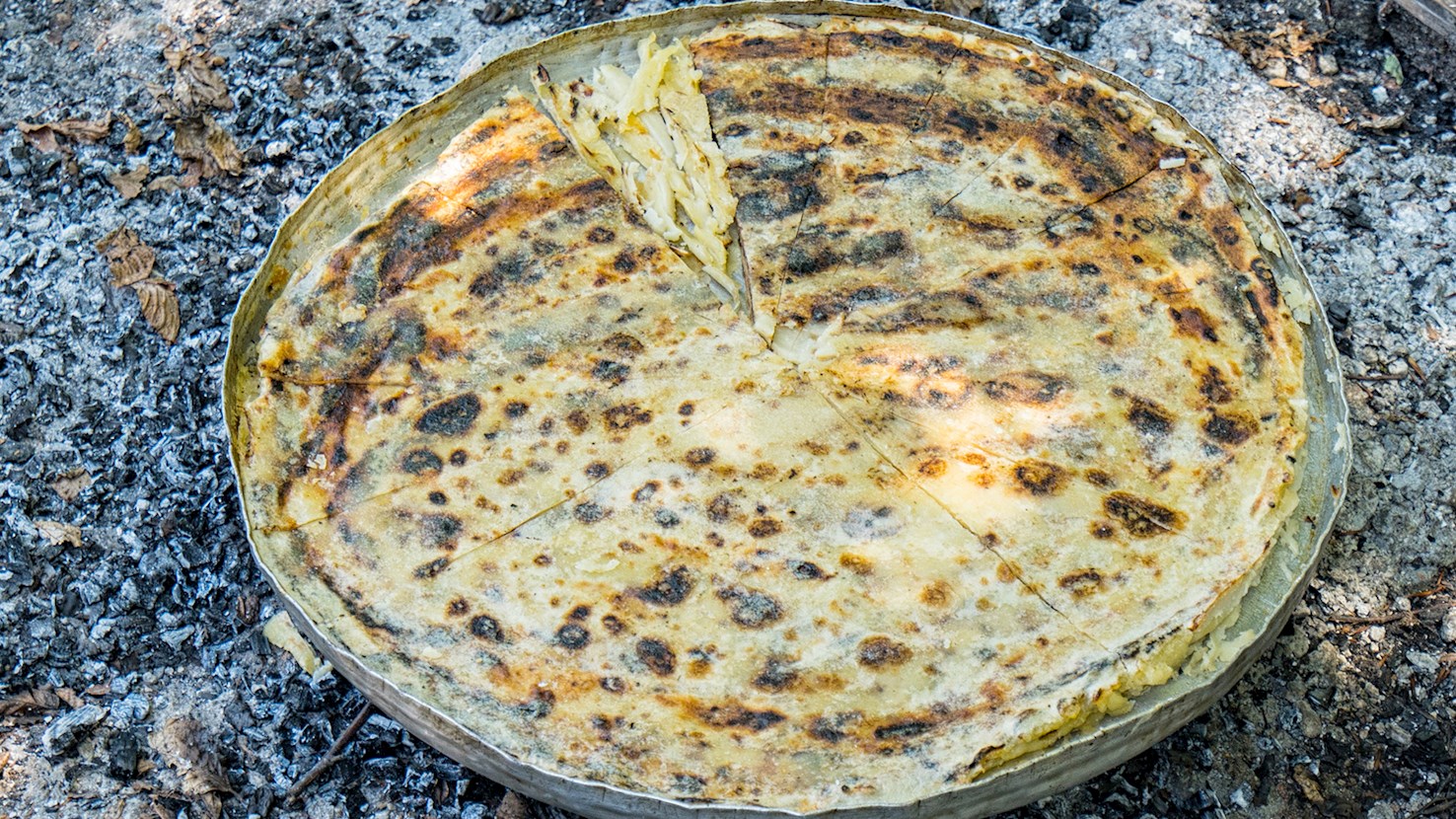
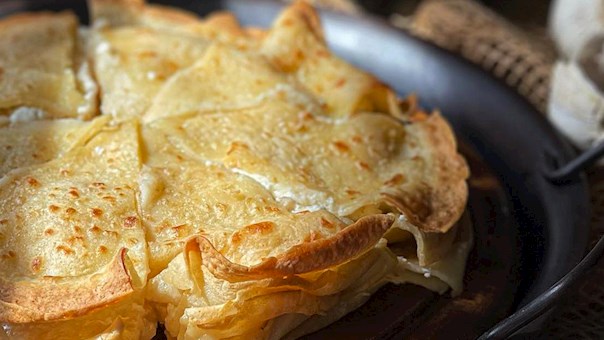
Flija is a typical dish of Albanian cuisine, prepared both in Albania and Kosovo. Although it is commonly termed as a pie or a cake, flija can more accurately be described as a stack of layered pancakes. The recipe consists of two different mixtures; one for the batter - usually consisting of flour, water, salt, and eggs, and the second mixture, used as a filling, prepared by blending together oil, butter, and yogurt or kaymak. There are numerous versions of the recipe, but the ingredients always remain simple, which is in contrast with a rather laborious and time-consuming method of preparing the dish. The batter is poured in such a pattern that the layers consist of triangle-shaped gaps. As each new layer is applied, it is immediately baked by covering the pie pan with saç, a dome that's been previously heated over an open fire, topped with ash and cinders in order to preserve the temperature. Once the layer is baked, it is coated with fillings, then covered with a new thin layer of batter, and the baking process is repeated once again until all of the batter is spent. Flija can be served with various accompaniments including savory ones like sour milk, yogurt, pickled vegetables, cheese, and ajvar, a spicy vegetable spread, as well as sweet ones: either a side of jam or a drizzle of honey.

09
Fried Dough

Petulla

3.5 ·

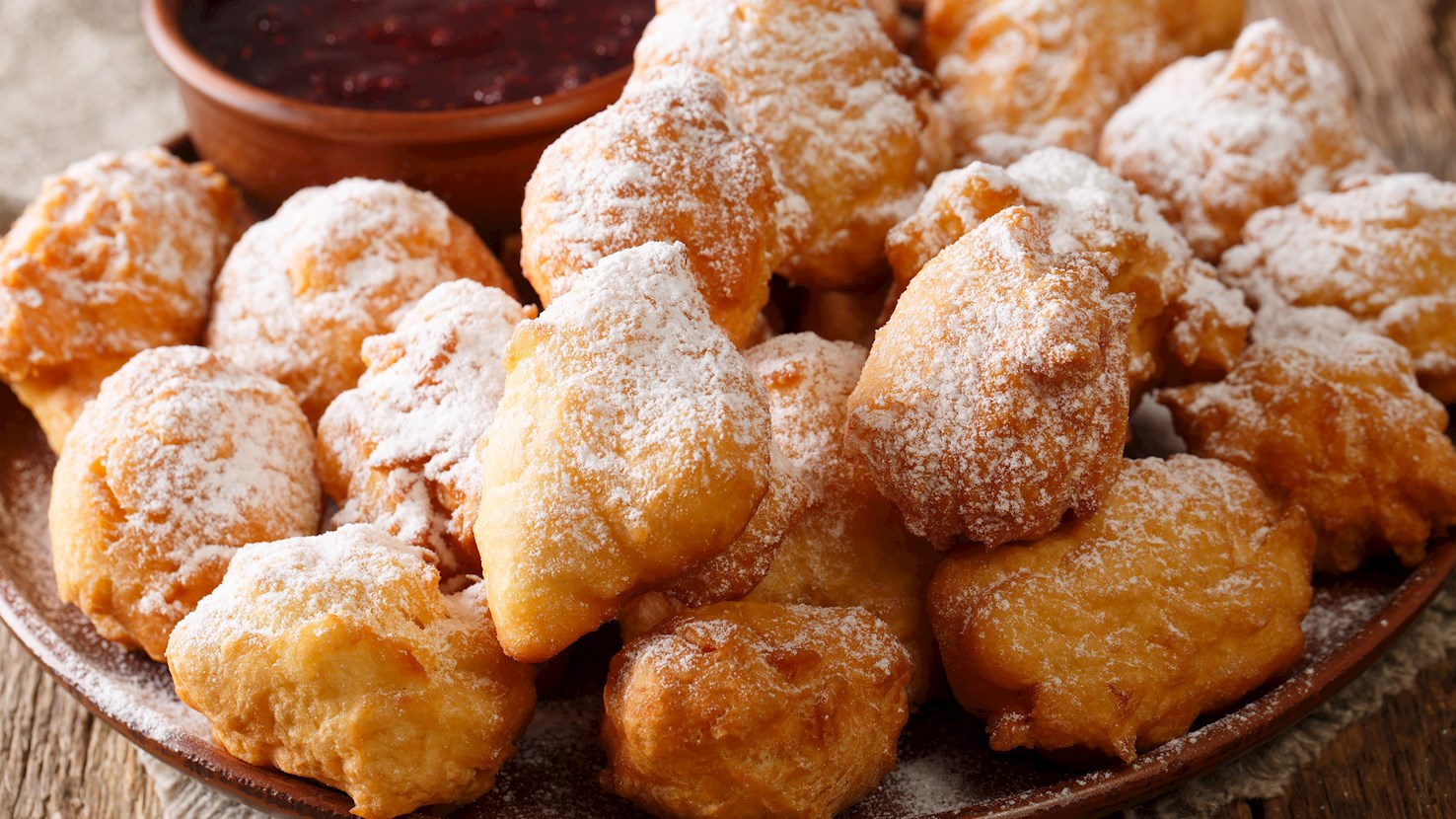
Petulla is a traditional snack and the Albanian version of fried dough. The dough is usually made with a combination of flour, yeast, milk, eggs, sugar, salt, and vegetable oil. Once mixed, the dough is left to rest, and it's then scooped out and dropped in hot oil in batches. The dough balls are cooked on all sides for a few minutes until golden brown. The fried dough is drained on paper towels and it's then enjoyed with powdered sugar, honey, raspberry jam, or feta cheese for a salty kick.

10
Casserole

Tavë kosi

3.3 ·

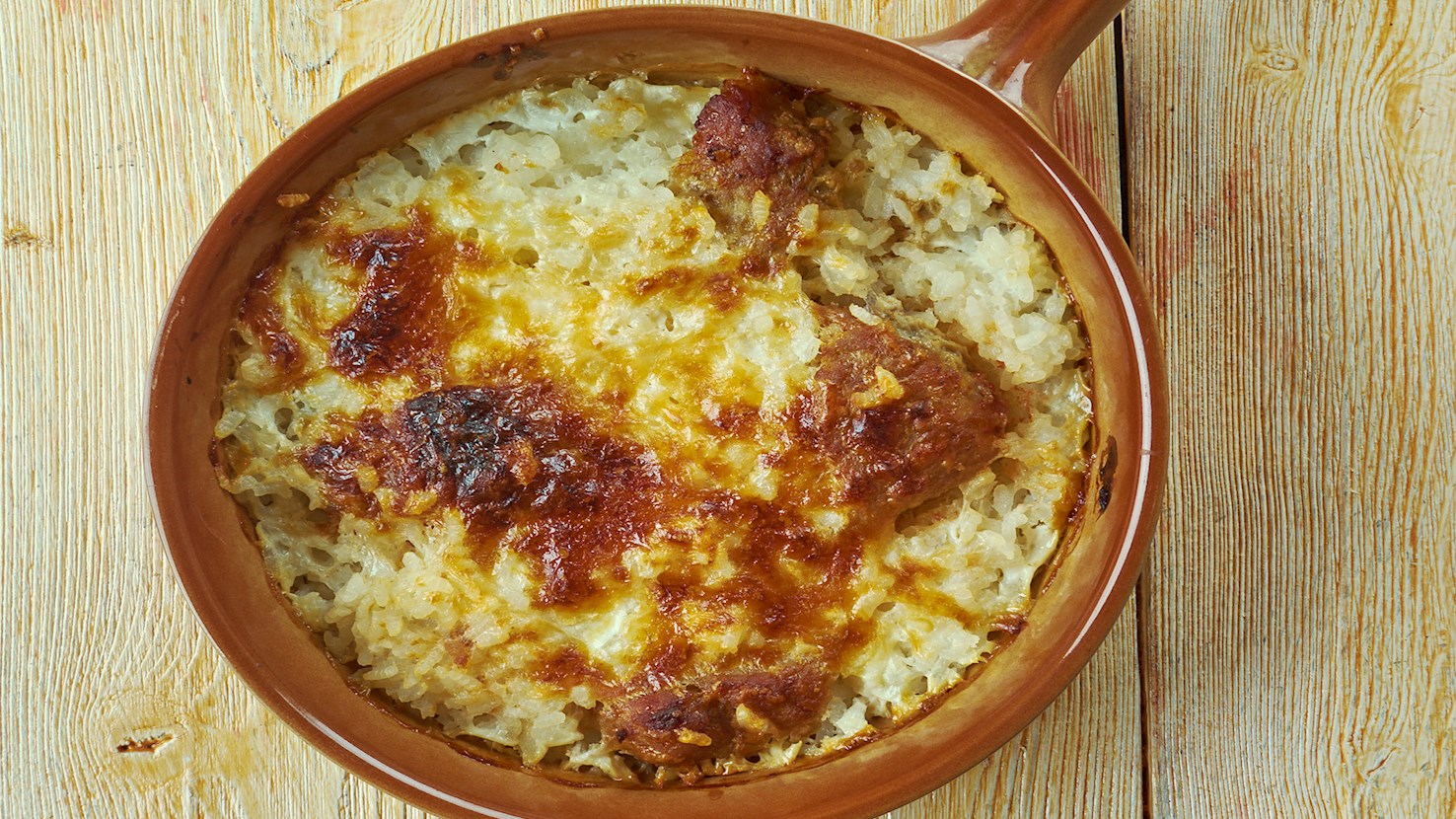
Tavë kosi, dubbed the unofficial national dish of Albania, is a casserole dish consisting of lamb meat and rice that's been seasoned and topped with kos, Albanian soured milk made from goat's or ewe's milk. The dish dates back to the 15th century and originates from the town of Elbasani, but today it is enjoyed throughout Albania and Kosovo, as well as Turkey, where it's known under the name Elbasan tava, topped with béchamel sauce instead of kos. The original recipe has now been modified, so instead of soured milk, the dish is usually coated with a sauce made of yogurt and eggs, while another common variation, tavë kosi me mish pule, replaces lamb with chicken meat.

Best Albanian food products

01
Cheese

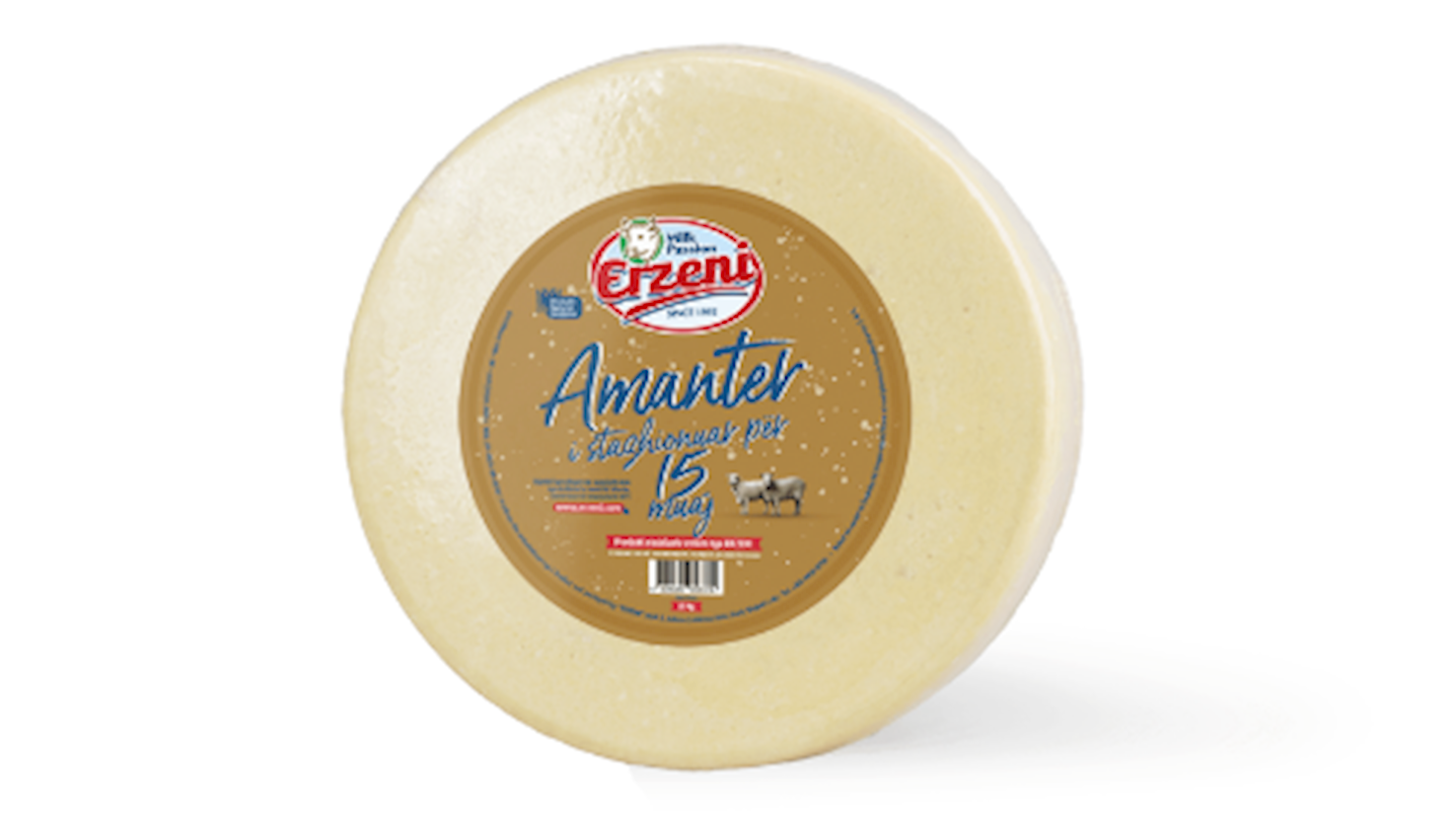
Erzeni Dairy

4.9 ·
Awards
World Cheese Awards - Gold (2024)
02
Wine

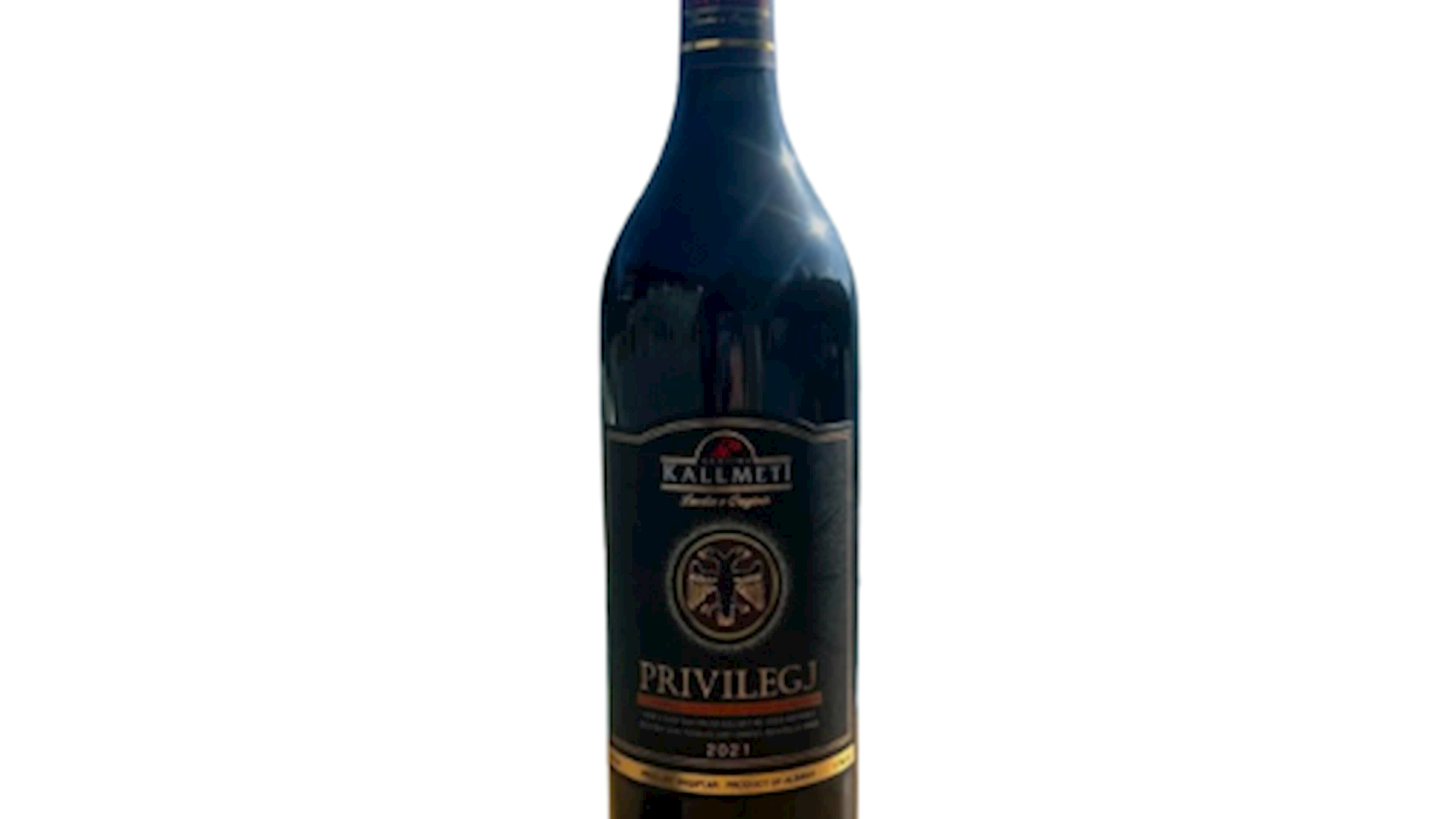
Kantina Kallmeti

4.9 ·

Kantina Kallmeti is a family-run winery and olive mill located in the village of Kallmet near Lezhë, producing wines, olive oils, and traditional distillates since 2006 with a strong focus on local heritage and the terroir of northern Albania. Their vineyards stretch across hillside plots that rise above 500 meters in elevation, where the climate and soil give the indigenous Kallmet grape its distinctive aromatic profile, while olives for their oils are cultivated in the same micro-region.

Production combines handwork and family tradition with modern winemaking and milling technologies, supported by Italian oenological experts. The portfolio includes red and white wines, the premium Prestige cuvée line, grape-based rakija, and extra virgin olive oils.

The estate is open for visits and tastings, allowing guests to explore the cellars, vineyards, and olive groves and experience the full journey from raw fruit to finished product. Kantina Kallmeti represents a blend of local identity, controlled production, and clear origin, with a strong emphasis on authenticity and quality.

Awards
Vivino - 4.5
Vivino - 4.2
03
Olives

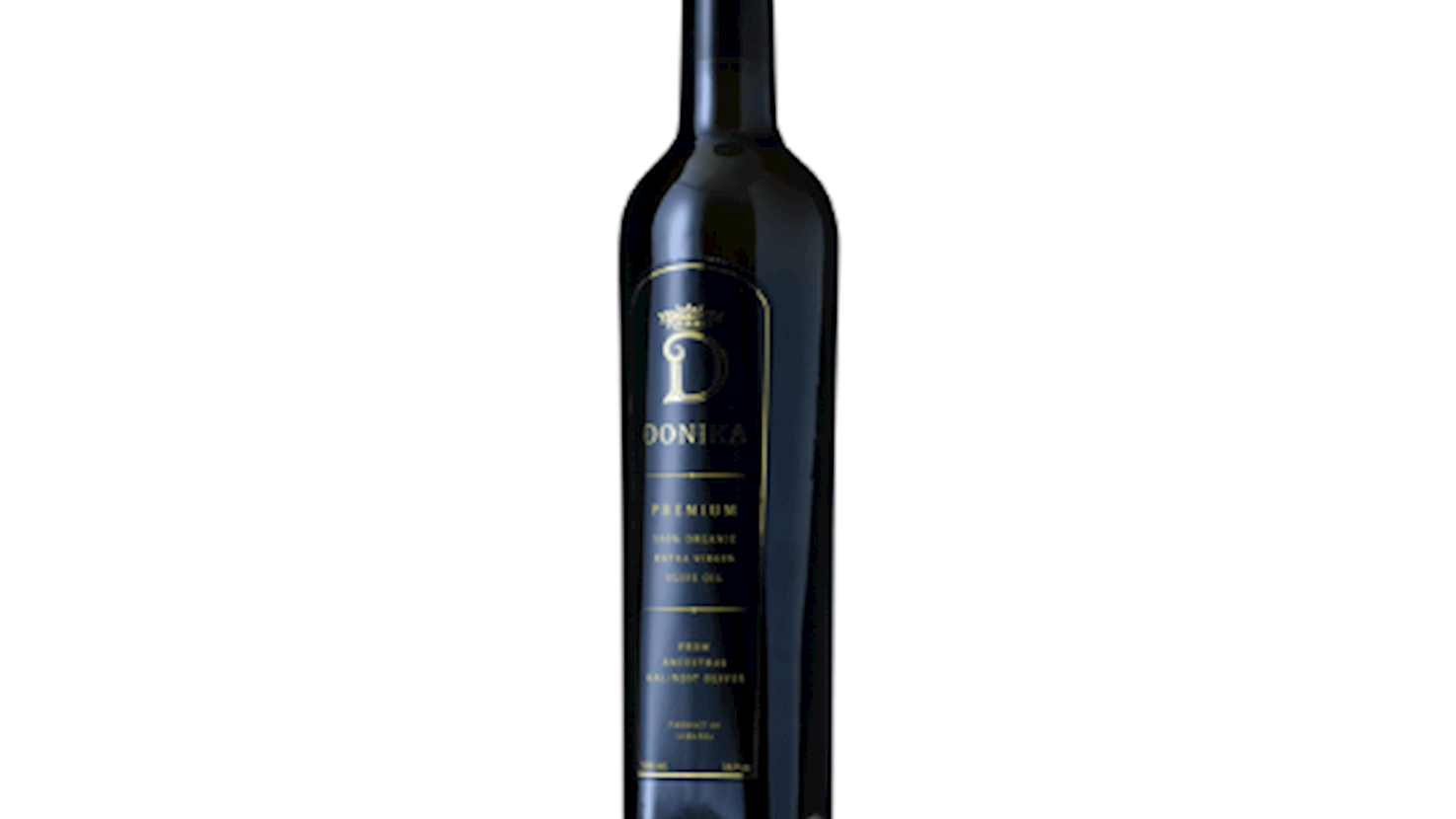
Donika Olive Oil

4.8 ·

Donika Olive Oil produces organic extra virgin olive oil made exclusively from the indigenous Albanian Kalinjot variety, with strict control over every step - from handpicking the olives to rapid cold extraction, usually within about three hours of harvest. This approach preserves the high polyphenol content, pronounced aroma, and fresh green-fruity profile typical of this cultivar.

The oil has a deep green color with golden hues, while its flavor reveals notes of fresh herbs, green almond, aromatic plants, and a gentle peppery finish. Each bottle is filled only upon order, ensuring maximum freshness for the customer.

Led by Bianti Danaj, the brand aims to promote Albanian olive groves and traditional cultivation through a modern, high-quality product recognized at international competitions. The result is an oil with a clearly defined origin, strong character, and minimal processing, suitable for cold use and for Mediterranean dishes where its full aromatic potential can be appreciated.

Awards
NYIOOC - Gold (2025)
NYIOOC - Silver (2024)
04
Olives

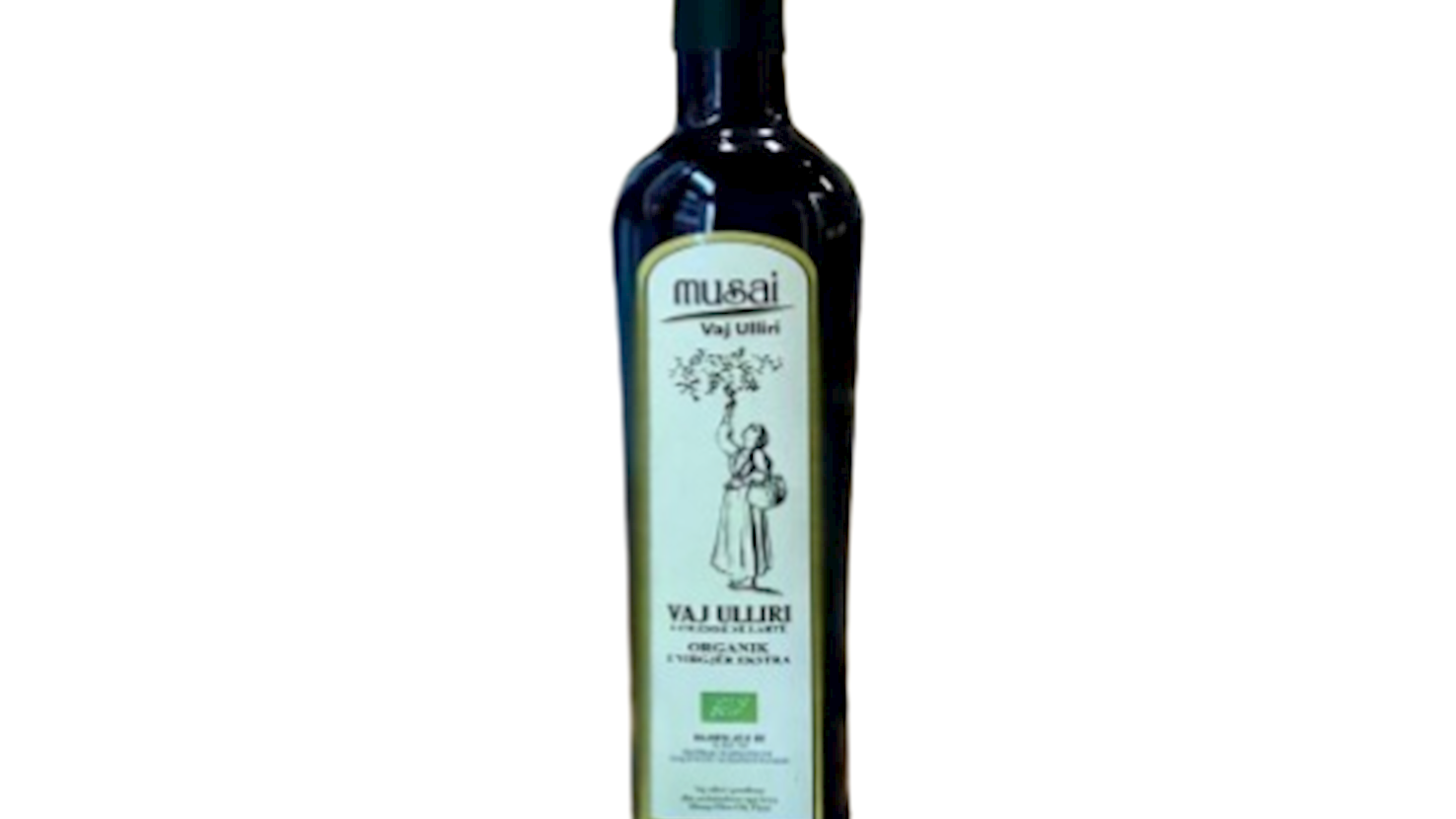
Musai Olive Oil

4.8 ·

Musai Olive Oil is a family-run producer from southern Albania, known for its extra virgin olive oil made exclusively from the indigenous Kalinjot variety grown on the hillside groves surrounding Vlorë. The olives are handpicked and cold-processed within 12-24 hours, preserving freshness, low acidity, and pronounced herbal aromas.

Production takes place in a modern mill equipped with advanced crushers and centrifuges, while traditional principles are maintained to achieve an oil with an intense green-gold color and a flavor dominated by notes of fresh grass, green almond, and a gentle peppery finish. The brand also offers olive mill visits and tasting experiences, showcasing the entire production chain - from the grove to the bottle.

The result is an oil with a strong regional identity, highlighting tradition, terroir, and minimal processing.

05
Olives

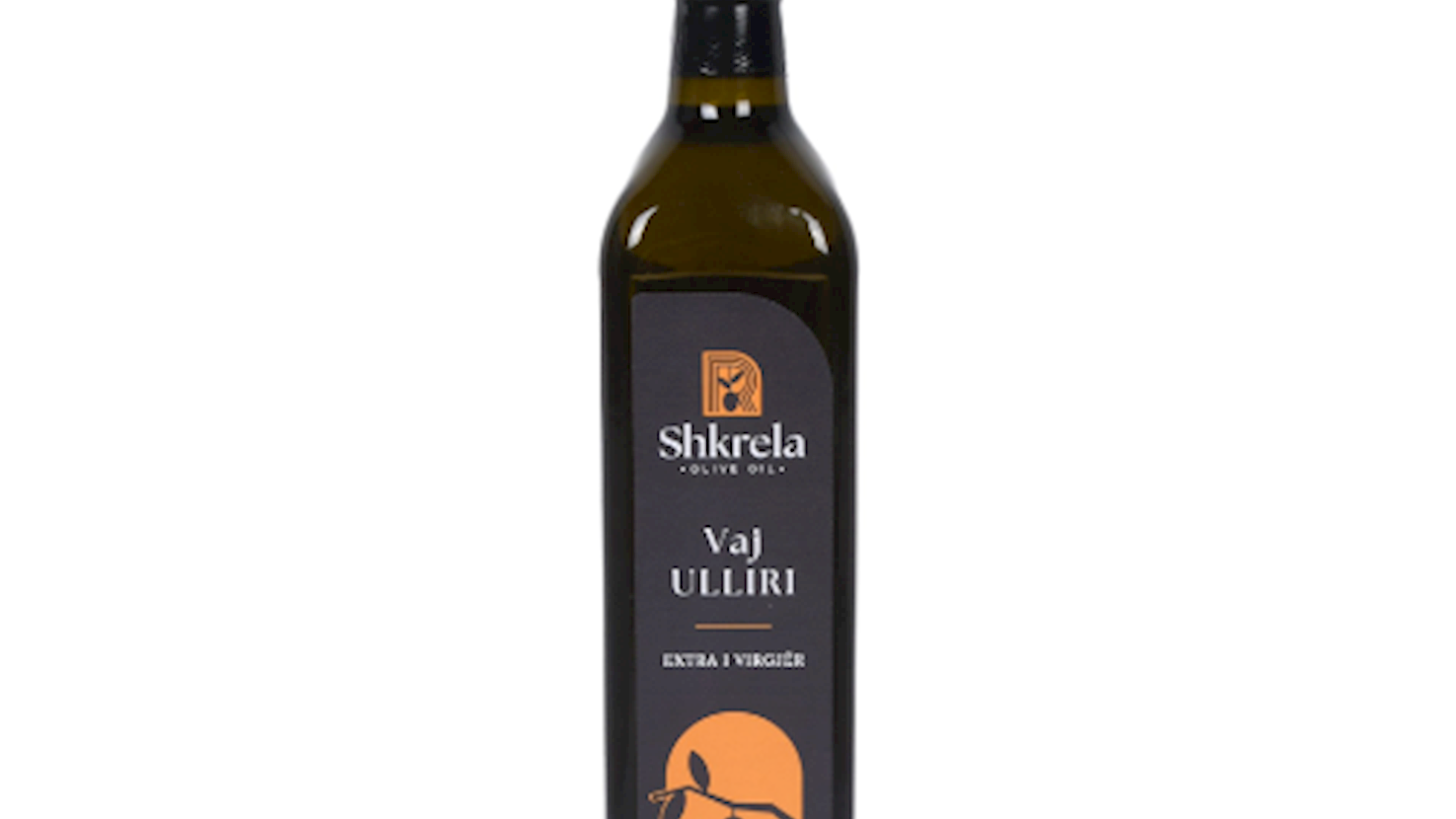
Shkrela Olive Oil

4.8 ·

Shkrela Olive Oil is a family-run producer from southern Albania, crafting organic extra virgin olive oil from olives grown on the hillside groves around Vlorë, where the combination of Mediterranean climate and rocky soil gives the fruit a distinctive aroma and stable nutritional profile. The olives are handpicked at optimal ripeness and cold-pressed within 24 hours, preserving natural antioxidants, low acidity, and a fresh, herbaceous character.

Production takes place in a modern mill with a capacity of up to 500 kg per hour, using advanced crushers and centrifuges to ensure consistent quality. The oil is bottled in dark glass to prevent oxidation and maintain its aroma, which features notes of fresh grass, green almond, and a gentle peppery finish.

Shkrela holds organic certifications and emphasizes cultivation free from pesticides and chemical additives, confirming the purity of its origin. The result is a fresh, terroir-driven oil ideal for cold use and Mediterranean dishes where high-quality extra virgin olive oil enhances flavor and depth.

06
Wine

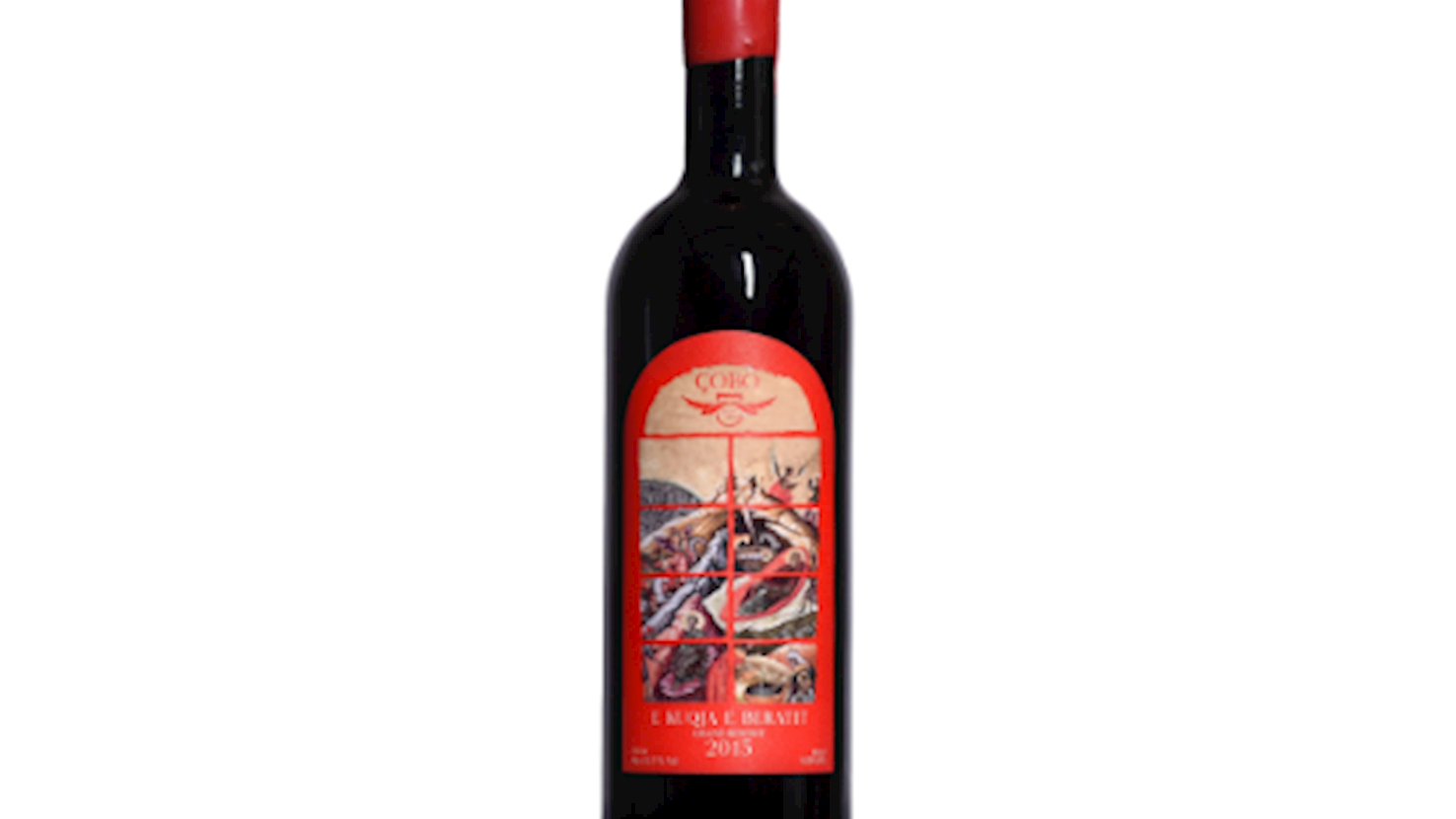
Çobo Winery

4.7 ·

Çobo Winery is a family-run estate located near Berat, on the slopes beneath Mount Tomorr, where winemaking traditions have been passed down through generations. After restoring their vineyards in the post-transition period, the winery developed an approach that blends local varieties such as Shesh i Zi, Shesh i Bardhë, and Puls with modern oenological techniques, while maintaining a strong focus on terroir and authenticity.

Their portfolio includes red, white, and sparkling wines, along with several blends that combine native and international grapes, ranging in style from light and refreshing to complex and full-bodied. Çobo is also known for its cellar tours and tastings, offering visitors an opportunity to learn about the production process and enjoy wines paired with local cheeses and traditional snacks. The winery stands out for its warm, family-oriented atmosphere, and its wines reflect the region’s heritage, dedication, and distinctive geographic identity.

Awards
Vivino - 4.3
Read more
View all
View map
About this ranking

TasteAtlas food rankings are based on the ratings of the TasteAtlas audience, with a series of mechanisms that recognize real users and that ignore bot, nationalist or local patriotic ratings, and give additional value to the ratings of users that the system recognizes as knowledgeable. For the “Top 24 Albanian Foods” list until July 01, 2026, 1,688 ratings were recorded, of which 895 were recognized by the system as legitimate. TasteAtlas Rankings should not be seen as the final global conclusion about food. Their purpose is to promote excellent local foods, instill pride in traditional dishes, and arouse curiosity about dishes you haven’t tried.

The initial list of top producers was compiled based on available reviews, awards, local recommendations, media and blog coverage, and consumer reviews. The list will be updated with ratings from TasteAtlas local ambassadors and TasteAtlas users.

Similar lists