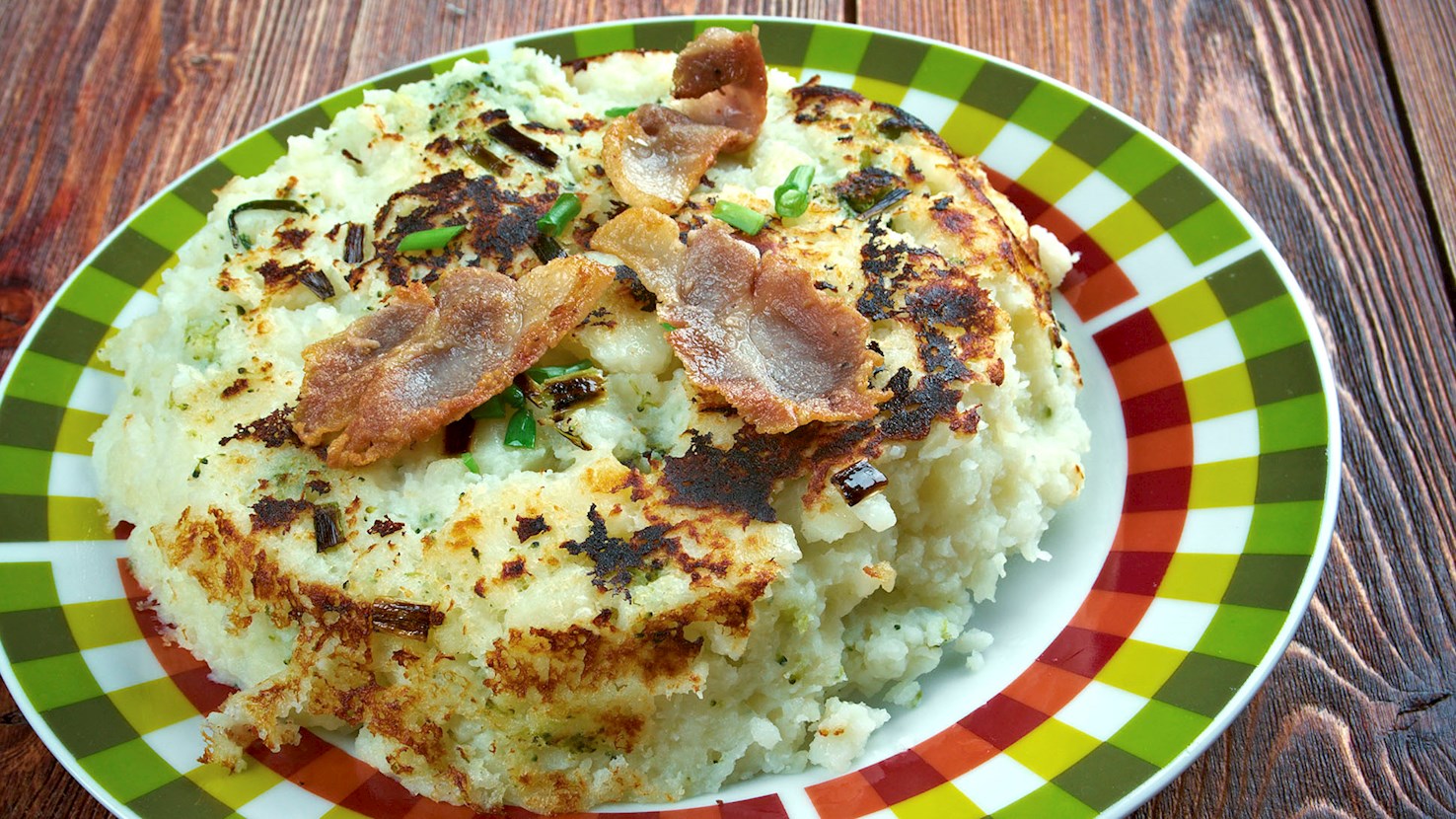
Trinxat is a savory Andorran dish consisting of chopped and mashed cabbage and potatoes with the addition of mushrooms, garlic, pork or bacon, salt, pepper, and olive oil. The name is derived from the Catalan trinxar, meaning to slice, mash, or chop. The mash gets flattened into small pancakes that are fried in oil and garnished with bacon pieces. Trinxat is an ideal winter dish due to the fact that cabbage is the best after it's been touched by frost, and it doesn't get any better conditions than those on high altitudes of Andorra's mountainous parts. Locals learned to make the most of the crops that grow on poor soil, so it is not unusual that potatoes are heavily represented in the dish. It is quick, easy and inexpensive to prepare, and has achieved such popularity that it even has its own festival, celebrated in the town of Puigcerdá. For the most authentic experience, it is recommended to garnish this flavorful hash pancake with some finely chopped parsley and enjoy it while it's still piping hot.
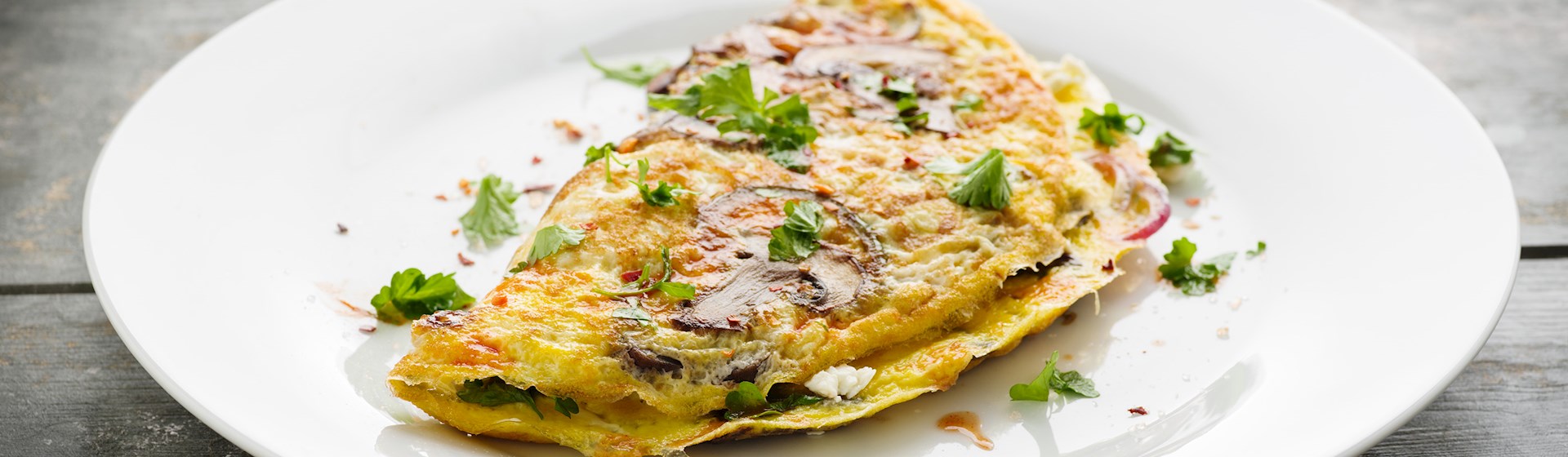
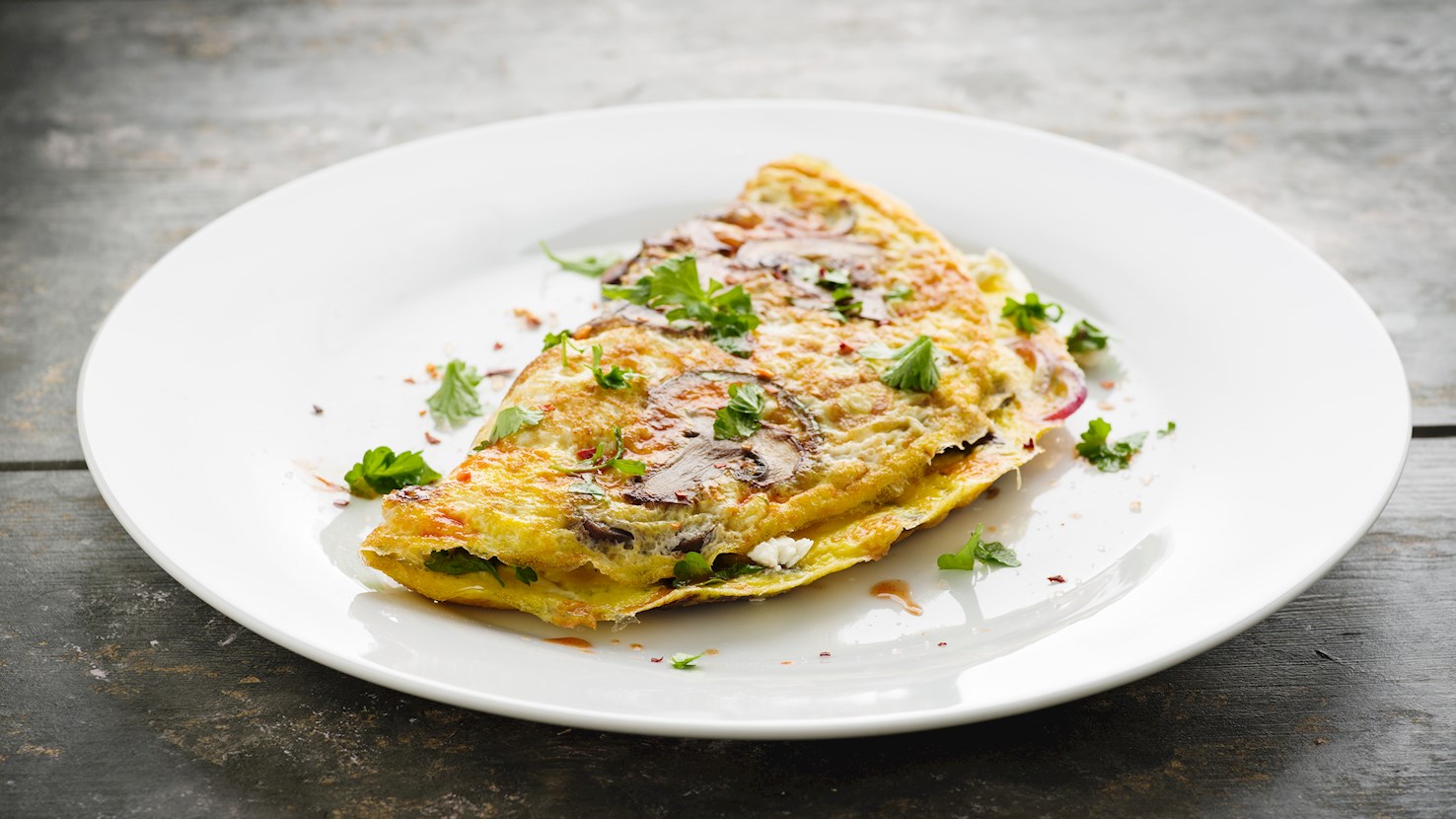
Truite de carreroles is a traditional mushroom omelet. It is made with a combination of eggs, butter, mushrooms, scallions, tarragon, and grated cheese. Once prepared, the omelet is folded in half and served. If desired, you can add a few extra scallions for an even richer flavor.
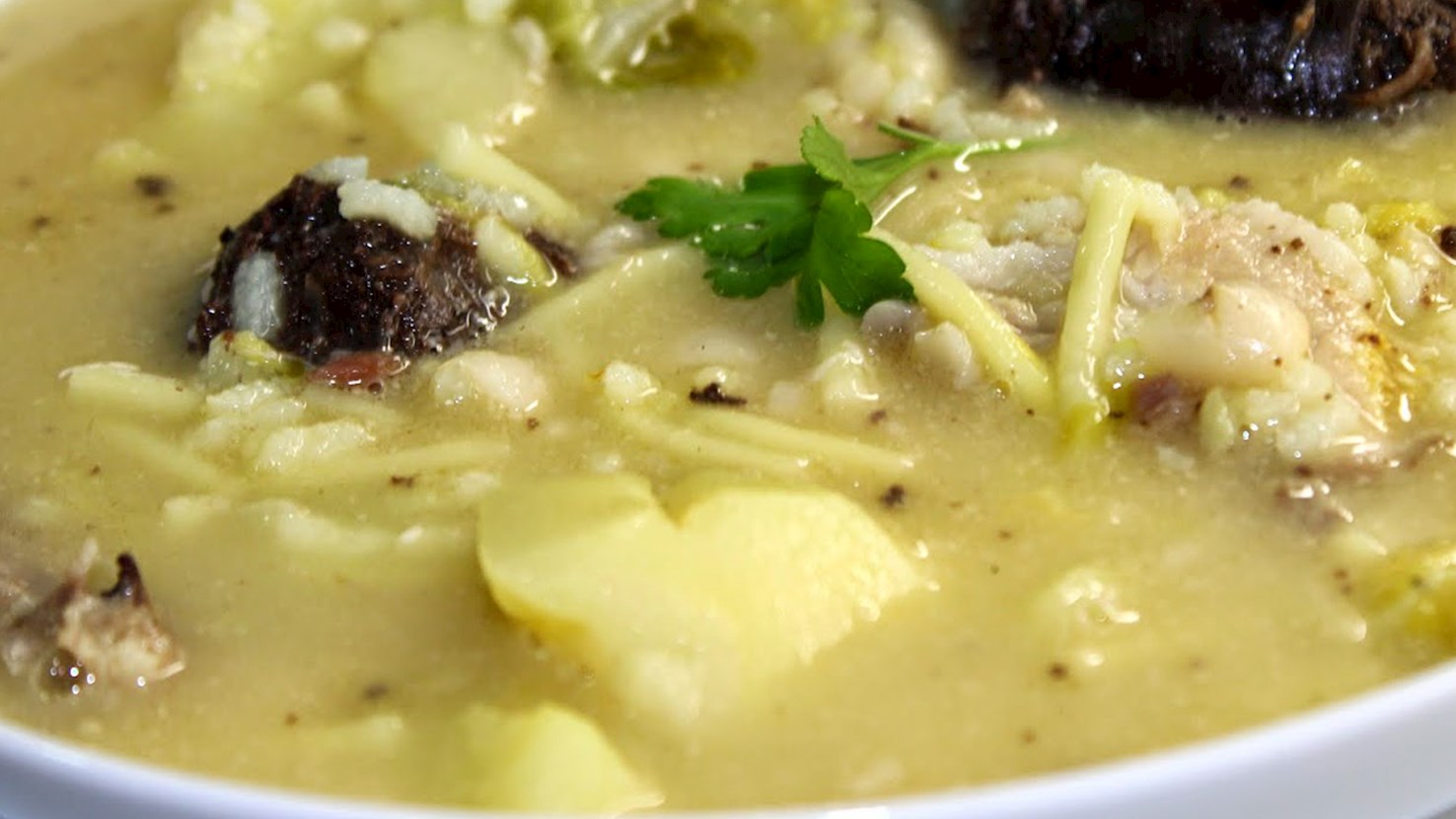
Escudella de pagès is a rustic Catalan and Valencian soup and stew made by simmering a mixture of meats, bones, and seasonal winter vegetables to produce a hearty broth, which is then mixed with pasta or rice. The name translates to "peasant soup" and reflects its origins as an economical daily meal in rural communities, where farming families used local livestock and available garden produce. Historical records show that people in the region consumed a version of this meal every day as far back as the fourteenth century, according to writings by Francesc Eiximenis. Culinary evolution shaped this hearty meal over a thousand years, and its cooking methods appeared in the 1520 Spanish cookbook Libre del Coc. Building the rich liquid base requires boiling pork cuts such as pig's trotters, bacon, and salt pork with beef bones, veal, or chicken. These animal proteins slowly release marrow and gelatin into the water, creating a thick, savory stock. Smoked sausages, specifically the local botifarra, provide a distinct flavor to the simmering pot. A massive spiced meatball called a pilota, formed from minced veal or pork mixed with egg, breadcrumbs, garlic, and parsley, goes into the broth as a defining protein element. Vegetable additions depend heavily on the season, but a standard pot includes chunks of carrots, celery, leeks, turnips, cabbage, and potatoes. These vegetables release their natural sweetness into the liquid. Legumes like soaked chickpeas often join the boiling mixture for added earthiness and sustenance. The final stage of the process involves cooking starches directly in the savory liquid. Adding both rice and pasta, such as snail-shaped galets or smaller shells, creates a thick consistency that blurs the line between a liquid soup and a solid stew. In formal settings, the clear broth and solid meats are served in two courses known as escudella and carn d'olla, but the pagès variation combines everything in one large bowl for a simple, warming winter meal. A crusty loaf of bread often accompanies the hot bowl, soaking up the flavorful broth.
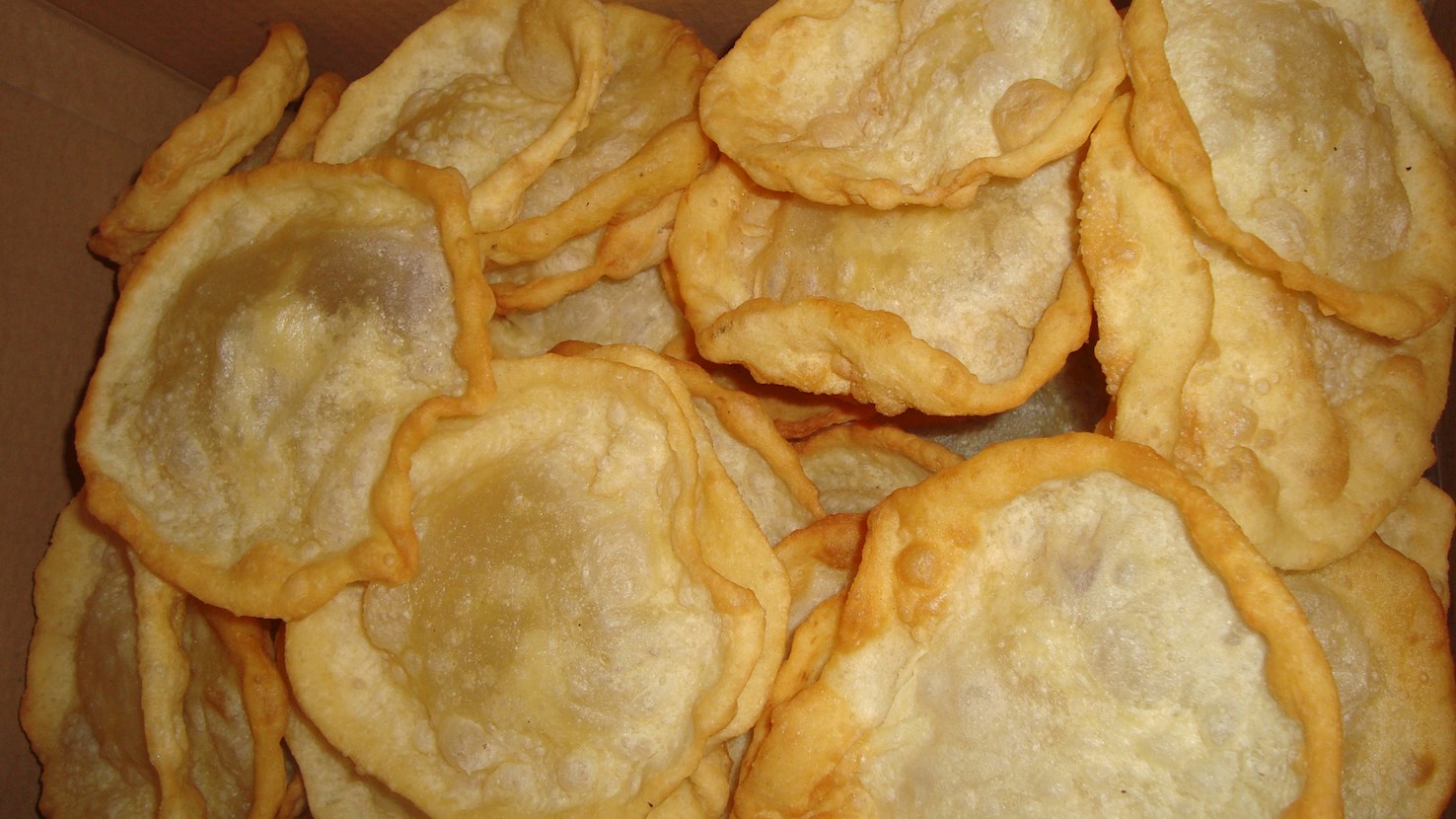
Orelletes are Spanish and Andorran pastries that are especially popular in Catalonia and Valencia. The dough is made with flour, sugar, eggs, anisette, and olive oil, but it might also include orange and lemon juice or zest. The dough is traditionally fried by women, and in the past, the pastries had often been consumed after mass, when they were accompanied by a glass of sweet local wine. The name orelletes means ears, referring to the ear-like shape of these festive pastries that are present at most weddings, birthdays, and similar celebrations. For the best experience, orelletes should be dusted with powdered sugar.
Bacallà a l'andorrana is an Andorran dish featuring salt cod in a rich sauce. To prepare Bacallà a l'andorrana, the salt cod is first soaked to remove excess salt, then floured and fried until golden. In the same pan, onions and tomatoes are sautéed to form a savory base. Raisins (or cascavellics) and pine nuts are added, along with white wine and bay leaf, and the mixture is simmered to meld the flavors. A picada—a traditional Catalan mixture of crushed almonds, biscuits, and garlic—is incorporated to thicken the sauce and add depth. Hard-boiled eggs and chopped parsley are used as garnish, completing the dish. This dish is typically served with crusty bread or potatoes.
Coquetes de Santa Teresa are a cherished traditional pastry from the mountainous Principality of Andorra. Rooted in rural Catalan culinary traditions yet distinctly Andorran in their local expression, these sweet fritters are typically prepared in autumn around the feast of Saint Teresa, celebrated on October 15th, although they also make festive appearances during Carnival and Easter. Characterized by their simple ingredients, slices of day-old bread are soaked in milk until tender, dipped in beaten egg, and then fried in olive oil or butter until golden, before being coated in sugar and cinnamon. After cooking, they are dusted generously with powdered sugar or glazed with honey, giving them a delicate sweetness and a slightly sticky finish. Their texture is a delightful balance between tender and crispy, with a satisfying chew that pairs beautifully with a cup of coffee or a glass of dessert wine. Though they share similarities with other Catalan or Occitan pastries such as bunyols or crespells, Coquetes de Santa Teresa remain distinct in their association with Andorran home kitchens and religious festivity.
Truta de rio à Andorrana is a traditional dish featuring river trout, a common fish in the high mountain rivers of Andorra. The dish includes river trout seasoned with salt and pepper, floured, and fried in lard or olive oil. The key ingredient is fatty ham, which is fried separately and placed on top of the trout, adding a rich, flavorful touch. The trout is then drizzled with the cooking fat and served, often paired with Andorran wine. This simple and light dish is ideal for summer meals.
TasteAtlas food rankings are based on the ratings of the TasteAtlas audience, with a series of mechanisms that recognize real users and that ignore bot,
nationalist or local patriotic ratings, and give additional value to the ratings of users that the system recognizes as knowledgeable.
TasteAtlas Rankings should not be seen as the final global conclusion about food. Their purpose is to promote excellent local foods,
instill pride in traditional dishes, and arouse curiosity about dishes you haven’t tried.





What People Say