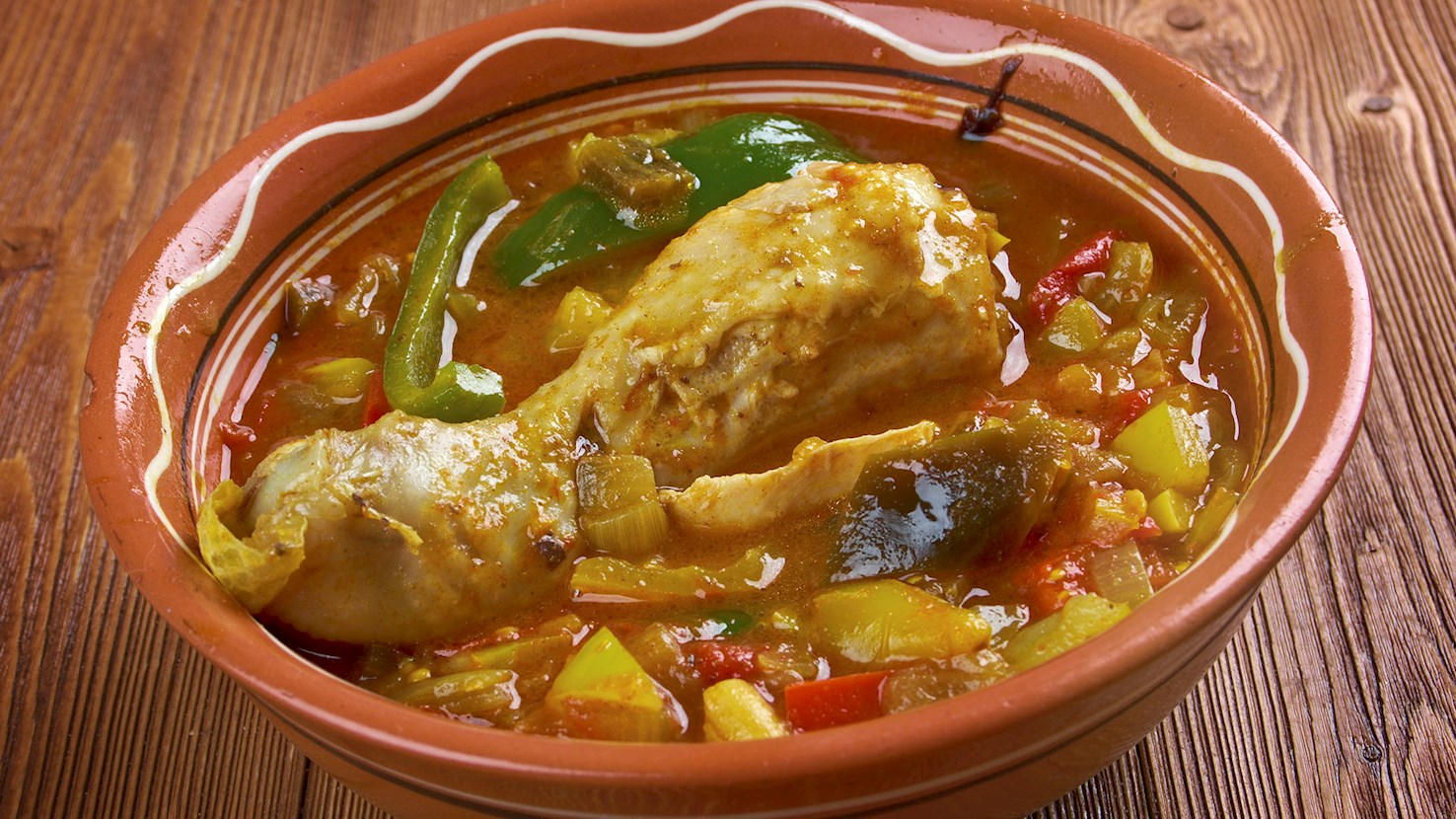
Muamba de galinha or chicken muamba is a Central African dish made with chicken, red palm oil sauce called muamba de dendem, garlic, okra and hot chile pepper. Palm oil gives the dish a specific flavor, while lycopene provides the red color. Studies have shown its various health benefits – it is rich in antioxidants, helpful in preventing heart disease, and regulates cholesterol. Since that part of Africa was a Portuguese colony for ages, Portuguese gastronomy had a great influence on the local cuisine, so as a result, many dishes are based on meat and palm oil. It can be made in spicy or mild versions, depending on personal preferences. The dish is traditionally accompanied by fungee (a starchy food prepared by boiling and stirring corn or cassava into a porridge) and tender cooked beans seasoned with palm oil and salt.
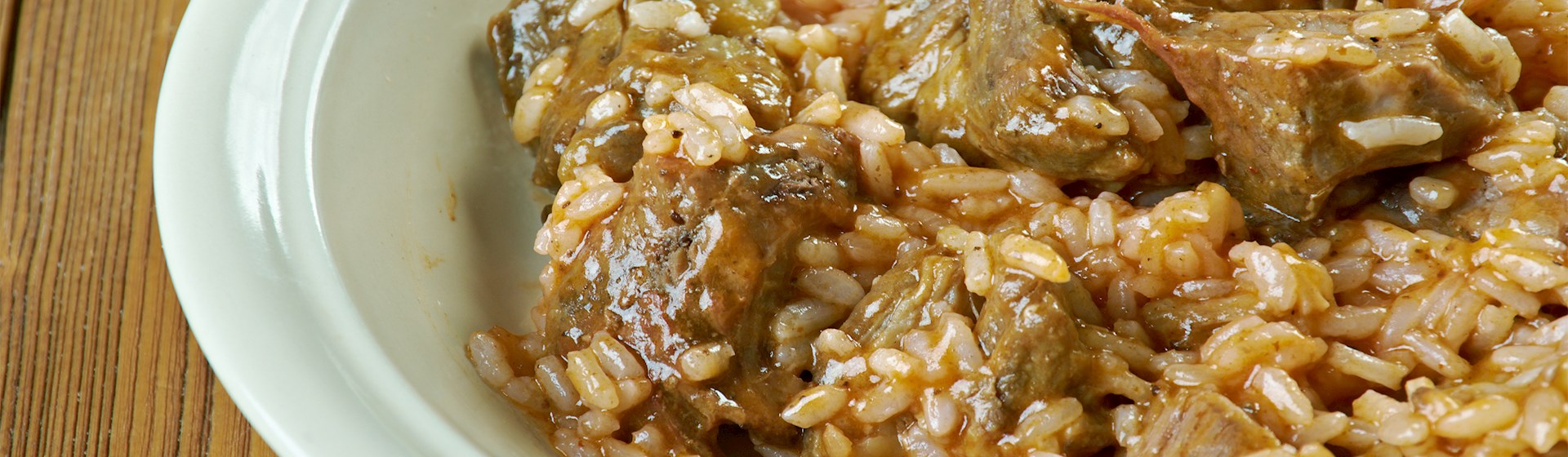
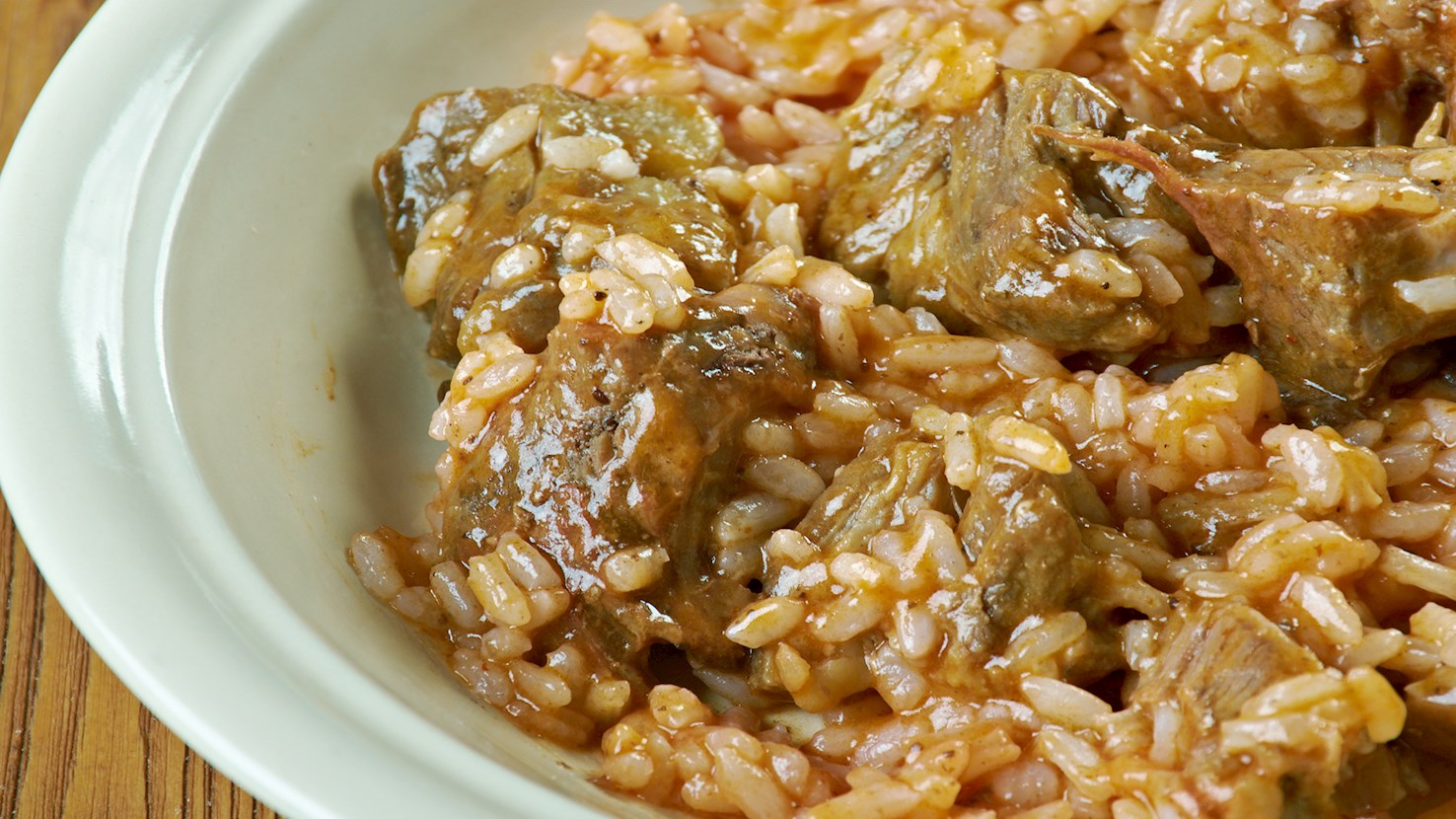
Cabidela is a dark, highly acidic meat-and-rice stew thickened with a sauce made from the freshly collected blood of the slaughtered animal, mixed with vinegar. The main ingredients are traditionally gathered by slaughtering a free-range chicken or rabbit and immediately catching the draining blood in a deep bowl. A generous splash of sharp red wine vinegar is stirred into the blood right away to prevent it from coagulating. The meat is then cut into small bone-in pieces and browned in a hot iron pot coated with olive oil. Chopped white onions, minced garlic, and dried bay leaves soften in the same pot alongside the searing meat. A clear broth is added to cover the ingredients, and the mixture simmers steadily until the meat becomes very tender. Raw short-grain rice, especially the starchy Carolino variety, is then poured directly into the boiling liquid. Just before the rice finishes absorbing the broth, the reserved vinegar-and-blood mixture is added to the pot. The whole mixture quickly turns a deep reddish-black color as the heat thickens the blood into a rich, velvety gravy. The rice remains very moist, suspended in the dark sauce. The origins of this cooking method trace to the 16th century in the northern Minho region of the Iberian Peninsula. Written records from 1573 mention the meal being served during the reign of King Sebastian. As maritime exploration expanded trade routes across the Atlantic and Indian Oceans during the 1500s and 1600s, sailors and merchants carried the recipe to places such as Brazil, Angola, and Goa. In hot tropical climates, the strong acidity helped preserve meat before modern refrigeration. A prominent adaptation from the state of Minas Gerais removes the rice from the pot entirely and serves the thick, dark stew over a dense bed of plain cornmeal mush known as angu. Other regional versions replace the standard poultry with wild game, such as wild boar, or with farm-raised pork, resulting in a gamier, fattier dish. In coastal Southeast Asian communities, the acidic base remains essential, but duck is used as the protein source, and sharp tamarind paste replaces vinegar to prevent the liquid from clotting. Cabidela is usually brought straight from the stove to the table in the original cast-iron cooking vessel. The thick, metallic sauce and moist rice require a sturdy spoon for serving onto individual plates. A raw leafy green salad dressed only with olive oil and lemon juice is almost always served beside it, adding a crisp, acidic contrast that cuts through the heavy iron flavor and rich animal fat.
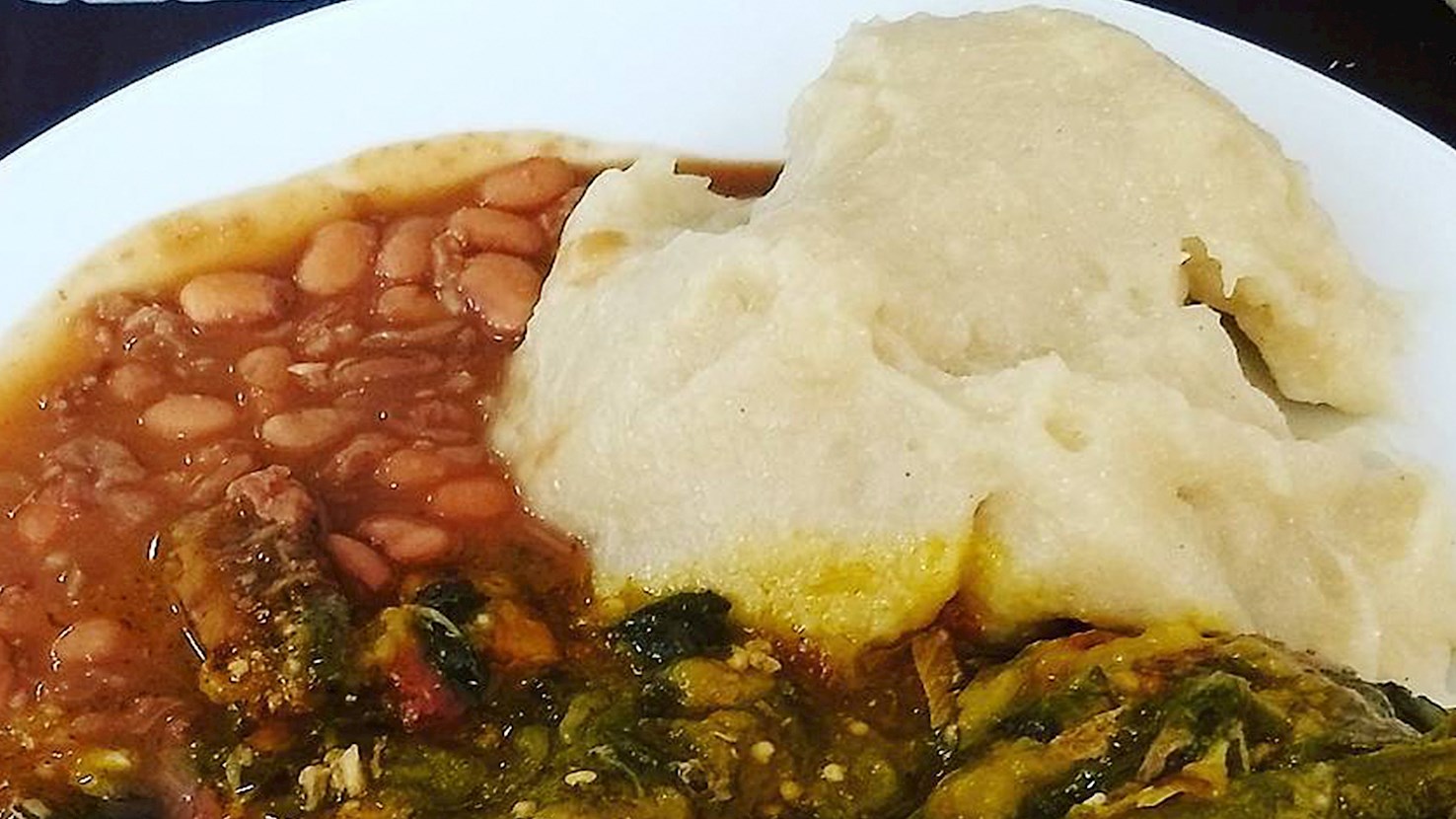
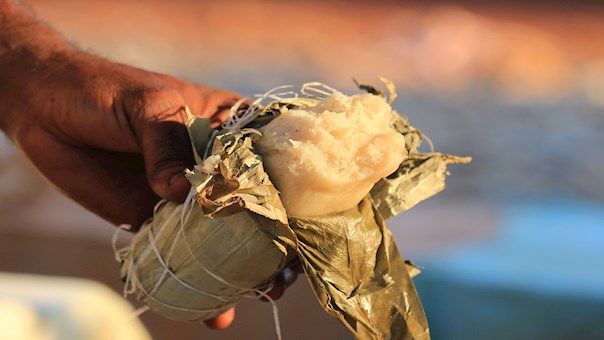
Known as funge or funje in Angola and Ghana, and mfundi in Democratic Republic of the Congo and Republic of the Congo, it is an essential side dish accompanying breakfast, lunch, and dinner meals in many households of rural families throughout these countries. It is a type of porridge known as swallow, made from cassava flour that is stirred into water. Funge has a sticky, smooth, and creamy texture, while a slightly bland flavor makes it great for evening out the intense spices found in many local dishes. Traditionally, at their most basic, these dishes consist of funge and a full-flavored, spicy sauce.
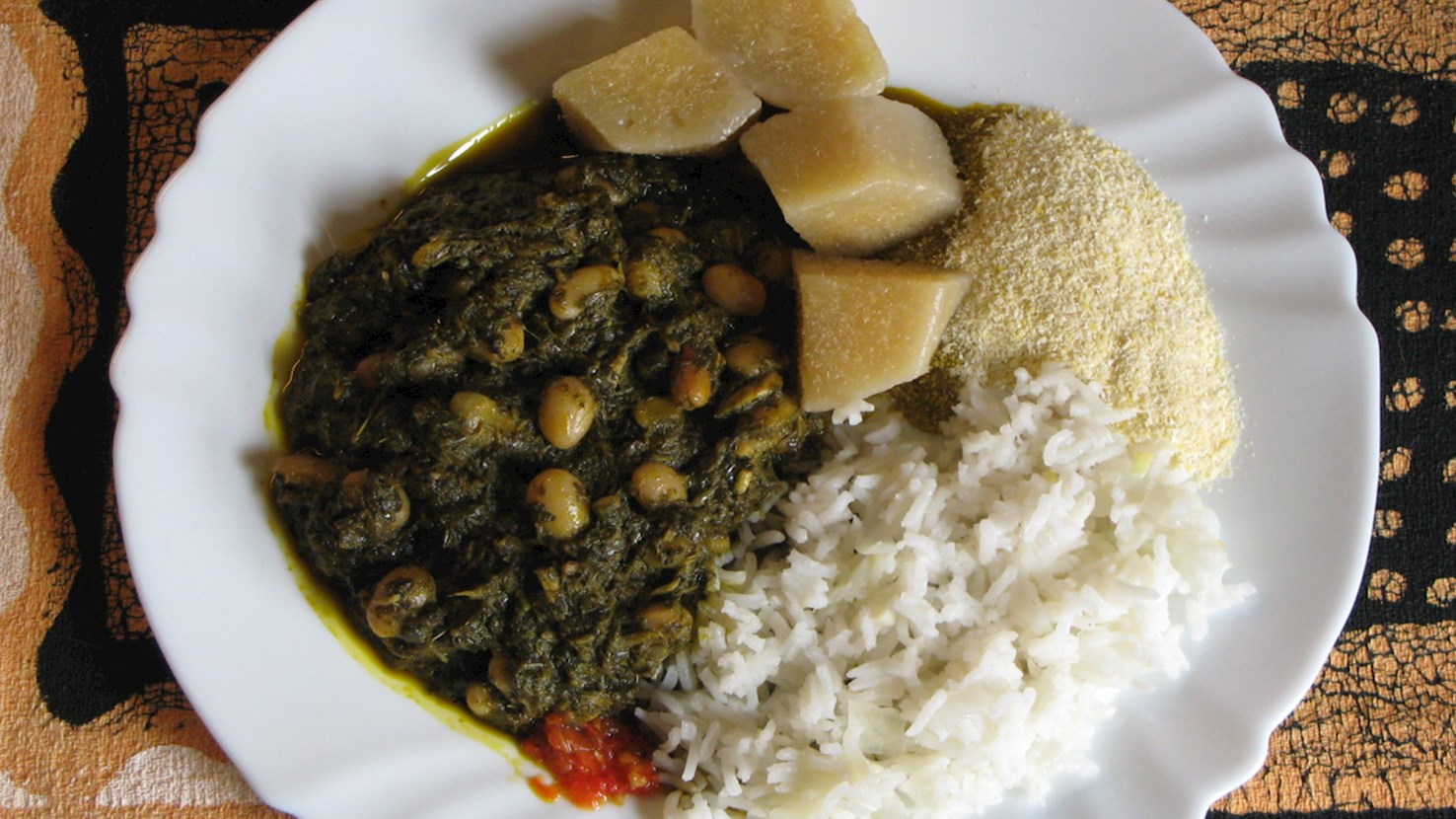
Traditional Angolan dish kizaca, sometimes spelled quizaca or kisaca, is one of the most popular vegetarian dishes in the country. It is made with boiled cassava leaves mixed with ground peanuts. Cassava and peanuts are stewed until the dish develops a thick consistency, while the peanuts form a silky, nutty sauce. Although it is nowadays regarded as the national dish of the country, kizaka has an interesting historical background. For centuries, Angola was a Portuguese colony, and kizaka, like most Angolan dishes, is a combination of European influences and authentic African ingredients. More interestingly, the main ingredient, cassava, was brought to Angola from Brazil, another former Portuguese colony, where it is regarded as an indigenous ingredient. In Angola, the most popular variety is kizaka com peixe, a dish made with fish, onions, and tomatoes, while rice is traditionally served on the side. The dish is popular everywhere in Angola, and it is usually served as a side dish alongside meat or fish dishes. Frequently, green cassava leaves can be substituted with spinach.
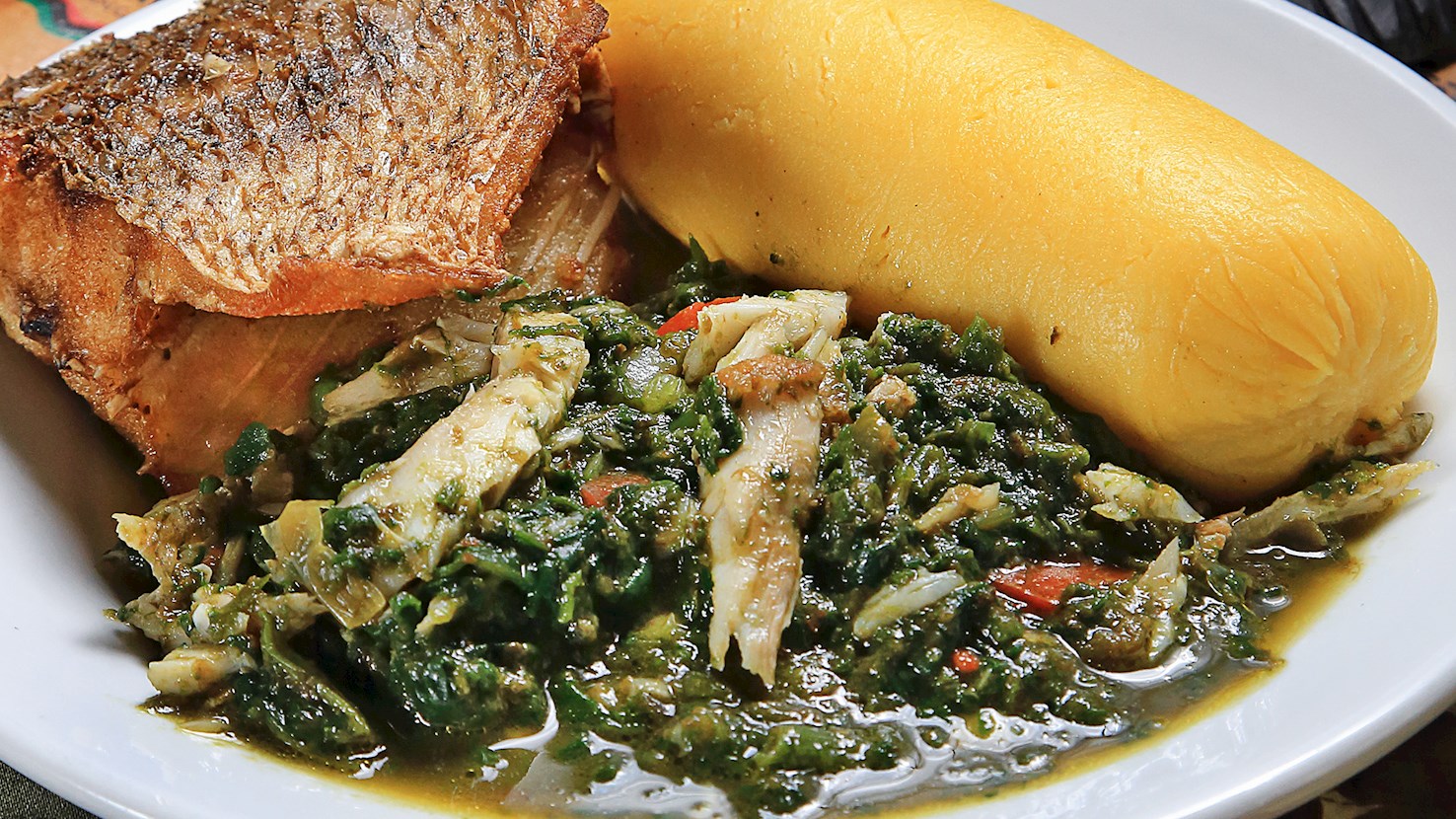
This hearty stew is commonly enjoyed in São Tomé e Príncipe and Angola. Though it is typically prepared with fresh or dry fish and shrimps, when it goes under the name calulu de peixe, some versions can occasionally employ meat. Additional ingredients include okra, onions, tomatoes, eggplants, and finely chopped greens such as sweet potato leaves or cassava leaves. Calulu is traditionally accompanied by rice or funje — a creamy cassava porridge.
Mufete is a classic Angolan grilled fish dish originating from the capital Luanda, more specifically, a sandbar called Ilha de Luanda. Influenced by Portuguese cuisine, the central piece of this dish is grilled fish (either freshwater one like tilapia or saltwater one like horse mackerel and sardine), and it comes in two variants: light and full. The light version consists of only the fish and onion salsa, while the full version comes with additions such as beans, sweet potatoes, plantain, and cassava. Mufete was traditionally eaten at special events such as weddings and holidays. Still, nowadays, it is one of the favorite go-to dishes of Luandans (and Angolans in general), often eaten a few times per week.
Kissuto rombo is a traditional meat dish originating from Angola. The dish is usually made with a combination of goat meat, white wine, lemon juice, garlic, hot peppers, bay leaves, olive oil, salt, and white pepper. The young goat is cleaned, washed, and rubbed with a combination of garlic, lemon juice, salt, oil, and hot peppers. The meat is marinated overnight and the next day it's baked in the oven while being basted with white wine from time to time. Once fully cooked, the meat is typically served with rice and chips on the side.
Cocada amarela is a sweet Angolan custard or pudding that was originally brought over to the country by the Portuguese, and was then modified by the locals. It consists of water, sugar, salt, grated coconut, and eggs. The dessert is characterized by a vivid yellow color, which is the result of a large amount of egg yolks, hence its name that can be translated as yellow cocada. This flavorful pudding is one of the only Western-style desserts that one can find on Angolan tables.
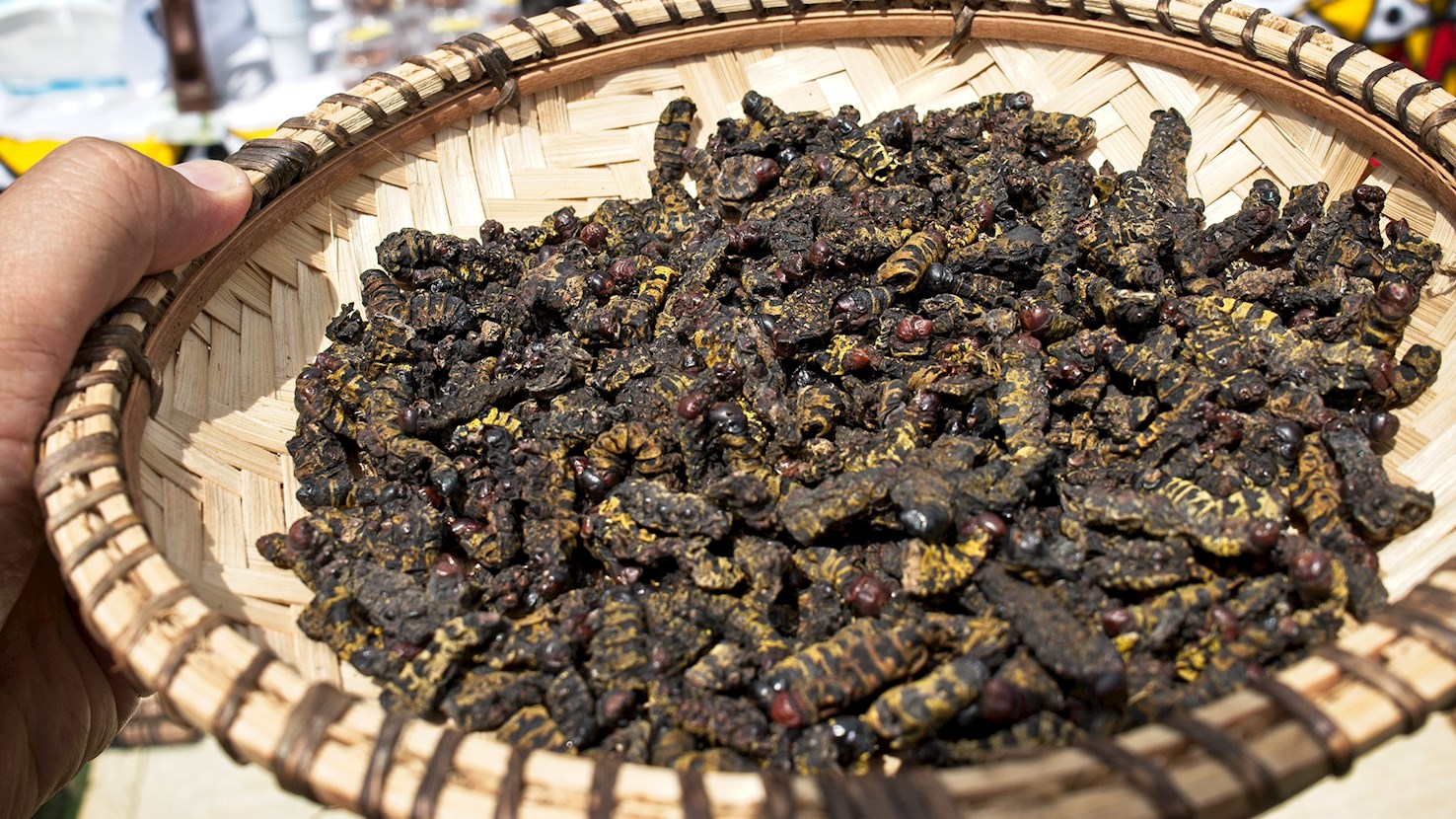
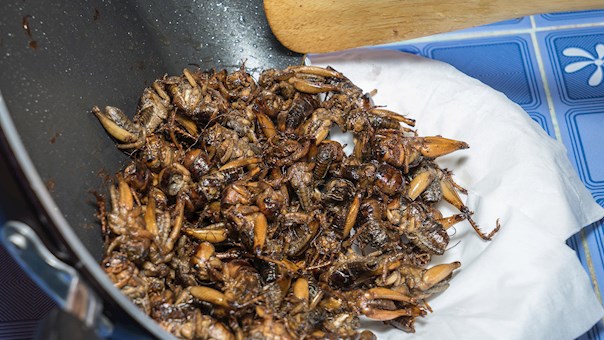
Catatos is a unique and unusual Angolan dish. At its most basic, the dish is made by frying caterpillars with garlic, but it can be enriched with the addition of onions, peppers, and tomatoes. The caterpillars should be quite tender, but with a crunchy texture, and some say that they taste like prawns. The dish is packed with nutritional value since the caterpillars have higher doses of protein and iron than fish and beef. It is recommended to serve catatos with rice, funge, and hot sauce.
Papaya with Port wine is an unusual Angolan appetizer that's also an interesting way of starting a meal, usually dinner. The dish consists of sliced papayas that are drizzled with lime juice and a few drops of Port wine. Since it is such an easy dish to prepare, some say that the hardest part of the process is properly cutting up the papaya fruit.
TasteAtlas food rankings are based on the ratings of the TasteAtlas audience, with a series of mechanisms that recognize real users and that ignore bot,
nationalist or local patriotic ratings, and give additional value to the ratings of users that the system recognizes as knowledgeable.
TasteAtlas Rankings should not be seen as the final global conclusion about food. Their purpose is to promote excellent local foods,
instill pride in traditional dishes, and arouse curiosity about dishes you haven’t tried.






What People Say