shutterstock

Top 10 Traditional Foods
in Bagmati Zone

Last updated on June 02, 2026

Best Bagmati Zone food products
01
Tea / Infusion

Jun Chiyabari

4.6 ·
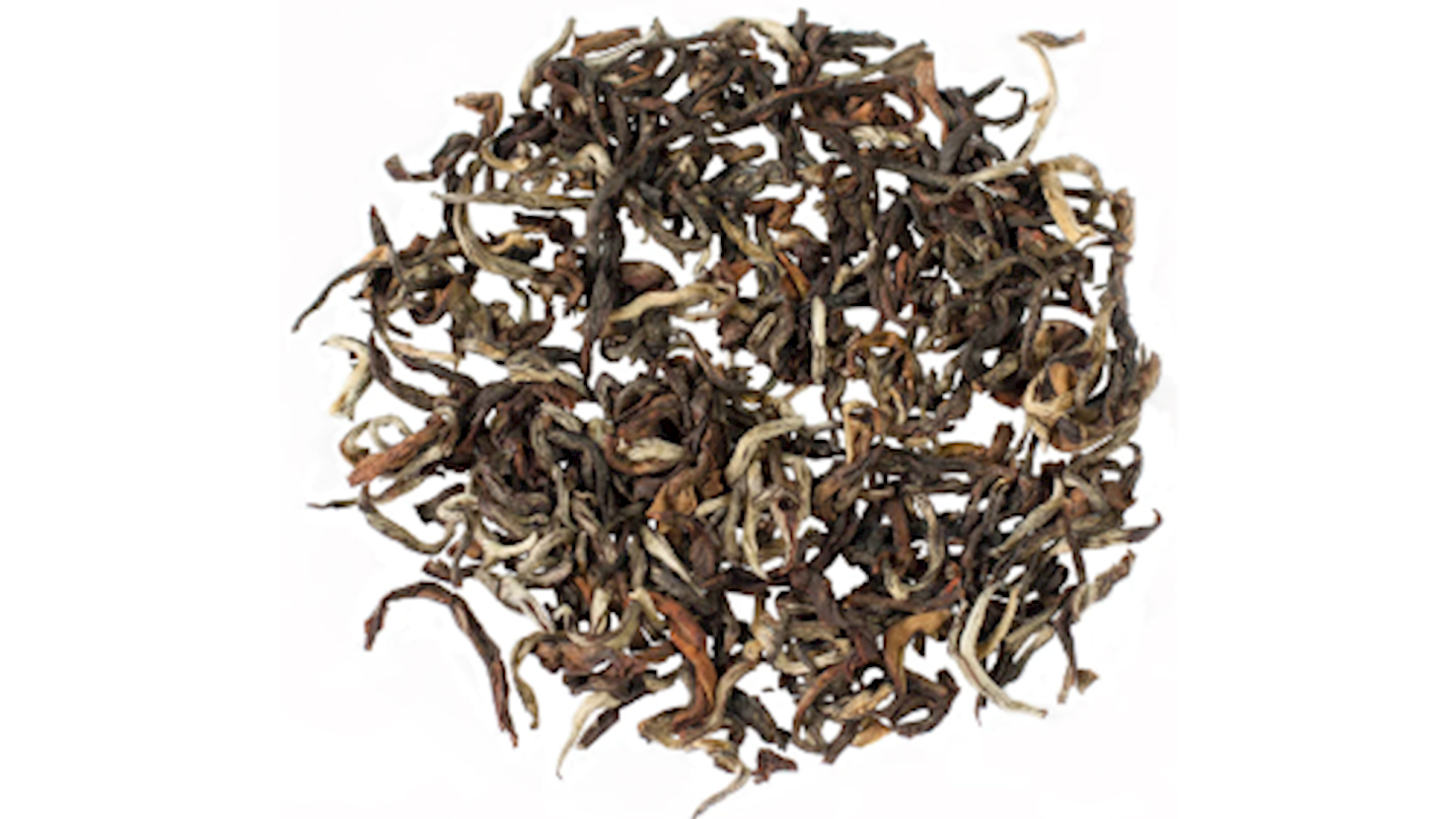
Jun Chiyabari is a family-run tea garden in Nepal, established in 2000, located at high altitudes between 1650 and 2200 meters above sea level. The garden spans 90 hectares and is known for producing premium organic teas. They have been practicing organic farming since 2001, with formal organic certification achieved in 2012. Jun Chiyabari specializes in crafting teas from a variety of cultivars grown in small, carefully tended plots, ensuring a unique mix of flavors in each batch. The estate focuses on sustainability, quality, and preserving the integrity of the natural environment. This tea garden offers a range of exquisite teas that highlight the essence of the region's terroir.

Best Bagmati Zone foods

01
Dumplings

Momo

4.2 ·

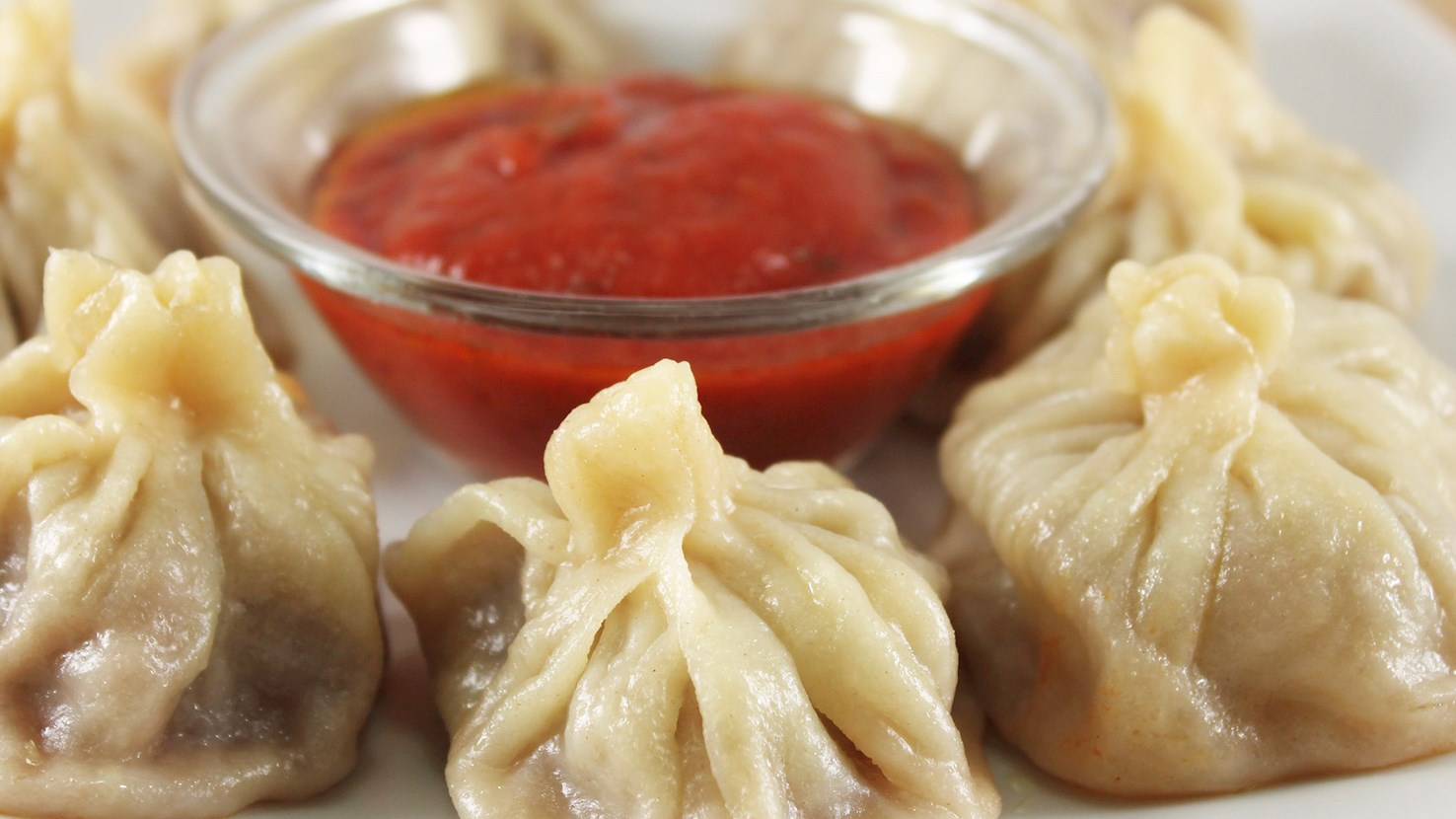
Momo dumplings were traditionally only filled with minced meat, but nowadays, the fillings have diversified to include vegetables, dairy, or a combination of both. They are native to Tibet and have been brought to the Kathmandu Valley by traveling Newar merchants, and thus Nepal, where they consider them as their own. Thanks to Tibetan diaspora, momos are also today hugely popular in India. Momo dumplings are typically steamed, but they can also be fried. They are usually shaped either into purses or into half-moons (other shapes also exist). The best-known varieties include buff momos made with water buffalo meat, sha momos made with beef or yak meat, and khasi momos with lamb or mutton filling, while both jhol momos and C-momos come served in a spicy, hot sauce. Other noted types of momo dumplings include open momos, tarkari momos that have a vegetable filling, potato-filled momos, and cheese-filled momos. These dumplings are very versatile and can be eaten either as a snack or an appetizer. However, they are typically served as a main course with a dipping sauce on the side.

02
Ground Meat Dish

Chunla

n/a ·

Chunla is a traditional meat dish originating from the Kathmandu Valley in Nepal. The meat (usually water buffalo's meat) is finely chopped with a meat grinder or a knife. The spices are kneaded into the meat, and it's then fried in oil and simmered in water. Once done, the meat is topped with a combination of fenugreek seeds and oil. Chunla can also be shaped into meatballs or meat patties for certain ceremonies. The meat is also often used as a filling for momos or a topping for rice flour pancakes known as chatanmari.

03
Stew

Kwati

n/a ·

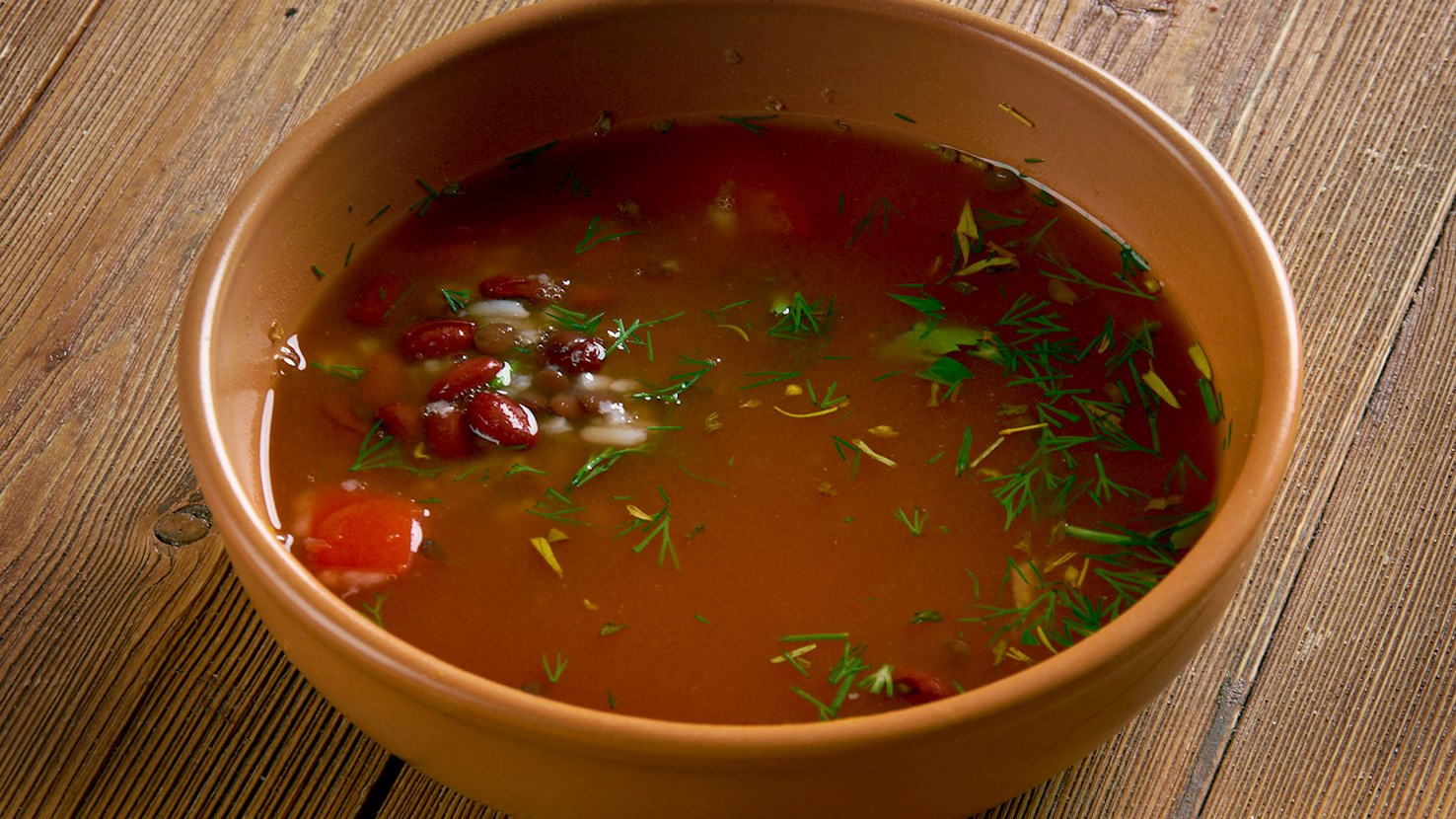
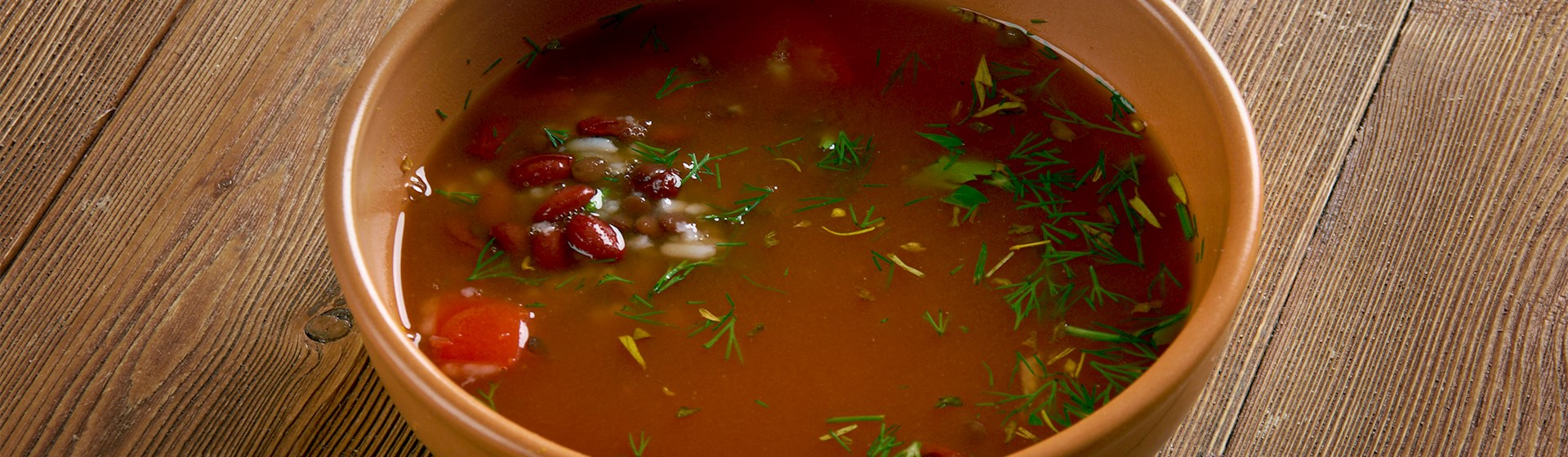
Kwati is a traditional Nepalese stew consisting of different types of beans such as white peas, chickpeas, soya beans, mung beans, kidney beans, and black-eyed peas. The stew is additionally flavored with turmeric, ginger, salt, and ajwain lovage seeds. It is especially popular on the day of Janai Purnima, and it is recommended to serve it with any kind of flatbread on the side.

04
Snack

Chatamari

n/a ·

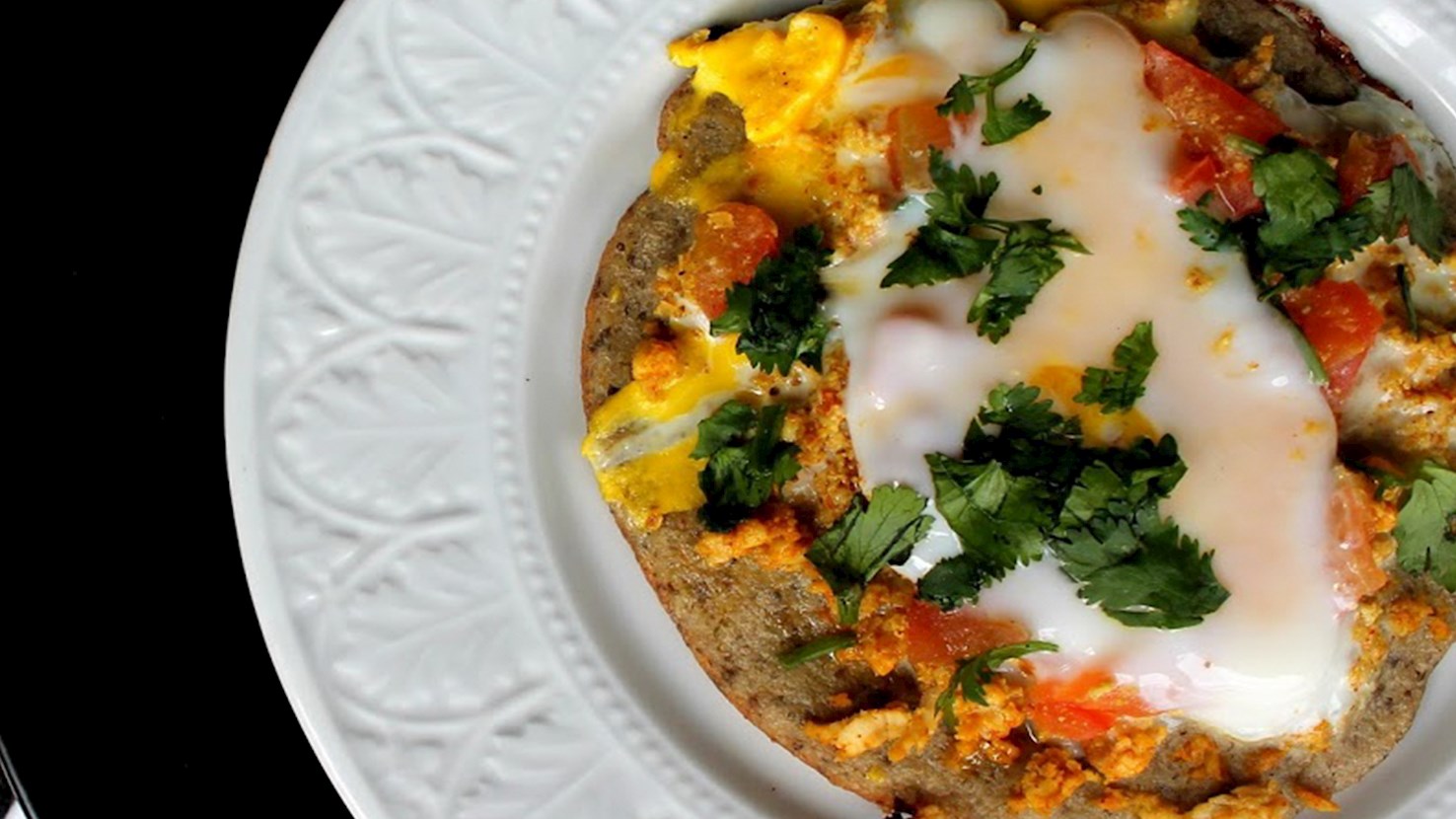
Chatamari is a Nepalese rice flour bread topped with eggs, cheese, meat, or vegetables, which is the reason why it is often called Nepali pizza. The dish is a specialty of the Newars living in the Kathmandu Valley. It can be served as an appetizer, a snack, or as the main dish. Chatamari is especially popular during celebrations and similar festive occasions.

05
Meat Dish

Choila

3 ·

Choila is a specialty of the Nepalese Newari, and it consists of grilled meat - either water buffalo, chicken, or mutton. The dish is characterized by its spiciness coming from green and red chilis, along with spices such as turmeric and fenugreek seeds. It is usually served with a side dish of pounded rice.

06
Ground Meat Dish

Kachilā

n/a ·

Kachilā is a popular dish of the Nepalese Newari community, made with raw meat of water buffalo, chicken, or lamb. The meat is minced and combined with garlic, coriander, chili, salt, and fenugreek seeds, which are fried in oil with turmeric. Fenugreek and turmeric are poured over the meat and spices, and the whole concoction is finally garnished with coriander and spring garlic.

07
Dumplings

Yomari

n/a ·

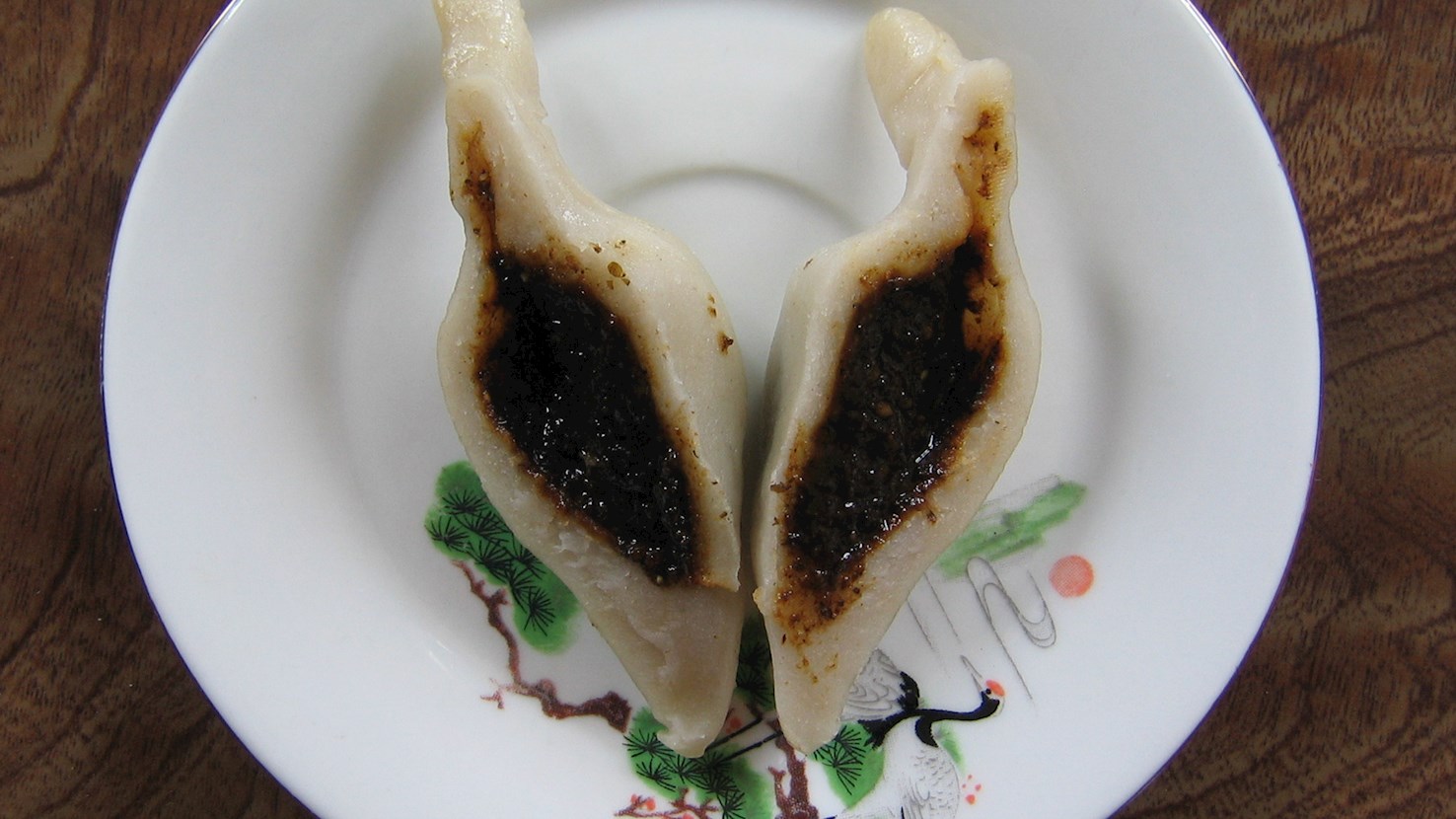
Yomari is a flavorful Nepalese rice flour dumpling stuffed with molasses. It is prepared in a triangular (or teardrop) shape which is then steamed and served hot. The dessert is especially popular during the month of Poush. The name of the dish is derived from the words ya, meaning to like, and mari, meaning delicacy.

Best restaurants
08
Offal Dish

Swan pukā

n/a ·

Swan pukā is a traditional Nepalese dish originating from the Kathmandu Valley. This specialty of the Newar community consists of goat lungs that are filled with a spicy batter, boiled, cut into slices, and then pan-fried. This dish is typically prepared for feasts and similar special occasions. Swan pukā is served after the main course and before dessert. Nowadays, it can also be found in local eateries and restaurants.

09
Bread

Gwaramari

n/a ·

Gwaramari is a traditional Nepalese bread. In Newari, a local language, the name literally means a round bread. It's made with a combination of flour, baking powder, garlic, ginger, coriander, cumin, salt, and pepper. The ingredients are mixed into a thick doughy paste that's chilled until puffy, then shaped into small balls and fried until golden brown. It's recommended to serve gwaramari hot with chutneys or a cup of milk tea on the side. This small bread is traditionally served for breakfast, and some eat it by breaking gwaramari in half, then pressing it towards the edges so that it looks like a miniature makeshift bowl with which one can spoon the hot milk tea into the mouth.

10
Offal Dish

Pukala

n/a ·

Pukala is an unusual, traditional Nepalese dish consisting of boiled and fried water buffalo meat. The dish is especially popular in the Kathmandu Valley. A variety of meat such as liver, tripe, spleen, kidneys, pancreas, and small intestines is boiled in water, sliced into smaller pieces, then fried in pans. Pukala is an important staple during various festivals and weddings, traditionally consumed after the main course and before dessert.

About this ranking

TasteAtlas food rankings are based on the ratings of the TasteAtlas audience, with a series of mechanisms that recognize real users and that ignore bot, nationalist or local patriotic ratings, and give additional value to the ratings of users that the system recognizes as knowledgeable. For the “Top 10 Traditional Foods in Bagmati Zone” list until June 02, 2026, 265 ratings were recorded, of which 218 were recognized by the system as legitimate. TasteAtlas Rankings should not be seen as the final global conclusion about food. Their purpose is to promote excellent local foods, instill pride in traditional dishes, and arouse curiosity about dishes you haven’t tried.

The initial list of top producers was compiled based on available reviews, awards, local recommendations, media and blog coverage, and consumer reviews. The list will be updated with ratings from TasteAtlas local ambassadors and TasteAtlas users.

Similar lists