shutterstock

Top 14 Bahian Foods

Last updated on July 08, 2026

Best Bahian food products

01
Chocolate

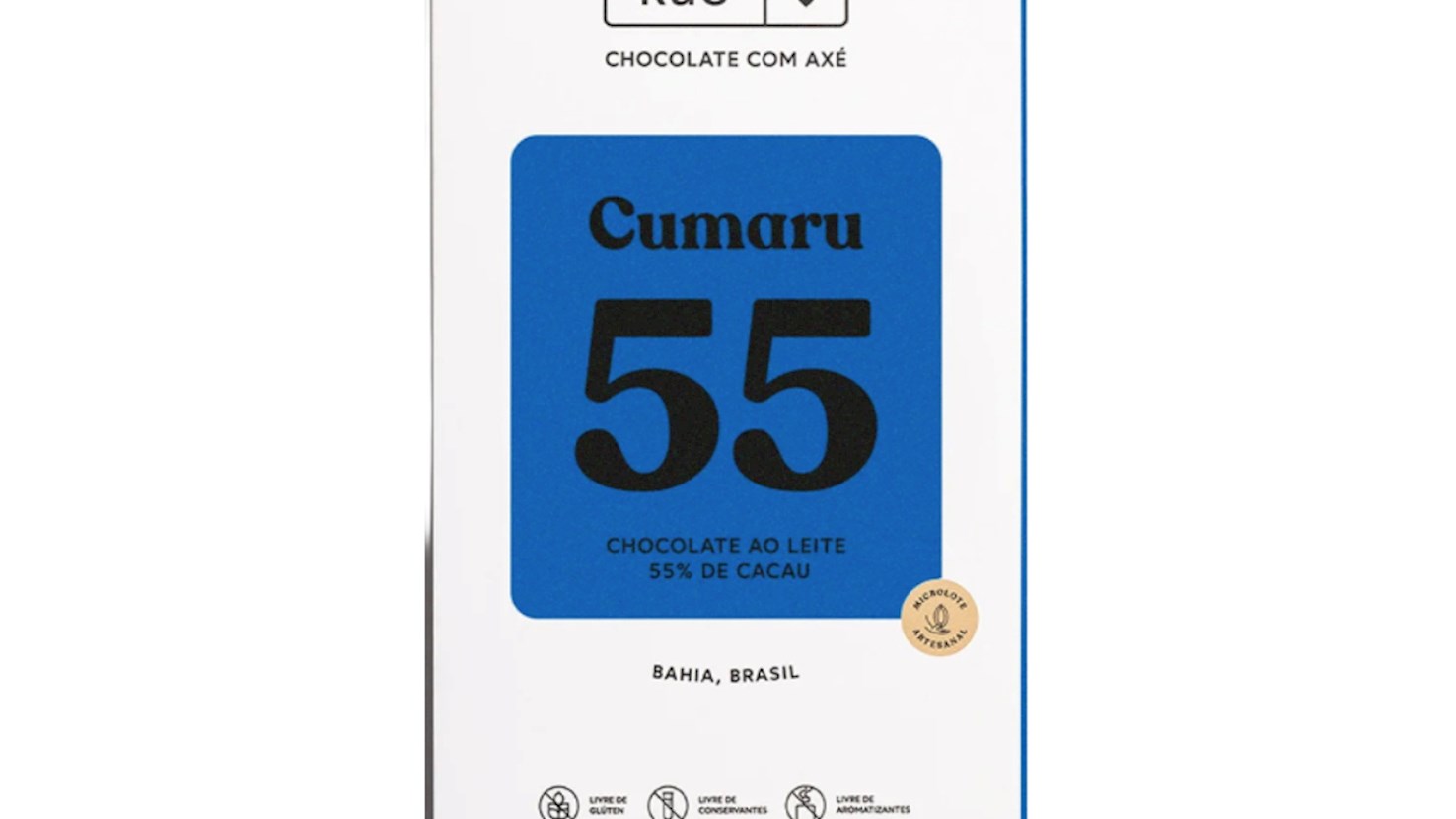
Kaê Chocolates

4.8 ·

Kaê Chocolates is a chocolate producer based in Itabuna, Brazil. Itabuna is located in the state of Bahia, a region known for its cacao production.

The company specializes in making chocolates from locally sourced cacao beans.

Awards
Academy of Chocolate - Gold (2024)
Academy of Chocolate - Silver (2024)
02
Chocolate

Ju Arléo Chocolates

4.8 ·

Ju Arléo chocolates is a chocolate producer based in Ilhéus, a city in Brazil known for its cacao production. They focus on crafting high-quality chocolates from locally sourced cacao beans.

The company is involved in the entire chocolate-making process, from bean to bar, ensuring sustainability and quality.

Awards
Academy of Chocolate - Gold (2024)
Academy of Chocolate - Silver (2024)
03
Chocolate

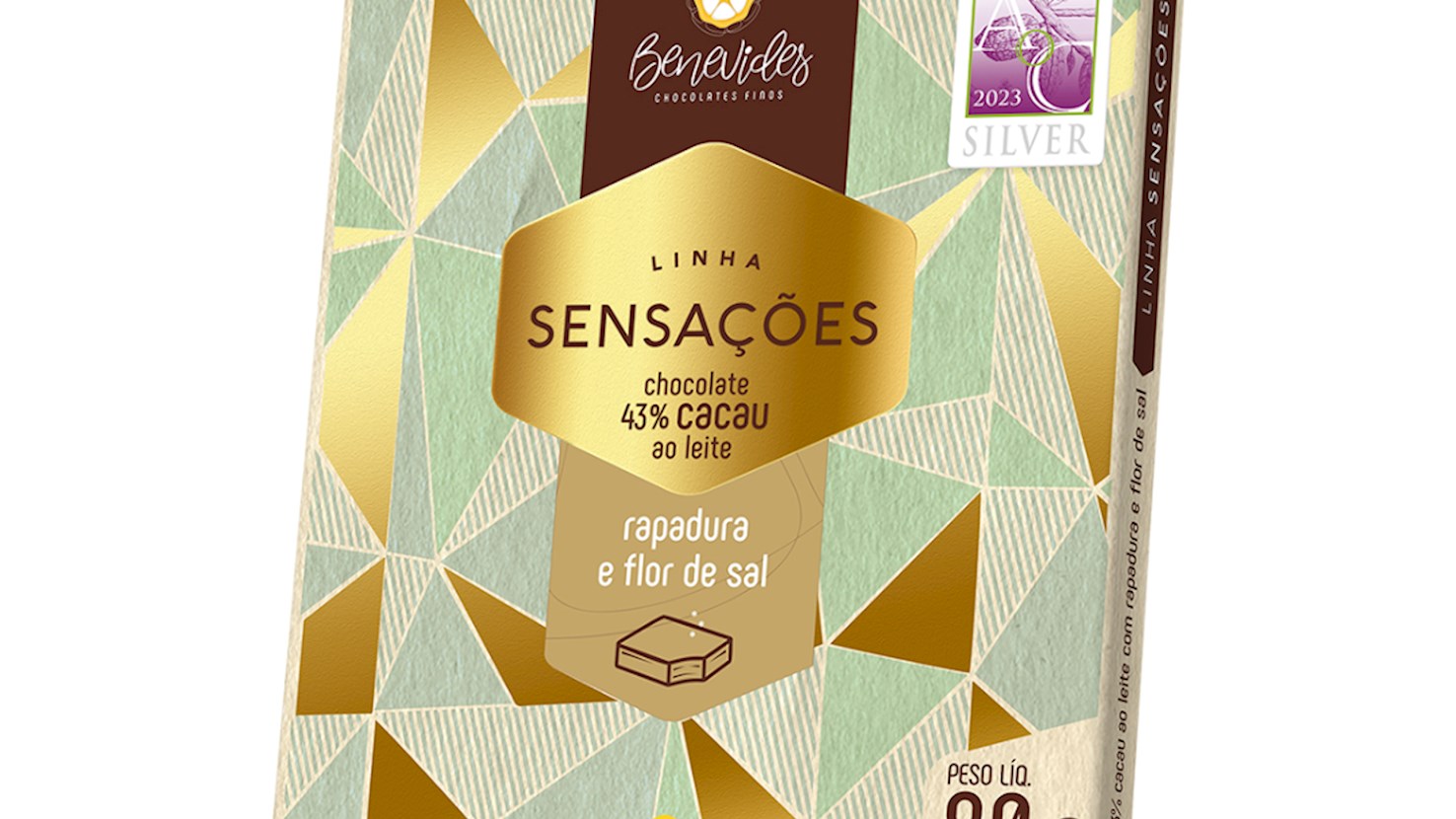
Benevides Chocolates Finos

4.7 ·

Benevides Chocolates Finos, located in Itabuna, specializes in fine chocolates utilizing locally sourced cacao from the Bahia region of Brazil. The company produces a variety of chocolate products, emphasizing traditional methods and sustainable practices.

They are particularly noted for their craft chocolate bars that highlight the distinctive flavors of the region’s cacao beans.

Awards
Academy of Chocolate - Silver (2024, 2023)
Academy of Chocolate - Bronze (2024, 2023, 2022)
04
Chocolate

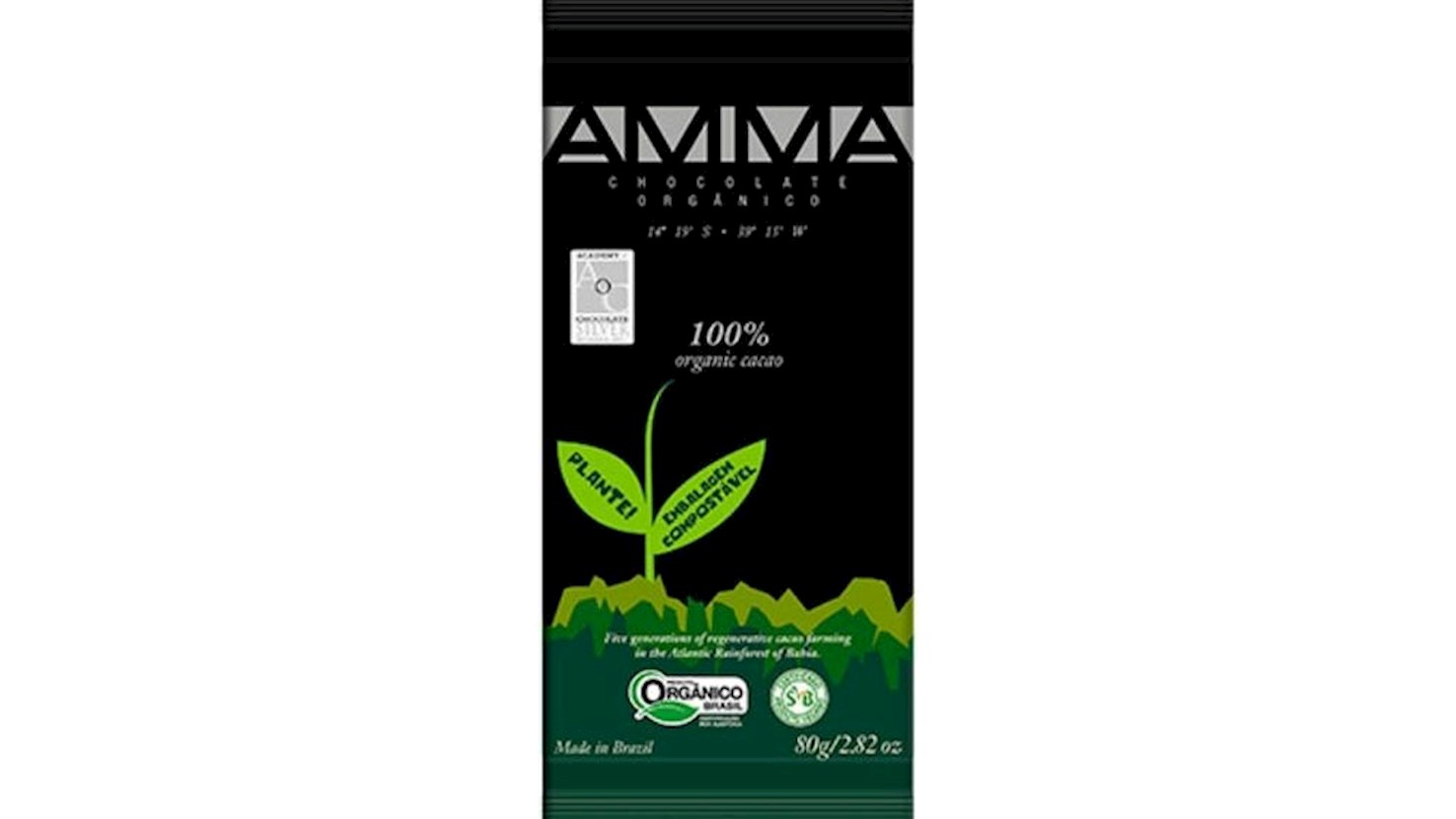
Amma Chocolate Orgânico

4.7 ·

Amma Chocolate Orgânico, based in Salvador, Brazil, specializes in organic chocolate, crafted from locally sourced cacao. The company maintains a focus on sustainability and environmental responsibility throughout its production processes.

It employs traditional methods, including fermentation and sun-drying, to enhance the flavors of their chocolate products. Amma Chocolate Orgânico works closely with local farmers to ensure high-quality, organic ingredients.

Awards
Academy of Chocolate - Silver (2017, 2016)
Academy of Chocolate - Bronze (2019, 2017, 2016)
05
Chocolate

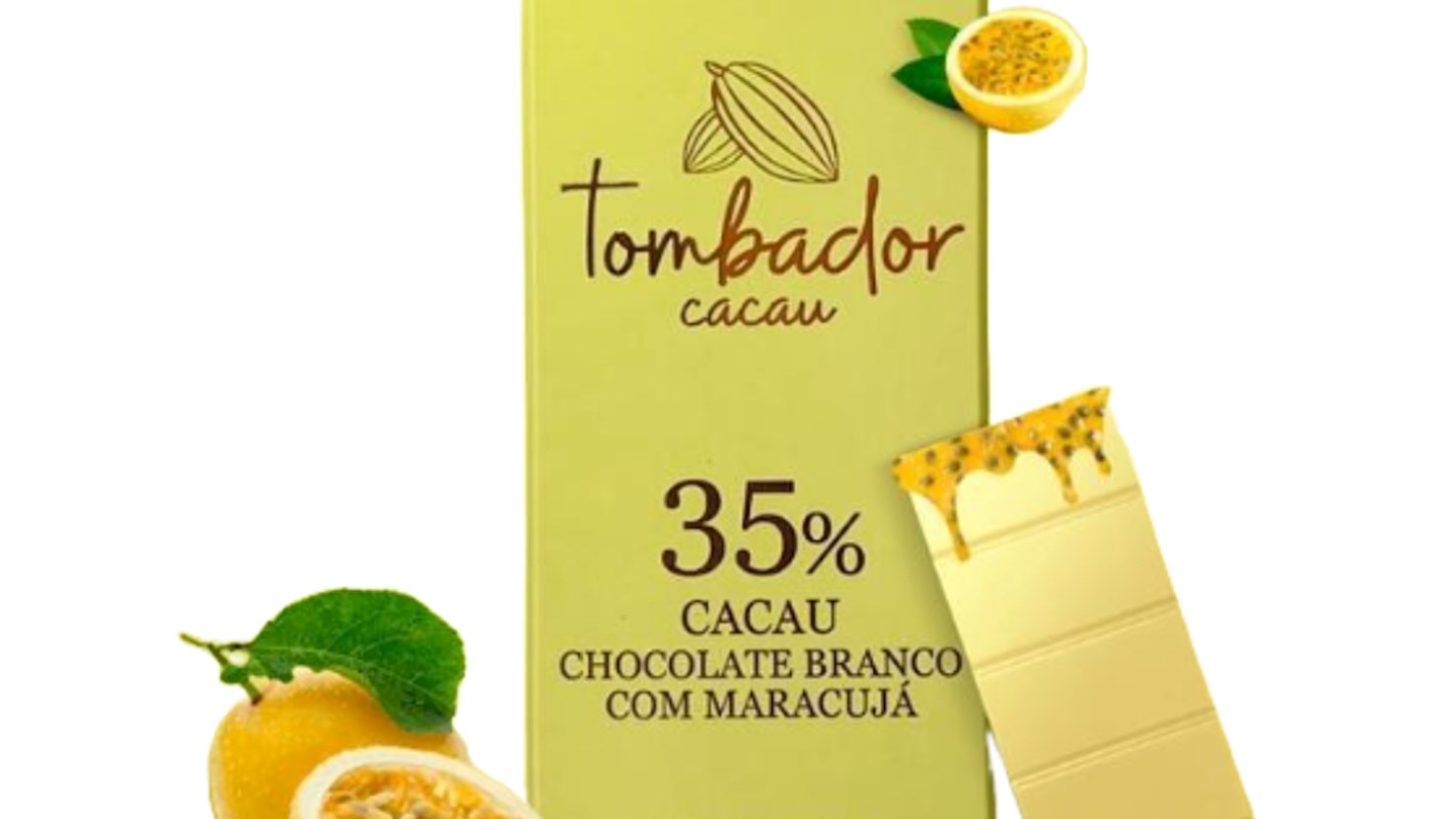
Tombador Cacau

4.7 ·

Tombador Cacau is a family-owned chocolate producer based in Valença, Bahia, Brazil. The company is known for its premium, single-origin chocolate made from high-quality cocoa beans grown on the Fazenda Saudade farm, located in the Tombador II region, near the Jiquiriçá River.

Tombador Cacau is committed to sustainability and quality, producing chocolates that highlight the unique flavors of the Bahia region. Their products are celebrated for their rich, pure taste, with some varieties containing up to 100% cocoa, offering a true, unadulterated chocolate experience.

Awards
Academy of Chocolate - Silver (2024)
06
Chocolate

La Lis Chocolates

4.7 ·

La Lis Chocolates, based in Ilhéus, Brazil, focuses on producing high-quality, single-origin chocolate using a bean-to-bar process. The company sources its cacao beans locally from the Bahia region, which is known for its rich cacao heritage.

La Lis emphasizes sustainable farming practices and works closely with local farmers to ensure the quality and traceability of their beans.

Awards
Academy of Chocolate - Silver (2024, 2023)
Academy of Chocolate - Bronze (2023)
07
Chocolate

Cacau Do Céu Chocolates

4.7 ·

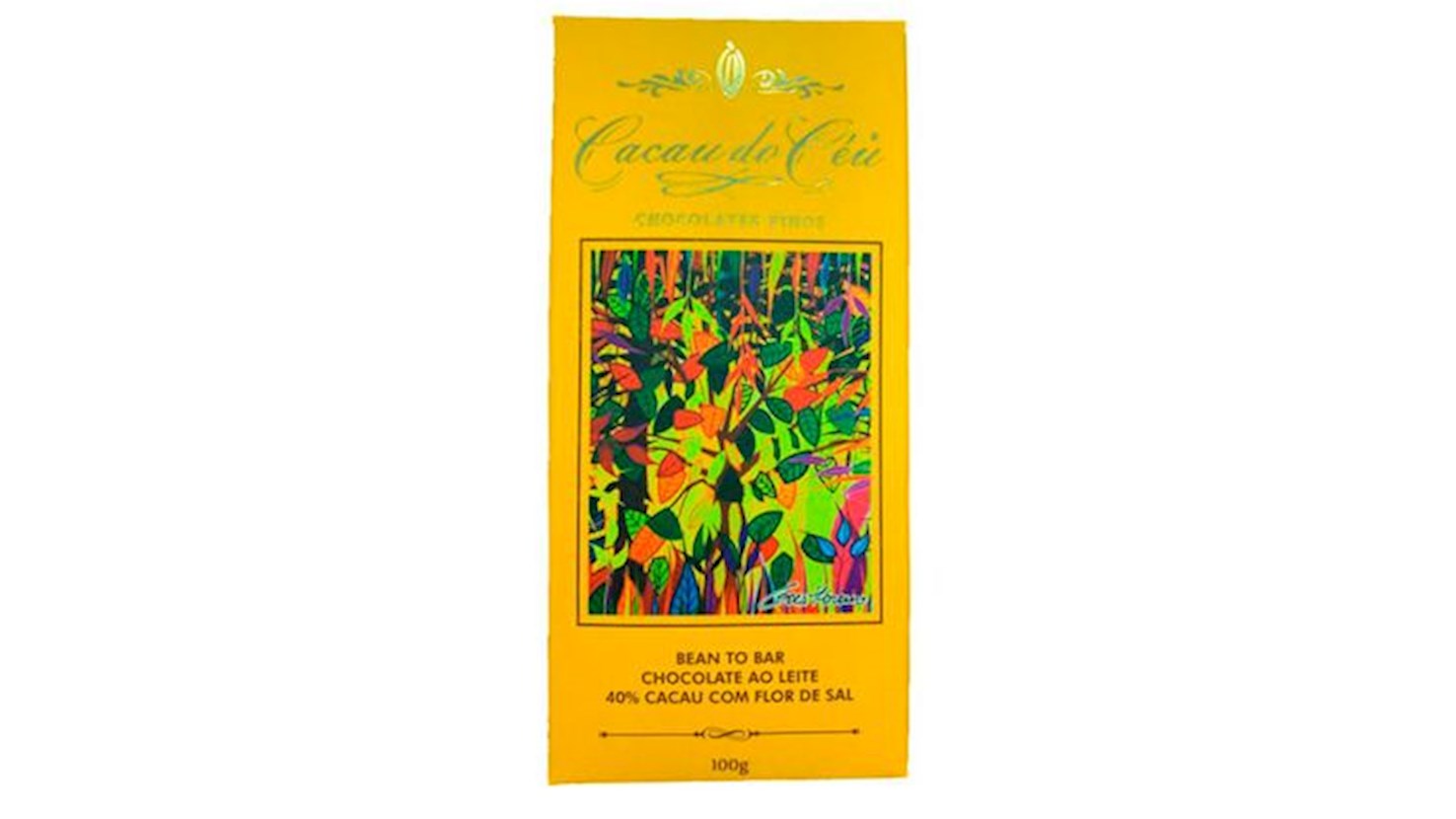
Cacau do Céu Chocolates is based in Ilhéus, a city in Brazil famous for its cacao production. The company produces a variety of chocolate products, including bars and truffles, using locally sourced cacao beans.

Their focus is on maintaining high-quality standards and sustainable practices in cacao farming and chocolate production.

Awards
Academy of Chocolate - Silver (2023)
Academy of Chocolate - Bronze (2024, 2023)
08
Chocolate

Mendoá Chocolates

4.7 ·

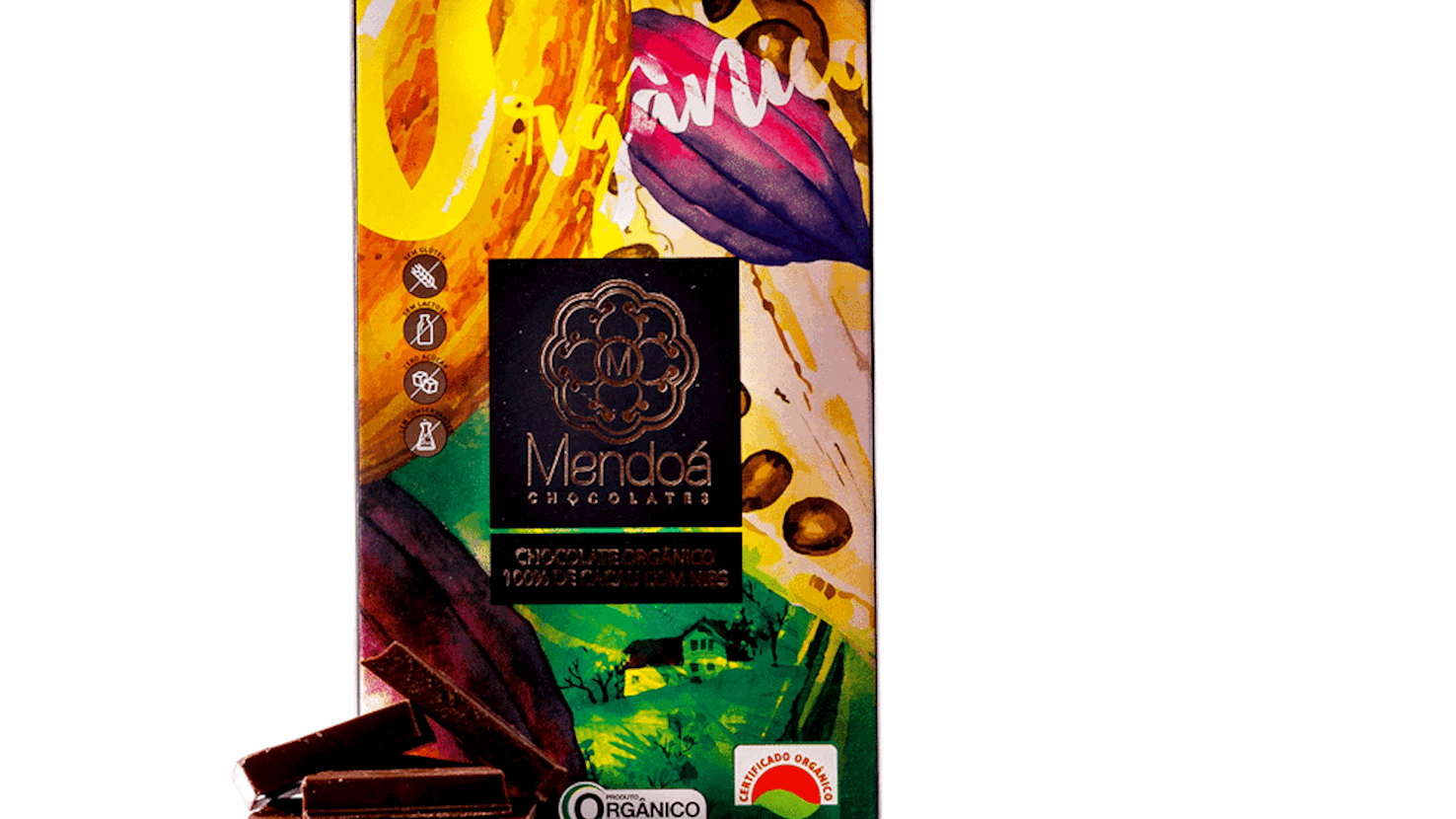
Mendoá Chocolates, based in Salvador, specializes in producing premium chocolates by utilizing cocoa sourced from sustainable plantations in the Bahia region of Brazil. They focus on bean-to-bar processes, emphasizing the unique flavors and qualities of Brazilian cocoa.

Mendoá Chocolates also invests in local communities by supporting sustainable agricultural practices among its cocoa suppliers.

Awards
Academy of Chocolate - Silver (2020)
Academy of Chocolate - Bronze (2023, 2020, 2019, 2018)
09
Chocolate

Modaka Cacau

4.4 ·

Modaka Cacau is a brand that specializes in high-quality cacao-based products. They focus on producing premium chocolates using carefully sourced cacao, offering a variety of products that highlight the rich, natural flavors of cacao.

Their offerings include artisanal chocolate bars and other cacao-based delicacies, crafted with an emphasis on sustainability and the fine art of chocolate making.

Awards
Academy of Chocolate - Silver (2024)
10
Chocolate

Var Chocolates

4.3 ·

Var Chocolates is a Brazilian company specializing in artisanal chocolate production. They focus on using high-quality cocoa sourced from sustainable farms in the Amazon region.

The company is known for its commitment to environmental sustainability and fair trade practices. Var Chocolates offers a range of products including chocolate bars, truffles, and specialty confections, often featuring local Brazilian ingredients.

Awards
Academy of Chocolate - Bronze (2023, 2020, 2019)

Best Bahian foods

01
Stew

Moqueca Baiana

4.3 ·

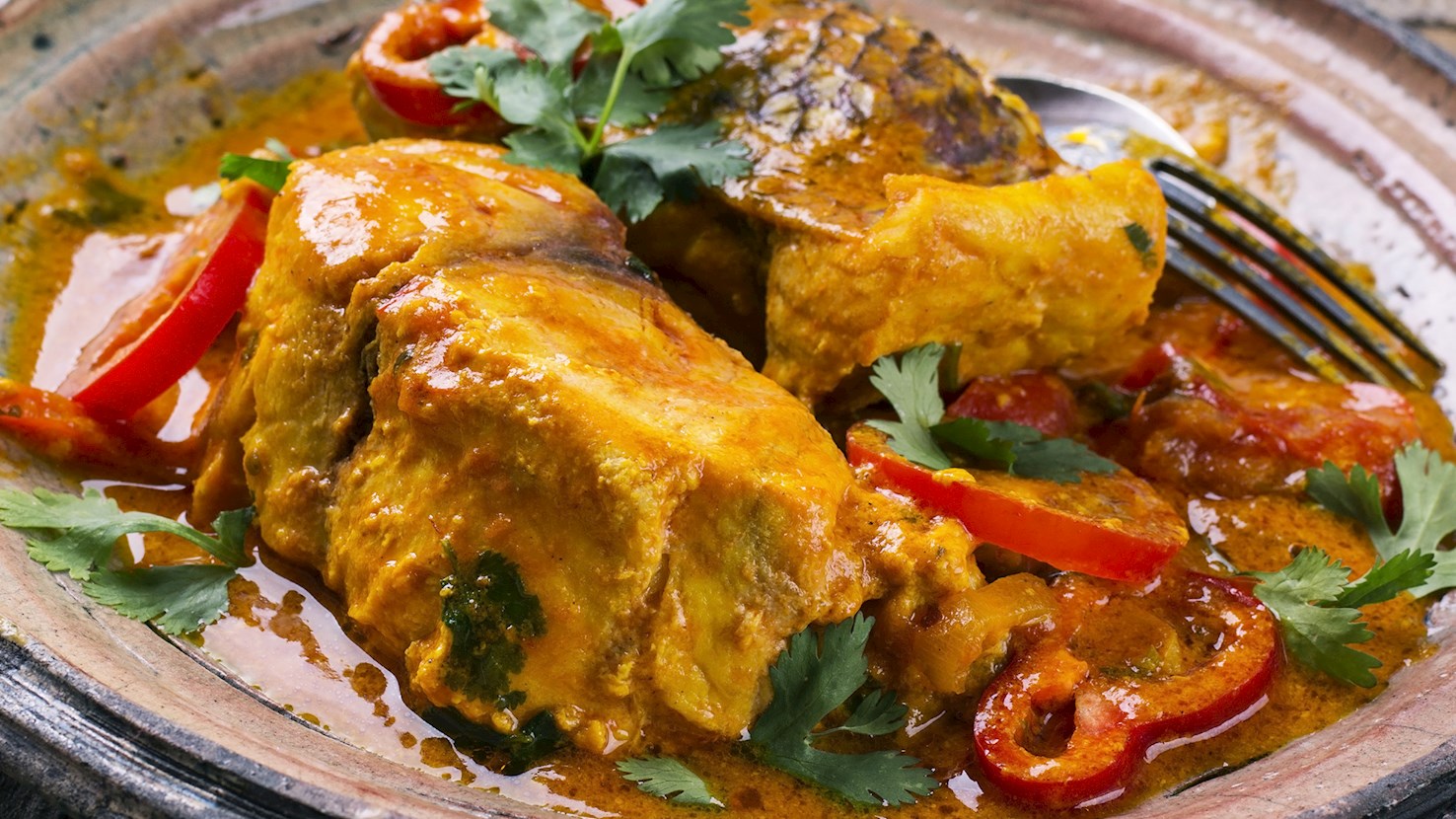
Moqueca Baiana is a seafood stew originating from the Brazilian state of Bahia, hence the word Baiana in its name. It consists of white fish, shrimps, or other seafood combined with coconut milk, dendê oil, lime juice, and various vegetables such as red and yellow peppers, tomatoes, spring onions, garlic, onions, and sometimes ginger. When done, the dish is typically garnished with chopped coriander, then served with rice and farofa. This seafood stew was originally prepared by the native people of Brazil. Over time, new elements were added to the stew, such as coconut milk, which was first introduced to Brazil by Portuguese colonists, and palm oil, which was brought over to the country by African slaves.

02
Stew

Bobó de camarão

4.3 ·

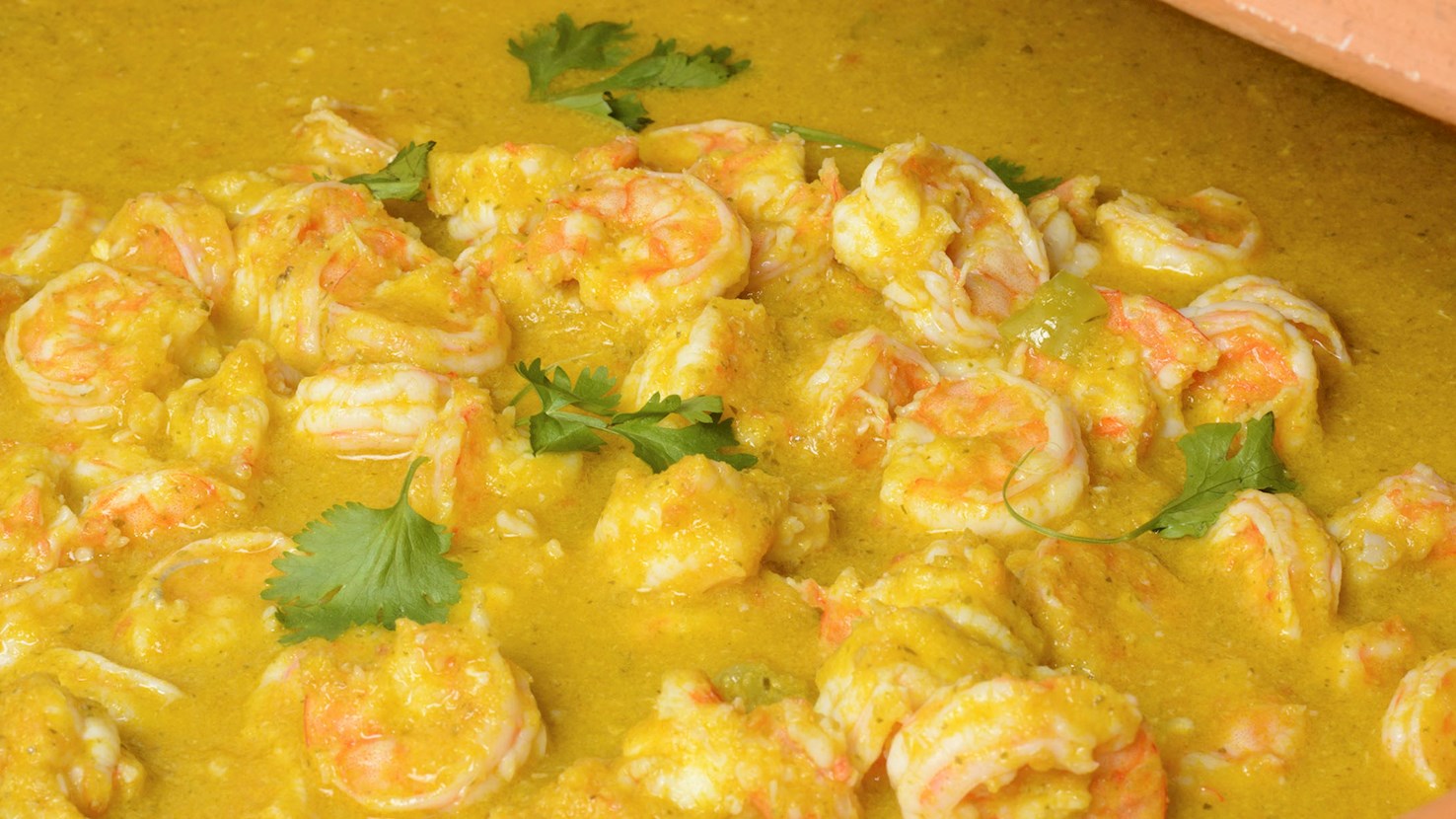
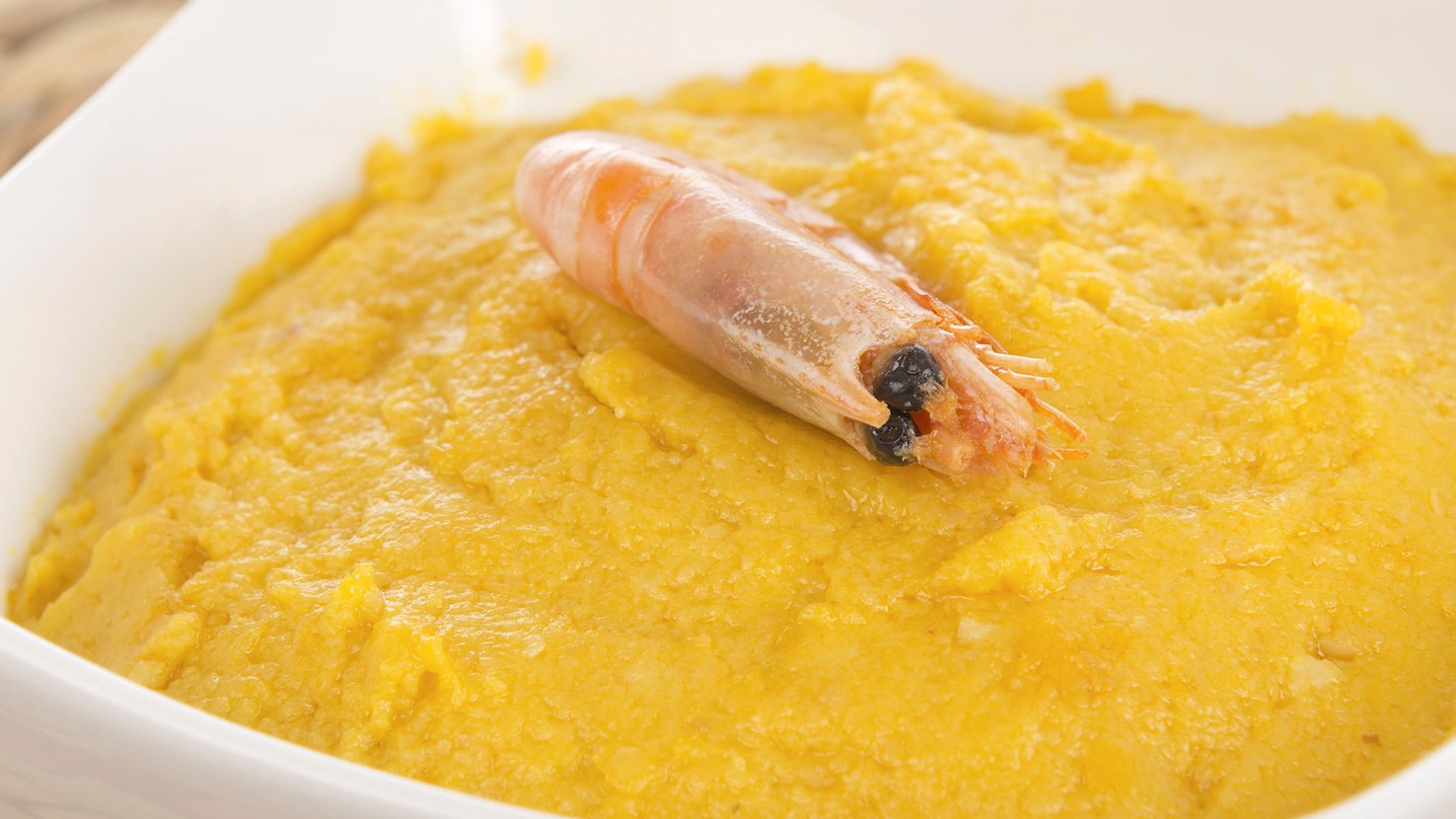
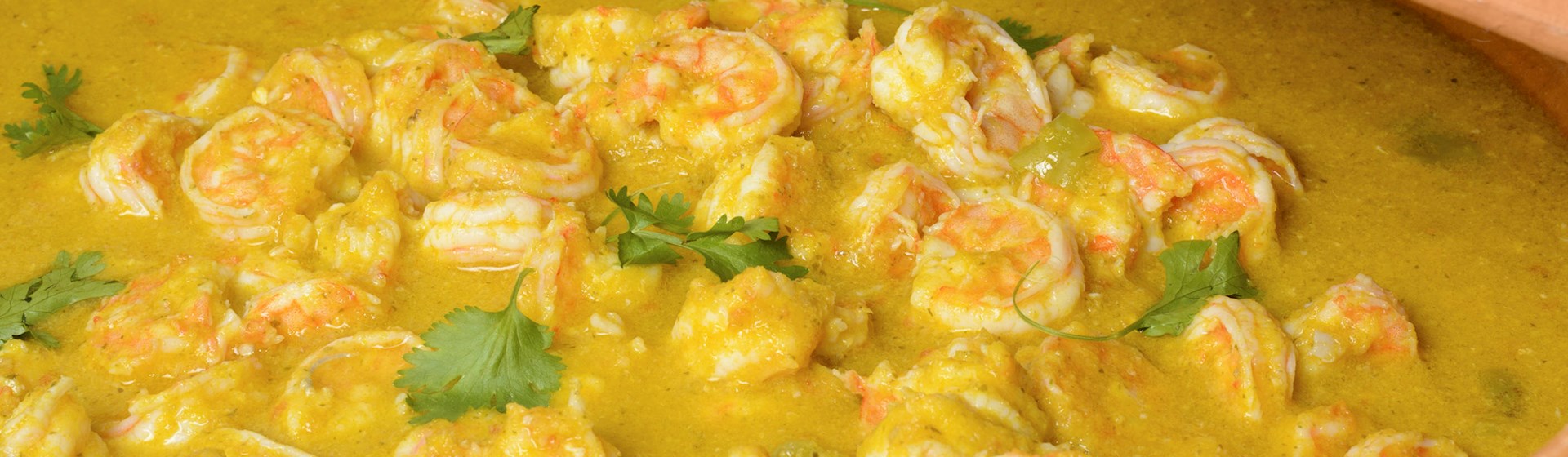
A classic dish of the Brazilian Bahia region, bobó de camarão is a stew made with puréed cassava (bobó), fresh shrimps, coconut milk, and dendê palm oil. The word bobó comes from the Ewe people who were brought to Brazil as slaves, denoting a dish made with beans, although there are no beans in bobó de camarão as we know it today, due to the fact that the Afro-Brazilians enthusiastically took to cassava when they were first introduced to it. The dish is traditionally accompanied by rice on the side, and is a staple of most traditional Brazilian eateries and Bahian self-service restaurants.

03
Stew

Vatapá

4.2 ·

Rich, substantial, and tropically flavored - vatapá is one of the most famous Brazilian dishes, a main course consisting of a combination of stale bread, fish (usually cod), shrimp, coconut milk, manioc flour, dendê palm oil, and cashews. The dish is often consumed with white rice, or as a filling for acarajé fritters, another popular Brazilian dish. Bright yellow in color, vatapá is a specialty of Bahia, a state on the country's northeastern coast that is heavily influenced by the West Africans who were brought to the country as slaves. Although the origins of this dish are unknown, most culinary historians agree that it was invented in Bahia, even if the basic concept for the dish came from Africa.

Best restaurants
04
Street Food

Acarajé

4.1 ·

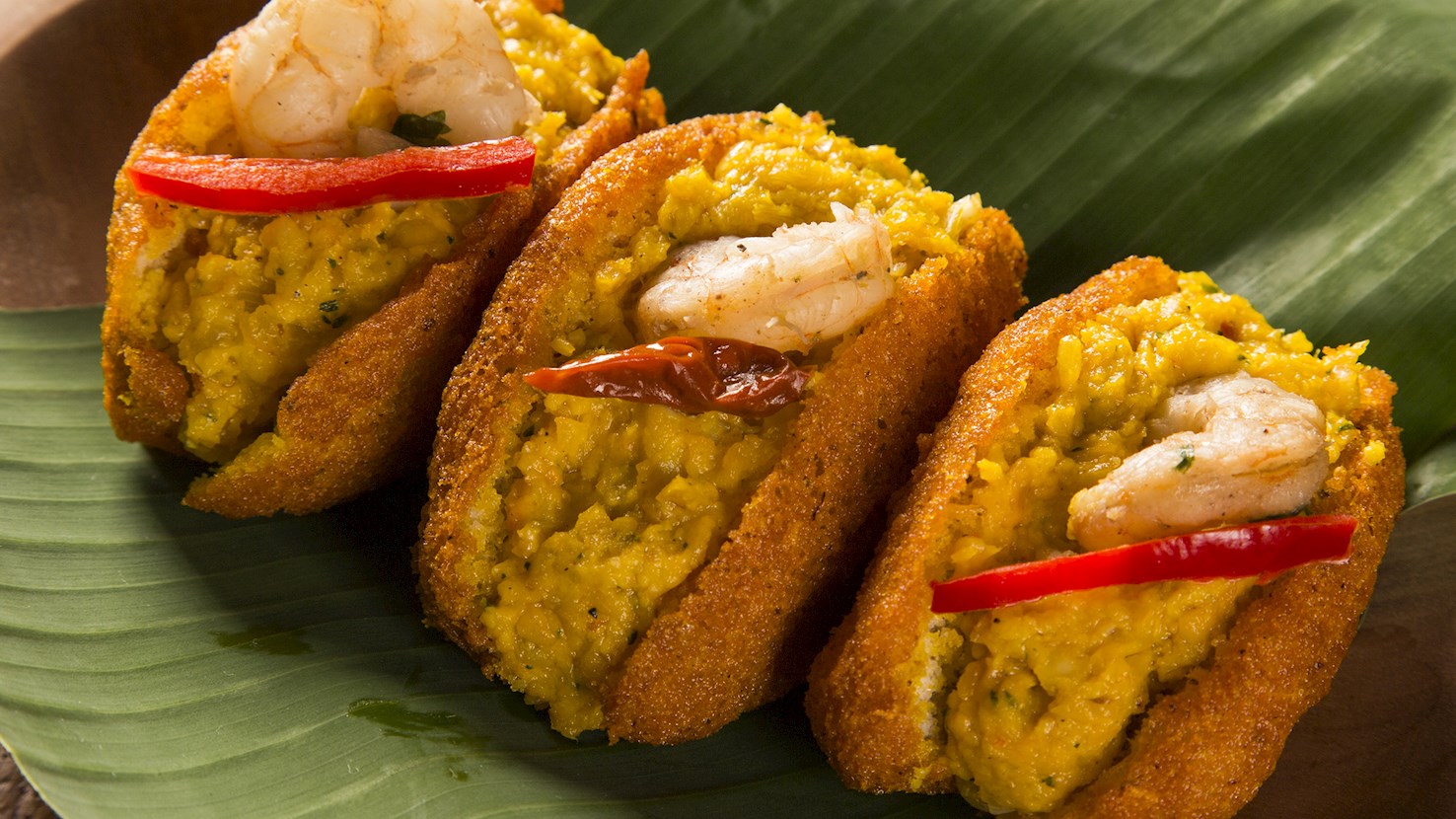
In Bahia, the northeastern state of Brazil, there is a dish that is considered to be the most popular street food around, called acarajé. It consists of black-eyed peas or cowpeas that are formed into a ball, deep-fried in dendé palm oil, split in half, then stuffed with flavorful, spicy pastes made from numerous ingredients such as cashews, palm oil, and shrimp. The most common accompaniments to the dish include a tomato salad and homemade hot pepper sauces. The recipe for the dish originated during the colonial period of the country, from the Nigerian slaves who first started selling it on the streets of Brazil. Today, acarajé represents a good example of how African influences have been shaping Brazil's cultural heritage and its culinary identity.

05
Custard

Quindim

3.9 ·

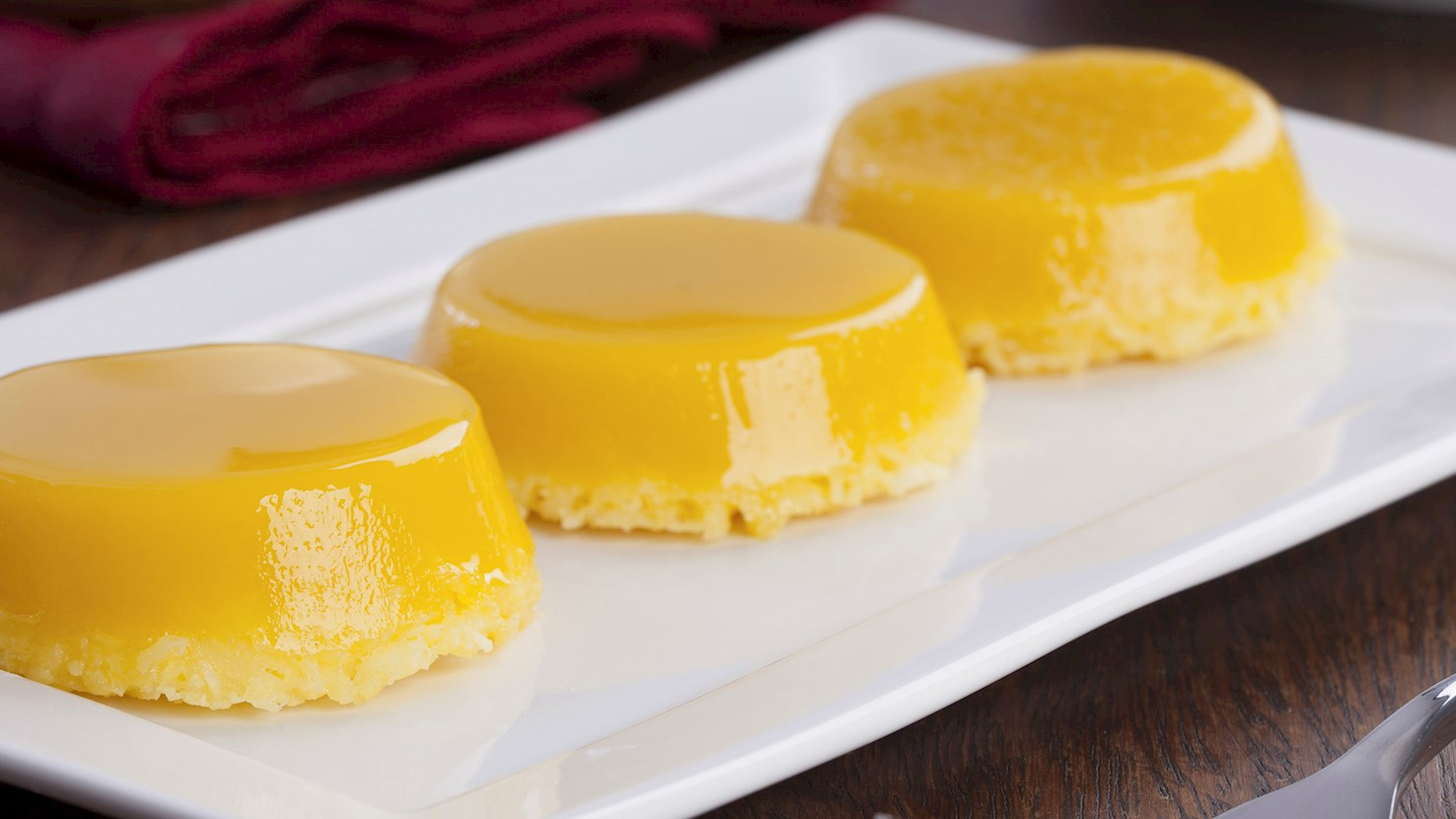
Quindim is a traditional coconut custard cake made with sugar, egg yolks, and ground coconut. The most popular theory about the origin of the dish suggests that it was invented in the 17th century in the northeast of Brazil by African slaves. However, the excessive usage of egg yolks indicates possible Portuguese roots of the dish, since Portuguese cuisine traditionally uses large amounts of egg yolks. The name quindim stems from the Bantu language, roughly translated to the unusual phrase "the gestures of adolescent girls". Today, quindim is one of the most popular desserts in Brazil, often consumed at birthdays, weddings, and christenings.

06
Snack

Abará

3.8 ·

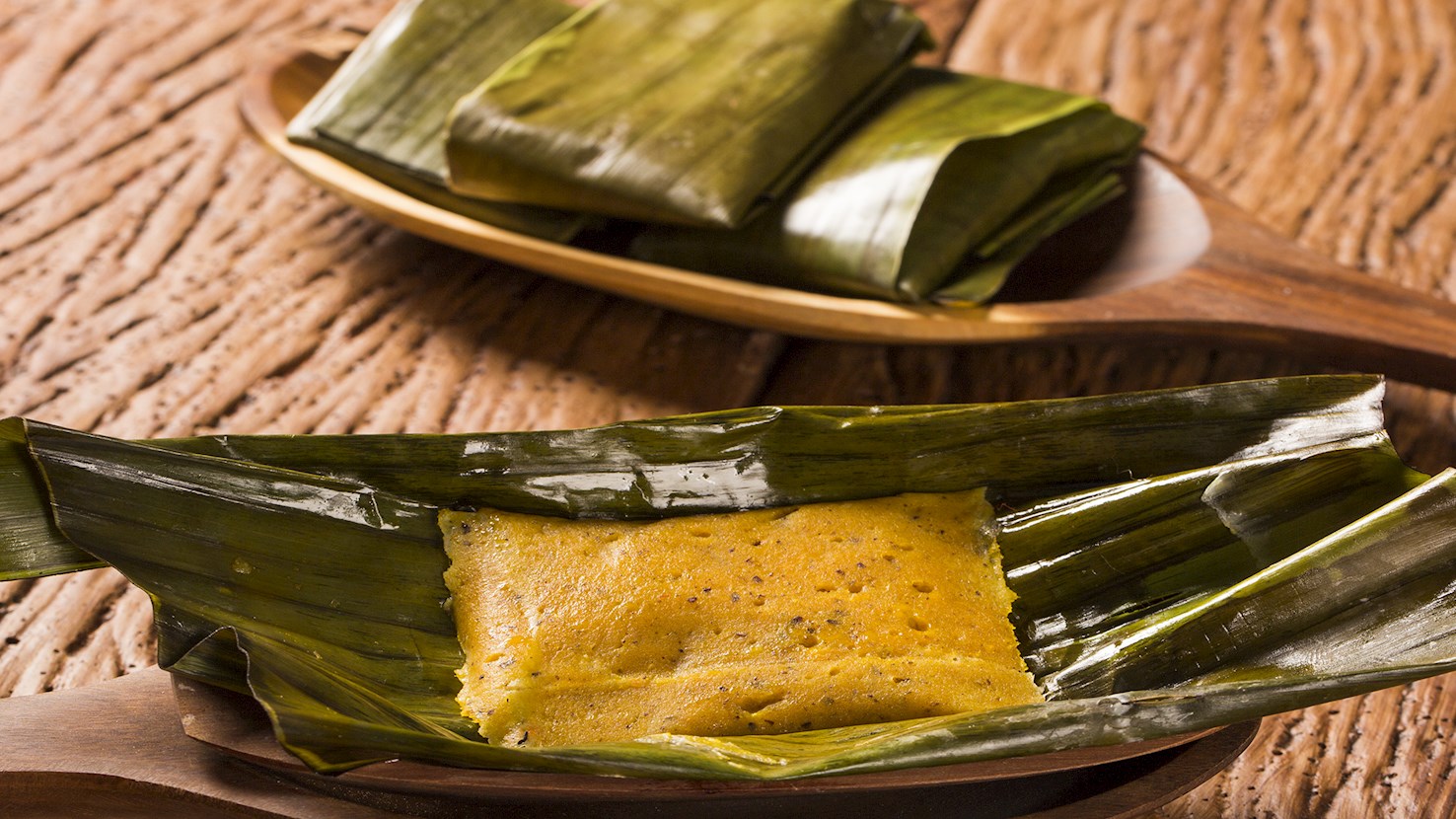
Abará is a popular Brazilian snack consisting of black-eyed peas or beans that are mashed into a paste, then steamed in a banana leaf. The dish is very similar to another Brazilian snack, acarajé, which is fried instead of being boiled or steamed. Black-eyed peas are a staple of traditional Brazilian cuisine, especially in the Bahia region, the center of Brazil's Afro-Brazilian culture. Abará is closely associated with Candomblé, an Afro-Brazilian religion where it is one of the ritual foods offered to the gods and goddesses (called the Orixás) during the ceremonial festivities. The dish is typically served at room temperature, and it is best accompanied by a freshly-made hot pepper sauce, served in most restaurants in Bahia, which is considered unusual elsewhere in the country.

07
Stew

Maniçoba

3.8 ·

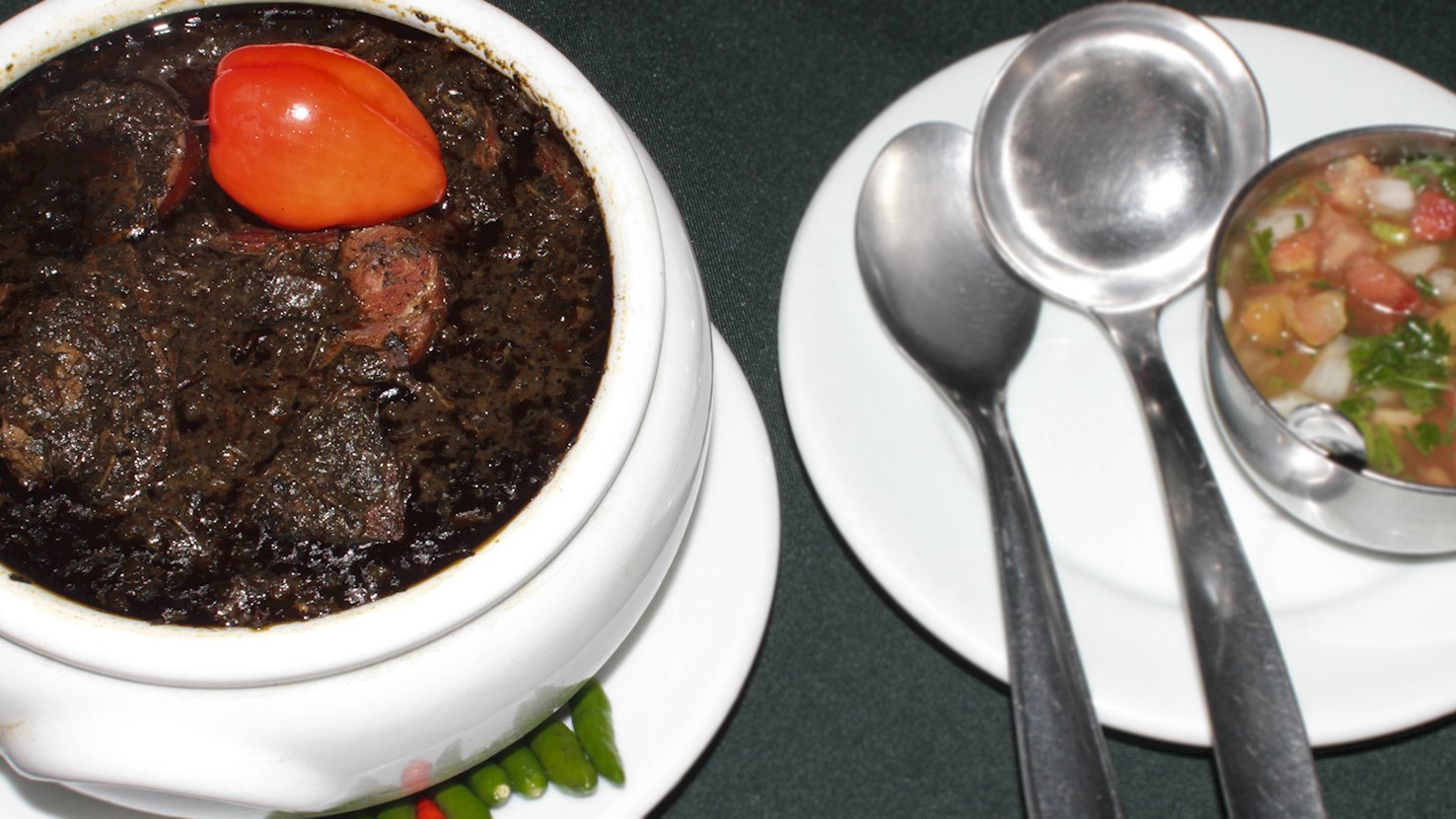
A specialty dish from the Brazilian regions of Pará and Bahia, maniçoba is a part of the feijoada family of Brazilian dishes. In addition to dried meat, salted pork, bacon, and sausages, chopped cassava leaves are used instead of beans which are commonly used in a traditional feijoada. One must be extra careful when preparing the dish due to the toxic cyanides found in cassava leaves, which is why they need to be ground and boiled for at least one week in order to remove the toxins. Since it is a lengthy process, maniçoba is mostly prepared for festivities and religious celebrations, when it's consumed by large groups of people. In Bahia, peppers and farofa are often added to the dish, while in Pará, the usual accompaniment is white rice.

08
Stew

Caruru

3.5 ·

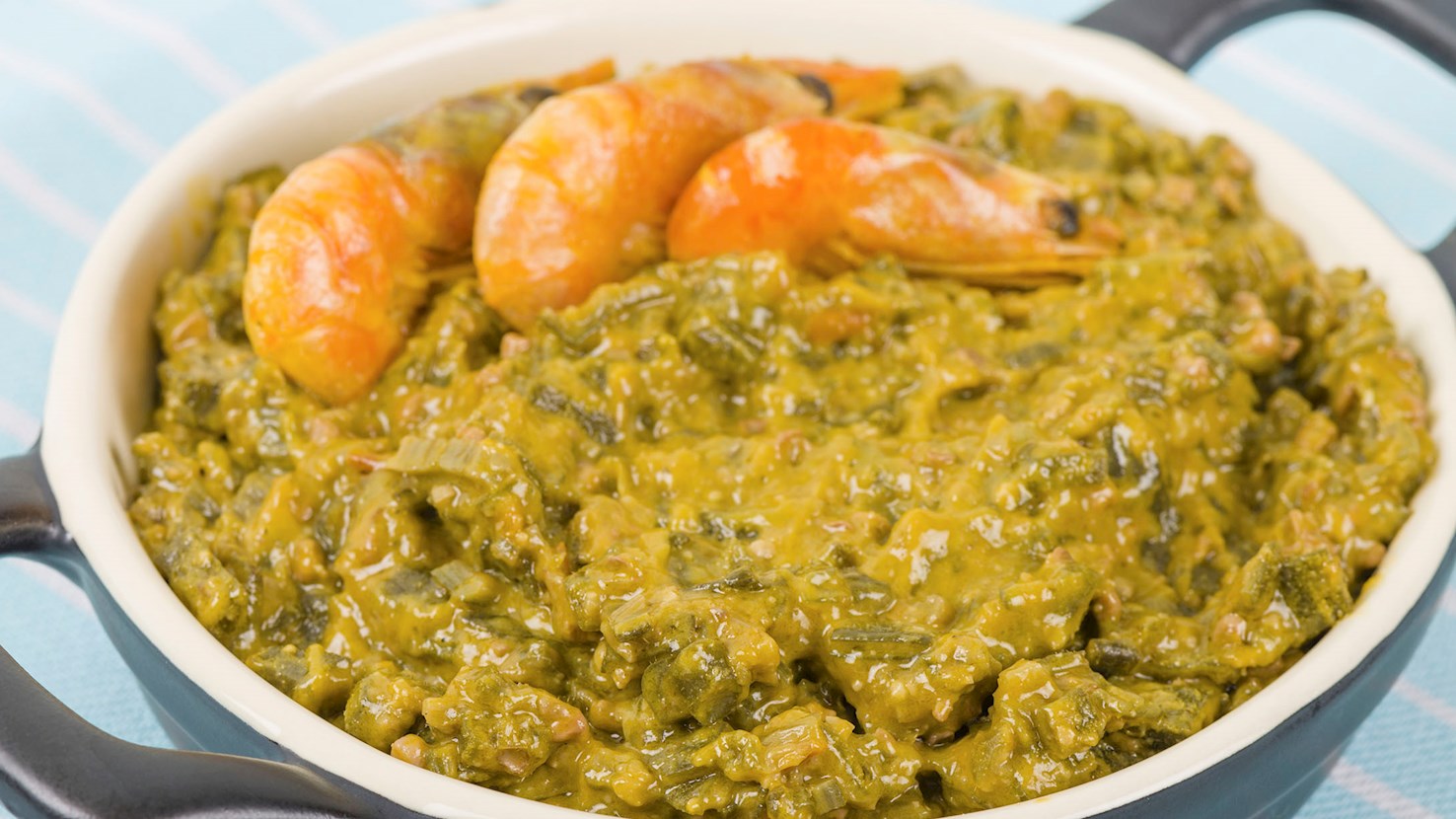
Caruru is a dish that is a blend of okra, dried shrimps, onions, and toasted nuts cooked in dendê palm oil. In the Bahia region, caruru is traditionally consumed as a condiment alongside acarajé, a type of street food consisting of fried black-eyed peas. Although the dish has African origins, it is considered to be a Brazilian dish which was exported out of Africa by the slaves who worked on sugar plantations in Brazil. Caruru is a staple of Afro-Brazilian religious ceremonies, where it's known under the name amalá, and it is a favorite of Xango, the Yoruba African god of fire. It is also the main meal that is served during the September festivities honoring Cosme and Damien, the twin saints of Bahian Afro-Catholic culture. The dish is traditionally served to guests as a sign of celebrating family ties and friendship.

Best restaurants
09
Side Dish

Acaçá

n/a ·

Acaçá is a traditional Afro-Brazilian dish that's the most important ritual food of the Candomblé religion. This thick mush-like dish is made from ground or grated white corn that's soaked, pounded, then wrapped and shaped in banana leaves. The Candomblé religion originated in Bahia, and that's where you can find this specialty. The flavor of acaçá is somewhat bland and neutral because it only contains white corn and salt. It's usually served with dishes that contain some kind of sauce in order for acaçá to absorb its flavors.

Read more
View all
View map
About this ranking

TasteAtlas food rankings are based on the ratings of the TasteAtlas audience, with a series of mechanisms that recognize real users and that ignore bot, nationalist or local patriotic ratings, and give additional value to the ratings of users that the system recognizes as knowledgeable. For the “Top 14 Bahian Foods” list until July 08, 2026, 848 ratings were recorded, of which 607 were recognized by the system as legitimate. TasteAtlas Rankings should not be seen as the final global conclusion about food. Their purpose is to promote excellent local foods, instill pride in traditional dishes, and arouse curiosity about dishes you haven’t tried.

The initial list of top producers was compiled based on available reviews, awards, local recommendations, media and blog coverage, and consumer reviews. The list will be updated with ratings from TasteAtlas local ambassadors and TasteAtlas users.

Similar lists