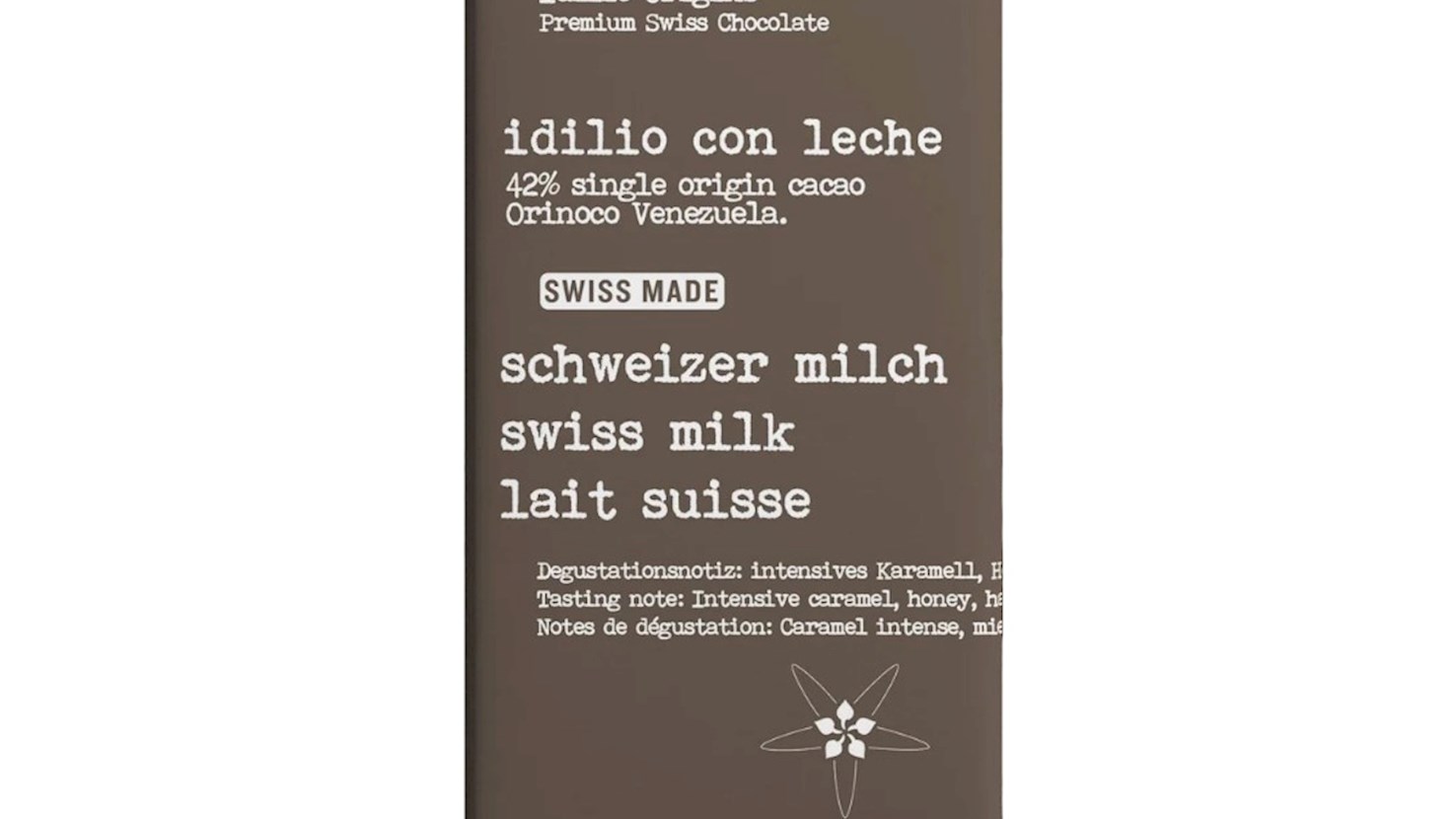
Idilio Origins, based in Basel, specializes in crafting premium chocolate using cocoa from specific regions famed for their unique flavors. The company focuses on single-origin bars, emphasizing the distinct taste profiles from various cocoa-producing areas. Idilio collaborates closely with cocoa farmers, ensuring high-quality beans through direct trade practices.
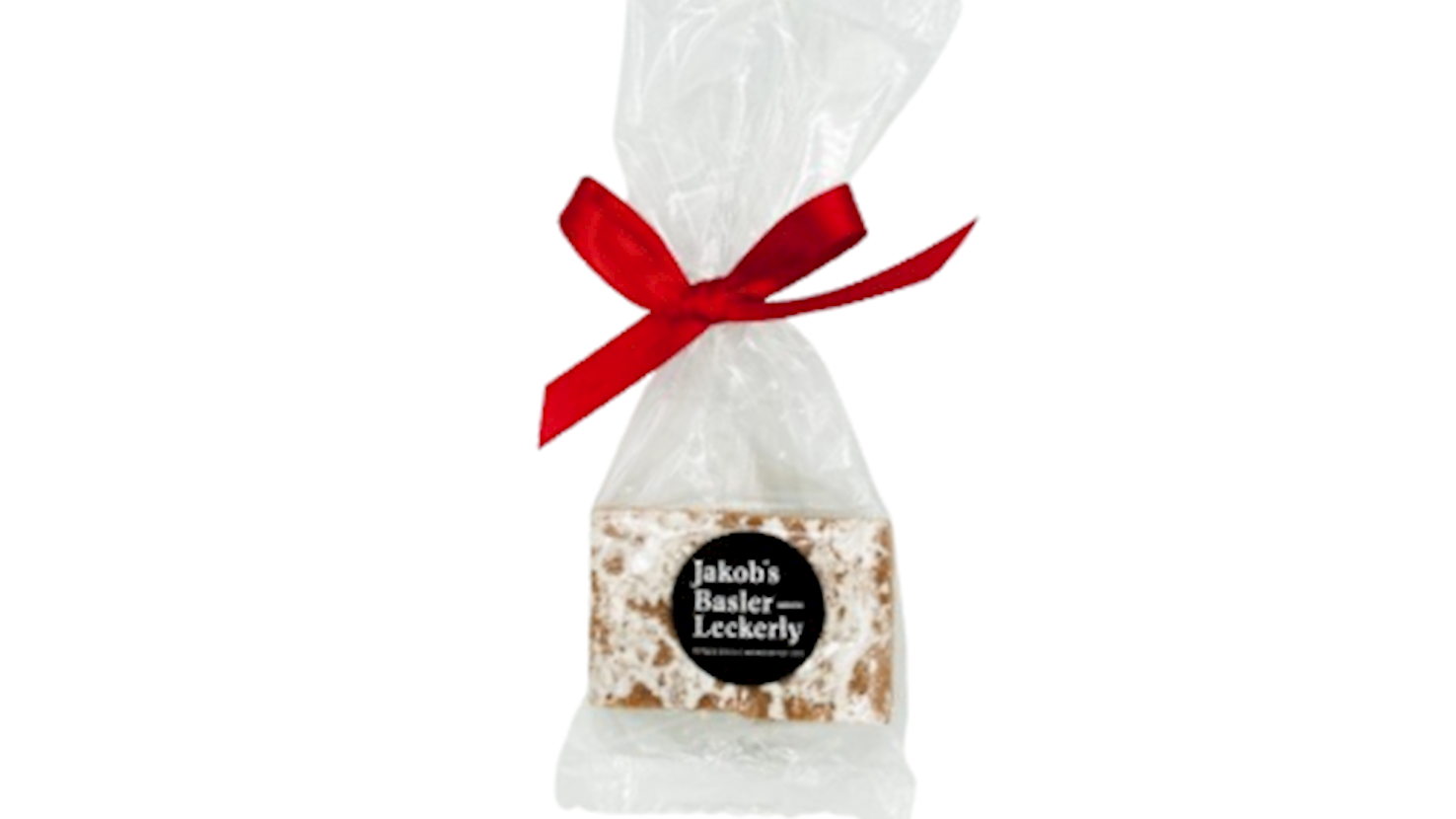
Jakob’s Basler Leckerly is a traditional Swiss confectionery producer based in Basel, with origins dating back to 1753, making it one of the oldest continuously operating bakeries in the country. The company is strongly focused on a single specialty, Basler Läckerli, which defines both its identity and production approach. These biscuits are made from a dense mixture of honey, nuts, candied citrus peel, and spices, then finished with a thin sugar glaze and cut into rectangular pieces. Compared to more industrial versions, Jakob’s Läckerli are known for their thicker structure, pronounced honey flavor, and slightly softer, more compact texture. Production remains closely aligned with traditional methods, carried out within a manufactory setting rather than large-scale industrial lines. The brand maintains a clear connection to the culinary heritage of Basel, where Läckerli have been a regional specialty for centuries. In addition to production, the company operates a retail and visitor-oriented space where customers can observe parts of the process and purchase products directly. While the assortment has expanded modestly with variations such as chocolate-coated versions, the core recipe and product format have remained largely unchanged.
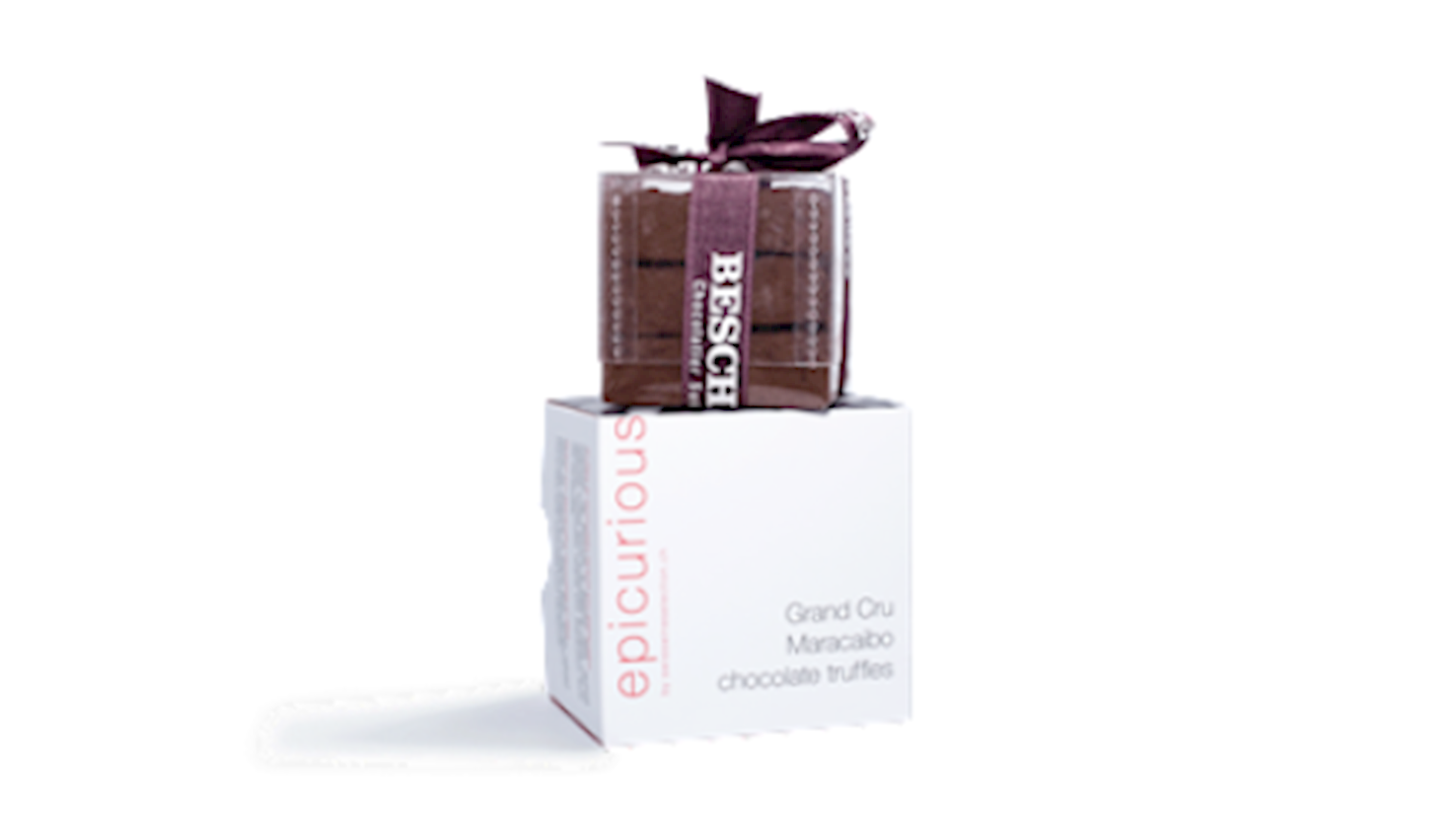
Beschle is one of the oldest confectionery houses in Basel, founded in 1898, and for more than a century it has stood as a symbol of Swiss elegance, craftsmanship, and uncompromising quality. The family tradition, now led by the fourth generation of the Beschle family, seamlessly combines classical values with a modern approach to creating luxurious chocolate and pastry products. Their rich assortment includes pralines, truffles, chocolate bars, cakes, pastries, and seasonal creations, all crafted by hand in their workshops in the heart of Basel. In addition to fine chocolate, Beschle maintains its reputation as one of the most respected patisserie houses in the region, renowned for its exquisite cakes, tarts, and croissants. Their boutiques in Basel blend the sophistication of a shop, the charm of a tearoom, and the warmth of a gathering place for local connoisseurs. Over more than 120 years of existence, the brand has built its prestige on handcrafted excellence, superior ingredients, and refined taste. Today, Beschle remains a true emblem of Swiss tradition, authenticity, and understated luxury, reflecting the timeless harmony between craftsmanship, heritage, and passion for perfection.
Awards
Academy of Chocolate - Gold
(2016, 2015, 2011)
Academy of Chocolate - Silver
(2015, 2013, 2011, 2009)
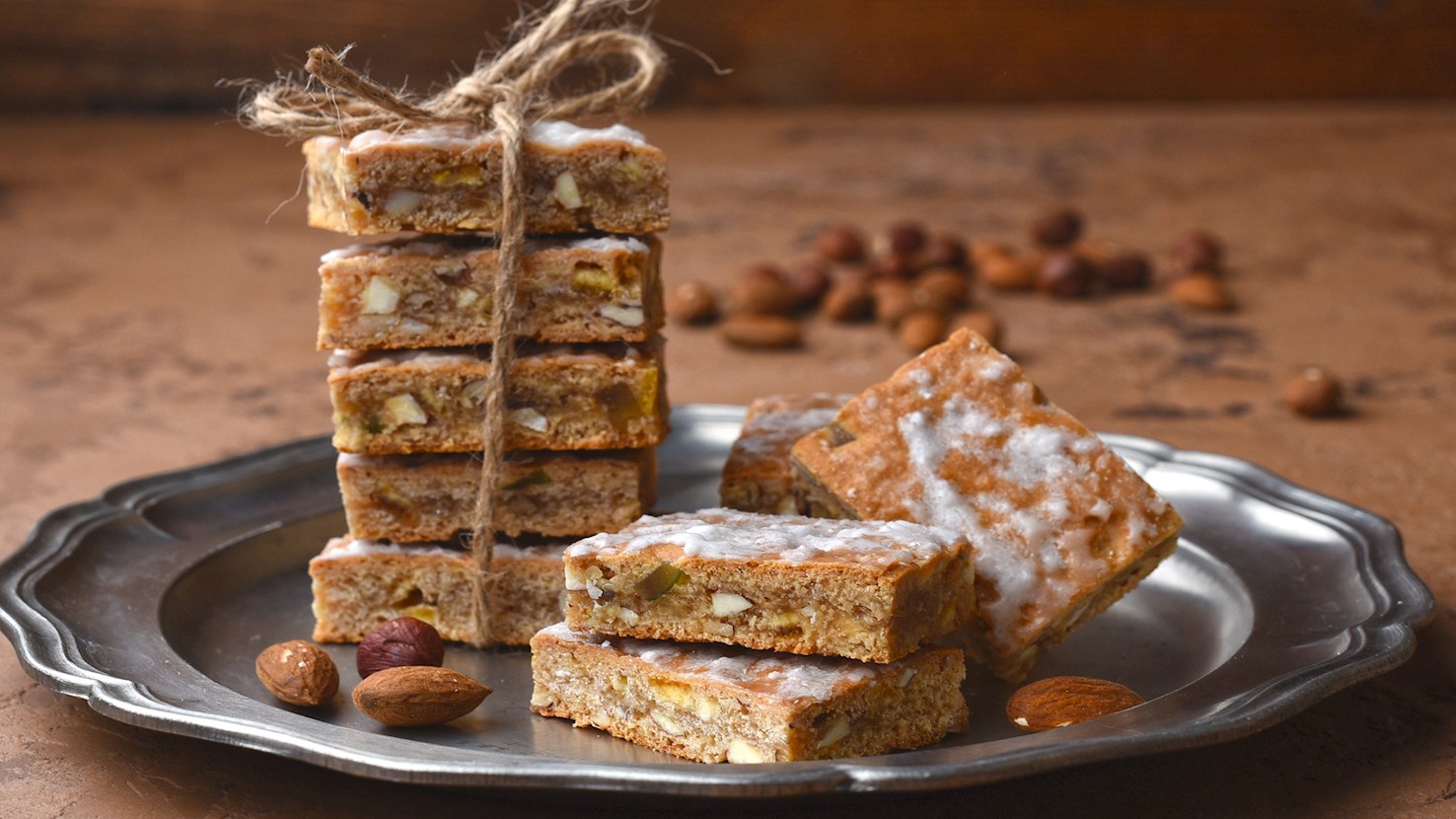
Basler läckerli is a hard, spiced Swiss biscuit consisting of hazelnuts, almonds, candied peel, honey, and Kirsch. These cookies are a specialty of Basel, where it is believed that they have been prepared ever since the Middle Ages. Once baked, the biscuits are traditionally cut into rectangular pieces, then topped with sugar glaze. Nowadays, they are typically enjoyed during Christmastime, although they can be bought or prepared throughout the year.
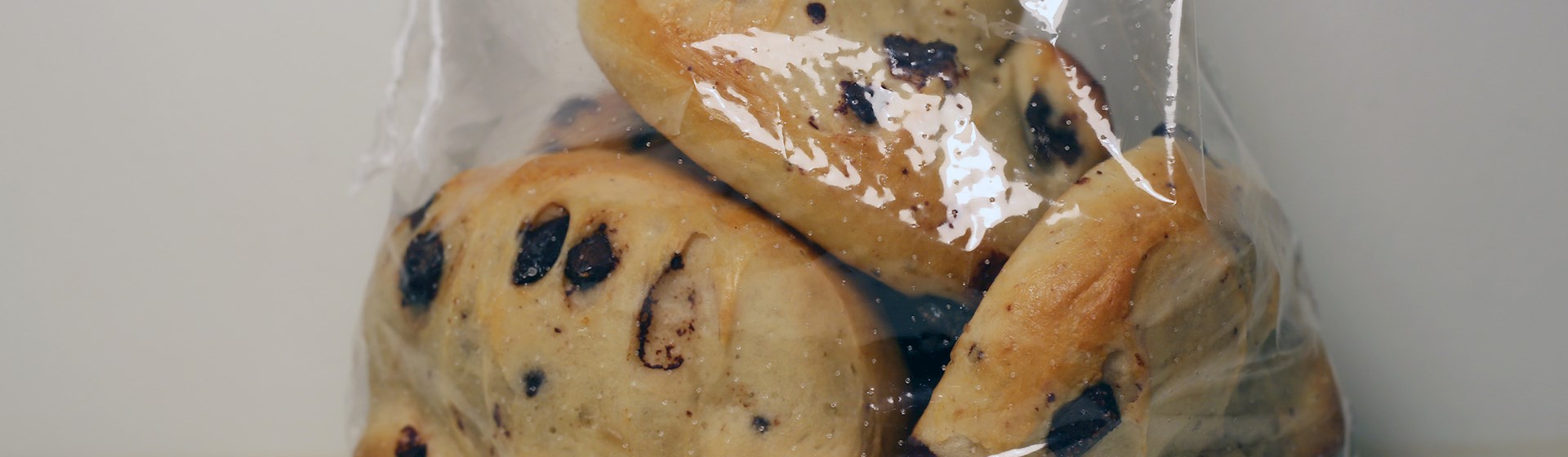
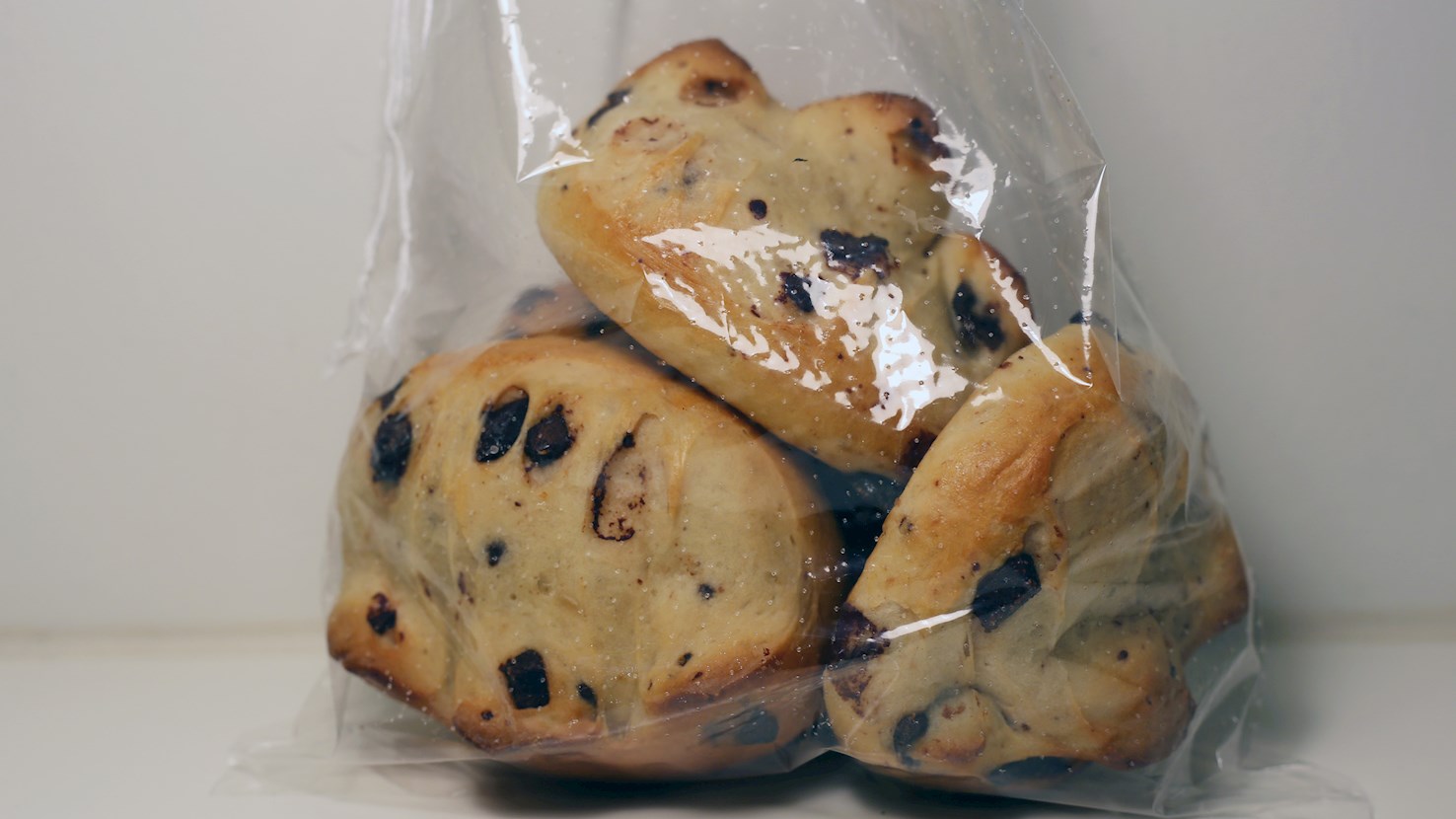
Schoggiweggli is a traditional sweet bun that is made throughout the country but bears a strong connection with Basel. This sweet bread filled with chocolate chunks was invented in 1975 by Anton Bachmann of Confiserie Bachmann, and nowadays it's sold in numerous bakeries and stores in the city. Schoggiweggli is usually made with a combination of flour, yeast, sugar, salt, butter, milk, and dark chocolate. The dough is divided, shaped into balls, and baked until golden brown. Before baking, the bread is cut on top as if to reveal the chocolate that was hidden on the inside. It's recommended to enjoy schoggiweggli for breakfast or as an afternoon treat.
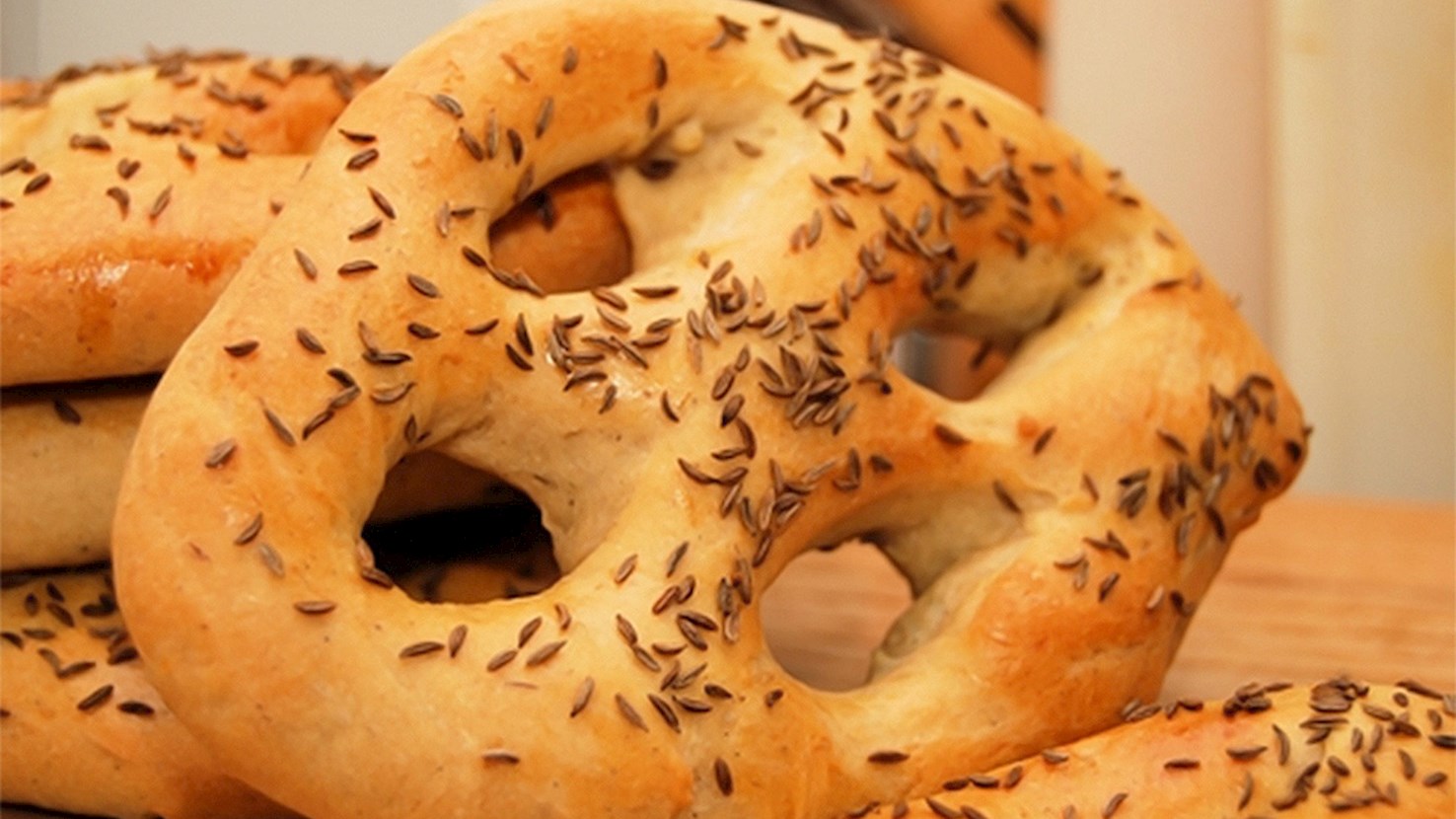
Fastenwähe is a type of small Swiss bread, carnival treat, and snack originating from Basel. The dough is usually made with a combination of flour, yeast, salt, sugar, milk, eggs, caraway seeds, and butter. Once the dough has rested and doubled in size, it's divided and shaped into ovals. A knife is used to cut four slits into each piece of dough, which is then carefully stretched in order to create a shape that's similar to a cross in the middle of the dough. The dough is brushed with beaten egg yolks, sprinkled with caraway seeds, and baked until golden. Fastenwähe is especially popular during the Fasnacht (the biggest carnival in Switzerland) celebration, and it was originally enjoyed only during Lent.
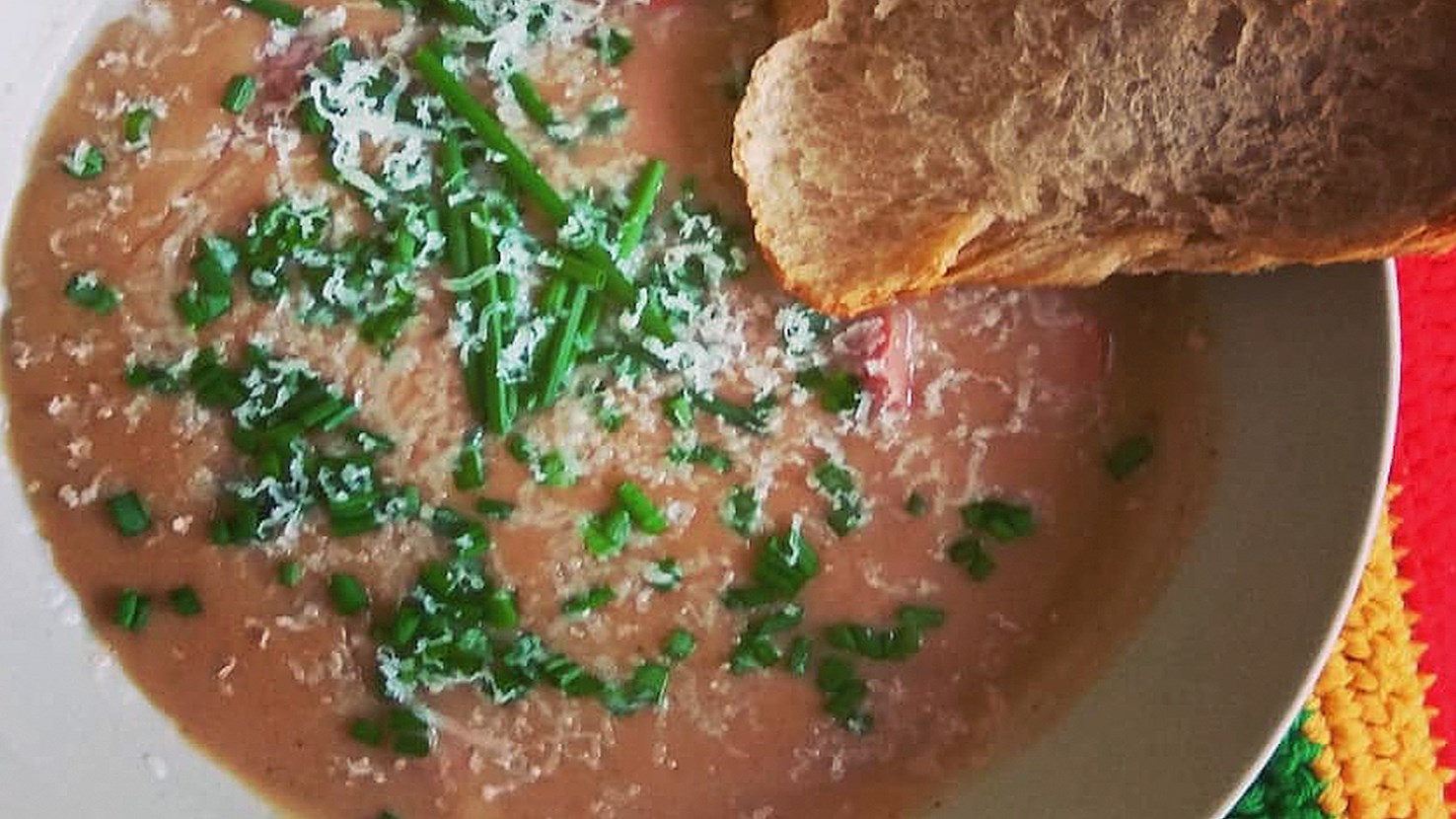
Basel's signature dish is a hearty, flavorful soup made with browned flour, beef stock, onions, and sometimes red wine. Basler mehlsuppe is usually seasoned with peppercorns, cloves, nutmeg or allspice, and served topped with a generous grating of Swiss cheese such as Sbrinz or Gruyère. Traditionally, the soup is a must-have at Basel Carnival, which is officially launched with a serving of it at precisely 4:00 AM on the first Monday after Ash Wednesday. Being a national favorite, mehlsuppe is also widely available throughout the year, not just in Basel, but across Switzerland.
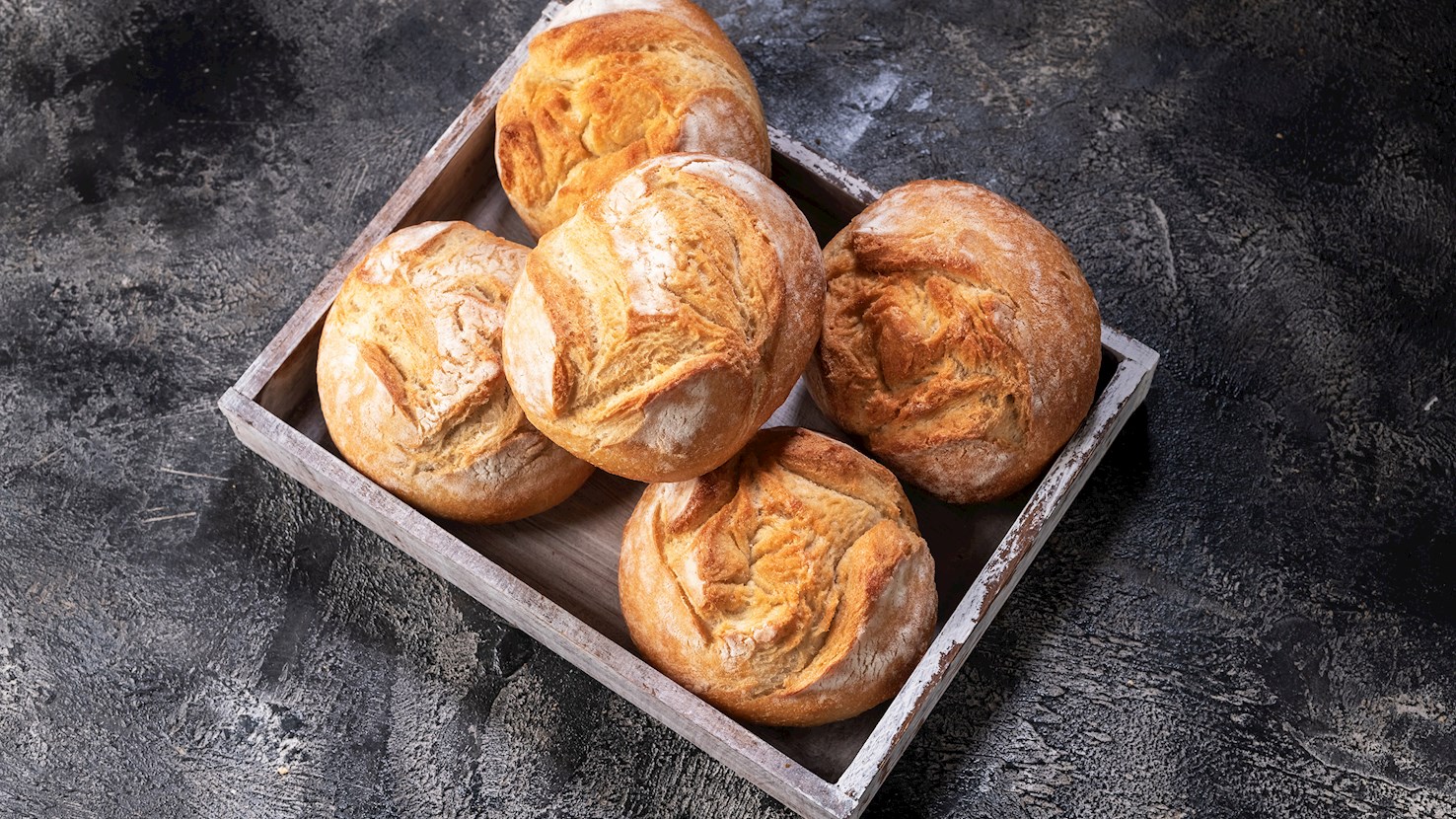
Schlumbergerli is a traditional bread roll originating from Basel and it can be traced back to 1872. The rolls are made with a combination of flour, yeast, salt, and honey. The dough is sprayed with water and baked until golden. If properly prepared, the irregularly-cracked crust should be delicate and crisp, but still soft. These bread rolls are named after Amedée Schlumberger, a banker from France who moved to Basel and started to miss a particular French bread, so Basel bakers made him something similar, and Schlumbergerli was born. The bread is eaten for breakfast, as an accompaniment to main dishes, or on its own with sweet or savory fillings such as butter or fruit jam.
Lummelbraten is a traditional dish originating from Basel. The dish is made with a combination of beef, butter or cream, garlic, onions, carrots, celery, white wine, mustard, and red wine. The meat is lightly fried, and the other ingredients are deglazed with wine and shortly boiled. Once done, the meat is cut into slices, topped with the sauce, and traditionally served with the vegetables (carrots, celery) and fried potatoes on the side. Although it's not traditional, some people like to serve lummelbraten with rice and peas as accompaniments.
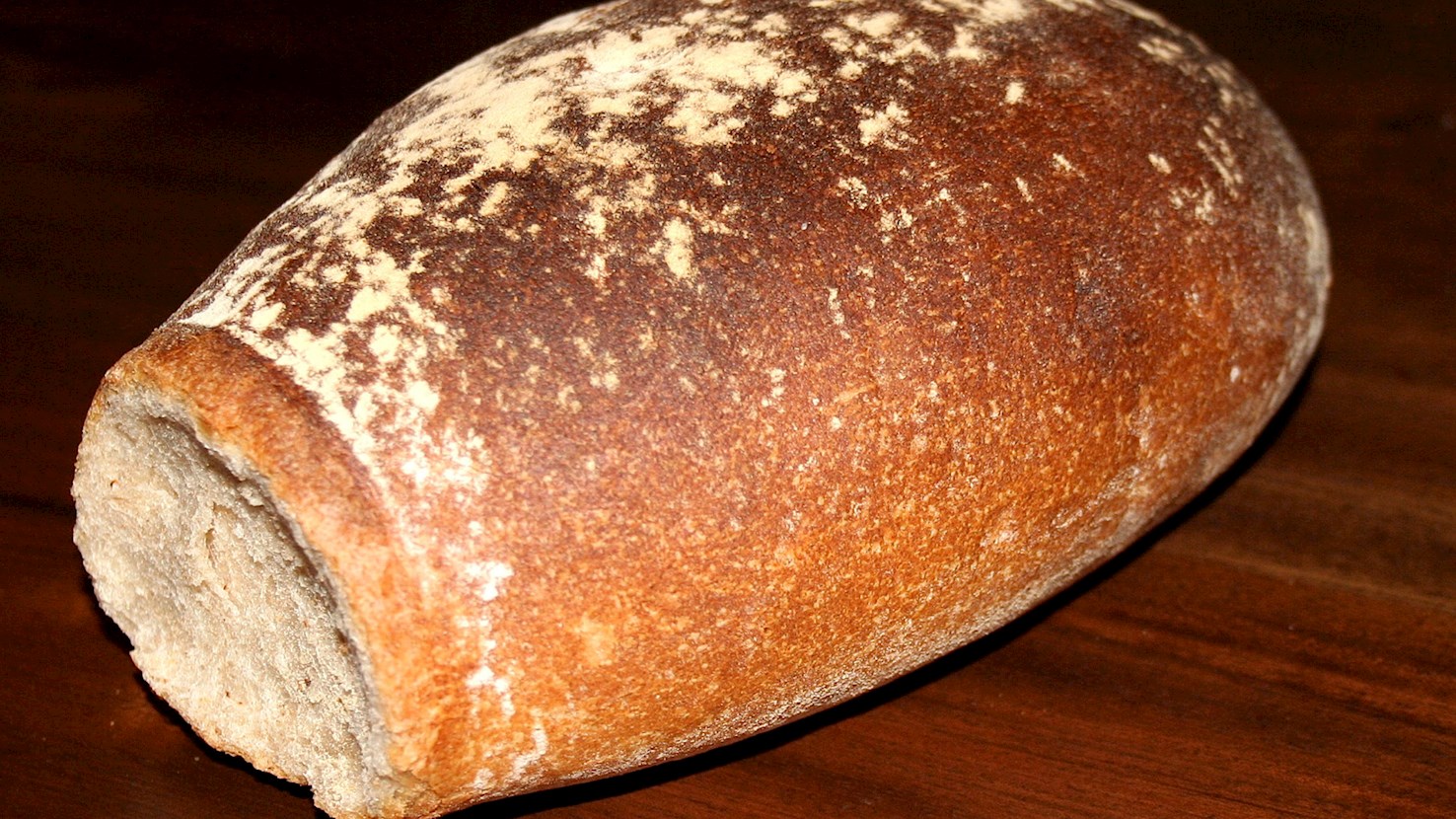
Basler brot is a traditional bread originating from Basel. It is made with a starter, resulting in light and airy bread with a distinctive flavor. Other ingredients include wholegrain flour or half dark and half white flour, water, and salt. It is characterized by an aromatic crumb, high water content, and high baking temperatures. Visually, the bread is oblong, and it consists of two round loaves of bread that are combined together at the ends. The two pieces represent two Cantons – Basel countryside and Basel the city. It was first mentioned in Eugen A. Meiers 1792 book Das süsse Basel.
Basler Brunsli are spiced chocolate almond cookies originating from the city of Basel, characterized by a dark color, a moist interior, and a crisp, sugar-coated exterior. They are a staple of Swiss confectionery, specifically associated with the winter season and holiday festivities in the German-speaking cantons. The item is distinguished by being naturally gluten-free, as the recipe relies on ground nuts rather than wheat flour for its structure. Documentation of these cookies in Basel dates back to the early 18th century, appearing in culinary records from 1725. The name is derived from the Swiss-German word "brūn," meaning brown, referencing the color provided by the cocoa and chocolate components. The development of the recipe coincided with the increasing availability of cocoa and sugar in European river ports like Basel, which served as a major trade hub. Early versions were often shaped by hand or with simple round cutters until the 19th century, when more intricate metal molds became common in Swiss households. Preparation involves creating a stiff dough from ground almonds, granulated sugar, unsweetened cocoa powder, and a small amount of cinnamon and ground cloves. Egg whites are beaten until stiff and folded into the dry ingredients to bind them, often with the addition of a small quantity of Kirsch, a clear cherry brandy produced in the region. The dough is rolled out onto a surface covered in sugar to a thickness of approximately one centimeter. A unique technical aspect of the process is the drying phase; the cut shapes are left to sit at room temperature for several hours or overnight before baking. This resting period allows a dry skin to form on the surface, which ensures the cookie maintains its sharp edges and develops a characteristic crackled appearance in the oven. The baking itself is brief, lasting only a few minutes at a high temperature to set the exterior while keeping the center fudgy. Basler Brunsli are typically cut into flower or star shapes and are served at room temperature once they have fully cooled and hardened. They are eaten throughout Switzerland as part of a varied platter of small biscuits known as "Guetzli", and are common during the Christmas period. Because of their dense texture and prominent spice profile, they are frequently paired with coffee, black tea, or dessert wines like a sweet Riesling. In a more local context, they are often consumed alongside a glass of Kirsch or hot spiced cider during communal gatherings.
TasteAtlas food rankings are based on the ratings of the TasteAtlas audience, with a series of mechanisms that recognize real users and that ignore bot,
nationalist or local patriotic ratings, and give additional value to the ratings of users that the system recognizes as knowledgeable.
For the “Top 8 Traditional Foods in the Canton of Basel-Stadt” list until June 07, 2026, 147 ratings were recorded, of which 118 were recognized by the system as legitimate.
TasteAtlas Rankings should not be seen as the final global conclusion about food. Their purpose is to promote excellent local foods,
instill pride in traditional dishes, and arouse curiosity about dishes you haven’t tried.
The initial list of top producers was compiled based on available reviews, awards, local recommendations, media and blog coverage, and consumer reviews.
The list will be updated with ratings from TasteAtlas local ambassadors and TasteAtlas users.