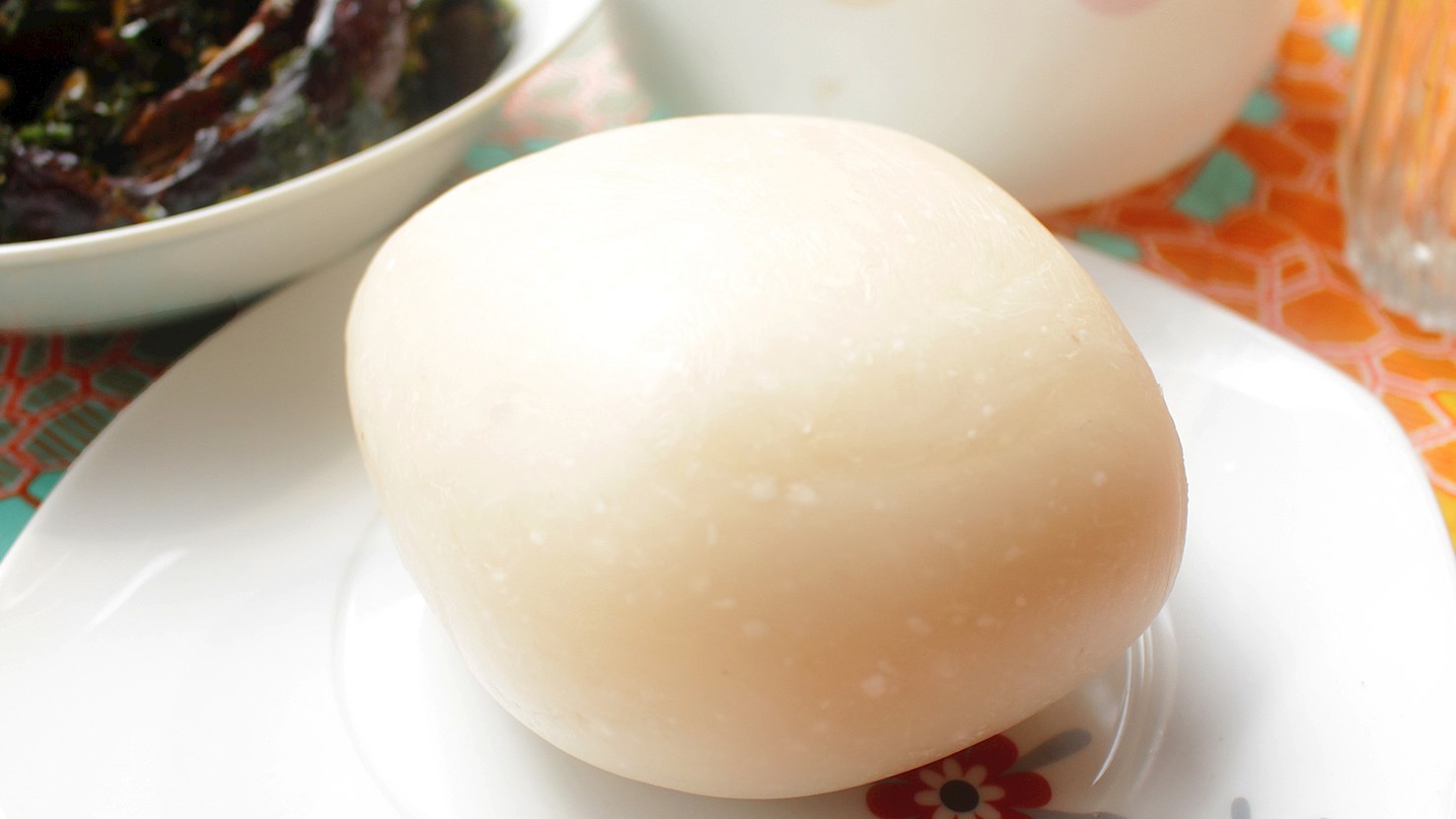
Fufu is a staple side dish made by pounding cassava and unripe plantains together with a big wooden pole and mashing them while adding water. As it needs to be vigorously stirred, it usually takes two people to make it - one pounding it, and the other moving it around between the pounding. Once the mixture is smooth, it gets shaped into small balls that are then placed in a stew or soup with meat. Similar to the Tanzanian ugali, an indentation is made in the ball, used for scooping up the sauce, with fufu acting as a spoon. The texture is quite gummy and stretchy, while the flavor is bland, but dipping it into a stew gives fufu a spicy flavor that is slightly reminiscent of peanuts. Just make sure not to eat with your left hand, as this is considered extremely disrespectful in many parts of Africa, because the left hand is used for toilet-related actions. This starchy side dish is an important accompaniment to various stews and sauce-based dishes, and it's regularly eaten throughout West and Central Africa.
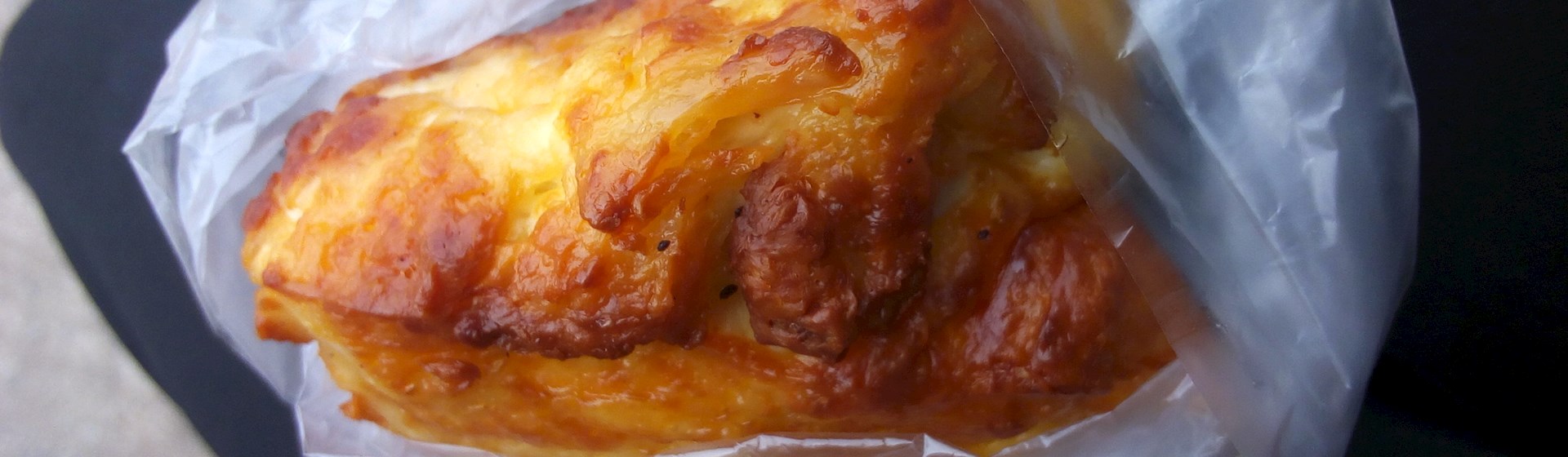
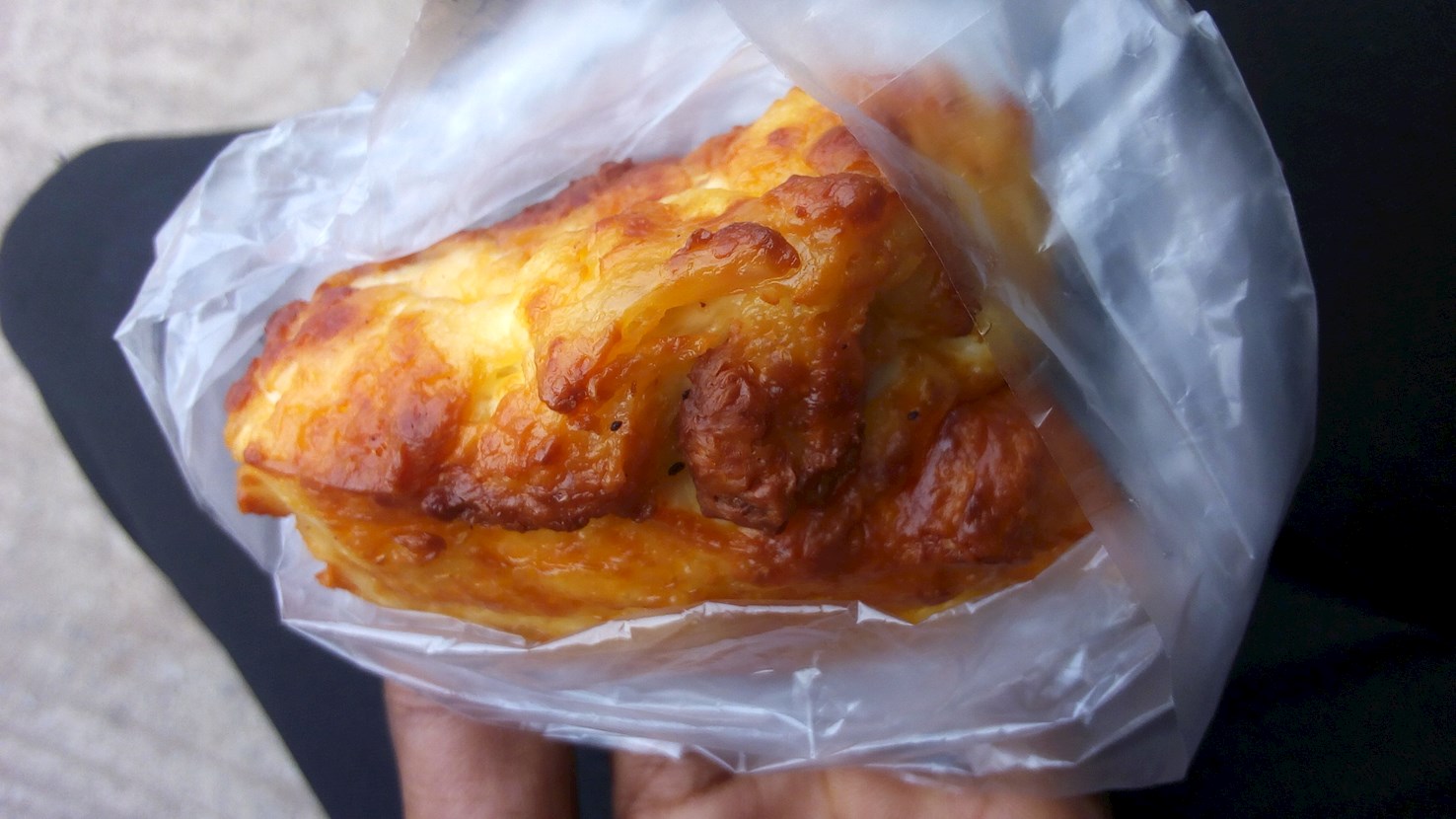
Wagassi is a cow's milk cheese from northern Benin, characterized by its mild flavor and red rind, which is a result of dipping the cheese into warm water with the Calotropis procera leaf extract. It is traditionally prepared by the Fulani people, mostly women, and it can be bought in towns such as Parakou. The cheese is praised for its unique properties such as the fact that it does not melt easily, even at high temperatures. It can be consumed fried or cooked in sauces, but it is rarely consumed fresh.
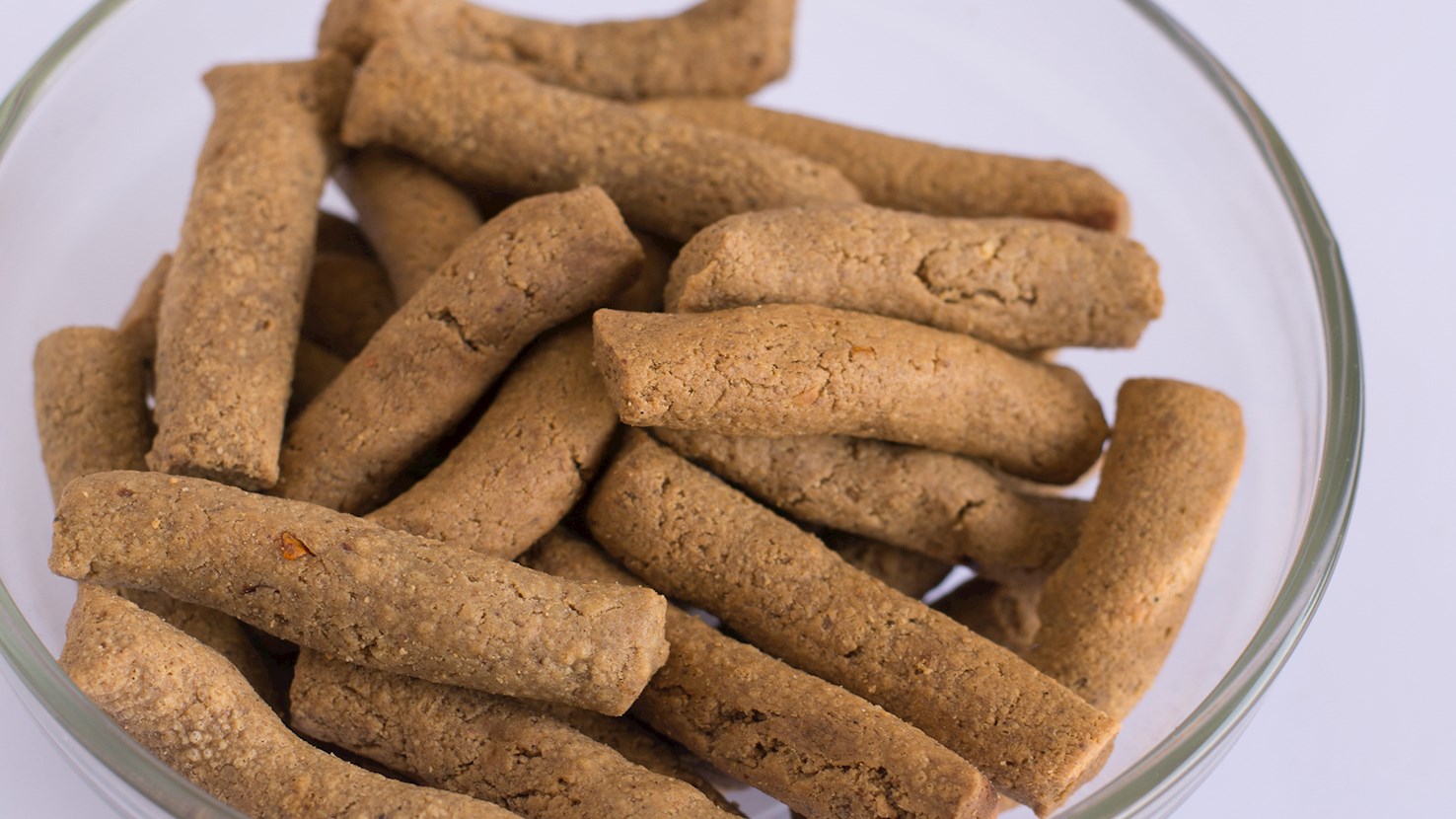
Kuli-kuli is Benin's national dish, also popular in Nigeria and Ghana, providing nutrition, protein, and sustenance to the poor and often malnourished locals who have limited access to food. This simple meal consists of ground, smashed peanuts that are shaped into balls or biscuits which are deep-fried in their own oils. Prior to frying, the paste is mixed with salt, pepper, and some spices, if available. To put it simply, it is deep-fried peanut butter. The finished product doesn't look appetizing, but it tastes quite good, with golden brown fritters drained and served either hot or cold and eaten as a snack. Kuli-kuli can also be sprinkled over salads or accompanied by koko, fura, kamu, or with a blend of garri, sugar and water, called garri soakings.
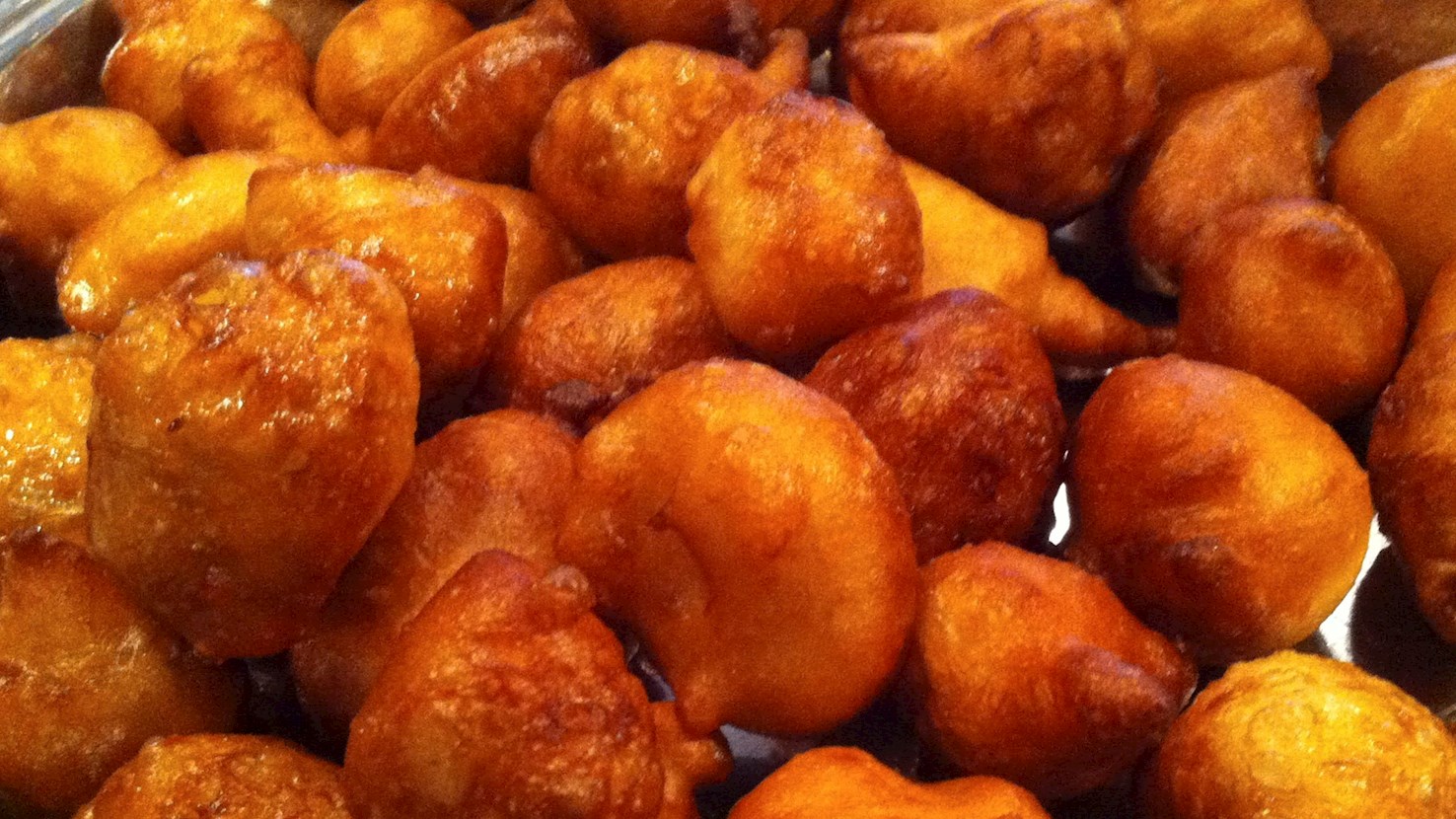
Yovo doko is typical Beninese street food that is considered a national dessert. These sweet fritters consist of flour, water, yeast, and sugar. The dough is deep-fried until a golden crust develops on the exterior, while the inside remains soft and tender. Yovo doko fritters are traditionally topped with powdered sugar and consumed any time of the day. The name of the dish is literally translated to European pastry, because yovo doko is very similar to the French beignet, a popular type of fritter made from deep-fried choux pastry.
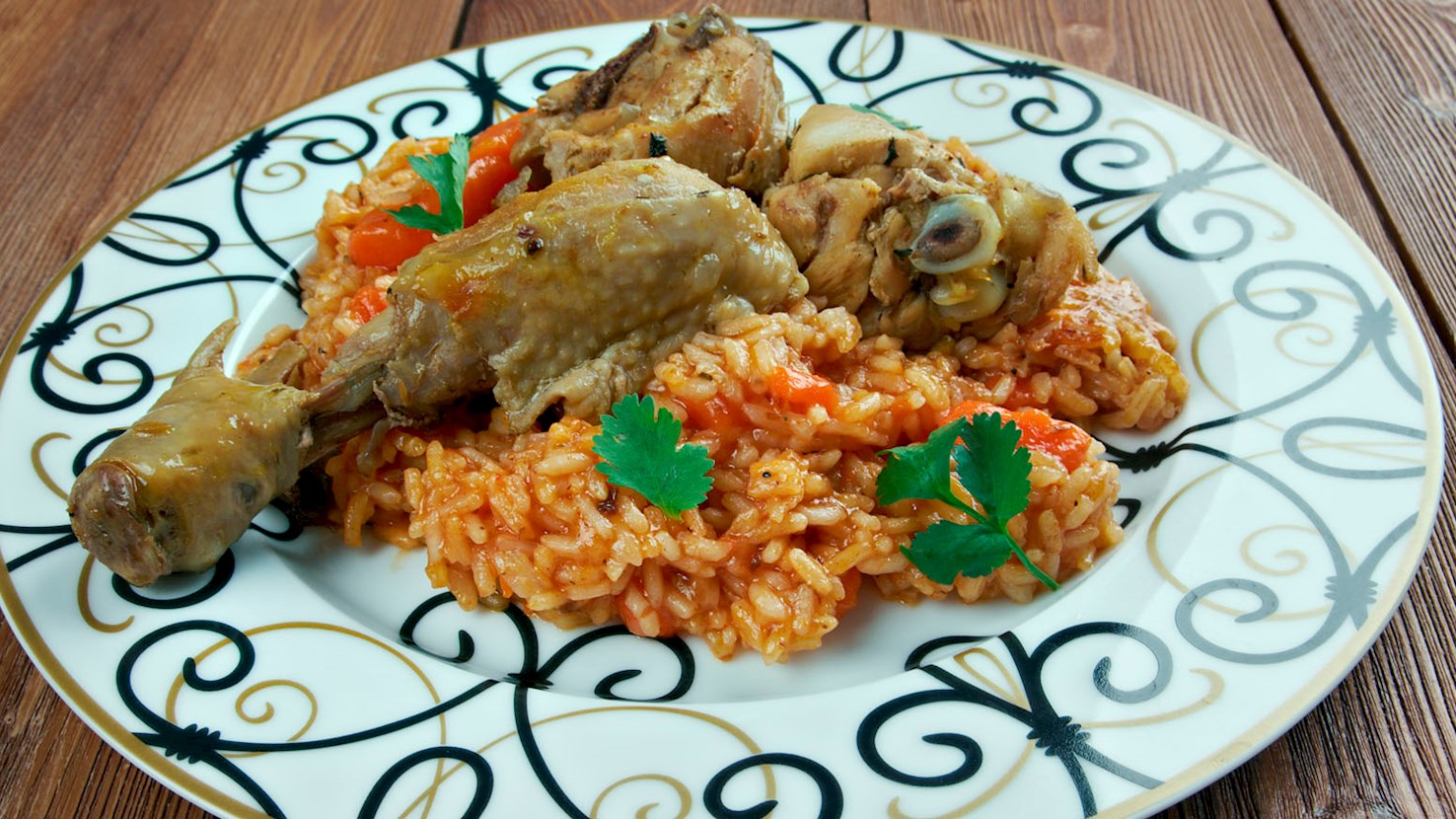
Riz gras is a West African one-pot rice dish made with rice cooked directly in a seasoned broth that often includes tomatoes, onions, and vegetables, with the addition of meat or fish depending on region and availability. It is prepared widely in Francophone West Africa, including Côte d’Ivoire, Burkina Faso, Togo, Benin, Guinea, and Mali. The name, meaning “fat rice” in French, refers to the presence of cooking fat from meat, fish, or oil that enriches the dish and gives the rice a glossy appearance. Though closely related to other West African tomato-based rice dishes, riz gras forms its own category with variations shaped by local ingredients, preferences, and culinary techniques. The dish developed through the influence of regional one-pot cooking methods that combined rice, a relatively early staple in coastal and riverine areas, with tomatoes and onions introduced during the colonial period and incorporated into daily cooking. As different West African communities integrated rice into their diets, they adapted the one-pot method to their local produce and seasonings. Over time, the name riz gras became common across French-speaking regions, describing dishes that shared a similar structure while differing in seasoning, vegetables, and the type of protein used. While it shares roots with the Wolof one-pot dishes of Senegal and The Gambia, riz gras evolved in Francophone territories into a broad category rather than a single standardized preparation. Preparation begins with browning meat or fish, which produces the base fat that flavors the rest of the dish. Onions, tomatoes, peppers, and sometimes tomato paste are added and cooked until thickened. Spices such as garlic, ginger, dried pepper, bay leaves, and local seasoning blends are incorporated according to regional tastes. Water or broth is added before the rice goes in, and the pot is then covered and cooked until the grains absorb the liquid fully. Vegetables such as carrots, cabbage, eggplant, or okra may be added whole or in large pieces, depending on the local style. Some cooks aim for a dry, fluffy outcome, while others prepare a softer, slightly saucier version. The balance of fat, tomato, and broth determines the final flavor and texture. A characteristic feature of riz gras is the flexibility of its composition. It can be made with beef, mutton, chicken, smoked fish, or no animal protein at all. Its seasoning adjusts easily to local spice traditions, and the dish accommodates a wide range of vegetables without departing from its identity. The defining element is the method: rice cooked in the same pot as the sauce and protein, absorbing all the flavors directly. Riz gras is eaten throughout Francophone West Africa in homes, canteens, street-food settings, and at social gatherings. It is often served with fried plantains, simple salads, boiled eggs, or spicy relishes made from chili and onions. Beverages commonly paired with it include bissap, ginger drinks, palm wine, soft drinks, or cold beer, all of which complement the richness of the rice and the seasoning of the stew.
Dahomey fish stew is a Beninese fish dish made by frying pieces of firm white fish and then simmering them in a simple sauce of tomatoes, onions, palm oil, and stock or water. The result is a rich, savory stew in which the lightly fried fish absorbs some of the tomato sauce while still holding its shape. Firm, relatively lean fish works best. Sea bream, porgy, tilapia, sea bass, and similar fish are commonly suggested and can be cut crosswise into steaks rather than filleting them. The pieces are seasoned with salt and black pepper, lightly coated in flour, and fried until golden. The flour helps form a thin crust and also slightly thickens the finished sauce. Red palm oil is particularly characteristic, although some recipes use ordinary vegetable oil or a mixture of the two. The oil is heated over moderate rather than smoking heat, and the fish is browned on both sides before being removed from the pan. Finely chopped onions are then cooked in the same oil, followed by fresh tomatoes. As the tomatoes soften, they combine with the onions and palm oil to form a red-orange sauce. Fish stock or water is added, and the mixture is allowed to simmer. Hot red pepper or cayenne can be included, depending on the desired level of heat. The browned fish is returned to the pan for the final stage of cooking. It simmers gently in the sauce until cooked through and tender. The fish needs relatively little handling at this point because vigorous stirring can cause the pieces to break apart. The finished dish is closer to a saucy fish stew than a thin seafood broth. The sauce is dominated by tomato, onion, and the distinctive earthy flavor of palm oil, while the fried surface of the fish adds another layer of richness. When vegetable oil is used instead of palm oil, the dish becomes lighter in color and loses much of the characteristic flavor associated with the palm fruit. Some modern versions add garlic, ginger, fresh chilies, or other seasonings. Okra, shrimp, crab, and other seafood also appear in many West African stews. Still, they are better regarded as additions or related regional cooking styles rather than essential components of Dahomey fish stew. Rice is one of the most common accompaniments and works particularly well with the tomato and palm-oil sauce. In Benin, people also commonly eat fish and sauces with staple foods made from maize, cassava, or yam, including fermented maize preparations and pounded yam, so that the exact accompaniment can vary by region and household. The name Dahomey refers to the historical Kingdom of Dahomey, which existed in what is now southern Benin from the 17th to the late 19th century. The modern country was also known as the Republic of Dahomey until it was renamed the People's Republic of Benin in 1975. The precise origin of the recipe called Dahomey fish stew is not well documented enough to connect it directly to the royal court of the Kingdom of Dahomey. Fish, palm oil, and starchy accompaniments have long been central to southern Beninese cooking, particularly in coastal and river communities. Still, no evidence suggests this particular stew was devised to preserve fish in the tropical climate. Tomatoes and palm oil contribute flavor and richness rather than making the cooked fish shelf-stable.
TasteAtlas food rankings are based on the ratings of the TasteAtlas audience, with a series of mechanisms that recognize real users and that ignore bot,
nationalist or local patriotic ratings, and give additional value to the ratings of users that the system recognizes as knowledgeable.
TasteAtlas Rankings should not be seen as the final global conclusion about food. Their purpose is to promote excellent local foods,
instill pride in traditional dishes, and arouse curiosity about dishes you haven’t tried.



What People Say